Laura Bennett
Laura Bennett Facebook ad: “Fix Your GLP-1 Hair Loss Today”
Ran for 8 days, from May 21 to May 29, 2026, the last day Crush saw it.
Run by Laura Bennett on Facebook. Crush is not the advertiser and does not verify its claims. See this ad in Meta's Ad Library(opens in a new tab)
Want an ad like this for your product?
Crush makes new ad images for your product from this ad: your logo, your product photo, your offer.
Trials from $19.95 USD, then $79.95 USD a month. Cancel anytime.
About this ad
- Meta Ad Library ID
- 727355667127024
- Platforms
- Facebook, Instagram, Audience Network, Messenger and Threads
- Relaunches
- 6
- Niche
- Hair Care
Ad text
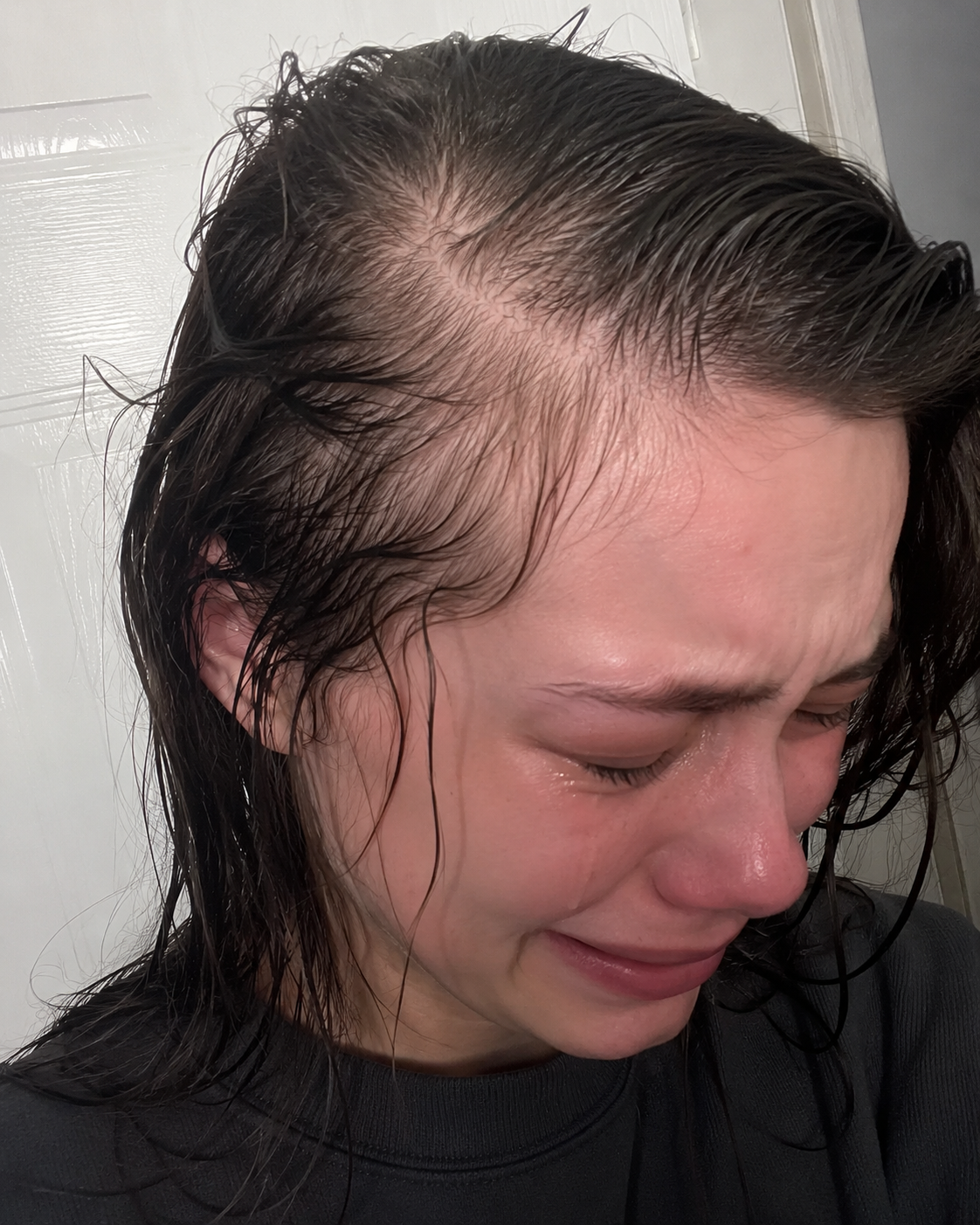
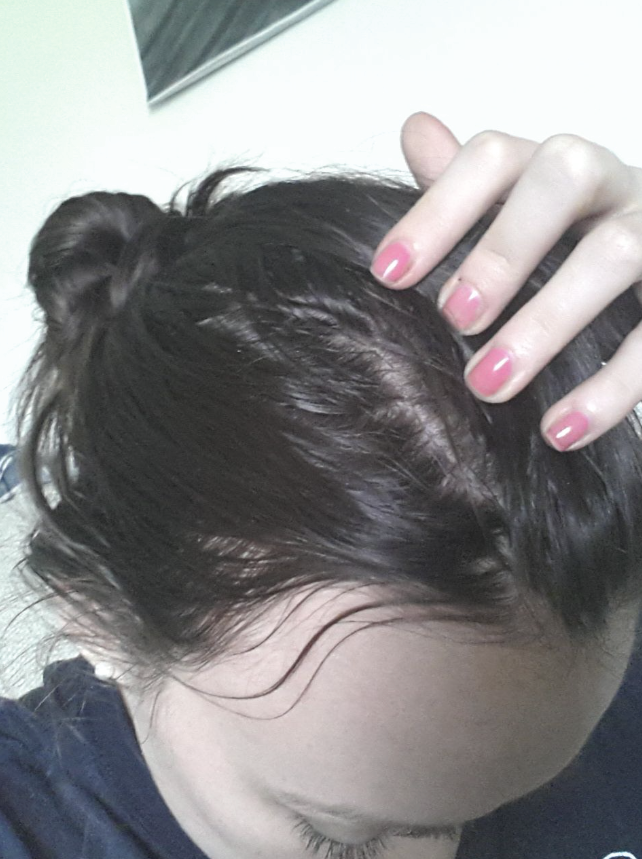
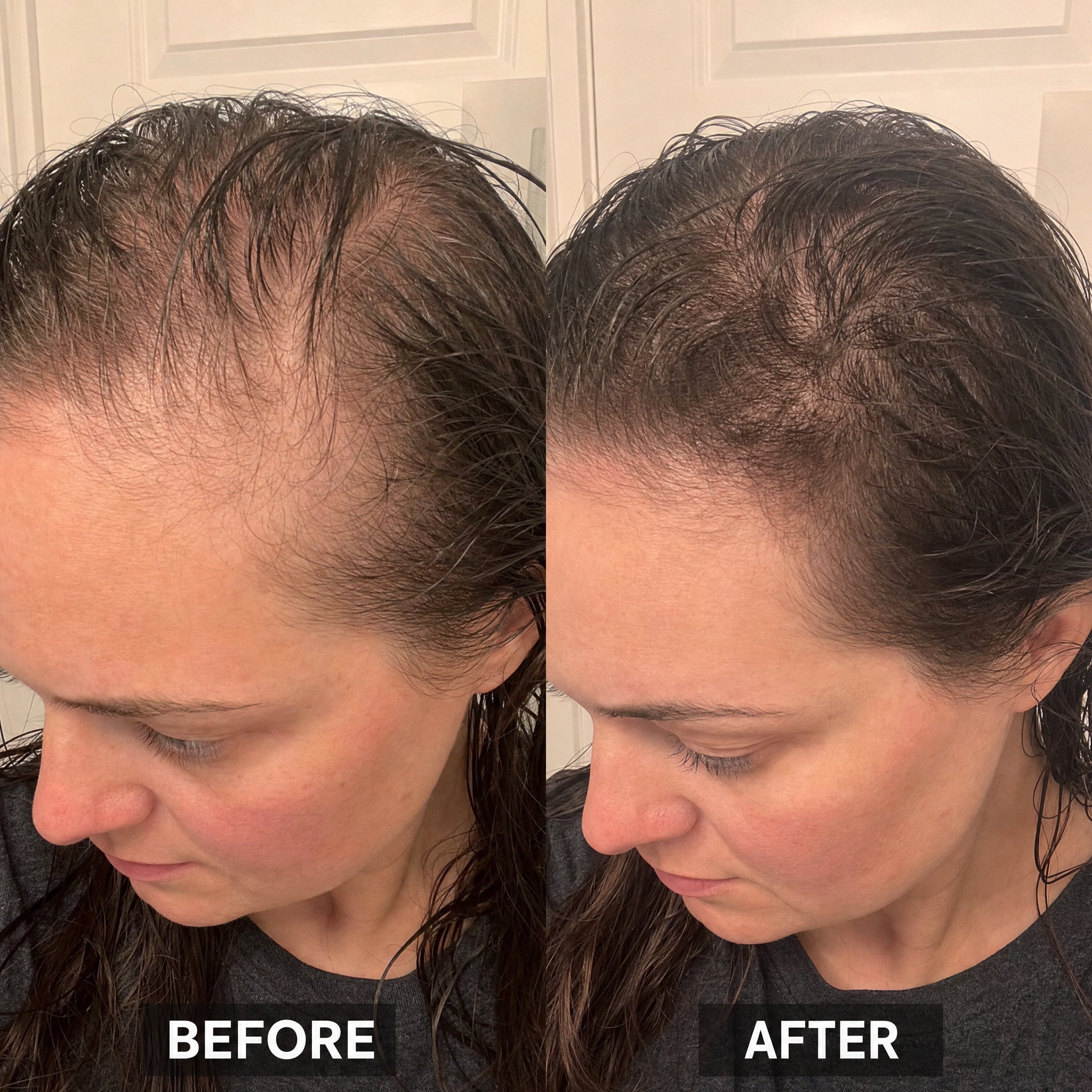
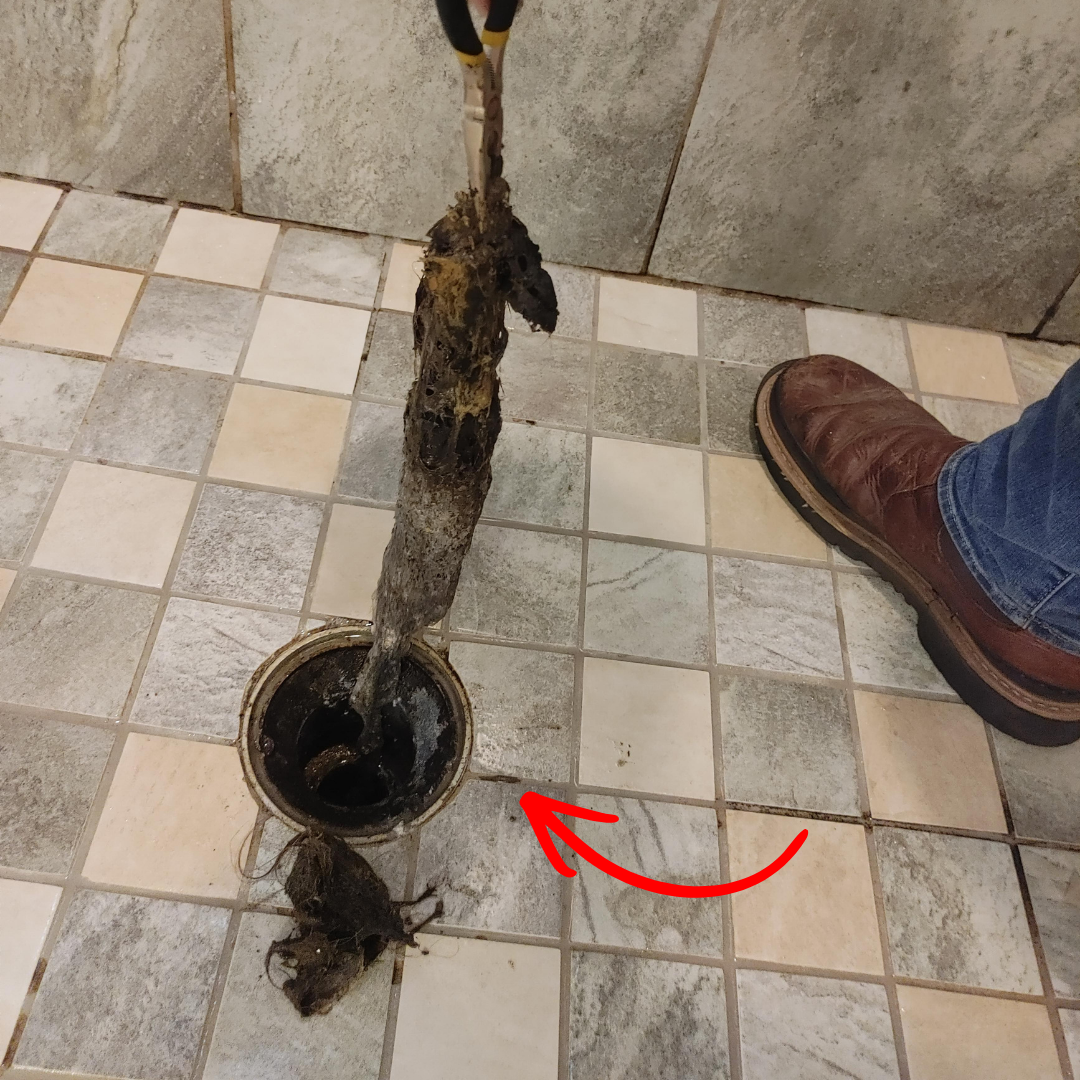
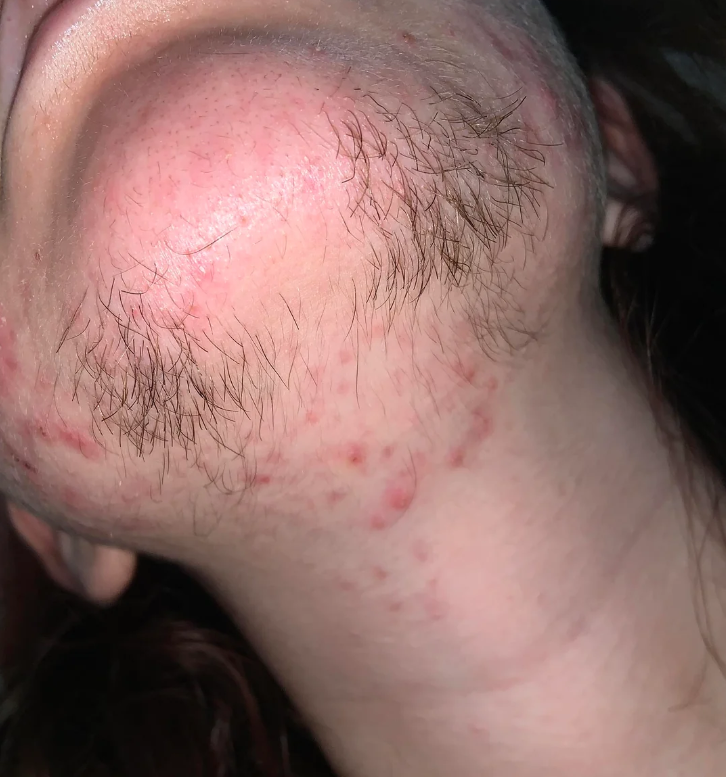
“Mom, why do you have hair on your face?” My daughter asked. Minoxidil started growing hair on my chin before it grew back on my scalp. I felt devastated. So I closed the door to my room and cried. I knew I couldn’t do it any longer. And I just wanted my hair back. So I did. Let me back up. I've been a clinical therapist for 24 years. I treat nervous systems for a living. Cortisol, anxiety, the slow erosion of women who've been carrying too much for too long. So when the women on Ozempic and Mounjaro started showing up in my practice in tears about their hair — I understood the bodily mechanism better than my own dermatologist did. I just didn't know it was about to happen to me. I'm fourteen months into Mounjaro. Down 44 pounds. I'm genuinely thrilled about the 44 pounds. What I'm not thrilled about is realizing that somewhere between month six and month eight, I started finding my hair everywhere. My pillow. My husband's pillow. The bathroom floor. The drain. The back of every shirt I owned. Clumps in the shower after every wash. My ponytail — which used to need two wraps of the elastic — now needed four. Under a bright bathroom light I could see my scalp through the part in a way I never could before. I called my doctor. She ran the full panel. Ferritin, thyroid, vitamin D, A1C, protein. Everything came back normal. She told me what every woman in the GLP-1 Facebook groups gets told. "It's just from the rapid weight loss. Eat more protein. It'll grow back." I was already eating 120 grams a day. The hair was still in the drain. So I did what every woman in those groups does. I started stacking. Pumpkin seed oil. Saw palmetto. Biotin. Collagen. Nutrafol at $85 a month, four capsules a day, for nine months. I rotated them. I combined them. I doubled them. I stayed on Nutrafol the longest because every Reddit thread swore by it. None of them worked. I didn't know it yet, but none of them were designed to fix what was actually happening in my scalp. What I kept coming back to — what every dermatologist, every forum moderator, and every influencer with an affiliate link kept pointing me toward — was minoxidil. Women in the groups saying it was the only thing that had actually worked. So I called my dermatologist. She wrote the prescription without hesitation. I went home feeling like I finally had a plan. The first month was hard in a way I'd prepared for intellectually and not at all emotionally. There's a thing minoxidil does called a "dread shed." Your shedding gets worse before it gets better. I knew this going in. I told myself I knew this going in. What I hadn't prepared for was what it actually felt like to already be losing significant hair density — and then to watch it accelerate. By month 2 my ponytail was the size of a pencil. I started doing the inventory every morning in the bathroom mirror — is it worse today? — the way you check a bruise you're trying to convince yourself isn't worsening. Month three, the baby hairs appeared. Thin, almost translucent little hairs along my part line. I photographed them at 6am with my phone flashlight pressed against my scalp. I sent the picture to my best friend. She texted back a row of celebration emojis. I cried in the bathroom, briefly, out of actual relief. Then it got worse. Here is when I have to tell you about the chin hair. I noticed it sometime around month three. Just one. Fine. Probably nothing. By month four, the waxer said something at my next appointment. Not unkindly. Just professionally, the way someone says a thing when they've had to say it before. "Have you changed anything recently? New medications?" She nodded slowly when I said yes. The specific nod of someone who already understood something I didn't. I went home and searched "minoxidil facial hair growth women." What I found should have been in a package insert. When you take minoxidil orally or topically. It absorbs into your bloodstream. From there, it travels systemically — to every androgen-sensitive follicle in your entire body. Your scalp. Your hairline. The sides of your face. Your temples. Your upper lip. Your chin. Your arms. It is not a targeted treatment. It's a chemical signal your body interprets across its entire surface area, with no mechanism to distinguish the follicles you're trying to save from the ones you very much wanted to leave alone. Clinical studies report visible facial hair growth in 21% of women using topical minoxidil. In the GLP-1 groups, when women speak honestly about their experience? The numbers look considerably higher. But the facial hair wasn't what broke me. What broke me was what I found when I started reading differently. Not looking for more solutions. Looking for the actual mechanism of what I was inside. How does minoxidil work and does it have to be toxic? A friend — a physician — sent me a paper out of Columbia's hair biology lab. I wish my dermatologist had handed it to me in October. I have spent 24 years watching what sustained stress does to women's bodies. And 3 years what chronic stress - the kind GLP-1 produces does to women’s hair. Until I read this paper, I had never thought about what it does to a hair follicle. Here is the part that landed. When you start a GLP-1, your body reads the metabolic shift as one thing. Stress. Not emotional stress. Biological stress. And it responds the way bodies respond to any big sustained stressor — telogen effluvium. Chronic stress causes telogen effluvium. And telogen effluvium directly suppresses a protein in your hair follicles called GAS6. GAS6 is the restart button. It's the signal that pushes follicles out of the resting phase and back into active growth. When everything is working — stress passes, GAS6 fires, follicles wake up, hair grows back. That's the normal cycle. But GLP-1 isn’t a one time stress to your body. You do it every week. Here's where it broke for me. When stress stays elevated for months — and on a GLP-1, it stays elevated for months — your body doesn't just pause GAS6 production. It learns to keep it off. Even after you hit your goal weight. Even after the metabolic shift levels out. Even after your life is objectively calmer. The suppression becomes the default. Your follicles stop receiving the restart signal — not because you're still stressed, but because the activation pathway itself has shut down. Your body has rewritten its baseline. This is why women hit maintenance and keep shedding. Why their hair doesn't "just come back." Why eight months past goal weight, the drain still looks like a dead animal. And the part that scared me the most: Follicles that stay dormant don't stay dormant forever. They shrink. They miniaturize. Eventually, they die. So in some areas, we’re talking permanent hair loss. That's what made me get minoxidil in the first place. Because here's how minoxidil actually works — and almost no woman taking it knows this. Minoxidil forces GAS6 activation in dermal papilla cells. Force is the operative word. It is a chemical override. A topical signal loud enough to drown out the suppression underneath. On paper, the logic looked almost elegant. GLP-1 elevates stress. Stress suppresses GAS6. Minoxidil forces GAS6 back on. Problem solved. That's not what it felt like. Every morning I applied it, my own GAS6 signal was being pulled toward suppression by the stress my GLP-1 was generating. And the minoxidil was screaming over it. Which meant the minoxidil could never stop. Every morning. Forever. Or until I stopped — and lost everything it had built. I tested this without meaning to. I ran out of my bottle on a Wednesday. My order didn't arrive until Monday. Five days. By day three, I could feel the change in the texture of my hair. By day five, the shedding was back at levels I hadn't seen since before I started the whole protocol. In five days. Those baby hairs I had waited months for, photographed at 6am, cried about a little? They weren't mine. They belonged to the drug. And the drug wanted them back the moment I stopped taking it. I went back to the groups and read everything differently. Thread after thread of women describing the same specific maddening experience. Partial results that felt fragile. Facial hair activating faster than scalp hair filled in. Baby hairs that never quite became full density. A creeping daily dread about what happens if they miss a dose. They weren't describing rare side effects. They were describing what minoxidil does. A woman named Stacy in one of those groups had tried seven things over fourteen months. She posted an update one Tuesday in October. Four sentences. I read them fully focused: "None of the things we're buying touch GAS6. You can't feed a follicle that's been told to stay asleep. Your scalp doesn't need to be fed. It needs to be woken up." That's when my mind clicked. I'd been buying products designed to nourish active follicles for an entire year. But my follicles weren't active. They were dormant. You can pour all the protein, biotin, collagen, and saw palmetto you want into a follicle that isn't receiving the restart signal. Nothing gets built. The shutdown wasn't a deficiency problem. It was a GAS6 problem. Stacy pointed me toward what she was using. I went in the way I go into everything at this point. I'd been burned enough. What I found was that this wasn't made for general hair loss. It was formulated specifically after the GAS6 research came out — for women losing hair on GLP-1s. Two ingredients. That's it. The first is a clinical dose of Vitamin K2, in the MK-7 form. Here's the part that turned me from skeptical to genuinely curious. And this didn’t come from me. There is an actual PubMed research on this. GAS6 is what scientists call a Vitamin K-dependent protein. That means your body literally cannot activate GAS6 naturally without adequate K2. When cortisol suppresses GAS6, what's actually happening at the molecular level is that the activation pathway shuts down. And K2 is the only cofactor that turns it back on. But problem is Vitamin K2 doesn’t stay active long enough to wake it up. So MK-7 form matters because it stays active in your body for days, not hours. Long enough to steadily restore GAS6 production — not just spike it and crash. Not by forcing an artificial signal like minoxidil does. But by giving your body the cofactor it needs to wake it up. Follicles get the signal. Growth phase resumes. The second ingredient is called Apple Polyphenol B2. So once a follicle is back in growth phase, B2 keeps it there longer. Clinical trials show it extends the active growth window. So the formula does two specific things. K2 restores the restart signal so dormant follicles wake up. B2 keeps them awake longer once they do. So hair not only just wakes up. But it grows longer and comes back fuller. Restart and extend naturally. That's it. No daily chemical override that goes systemic and grows hair on my chin. Two ingredients. One mechanism. The exact one that’s been working, but natural and without the side effects. Here is the number that made me try it as well. In their clinical testing on women taking GLP-1 medications, 92% saw their shedding drop by 68% within three weeks and 88% saw new baby hairs already by week 11. Three weeks to stop the shedding. Not three months. Not "give it ten to twelve and see." And real hair growth. And it's less than half the price of other supplements I was taking that didn’t even work for me. For comparison, the month before I ordered Balmbare I was spending $85 on Nutrafol, $40 on minoxidil, $25 on biotin, $30 on collagen, $22 on pumpkin seed oil. $202 a month on five products targeting four different mechanisms and none of which were GAS6. The actual lock on my hair. The week Balmbare arrived, I cancelled four subscriptions. Yes I kept a log. I'm a clinical therapist. I can't help it. Week one: hair still clogging the drain. No visible improvement. Week two: less hair on my hands when I conditioned. Not dramatically. But I had been counting strands the way you count things you're afraid of. I went from around 140 a day to around 100. I thought it was a fluke. A good day. By week five, I'd run fingers through my hair and only two or three strands would come out. I couldn't believe it. I was getting... better? By week eight, the shedding had almost stopped. I was losing about 60 strands in the shower. I woke up with a clear pillow. Week eleven is when I cried. Baby hairs along my part line. Along my temples. Real ones. Not minoxidil ghosts. Mine. I had an appointment with my hair dresser that week. She said, "Did you do something to your hair?" I just smiled. I still take my GLP-1 every Tuesday. I'm still losing weight. My health markers are genuinely transforming. And for the first time in over a year, I don't feel terrified washing my hair. I don't dread the shower. The chin hair stopped. I do not have a drug waiting every morning to take back what it built the second I miss a dose. And I'm not locked into a forever subscription. Once GAS6 production is restored and follicles cycle back into normal growth, the work is done. This isn't a daily war I have to keep fighting. And yet I still take it everyday. Because they are delicious and my hair hasn’t looked this full in years. Actually mine. Not borrowed. Not conditional. Not dependent on winning a daily biological war against my own medication. Because what I needed all along wasn't a louder signal. It was the right one. So if you're on Ozempic, Wegovy, Mounjaro, or Zepbound right now and your hair is changing. Or if you're thinking about starting minoxidil — or you've already started. Or if your doctor has run the full panel, told you your labs are normal, and sent you home to wait. I've left a link below in case you want to check them out and decide for yourself. I just wish someone had handed me this fourteen months ago. Problem is they’re a small company so they’re usually sold out. Now I always grab a few bottles so I don’t have to wait for them to get it in stock. Click below to check if they’re still in stock 👇 https://balmbare.com/pages/glp-hair-loss — P.S. — Nobody warned me that minoxidil's dependency isn't chemical in the traditional sense. It's mechanical. The wound never closes. The bandage never comes off. Knowing that mechanism exists means you have options you didn't know you had. That's worth something. P.P.S. — The most common thing I hear from women in these groups is: "I wish I had started this sooner." I said the exact same thing. But here's what the GAS6 research actually shows: the follicle doesn't die the moment the signal gets suppressed. It goes quiet. And quiet can still be woken up. The best time to start was when you took your first injection. The second best time is right now.
Where the ad sends people
balmbare.com
Fix Your GLP-1 Hair Loss Today
This helps with high cortisol hair loss....
Shop now: balmbare.com(opens in a new tab)