Ahmed Ashfaq
Ahmed Ashfaq Facebook ad: “Understanding the Child Protection Process in Hong Kong”
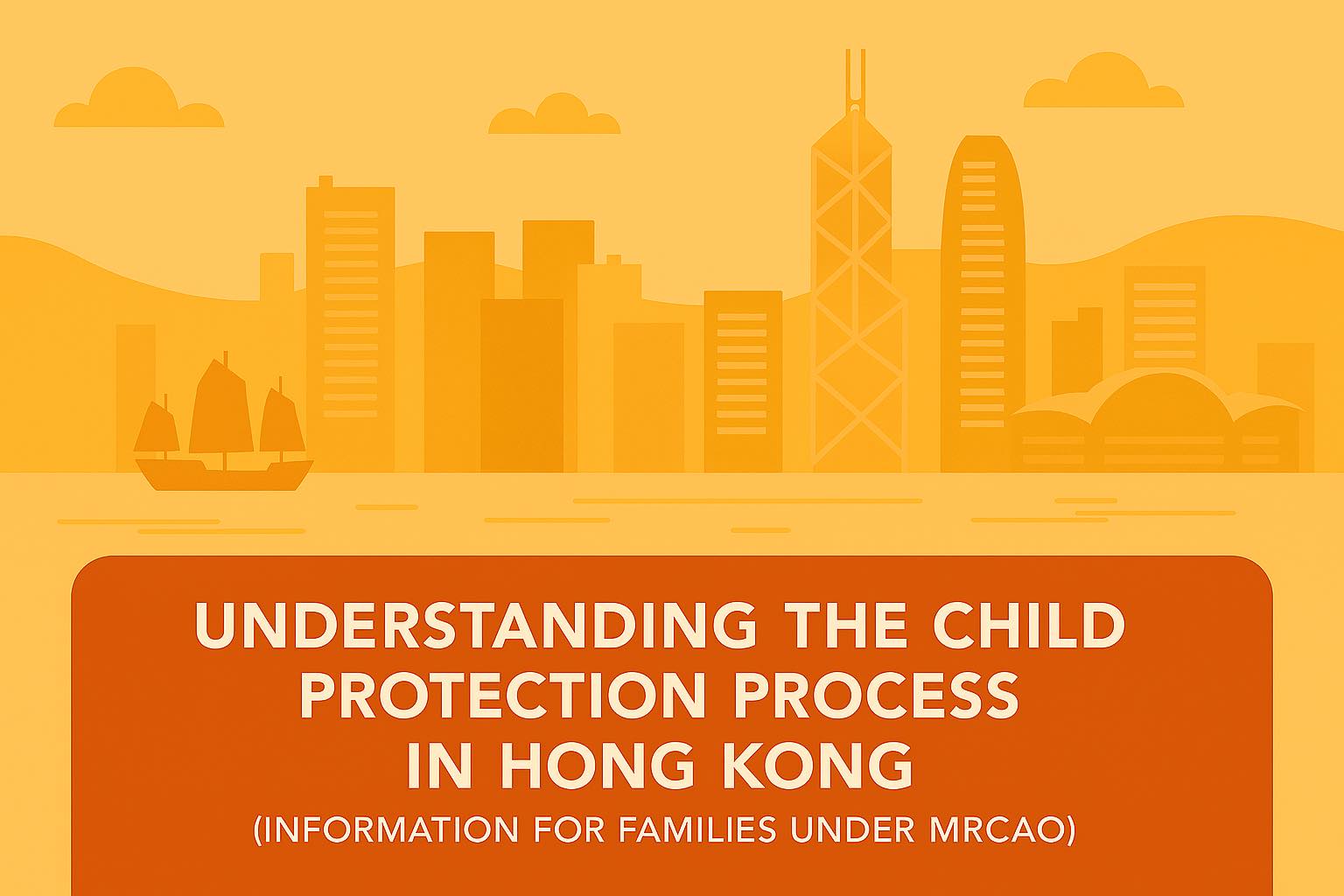
Ran for 1 day, from February 24 to February 25, 2026, the last day Crush saw it.
Run by Ahmed Ashfaq on Facebook. Crush is not the advertiser and does not verify its claims. See this ad in Meta's Ad Library(opens in a new tab)
Want an ad like this for your product?
Crush makes new ad images for your product from this ad: your logo, your product photo, your offer.
Trials from $19.95 USD, then $79.95 USD a month. Cancel anytime.
About this ad
- Meta Ad Library ID
- 750421041256019
- Platforms
- Relaunches
- 0
Ad text
Understanding the Child Protection Process in Hong Kong Information for Families (Under the Mandatory Reporting of Child Abuse Ordinance) If a child‑protection report has been made in Hong Kong, families may often feel worried, confused, or unsure about what happens next. This post explains the general process in clear, non‑technical terms so families know what to expect. Important note: This post is for general information only, based on the Mandatory Reporting of Child Abuse Ordinance (Cap. 650) and official Government guidance. It does not provide legal advice and cannot replace advice from a qualified Hong Kong solicitor for any specific situation. 1) A Report Starts a Process — It Is Not a Judgment A report to the authorities is not a conviction and not proof that anything has happened. It starts a structured process where professionals assess a child’s safety. In Hong Kong, this is often a 'dual-track' process: while Social Workers focus on the child's welfare, the Police may simultaneously look into whether a criminal offence has occurred. Both paths are standard procedure under Cap. 650. Families may often feel “we can explain everything.” That feeling is natural. However, even where matters appear explainable or minor, the system must still complete its required checks and record its assessments before a case can be closed. 2) The First Few Days: What Usually Happens Every case is different, but in the first 24–72 hours, families may experience the following: Contact from a social worker and/or the Police to check on the child’s welfare. Basic questions about the household and caregivers. Arrangements to see the child and conduct a Medical Check (or confirm medical records). These are not accusations. Their purpose is to gather information and make sure the child is safe while the process continues. 3) Questions About Care: Who Was Looking After the Child? One of the most common questions is who was supervising the child at the relevant time. This is why domestic helpers, grandparents, or other caregivers may be asked questions. The safeguarding process looks at actual care arrangements, not family titles or hierarchy. For households with helpers, this is not unfair treatment. Helpers are often key caregivers, and their observations help professionals understand what happened and how care is usually provided. 4) Speaking With Professionals: Calm and Factual Communication When families speak with social workers, teachers, doctors, or other professionals, what is said may be noted as part of the assessment. These conversations may feel informal, but they form part of the safeguarding process. A helpful approach is to: • Listen carefully to each question • Answer calmly and honestly • Stick to the facts you know If you are unsure about something, it is okay to say so. 5) Looking at the Whole Picture, Not Just One Incident Professionals look beyond a single incident to understand how care usually works at home. Under the Ordinance, 'harm' is not limited to physical marks; it includes psychological harm and neglect (such as failing to provide adequate medical care or supervision). Questions may include daily routines, sleeping arrangements, and who handles medical follow-ups. 6) Messages, Photos, and Records In modern cases, digital information such as text messages, photos, clinic receipts, or appointment records may be reviewed as part of the process. This is normal. As a general, common‑sense approach: • Do not delete messages or photos because you feel stressed — this can be misunderstood • Keep factual records such as appointment dates, discharge instructions, and medical advice If you are unsure how to handle records, seek professional guidance. 7) What Often Makes Things Harder Certain actions commonly increase stress and difficulty, including: Trying to identify or confront the person who made the report. (Note: The Ordinance provides strict legal protections for reporters; attempting to intimidate or retaliate against a mandated reporter is a criminal offence.) Asking schools or clinics to 'handle it privately'—mandated professionals are now legally required to follow official reporting channels. What Tends to Help Families Most Families who navigate the process more smoothly often: • Clearly explain who supervises the child and who makes medical decisions, and keep explanations consistent • Attend recommended medical follow‑ups and keep records • Stay calm with professionals who are required to follow set procedures • Use official learning resources to understand child‑protection expectations The Government provides public information and learning materials through the Child Protection Online Training Portal, which explains safeguarding expectations and good caregiving practices. 9) When to Consider Legal Advice Families may wish to seek legal advice if: Police involvement becomes active (such as formal cautioned interviews). In Hong Kong, the Police specifically call this a "Video Recorded Interview" (VRI) when children or vulnerable witnesses are involved, or a "Cautioned Statement" for suspects. You are asked to sign statements or provide digital records, as these may be used in future Court proceedings, such as Care or Protection Order hearings. Different caregivers may give different accounts of the same event. Even if no criminal charges are filed, the authorities may apply for a Care or Protection Order if they believe a child requires supervision for their safety. This is a civil process in the Juvenile Court designed to ensure the child receives proper care, which may include supervision orders while the child remains at home. ⚠️ Emergency If a child is in immediate danger or urgent risk, call 999 immediately. About This Post This post reflects Hong Kong law and official guidance as at February 2026, including the Mandatory Reporting of Child Abuse Ordinance (Cap. 650). It is provided for general information only and does not constitute legal advice. Every situation is different. For advice on specific circumstances, consult a qualified Hong Kong solicitor. Official Resources 1. https://www.elegislation.gov.hk/hk/cap650 2. https://www.info.gov.hk 3. https://www.swd.gov.hk/en/pubsvc/family/fcw_info/fcwprocedure/fcwp_mdco/index.html 4. https://www.swd.gov.hk/storage/asset/section/652/en/Procedural_Guide_Core_Procedures_Eng_2026.pdf 5. https://www.mrr.gov.hk/mr/ 6. https://www.childprotectiontraining.hk/ 7. https://www.dh.gov.hk/english/useful/useful_mrcao/useful_mrcao.html
Where the ad sends people
fb.com
www.fb.com
Visit profile: fb.com(opens in a new tab)