Margaret Thompson
Margaret Thompson Facebook ad: “Read if you love bread!”
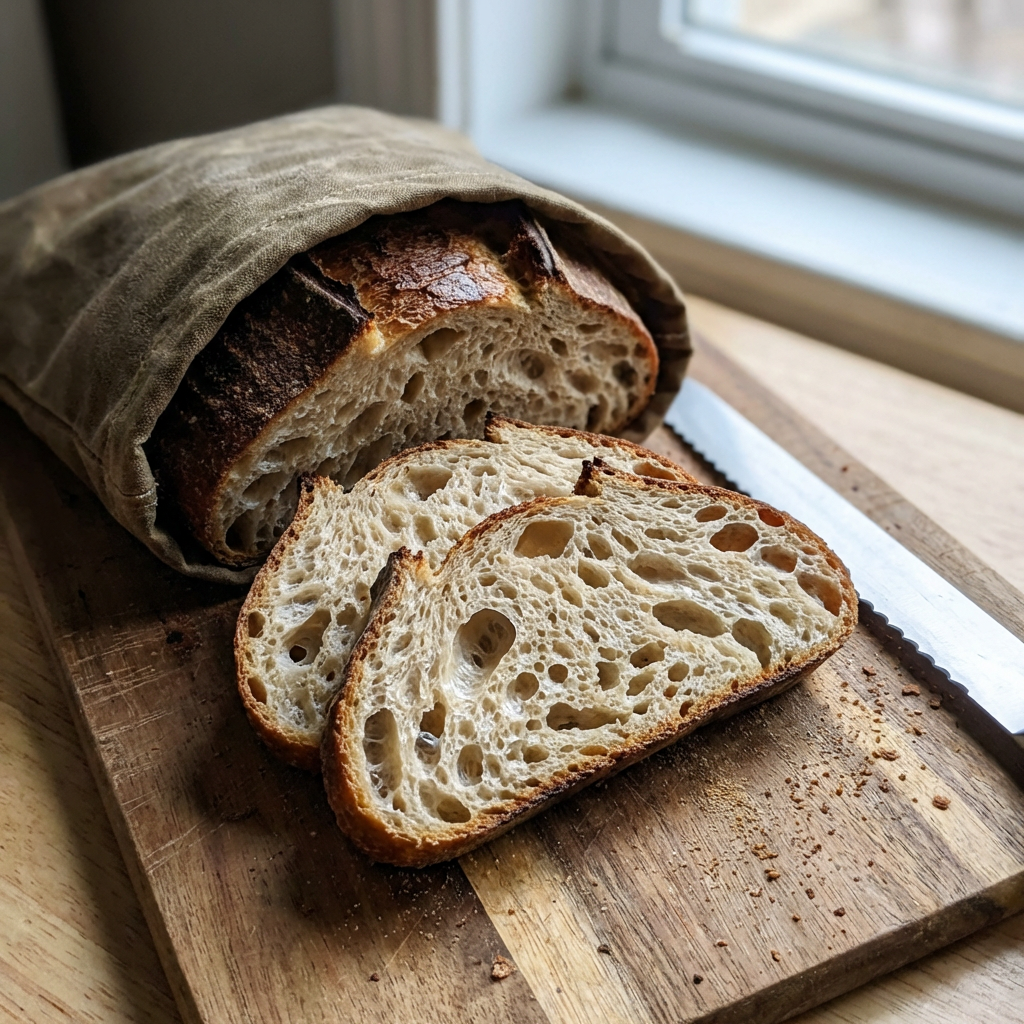
Ran for 12 days, from February 14 to February 26, 2026, the last day Crush saw it.
Run by Margaret Thompson on Facebook. Crush is not the advertiser and does not verify its claims. See this ad in Meta's Ad Library(opens in a new tab)
Want an ad like this for your product?
Crush makes new ad images for your product from this ad: your logo, your product photo, your offer.
Trials from $19.95 USD, then $79.95 USD a month. Cancel anytime.
About this ad
- Meta Ad Library ID
- 759648446792533
- Platforms
- Facebook, Instagram, Audience Network, Messenger and Threads
- Relaunches
- 5
Ad text
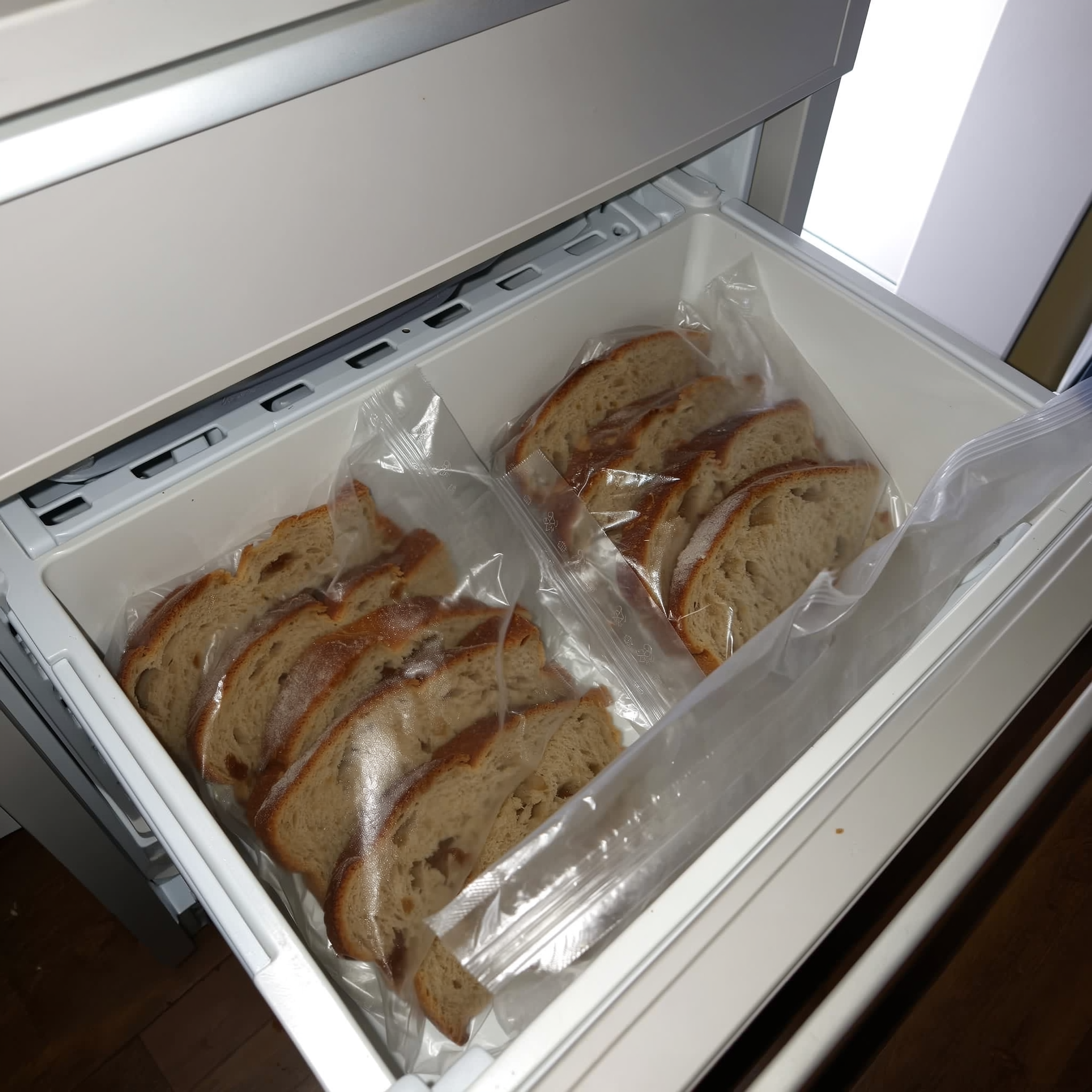
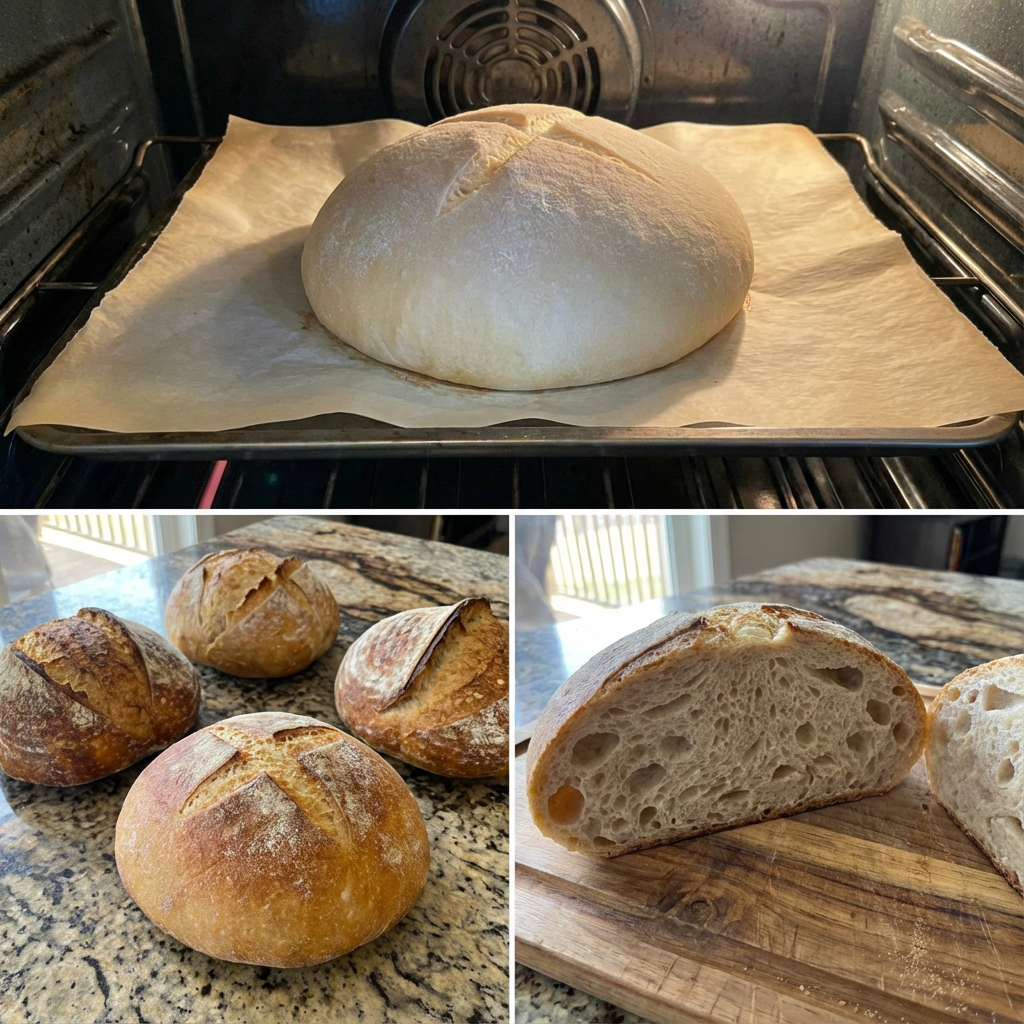
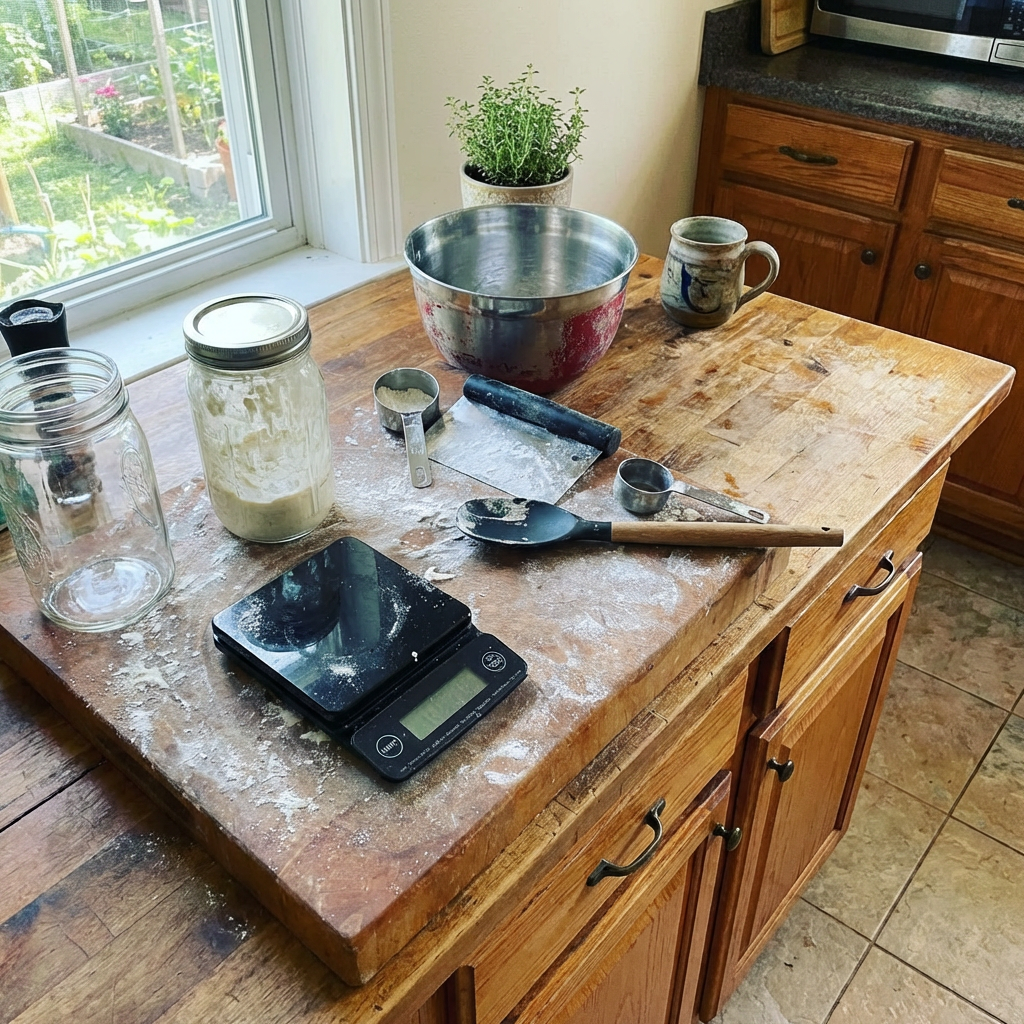
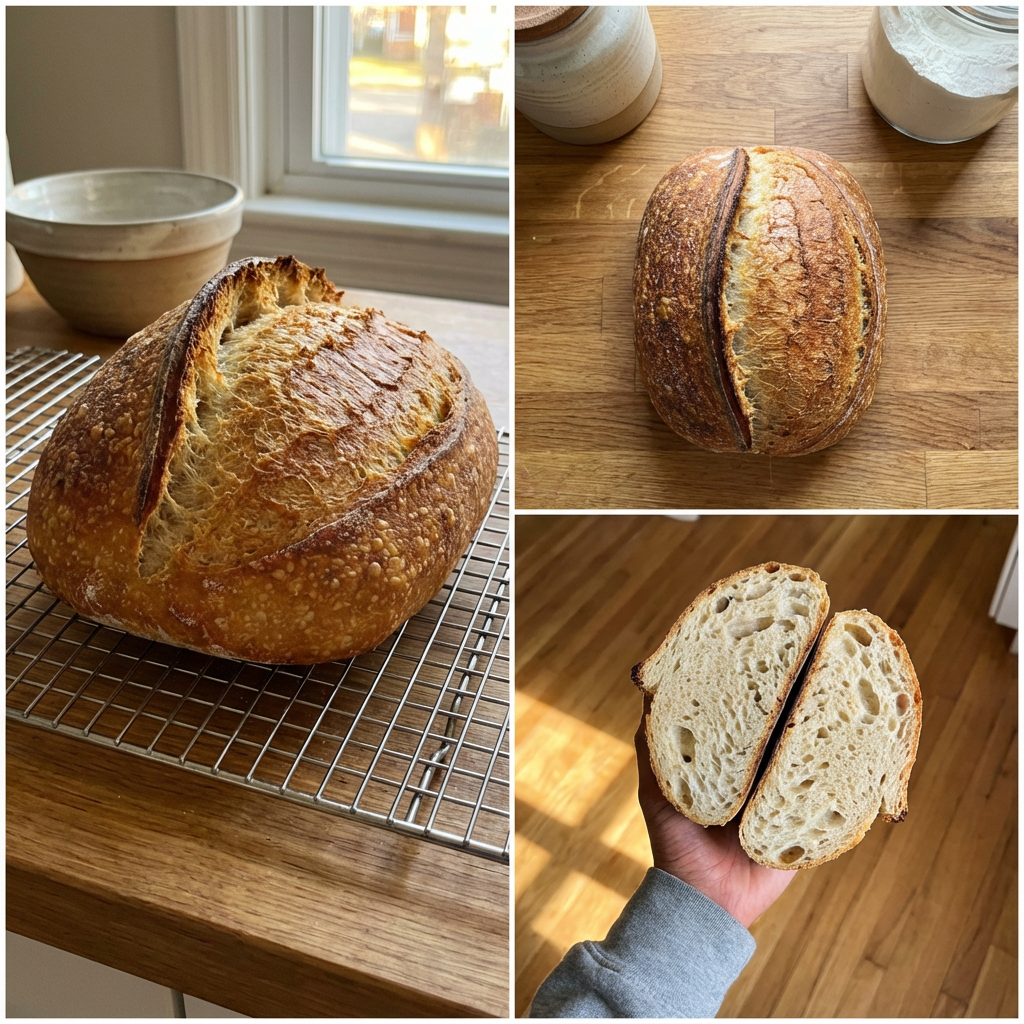
I used to think I just liked toast. Turns out I needed it. Plastic bags made the bread go soft overnight. Linen dried it out by day two. The bread box grew mold. Freezing kept it alive but every slice needed the toaster to be edible again. I wasn't choosing toast. I was running a rescue operation every morning. Then a French baker told me her grandmother never owned a toaster. She never needed one. That sentence sat with me for weeks. I've been baking bread for about six years now. Sourdough mostly. I have a starter I've kept alive since 2019. I've read the books. Taken the classes. I know my hydration percentages and my bulk ferment times. I can get a decent ear on a loaf and an open crumb that I'm genuinely proud of. The baking part I figured out. What I never figured out was what happened after. Every loaf I made followed the same pattern. Saturday I'd bake. Saturday night the bread was perfect. Sunday morning it was still good. By Monday something had already started to change. The crust would soften. Or the crumb would start to dry at the edges. By Tuesday I was reaching for the toaster because eating it straight wasn't enjoyable anymore. By Wednesday the toaster wasn't optional. It was mandatory. I never questioned it. I just assumed that's what homemade bread required. No preservatives meant no shelf life. The toaster was the price of eating real food. So I built my whole routine around it. Slice the bread. Toast the bread. Every single time. Breakfast. Lunch. Sandwiches for the kids. Everything went through the toaster first. I didn't even think of it as a problem. It was just how things worked. Then I started paying attention to what was actually happening to my bread and why. Plastic bags were the worst. I'd put a fresh loaf in a plastic bag and wake up to a crust that had gone soft and almost rubbery. The moisture from the bread had nowhere to go. It just collected inside the bag and turned the outside into something sad and chewy. Mold would show up by day four or five. Sometimes sooner if the kitchen was warm. Linen was supposed to be better. I read that it lets the bread breathe. Keeps the crust crisp. And it did keep the crust nice for about twelve hours. But then the crumb started drying out. By day two I could barely cut through it without the knife slipping. By day three it was basically a brick. My husband made a joke about using it as a doorstop. It wasn't that funny because it wasn't that far off. The bread box seemed like a reasonable middle ground. Enclosed but not sealed. I bought a nice one. Ceramic with a wooden lid. It looked beautiful on my counter. But what it actually did was trap just enough humidity to grow mold while still letting the bread dry out. Worst of both worlds. I found fuzzy spots on the bottom of a loaf after just four days. Cleaned the box. Tried again. Same result. Freezing worked in the sense that the bread didn't go bad. But it also stopped being bread. Every slice came out of the freezer cold and stiff. Dense in a way it wasn't when it was fresh. The only way to make it edible was to toast it. So I did. Every time. I had a system. Slice the loaf after it cooled. Bag the slices. Freeze them. Pull out what I needed each morning. Toast it back to life. I thought I was being smart. Efficient. Doing what serious home bakers do. But I wasn't eating bread anymore. I was eating something that used to be bread and had been resurrected by a toaster. There's a difference. I just didn't let myself think about it. Then I met a woman at a neighborhood gathering last spring. We got to talking about baking. She was from Lyon originally. Her family had run a bakery there for four generations. When I mentioned my freezer system she got this look on her face. Not judgmental exactly. More like she was confused. She asked me why I froze my bread. I explained. No preservatives. Goes stale too fast. The freezer is the only way to make it last. She nodded slowly. Then she said something I haven't stopped thinking about. She said her grandmother baked once a week. The bread lasted until the next bake. No freezer. No toaster. She ate it straight from the counter on day six and it was still soft inside with a crust that still had texture. I asked her how. What was the secret. Different flour? A technique I hadn't learned? She shook her head. Same flour. Same recipe. Same bread. The storage was different. She said her grandmother used cloth soaked in beeswax. Had used it her whole life. Her mother did too. And her mother before that. The wax creates a barrier that lets moisture escape slowly instead of all at once like linen or not at all like plastic. The bread can breathe just enough to keep the crust from going soft. But it holds in enough moisture to keep the crumb from drying out. It stays in balance. Day after day. She said this is how bakers stored bread for centuries before plastic existed. The tradition just never made it to America. We went straight from bread boxes to plastic bags to freezers. We skipped the thing that actually worked. I went home that night and looked into it. What I found was frustrating. There are dozens of beeswax products on Amazon. All of them claim to be natural and eco-friendly. Most of them are garbage. The reviews told the story. Wax flaking off after a few washes. Bread molding anyway. Thin fabric that fell apart within a month. People trying it once and assuming the whole concept was a gimmick. It's not a gimmick. The cheap versions just don't work. I learned that most of what's sold as beeswax cloth is really plastic with a thin layer of wax sprayed on top. It looks the same in photos. It doesn't perform the same in practice. The wax is cosmetic. The plastic underneath traps moisture exactly like any other plastic bag. I spent a while trying to find something real. Something made the way the French baker described. Eventually I found a small company run by a fourth generation baker from Lyon. His name is Henri Velor. His family has been making these bags for over a hundred years. Organic cotton. Multiple layers of actual beeswax worked into the fabric by hand. Saturated, not sprayed. It cost more than the cheap ones. Quite a bit more. But I had already wasted money on three Amazon bags that fell apart in weeks. And I was still throwing away bread every week. At some point cheap stops being cheap. The first time I tried to order they were sold out. I had to wait almost two weeks for them to restock. Tried again a few days later. Sold out again. I finally got one on my third attempt. That's the thing with small family operations. Henri and his family make these themselves. They can't keep up with demand the way a factory can. But that's also why theirs actually work. When it arrived I could tell immediately it was different. Heavier fabric. Thick even coating of wax. A faint honey smell that faded after a day or two. That Saturday I baked my usual loaf. Let it cool completely. Slid it into the bag. Left it on the counter. Sunday I cut a slice for breakfast. Didn't toast it. Just ate it. It was perfect. Monday morning I almost reached for the toaster out of habit. Then I stopped myself. Cut a slice. Took a bite. Still soft. Still good. Tuesday. Wednesday. Thursday. I kept waiting for the moment when I'd need the toaster again. When the bread would cross that line from edible to rescue-only. It didn't happen. I finished that loaf on day seven. Ate the last slice straight. No toaster. No reheating. Just bread that still tasted like bread. I stood in my kitchen for a minute after that last bite. Not because it was some life-changing revelation. But because I realized how long I'd been working around a problem I didn't have to have. All those years of slicing and freezing and toasting. All those mornings running the same rescue operation. I thought I was being practical. I was just compensating for storage that didn't work. I've been using the bag for about four months now. The toaster is still on my counter. I use it sometimes. When I actually want toast. Not because I have to. That's the difference I didn't know I was missing. Choosing versus needing. I bake on Saturdays and I eat bread all week. No planning. No frozen slices. No calculating whether we can finish it before it turns. The bread just stays bread until it's gone. I still think about what the French baker said. Her grandmother never owned a toaster. Four generations of bakers and not one of them needed a machine to make their bread edible again. We just forgot how they did it. Or never learned in the first place. I left a link below. Same company I found. Velor by Henri Velor. Check if they're in stock first. They run out a lot and I'd hate for you to have to wait like I did. If your toaster has become mandatory instead of optional, it might not be your bread. It might just be where you're keeping it.
Where the ad sends people
tryvelor.com
Read if you love bread!
Velor
Learn more: tryvelor.com(opens in a new tab)