
Inactive· since May 25, 2026
- 20
- days it ran
- 0
- relaunches
Ad copy
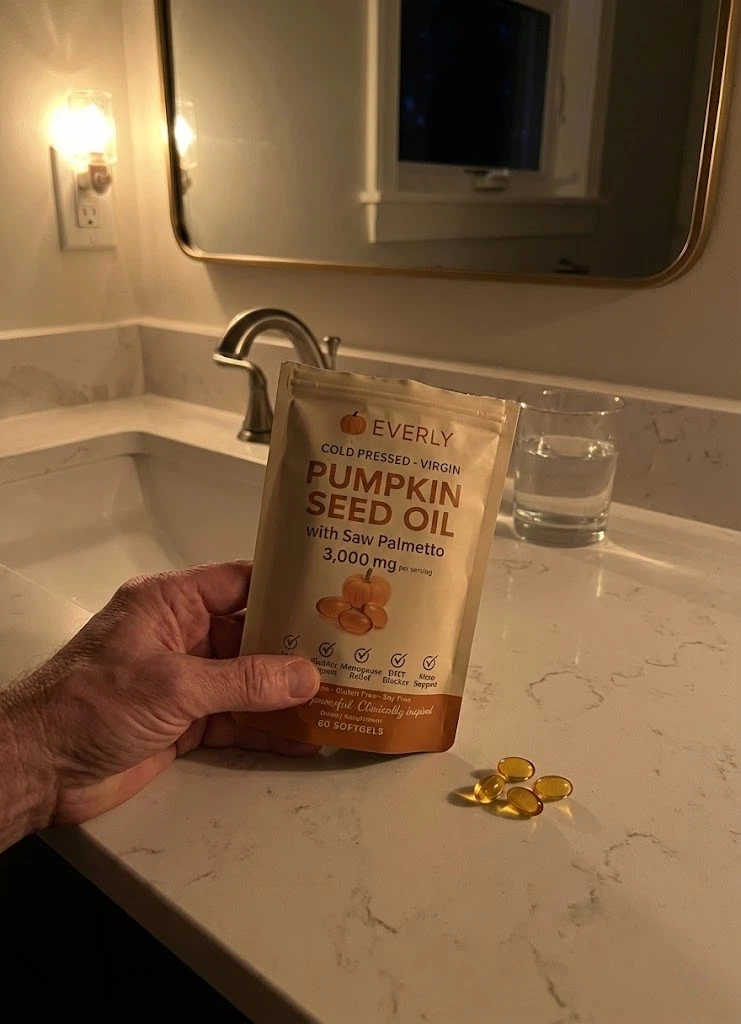
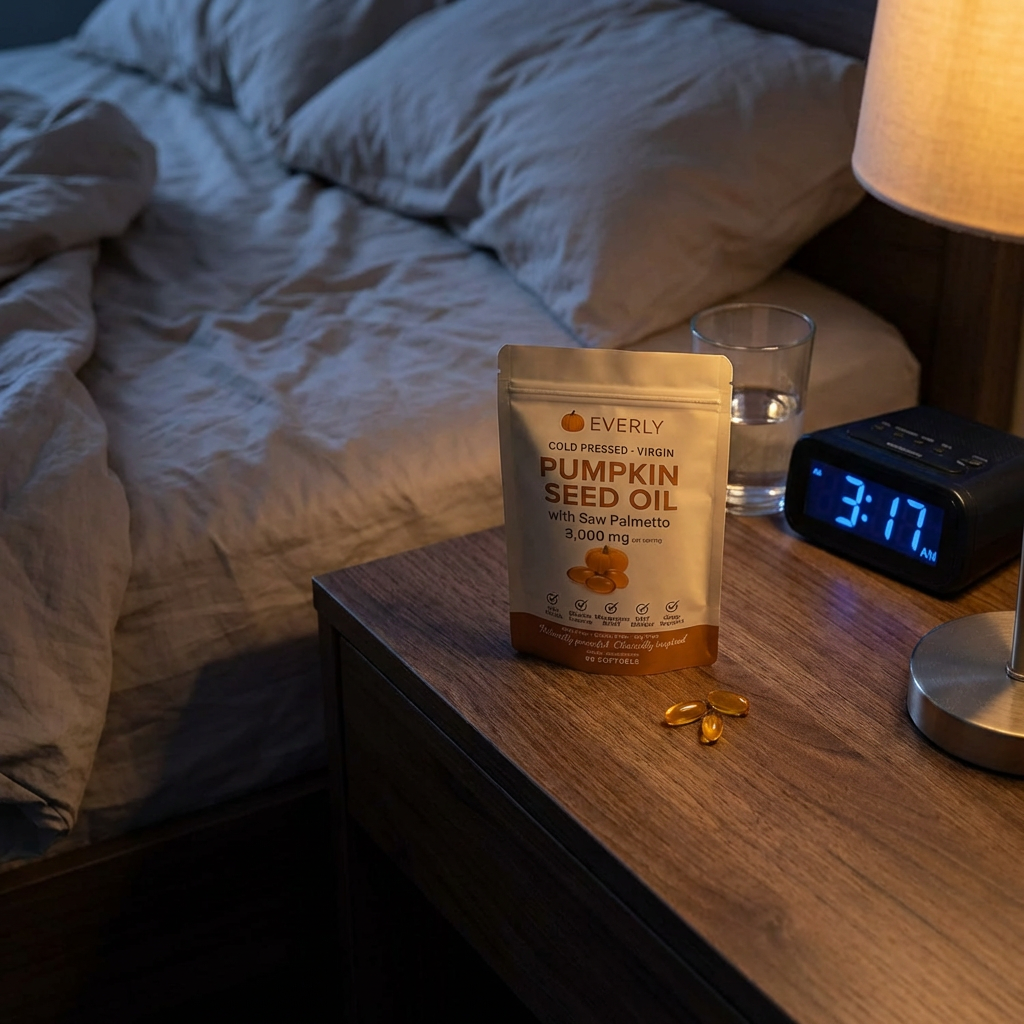
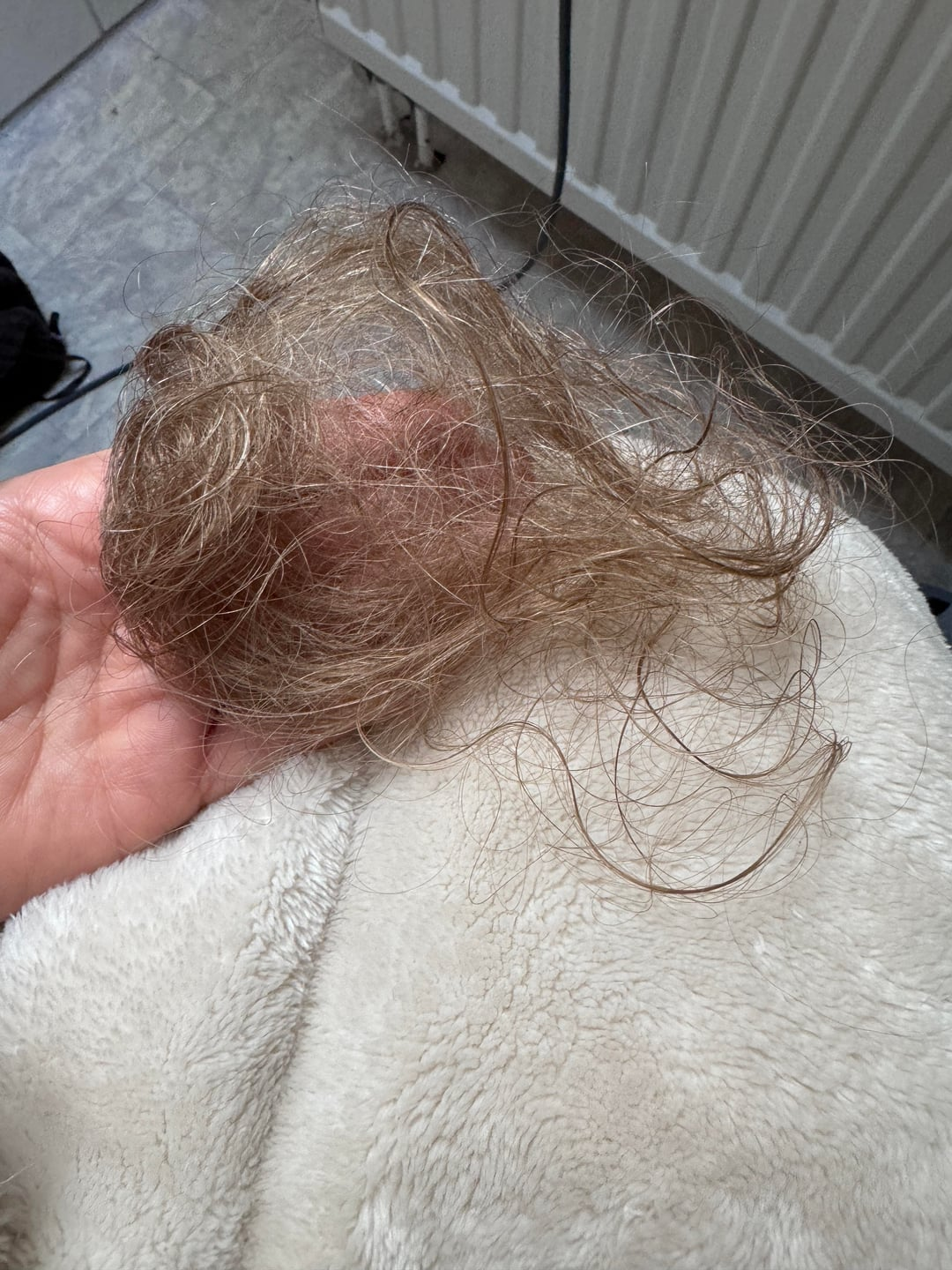
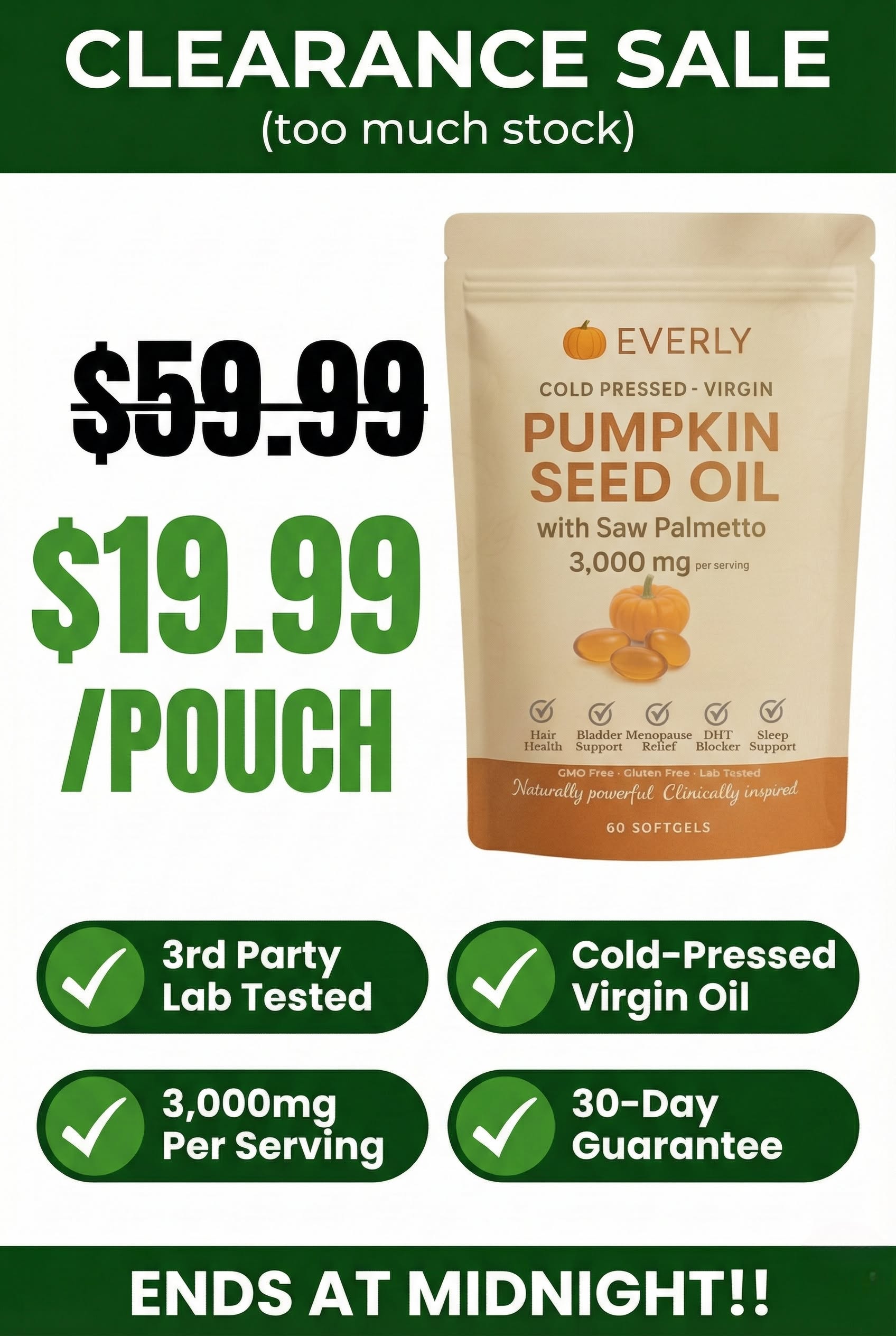
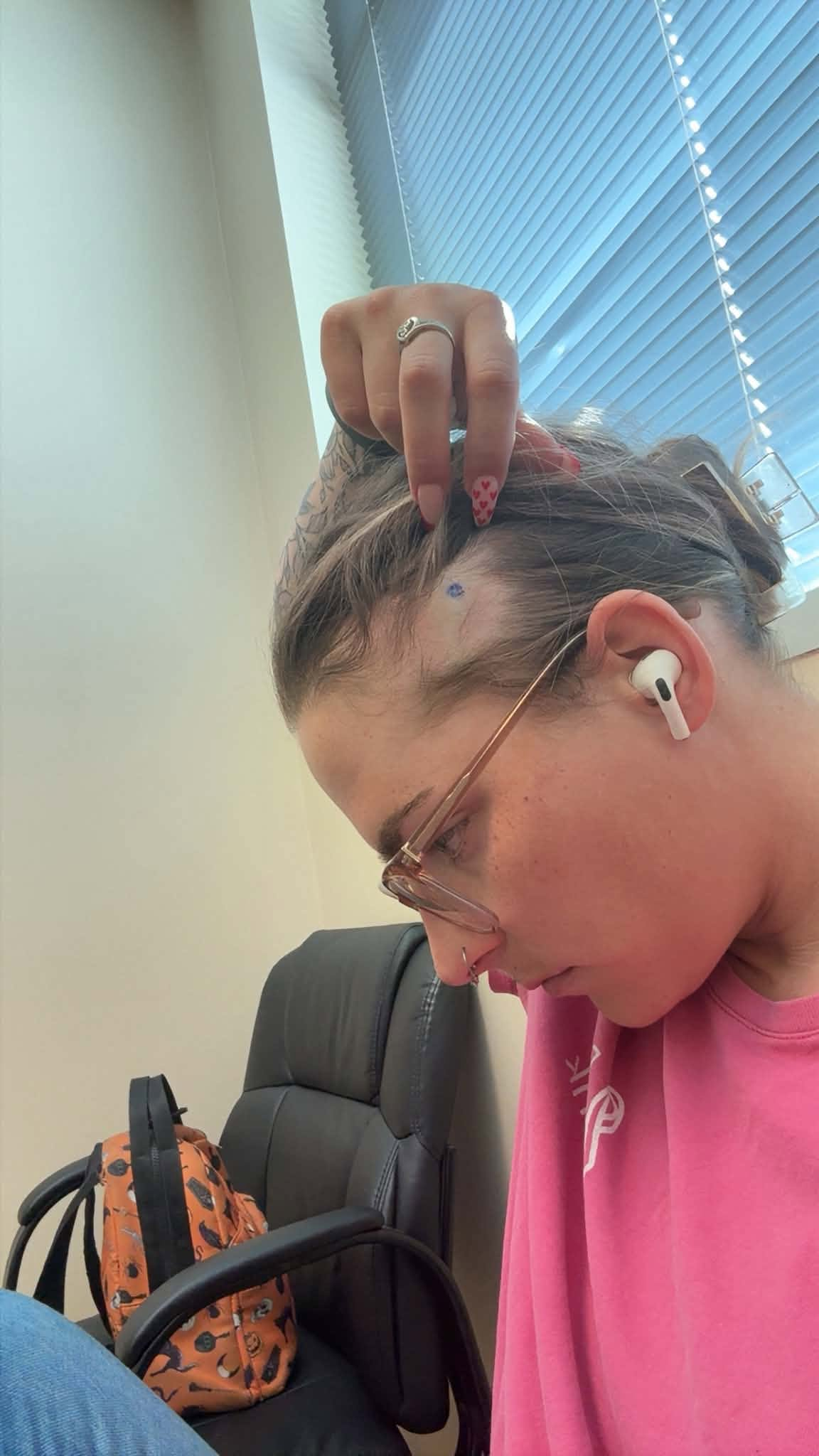
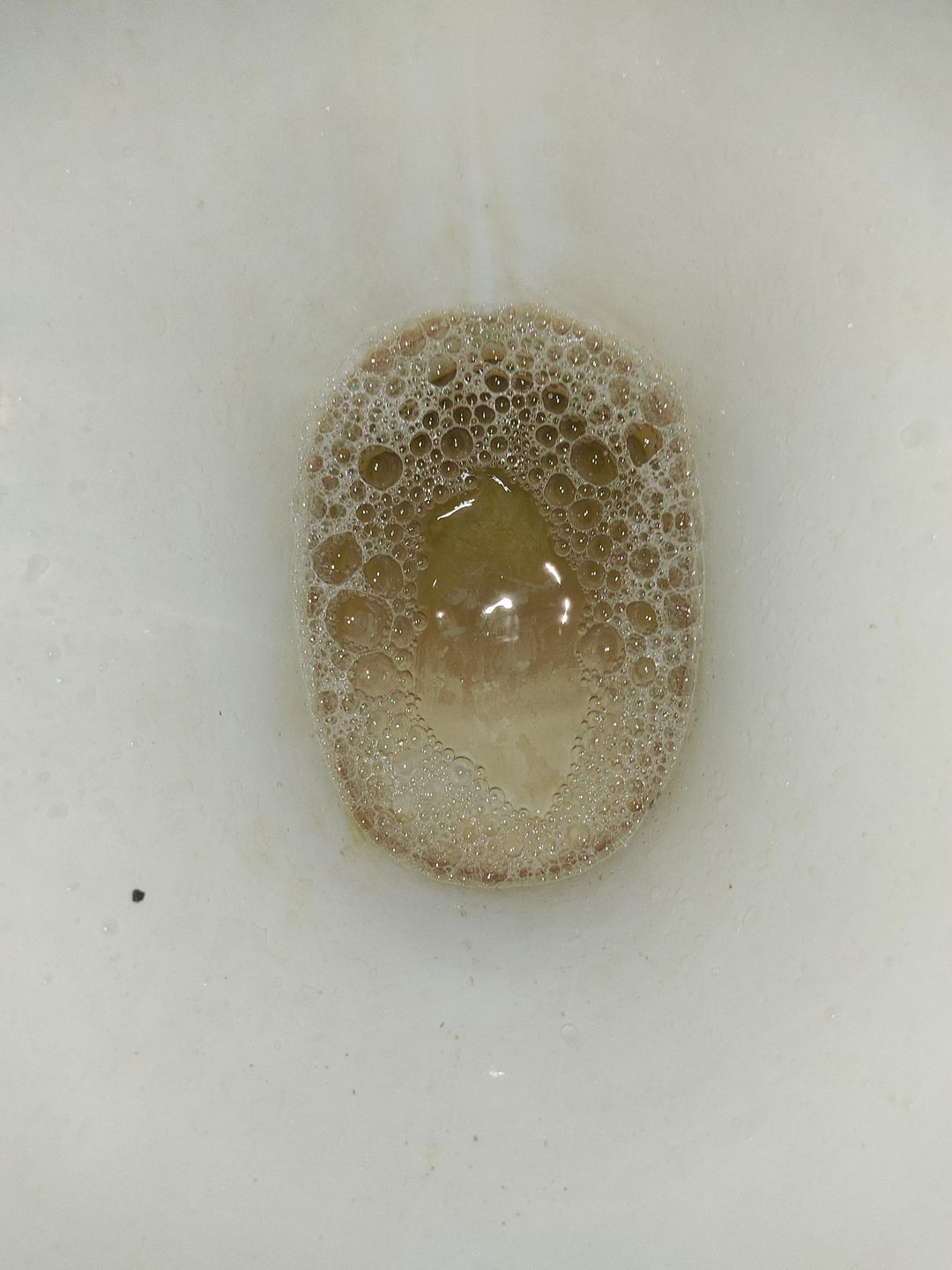
This just might save your kidneys. I'm tired of watching men ignore the warning their toilet is giving them every single morning. I'm Dr. Marcus Okafor. I've been a board-certified urologist for 19 years. I've watched kidneys silently shut down in men who thought everything was fine. I've sat across from men and explained what a creatinine level of 3.2 means. I've watched someone realize the foam in their toilet wasn't soap. I've watched a 54-year-old man break down when I told him his prostate was four times the size it should be and his kidneys were already showing stress. So when a patient walked into my office eight months ago, 58 years old, prostate enlarged since his late forties, getting up five times a night to urinate, foam in his toilet bowl every single morning, ankles swelling by the afternoon, and his nephrologist had already used the phrase "declining kidney function," I sat down and told him what I had to tell him. His prostate was not just a bathroom inconvenience. It was strangling his kidneys. He looked at me and said, "Nobody told me those two things were connected." I told him what I tell every patient in that chair. We'll monitor the labs. We may need to discuss alpha-blockers or 5-alpha reductase inhibitors. Reduce your sodium. Keep your blood pressure managed. He nodded. Wrote it all down. Did everything I asked. Four months later he came back. His PSA had dropped from 6.1 to 3.8. His overnight bathroom trips went from five to one. His creatinine had come down from 1.7 to 1.2. The foam in his toilet was gone. His ankles were normal. His nephrologist had called my office and asked what changed. I pulled up his chart. Looked at him. "What did you add?" He reached into his bag and set a pouch on my desk. Pumpkin seed oil. Cold-pressed. Softgel capsules. Called Everly. I picked it up the way I pick up anything a patient brings me. Skeptically. Read the label. Set it down. Told him I was glad his numbers had improved and that we would continue monitoring. That night at 11 PM I was still reading. Here is why. Creatinine does not drop like that. Not in four months. Not without a significant intervention. Not in a man whose kidney function had been declining for three years. Not when his nephrologist had already started mapping out the conversation about what happens when your kidneys hit 15 percent. And prostate-related urinary symptoms do not resolve that fast without pharmaceutical intervention. I have seen it thousands of times. They get worse. They do not get better on their own. Something had changed at a level I was not expecting. At midnight I started pulling studies. And here is what I found that should have been in every urology textbook I ever read. Let me explain what is actually happening inside your body right now if you are a man over 40. Your prostate is a walnut-sized gland that wraps around your urethra, the tube that carries urine from your bladder out of your body. In your twenties and thirties, it stays small and does its job. You don't think about it. Starting around 40, sometimes earlier, an enzyme called 5-alpha reductase begins converting your testosterone into a hormone called DHT, dihydrotestosterone. DHT does not just float around harmlessly. It binds to receptors inside your prostate cells and tells them to grow. Not a little. Relentlessly. Year after year. Layer after layer. Your prostate swells. It squeezes the urethra. The opening that lets urine pass gets narrower and narrower. This is why you cannot empty your bladder fully anymore. This is why you stand at the toilet for two minutes waiting for the stream to start. This is why you get up three, four, five times a night. This is why your sleep is destroyed. But here is the part your doctor is not connecting, the part I missed for too many years myself: When your prostate squeezes the urethra shut, your bladder has to push harder to force urine through. That increased pressure travels backwards. Up the ureters. Into the kidneys. It is called hydronephrosis. Back-pressure on the kidney filtration system. Your kidneys were not designed to push against resistance. They were designed to filter blood quietly, at low pressure, through millions of microscopic structures called nephrons. When the pressure rises because the exit is blocked, those nephrons start to fail. The foam in your toilet? That is protein leaking through damaged nephron walls. The swelling in your ankles? That is fluid your kidneys cannot clear anymore. The exhaustion by 2 PM? That is your kidneys failing to filter waste products from your blood efficiently. The getting up five times a night? That is your bladder fighting a prostate that will not stop growing and your kidneys dumping fluid they couldn't process during the day. Your prostate problem is becoming your kidney problem. And here is the thing nobody is telling you. The medications your doctor prescribes for BPH, benign prostatic hyperplasia, work on one side of this. Finasteride blocks 5-alpha reductase. It slows the conversion of testosterone to DHT. That is a real, useful thing. But it does not reverse the growth that already happened. It does not reduce the inflammation that is already pressing on your urethra. It does not address the oxidative damage that has been accumulating in your kidney tissue for years from the back-pressure. And the side effects? Decreased libido. Erectile difficulty. Depression. Breast tissue changes. For many men the cure feels worse than the disease. Alpha-blockers like tamsulosin relax the smooth muscle around the prostate to open the urethra. But they cause dizziness. Low blood pressure. They do not shrink the prostate. They do not protect the kidneys. Your medications are managing the symptom. They are not stopping the damage. And here is what I found at midnight that changed how I practice urology. The research on how to actually inhibit 5-alpha reductase naturally, reduce prostate volume, lower inflammation, and protect kidney nephrons from oxidative stress exists. It has been published. Peer-reviewed. Sitting in journals from the European Association of Urology, the Journal of Medicinal Food, and the World Journal of Urology. And in 19 years of urology practice, through thousands of conversations with men watching their bathroom trips multiply and their kidney numbers decline, not once had I mentioned it to a patient. Not because I was hiding it. Because the gap between published research and what ends up in a prescriber's office is not malice. It is time. It is money. It is a system that funds what it can patent and leaves natural compounds sitting in journals that a packed clinic schedule leaves no time to read. You cannot patent a seed oil. So no pharmaceutical company runs the Phase III trials that would put it on a prescriber's desk. No sales rep walks it into my office. The studies sit in PubMed. The patients keep coming in with worsening flow, worsening sleep, worsening kidney markers, worsening quality of life. That is not your fault. You took the medications. You showed up for every appointment. You reduced the caffeine. You stopped drinking water after 7 PM. You set alarms to remind yourself to take the pills. You were not failing the system. The system was only giving you half the answer. Let me tell you what the other half is. Pumpkin seed oil, specifically cold-pressed oil from Cucurbita pepo seeds, contains a group of compounds called phytosterols, the most important of which is beta-sitosterol, along with delta-7-sterols that are unique to pumpkin seeds and found in almost no other food source. These compounds do something your medications do not. They inhibit 5-alpha reductase at the enzymatic level, blocking the conversion of testosterone to DHT, but without touching your testosterone itself. Your libido stays. Your function stays. The DHT drops. A randomized, double-blind, placebo-controlled trial published in Nutrition Research and Practice found that men taking pumpkin seed oil for 12 weeks experienced significant improvement in urinary symptom scores, with their International Prostate Symptom Score dropping by over 30 percent. Thirty percent. A study in the Journal of Medicinal Food confirmed that pumpkin seed oil significantly reduced prostate weight in models of BPH and inhibited 5-alpha reductase activity in a dose-dependent manner. The more you take, the more it blocks. A clinical trial published in the World Journal of Urology found that pumpkin seed oil produced measurable reductions in nocturia, the nighttime urination that is destroying your sleep. But here is what stopped me cold. Here is the part that connects the prostate to the kidneys. Pumpkin seed oil is one of the richest natural sources of zinc, magnesium, and a specific class of antioxidants called tocopherols and tocotrienols, forms of Vitamin E that are profoundly kidney-protective. A study in the Journal of Food Science demonstrated that pumpkin seed oil reduced oxidative stress markers in kidney tissue by over 40 percent. The nephrons that were being destroyed by back-pressure and oxidative damage began to recover. The protein leakage decreased. The filtration rate stabilized. This is not fringe research. This is peer-reviewed clinical science published in journals that my own specialty recognizes as authoritative. When the DHT drops, the prostate stops growing. When the prostate stops growing, the pressure on the urethra decreases. When the urethra opens, the bladder empties properly. When the bladder empties properly, the back-pressure on the kidneys stops. When the kidneys stop being crushed from below, the nephrons begin to heal. The foam disappears. The swelling goes down. The kidney markers stabilize. The creatinine drops. The prostate was the domino that started it all. The pumpkin seed oil stops the domino from falling. Your medications manage the urgency. This stops the cause. Both together is the full answer. Most men have only ever had half of it. Now. You have probably tried pumpkin seed oil before. You grabbed a bottle from the supplement aisle at the pharmacy. Took it for a month. Noticed nothing. Concluded it was snake oil and went back to setting your alarm for 2 AM. I need you to understand exactly why it did not work. First: You were almost certainly taking the wrong oil. Most pumpkin seed oil supplements on the market are made from commodity seeds, Cucurbita maxima or blended species grown for food production, not for phytosterol content. The delta-7-sterol profile, the specific compound that inhibits 5-alpha reductase, varies by a factor of ten depending on seed variety, growing region, and processing method. You were not taking the wrong dose. You were taking the wrong oil. Second: The extraction method destroyed the active compounds. The phytosterols and tocopherols in pumpkin seed oil are heat-sensitive. Most commercial oils are extracted using high-heat processing or chemical solvents like hexane, which degrades the delta-7-sterols, oxidizes the tocopherols, and leaves you with a product that looks like pumpkin seed oil, smells like pumpkin seed oil, and has had its therapeutic value cooked out of it. Cold-pressed extraction preserves the full phytosterol profile. Heat extraction destroys it. Your pumpkin seed oil did not fail because the science is wrong. It failed because the product was already dead before it reached your gut. Third: The dose was wrong. Clinical trials showing real prostate and kidney outcomes use specific dosing ranges. Most supplements on Amazon contain 1,000mg of oil that may or may not contain the right sterols. That is not a therapeutic dose. That is a decorative amount. That patient who set the bag on my desk? He was taking Everly. Cold-pressed pumpkin seed oil. Cucurbita pepo, not maxima, not a blend. Sourced and verified for phytosterol content. Softgel capsules. Not a dry powder that cannot deliver fat-soluble compounds. The oil itself IS the delivery system. The phytosterols dissolve in the oil, and the oil carries them across your intestinal wall and into your bloodstream where they can reach your prostate tissue and your kidney nephrons. Third-party tested. GMP-certified. Every batch verified for purity and potency. I went home that night and ordered a bag. Week 1, my sleep changed. I have been getting up twice a night for four years. Not urgently, just that low-grade bladder pressure that wakes you up and keeps you from deep sleep. By day six, I slept through to 5:30 AM. I lay there staring at the ceiling, not sure what had happened. Week 2, my stream improved. Faster to start. Stronger. The hesitation that had become my new normal was noticeably less. Week 3, I noticed I was not bloated in the mornings anymore. My face looked different. Less puffy around the eyes. I did not connect it to kidney function at the time. Looking back, it was the first sign that my filtration was improving. Week 6, I had routine bloodwork. My creatinine, which had been sitting at 1.4 for two years, not alarming, but trending in the wrong direction, came back at 1.1. My colleague who ran the panel looked at it twice. "Your kidney numbers improved." I nodded. "What changed?" I told him. That patient I saw four months earlier, the one who set the bag on my desk, came back for his six-month follow-up. PSA at 3.4, down from 6.1. Getting up once a night instead of five. Creatinine at 1.1, down from 1.7. The foam was gone. His ankles were normal. His nephrologist had paused the conversation about declining function. His wife came with him to that appointment. She said something I will not forget. "I have my husband back. He sleeps. He has energy. He is not afraid anymore." I have recommended Everly to fourteen patients now. Every single one has reported the same pattern. Better sleep within the first week. Fewer bathroom trips within two weeks. Improved stream within the first month. Reduced puffiness and swelling. And at their next lab draw, the numbers that had been quietly heading in the wrong direction, pause. Then reverse. One patient, a 63-year-old man who had been told by his nephrologist to prepare for the possibility of dialysis within five years, came back after 90 days with creatinine down from 2.1 to 1.6 and his overnight bathroom trips down from six to one. His nephrologist called me directly. "The trajectory changed. What did you add?" Another patient, 47, came in for hair thinning. His crown was visibly sparse. He did not even mention his prostate until I asked. When I looked at his labs, his DHT was elevated. I recommended Everly. At 90 days his dermatologist noted reduced shedding and new follicular activity. The same mechanism that was enlarging his prostate was the one thinning his hair. The same compound that blocked the DHT saved both. But here is what I need you to understand about why most pumpkin seed oil products fail. It is not because the mechanism is wrong. The mechanism is published, replicated, and real. It is because most products get three things wrong. They use the wrong seed variety. Commodity pumpkin seeds grown for snacking have a fraction of the delta-7-sterol content of Cucurbita pepo varieties grown for oil. Without sourcing verification, you have no way of knowing what you are actually taking. They are destroyed by heat extraction. The compounds that inhibit 5-alpha reductase and protect kidney nephrons are heat-sensitive. High-temperature processing degrades them. Cold-pressing is the only extraction method that preserves the full therapeutic profile. They are catastrophically underdosed. Clinical trials use specific dosing ranges of verified oil. Most supplements contain a fraction of what the research shows is needed. That is not a small gap. That is the difference between a therapeutic dose and an expensive placebo. The difference between the generic I would have dismissed eight months ago and Everly is the difference between a man setting an alarm to get up five times a night and that same man sleeping through until morning. Between living in fear of dialysis and hearing his nephrologist say the word he had given up hope of hearing. Same mechanism. Completely different execution. If you are a man over 40 sitting with any of these realities: Foam in the toilet every morning that will not go away no matter how much water you drink. Getting up three, four, five times a night and your sleep has not been whole in years. Standing at the toilet waiting, straining, trickling, never feeling empty. Ankles that swell by the afternoon and your shoes feel tight by evening. Puffiness around your eyes in the morning that was not there five years ago. Kidney numbers your doctor says are "borderline" while they keep creeping in the wrong direction every quarter. Hair that is thinning at the crown while your prostate keeps growing underneath. The fear that the next lab draw is the one where your doctor stops saying "let's monitor" and starts saying "let's talk about your options." Try Everly risk-free. Money-back guarantee. If your bathroom trips do not decrease, if your sleep does not improve, if your stream does not strengthen, if your kidney markers do not move, if you see no difference, you pay nothing. Most patients who see real movement in their kidney numbers and prostate symptoms are the ones who committed to at least 90 days. That is how long it takes for phytosterol-mediated DHT suppression to produce measurable prostate volume reduction. That is how long it takes for kidney nephrons to begin recovering from years of oxidative damage. That is how long it takes for the domino chain to reverse. Here is what happens when it does. Your bathroom trips start decreasing within the first two weeks. Your sleep improves within the first week. Most men stop waking up more than once within 7 to 10 days. Your stream strengthens. The hesitation and straining resolve. Your ankles stop swelling. The puffiness around your eyes disappears. Your energy comes back because your kidneys are actually clearing waste from your blood the way they were designed to. And at your next lab draw, the one where your doctor has been saying "let's keep an eye on it" for the last two years, she pauses. Looks at the numbers. Looks at you. Asks what you changed. You tell her. She pulls something up on her screen. Is quiet for a moment. Then she uses a word you have not heard in years of appointments. "Improving." Not managed. Not stable. Improving. Two softgels daily with a meal. That is the whole protocol. They sell out. It is a small company doing it properly, cold-pressed, verified seeds, every batch tested. If you see out of stock, sign up for the notification. If it is available, order now. There is a bundle deal running right now. Three bags at a discount, which is the 90-day commitment window where the prostate and kidney markers actually move. Your prostate has been growing for years. Your kidneys have been paying the price. Your medications have been managing the symptom while the cause keeps building. You know now that the cause can be addressed. Get Everly while it is still available. ~ Dr. Marcus Okafor, MD, Board-Certified Urology, 19 years ORDER HERE: https://try.shopeverly.shop/esl
🎃 Natural Support for Your Daily Routine
“I’ve been feeling stronger and more balanced since taking Everly Pumpkin Seed Oil. My bladder feels so much calmer, I’m sleeping through the night again, and my hair feels thicker than it has in years. I love how natural it feels — just pure support for my body.”
LEARN MORELike this ad? Make it yours.
Crush rebuilds this exact creative around your product — your brand, your colors, your offer — in about a minute.