Dr. Kim Joon-ho, MD
Dr. Kim Joon-ho, MD Facebook ad: “Limited Time Offer”
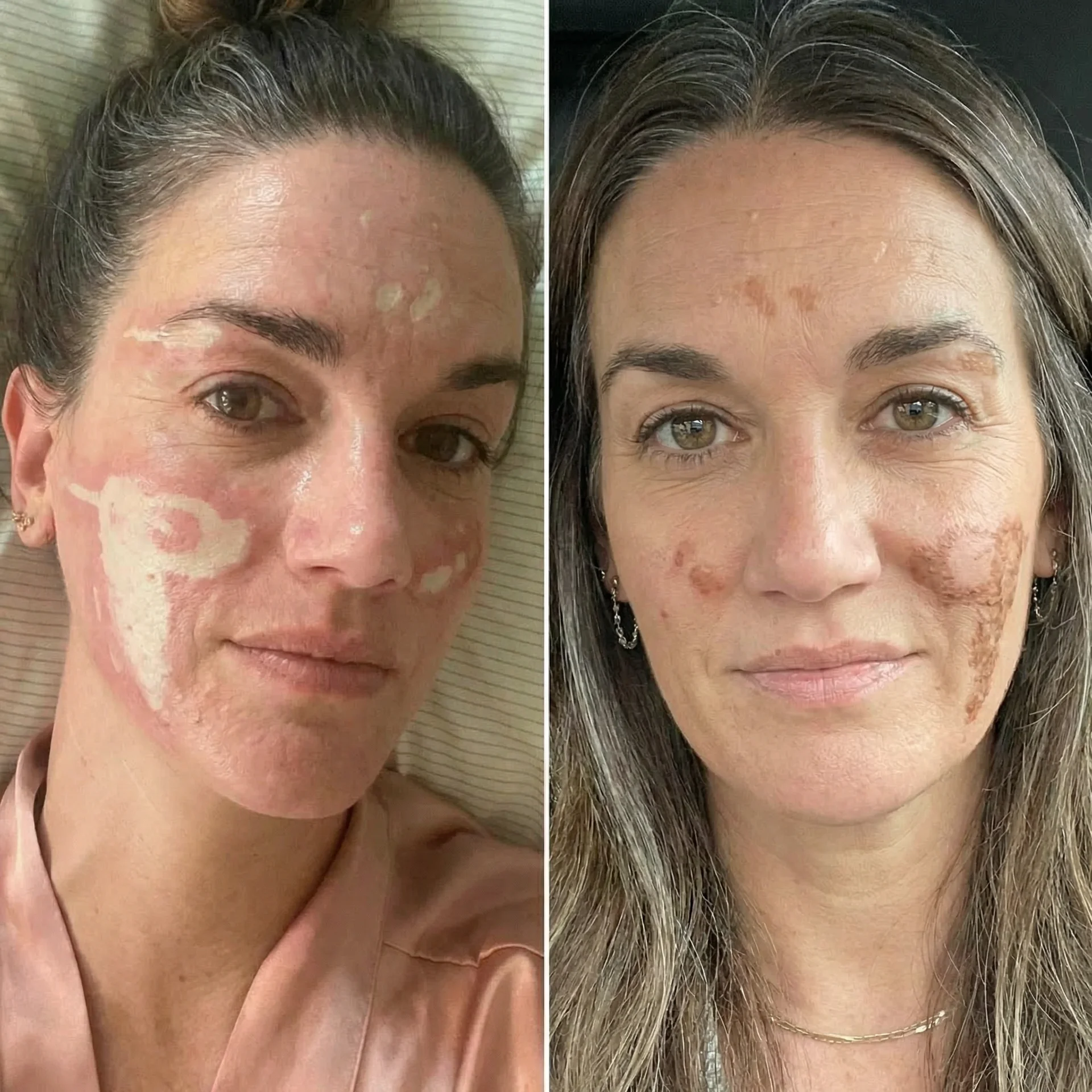
Ran for 18 days, from February 22 to March 12, 2026, the last day Crush saw it.
Run by Dr. Kim Joon-ho, MD on Facebook. Crush is not the advertiser and does not verify its claims. See this ad in Meta's Ad Library(opens in a new tab)
Want an ad like this for your product?
Crush makes new ad images for your product from this ad: your logo, your product photo, your offer.
Trials from $19.95 USD, then $79.95 USD a month. Cancel anytime.
About this ad
- Meta Ad Library ID
- 769167372559633
- Platforms
- Facebook, Instagram, Audience Network, Messenger and Threads
- Relaunches
- 1
- Niche
- Skincare & Beauty
Ad text
Every night while you sleep, something is eating your face. Not metaphorically. Not slowly. Not in some abstract, "aging is natural" kind of way. Something is actively, enzymatically destroying the protein that keeps your skin firm, lifted, and youthful. And by morning, you have less collagen than when you went to bed. Every. Single. Night. This is why you look worse in the morning than you did at dinner. This is why your face "aged overnight" sometime in your 40s. This is why you wake up, look in the mirror, and see someone ten years older staring back. It's not dehydration. It's not bad sleep. It's not your pillowcase. Something is eating your face while you sleep. It's called MMP-1. Matrix metalloproteinase-1. An enzyme that lives inside your skin. Its only function — its entire purpose — is to break down collagen. Collagen is the scaffolding that holds your face up. It's the reason young skin is firm, bouncy, and full. It's the protein that keeps your cheeks lifted, your jawline defined, your forehead smooth, and your skin glowing. MMP-1 eats it. Every single day. Every single night. When you're young, your skin builds collagen faster than MMP-1 can eat it. That's why you looked great in your 20s without trying. Your body was outrunning the enzyme. But around 25, something changes. A switch inside your cells — called the A2A receptor — starts dimming. Your skin makes less collagen every year. By 40, MMP-1 eats more than you produce. By 50, MMP-1 is demolishing the structure of your face — and your body can barely replace any of it. Wrinkles? MMP-1 ate the collagen that was holding that skin smooth. Sagging cheeks? MMP-1 ate the collagen scaffolding that was keeping them lifted. Jawline gone soft? MMP-1 ate the structural foundation. Crepey neck? MMP-1 ate the collagen keeping that skin elastic. Dull, tired complexion? MMP-1 destroyed the collagen matrix that supported healthy blood flow to the surface. One enzyme. Every symptom. But here's the part nobody talks about. MMP-1 is most active at night. During the day, your skin is in defense mode — fighting UV, pollution, environmental stress. Your body prioritizes protection. At night, your skin shifts to repair mode. It's supposed to be rebuilding. This is when your cells are most active. When growth hormone spikes. When collagen production is supposed to peak. But MMP-1 is active during this window too. Destroying the new collagen as fast as your skin tries to make it. Your body tries to rebuild at night. The enzyme tears it down at night. It's like hiring a construction crew to repair your house while a demolition crew works the same shift. By morning, you're net negative. Less collagen than when you went to sleep. That's why you look older in the morning mirror. That's why morning-after photos are always worse than evening photos. That's why you "age overnight." The enzyme works the night shift. And it's been winning for years. Now, the reason I'm telling you this is because it explains why everything you've tried has failed. Every skincare product you own? You apply it in the morning or evening. It sits on your skin's surface. The molecules in creams and serums are too large to penetrate down to where MMP-1 operates. The enzyme is deep inside your skin. Your products are on top. They never meet. Retinol? Works on the surface. Increases cell turnover at the top layers. Doesn't block MMP-1 in the deeper layers where collagen lives and dies. Botox? Freezes muscles. Stops you from making expression lines. Does nothing to the enzyme eating the collagen underneath. Even the "overnight" creams and serums you apply before bed? They sit on the surface all night while MMP-1 works the night shift deep inside your skin. They might as well be in a different building. None of them work during the window that matters most. None of them reach the depth where the destruction is happening. None of them even attempt to stop MMP-1. Korean medical researchers solved this over 30 years ago. Not for skincare. For wound healing and tissue regeneration. Serious medical applications. They discovered that PDRN — polydeoxyribonucleotide, extracted from salmon DNA that is 97% identical to human DNA — does two things no other compound does: It blocks MMP-1. The enzyme stops eating your collagen. The nightly destruction ends. It reactivates your A2A receptor. The repair switch that dimmed in your 30s turns back on. Your skin starts making collagen again — studies show more than double the normal rate. Block the demolition crew. Double the construction crew. At the same time. 47% wrinkle reduction in eight weeks. Measured on ultrasound imaging. But here's the critical part: PDRN has to be delivered INTO your skin. Not on top of it. Into it. And it has to be delivered at NIGHT. During the window when MMP-1 is most active and your skin's repair system is running. That's the only way to fight the night shift with the night shift. A company called Quasi figured this out. They created an overnight hydrogel mask containing 40 grams of medical-grade PDRN. Not a cream that sits on the surface. Not a serum that dries before it absorbs. A hydrogel mask that delivers PDRN directly into your skin for 6-8 hours while you sleep. During the exact window when MMP-1 is most active. During the exact window when your skin's repair system is trying to rebuild. The mask starts pink. By morning, it's completely clear — transparent. That's 40 grams of PDRN that went into your skin, not onto your pillowcase. Every morning, you can see the proof. Pink to clear. The night shift worked. While MMP-1 was trying to eat your collagen, PDRN was blocking it. While your A2A receptor was trying to rebuild, PDRN was amplifying it. For the first time, the construction crew is winning the night shift. Made in a Korean GMP-approved facility. Same factory that produces PDRN for clinical use. 40 grams — more PDRN than any other product on the market. Over 10,000 women are already using it. Night 1: Skin feels plumper. More hydrated. Something switches on underneath. Week 2: Texture changes. Smoother. Firmer. The crepey feeling shifts. Week 4: People notice. The glow is visible. Lines are softer. Week 6-8: The transformation is undeniable. Firmer. Lifted. Defined. Younger. Like you hit rewind. And it compounds. Unlike Botox that fades, PDRN keeps your repair system running. Your skin keeps improving. Night after night, the construction crew gets stronger while MMP-1 gets weaker. Every night you sleep without this, MMP-1 wins the night shift. Another night of collagen destroyed. Another night of repair attempts demolished. Another morning looking older than the morning before. The enzyme doesn't take nights off. It doesn't slow down. It doesn't wait for you to find the right cream. It works the night shift every single night. It's been working your night shift for years. But now there's something that works the same shift. The Quasi PDRN Salmon Mask. 40 grams of medical-grade PDRN. Overnight delivery. Pink to clear. $49 a box. 90-day money-back guarantee. Stop losing the night shift. Your face has been fighting alone in the dark for years. Time to send in reinforcements.
Where the ad sends people
officialquasi.com
Limited Time Offer
quasi
Shop now: officialquasi.com(opens in a new tab)