Jane Beckman
Jane Beckman Facebook ad: “The clicking was where every feed broke.”
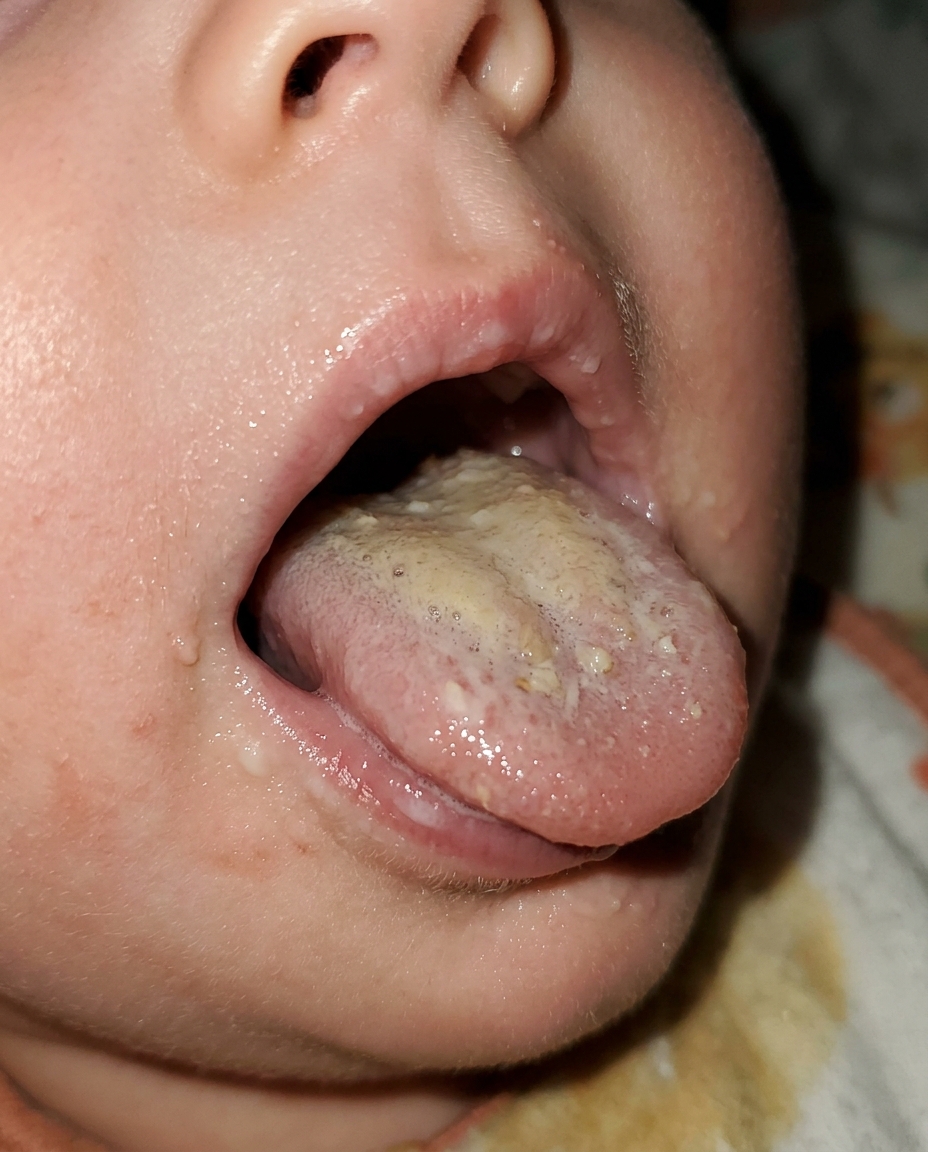
Ran for 6 days, from August 17 to August 23, 2026, the last day Crush saw it.
Run by Jane Beckman on Facebook. Crush is not the advertiser and does not verify its claims. See this ad in Meta's Ad Library(opens in a new tab)
Want an ad like this for your product?
Crush makes new ad images for your product from this ad: your logo, your product photo, your offer.
Trials from $19.95 USD, then $79.95 USD a month. Cancel anytime.
About this ad
- Meta Ad Library ID
- 772414655956502
- Platforms
- Facebook, Instagram, Audience Network, Messenger and Threads
- Relaunches
- 0
Ad text
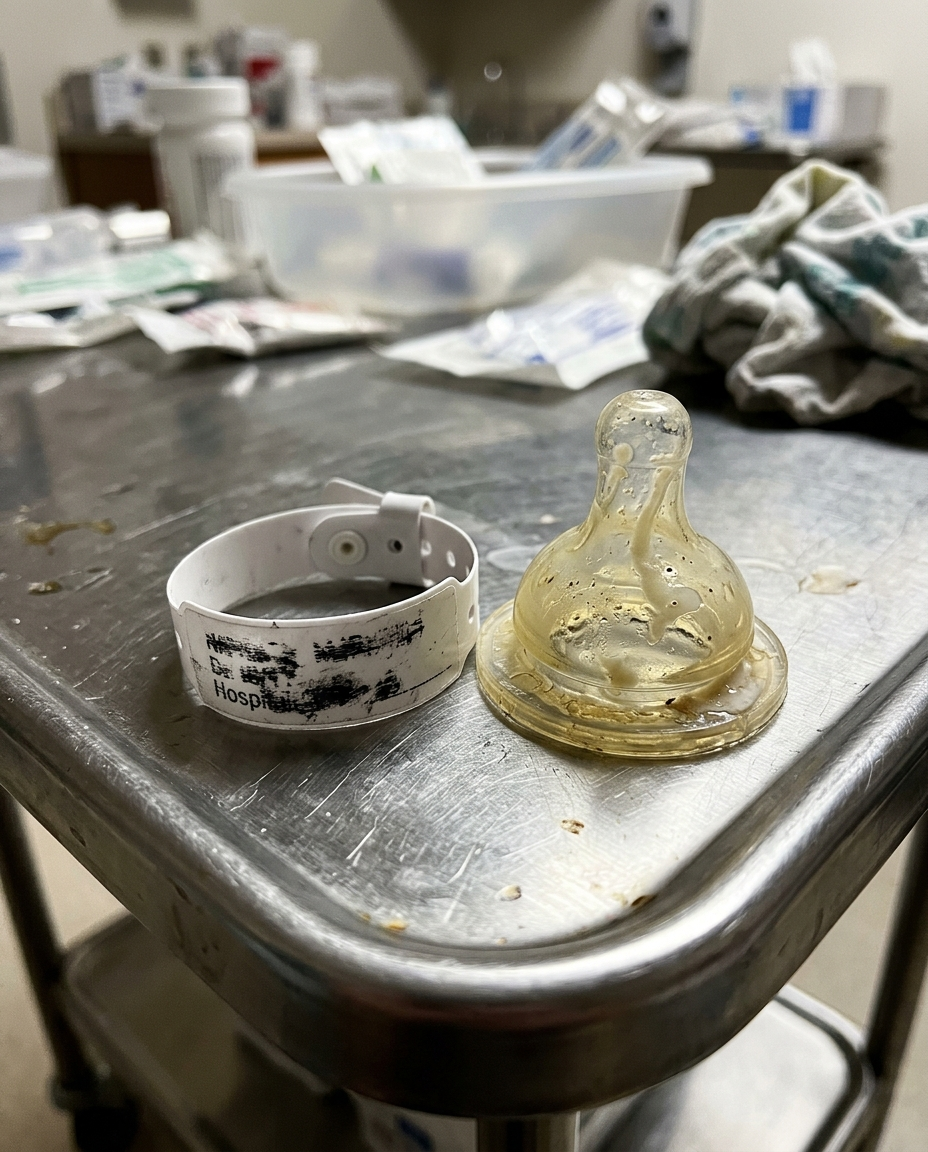
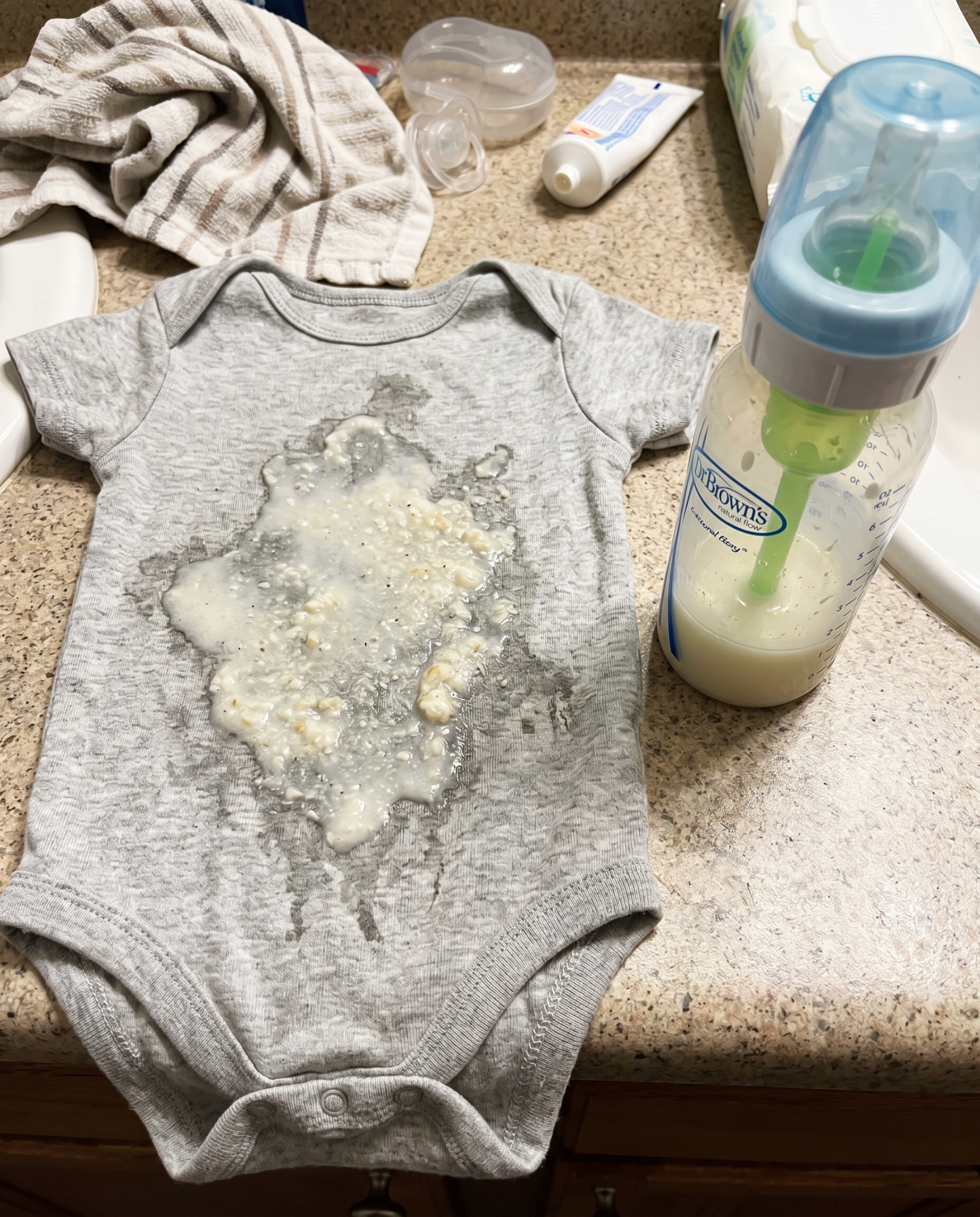
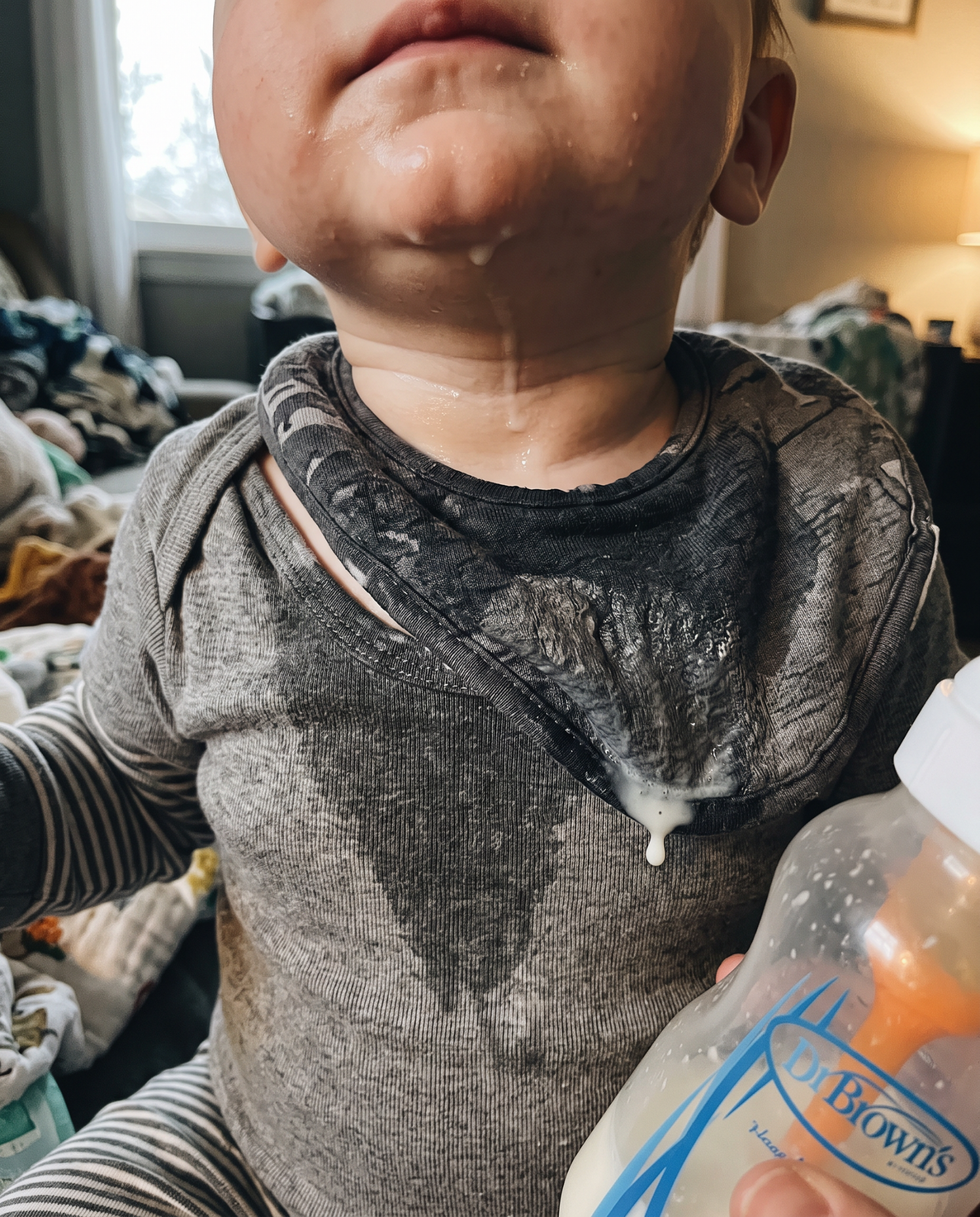
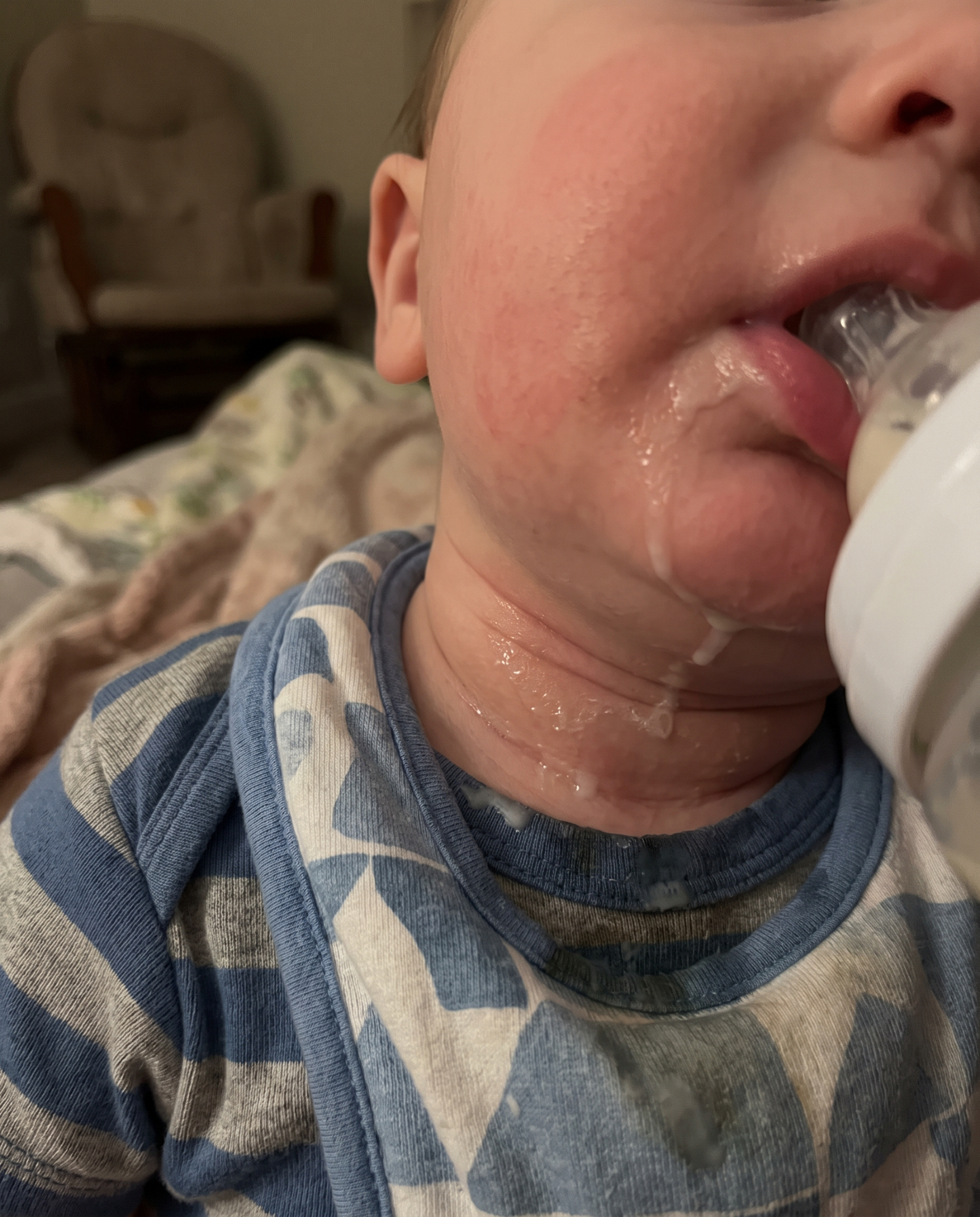
At 8:30 AM, I would drop Matthew off at day-care with 12 different bottles. At 5:17 PM, they were still full. 8 hours and 47 minutes. For a month, I told myself that he was just ‘different’ from other babies. That the hundreds of chewed up nipples and strained smiles from the daycare teachers were him ‘adjusting’ after being exclusively breastfed. I was wrong. And what I found out later made me so frustrated that I couldn't sleep for a week. Because I was right that Matthew was ‘different’. I’d also guessed right that natural breastfeeding was what got him into that situation in the first place. And what I hadn’t realised about the bottles I was using was the ENTIRE reason why I was pulling my hair out in the dark at 4 AM, 1 month before I had to go back to work. Let me explain. I picked Matthew up from one of his daycare transition visits with the same bottles of milk I’d packed that morning. His teacher had warmed them, changed his position and tried again later, but he’d done what he always did. He’d put the nipple in his mouth, chewed it for a while, played with it and then pushed it back out with his tongue. He hadn’t actually fed. When his teacher handed the bag back to me, she gave me that small, tired smile people use when they don’t know what else to say. I zipped the bottles back inside and carried all that milk to the car. The whole drive home, it sat on the seat beside me. Still there. Still full. And all I could think was, how am I meant to go back to work if he won’t eat unless I’m there? We’d started bottle practice weeks earlier because everyone said starting early was the important part. I thought if we stayed calm and kept trying, Matthew would slowly get used to it before daycare. So we kept trying. Dr. Brown’s, Avent, Lansinoh and Comotomo. Wide nipples, narrow nipples, slow flow and faster flow. Fresh milk, defrosted milk, warmer milk and cooler milk. Sometimes I stayed in the room. Other times I hid upstairs or left the house because people said he could smell me nearby. We offered it when he was hungry, when he was only a little hungry, when he was sleepy and after he’d already nursed. Every now and then, he’d take a small amount. Those were the worst days in a strange way, because I’d let myself believe we’d finally turned a corner. Then the next morning, he’d go right back to chewing the nipple without sucking, and I’d feel stupid for getting my hopes up again. People kept telling me he’d take a bottle when he got hungry enough. Before daycare, I could almost pretend that was comforting. After seeing eight hours of milk come home untouched, it sounded cruel. Was I meant to sit at work and wait to find out how many hours “hungry enough” would take? I wanted to go back to work. I’d sorted out daycare, planned my pumping times and done everything I could to make the change easier for both of us. There was a part of me that was ready to go back too. I missed using my brain for something other than feeds, naps and whether I’d washed the pump parts. But none of that mattered if Matthew couldn’t eat once I left him there. It felt like I could organise every other part of our lives, yet the one thing that mattered most still depended on my body being in the room. And I had no idea how to fix it. Every bottle recommendation sounded the same. Try this one because it’s breast-like. Try that one because it has a wide base. Go down a flow because the milk may be too fast. Actually, go up a flow because chewing can mean the milk is too slow. By then, my wallet still hurt from all the bottles sitting unused in our kitchen, and I wasn’t convinced buying another ten would change anything. Then we had one really bad night. Matthew had been arching, crying and fighting the bottle for almost an hour. His face was red, milk had dribbled down his neck and both of us were exhausted. When it finally ended, I leaned against the kitchen bench with the untouched bottle beside me and thought about the next few weeks. Then I thought about the months after that. I could see myself sitting at work with my phone face-up beside the keyboard, waiting for another message saying he still hadn’t eaten. I could see myself rushing through every meeting, then driving back to daycare to collect the same full bottles I’d packed that morning. And I could feel that sick little drop in my stomach every time I pictured it. That night, I stopped searching for another list of “best bottles for breastfed babies” and reading the same reviews I’d already read ten times. Instead, I typed the exact thing Matthew was doing: Why does my baby chew a bottle nipple but not suck? A Reddit thread came up from another mother whose baby sounded almost exactly like him. Most of the replies were the same advice I’d already heard, but someone pointed out that getting a nipple into a baby’s mouth and actually feeding from it were two different things. Her baby wasn’t turning away either. She’d mouth the nipple, chew it and move it around, but she couldn’t get a good seal and keep sucking. I sat up when I read that because it was the first time someone had described Matthew’s problem without calling him stubborn or saying he’d eat when he was desperate enough. The thread linked to an article from an IBCLC who’d apparently worked with bottle refusal for more than 20 years, so I opened that too. It explained that some breastfed babies aren’t refusing the milk, and they aren’t always refusing the bottle itself. They get stuck because the bottle asks their mouth to work in a very different way from breastfeeding. The nipple shape changes how they get their mouth around it, and the speed of the milk can make them stop even when they’re hungry. I read the same part three times, but I still wasn’t sure I understood what it meant for Matthew. So I copied the main points into ChatGPT and asked it to explain them without all the feeding terms. The answer was much simpler. Matthew knew how to feed from me because he’d done it every day since he was born. He knew where to put his mouth, how to hold the latch and how hard he needed to suck. With the bottles, though, I kept giving him a new nipple shape and a new milk speed, then hoping one would somehow feel right. That was why the nipple could be inside his mouth while the feed never really started. For the first time in weeks, his behaviour made sense. He wasn’t trying to make things difficult. He wasn’t waiting for me to discover the bottle every other mother loved. He was trying to feed, but he couldn’t turn the nipple in his mouth into the same steady sucking rhythm he used while breastfeeding. Reading that didn’t make me feel calm straight away. Mostly, it made me angry. I’d spent a month changing brands, milk temperatures and feeding positions, but no one had explained that the shape and flow had to work together. Still, at least I finally had something real to look for. Matthew needed a nipple he could get a deeper latch around, and I needed some control over how fast the milk came out once he started sucking. So I asked ChatGPT to show me bottles that matched those two points instead of giving me another list based on popularity. A few of the usual names came up first, and I scrolled past them because they were already sitting in my kitchen. Then I saw Moka. Apparently, it was a premium Swiss-engineered bottle. Honestly, I nearly closed the tab when I saw the price. It was almost $50 for one bottle, and the last thing I wanted was another expensive piece of plastic and silicone sitting untouched in the cupboard. But the design was different in the two places that now mattered to me. The nipple was wide and set at a 15° angle, and there were five separate flow stages. The angle wasn’t just there to make it look more like a breast. It was meant to help the baby take more of the nipple into the mouth and hold a deeper latch. And the flow stages meant I didn’t have to use Matthew’s age as the only way to decide how fast his milk should come out. I could choose the pace from what he was actually doing during the feed. That made far more sense than all the T-cut and Y-cut nipples I’d tried without knowing what they were meant to fix. More importantly, it matched the two things the IBCLC article had told me to watch: how Matthew latched and what happened once he tried to suck. Even then, I didn’t let myself get too excited. A bottle can look perfect on a website and still end up untouched in a kitchen cupboard. I’d already spent enough money learning that. So before ordering anything, I checked whether I’d have to buy a full set and risk more money on something that wasn’t guaranteed to work. So in hindsight, thank god the site was pushing a 90-day guarantee. I read the return page, and saved it on my page just incase.. That mattered more to me than another promise that the bottle was made for breastfed babies. If Matthew chewed it twice and never touched it again, I wouldn’t be stuck with a whole daycare bag full of them. So I ordered one. When the bottle arrived four days later, a small guarantee card was sitting inside the box. I left it on the kitchen counter with a pen because, deep down, I thought there was a good chance I’d be filling it out. For the first feed, I warmed only a small amount of milk, used the slower flow and held the bottle the way the guide showed. Matthew put the nipple in his mouth. Then he started chewing. My stomach dropped. Of course, I thought. Here we go again. But after a few seconds, he stopped. His lips closed around the nipple, and he sucked three or four times. Then he swallowed. He paused, sucked again and swallowed again. I was so scared of breaking whatever was happening that I barely moved. He didn’t finish the bottle. After about an ounce, he got tired and wanted to nurse. But for the first time, he’d moved from playing with a nipple into a real sucking rhythm without screaming or pushing it straight back out. Afterward, I sat there holding the half-finished bottle and trying not to cry. It wasn’t a full feed. It wasn’t daycare. But it was the first sign I’d had in weeks that this might not be hopeless. During Week 1, we kept everything the same. One practice feed each day. The same bottle, the same nipple and the same flow. Some feeds were better than others. One day he took only a little, and another day he drank nearly half before stopping. But the whole feed no longer disappeared into chewing. He’d latch, suck and swallow for a little longer each time, and by the end of the week, I could hear the same small, steady rhythm I heard when he breastfed. Each time it started, I felt my shoulders drop. That answered my first question. Matthew could feed from it. But daycare was the real test. I still didn’t know whether he’d take it from someone else when I wasn’t there to calm him, change the angle or try again. So in Week 2, I packed the Moka bottle for another transition visit and showed his teacher how we’d been holding it. The whole morning, my phone stayed beside me with the sound turned all the way up. Every time the screen lit up, my heart jumped. Then, a little after his usual feeding time, his teacher sent me a message. “He’s actually sucking.” I read it three times. Then I took a screenshot because part of me still didn’t believe it. He didn’t finish everything that first day, but he drank enough that she didn’t have to call me. And when the bottle came home partly empty, it was empty for the right reason. Not because the milk had leaked. Not because she’d tipped it out. Matthew had drunk it. Two days later, he took most of the bottle from her. By the end of Week 2, he’d taken a full feed at daycare twice. That was when I finally moved the guarantee card off the kitchen counter and put it in a drawer. Week 3 was when the fear started to loosen its grip on me. His teacher could offer the bottle without spending half an hour changing positions. He wasn’t pushing it out with his tongue, and she didn’t have to wait until he was crying from hunger. He’d latch, drink and then go back to playing. The feeds weren’t a big event anymore. They were just part of his day. I ordered two more bottles because one was no longer enough for the daycare bag. And for the first time since we’d started all of this, I packed his milk in the morning expecting him to drink it. Not begging the universe. Not preparing myself for another full bag at pickup. Expecting. Week 4 was my first full week back at work. That first morning, I still checked my phone every few minutes. By lunch, there were no missed calls and no message saying he’d refused another feed. Just a quick update from his teacher saying he’d finished his bottle and gone down for his nap. I stared at the message for a few seconds, then put my phone face-down on the desk. The next day, I made it through a whole meeting before I realised I hadn’t thought about his feeding once. That might sound small, but it was the exact thing I’d been scared I would lose. For the first time, I could sit at my desk and be at work without part of my brain counting the hours since Matthew had last eaten. And when I picked him up that Friday, his teacher handed me the daycare bag with three empty bottles inside. Four weeks earlier, I’d carried that same bag home full of milk and felt like every part of our return-to-work plan was falling apart. Now Matthew had eaten. I’d made it through a full workday without checking my phone every five minutes. And when his teacher smiled and said, “He did great today,” I felt something inside me finally let go. The real change wasn’t only that Matthew had accepted a bottle. It was knowing that feeding him was no longer something only my body could make happen. I could leave him with someone I trusted, go to work and know he’d be okay. And he could eat, nap and play without spending the whole day waiting for me to come back. If your baby puts the nipple in their mouth but only chews it, plays with it or pushes it back out, it doesn’t always mean they’ll never take a bottle. They may be trying to feed and getting stuck in the same place Matthew was. I’m not saying every baby will react exactly as he did, but looking at the latch shape and the flow together changed everything for us. I’ve left a link below for anyone who’s in the same spot that I was. Love you guys. Jane
Where the ad sends people
mokababy.co
The clicking was where every feed broke.
Moka
Learn more: mokababy.co(opens in a new tab)