
Inactive· since Feb 15, 2026
- 6
- days it ran
- 1
- relaunches
Ad copy
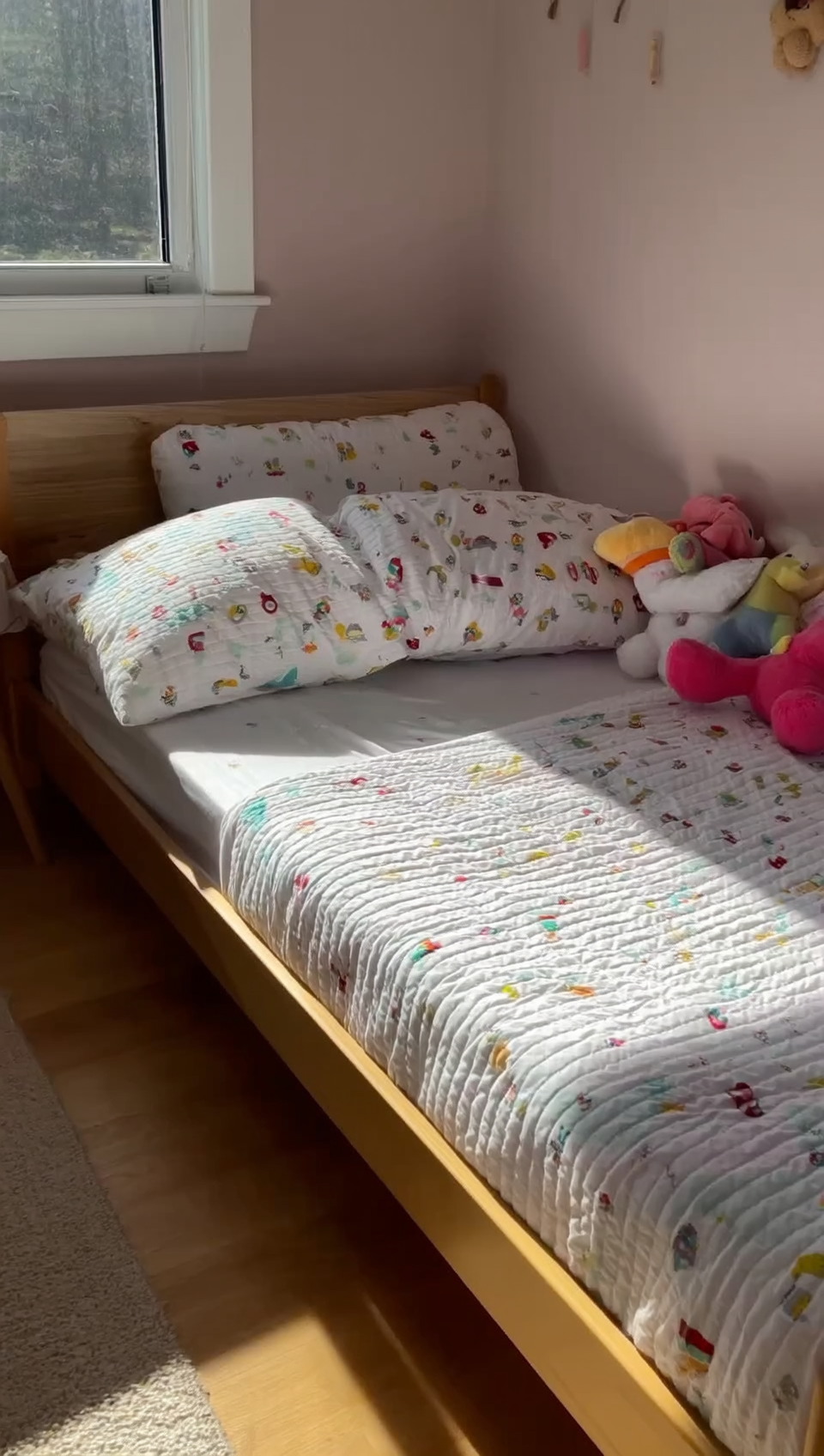
The Speech Therapist Told Me to Stop Wasting Money on Sessions Until My Daughter Could Sleep. I Thought She Was Giving Up on Us. I spent $847 last month on therapy sessions my daughter can't remember. Speech therapy twice a week. Occupational therapy once a week. A special reading tutor on Saturdays. All of it paid out of pocket because insurance won't cover what they call "developmental delays" and I call "my daughter is drowning and nobody knows how to throw her a rope." Maya is nine. She has ADHD and what three different specialists have called "language processing issues." She's smart. God, she's so smart. But somewhere between her brain forming the words and her mouth saying them, something gets lost. She stutters. She repeats herself. She loses her train of thought mid-sentence and just stops talking, staring at you with these frustrated, heartbroken eyes because she knows what she wants to say but can't get it out. We've been in therapy since she was four. Five years. Sixty months. Two hundred and forty sessions, give or take. And she's made progress. Small progress. Glacial progress. The kind where her therapist says things like "we're seeing improvement in her receptive language skills" and I nod and smile and write another check and go home and cry because my nine-year-old still can't tell me a story about her day without getting so frustrated she gives up halfway through. Last month, her speech therapist, Ms. Kendra, asked to speak with me privately after a session. I thought she was going to tell me Maya needed more sessions. Or different sessions. Or some expensive new therapy program I'd have to figure out how to afford. Instead, she said: "How much is Maya sleeping?" I blinked at her. "What does that have to do with speech?" "Everything," she said. "I've been working with Maya for eight months. And I can tell you exactly which days she slept well and which days she didn't based on how our sessions go. When she's rested, she's focused. She's processing. She's retaining what we work on. When she's tired, I might as well be talking to a wall. Nothing sticks." I felt something cold slide down my spine. "How much is she sleeping?" Ms. Kendra asked again. "I don't know," I said. "Maybe five hours? Six on a good night?" Ms. Kendra closed her folder. "Then I need you to stop wasting your money on my sessions until we fix that. Because I can't teach a brain that's running on empty. Nobody can." I sat there in that tiny therapy room with the alphabet posters and the bins of toys and felt like I'd been slapped. She wasn't giving up on Maya. She was telling me the truth nobody else had been willing to say: we were trying to build a house on a foundation that didn't exist. Sleep. It all came back to sleep. Maya hasn't slept well since she was a baby. I used to think she just didn't need as much sleep as other kids. Some kids are like that, right? High energy. Always going. But as she got older, I started seeing the cracks. She'd be fine in the morning, then by lunchtime she'd be melting down over her sandwich being cut wrong. By dinner she'd be sobbing because her socks felt weird. By bedtime she'd be so wound up, so overstimulated, so physically exhausted but mentally wired that it would take hours to get her down. And then she'd wake up at 2 AM. Or 4 AM. Or she'd sleep straight through but wake up looking like she'd been hit by a truck, groggy and irritable and completely unreachable. I thought it was just part of her ADHD. That her brain ran too fast to shut off. But after that conversation with Ms. Kendra, I started researching. And what I found made me physically sick. Sleep is when the brain consolidates memories. It's when it takes everything you learned during the day and files it away, makes connections, builds the neural pathways that turn short-term memory into long-term learning. Without sleep, none of that happens. The brain is just treading water. Working as hard as it can to stay afloat but never actually building anything permanent. All those therapy sessions. All those hours of practicing sounds and words and sentence structure. All that money. And Maya's brain couldn't hold onto any of it because she wasn't sleeping long enough for the information to stick. I felt like I'd been failing her for nine years. I started asking questions in the ADHD parent groups I'm in. "How much does your kid sleep?" "Do you notice a difference in their focus when they're rested?" And every single parent said the same thing: yes. Sleep changes everything. When their kid sleeps, they can learn. They can focus. They can regulate their emotions. They can be the version of themselves that everyone keeps saying is "in there somewhere" if we just try hard enough. When they don't sleep, nothing else works. Not the meds. Not the therapy. Not the special diets or the expensive tutors or the behavioral charts. Nothing. I found research about something called the vagus nerve. This biological system that's supposed to calm your body down and tell it when it's safe to rest. In kids with ADHD and sensory issues, that system doesn't work right. Their bodies stay stuck in fight-or-flight mode. Even when they're exhausted. Even when they're lying in bed in the dark. And I learned that you can activate that nerve mechanically. Through specific kinds of pressure and warmth applied to very specific spots on the body. One of the most powerful ones is around the eyes. Something called the ocular-vagal reflex. I found the Therarest Deep Sleep Pro at 11 PM on a Friday night. It was a mask with graphene heating technology that warmed up to exactly the right temperature to trigger the parasympathetic nervous system. The calm-down system. And it had air compression chambers that gently squeezed around the temples in a rhythmic pattern, giving the kind of deep pressure input that ADHD brains crave but rarely get. I ordered it that night. Two-day shipping. I paid extra because I couldn't wait another week to try something, anything, that might help my daughter's brain finally rest. When it arrived, I showed it to Maya. "Want to try something that might help you sleep?" She shrugged. She's nine. She's given up hoping anything will help. But she put it on because I asked her to. I turned on the heat. Adjusted the compression. She tensed at first, then I watched her whole body soften. "It's like someone's holding my face," she whispered. Twenty-two minutes later, she was asleep. She slept for ten hours. Ten uninterrupted hours. I checked on her six times because I didn't believe it. I thought something was wrong. But she was just sleeping. Deep, restorative, brain-building sleep. The next morning, she came downstairs and told me about a dream she had. A whole story. Beginning, middle, end. No stuttering. No stopping mid-sentence. She just talked. And I stood there at the stove with tears running down my face pretending I was just focused on the eggs. That was three months ago. Maya uses the Therarest every single night now. And here's what happened: everything else started working. The speech therapy. The occupational therapy. The reading tutor. Suddenly Maya was retaining what she learned. Suddenly she could access words faster. Suddenly she wasn't getting so frustrated trying to communicate that she'd just give up and shut down. Ms. Kendra called me after a session two weeks ago. "What did you do?" she asked. "Maya's making more progress in the last month than she did in the previous six. What changed?" "She's sleeping," I said. There was a long pause. Then: "Keep doing whatever you're doing. Because this is the Maya I knew was in there." Maya's teacher sent an email last week. Said Maya volunteered to give a presentation in class. Stood up in front of twenty-three kids and talked about her favorite book for five minutes. No notes. Just talked. A year ago, she couldn't order food at a restaurant without me having to step in and finish her sentence. I'm not saying the Therarest fixed her ADHD. I'm not saying it cured her language processing issues. Maya still has hard days. She still struggles sometimes. But now her brain can actually build on what she's learning. Because she's sleeping. And when she sleeps, her brain is doing what it's supposed to do: filing away information, making connections, building the neural pathways that turn effort into progress. All those years of therapy. All that money. All those hours. We were doing the work. Maya was doing the work. But her brain couldn't hold onto any of it because the foundation wasn't there. Now it is. If your child is in therapy, in tutoring, in special programs, and you're not seeing the progress you keep being told is "just around the corner," ask yourself this: how much are they sleeping? Because you can't build a brain that's running on empty. You can't teach a child whose nervous system never gets a break from the constant state of emergency. You can't expect progress when the most basic biological requirement for learning isn't being met. The Therarest didn't teach Maya how to talk. But it gave her brain the rest it needed to finally hold onto what everyone had been trying to teach her for five years. And that changed everything.
Like this ad? Make it yours.
Crush rebuilds this exact creative around your product — your brand, your colors, your offer — in about a minute.