
Inactive· since Oct 3, 2025
- 134
- days it ran
- 0
- relaunches
Ad copy
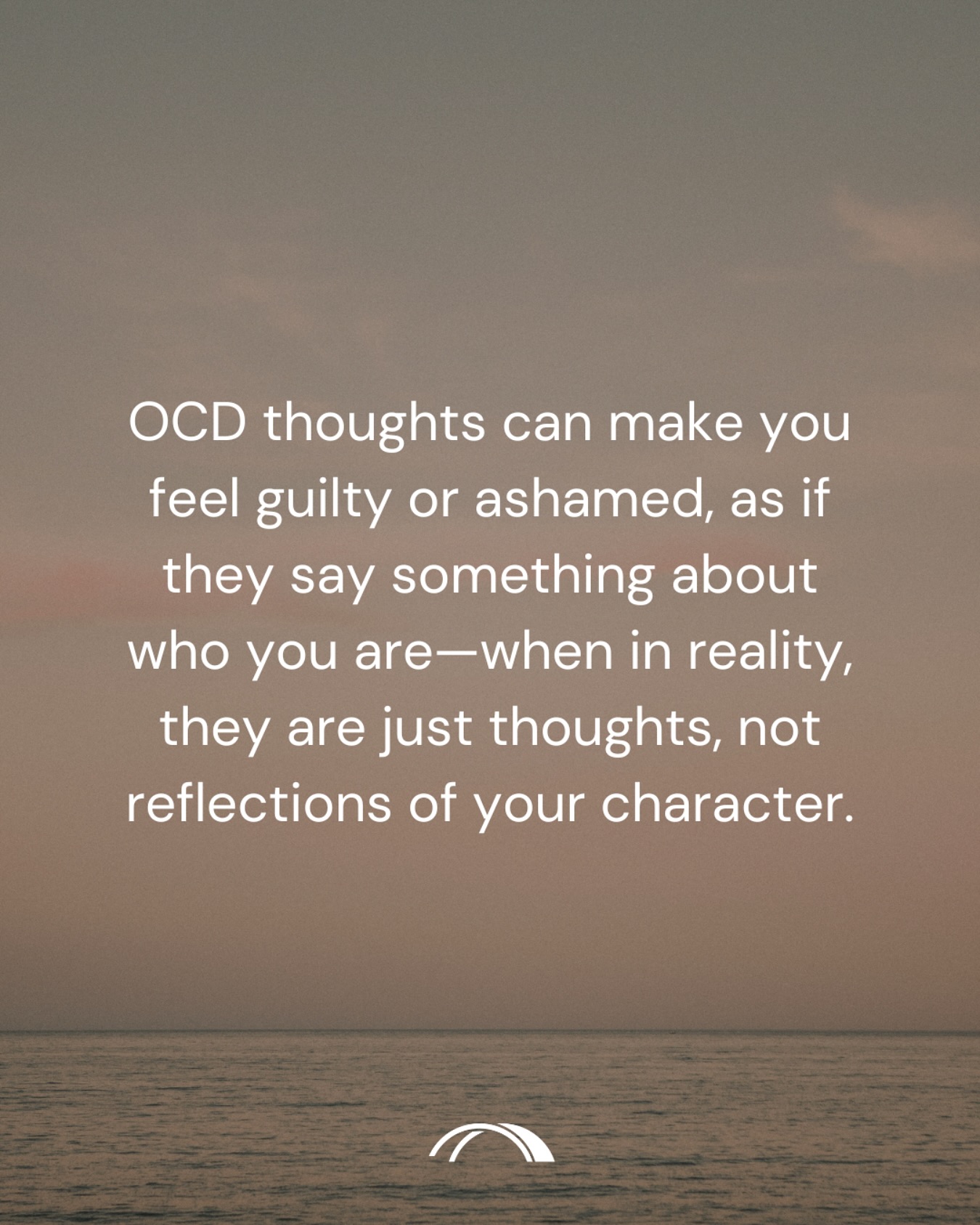
OCD obsessive thoughts can feel upsetting and all-consuming. It can feel like you must act on them to make them go away — by seeking reassurance, repeating a ritual, or avoiding something altogether. But here’s the truth: Having a thought doesn’t make it true, it does not define you, and you don’t have to do what OCD tells you. Cognitive Behavioral Therapy (CBT) for OCD teaches that intrusive thoughts don’t have to control your life. The goal isn’t to stop the thoughts—it’s to change your relationship with them. Instead of reacting automatically to your thoughts, you can learn to notice them, name them, and choose how (or if) to respond. Choosing not to respond to OCD thoughts means resisting the urge to do OCD compulsions. When you resist compulsions, you’re teaching your brain that you don’t have to listen to OCD. Every time you choose not to listen to OCD and resist doing the compulsion, OCD gets weaker. By doing this over and over again, obsessions will happen less often, and the pull to do the compulsion will fade. This is the foundation of Exposure and Response Prevention (ERP), the gold standard treatment for OCD. Stay tuned for more on how ERP can help you take back control. ✨ You are more than your thoughts. You are stronger than your fears. Take that next brave step. ✨ #ocdtreatment #cbt #intrusivethoughts #youarenotyourthoughts #mentalhealth
Like this ad? Make it yours.
Crush rebuilds this exact creative around your product — your brand, your colors, your offer — in about a minute.