
Inactive· since Mar 8, 2026
- 144
- days it ran
- 0
- relaunches
- 41,480
- EU reach
Ad copy
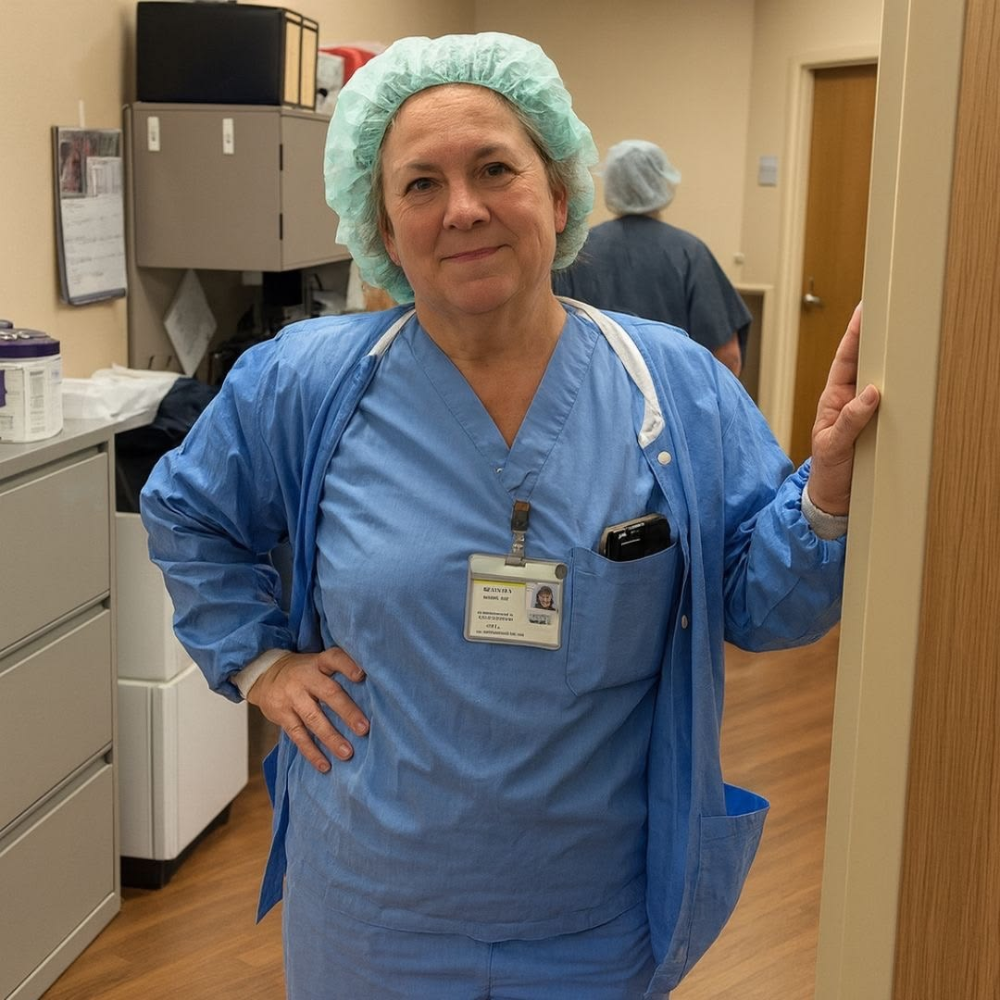
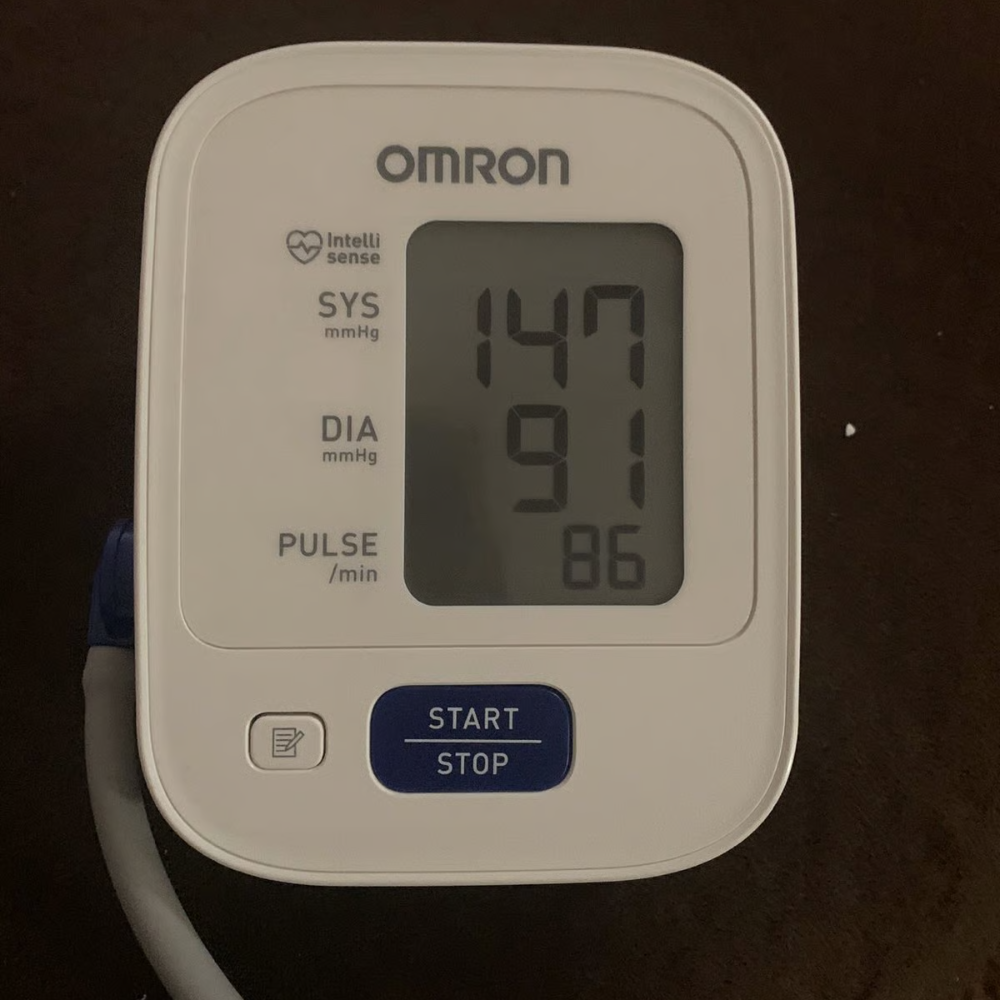
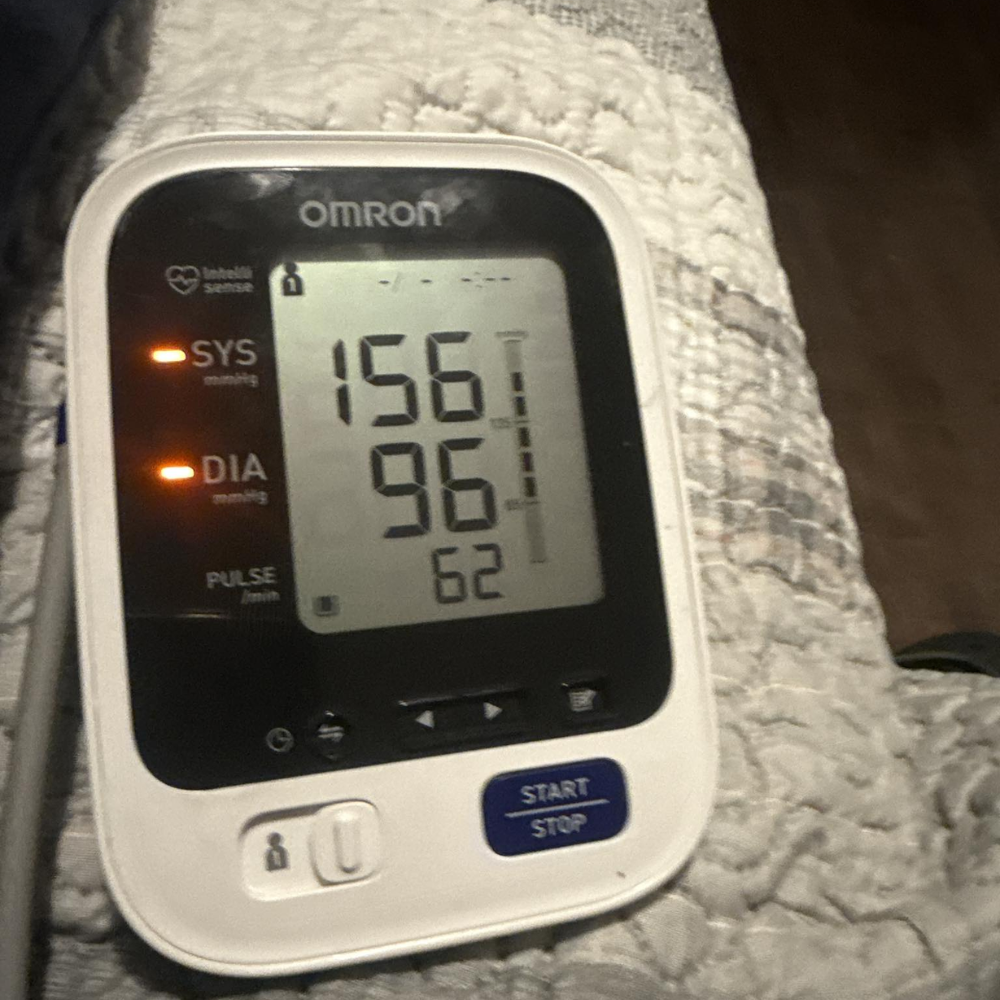
I've been a nurse for 32 years. I've watched blood pressure medication destroy patients. Then it almost destroyed my mother. When my own numbers started climbing, I refused the prescription. By the end of this you're going to understand exactly why — and what I found instead. I've been a registered nurse for 32 years. In that time I've watched hundreds of patients go on blood pressure medication. Watched them follow their doctor's orders for years. Decades. Watched some of them do everything right — every pill, every follow-up, every sodium restriction — and still end up with declining kidney function. Still end up on dialysis. Still die from the heart failure the medication was supposed to prevent. I've held those patients' hands. I've talked to their families. I know exactly what that path looks like. And then I watched my mother walk down it. She was 61 when her doctor put her on Lisinopril. Her blood pressure had been creeping up for years — same story as half the patients I'd seen. The doctor said it was the safest option. Well-tolerated. Standard first-line treatment. Within six months, her fingers started swelling. Not uncomfortable at first. Just tight. Then her wedding ring started leaving a mark. Then it wouldn't come off at all. My father took her to a jeweler. They had to cut it off. She never wore it again. Her ankles came next. By evening, both ankles were swollen enough that her normal shoes didn't fit. She went from heels — she loved heels, had worn them her whole adult life — to flats. Then to the wide orthopedic shoes. Then, finally, to house slippers everywhere. Grocery store. Church. My brother's wedding. Then the cough started. That dry, relentless, hacking cough that Lisinopril causes in roughly twenty percent of patients. It interrupted every conversation. Woke her up at night. Made her sound sick all the time even though the doctor kept saying "it's just the medication, it's not dangerous." Just the medication. As if that made it acceptable. Her energy disappeared. A woman who had cooked Sunday dinner for twelve people every week for thirty years started struggling to stay awake past seven PM. My father learned to eat dinner earlier. Then earlier still. Then they stopped having people over entirely because she was too exhausted to host. I watched this happen from a distance, telling myself it was necessary. Telling myself the medication was keeping her blood pressure controlled. Telling myself her doctor knew best. Then her kidney function started declining. Year after year. Creatinine climbing. GFR dropping. Her nephrologist said it was "expected" — that hypertension causes kidney damage and the medication was "slowing the progression." Slowing it. Not stopping it. Not reversing it. Stage 2. Then Stage 3. Then Stage 4. Then dialysis. Three times a week. Four hours per session. She sat in that chair for two years before her heart gave out anyway. At the funeral, my father took my hand. He looked at me for a long moment. Then he said: "The pills didn't save her. They just made her suffer longer." I was standing in my nurse's uniform. I had nowhere to put that sentence. Because I knew he was right. Three years ago, my own blood pressure started climbing. All those years of long shifts and stress and eating whatever I could grab between patients had finally caught up with me. I'd been in good health my whole career. Didn't smoke. Didn't drink much. Exercised when I could. It didn't matter. 142/91. Then 145/93. Then 147/94. My doctor pulled up my chart. Looked at the trend line. And said the words I had been dreading since my mother's funeral. "I'm prescribing Lisinopril. Ten milligrams daily." My throat tightened. I looked at the prescription in her hand. The same medication. The same starting dose. The same words — "safe and well-tolerated" — that my mother's doctor had used twenty years earlier. I smiled politely. Said I'd think about it. And walked out of that office knowing I was never going to fill it. I tried everything else first. Cut sodium to under 1,500 milligrams a day. Lost fourteen pounds in three months. Walked every morning before my shift. Reduced my hours. Started meditating, which I'd always thought was nonsense and still kind of do. Three months later: 144/92. Two points. The doctor's office called. Then called again. "Ms. Warren, your blood pressure is Stage 2. We really need you to start the medication." I told them I needed more time. But I was running out of ideas. Then about four months ago, one of my long-term patients came in for her regular appointment. Dorothy. Seventy-one years old. Sweet woman. I'd been her nurse for six years. High blood pressure that had never fully responded to anything — she was on two medications, still barely controlled. I'd watched her struggle with it for years. Tried every lifestyle modification. Nothing gave her more than a few points of improvement. But this time when she walked in, something was different. She seemed lighter. Moved differently. Sat down in the chair without the usual careful lowering herself that I'd watched for six years. I asked how she was managing. "My numbers are actually good," she said. "Like, consistently good. My doctor took me off one of my medications last month." I almost dropped her chart. "What happened?" She told me her grandson had found something. An aged garlic supplement. But she was very specific — not just any aged garlic. She'd tried the ones from the health food store before. They hadn't done anything. This was different. "I could feel it working," she said. "And by the second month my readings were better than they'd been in years." I'll be honest. After 32 years as a nurse, I have heard every miracle cure story in existence. Every supplement that promises the world and delivers nothing. Patients who swear something worked when their numbers just happened to fluctuate. I've learned to nod and smile and not encourage it. But Dorothy wasn't like that. She was sharp. Skeptical herself — more skeptical than most of my patients. And she seemed so genuinely, quietly relieved. Like someone who had been carrying something heavy for years and had finally been allowed to put it down. That night I checked my own blood pressure. 146/93. I looked up what she'd told me. Aged garlic extract for blood pressure. I expected to find the usual fringe supplement nonsense. Instead I found Dr. Matthew Budoff. UCLA cardiology. Four randomized, double-blind, placebo-controlled clinical trials. Published in peer-reviewed journals. I sat at my kitchen table and read for three hours. The active compound is S-Allylcysteine. SAC. It's produced only when garlic is aged for a minimum of twenty to twenty-four months. During that aging process, the unstable allicin in raw garlic converts into SAC — a small, stable, water-soluble molecule that survives digestion completely and reaches the bloodstream in full. SAC supports the endothelium — the inner lining of your blood vessels — to produce nitric oxide naturally. Not forcing vessels open artificially the way medication does. Restoring the function that the endothelium is supposed to perform on its own. The clinical results: ten to twelve point systolic reductions. Improved arterial flexibility. Measurable reduction in coronary artery plaque progression. Zero significant side effects in any of the four trials. Then I read the part that stopped me completely. Most commercial aged garlic supplements don't age long enough. The molecular conversion from allicin to SAC requires the full twenty to twenty-four months. But aging costs time and money. Most brands age for six months. Some for twelve. The SAC content in those products is negligible. You're swallowing garlic powder with trace amounts of the active compound and calling it aged garlic extract. The labels don't tell you the aging time. They use terms like "garlic equivalent" and "allicin potential" — marketing language that sounds impressive and tells you nothing about actual SAC content. I understood immediately why Dorothy's previous health food store brand hadn't worked. And I understood why most of my patients who had tried "garlic supplements" reported no results. I ordered the most popular brand. Kyolic — the one I'd seen recommended most often. Took it every day for six weeks without missing a dose. My blood pressure at week six: 143/91. Barely moved. I tried a second brand. Premium label, expensive, good reviews. Eight weeks. Every single day. 142/90. I was ready to give up. The research said SAC worked. But I wasn't finding a product that delivered it. Then I went back to what Dorothy had told me. She had been very specific. Said the ones that didn't work — didn't work. But the one she'd found was different. She sent me the name. Primus. I looked them up expecting to be disappointed again. Full 24-month aging. Not six months. Not twelve. The complete duration required for the molecular transformation Dr. Budoff's research was built on. Verified SAC content. Not estimated. Not implied. Actually measured and published — third-party tested, Certificate of Analysis available on their website. You could see exactly what was in it and confirm the SAC levels yourself. Same formulation used in the UCLA clinical trials. I ordered it that afternoon. First dose. Didn't expect much. I'd already been burned twice. By mid-morning I noticed something I hadn't felt in months. A clarity. The low-grade mental fog I'd been carrying — the one I'd been attributing to long shifts and not enough sleep — wasn't there. That evening the exhaustion that usually hit me around six PM didn't arrive. I made dinner. Helped my husband with something in the garage. Sat on the porch afterward. I went inside and checked my blood pressure. 141/89. I stared at it. Checked again. 141/89. First reading under 142 in over a year. Week one: 138/86. I started checking three times a day. Week two: 134/84. My husband noticed I wasn't falling asleep on the couch after dinner. Didn't say anything. Just watched. Week three: 131/82. Week four: 128/79. I checked it three times that morning. 128. 127. 129. Consistent. I made my appointment. When I walked in, the nurse wrapped the cuff. Pumped it. Watched the monitor. Frowned. Pumped it again. A third time. She walked out without saying anything and came back with my doctor. My doctor sat down. Pulled up my chart. Looked at the history. Looked at the new reading. Looked at me. "What did you change?" I told her everything. Dr. Budoff's research. The SAC compound. The 24-month aging requirement. Why Kyolic didn't work and why Primus did. The difference between verified SAC content and marketing language on a label. She typed notes. Pulled the research up on her own screen. Read for a few minutes. Then she sat back. "Your numbers are excellent. No Lisinopril necessary at this time. Whatever you've found — keep taking it." No Lisinopril. No cough. No swollen ankles. No slippers. No dizziness. No dialysis. No following my mother's path. I sat in my car in the parking lot and called my husband. "122 over 76. No medication." I heard him exhale slowly. "Thank God, Linda." That was four months ago. My blood pressure this morning: 121/75. Stable. Consistent. Every single morning. Last weekend my daughter asked me to go hiking with her and the grandkids. A real hike — not a flat walking path. A trail. Elevation. Three miles. Two years ago I would have made an excuse. Would have been worried about getting winded, about my blood pressure spiking, about not keeping up. I said yes. I did the whole trail. My five-year-old granddaughter held my hand the last half mile, chattering about the birds and asking if we could come back next weekend. My eyes burned. Because the answer was yes. I'm sharing this because of what I've watched happen to too many people I care about. If your doctor is talking about Lisinopril. If you've watched a parent or someone you love go through what my mother went through. If you've tried aged garlic supplements before and they did nothing — now you know exactly why. The aging time is not a marketing claim. It is a biochemical requirement. The molecular conversion from allicin to SAC cannot be rushed. Six months is not enough. Twelve months is not enough. The compound you need requires the full twenty-four months — and almost no brand on the market does it. Here is what to look for before you order anything: Verified SAC content. Not "garlic equivalent." Not "allicin potential." Actual measured S-Allylcysteine levels, third-party tested, Certificate of Analysis published. If a brand won't show you this, you don't know what you're getting. 24-month aging minimum. Ask. Look for it on the label or website. If they don't say it explicitly, assume they don't do it. UCLA research formulation. Dr. Matthew Budoff. Four randomized clinical trials. The research is real and it was done on a specific formulation — not just any aged garlic extract. Primus meets all three. Full 24-month aging. Published SAC content. Third-party tested. The same formulation the clinical trials were built on. Try it for 60 days. Track your readings every morning. If your numbers don't move — full refund, no questions asked. After 32 years as a nurse, I thought I'd seen everything. My patient Dorothy knew something I didn't. I'm grateful she told me. 👉 https://primus-health.com/products/aged-garlic-extract-odorless-premed — Linda Warren, RN 32 years in nursing And someone who is not following her mother's path P.S. — A few things I wish I'd known before I started: Most people try aged garlic once, see no results, and conclude it doesn't work. It's not that it doesn't work. It's that what they bought wasn't aged long enough to contain meaningful SAC levels. Check the aging time before you order. If it's not 24 months, put it back. P.P.S. — Dorothy came in for her follow-up last month. Still off her second medication. Numbers holding steady. She asked me how I was doing. I told her 121/75, no Lisinopril, hiking with my grandkids on weekends. She smiled. "I knew you'd figure it out," she said. "I just had to point you in the right direction." Thirty-two years as a nurse. My seventy-one-year-old patient saved me. I hope this saves you.
I've Been a Nurse for 32 Years. I Refused Lisinopril. A 71-Year-Old Patient Showed Me Why I Didn't Have To. Here's What Brought Me From 147/94 to 121/75 Without a Single Pill.
I spent 32 years watching blood pressure medication destroy my patients. Then it destroyed my mother. When my own numbers hit 147/94 I refused the prescription. A patient showed me what actually works — and why every aged garlic brand I'd tried before had failed.
LEARN MORELike this ad? Make it yours.
Crush rebuilds this exact creative around your product — your brand, your colors, your offer — in about a minute.