James Mitchell
James Mitchell Facebook ad: “Husbands over 45”
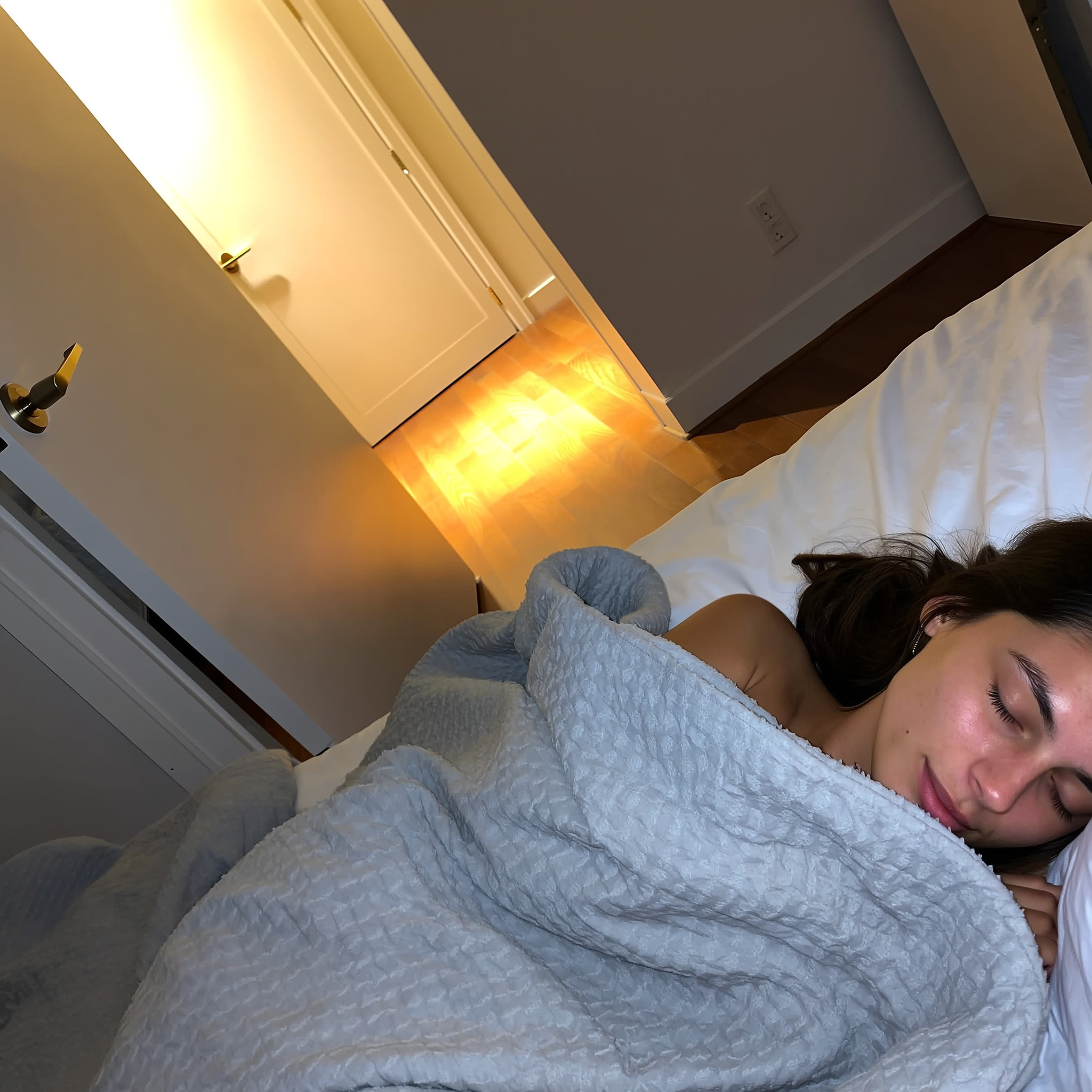
Ran for 133 days, from March 6 to July 17, 2026, the last day Crush saw it.
Run by James Mitchell on Facebook. Crush is not the advertiser and does not verify its claims. See this ad in Meta's Ad Library(opens in a new tab)
Want an ad like this for your product?
Crush makes new ad images for your product from this ad: your logo, your product photo, your offer.
Trials from $19.95 USD, then $79.95 USD a month. Cancel anytime.
About this ad
- Meta Ad Library ID
- 788708097125616
- Platforms
- Relaunches
- 0
Ad text
To Men Who Miss The Woman They Married: You can't explain it to anyone. You just know something changed. There is this version of my wife that I can't forget. The one that couldn't stop smiling when she saw me. Who would reach for my hand in the car without thinking about it. Who laughed at things that weren't even that funny, just because we were together. I didn't know I was supposed to remember those moments. I thought that was just... us. I don't know exactly when it changed. There was no fight. No moment I can point to. Just... one day I realized I couldn't remember the last time she looked at me the way she used to. The house was still full. Kids, routines, dinner, TV. But something in the temperature of it was different. She seemed further away even when she was right next to me. I'd say something and get a short answer. I'd reach for her and feel her go still. I started choosing my words more carefully. Then I started choosing my moments. Then I stopped choosing at all. Because somewhere along the way, approaching her started to feel like a risk. And I didn't know how to tell anyone that. Because from the outside, nothing was wrong. We weren't separated. We weren't screaming. We were just... quiet in a way that didn't feel like peace. I did what most men do. I tried to explain it. First I told myself it was the honeymoon phase. That this is just what happens after years together. The spark fades. Everyone says that. It's normal. But that didn't explain the sharpness. The way a normal Tuesday evening could go wrong in thirty seconds over nothing. The way she'd look at me sometimes like I'd already done something wrong before I opened my mouth. Honeymoon phases end. They don't turn into this. So then I told myself it was the kids. The stress of raising a family. The exhaustion. The way parenthood changes everything between two people. That made sense for a while. Until I watched her with the kids. The patience she had for them that she didn't have for me anymore. That one hurt in a way I didn't expect. Then I thought maybe it was me. Maybe I stopped trying hard enough. Maybe I got comfortable. Maybe I stopped being the man she needed. So I tried harder. I was more patient. More helpful around the house. More careful with my words. And nothing changed. If anything, the more I tried, the more invisible I felt. Because effort without understanding isn't love. It's just noise. And I was making a lot of noise. I remember sitting alone one night after she'd gone to bed early — again — and thinking the thought I'd been avoiding for months. What if she just doesn't love me anymore. That thought is a dangerous place to live. Because once it moves in, you start looking for evidence. And a man who's looking for evidence that his wife doesn't love him will find it everywhere. In the short answers. In the empty side of the bed. In the way she laughs with her friends on the phone and then goes quiet when she walks back into the room. I had the evidence. I had the explanations. What I didn't have was the truth. The truth came from a direction I wasn't expecting. We were at a dinner with another couple. Friends we'd known for years. And at some point the other husband leaned over and said something I've never forgotten. He said — "I almost lost her. Not to another man. To something I didn't understand and nobody explained to me." I asked him what he meant. And he told me. Not in medical terms. Not in a way that felt clinical or distant. He just described his marriage. The last few years of it. And it was like listening to someone read from my own life. The coldness. The distance. The rage that came from nowhere. The woman he married becoming someone he didn't recognize. The loneliness of living with someone and still feeling completely alone. And then he said something that stopped me completely. He said — "It wasn't her choice. Her body was changing in a way that neither of us understood. And because we didn't understand it, we were both responding to the wrong problem." I drove home that night in silence. Not the bad kind of silence. The kind where something is rearranging itself inside you. Because if he was right — If what was happening to my wife wasn't a choice — If this wasn't her deciding to love me less — Then everything I thought I knew about the last few years was wrong. And more importantly. Everything I'd been doing in response to it was wrong. I went home and I started reading everything I could find. And what I found changed the way I understood my marriage completely. Here is what nobody tells husbands. When a woman enters perimenopause — the years leading up to menopause — her hormones don't just shift. They fluctuate. Hard and fast. Sometimes for years. And those fluctuations don't show up as a medical condition in your living room. They show up as a mood. A changed atmosphere. A woman who sleeps badly and wakes up with less patience than she went to bed with. A woman whose nervous system is running on emergency power — so the same comment that landed fine last year now lands like a criticism. A woman who feels unlike herself and doesn't know how to explain that to the man she loves. Because here's the thing nobody said to me that I needed to hear most. She couldn't always articulate what she was feeling. Not because she didn't want to. Because she didn't fully understand it either. She was living inside a system that was changing beneath her — sleep, mood, identity, comfort, desire — all shifting at once. And when you're inside that storm, you don't have the language for it. You just survive it. And sometimes surviving it looks like rage. And sometimes it looks like coldness. And sometimes it looks like the woman you married becoming someone you don't recognize. Not because the woman you married is gone. But because she's fighting something neither of you had a name for. Now here's where I have to be honest with you. Because when I learned all of this, my first reaction wasn't relief. It was frustration. Because I thought — okay. So it's biological. So it's not her choice. That still doesn't explain what I'm supposed to do with it. I'd already tried being patient. I'd already tried being supportive. I'd already tried being more present, more helpful, more understanding. And none of it worked. So what was different now. And that's when I understood the second thing nobody tells husbands. There's a difference between being patient and being intelligent. Patience without understanding is just suffering quietly. You absorb the sharpness. You walk on eggshells. You wait for it to pass. And the marriage slowly dies in the silence between you. Because patience alone doesn't change the climate. And climate is everything. What I mean by that is this. Affection doesn't come back because you waited long enough. It comes back because the environment becomes safe enough for it to exist again. And the environment is shaped by both of you. Not equally — not in this season. Her capacity is lower. Her nervous system is under pressure. She cannot always choose her reactions the way she normally could. But you can choose yours. And that choice — made consistently, made with understanding instead of just endurance — changes the temperature of the house. Not immediately. Not dramatically. But steadily. I started understanding what she actually needed from me in this season. Not grand gestures. Not long conversations about the relationship. Not me presenting evidence that I was trying hard enough. Something quieter than that. Steadiness. The kind of steadiness that says — I'm not going anywhere. I'm not panicking. I'm not punishing you for what you can't fully control. And I'm not disappearing either. That kind of presence — when it's consistent — does something to a nervous system that's been braced for conflict. It starts to relax. And a woman whose nervous system starts to relax starts to become more available. Not immediately. Not completely. But the thaw begins. I saw it first in small things. A shorter fight. A moment in the kitchen that didn't turn sharp. Her staying in the room instead of leaving it. A touch that wasn't loaded with everything we hadn't said. Those things sound small. They're not small. They're the foundation that everything else gets built on. But here's what I want to be clear about. None of this happened because I became a doormat. None of this happened because I buried my needs or pretended I wasn't hurting. I was hurting. I still had needs. I still missed her. I still needed to feel like a man she chose, not just a man she tolerated. Those things didn't go away. What changed was that I finally understood what I was actually dealing with. And when you understand what you're dealing with — really understand it — you stop responding to the wrong problem. You stop trying to win arguments with a nervous system that can't receive logic right now. You stop taking every cold moment as a verdict on your marriage. You stop making moves that feel right emotionally but make everything worse strategically. And you start making moves that actually change things. Not because you read a list of tips. But because you finally have a map. That map is what I want to give you today. I spent months pulling together everything I learned through this. Not from the outside looking in. From inside a marriage that was breaking apart in exactly the way yours might be right now. I know what it feels like to lie awake while she sleeps with her back to you. I know what it feels like to choose your words so carefully that you stop saying anything real. I know what it feels like to look at the woman you built your life with and wonder if you'll ever feel close to her again. And I know what it feels like when that starts to change. Not because she suddenly became a different person. But because I finally understood the person she already was. That's why I wrote Us Again. It's not a book about menopause. It's not written for her. It's written for you. The husband who is still here. Still trying. Still carrying something he can't explain to anyone. Because nobody wrote this for us. Every resource I found during those months was written for women. About women. From women. Which makes sense. But it left husbands completely alone with something they didn't understand and no framework for navigating it. Us Again changes that. It gives you a clear picture of what is actually happening inside her body and her mind — not in clinical terms, but in the language of what you're actually living with day to day. It explains why she can't always articulate what she's feeling. And why waiting for her to explain it before you respond is one of the things quietly making the distance worse. It shows you the specific patterns that husbands fall into — the ones that feel like the right response but are actually feeding the cycle that kills affection. It walks you through what the climate of your marriage actually needs right now — and what your role in creating that climate looks like when you finally understand the season you're in. It addresses the intimacy. Directly. Without shame on either side. Because that silence between you in the bedroom isn't just physical. It's the accumulation of everything that hasn't been named yet. And it addresses something most books won't touch. Your pain. Not just hers. Because you are not just a supporting character in this story. You are a man who has been quietly injured by something nobody prepared him for. And your needs — for closeness, for respect, for feeling chosen by the woman you chose — those don't disappear because she's struggling. They matter. Us Again holds both of those truths at the same time. Her struggle is real. Your pain is real. And there is a way through this that doesn't require either of you to disappear. It won't happen overnight. It won't happen from one conversation. But it can happen. I've seen it. I lived it. And the version of your marriage that exists on the other side of this season — if you navigate it with understanding instead of just endurance — is something worth fighting for. I want to tell you something I don't say lightly. Most marriages that break during this season don't break because the love was gone. They break because nobody understood what was happening until it was too late. The husband who checked out because he thought she stopped loving him. The wife who hardened because she felt alone in something she couldn't explain. Two people who loved each other, drifting past the point where either of you knew how to come back. I've watched it happen to people I know. Good men. Good marriages. Not dramatic endings. Just two people who ran out of understanding before they ran out of time. And the thing that stays with me — the thing that I can't shake when I think about those marriages — is that the information existed. The understanding was available. They just never found it. Or they found it too late. Because here's what nobody warns you about this season. The drift doesn't feel like a crisis while it's happening. It feels like Tuesday. It feels like another quiet dinner. Another night on opposite sides of the bed. Another conversation that didn't quite connect. And then one day you look up and realize that the distance between you has become the default. That you stopped expecting warmth. That she stopped expecting to be understood. That the marriage became functional. Efficient. Survivable. But not alive. And at that point — rebuilding is not impossible. But it is so much harder. Because you're not just rebuilding understanding. You're rebuilding two people who learned to live without each other while living together. That is a longer road. I don't want that road for you. Not because I know you. But because I know what the shorter road feels like. And it starts with something simple. It starts with understanding. Real understanding. Not "be patient." Not "she's just hormonal." Not the advice your friends give you because they don't know what else to say. The kind of understanding that changes how you walk into a room. How you handle a moment that's about to go wrong. How you stay present with a woman who is struggling to be present herself. How you hold your self-respect without using it as a weapon. How you rebuild warmth in a house that forgot what warmth felt like. That's what Us Again gives you. Not a magic fix. Not a guarantee. But a map. Written by someone who walked this exact road. Who sat in the same quiet that you're sitting in right now. And who found his way back to the woman he married. Not the version of her from before. Something better than that. A version of us that knew what we were made of. Because we'd been through something that breaks most people. And we chose each other anyway. If any part of what you read today felt like your life — if you recognized yourself in that silence — then Us Again was written for you. Click below. Start reading today. Because the man who understands what's happening is the man who has a chance to change it. And she needs that man right now. Even if she doesn't have the words to tell you.
Where the ad sends people
lovesecrets.info
Husbands over 45☝️
Us Again
Learn more: usagain.store(opens in a new tab)