
Active· since May 28, 2026
- 111
- days running
- 0
- relaunches
Ad copy
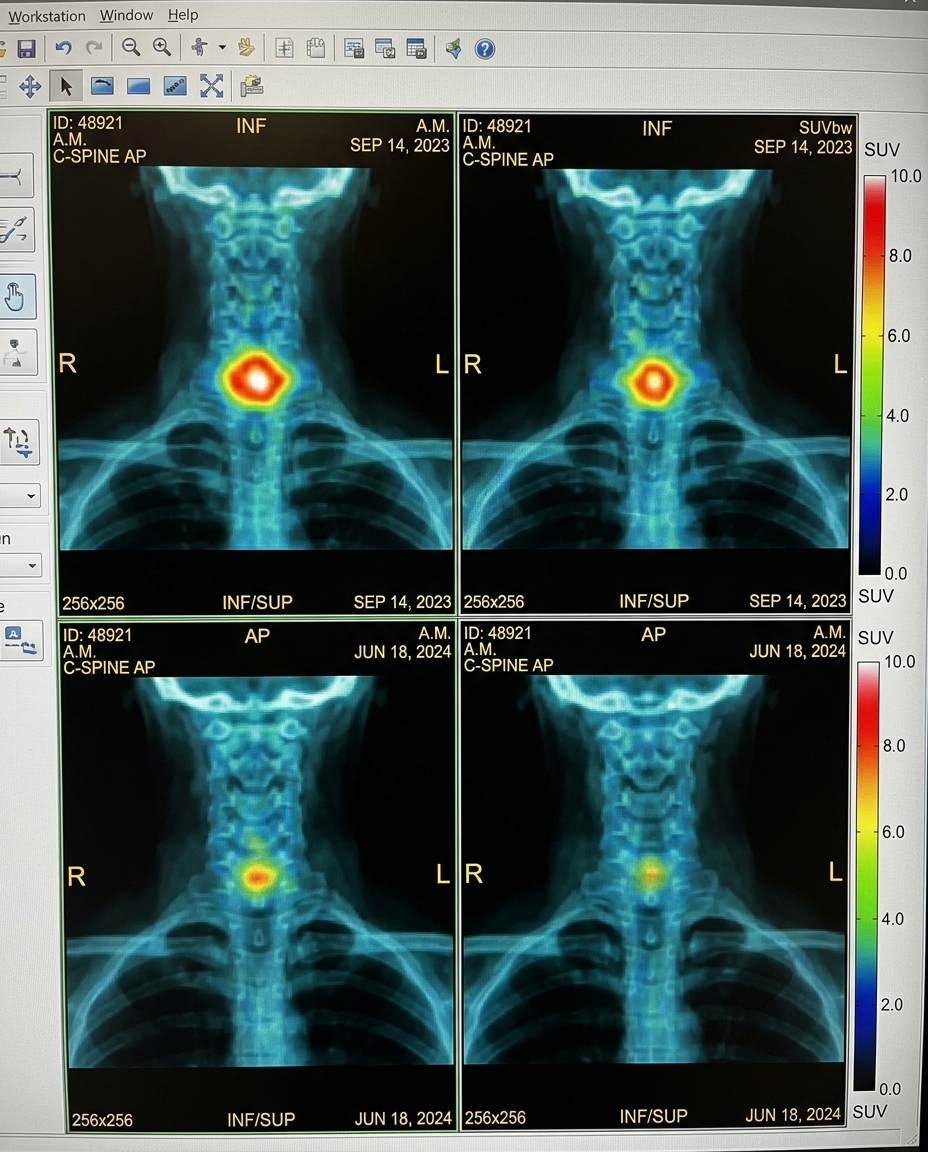
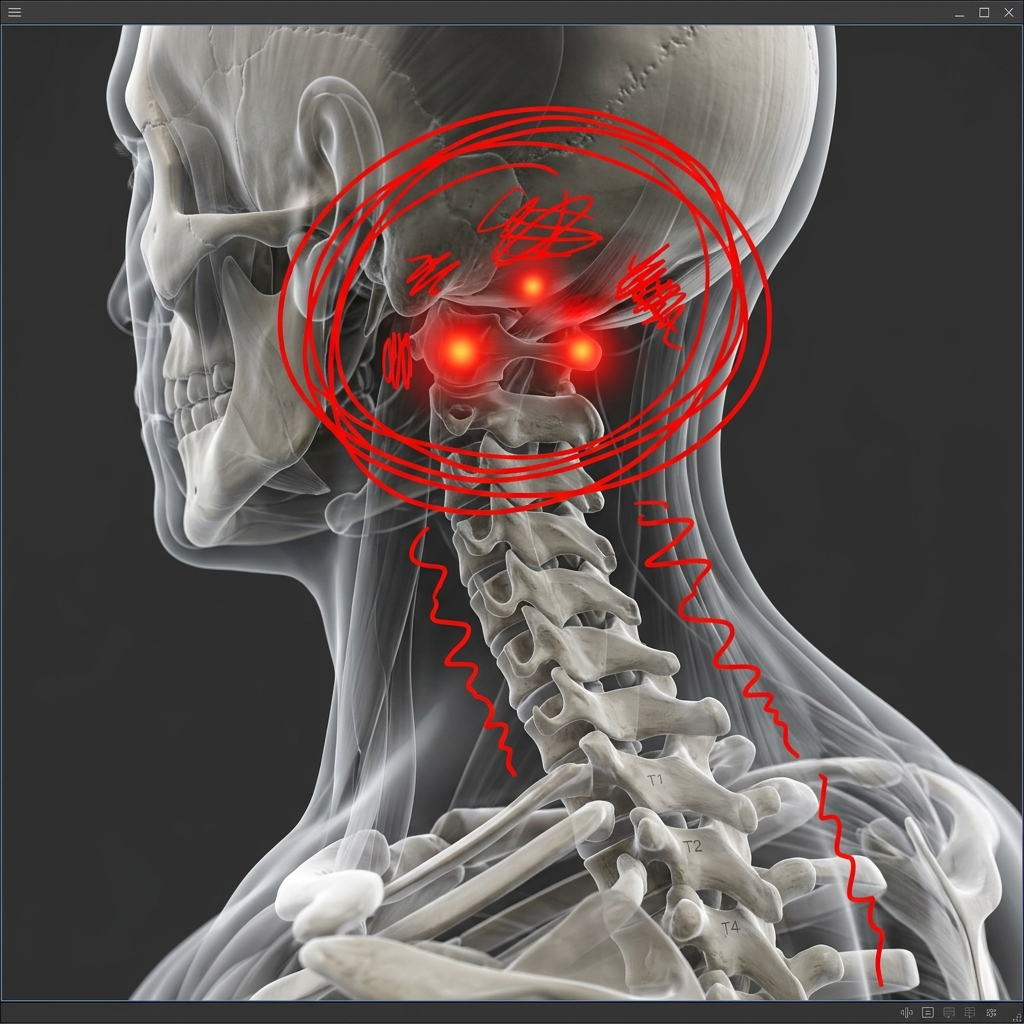
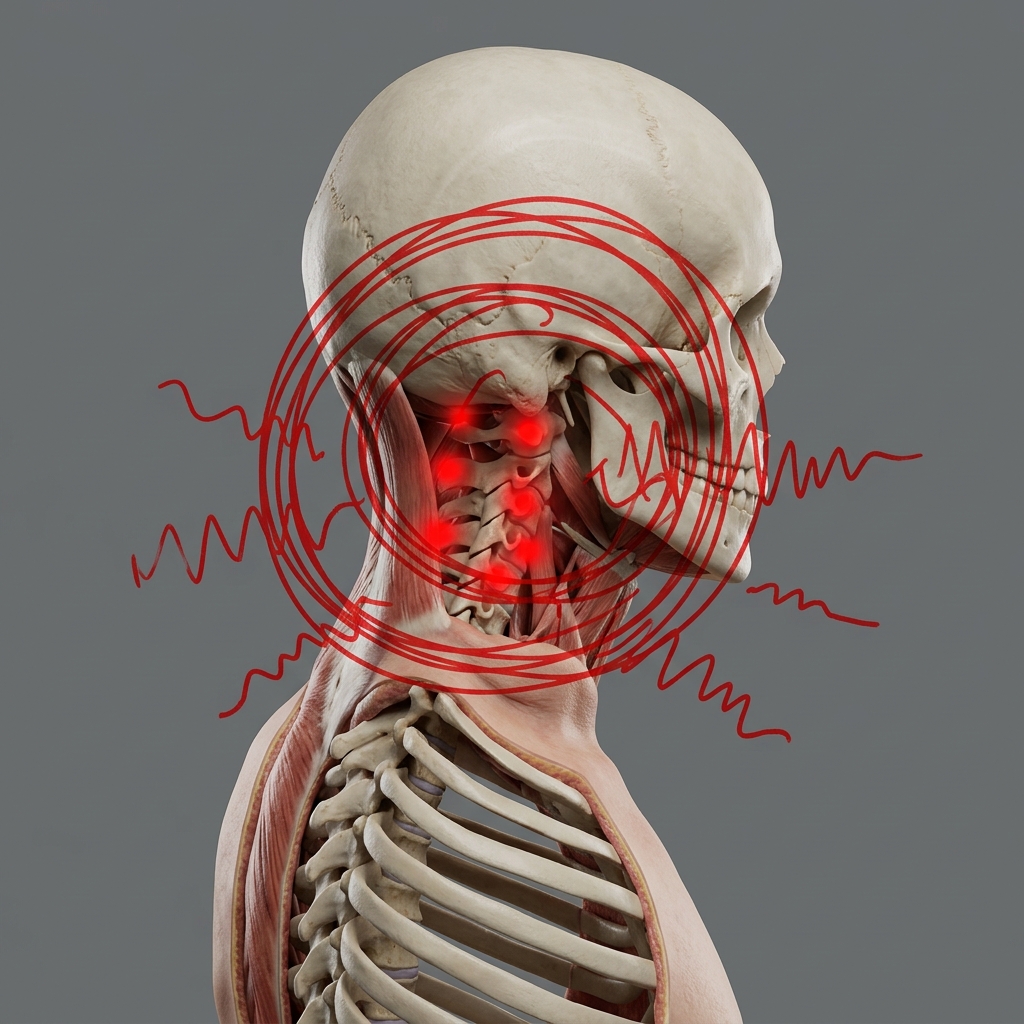
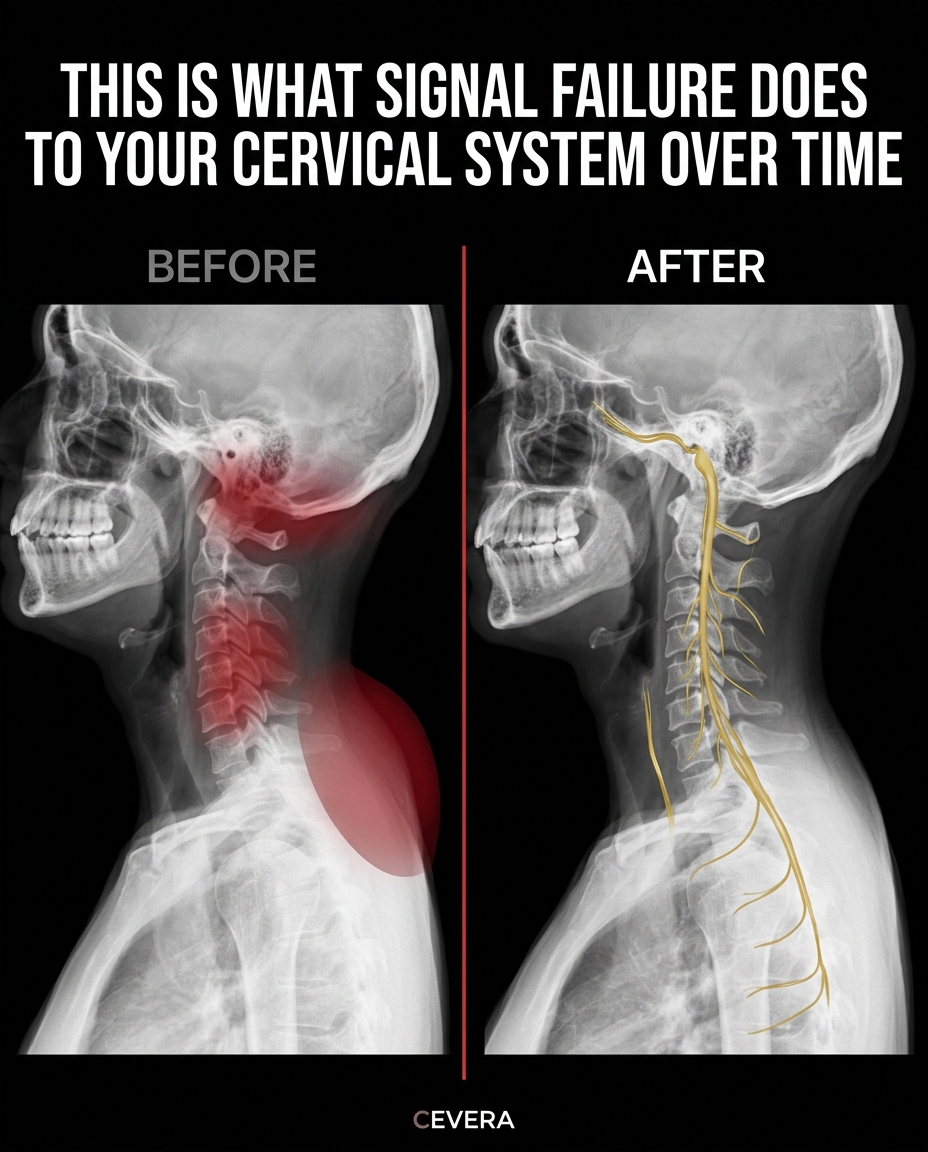
I almost said no to the girl who gave me my mornings back. She was seventeen, sitting in a window seat at a foster home in Indiana, on her last weeks before the system would spit her out for good. If I'd known, the day we brought her home, that she was the only reason I would still be getting dressed in ten minutes at sixty-five — I would have held her a little longer in the doorway. Looked at her a little harder. Taken a breath. But I didn't know. I just helped her carry her bag up to her new room and called her down to dinner. Her name is Sofia. She's eighteen now. She's a physiotherapy assistant trainee at the community college, four months into the program. She's tall in a way she hasn't grown into yet. She still asks before she opens the refrigerator. She says "ma'am" to the cashier at the grocery store every Saturday morning. She calls my husband Henry "Dad" since the second month she was here. She calls me "Mom" since the third. She'd been in the foster system since she was nine. Henry and I had visited the children's home twice already by the time I met Sofia. We'd sat across from a counselor named Margaret for three months working through paperwork. We'd met eleven children. We'd made no decision. Margaret had told us most couples needed three or four visits before a child clicked. The third visit, in September, Margaret took me down a hallway to a small private room at the back of the home. Sofia was sitting on a chair with a worn paperback in her lap. She was a month from her eighteenth birthday. A month from aging out of the system with nowhere to go. Margaret had stopped putting her in front of visiting couples a year earlier. "Seventeen-year-olds don't get adopted," she'd told me. "I'm not going to break her heart again." I'd seen her in the common room on my second visit. I almost said nothing. I asked anyway. I'm going to tell you why I asked, because the answer matters. It's not because I was being noble. I'd like to say I was. I wasn't. Henry and I had tried for a child for fourteen years. Four miscarriages. After the last one my doctor used the word "unlikely" in a way that meant "never." It took us another twenty-six years to walk into a children's home. I was sixty-four. Henry was sixty-five. We knew we were almost too old. I had a hole in my chest the size of a child. Sofia had a hole in hers the size of two parents who didn't live long enough. That was the whole reason. We needed each other. That's all. Sofia asked me what I did for a living. I told her I worked at the public library three days a week. Her eyes flickered. "Do you read books at work?" she asked. I told her only sometimes. Mostly I check books in and out for other people. "What's your favourite book?" I told her To Kill a Mockingbird. She nodded. The way she nodded was the way an adult nods when she's filing information away to look at later. "Mine is The Boxcar Children. I have it in my bag." She pulled a worn paperback out of a small canvas duffel at her feet. Set it on her knee. There was other stuff in the bag. A small handmade bead bracelet. A toothbrush in a plastic case. A spare pair of socks rolled into a ball. A few folded papers — birth certificate, foster placement records, the things you carry when you don't know what's coming next. We brought her home four weeks later, two days before her birthday. The first three months were not easy. I won't tell you they were because that wouldn't be true. She had nightmares the first six weeks. She'd wake up at three in the morning and I'd hear her in the kitchen drinking water, then putting the glass back exactly where she'd found it. She never wanted us to know. She didn't trust Henry until October. October was when Henry sat her at his workbench and showed her how to plane a piece of pine. She started calling Henry "Dad" two weeks after the shop. She started calling me "Mom" the night I made meatloaf. She said "Mom, can I have seconds?" and I almost dropped a serving spoon on the floor. By December she was bringing me coffee in the morning before her first class. She'd set it on the little table by my reading chair without saying anything. Just put it there and walk past. That was the kind of daughter she was. Now let me tell you about me. I'm sixty-four years old. I've had a progressing neck hump for eight years. By 7 PM the morning wardrobe calculation has been running all day. My ease in any room has been quietly leaving. I fall asleep in the living room chair some evenings after dinner. Henry lets me sleep. Twice in the last six months I've caught my reflection in a shop window and stopped without meaning to. Just stood there staring at my own side profile. At something I didn't recognise. Henry has been quietly covering for me at family events for the last year. They both pretend I don't know. I know. Four months after Sofia came home, I came back from my practitioner appointment and didn't speak for three hours. That night I told Henry I was going to stop accepting invitations to anything with a camera. My practitioner was a woman named Dr. Chen who had known me for fifteen years and called me "Caroline." Dr. Chen had told me my measurements were stable. But the tissue was still building. "Caroline, this is just aging. Your body's telling you it's time to accept the change." I had nodded, thanked her, and driven home. I sat at our kitchen table and told Henry I'd been managing this for eight years — and now the management was telling me to accept what it had never been able to stop. He didn't say anything. He just looked at the salt shaker for a long time. Sofia was at the table when I told them. She didn't say anything. She just listened. She watched me the way a physiotherapy trainee watches anything — taking inventory. Two days later, in the kitchen while I was washing dishes, she asked me how long I'd been on the management protocol. I told her eight years. She nodded once and went up to her room. That was a Tuesday in late February. On Thursday afternoon Sofia drove past my practitioner's clinic on her way home from a clinical rotation at the hospital. She parked across the street. Sat in the car. Watched through the window for ten minutes. She drove home without stopping. She went up to her room and called me from her cell phone even though I was downstairs. "Mom?" I dried my hands on a dish towel. "Mom — can we eat dinner together this Sunday? Just you and Dad and me. I want to talk to you about something." She'd never called me from upstairs before. "Sofia — what is it?" "I'd rather show you on Sunday. I've been working on something. Just promise me you'll listen to all of it before you say anything." "I promise." She came downstairs ten minutes later for dinner like nothing had happened. Sunday came. I made pot roast. I set the table with the good plates. Sofia came down at 5:45 wearing a clean shirt. She had a manila folder under her arm. She set it on the kitchen counter. She hugged Henry for a long time when he came in from the shop. We ate. She had two helpings and apologised and asked for a third. She cleared the table and started the dishes. I stopped her and told her to sit. I served pie. Apple, with vanilla ice cream. Henry pushed his plate back and folded his hands on the table. He looked at Sofia. "All right, sweetheart. What's in the folder?" Sofia got up. Got the folder. Sat back down. Set it in front of her. Didn't open it yet. "Dad. Mom. I almost didn't bring this. I held the folder at the top of the stairs for ten minutes deciding whether to come down with it." "I'm not a practitioner. I'm a physiotherapy trainee. I might be wrong about all of this." She took a breath. "But I'm going to tell you what I found. And I'm asking you to listen all the way to the end before you tell me whether I'm crazy. Because I think this matters." She opened the folder. She didn't start with me. She started with a woman named Elena. "Mom. Dad. I have to tell you about my biological mother. I don't talk about her because I hardly remember her. She died when I was nine. But I've been carrying something for a year and I should have told you sooner." She laid out the medical records first. Her biological mother — Elena Kovacs — had been on a twice-weekly adjustment protocol at thirty-five for early cervical tissue progression. Elena attended every session for six years until she had a stroke at forty-one from vascular disease connected to years of untreated cervical inflammation and postural stress. Sofia was nine. Sofia's father had left when she was four. That's when she went into the system. Sofia had started looking for information about Elena when she was sixteen. She'd tracked down Elena's older sister — a woman named Theresa who lived in Columbus, Ohio. She'd called her from the foster home phone. Theresa had cried for ten minutes before she could speak. Margaret — the counselor — had let her take a Greyhound bus down to Columbus the summer she turned seventeen. She'd stayed with Theresa for three days. She'd come back to the foster home with a folder. "I want to tell you who Elena was before I tell you what happened to her," Sofia said. "Because I need you to understand she was a woman, not just a record." Elena was a librarian's assistant. She wore her hair up every single day of her working life. She made beaded bracelets for every woman she loved. The beaded bracelet Sofia had carried with her through nine years of foster care. Elena had made it for Sofia's fourth birthday. This was the first time I'd heard any of it. "Three months into the protocol, the calculation started," Sofia said. She slid one of the printouts across the table. A practitioner's note from Elena's first-year follow-up. "Patient reports increased morning wardrobe planning. Likely adjustment period." "Year two her wardrobe had completely reorganised. Practitioner wrote: 'Tissue stable, continue protocol.' Year three she stopped attending outdoor events with cameras. Year four she started declining invitations. Year five she'd stopped being photographed at all." She pulled out the photocopied letters next. She picked up one after another. A letter from Elena to Theresa about not being able to wear the dress she'd bought for a wedding. A letter about stopping the weekly walks because of what the reflections in shop windows showed her. A letter about feeling like she was watching her own life from a distance. "She died six weeks after the last letter," Sofia said. "Not from the hump. From a stroke at forty-one — vascular disease that had been building silently while the measurements said 'stable.' But I keep thinking about those letters. About the years she spent managing and calculating and declining and shrinking. About what that cost her." She looked at me. "Mom. You're on the same protocol. Same management pattern. Same symptoms now that she had then. Same thing your practitioner is saying — that it's just aging." She paused. "I lost my biological mother at nine years old to a life that kept shrinking. I'm not watching my second mother's life shrink at sixty-four." She pulled out a thinner folder of notes. Pages with words she'd looked up. Definitions in pencil in the margins. "I know how this is going to sound," she said. "I'm an eighteen-year-old physiotherapy trainee telling you that two practitioners with thirty years of practice between them are wrong. I get how that sounds." "I read until I understood. I might still be wrong. If I am, tell me and I'll drop it. But please. Hear me out first." "The practitioner has been treating the wrong thing the whole time. For Elena and for Mom." "Your neck hump keeps building because your suboccipital release mechanism has never been directly activated. That's it. That's the whole thing. The muscles at C1-C2 — right where your skull meets your spine — lock into a chronic neurological contracture after years of accumulated forward load. The head stays pulled forward continuously. The body builds tissue at the cervical base to absorb the stress." "Adjustment mobilises the joint above the contracture. Think of your cervical structure as a door with a broken spring. Instead of fixing the spring, you keep opening and closing the door manually. For a while it works. But the spring is still broken. It will never hold the door closed on its own." "That's what the protocol is doing. Manually opening a door whose spring has never been repaired. The tissue keeps building because the source keeps pulling. The protocol doesn't address why the mechanism stopped working. It just manually overrides the symptom twice a week." She pulled out another printout. "And here's the part that explained Elena's decline. And Mom's calculation. And why women on these protocols end up with lives that keep shrinking anyway." "The suboccipital contracture requires three specific simultaneous inputs to release the proprioceptive signal. Exact C1-C2 anatomical placement — the two precise pressure points where the contracture lives, not the joint above it. Gravity-assisted sustained delivery — your own head weight providing consistent downward force. And minimum eight to ten minutes of uninterrupted hold — long enough for the proprioceptive receptors to activate and the neurological release signal to actually fire." "Standard adjustment delivers none of these at the contracture address. The placement is above the contracture. The delivery is intermittent. The duration is seconds, not minutes." "That's why the measurements can say 'stable' while the tissue keeps building and the morning calculation keeps running. The drug — the protocol — is managing the joint while the real source keeps running underneath." She set the printout down. "I found something. The mechanism was different from anything else I'd looked at. Everything else was working downstream — mobilising a joint, managing a measurement. This one worked upstream — at the contracture itself." She pulled out a third printout. This one was about direct suboccipital compression. "I started where I never thought I'd start. A physiotherapy research database in the community college library. The keyword was 'suboccipital contracture direct release.' I expected to find nothing. I found over a thousand peer-reviewed studies." "The first major one came out of Germany in 2010. Researchers discovered that the suboccipital release mechanism required sustained gravity-assisted compression at the exact C1-C2 address — held for the minimum duration required for proprioceptive receptor activation. Nothing else reached the mechanism." "There's a researcher named Dr. Maria Hoffmann at the European Manual Therapy Institute, and her work is what led to the only tool doing this right. The tool is called Cevera. Two precision foam nodes positioned for exact C1-C2 placement. Gravity-assisted delivery through your own head weight. Ten-minute protocol before sleep. All three inputs simultaneously at the exact anatomical address." "The posture tool industry has been trying to copy this for years and getting it wrong. Most tools apply broad pressure to the thoracic spine — nowhere near the contracture address. Some decompress the joint above. Cevera holds the input at the exact C1-C2 address for the full duration. Third-party tested. Made with engineered precision." She set the printout down. "That was the missing piece. The direct input Elena's release mechanism had been starving for. The protocol was managing the joint. The direct compression was reaching the source." She closed the folder. "I bought a Cevera at the start of the semester." "One I tried myself. I don't have a neck hump, but I wanted to feel what it did. It hit fast. I was sitting on my bed and the tightness at the base of my skull that I didn't know I was carrying released. The room felt different. My neck felt like something that had been locked for years had finally let go." "That was the only test I needed." She reached into her bag and pulled out a second Cevera. Pushed it across the table to me. "Mom. The second one I bought for you. It's been sitting on my desk for three weeks waiting for me to find the courage to come over here with this folder." "You took me in when nobody else was going to. You're the reason I have a bedroom and a last name and a community college acceptance letter." "I am asking you to use this for me. Ten minutes before bed. Let your head weight do the work. For me. Please." I didn't say anything for a long moment. I looked at the Cevera. I looked at Sofia. I looked at the photocopied letter on top of the stack — Elena's letter from the weeks before everything stopped — about not wearing the dress, about the shop windows, about watching her own life from a distance. I picked up the Cevera. "Sweetheart. I'll use it. Tonight." About 17 minutes after my first session I sat up and looked at Henry with an expression I hadn't seen in my own face in years. I said: "Henry. Something let go." Day five — a Friday — I reached into the back of my wardrobe for the first time in two years. Past the turtlenecks. Past the high collars. To the blouses I'd stopped thinking of as mine. I pulled one out. Put it on. Didn't calculate the angle. Just wore it. I stood in front of the mirror for a long moment. I didn't say anything. But I noticed. Day eight, I looked at my side profile in the hallway mirror when I passed it. Actually stopped and looked. Didn't look away. The line was different. Not gone. Different. Something had started moving in the right direction. He flexed my neck and looked at it for a second before I walked on. I didn't say anything. Neither did Henry. But I saw myself notice. Week two, the morning calculation was different. Not gone — quieter. I noticed at breakfast one morning I'd gotten dressed without checking the side mirror once. I used to do it every morning without thinking. By the end of week two it had dropped to maybe once. By the end of week three I realised I hadn't done it in two days. Week three, I came down for dinner and suggested we go for a walk after. We hadn't taken an evening walk together in four years. Four years. Henry put on his shoes so fast he laced them wrong. Halfway through the walk I noticed I hadn't adjusted my collar once. He walked the whole loop without suggesting we turn back. Week four, I started waking up before the calculation began again. Week five, I was at the library on a Saturday morning. A colleague took a photo for the staff noticeboard. She held up the phone. I stood where I was. Didn't step to the back. Didn't calculate the angle. Just stood there. She showed me the photo after. I looked at it for a long moment. I was at the front. Collar open. Not calculating. I had to go into the back room for a few minutes. Week seven, my appointment with Dr. Chen. She walked into the exam room. Measured my forward head translation. Frowned. Measured again. A third time. "1.8cm, Caroline," she said. She pulled up the chart. Twelve weeks earlier: 2.9cm. Today: 1.8cm. Tissue at the cervical base measurably reduced. Dr. Chen set the chart down. "Caroline. Your measurements are better than they've been in a decade. What have you been doing?" I told her. Everything. The Cevera. Sofia. The research. The suboccipital contracture. The three simultaneous inputs. The holding-the-door-without-fixing-the-spring explanation. All of it. Dr. Chen listened without interrupting. When I finished, she was quiet for a long moment. Then she said: "Caroline. I'll be honest with you. Two months ago I told you to accept the change. I was wrong. I'm not going to tell you that today. Whatever you're doing — I want to see you back here in three months." I walked out of that office and called Henry from the car park. I didn't say anything at first. Just breathed. Then I said: "Henry. I don't have to give up my wardrobe. I don't have to give it up." I was standing in our kitchen later. I slid down against the cabinet until I was sitting on the floor. I cried the kind of cry you cry when something you thought was gone comes back. Not sad crying. The other kind. Four months after Sofia brought the folder, I drove out to the shop on a Saturday afternoon. Henry was at the back bench. The light was coming through the window above him at an angle that made the sawdust in the air look gold. He was making something with a small carving tool. He was making a beaded bracelet. Not carved — he was stringing small wooden beads one by one onto a thin cord. He'd sanded every bead himself. I knew that bracelet. I had seen it in a small canvas duffel at a foster home in Indiana eight months ago. I had seen it since on Sofia's wrist every single day. Henry was making a copy. He saw me in the doorway and he set down the cord and walked over. "Sofia brought the original over last week so I could measure the beads. I keep thinking about Elena making this for her. The year before everything stopped." He walked back to the bench. Picked up the cord. "I'm making one for you, Caroline. You didn't get to be a mother of a small child. You got Sofia at almost-eighteen and you've been a wonderful mother to her but you didn't get the years that would have given you something a small child loved. So I'm making you one." I sat down on the stool by the bench. I didn't say anything. I thought about Elena. A woman I never met. A woman whose life kept shrinking, on the same protocol I would later be put on, fourteen years before I met the daughter she left behind. A woman whose daughter went into the foster system at nine, almost aged out alone, and ended up in a children's home in Indiana on the third visit of a woman who'd been carrying a hole in her chest for fourteen years. Elena didn't lose those years for nothing. Elena saved me. From a life that kept shrinking. From fourteen years ago. From a shoebox in her sister's hall closet in Columbus, Ohio. I walked over and put my hand on Henry's shoulder while he worked. I'm telling you this because I think you might be where I was four months ago. Watching yourself slip away in small pieces. Watching your practitioner celebrate a stable measurement while the woman you are quietly disappears. Blaming aging. Blaming habits. Blaming everything except the one thing you've been trained to trust completely. If you've been managing a neck hump for years and your mornings keep getting harder — if the wardrobe calculation keeps running — if the photos keep requiring strategy — if your practitioner says "stable" while the tissue keeps building — the measurement might not be the whole story. It wasn't my whole story. It hadn't been Elena's. If something inside you knows this isn't right — that the calculation shouldn't be this constant, the tissue shouldn't be this established, the life shouldn't be reorganising itself this completely — trust that feeling. The practitioner has been watching the chart. You've been living the body. You're closer to the truth than the chart is. Cevera. Ten minutes before bed. The direct suboccipital compression delivers the only input your proprioceptive receptors have been waiting for — the three simultaneous signals required to fire the release signal and let the contracture finally let go. The protection your management protocol has been working around instead of reaching. No calculation. No stepping back. No life organised around one problem. I am getting dressed in ten minutes. I am at the front of photos. I chose a dress last week for a dinner out without asking Henry once. None of that was possible four months ago. All of it is possible now. 👉 https://trycevera.com/pages/adv-womens-wellness-report — Caroline P.S. — If you're reading this and your mornings keep getting harder — if the wardrobe keeps reorganising itself — if something in you is dimming that nobody around you will name — you're not imagining it. You're not being dramatic. You're not overreacting. You've been watching something real. Trust what your eyes have been seeing. P.P.S. — Sofia drove down to Columbus three weeks ago to see Theresa. She's seventy-eight. She's been on the same management protocol for eleven years. The same calculation. The same tissue building. The same pattern her sister had. Sofia sat at her kitchen table for an entire afternoon and walked her through everything. She brought her a Cevera. She used it before Sofia left. She called me Tuesday night: "Caroline, I haven't felt my neck this way since before my sister died." That's what she said. Elena's older sister. She also told Sofia she'd started going for her Sunday walks again — she'd stopped a year ago because the reflection in the shop windows was too much. She walked last week without stopping. She wants to drive up here for Christmas. She'll be the first family of Sofia's biological side to ever sit at our table. P.P.P.S. — Here's what I'd tell you to do: lie back on the two foam nodes. Let your head weight settle. Set a timer for ten minutes. You're going to feel something release — a quiet, like something that's been held for years finally letting go. The fog clears. The tightness at the base of your skull loosens. I felt it. Sofia felt it. Theresa felt it. Almost everyone does. That's not placebo. That's the proprioceptive receptors at C1-C2 finally receiving the three inputs they've been waiting for. The tissue reduction takes weeks to show on assessment. But that first-session release? That's your cervical structure telling you: finally — something that actually gets where it needs to go. P.P.P.P.S. — Cevera has a 90-day money-back guarantee. If your measurements don't improve, every penny back. No questions asked. The management protocol I was on for eight years didn't come with a money-back guarantee. Neither did the protocol that took Elena's mornings from her one year at a time. Neither does the protocol your practitioner is recommending right now. Think about what that tells you about who's confident in their product and who's just confident in their management schedule. P.P.P.P.P.S. — Cevera is a small company. They have availability constraints. Sofia told me she's had to wait for restocks twice. I keep two now. If your next assessment is in 30 to 60 days and you want to walk into that appointment with real measurements instead of the same stable chart — check availability now. Not next week. Now. Every day without addressing the contracture is another day the cycle keeps turning. Elena almost took her daughter with her into a life that kept shrinking when Sofia was nine years old. Don't wait for your almost. P.P.P.P.P.P.S. — Do not forget about their 90-day money-back guarantee. 👉 https://trycevera.com/pages/adv-womens-wellness-report
Fix Your Neck Hump At The Source
Cevera is a precision-engineered suboccipital release tool designed to selectively reactivate the dormant proprioceptive receptors in your cervical structure — at the exact C1-C2 address, right where chronic neck hump buildup actually starts.
LEARN MORELike this ad? Make it yours.
Crush rebuilds this exact creative around your product — your brand, your colors, your offer — in about a minute.