
Inactive· since Feb 22, 2026
- 3
- days it ran
- 0
- relaunches
Ad copy
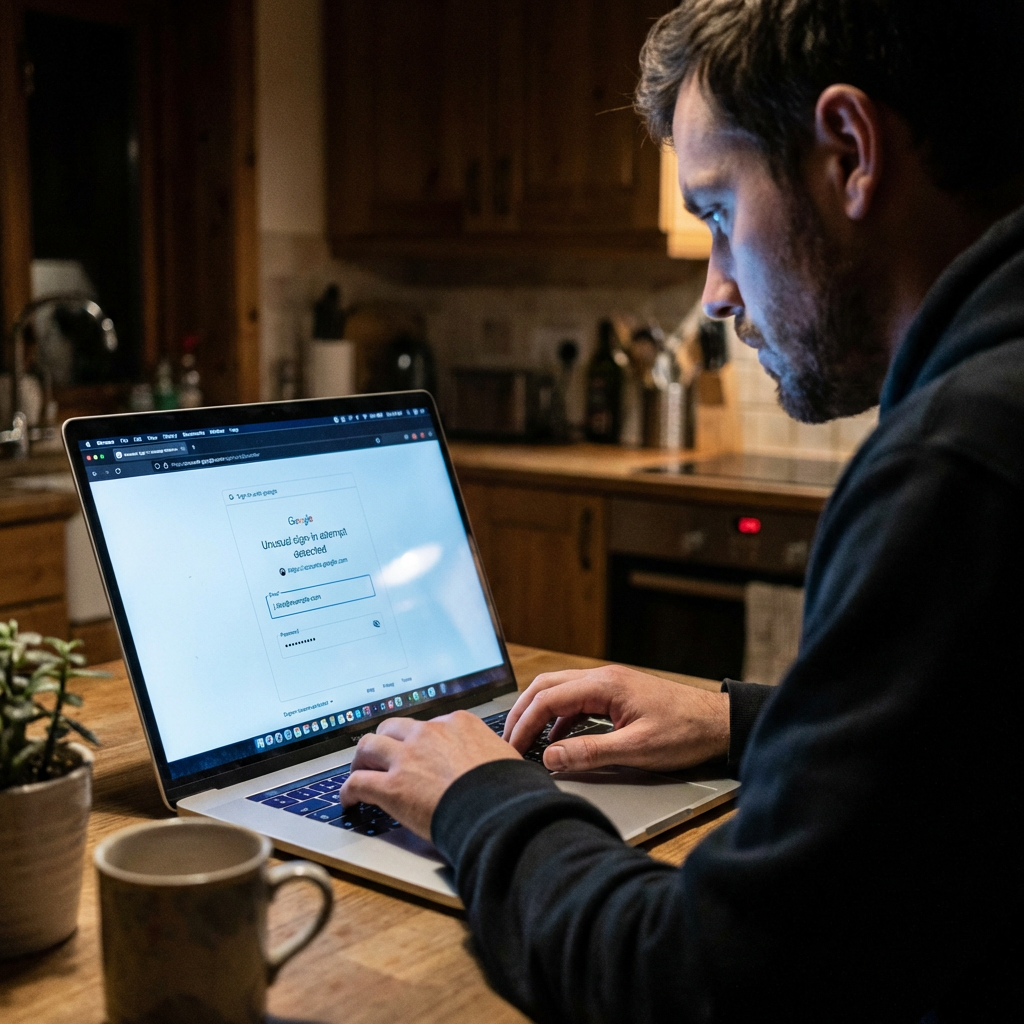
If you had asked me that morning whether I was “too smart” to fall for a phishing scam, I would’ve laughed. I have antivirus. I don’t reuse weak passwords. I ignore the obvious nonsense emails. I’m the person who rolls their eyes at “Your package is held” texts. I would’ve absolutely put myself in the “digitally competent” category. Which is why what happened later that day still bothers me. The email didn’t look ridiculous. It didn’t promise money. It didn’t threaten me. It said: “Unusual sign-in attempt detected. Review activity.” Calm. Professional. Exactly the kind of message you’d expect from a company that takes security seriously. The timing even made sense. I had logged in from a different device the week before. I’d traveled recently. The alert didn’t feel random — it felt contextual. It used my name. That’s what lowered my guard. I clicked “Review Activity.” The page that opened looked perfect. Same logo. Same clean layout. Same subtle gray background. There was no download. No attachment. No warning. Just a login screen inside my browser. I typed my email. Then my password. And I didn’t hesitate. Because I didn’t feel reckless. I felt responsible. Like I was handling something before it became a problem. It asked for a verification code next. That’s when something small shifted. Not a loud alarm. Just a flicker. I looked up at the address bar. One letter was off. Not swapped with a number. Not something cartoonishly fake. Just slightly rearranged. Close enough that if you were moving quickly, you’d never notice. My stomach dropped. I opened a new tab and typed the real website manually. No unusual login. No alert. Nothing. The email was fake. The page was fake. And I had just typed my real credentials into a site that probably hadn’t existed more than 48 hours. That’s when I realized something I hadn’t understood before. Nothing attacked my computer. There was no virus. No infected file. Nothing for antivirus to scan. The entire attack lived inside my browser. If I hadn’t paused long enough to check that URL, I would’ve walked away thinking everything was fine — until I started getting password reset emails. Or seeing charges I didn’t recognize. And the more I thought about it, the more uncomfortable it became. The message felt specific. It had my name. It referenced real activity. It didn’t feel like a mass blast sent to millions of people. Later, I looked up how often email addresses show up in data breaches. More than I expected. Old shopping sites. Delivery apps. Travel accounts. Platforms I forgot I signed up for years ago. That data doesn’t disappear. It circulates. It gets bundled and sold. So when a phishing email feels personal, sometimes parts of it are. That’s what modern scams run on. Not broken English. Not obvious red flags. Real leaked data combined with perfect design. Most of us were trained to look for sloppy scams. But this wasn’t sloppy. It was clean. It was fast. It was timed perfectly. And here’s the uncomfortable part: If you believe you’re too smart to fall for something, you move faster. You assume you’ll notice if something is wrong. You assume your existing protection would catch anything serious. I assumed that too. I thought antivirus meant I was covered. But antivirus protects your device. This attack never touched my device. It didn’t need to install anything. It just needed me to trust what I was seeing inside my browser. And that’s the shift most people don’t realize until it’s almost too late. The difference between safe and compromised wasn’t intelligence. It was one letter in a web address. If you’re reading this thinking, “I would’ve spotted it instantly,” maybe you would. I genuinely thought I would too. Until I didn’t.
Like this ad? Make it yours.
Crush rebuilds this exact creative around your product — your brand, your colors, your offer — in about a minute.