
Active· since Feb 25, 2026
- 184
- days running
- 0
- relaunches
Ad copy
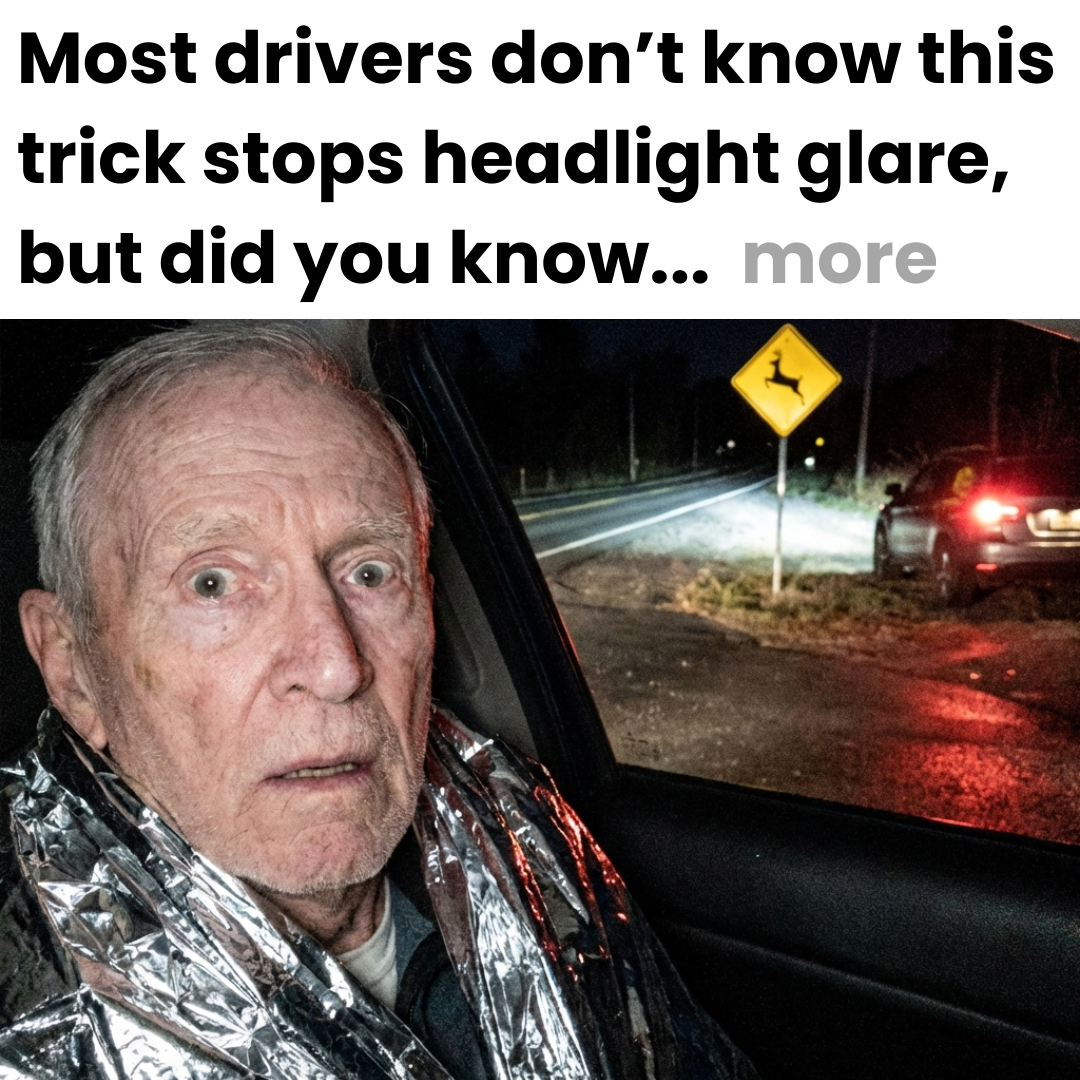
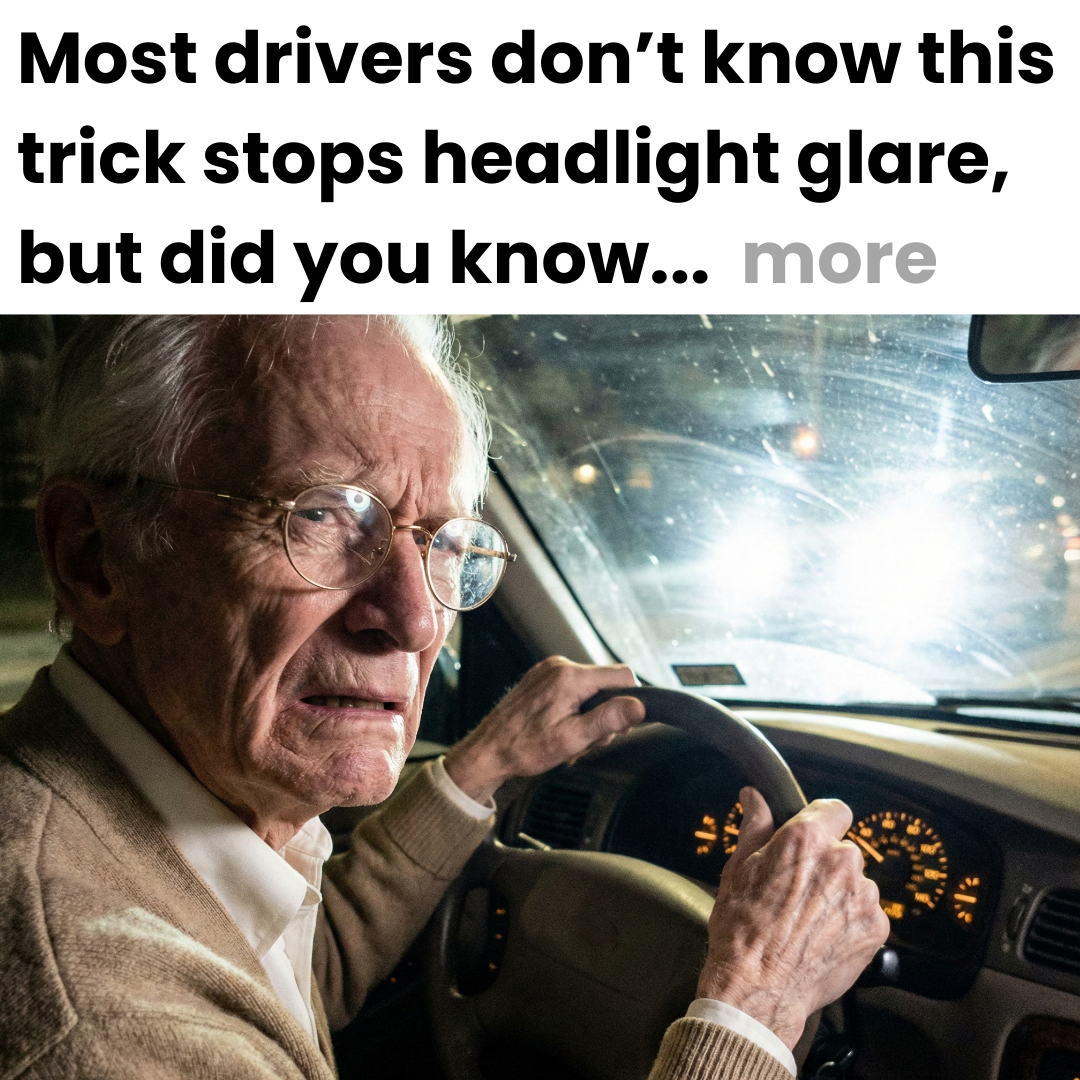
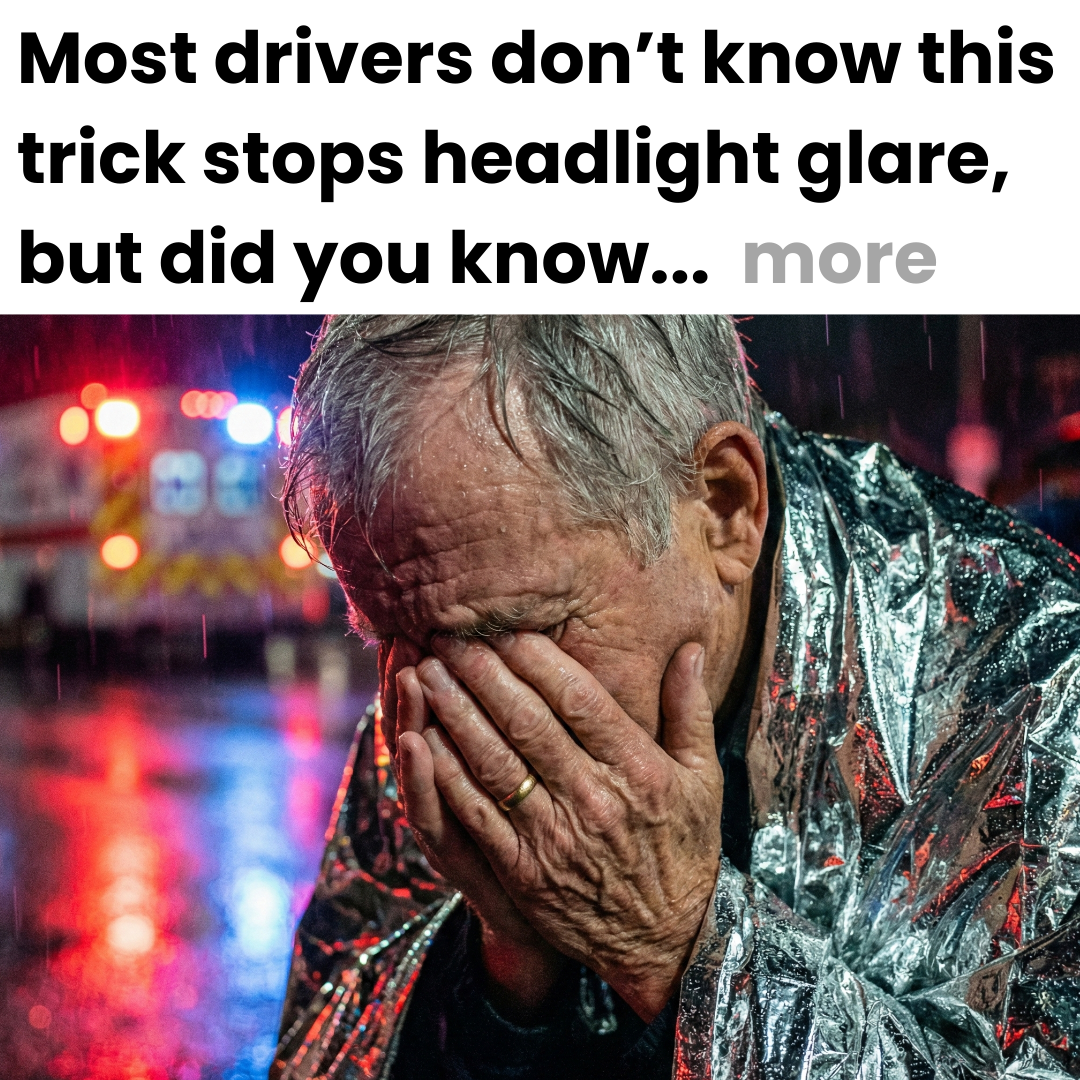
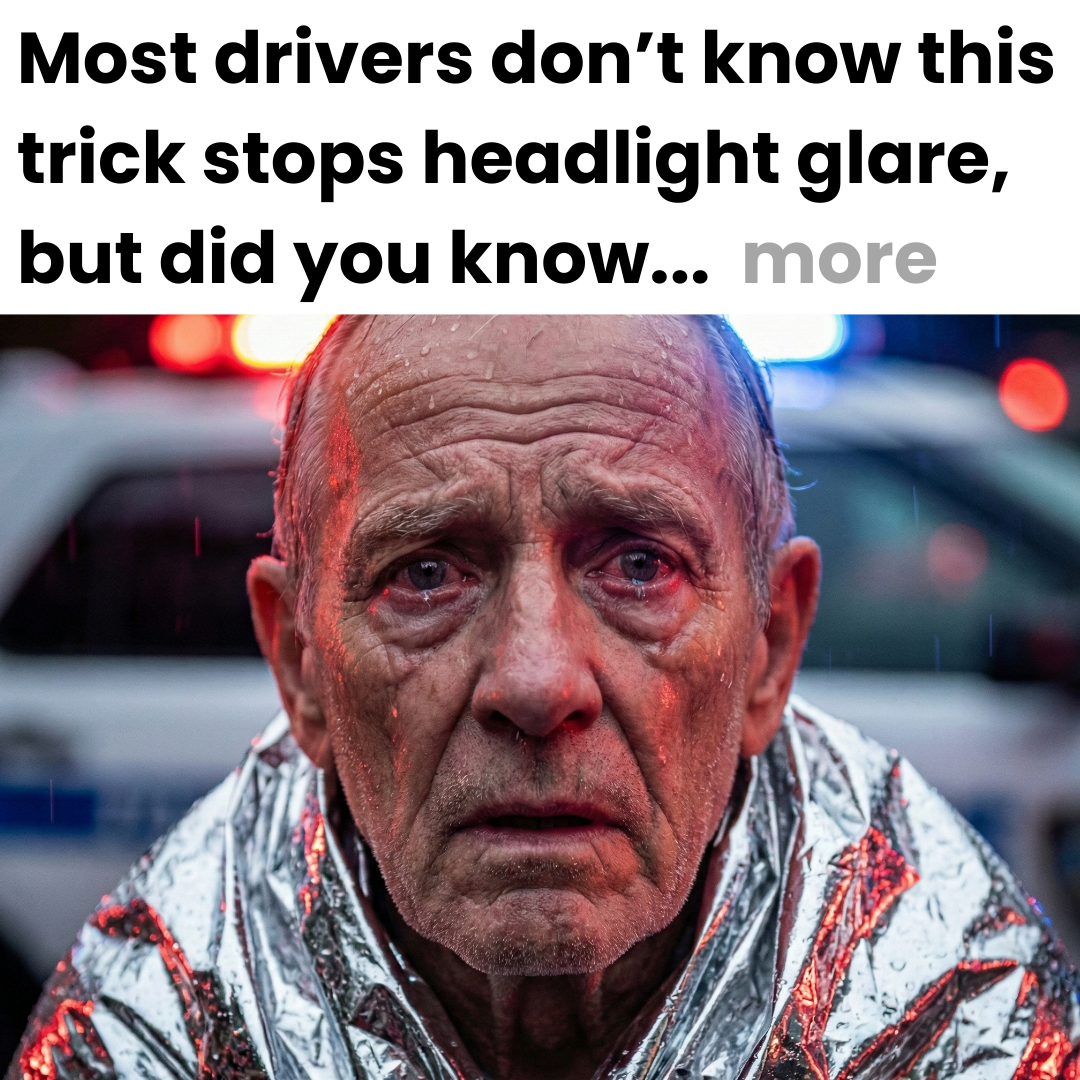
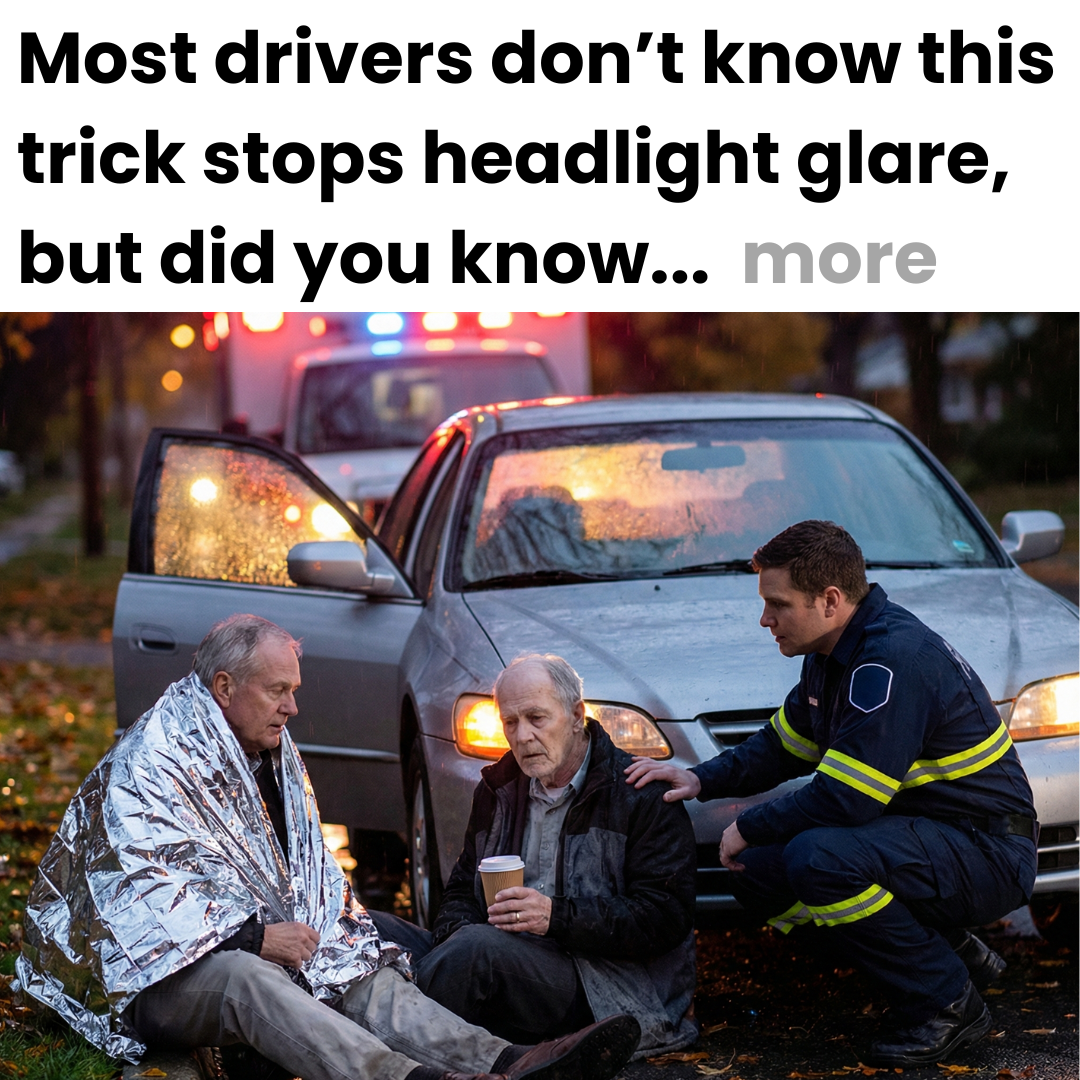
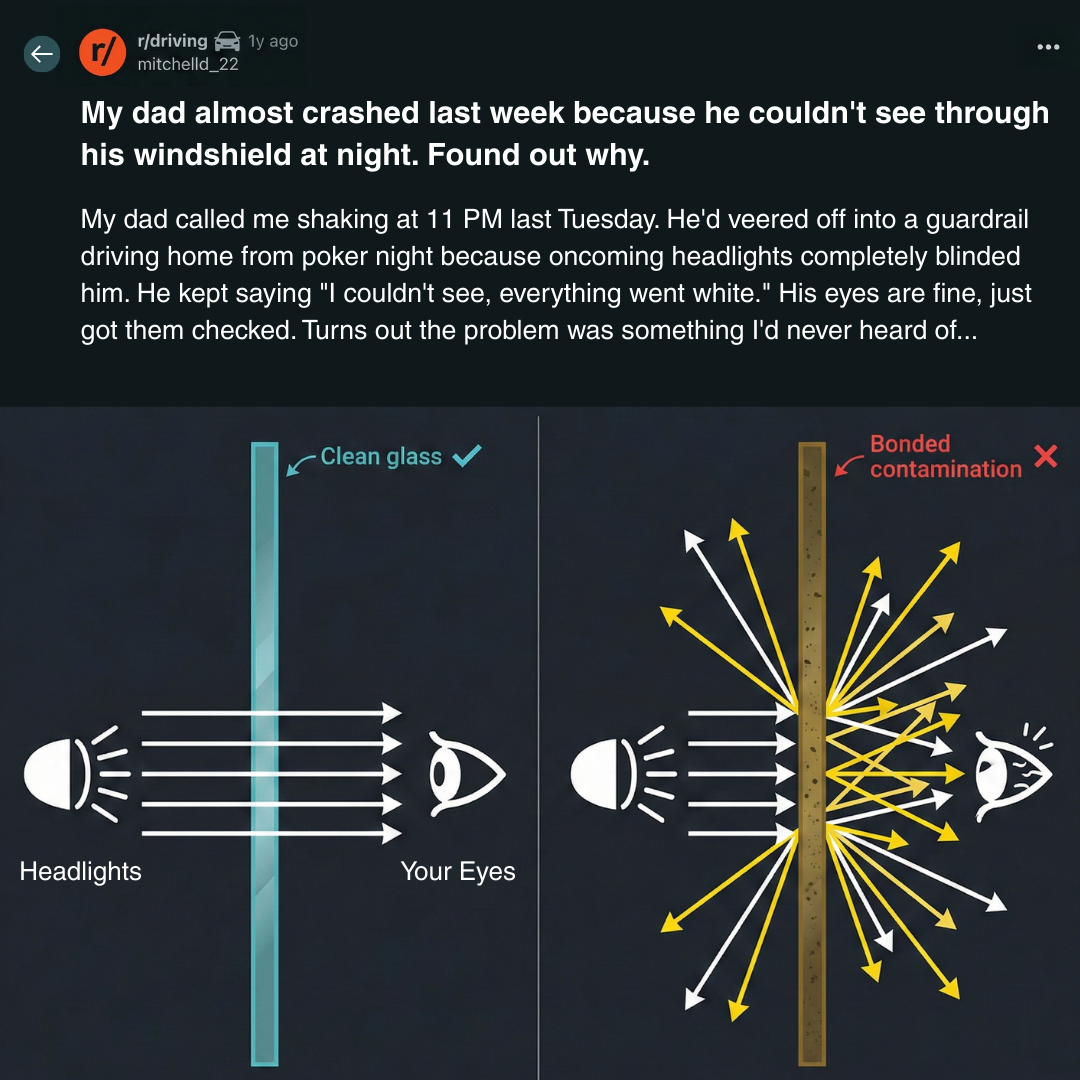
I got the call about my father's accident at 11:47 PM on a Tuesday. He was okay. Minor injuries. But when I arrived at the scene, he was shaking so badly he could barely stand. "David, I couldn't see. The rain hit and everything just... disappeared. I couldn't see the road." I'm a highway patrol officer. I've been on the force for 22 years. I've heard that exact sentence at least fifty times. Always from drivers over 50. Always at night. Always in rain or wet conditions. But this time it was my dad. And that changed everything. He'd been driving home from his poker night. A perfectly straight road he'd driven a thousand times. Rain started coming down, oncoming headlights hit his windshield and he was blinded so completely he veered off into the guardrail. The other driver didn't even stop. Probably didn't realize what happened. My dad sat in the ambulance with a blanket around his shoulders and kept saying: "I couldn't see through the windshield. It was like looking through frosted glass. The headlights turned everything white." I drove him home that night. Stayed with him until he fell asleep. Then I sat in his kitchen at 2 AM and something clicked. Eighteen months earlier, I'd responded to a crash on I-95. Elderly man. Same story. Lost visibility through his windshield in rain. Veered off the highway into a barrier. Before that, a woman in her sixties. Rear-ended a stopped car. Said the brake lights looked like smeared blobs through her windshield. Before that, a grandfather who'd driven for forty years without incident. Drifted into the opposite lane in a rainstorm. Head-on collision. Didn't survive. Every single time: "I couldn't see through my windshield." Every single time, I'd written it in my report. Chalked it up to bad weather. Poor visibility. Aging eyes. Just part of getting older. But my dad's eyes were fine. He'd just had them checked. Perfect vision for his age. His wipers were new. His windshield wasn't cracked. So what was really happening? The next morning, I went to look at his car. Ran my fingertips across the outside of his windshield. It felt rough. Gritty. Like there was a film on the glass you couldn't see during the day but that turned deadly at night. I held my phone flashlight against the glass at an angle. There it was. A thick, invisible layer of buildup covering the entire windshield. You couldn't see it in daylight. But at night, in rain, with oncoming headlights — that layer turned the windshield into a wall of scattered light. I checked my own car. Same thing. Same invisible film. I checked my wife's car. Same. I started pulling data. Accident reports from the past decade. Specifically nighttime crashes in rain involving drivers over 50. The numbers were staggering. Over 17,000 nighttime rain-related crashes in our region last year alone. The majority involving drivers over 50. I looked at every report. Same pattern. Drivers with valid licenses, good vision, functioning wipers. But they couldn't see through their windshields. Not because of the rain. Not because of their eyes. Because of what was on the glass. I started researching. Contacted forensic auto analysts. Read every study I could find about windshield visibility degradation. That's when I learned about bonded contamination. Every time you drive, your windshield collects road film, exhaust residue, silicone from washer fluid, industrial fallout, brake dust, and mineral deposits from rain. These contaminants don't just sit on the glass like dirt. They chemically bond to it. At a molecular level. Glass cleaner can't remove it. Rain-X can't remove it. Washer fluid can't remove it. Those cheap oil film sponges from Amazon can't remove it. Nothing that wipes the surface can remove something that's fused into the surface. This contamination layer is invisible during the day. Your brain compensates. You don't notice it. But at night, especially in rain, it's a death trap. Oncoming headlights hit the contaminated glass and scatter in every direction. Instead of seeing two headlights in the distance, you see a blinding wall of white. Your visibility drops to near zero for 3 to 7 seconds. Seven seconds. At highway speed, that's 600 feet. Driving completely blind. That's what happened to my dad. That's what happened to every single driver in those accident reports. Their windshields weren't dirty. They were contaminated. And nobody told them. I took my findings to my supervisors. Showed them the data. The accident reports. The research on bonded contamination. They thanked me for my diligence and did nothing. I contacted the auto safety board. Sent them everything I had. They sent back a form letter. "Thank you for your concern. Current windshield maintenance recommendations remain unchanged." Those recommendations? "Use glass cleaner and replace your wipers regularly." That's like telling someone to mop a stain that's soaked into the concrete. You can mop all day. It's not coming out. Because it's not on the surface. The auto care industry had too much money at stake. Glass cleaners. Washer fluids. Rain repellents. Wiper blades. A multi-billion dollar industry built on products that don't solve the actual problem. Admitting that bonded contamination exists and that their products can't remove it would destroy their business model. So they blamed aging eyes. Blamed weather conditions. Blamed the drivers. I decided to find the real solution. I contacted professional detailers. The people who work on high-end vehicles and actually understand glass at a molecular level. They all said the same thing: "We've known about bonded contamination for years. We decontaminate every windshield before we touch it. But there's never been a consumer product that does what our professional process does." I asked why not. "Because it's not profitable for the big brands. They make money selling you a bottle of glass cleaner every month. A product that actually fixes the problem once and lasts for months? That kills their repeat revenue." Then one of them told me about a company that had actually done it. A team of automotive chemists who had spent eight months developing a consumer-grade glass decontaminator. Something that breaks the molecular bond of contamination — the same process professional detailers use — but simple enough for anyone to apply in their driveway. A two-step process. First, a decontamination compound that breaks the molecular bond and dissolves years of buildup. Then, a hydrophobic sealant that bonds to the clean glass and repels water for months. The product is called ClearVision. Not a glass cleaner. Not a rain repellent. Not a ceramic coating you spray over the problem. A professional-grade glass decontaminator that removes what's actually causing the crashes — then seals the glass so it stays clear for months. I ordered it that night. Tested it on my dad's windshield. Within minutes, brown filmy residue started running down the glass. Contamination that no glass cleaner had ever touched. Years of buildup dissolving before my eyes. When I wiped the glass clean, it was like looking through air. You couldn't tell there was a windshield there. That evening, it rained. My dad drove to the grocery store. When he came back, he was emotional. "David, I could see. In the rain. At night. I could see everything. The road. The lines. The cars. No glare. No blur. Nothing." He grabbed my arm. "Why didn't anyone tell me my windshield was the problem? I thought my eyes were going bad. I thought I was getting too old to drive." That's when I knew I had to get the word out about this. ClearVision launched fourteen months ago. Over 67,000 drivers use it now. I get emails every week from people who found it. People telling me they can drive at night again. They're not scared anymore. They're not avoiding rain. They're not missing family events. They're not being told by their doctors to just accept that they're too old. Last week, I got an email from a man in Ohio. He'd stopped driving at night two years ago after his eye doctor told him it was just aging. He'd missed his grandson's football games. His daughter's birthday dinners. Countless moments with his family. He used ClearVision on his windshield and drove to his granddaughter's school concert last Tuesday. First nighttime drive in two years. "I cried the whole way home," he wrote. "Not from fear. From relief. I thought my eyes were failing. It was my windshield the entire time. I got my life back." That's why I share this. Because my dad shouldn't have crashed. That grandfather on I-95 shouldn't have died. Thousands of people shouldn't have been told they're too old to drive when their windshields were the problem. The auto care industry made a choice to keep selling you glass cleaners, rain repellents, and washer fluid that don't solve the actual problem. They know about bonded contamination. They just make more money selling you a product that fails every week. And when the accidents kept piling up, nobody wanted to admit the real cause. So they blamed aging. Blamed weather. Blamed your eyes. But it was never your eyes. It was your windshield. If you've been struggling to see at night — if headlights blind you, if rain makes driving terrifying, if you've been told to just stop driving after dark — your eyes are probably fine. Your windshield is contaminated. And no glass cleaner on earth will fix it. ClearVision breaks that molecular bond and removes what's been building up for years. Then it seals the glass so water flies off and headlights stay sharp points of light instead of a blinding wall of white. One application. Months of protection. Not days. I'm sharing this because what happened to my dad happens to someone every single day. And most of them never find out the truth about what's really causing it. The problem isn't you. It's your windshield. And there's finally a solution.
Like this ad? Make it yours.
Crush rebuilds this exact creative around your product — your brand, your colors, your offer — in about a minute.