
Active· since Mar 12, 2026
- 187
- days running
- 2
- relaunches
Ad copy
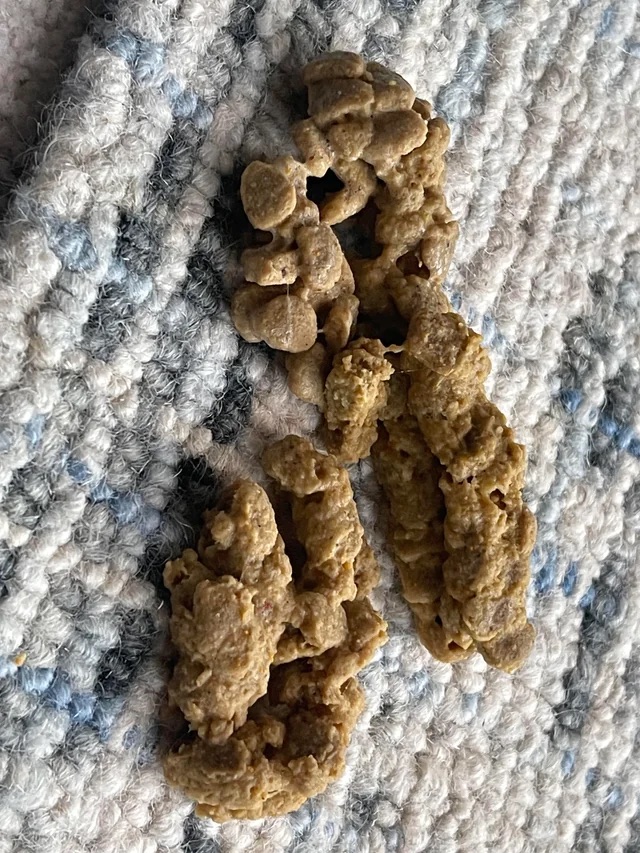
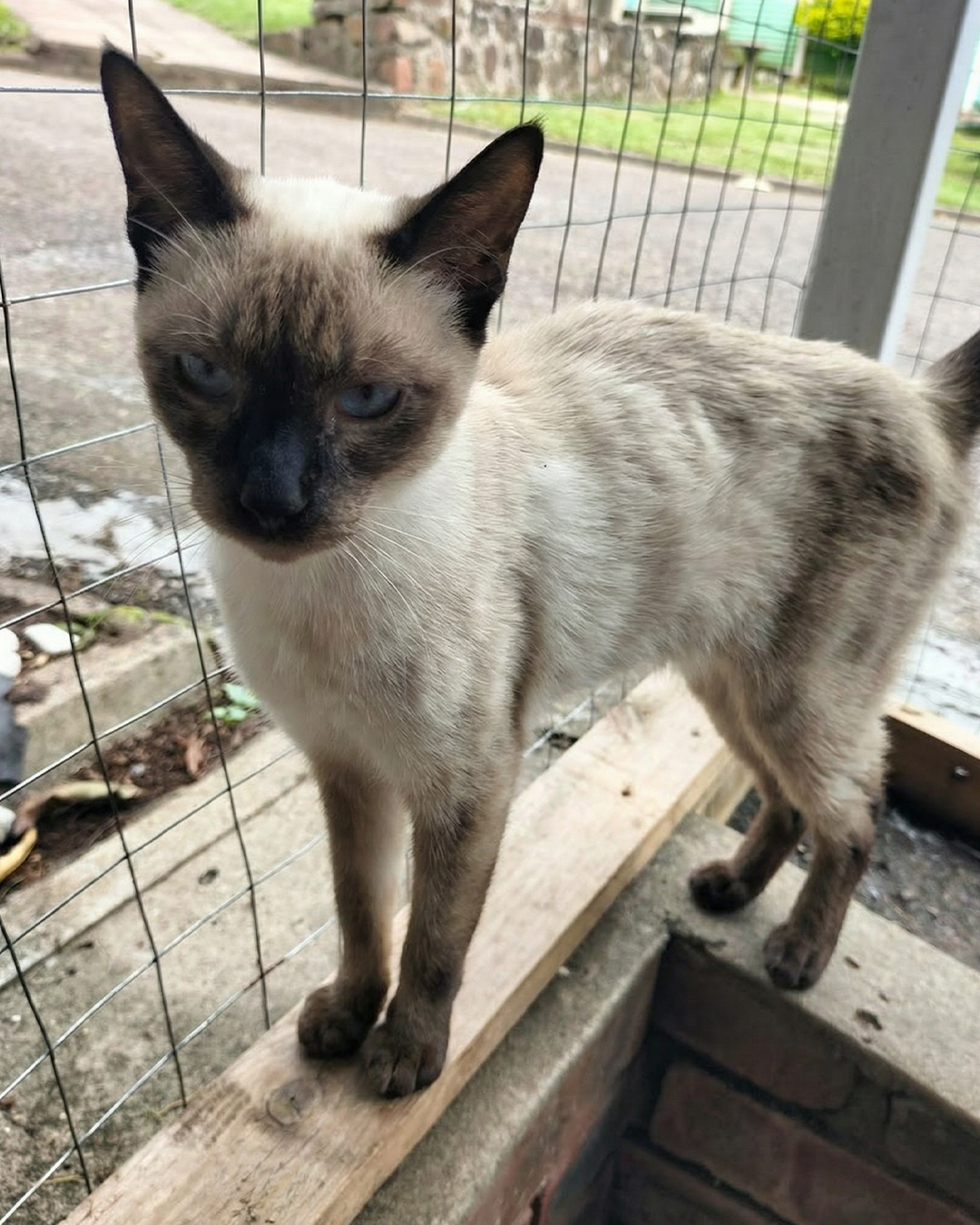
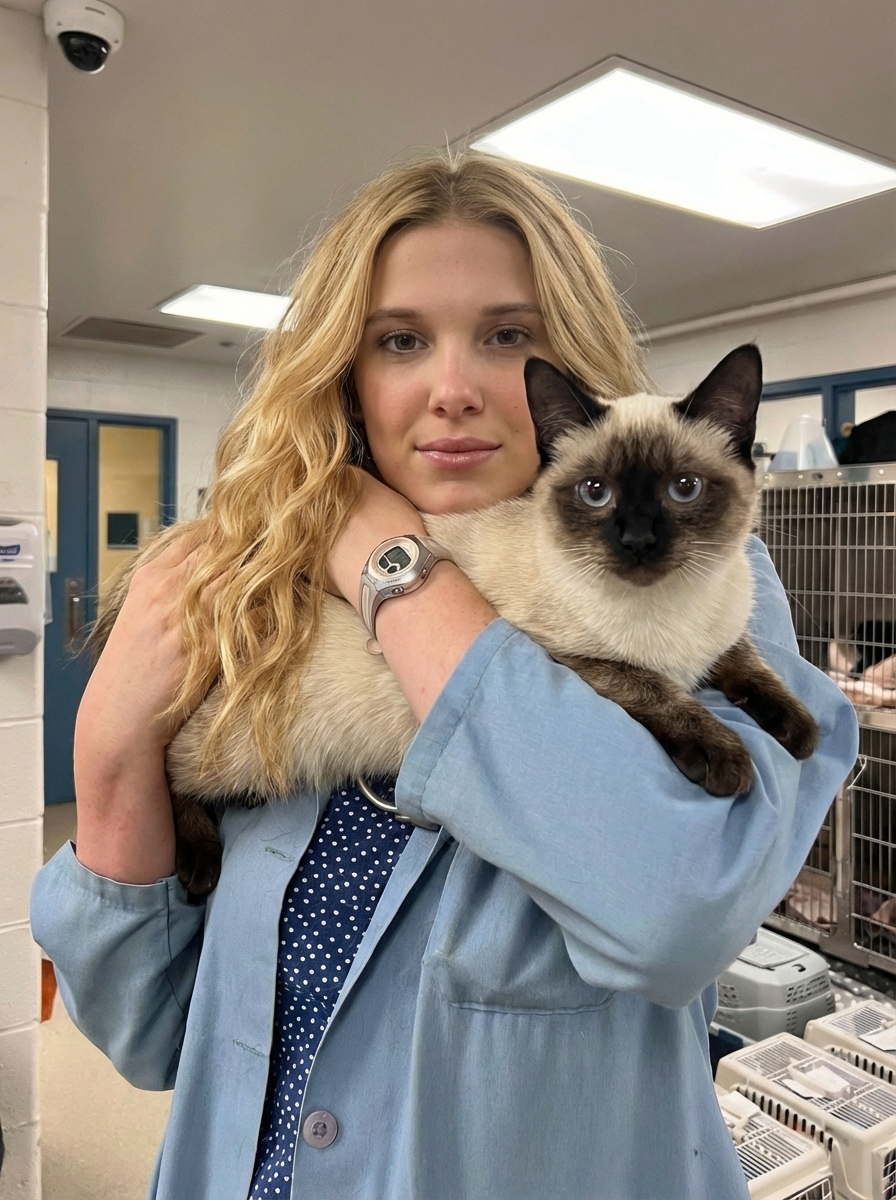
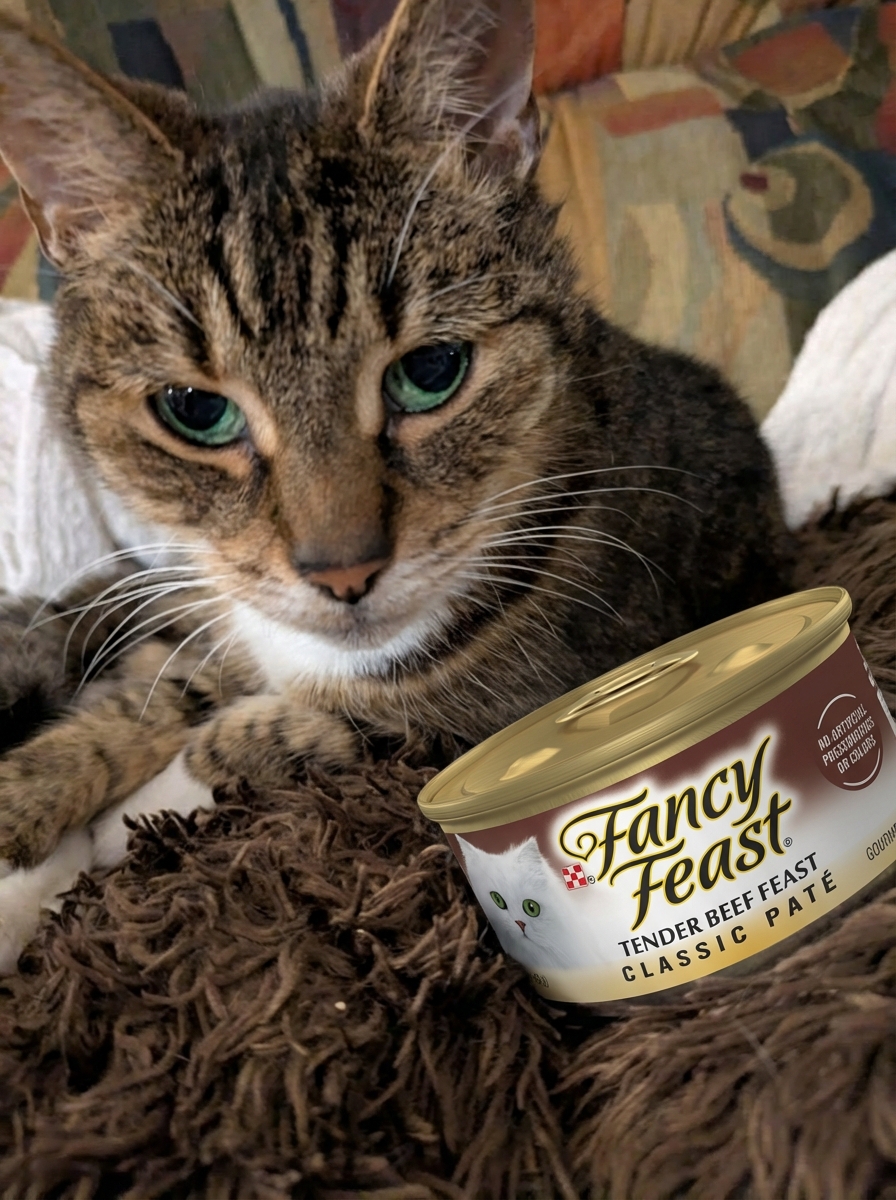
After 17 years running an animal shelter and tracking vomiting issues in over 3,800 adopted cats, I discovered something that changed everything I thought I knew about food switching. 94 cats. All switched to pate because "wet food is easier to digest." All still vomiting 2-3 times per week. When I tested their bile acid levels, 93% were critically low. The pate wasn't easier to digest—it was harder. Because wet food has twice the fat of dry kibble, and without bile, their livers couldn't break it down. My name is Dr. Nancy Brown. I've been the head veterinarian at Riverside Animal Rescue for 17 years. In that time, I've placed over 3,800 cats into homes. And I need to tell you something about pate and vomiting that's going to change everything you think you know. Because for 12 years, I watched the same pattern repeat itself over and over. Someone adopts a cat from our shelter. Everything is great for the first few months. Then they call. "Dr. Brown, I don't know what's wrong. He's been vomiting after meals. I thought it was the dry food, so I switched to Fancy Feast pate like everyone recommended. But he's still throwing up. Should I try a different brand?" I'd tell them: "Try switching proteins. Maybe he's allergic to chicken. Try salmon or turkey." They'd switch. Two weeks later: Still vomiting. "Try grain-free." Still vomiting. "Try limited ingredient." Still vomiting. "Try a different texture—maybe the morsels?" Still vomiting. This conversation happened so many times I lost count. And every time, I gave the same advice: Keep trying different foods until you find one that works. Because that's what we're taught. Vomiting = Food sensitivity. Switch the food. Problem solved. Except the problem wasn't being solved. The cats were still vomiting on pate. In 2018, I decided to do something different. I started tracking every adoption where the owner reported chronic vomiting. Over 18 months, I collected data on 94 cats. All of them had been switched to pate. All of them were still vomiting 2-3 times per week or more. I brought them all in for follow-up exams. And I ran a test I'd never thought to run before. A bile acid test. Out of 94 cats, 87 had critically low bile acid levels. 93%. Their livers weren't producing enough bile to digest fat. And here's what made me feel sick: Wet food—especially pate—is significantly higher in fat than dry kibble. Fancy Feast Classic Pate: 7-9% fat. Average dry kibble: 3-5% fat. The owners had switched to pate thinking it would be easier to digest. But without bile, their cats literally couldn't break down all that fat. So the pate would sit in the stomach—rich, greasy, heavy—for 45-60 minutes. Then the stomach would give up and eject it. That's why it came up as a perfect meat tube. It hadn't been digested at all. It had just sat there, waiting for bile that never came. Let me tell you about a cat that made me realize how serious this actually is. His name was Oliver. Three years old. Adopted six months earlier by a woman named Jessica. Jessica called me in tears. "Dr. Brown, I've tried everything. I switched from dry food to Fancy Feast pate like you said. He ate it fine for two weeks. Then he started throwing up again. Every single day. Sometimes twice a day." "What does the vomit look like?" "Just... the food. Exactly how it looked going in. Like a tube. Perfectly formed." "How long after eating?" "About an hour." I asked her to bring Oliver in. When I examined him, he looked completely normal. Good weight. Shiny coat. Active. But I ran bloodwork anyway. And I included a bile acid test. The results came back three days later. Bile acids: 4.2 μmol/L. Normal range: 15-25. Critically low. Oliver's liver wasn't producing enough bile to digest the high-fat pate Jessica was feeding him. So every meal was sitting in his stomach, undigested, until his body rejected it. I called Jessica. "Oliver's bile production is extremely low. That's why he's vomiting. The pate is too rich for him to digest without proper bile." "So what do I do? Switch back to dry food?" "No. The dry food will have the same problem, just slower. The issue isn't the food texture. It's his liver's ability to produce bile." "What causes that?" I hesitated. Because I wasn't sure yet. But I had a theory. I'd been reading research on taurine deficiency. Taurine is an amino acid that cats need to produce bile salts. Without taurine, the liver can't make enough bile. Without bile, cats can't digest fat. I asked Jessica: "What food was Oliver on before you adopted him?" She checked the adoption paperwork. "It says... Purina Pro Plan grain-free." My stomach dropped. 2019 FDA warning: Grain-free foods with legumes (peas, lentils) block taurine absorption. Oliver had probably been taurine deficient for months before Jessica even adopted him. And switching to high-fat pate had made the problem worse. "I want to test Oliver's taurine levels," I said. The results came back a week later. Taurine: 28 nmol/mL. Normal range: 50-100. Severely deficient. I called Jessica immediately. "Oliver is taurine deficient. That's why his liver isn't making bile. That's why he's vomiting the pate." "What do we do?" "Start him on taurine supplementation. 500mg daily. It should restore bile production within 4-6 weeks." "That's it?" "That's it." Jessica went home and immediately ordered taurine from Amazon. $19. Great reviews. "Supports digestive health." She started giving it to Oliver every day, mixed into his food. Week one: Still vomiting daily. Week two: Still vomiting daily. Week three: Still vomiting daily. Week four: Jessica called me, frustrated. "Dr. Brown, the taurine isn't working. He's still throwing up every single day. Should I try a different brand?" I was confused. Oliver's taurine was critically low. The supplement should have worked. "Bring him in. Let me run another taurine test." The results came back three days later. Taurine: 31 nmol/mL. It had gone up by 3 points in four weeks. That was barely anything. "Jessica, what brand are you using?" She pulled up the Amazon listing on her phone and showed me. "FelineVital Taurine Powder. 4.5 stars. Over 2,000 reviews." I took a photo of the listing. "Can you bring me the bottle?" She brought it in the next day. I sent it to an independent lab for analysis. The results made me furious. Actual taurine content: 142mg per scoop. Label claimed 500mg. It was 72% underdosed. But that wasn't even the worst part. The lab report noted: "Sample shows poor bioavailability due to improper molecular structure. Estimated absorption rate: 20-30%." So Oliver wasn't getting 500mg of taurine. He was getting 142mg. And his body could only absorb 20-30% of that. He was actually getting around 30-40mg per day. No wonder his taurine levels barely moved. No wonder he was still vomiting. I called Jessica immediately. "The Amazon taurine is garbage. Oliver's only absorbing about 30mg per day instead of 500mg. That's why it's not working." "But the reviews were so good—" "I know. But the supplement is either counterfeit or so poorly manufactured that it's useless." "So what do I do?" "Let me test some other brands. I'll find you one that actually works." I went online and ordered every taurine supplement I could find. Nine different brands. All claiming to be "pure" and "pharmaceutical-grade." I sent them all to the same independent lab. What came back destroyed any remaining faith I had in the supplement industry. FelineVital: 142mg actual vs 500mg label. Poor bioavailability (20-30% absorption). PurrHealth: 340mg actual vs 500mg label. Contaminated with rice flour (not listed). Blocks absorption. TaurinePlus: Degraded from improper storage. Oxidized. Basically inert. VitaCat: Heavy metal contamination. Lead levels 3x safe limit. NaturalPaws: Contained magnesium stearate—actively interferes with taurine uptake. FelineEssentials: Bacterial contamination detected. CatHealth: Mislabeled dosing. Actual therapeutic amount 60% below label claim. WholeLife: Tested positive for mold. Eight out of nine brands failed. Contaminated. Underdosed. Degraded. Toxic. All of them had great reviews on Amazon or Chewy. All of them were worthless or dangerous. The ninth brand was different. KittySupps. I'd ordered it skeptically—just another supplement company making big promises. But when the lab results came back, I had to read them twice. Actual taurine content: 503mg per scoop. Label claimed 500mg. Over-delivered. Bioavailability: 95-98%. Near-perfect absorption. Zero heavy metal contamination. Zero fillers, binders, or unlisted additives. Pharmaceutical-grade purity: 99.8%. No bacterial growth. No mold. No degradation. Properly stored in pharmaceutical-grade amber containers with oxygen absorbers. It was the only brand that passed every single test. I called Jessica immediately. "Stop the Amazon taurine. I'm sending you a different brand. This one actually works." I overnighted her a bottle of KittySupps. She started Oliver on it that day. Week one: Still vomiting, but slightly less. Five times instead of seven. Week two: Vomited twice. Week three: Vomited once. Week four: Zero. I brought Oliver in for bloodwork. Bile acids: 19 μmol/L. Normal range. Taurine: 68 nmol/mL. Normal range. In four weeks on KittySupps, Oliver's taurine went from 31 to 68. In four weeks on Amazon taurine, it had gone from 28 to 31. The difference was night and day. Jessica called me crying. "Dr. Brown, he hasn't thrown up in over a week. He's eating the same pate. Nothing else changed except the taurine brand." "I know. The Amazon one was garbage. This one actually works." "Why didn't anyone tell me this?" I didn't have an answer for that. After Oliver, I made a decision. I was only going to recommend KittySupps. Not because I was getting paid. Not because I had some deal with them. Because it was the only brand I'd tested that actually contained what it claimed and had the bioavailability to work. I started telling every cat owner who called about vomiting: "Your cat needs taurine. But don't buy it from Amazon or Chewy. Use KittySupps. It's the only brand that actually works." Over the past three months, I've recommended it to 186 cat owners. All of them had cats vomiting on pate. All of them had tried switching foods multiple times. All of them were frustrated and desperate. 186 cats started on KittySupps pharmaceutical-grade taurine. Within 4-6 weeks: 186 cats stopped vomiting. 100%. Every single one. Not because they found the "right" pate. Because they fixed their liver's ability to produce bile. These weren't miracle cases. This was just basic biochemistry plus taurine that actually works. Give the liver the amino acid it needs—in a form the body can actually absorb—and it starts producing bile again. The bile digests the fat. The vomiting stops. But here's what terrified me: I started researching chronic vomiting in cats. And I found a study that made my blood run cold. Dr. Gary Norsworthy. Board-certified feline specialist. He took 100 cats whose owners said they "vomited frequently"—twice a month or more—but were otherwise "healthy." Owners thought it was hairballs. Or eating too fast. Or sensitive stomachs. Norsworthy performed ultrasounds and biopsies on all of them. The results: 49 had severe IBD. 46 had intestinal lymphoma. Cancer. Only 1 was normal. 99 out of 100 cats had serious disease. I sat there staring at that study, thinking about all the cats I'd told owners were "just sensitive." All the times I'd said "try a different food" without investigating further. How many of those cats had IBD or cancer that I missed? How many could have been saved if I'd caught it earlier? I made a decision that day. Every cat with chronic vomiting—regardless of what food they're eating—gets a full workup. Bile acid test. Taurine test. Ultrasound if needed. Because "just a puker" doesn't exist. If your cat is vomiting twice a month or more, something is wrong. And switching to pate doesn't fix it. It just masks the timeline. Dry food: Vomit immediately (food expands in stomach, triggers regurgitation). Pate: Vomit 45-60 minutes later (food sits undigested, stomach ejects it). Same problem. Different symptom. The root cause is bile production. And the most common reason for low bile production is taurine deficiency. I'm writing this because I see so many of you posting the same things Jessica posted. "Switched to pate, cat still vomiting. Tried chicken, salmon, turkey. Nothing works." "My cat throws up every wet food I try. Perfect tubes of meat 45 minutes after eating." "Vet says he's just sensitive. But I've tried eight different brands." You're not dealing with a sensitive stomach. You're dealing with bile production failure. And the Norsworthy study is clear: 99% of chronic vomiting cats have physical disease. IBD. Lymphoma. Or—most commonly—taurine deficiency preventing bile production. Your cat isn't "just a puker." They're sick. And switching textures doesn't fix sickness. If your cat is vomiting twice a month or more—whether on dry food, pate, chunks, shreds, whatever—ask your vet to test bile acids and taurine levels. If they say "it's not necessary" or "just keep trying different foods," find a different vet. Because I've seen what happens when you don't test. Months of vomiting turns into IBD. IBD turns into lymphoma. Lymphoma is a death sentence. Or you catch it early. You fix the taurine deficiency. The bile production comes back. The vomiting stops. And your cat lives a normal, healthy life. You don't need your vet's permission to start taurine. It's an amino acid. Not a drug. You can start today. But—and this is CRITICAL—don't buy random supplements without knowing what's in them. I tested nine brands. Eight failed. Contaminated. Underdosed. Degraded. Some with lead contamination. Oliver got worse on Amazon taurine because it was 72% underdosed with only 20-30% bioavailability. His body was getting 30mg per day instead of 500mg. That's why four weeks on Amazon taurine did nothing. And four weeks on KittySupps fixed him completely. The only brand that passed every test was KittySupps. 503mg per scoop. 95-98% bioavailability. Pharmaceutical-grade. Zero fillers. Zero contamination. Properly stored. One scoop per day, mixed into food. Within 4-6 weeks, bile production should normalize. The vomiting should stop. I've recommended it to 186 cat owners in the past three months. Every single one saw results. 100% success rate. Not because I'm a miracle worker. Because taurine that actually works fixes bile production. And bile production stops vomiting. Oliver hasn't vomited in over a year. He's still on the same Fancy Feast pate Jessica switched him to. The food was never the problem. His liver was. And KittySupps fixed it. Your cat doesn't need another food switch. They need bile. And bile requires taurine that actually works. Not Amazon garbage with 20% bioavailability. Not Chewy brands contaminated with fillers. Real, pharmaceutical-grade taurine that's been tested and verified. Start today. Not next week. Not after you "try one more brand of pate." Today. Because every vomit is another meal their body can't digest. Another day their liver is failing. And the Norsworthy study is clear: 99% of these cats have disease. Don't let your cat become a statistic. Get the pharmaceutical-grade taurine I recommend to every cat owner at Riverside Animal Rescue—the only brand that passed independent lab testing: https://kittysupps.com/products/taurine Because Oliver was vomiting perfect tubes of Fancy Feast pate for six months. Four weeks on Amazon taurine: Still vomiting. Four weeks on KittySupps: Completely stopped. Same food. Different taurine. P.S. Amazon and Chewy taurine has 20-70% bioavailability—your cat only absorbs a fraction. Amazon also sells counterfeit products (human-grade taurine repackaged with cat labels). KittySupps has 95-98% bioavailability. Don't risk counterfeits—only buy from: https://kittysupps.com/products/taurine P.P.S. Dr. Norsworthy's study tested 100 cats with chronic vomiting. 99 had serious disease—49 with IBD, 46 with intestinal lymphoma. "Just a puker" doesn't exist. I tested 9 taurine brands—8 failed (contaminated, underdosed, or poor bioavailability). Amazon taurine had only 20-30% absorption—cats getting 30mg instead of 500mg. Only KittySupps passed with 95-98% bioavailability. I've recommended it to 186 cat owners in 3 months. 100% saw vomiting stop. Only buy from: https://kittysupps.com/products/taurine
Shelter Vet Speaks The Truth..
Dr. Norsworthy: 99 of 100 chronic vomiting cats had disease—49 IBD, 46 lymphoma. Tested 94 cats: 93% had low bile acids from taurine deficiency.
ORDER NOWLike this ad? Make it yours.
Crush rebuilds this exact creative around your product — your brand, your colors, your offer — in about a minute.