
Inactive· since Apr 28, 2026
- 4
- days it ran
- 4
- relaunches
Ad copy
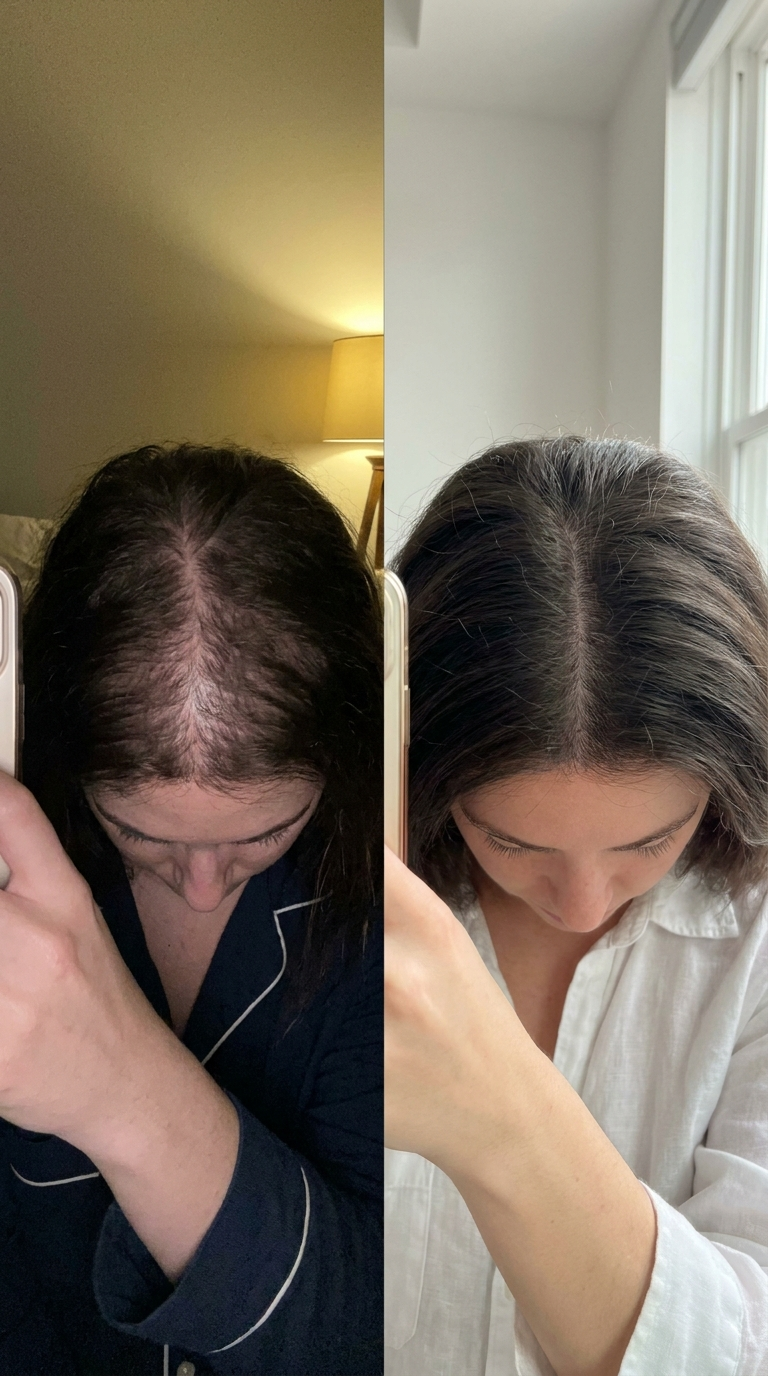
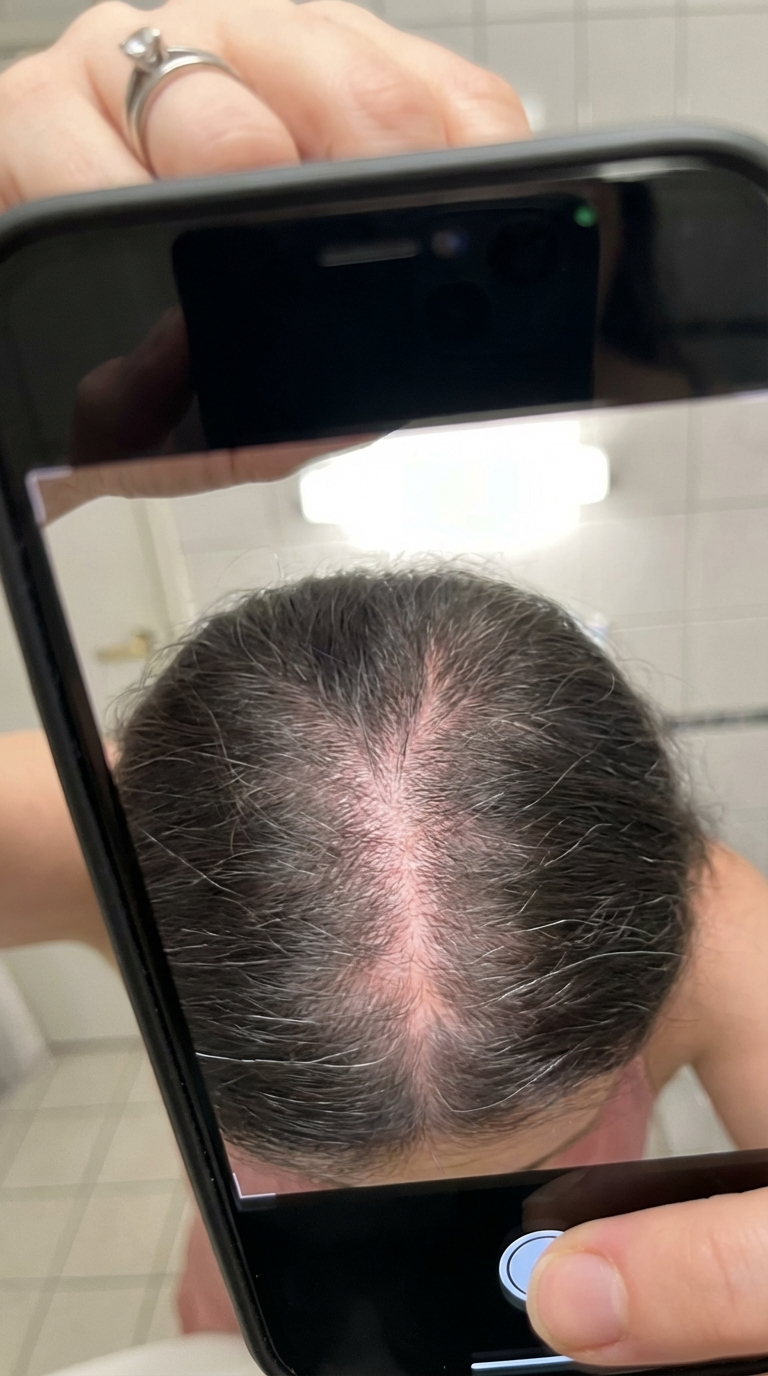
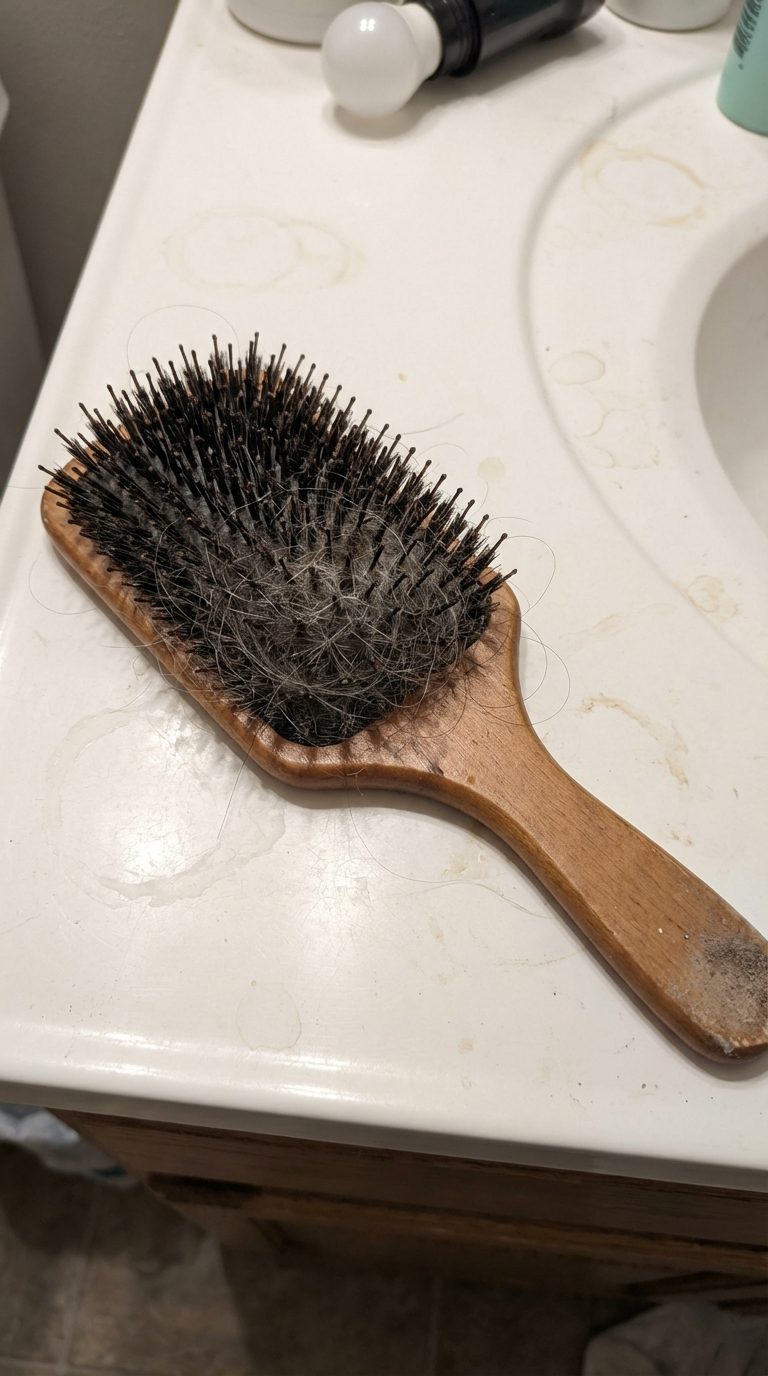
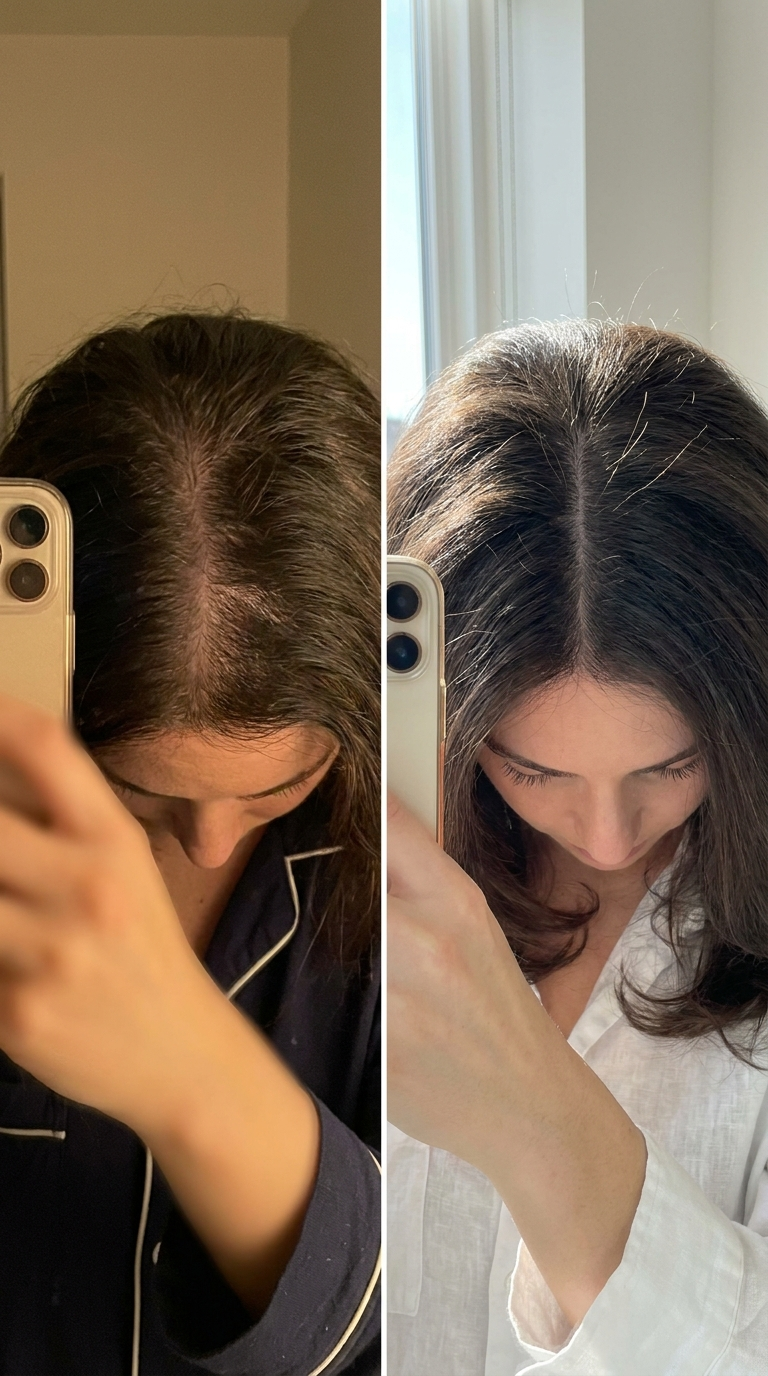
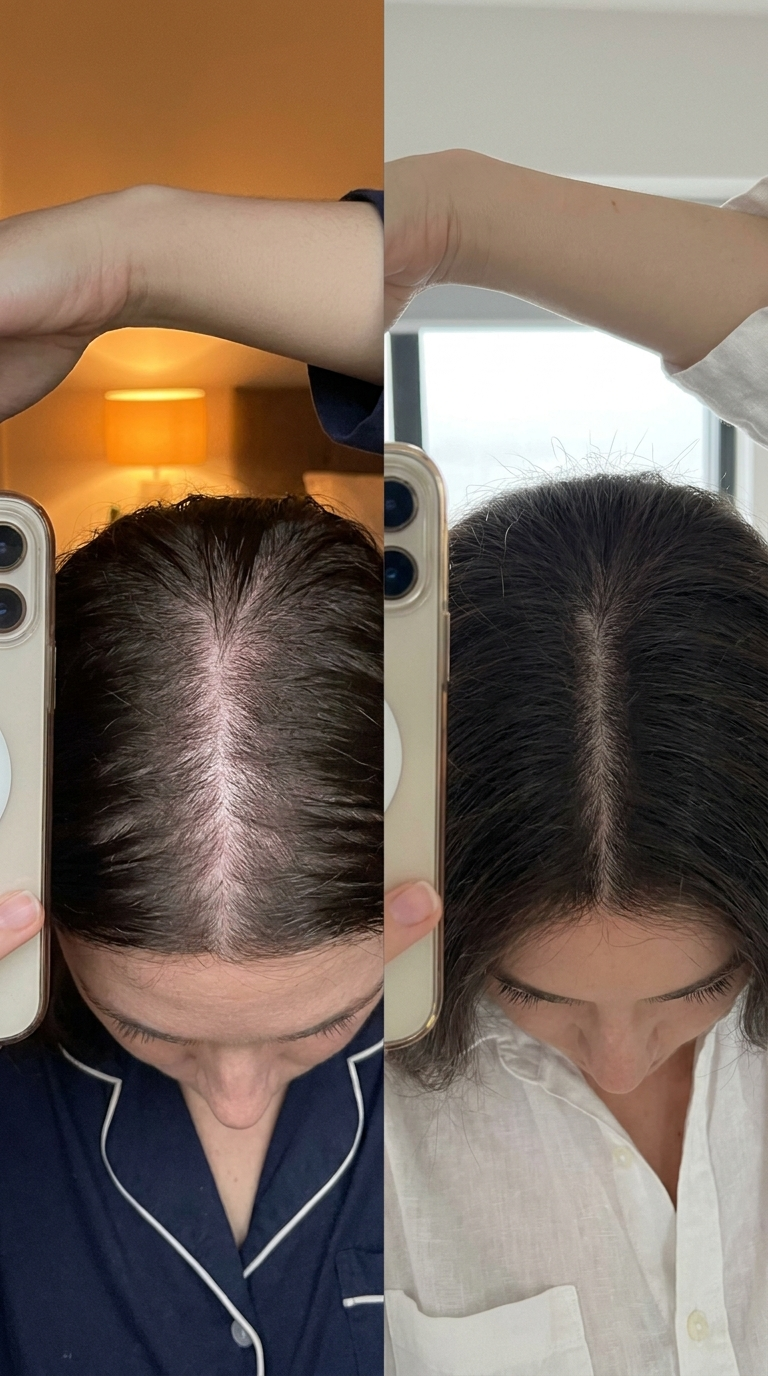
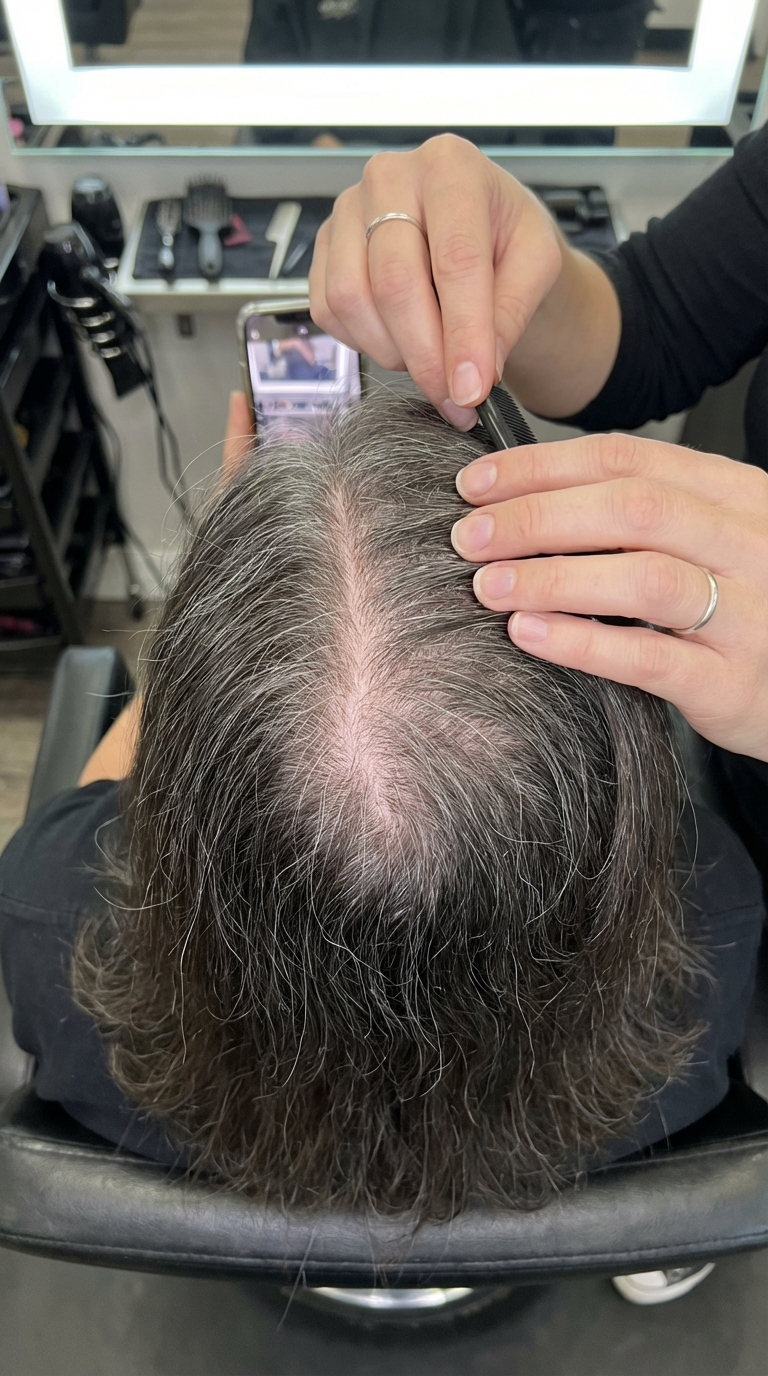
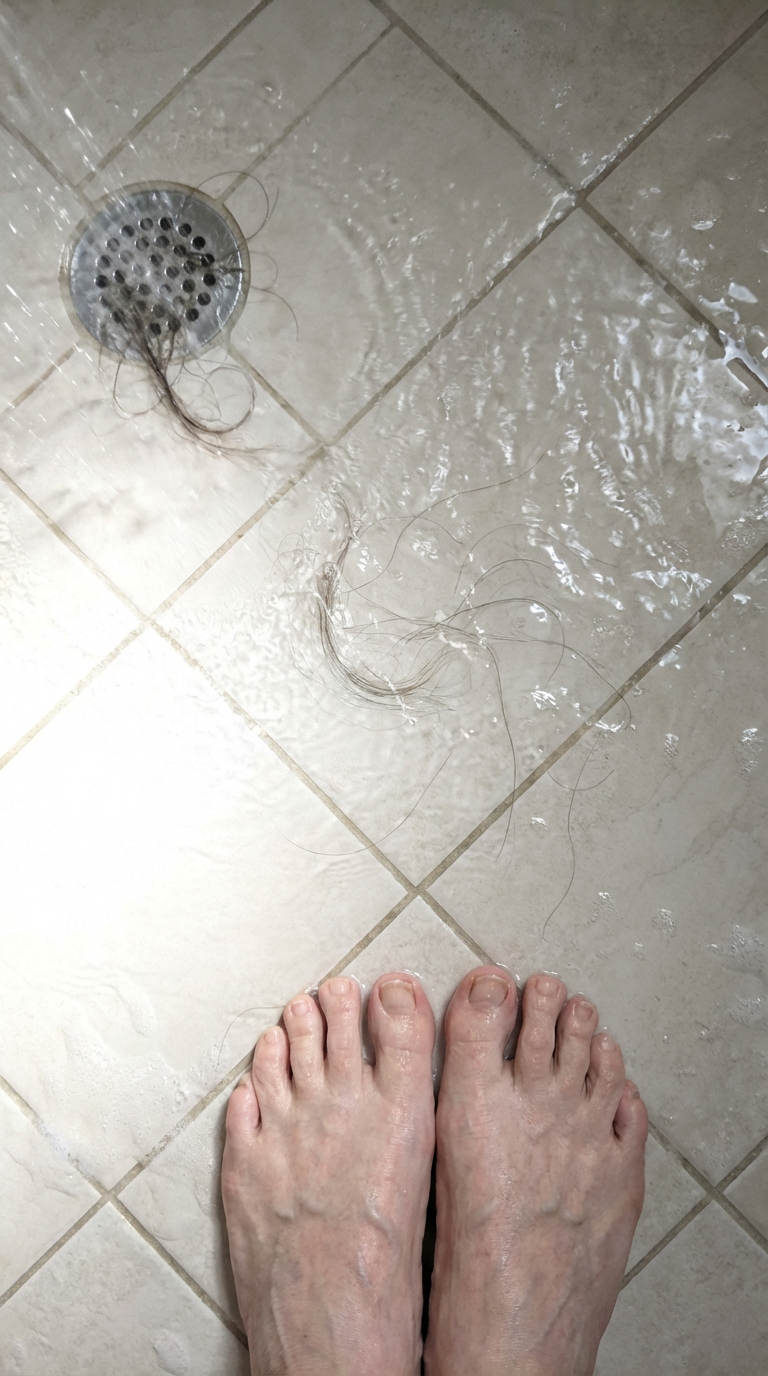
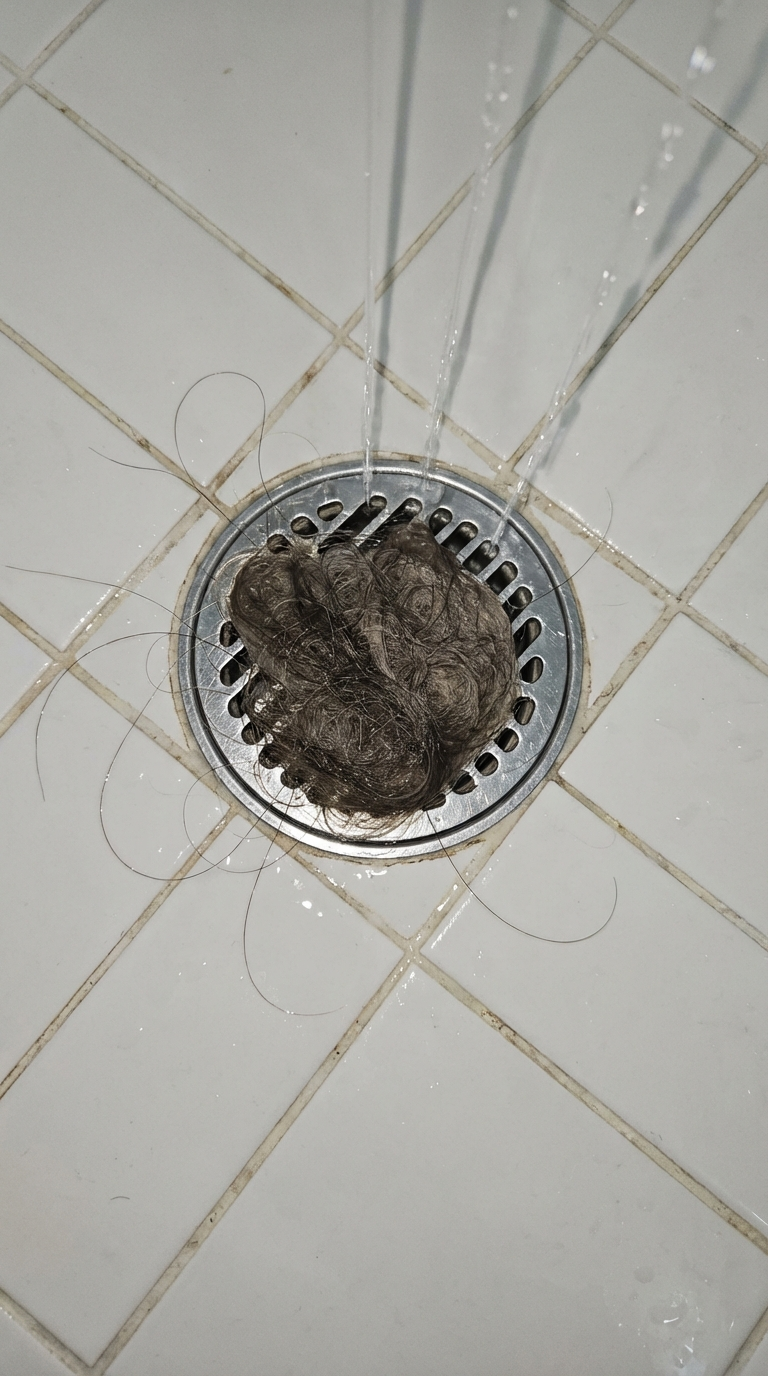
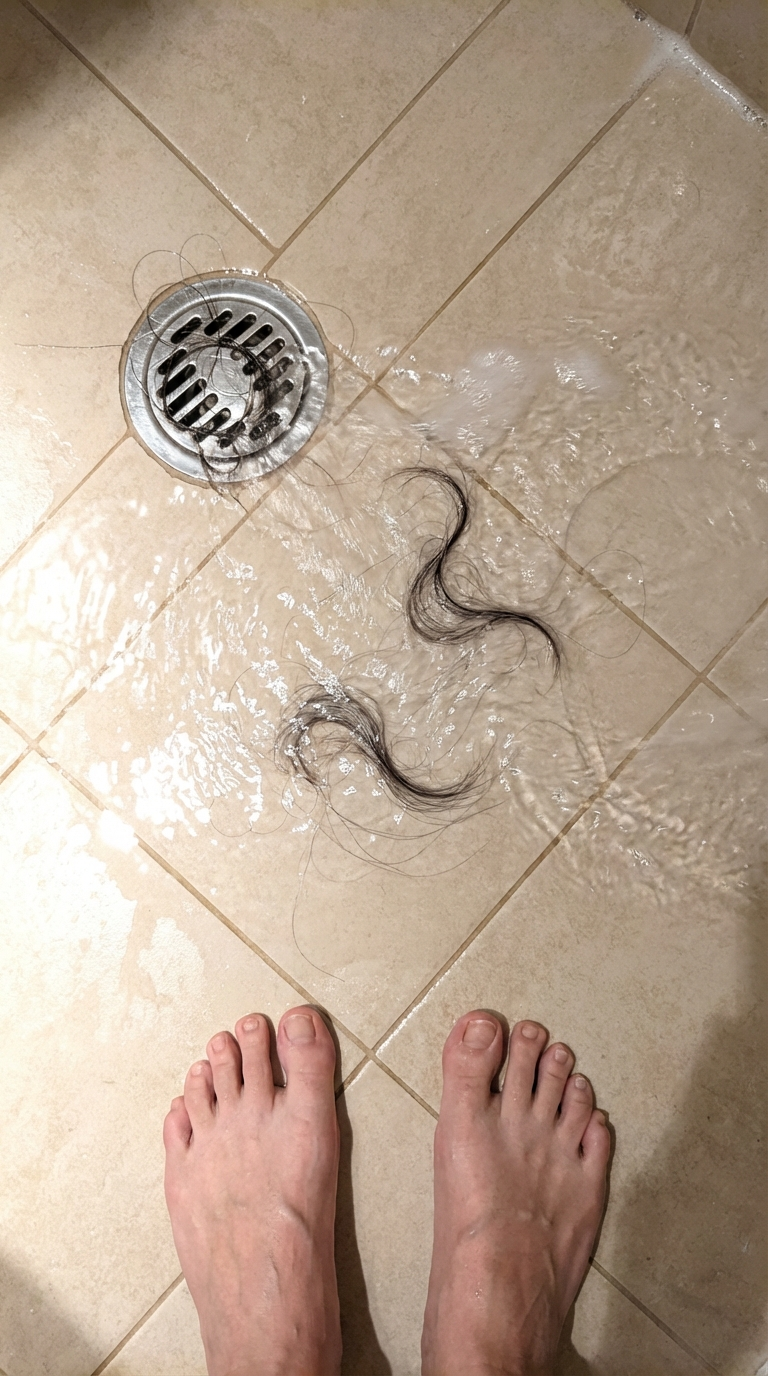
My TSH is 1.9. "Perfect," my endocrinologist said. She actually used that word. Perfect. Then she closed her laptop and started talking about our next appointment. I stopped her. I said: my hair is still falling out. A lot of it. Every shower. Every morning when I clean the drain. She looked at my chart. She said: your labs are all normal. The medication is working. I said: but my hair. She said: have you tried biotin? That was appointment number four. I had asked the same question at the previous three and gotten the same answer three different ways. Biotin from one. "Labs are normal" from another. And from the third — a specialist I waited four months to see — the recommendation to try yoga for stress relief. I sat in the car after that third appointment for about twenty minutes. I am not a person who cries in parking lots. I sat there for twenty minutes. My name is Sarah. I'm 36. I was diagnosed with Hashimoto's thyroiditis three years ago. Before that I had the thickest hair in my family. My sister used to complain about it. I used to wear it up every day because there was so much of it I got hot. My ponytail now fits through a hair tie with one loop to spare. It used to take two and a half. I have a lint roller in the bathroom, one in the bedroom, and one in my work bag. I use them on myself more than on anything else. I started doing this quietly, without acknowledging what it meant, until one day my husband picked up the one on my nightstand and I felt something drop in my chest. He didn't say anything. He put it back. We didn't talk about it. That silence was the worst part. What I tried, in order, with the actual cost I want to be specific here because everyone says they tried everything. I want to show you exactly what trying everything actually looked like. Biotin. Six months. $10 a month. My doctor recommended it at appointment one. I took it every morning. My hair kept falling. At month six my part was visibly wider than when I started. I kept going because the doctor said give it time. At month eight I stopped because I couldn't look at the bottle anymore. Iron supplements. My ferritin came back low-normal — 22 ng/mL. I learned on a Hashimoto's forum that the threshold for hair growth is actually closer to 70. My doctor said my iron was fine. The forum said otherwise. I started supplementing. My stomach hurt for two months. The iron probably helped something somewhere but my hair didn't notice. A hair vitamin that cost $55 a month. I found it on Instagram. It had good reviews. I took it for five months. Nothing moved. I kept the bottles because I felt guilty throwing them away. Switching from Synthroid to the generic. Someone in a Hashimoto's group said the generic worked better for their hair. I talked my doctor into trying it. Three weeks later the shed started. I lost more hair in those 10 weeks than I had in the previous six months. I switched back. Another shed. I spent five months recovering from a medication change I made because I was desperate. Armour Thyroid. Another suggestion from the forums. Added T3. Some people swear by it. My doctor was reluctant but agreed. Partial improvement. Then another adjustment. Another shed. I now avoid any dose change even when I probably need one because I cannot face another 10-12 weeks of watching more of it come out. Selenium, Brazil nuts, B12, vitamin D, collagen powder. My own protocol built from research. I take 12 supplements every morning. I know exactly what each one is supposed to do. My hair is still thinner than it was when I started Hashimoto's treatment. Dermatologist appointment. $300 copay. She looked at my scalp for four minutes and said: some hair loss is normal with autoimmune conditions. She prescribed Rogaine. I read about dependency and rebound shedding and put it in the drawer. Total spent: somewhere between $800 and $1,000 over two years, not counting the dermatologist. Total appointments where someone took this seriously: zero. The thing nobody told me — and why it changes everything I found the explanation I had been looking for at midnight on a Tuesday, in a thread on r/Hashimotos. A woman had written a long post about something called follicle receptor signaling. Not TSH. Not Free T3. Not ferritin. Something else entirely. Here is what she explained, and what I have since read enough to confirm: TSH — the number your doctor looks at to determine if your thyroid medication is working — measures your pituitary gland's feedback signal. It tells the doctor whether enough thyroid hormone is circulating in your blood. It tells them nothing about what is happening inside your hair follicle. Your hair follicles have their own receptors. Melatonin receptors. Separate from your thyroid. Separate from your pituitary. Their job is to control how long each individual hair stays in the growth phase before it transitions to the resting phase and falls out. When those receptors receive adequate signal, hairs grow for longer. When they don't, the growth phase shortens. Each cycle your hair comes back slightly finer and shorter. Over months and years, this is what a widening part looks like. This is what the ponytail the size of a quarter looks like. TSH does not activate those receptors. Levothyroxine does not activate those receptors. Biotin does not activate those receptors. Iron, selenium, collagen — none of them. The only thing that activates follicle melatonin receptors is melatonin applied directly to the scalp, at the right concentration, for long enough to do its job. That's it. That is the piece that has been missing from every treatment plan I have ever been given. And here is the other part — the part that explained why every topical thing I had tried still didn't work. Contact time. Caffeine is one of the most researched ingredients in hair loss science. It directly inhibits DHT activity at the follicle. It works. But a published study in the International Journal of Dermatology showed that caffeine needs a minimum of two minutes of direct scalp contact to penetrate the follicle in any meaningful way. A shampoo is on your scalp for sixty seconds before you rinse it. A supplement dissolves in your stomach. By the time anything reaches your scalp, it has traveled through your entire bloodstream and been distributed to every other tissue first. Your scalp comes last. A serum you apply and then wash off in the shower — same problem. Nothing I had tried was on my scalp long enough. Not the caffeine shampoo I used for three months. Not the scalp serum that said "follicle stimulating" on the label. None of them. The follicle receptors need hours, not seconds. They need something that stays. What Korean clinics have been doing for decades In Gangnam, Seoul, the standard clinical protocol for female hair loss has been leave-on overnight treatment for as long as anyone in those clinics can remember. At the end of each session, a precisely formulated serum is applied directly to the scalp. The patient goes home with it on. She does not wash it off. It stays on for eight to twelve hours while she sleeps. Melatonin — activating those follicle receptors directly, telling them to extend the growth phase. Caffeine — at the concentration it needs to actually inhibit DHT at the follicle, staying in contact for hours instead of evaporating in sixty seconds. Panax ginseng — stimulating the dermal papilla cells at the base of each follicle. Those are the cells that physically trigger new hair growth. When they're stimulated directly and consistently, they start doing more of their job. Women fly from across Asia specifically for this. They pay $700 to $900 per session. Not because they're extravagant. Because it was the only format that gave the actives the contact time the biology actually requires. A Korean brand took that exact clinical protocol and put it into a comb applicator for home use. Two minutes before bed, applied along your part line. Leave it on. Go to sleep. It stays on your scalp for eight hours doing what everything else washed off before it could do. No clinic. No flight. No $900 session. No prescription. I ordered without telling my husband. I had stopped telling him about hair things. The hope cost too much every time. What actually happened — week by week I kept notes. Here is the honest version. Night one to week two. A cooling sensation when I apply it — the serum making contact with the scalp. Nothing visible. I reminded myself that hair cycles are measured in months, not days. I took a before photo. I told myself not to look at it for four weeks. Week two. I looked at the drain. I wasn't sure if I was imagining it. Maybe slightly less. I took a photo of it and looked at it next to the photo from week one. The comparison was not dramatic. It was enough to keep going. Week four. Definitely less in the drain. I stopped dreading the shower. Not in a dramatic way — I just noticed one morning that I hadn't spent the first thirty seconds of it bracing myself. The morning felt different without the anticipatory dread I had normalized without realizing I was doing it. Week seven. Fine hairs along the part line. Short. Maybe one to two centimeters. Not there in the photo from week one. I did not tell anyone. I looked at this photo from above and below and at every angle for about ten minutes. Month three. My hairdresser stopped in the middle of my appointment. She asked what I had changed. She has been cutting my hair for four years. She has been quietly adjusting her technique for two years — different layers, volume spray at the root, the way she positions the blow dryer — without either of us ever acknowledging why she was adjusting. That was the first time she said something that wasn't an accommodation. She said: your scalp looks completely different. I told her what I was using. She asked me to write it down. Month four. My husband ran his fingers through my hair. He has not done that in a long time. He did not say anything about it. He just did it, and I didn't move, and we didn't talk about it. That was better than talking about it. Three things you're probably thinking right now "My situation is more complicated than yours." Maybe. But the follicle receptor mechanism is the same regardless of your TSH number, your medication type, your conversion issues, or how many doctors you've seen. The receptors need a direct signal. That signal doesn't depend on your labs being perfect. It works independently of what your thyroid is doing. You can start supporting your follicles tonight without waiting for your endocrinologist to update what she learned in medical school. "I've tried leave-on serums before and they didn't work." The leave-on serums that failed you were almost certainly DHT-targeting only — one pathway out of several. This formula addresses melatonin receptor activation, DHT inhibition, and dermal papilla cell stimulation simultaneously. One pathway versus three is not the same intervention. If you tried something that addressed only DHT, you didn't try this. "I've spent too much money on things that didn't work." I spent close to $1,000 over two years on things that dissolved in my stomach. The products weren't reaching the follicle. This does. It's $29.95 for a 90-day supply. The guarantee is 90 days — one full hair cycle — and if your drain looks the same and your part looks the same after applying it every night, you get every dollar back. One email. No form. No return required. Keep the product either way. I'm not asking you to spend another dollar on hope. I'm asking you to try something that works at the actual level where the problem lives. One more thing before you decide This is from another Hashimoto's woman in the forums. She had been on levothyroxine for three years with normal TSH and ongoing hair loss. She had tried biotin, iron, two different medication switches, and a scalp serum that did nothing. That was her before she found the same explanation I found. Her TSH is still the same. Her follicle receptors are now getting the signal they couldn't get from a pill. Her hairdresser asked what she changed at her next appointment. TSH normal does not mean follicle-fed. They are two different systems. Your doctor was not lying to you. She was looking at the right number for the wrong problem. The right problem is at the follicle level. The solution is topical, overnight, and it's been working in Korean clinics for decades. If you're reading this with Hashimoto's or hypothyroidism and your doctor has said some version of 'labs are normal' while you've been watching your ponytail get thinner — this is for you. The product is called Hair Revive Serum. It's the Korean leave-on formula I described above. Two minutes before bed, comb applicator along the part line, leave it on. That's the whole thing. No prescription needed. No dependency issue — it's not a vasodilator, so stopping it doesn't cause the rebound nightmare that minoxidil does. The only reason I tried it was the 90-day guarantee. Not 60 days like most brands — 90, because that's actually how long one hair cycle takes. If nothing moves after 90 nights of using it, one email and you get every dollar back. I'd used that same logic to convince myself to try plenty of things that didn't work. This one did. Take a before photo tonight. Overhead, same lighting, part line visible. You'll want to be able to compare in three months. If any of this sounds familiar — take a before photo tonight. I put the details of what I used in the button below. I just wish someone had put it in front of me two years ago.
Like this ad? Make it yours.
Crush rebuilds this exact creative around your product — your brand, your colors, your offer — in about a minute.