
Inactive· since May 23, 2026
- 17
- days it ran
- 4
- relaunches
- 11,857
- EU reach
Ad copy
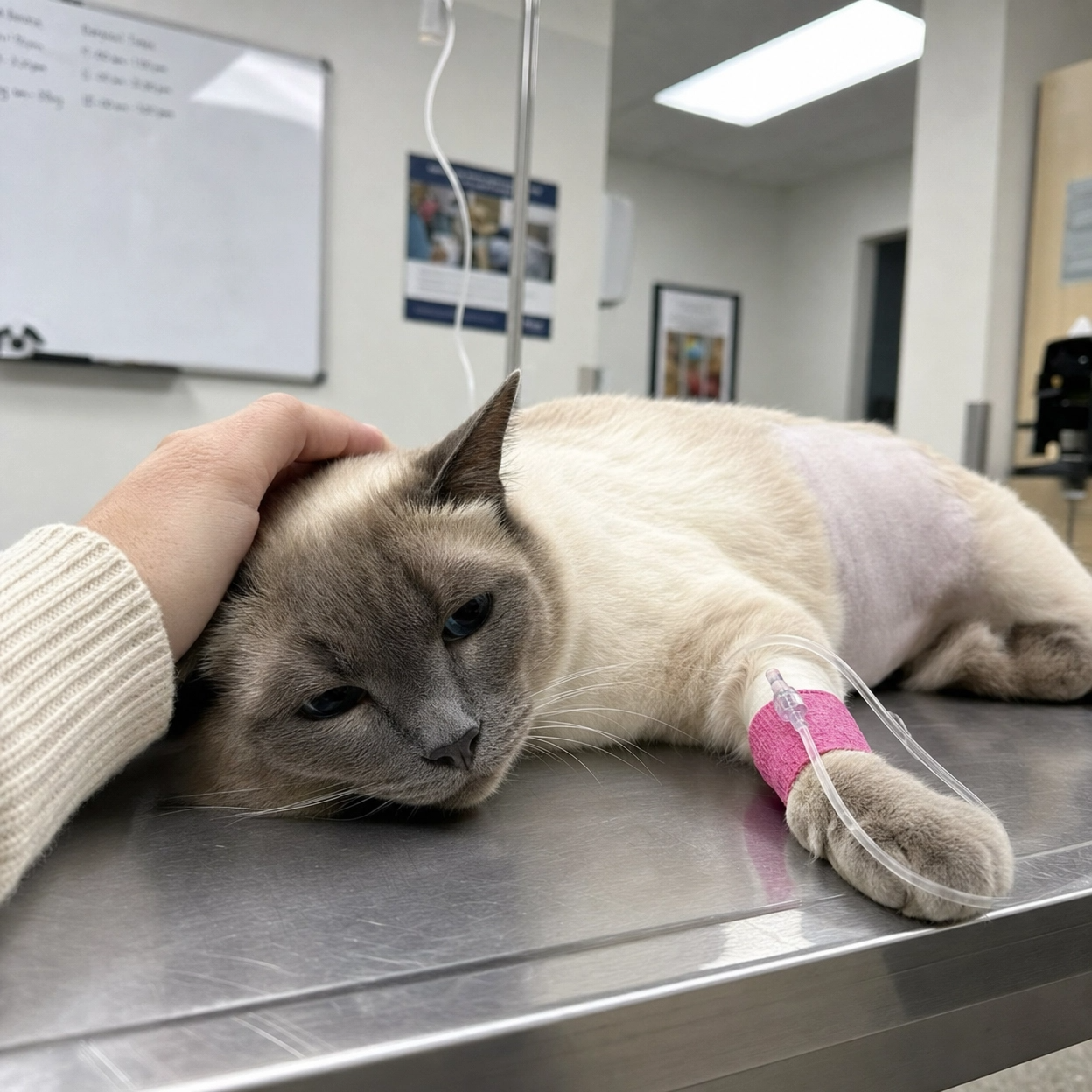
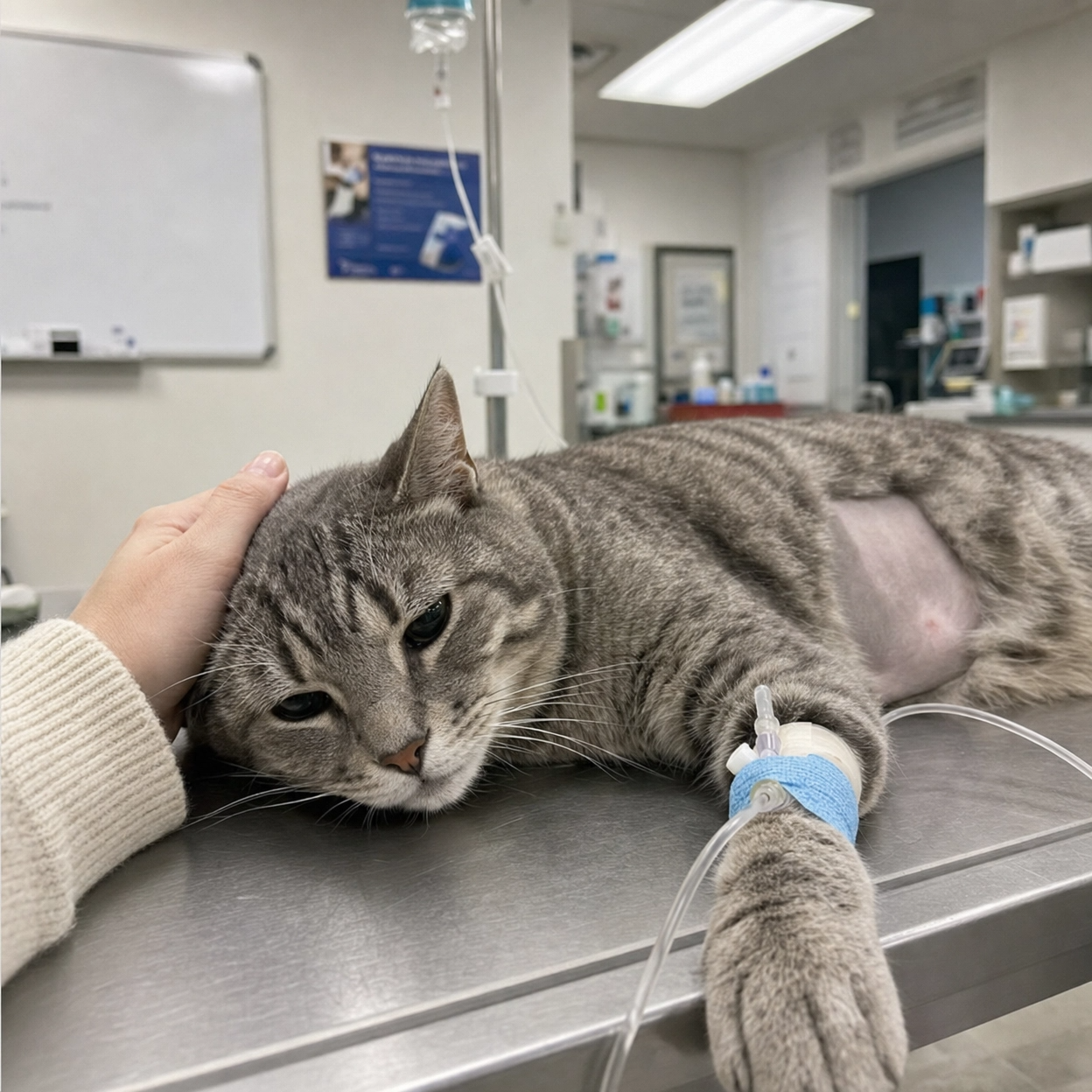
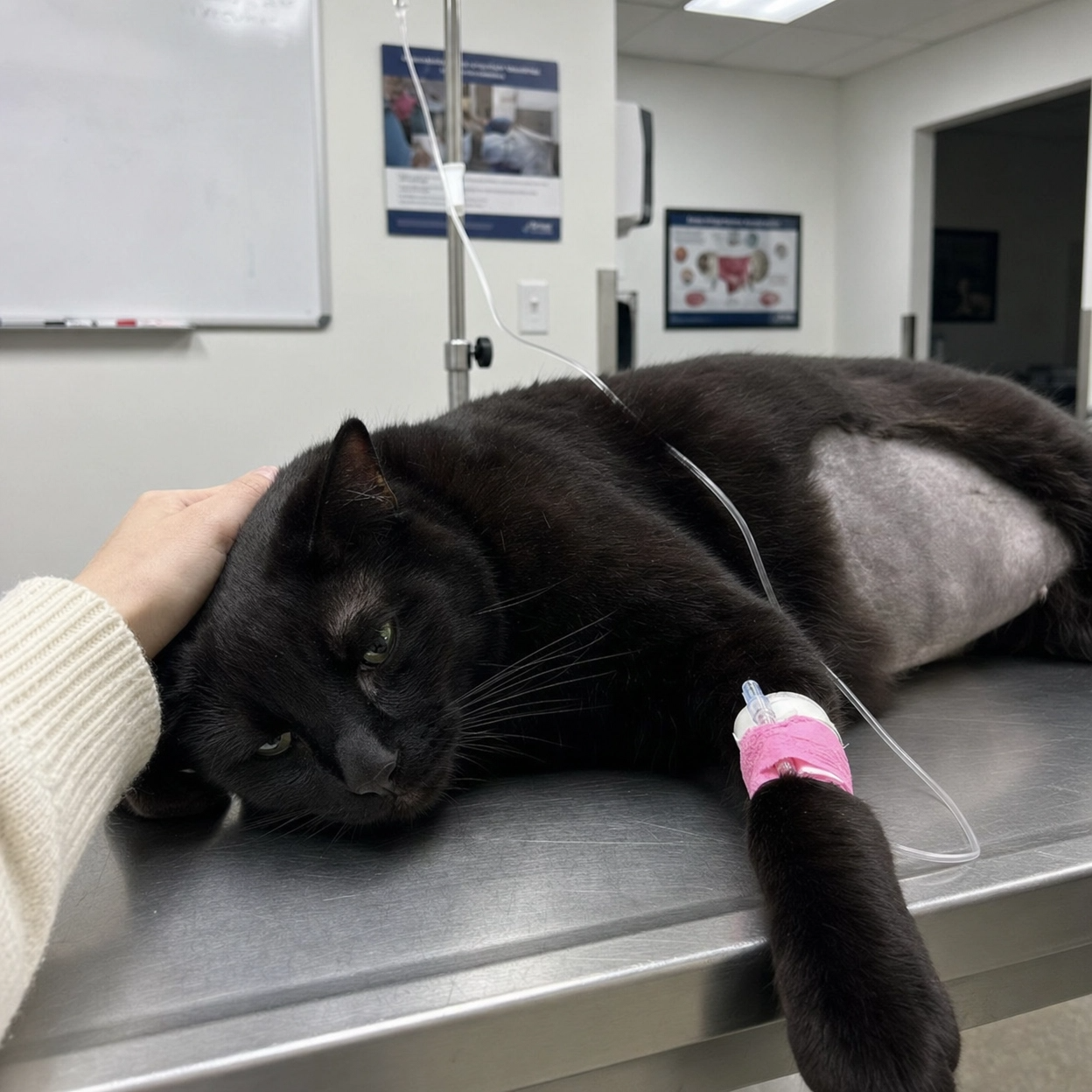
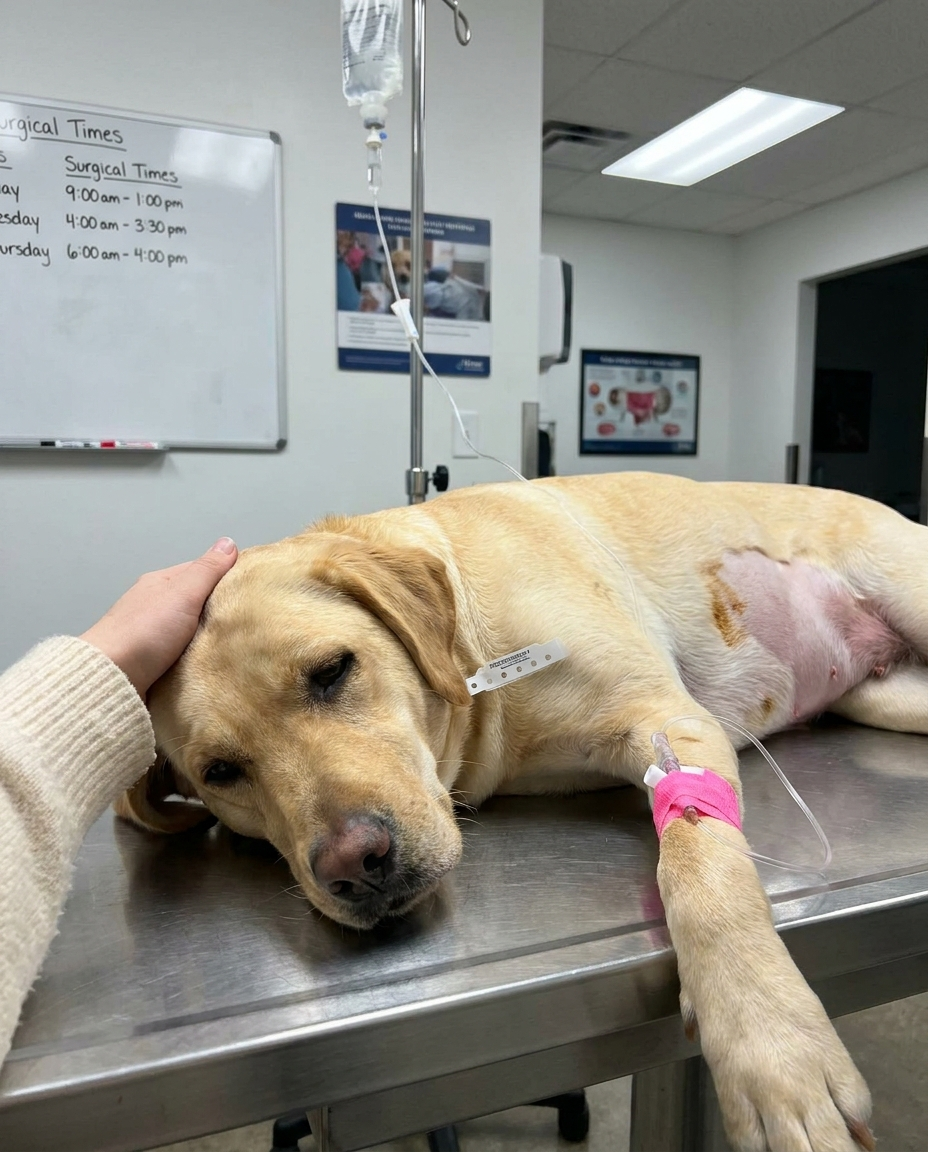
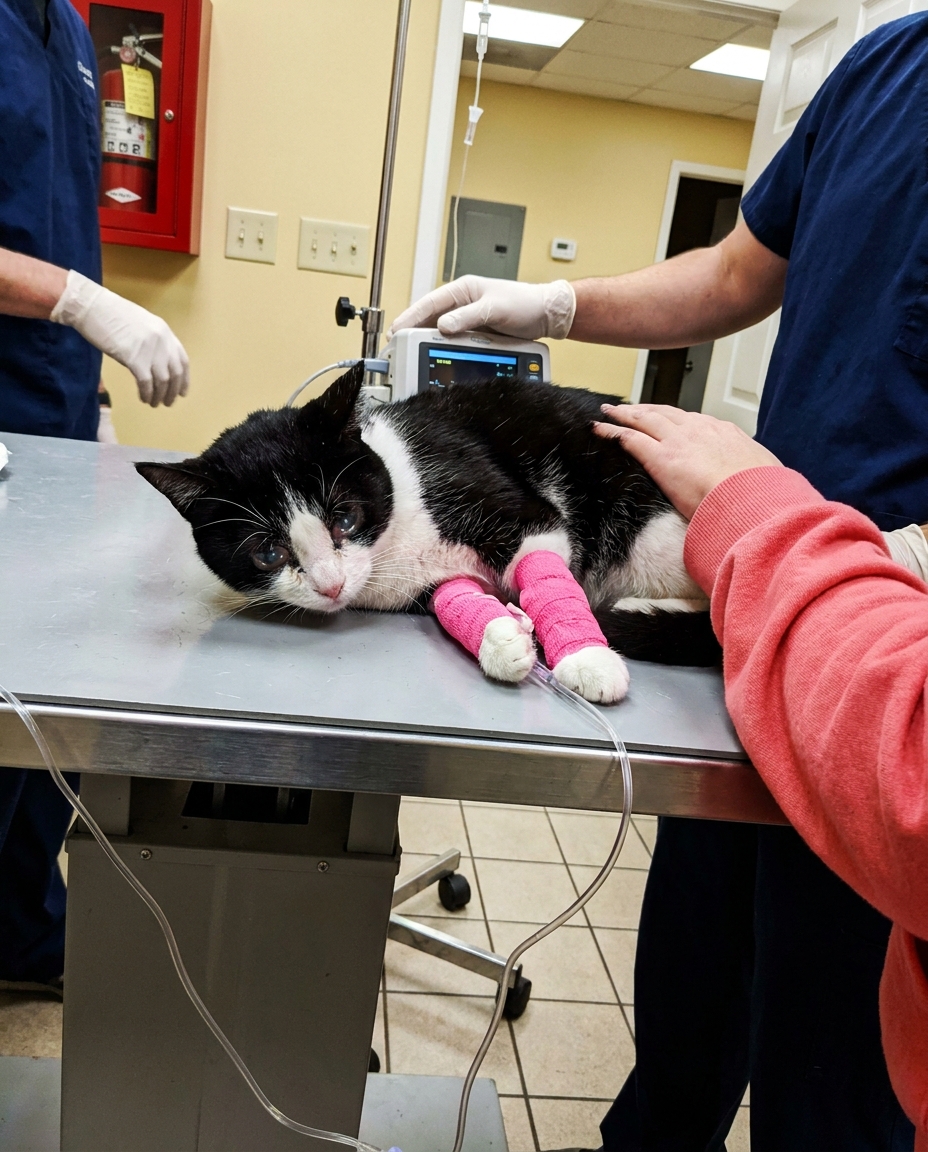
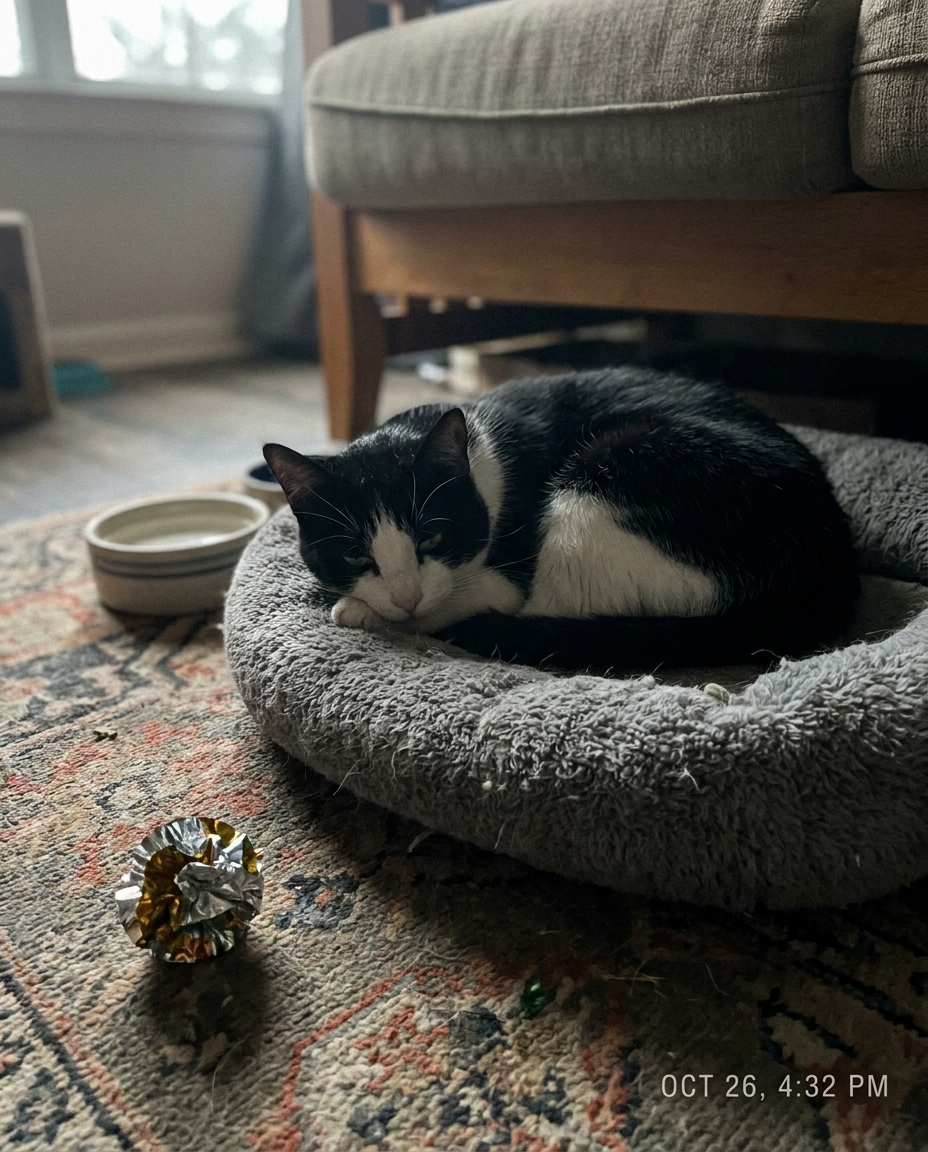
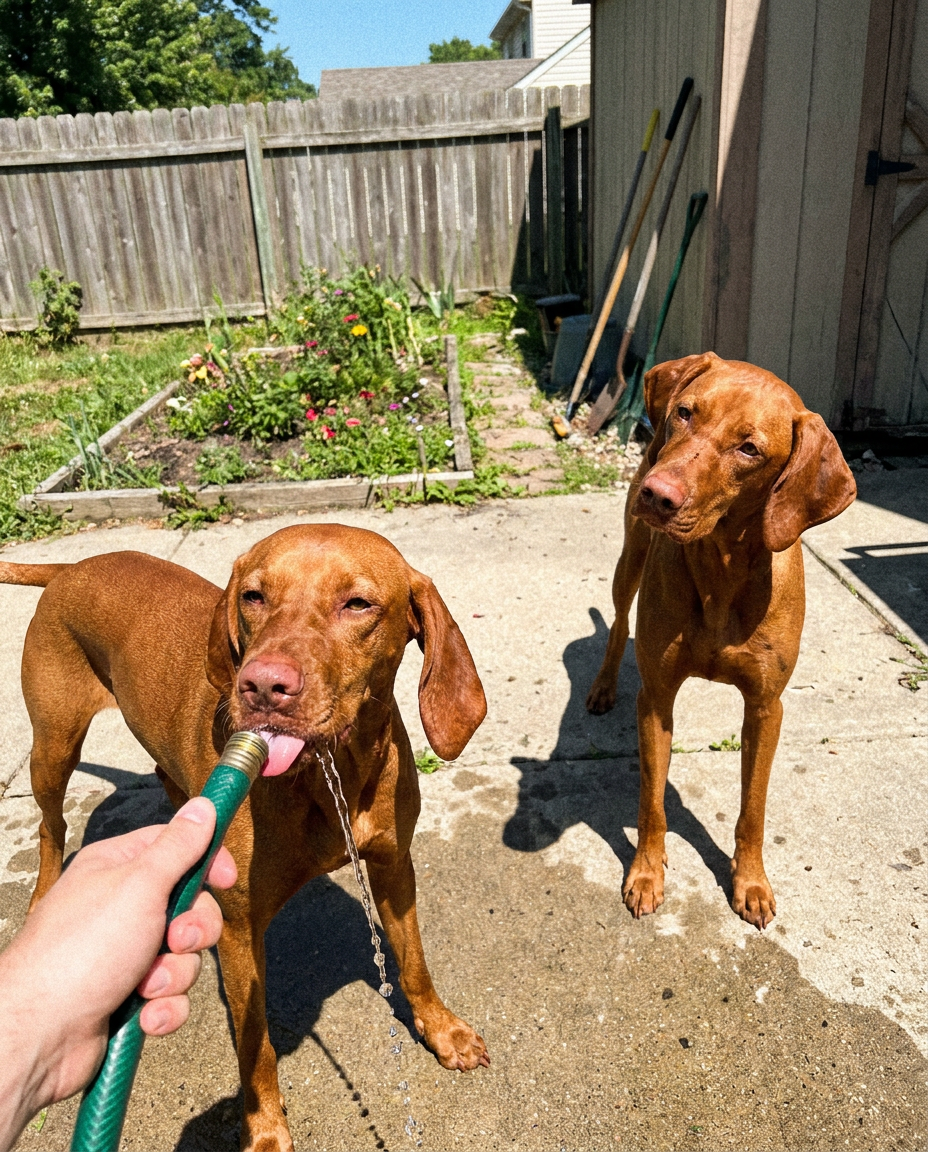
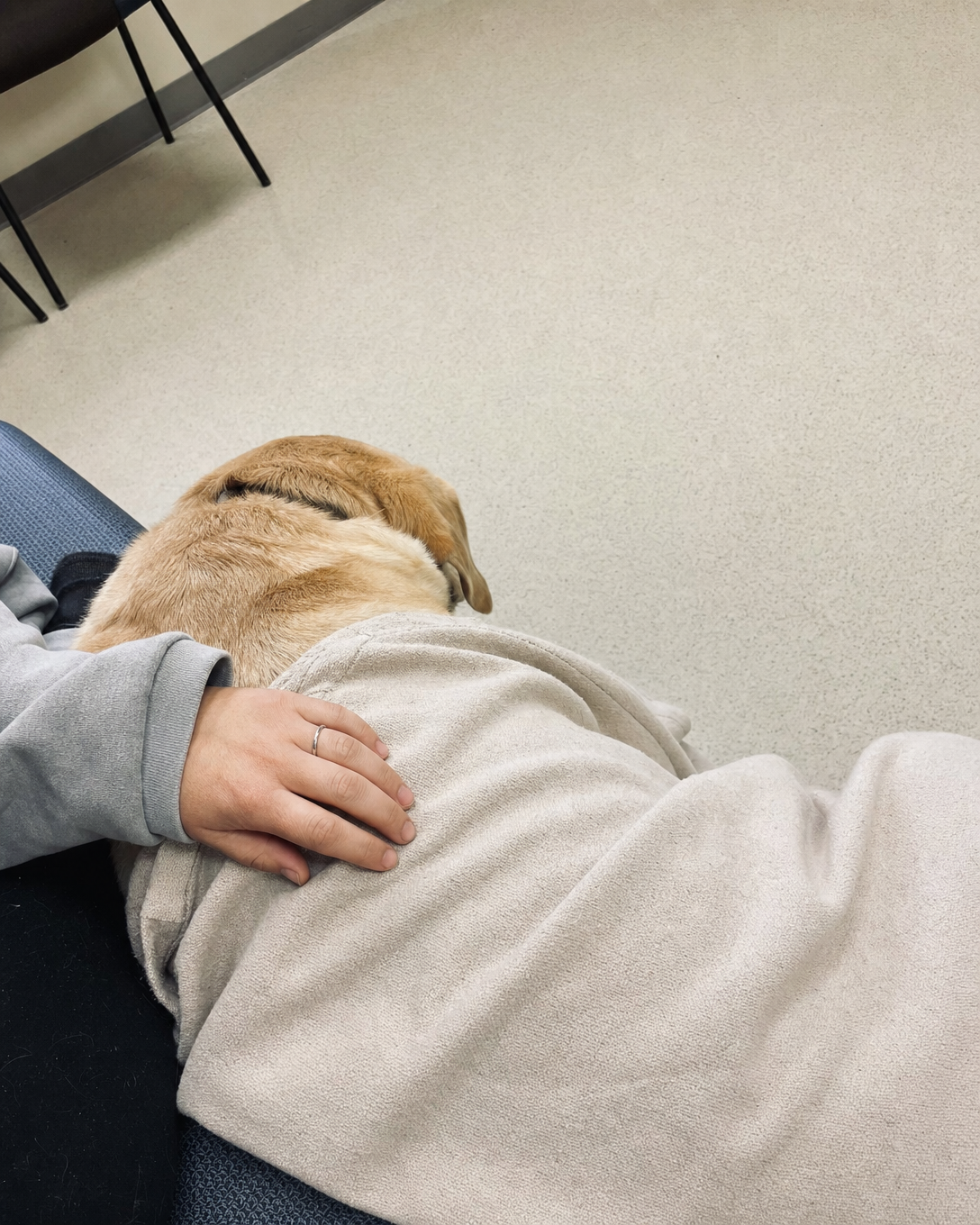
I am going to say something that nobody who owns a dog wants to hear and I don't give a f*k if it upsets you. That water bowl you keep refilling four times a day is killing your dog slowly. Not the PetSafe Drinkwell fountain on your wish list. Not the ceramic crock you upgraded to because plastic was "bad." Not the Brita pitcher you fill her bowl from because you read tap water has chlorine. NONE OF IT IS SOLVING THE ACTUAL PROBLEM. I know because I did ALL of it. Every bowl. Every filter. Every refill. For two years. And then Cassidy needed emergency surgery for what they thought was a urinary blockage. And she didn't come home. And then my other dog started doing the exact same thing. The pacing. The trip to the kitchen at 1 AM. The long, urgent drinking. The walk back to bed. And I almost let it happen again because I was still doing the same things that failed Cassidy. I'm done being quiet about this. If your dog walks past the bowl half the time, or wakes up at night to drink, or sniffs the bowl and walks away unless you've just freshly refilled it, you are not "managing it." You are watching the exact thing that killed my dog start in yours. Read this entire post. Every word. Because what I'm going to tell you is the thing nobody told me until it was too late for one of my dogs. And it might not be too late for yours. My name is Margaret Doyle. I'm 61. I live in Asheville with my husband Bill and our two dogs. Well. We used to have two dogs. Cassidy was a 9-year-old yellow lab. Eighty-three pounds of pure golden retriever-yellow lab mix energy. The dog who greeted every UPS driver like a long-lost relative. Who sat on my feet when I was reading. Who would put her enormous head on Bill's lap during the news every single night without fail. She was also the most particular dog I've ever owned about water. I figured that out about a year into having her. She would walk up to her bowl, sniff it, and walk away. Then come back fifteen minutes later. Sniff again. Walk away. I'd dump the bowl, rinse it, refill it with fresh filtered water from the Brita pitcher I kept exclusively for the dogs. She'd come back and drink for a long time. Settle on the kitchen floor satisfied. Two hours later, same dance. I told everyone this was just Cassidy being thoughtful. "She likes her water fresh, what can I say? I've trained her to be picky and now I have to live with it." Bill thought it was funny. I thought it was funny. I refilled her bowl four times a day. Sometimes five. Whenever I noticed her standing over it without drinking, I'd dump it and refresh it. I felt like a good dog mom. Most owners don't pay attention to that. I did. Bear is our other dog. A 6-year-old border collie mix we rescued when he was a puppy. He's the opposite of Cassidy in every way. Lean, sharp, hyper-aware of everything. Where Cassidy lumbered, Bear darted. Where Cassidy demanded affection, Bear watched you from across the room like he was waiting for instructions. Two completely different dogs. But it turned out they had the same problem. The thing with Cassidy started slowly. She had always been a "thoughtful drinker" — that was my private cute name for it. Then around year seven, she started having UTIs. Two in six months. The vet said senior labs sometimes had urinary issues. Antibiotics cleared them. A few months later, she had another one. The vet ran a urinalysis. Concentrated urine. "She needs to drink more water. Is she drinking enough?" I told her about my refilling system. The four-times-a-day routine. The Brita filter. The vet seemed satisfied. "You're doing all the right things. Some dogs just have more issues than others. We'll keep an eye on her kidneys at her next blood panel." I bought a second water bowl and put it in the living room. Then a third in the bedroom. I figured if she had more access, she'd drink more. She'd visit each bowl, sniff, sometimes drink a little, often walk away. I'd track which bowl needed refilling and rotate them through the day. I bought a PetSafe Drinkwell fountain. $52 plus $20 for filter packs. I thought maybe if the water was moving, she'd drink more. The reviews said dogs loved it. Cassidy used it for three days. Then started ignoring it. I cleaned it, replaced the filter, ran it on a different setting. She'd take a few sips and walk away. The bowls were getting more action than the fountain. I assumed it was the noise. Or the design. Or just Cassidy being Cassidy. I switched to a heavy ceramic bowl I bought at Crate & Barrel. $34. Beautiful. Marketed as "hygienic and safe for pets." She used it for two weeks. Then back to the sniffing and walking away. I started giving her chicken broth in her water — low sodium, no onion, just diluted broth to make it more appealing. She'd drink that. But the moment I switched back to plain water she'd return to her routine. I spent a rough count of $260 over six months on bowls, fountains, filters, and broth. Cassidy still walked away from her bowls half the time. But I kept doing it because that was what made sense. Refill more. Try different containers. Make the water more appealing. The vet said she just needed to drink more — so I'd just keep making more available. Then things changed. Around her ninth birthday, Cassidy started pacing at night. I'd wake up at 1 AM, sometimes 2, sometimes 3, to the sound of her nails on the hardwood floor. The clink of her collar against the bowl. Long urgent drinking. Then back to her bed. I told myself she was just getting older. Older dogs get up at night. That's normal. Then her bloodwork at her annual checkup came back with elevated BUN and creatinine. The vet said it was "early renal insufficiency, not unusual for a senior lab" and recommended a prescription kidney diet and quarterly monitoring. I bought the food. Royal Canin Renal Support. $89 a bag. She didn't like it but she ate it. Two months later, another UTI. Then another. Then she stopped wanting to eat the kidney food at all. In June, six months after the first elevated bloodwork, I came home from running errands to find Cassidy in the kitchen, standing oddly, not drinking but not leaving the bowl. Like she wanted to but couldn't. I knelt next to her. She was trembling. I called the emergency vet on the drive there. They were ready when I arrived. The vet pressed on her abdomen. Did an ultrasound. Came back twenty minutes later. "There's a partial blockage in her urinary tract. We need to do surgery to clear it. Her kidney values are also significantly worse than they were six months ago — we're now looking at Stage 3." "What does that mean?" "It means her kidneys are functioning at less than 30 percent. The surgery is necessary to relieve the immediate obstruction. The kidneys are a separate issue we'll need to manage long-term." "How much?" "The surgery, the imaging, the IV fluids, the hospitalization — we're looking at $4,800 minimum. Maybe more depending on what we find." I called Bill. We didn't discuss it for more than thirty seconds. Cassidy was our family. She went into surgery that afternoon. The surgeon called me at 9 PM. "Margaret." A pause. "I'm so sorry. Cassidy's heart gave out during recovery. The strain on her kidneys combined with the anesthesia — we did everything we could. She was just too compromised going in." I don't remember the drive to the clinic. They handed me a paw-print clay impression in a cardboard box. I paid the bill. $4,800 for a surgery she didn't survive. Bill and I drove home and sat at the kitchen table for a long time without speaking. I kept thinking about the bowls. The fountain. The ceramic bowl. The kidney food. The Brita pitcher. Two years of remedies and refills and rotation. I had done everything right. I had done everything the vet told me to do. And Cassidy died anyway. Three weeks after we lost Cassidy, I was making coffee in the kitchen at 5:30 AM when I heard it. Nails on the hardwood. Long urgent drinking from the bowl. Back down the hallway. I stood very still with the coffee scoop in my hand. Bear had never done that before. Bear slept through the night. Bear had a strict schedule he stuck to like he had a job. I sat down at the kitchen table and stared at the bowl. It had been refilled two hours earlier before I went to bed. Bear was drinking like he had been waiting for it. Over the next two weeks, it happened again. Then twice more. Then four nights in a row. I was not going to watch Bear die the way Cassidy died. Not over something I was supposed to be able to manage. I started researching obsessively. Not vet websites. Not pet food blogs. Not Drinkwell reviews. Actual deeper research. Reddit threads from people whose dogs had died of the same thing. Veterinary nephrology forums. Posts on subreddits I'd never heard of where people had figured out things the standard recommendations never addressed. And I kept finding the same thing buried in the deeper threads. Chronic dehydration in dogs isn't a "drinking enough" problem. It's a "rejecting their water source" problem. And no amount of refilling, filtering, or bowl-rotating fixes it because the dog isn't drinking the bare minimum during the day — they're drinking enough to survive but not enough to maintain hydration. And by the time the kidneys show it on bloodwork, the damage is already advanced. I bought a fountain on Amazon the next day. $48. Hundreds of reviews. "Stainless steel pet water fountain." I set it up that night. Bear used it for two days. Then started ignoring it the same way Cassidy had ignored the Drinkwell. I unscrewed the bottom. The tank — the part that held the water — was plastic. The "stainless steel" was a thin bowl on top. The water sat in the plastic reservoir for hours before circulating up. I almost cried in the kitchen with the fountain disassembled on the floor. I was on day fourteen of Bear pacing at night. I was about to call the vet to schedule an emergency kidney panel. Then I heard my neighbor at the back fence. Margaret next door — confusingly, the same first name as me — is 64. She has silver hair in a chin-length bob, always wears gardening gloves, and has lived next door to us for eleven years. She brought us a casserole the week Cassidy died and sat with me for an hour without asking me to talk about it. What I didn't know — what she told me only after Cassidy died, quietly, like she was ashamed she hadn't said it sooner — was that Margaret had spent 22 years as a veterinary nephrologist at a specialty animal hospital before she retired. She had seen hundreds of dogs come through with exactly what Cassidy had. Now she looked over the fence at me sitting on the patio with the disassembled Amazon fountain in pieces around me. "Is it the plastic tank?" I nodded without looking up. She came through the gate. I showed her the box. The label that said "stainless steel." She turned it over. Read the label. Sighed. "This is the most common scam in the entire dog fountain market. The marketing says stainless steel. They put a stainless bowl on top so it photographs well. The reservoir — where the water actually sits all day — is plastic. The dog's nose detects the biofilm and won't drink consistently from it." I sat down on the patio step. "Can I explain what's actually happening? Because what your vet told you about Cassidy's dehydration — I don't think anyone explained the real cause." I nodded. "Please." She pulled a chair around to face me. "First, I want you to understand something. Cassidy's death was not your fault. You did everything you were told to do. The problem is that what you were told was incomplete. The bowls, the refilling, the kidney diet — those things address the symptom. None of them address the cause." "What is the cause?" "Smell." She said it simply. "Dogs have roughly 300 million scent receptors. Humans have about six million. Dogs smell things in their water bowl that we cannot detect." I watched Bear through the back door. He was lying on the rug looking back at me with that border collie expression he gets when he knows something important is happening. "Within hours of sitting still, water loses oxygen. Bacterial counts rise. The chemical fingerprint changes. Even brand-new plastic — and ceramic, less but still — has microscopic pores where bacteria settles and forms a biofilm you cannot see, cannot scrub out, cannot wash away. The water looks pristine to you. To Cassidy, it smelled like a contaminated puddle within two hours of being refilled." "Wait. So when I was refilling it constantly..." "You were giving her a 90-minute window of acceptable water before her nose started detecting the biofilm again. So she'd drink eagerly when you refilled it, then walk away when it 'went bad.' Then you'd refill it again. She'd drink again. Then walk away. The refilling wasn't solving anything — it was masking the rejection of the bowl as a category." I put my hand over my mouth. Two years of refilling. The Brita pitcher. The pride I'd taken in being a thoughtful water-aware dog mom. The way I'd tell other people about my system. "But it wasn't just the smell," Margaret continued. "There's a second half. 15,000 years ago, dogs were wolves. The ones who drank from stagnant puddles died of disease. The ones who held out for moving streams survived and reproduced. That instinct didn't disappear when we domesticated them. It's still firing every time your dog approaches a still bowl. Even a clean, freshly-refilled bowl reads as 'stagnant pool' to that part of their brain. Moving water reads as 'safe stream.'" "That's why dogs drink from hoses. From toilets. From puddles." "That's exactly why. They're not being weird. They're following 15,000-year-old instructions that say still water is dangerous." "So Cassidy refilling her bowl four times a day wasn't enough." "Cassidy was getting maybe 60 percent of the hydration she needed. Just enough to survive. Not enough to maintain proper kidney filtration. Over years, the kidneys overworked. The urine became more concentrated. Concentrated urine bred UTIs. The UTIs were treated. The dehydration was never addressed because nobody named it as the upstream cause. Then the kidneys gave out." "The Amazon fountain didn't work because..." "Plastic reservoir. Bear smelled the biofilm in the tank. Even with the water moving, his nose was telling him 'contaminated.' That's why he abandoned it after two days. The flow alone isn't enough — the material has to be food-grade stainless steel throughout, including the tank, so there's nowhere for biofilm to colonize." I sat there for a long time. "There's something else I want you to read," Margaret said. "There's a veterinary nephrologist named Dr. Claire Bennett — I worked with her at a conference about ten years ago, brilliant woman. She left specialty practice a few years ago to focus on prevention. She's written the clearest piece I've ever seen on this. Let me text it to you right now." She pulled out her phone. Typed something. Hit send. My phone buzzed in my back pocket. "Read it tonight. Read it twice. She walks through Murphy's story — Murphy was a golden retriever she lost to exactly what happened to Cassidy. And she explains exactly what to look for in a fountain that actually addresses the cause. There's only one she'll recommend because the rest of them have the plastic-tank scam built in." She squeezed my arm before she went back through the gate. "I'm sorry about Cassidy. She should have had this from the beginning. They all should." I read Dr. Bennett's article that night. Murphy was a 9-year-old golden retriever. Owner did everything right. Filtered water. Stainless bowl. Refilled multiple times a day. The dog drank from the toilet, the garden hose, puddles on walks. The owner thought it was a funny dog thing. Murphy's kidneys were operating at 22 percent capacity by the time he reached Dr. Bennett's clinic. He didn't make it. I read that paragraph three times. It sounded exactly like Cassidy. Then I kept reading. Dr. Bennett explained the 300 million scent receptors. The 15,000-year stream instinct. The biofilm in plastic pores. The fake-stainless fountain scam — bowl on top, plastic reservoir underneath where the water actually sits. She explained that what actually works requires all three at once: real 304 food-grade stainless steel construction including the tank, continuous oxygenated flow that triggers the safe-water instinct, and triple-stage filtration that handles what comes through. Most fountains have one of three. Some have two. Almost none have all three. She'd designed one that did. She called it FreshFlow. Spent two years working with engineers and water filtration specialists to get the materials and the flow rate right. I ordered one from my phone before I closed the laptop. 11:34 PM. It came three days later. Solid. Heavier than the Amazon fountain. The bowl and the tank were both stainless steel — I checked, I unscrewed the bottom this time. The pump was tucked underneath, sealed away from where the water actually sits. Triple-filter cartridge ready to install. I set it up Saturday morning in the hallway. Filled it. Plugged it in. The water began circulating quietly. Bear walked past it on the way to his bed. Stopped. Came back. Sniffed. Long careful sniff. Another. A third. Then he dipped his head and drank for fifty seconds. I sat on the floor in the hallway and watched him drink. Week one: He visited the fountain six or seven times during the day. Drank for fifteen to twenty seconds each time. He'd never drunk that consistently in his life. Week two: The 1 AM pacing stopped. The whole night. Then the next night. Then the next. I lay in bed listening for the nails on the floor. The collar on the bowl. The trip back. Nothing. Week three: Bear was drinking more total water than I'd ever measured. His coat was glossier. His morning energy was higher. He stopped doing the sniff-and-walk-away routine at the regular kitchen bowl entirely — just went to the fountain when he was thirsty. Week four: I took him in for a baseline kidney panel. I wanted numbers to compare against later. BUN: 17. Creatinine: 0.9. SDMA: 11. All squarely in healthy range. I asked the vet if she could pull Cassidy's six-month-prior bloodwork from the same panel. She did. Cassidy's at six months prior: BUN 31. Creatinine 1.8. SDMA 16. Early renal insufficiency. Bear at six years old: BUN 17. Creatinine 0.9. SDMA 11. Same age range. Same household. Same food. Same vet care. Same everything. Except Cassidy spent her life drinking from a bowl I refilled four times a day. Bear has been drinking from the FreshFlow for four weeks. The vet looked at the two panels next to each other for a long time. "You did the right thing. Whatever you changed — keep doing it." That was five months ago. Bear's bloodwork stayed clean at the three-month recheck. No UTIs. No nighttime pacing. No declining kidney values. He drinks. He sleeps. He plays. He acts like a six-year-old dog should act. And I think about Cassidy every single day. Because I understand it now in a way I didn't before. For two years, her body was rejecting the still water in front of her — not because she was being picky, but because her 15,000-year-old instinct was telling her every still bowl I refilled was contaminated. Within 90 minutes of every refill, her nose was detecting biofilm I couldn't see. She'd hold out as long as her body could. Then drink the bare minimum to survive. Then hold out again. Her kidneys overworked trying to filter concentrated urine for nine years. While I refilled her bowls and felt like a good dog mom and did everything the system told me to do. The bowls didn't fail because I refilled them wrong. They failed because the bowl was never the right answer. A still water bowl is a still water bowl no matter how often you refresh it. Margaret told me something on my back patio that I've thought about almost every day since. "The pet water bowl industry depends on dog owners not knowing that the bowl itself is the problem. As long as you think the issue is 'how often you refresh it' or 'what material it's made of,' you'll buy a new bowl every year. Better bowls. Filtered bowls. Elevated bowls. Ceramic bowls. The moment dog owners understand that the bowl-as-a-category triggers a refusal instinct and a biofilm rejection — the entire industry has to compete with fountains that actually solve the problem. So that conversation never happens. You get told to refill more often and buy a better bowl." Cassidy was nine years old. Margaret told me a dog with proper hydration access — water that actually triggers the safe-water instinct, every day, throughout the day — should live well past their breed average. She deserved more years than she got. I'm writing this because I see posts every single week that I recognize. "My dog drinks from the toilet but ignores his bowl. Why?" "Buying expensive filtered water for my dog and she still won't drink enough. Vet says push fluids." "Senior dog getting up at night to drink. Is this normal?" "Spent $200 on a fancy fountain and my dog used it for a week then quit. What am I doing wrong?" You're not refilling wrong. You're not buying the wrong bowl. The problem is not how often you change the water. Your dog's nose has 300 million scent receptors detecting biofilm in the bowl that you cannot see. Your dog's 15,000-year-old instinct is telling them still water is dangerous. The bowl-as-a-category is failing every dog with a functioning nose and an intact survival instinct. The water they're drinking is the bare minimum. The kidneys are quietly compensating. Maybe nothing visible happens for years. Maybe they pace at night. Maybe they start having UTIs. Maybe the bloodwork starts creeping up. Maybe one day the bloodwork comes back at Stage 3 and you find yourself in an emergency clinic at 9 PM holding a paw-print impression in a cardboard box. Margaret told me 80 percent of indoor dogs on still-water bowls are chronically under-drinking. That means the kidney compensation is already happening in most dogs whose owners have no idea yet. Most dogs don't show it visibly. Some do. And for those that do, the answer the system gives them is "refill more often" and "get a better bowl." Not the real cause. Not the real fix. Continuous moving water. Real food-grade stainless steel throughout — including the tank. Triple-stage filtration. The fountain Dr. Bennett designed because she got tired of watching Murphys come into her clinic at 22 percent kidney function and not be able to save them. The article that explained all of this to me is here. Read it. The whole thing. Murphy's full story, the science, the materials breakdown, the mechanism. Nine minutes. 👉 https://rhykin.com/pages/ff-advertorial-2 Don't read the first paragraph and bounce. Read the part about the plastic tank scam. That alone is worth the nine minutes — it explains why every "stainless steel" fountain on Amazon is failing dogs across America. Read the part about why dogs choose toilets and hoses over bowls. Read the part about Murphy. If your dog has ever paced at night, sniffed at the bowl and walked away, or drunk from a toilet, this is the thing you do today. EDIT: Several people have messaged me saying they tried to find FreshFlow on Amazon and bought something that looked similar that didn't work. Of course it didn't — it's the same plastic-tank scam I bought before Margaret straightened me out. Real FreshFlow is only on Rhykin's site. Read Dr. Bennett's article first, then order from there. 👉 https://rhykin.com/pages/ff-advertorial-2 P.S. I refilled Cassidy's bowl four times a day for two years thinking I was being a thoughtful dog mom. I was actually masking her bowl rejection by giving her brief windows of "freshly-poured" water before her nose started detecting biofilm again. The refilling wasn't solving anything — it was preventing me from seeing the real problem. If you refill your dog's bowl multiple times a day because they "only drink when it's fresh," please read Dr. Bennett's article today. That refilling pattern is the warning sign nobody names. P.P.S. Bear's bloodwork at six years old: BUN 17, Creatinine 0.9, SDMA 11. Cassidy's at the same age range: BUN 31, Creatinine 1.8, SDMA 16. Same household. Same food. Same vet. The only thing that changed between the two dogs is what they drank out of. If that doesn't tell you the bowl matters more than the food, the kibble, the supplements, or any of the things you've been told to focus on, I don't know what will. The fountain isn't an upgrade. It's the difference between a healthy senior dog and a six-month emergency timeline. 👉 https://rhykin.com/pages/ff-advertorial-2
What I Missed Before Cassidy
Home to award-winning pet products. Shop premium, vet-approved items that both you and your pets will love. Quality you can trust, for pets that deserve the best.
LEARN MORELike this ad? Make it yours.
Crush rebuilds this exact creative around your product — your brand, your colors, your offer — in about a minute.