
Inactive· since Jun 4, 2026
- 23
- days it ran
- 0
- relaunches
Ad copy
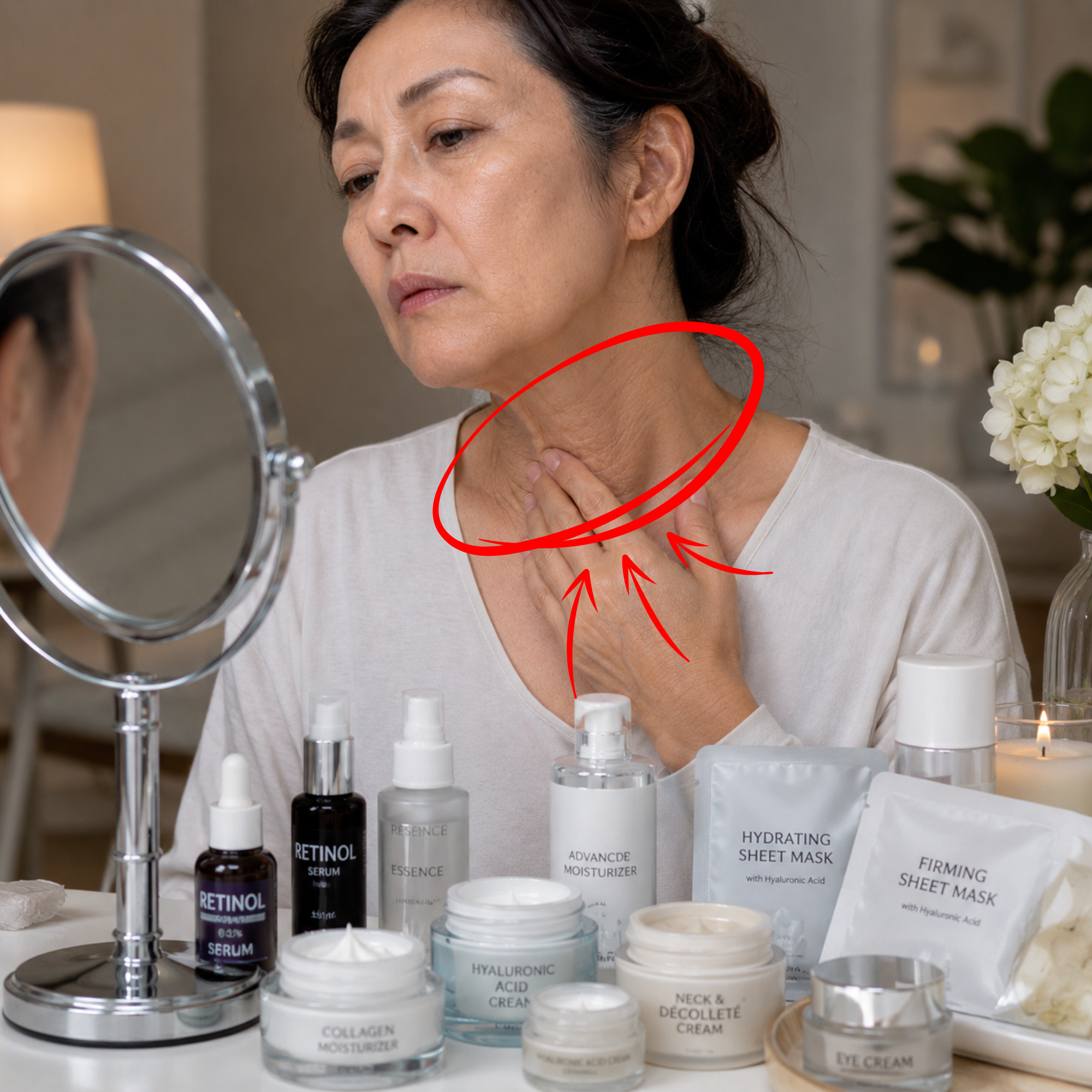
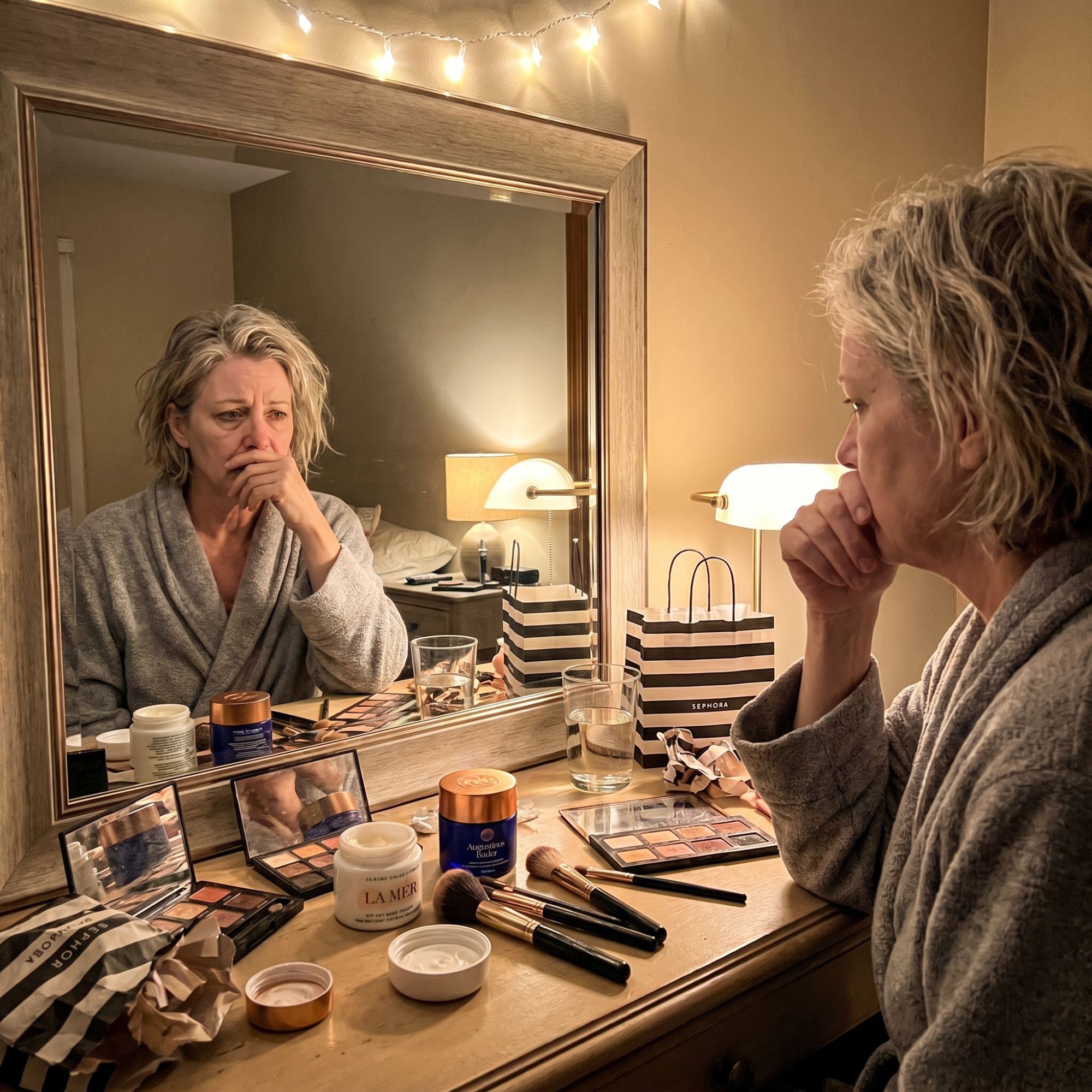
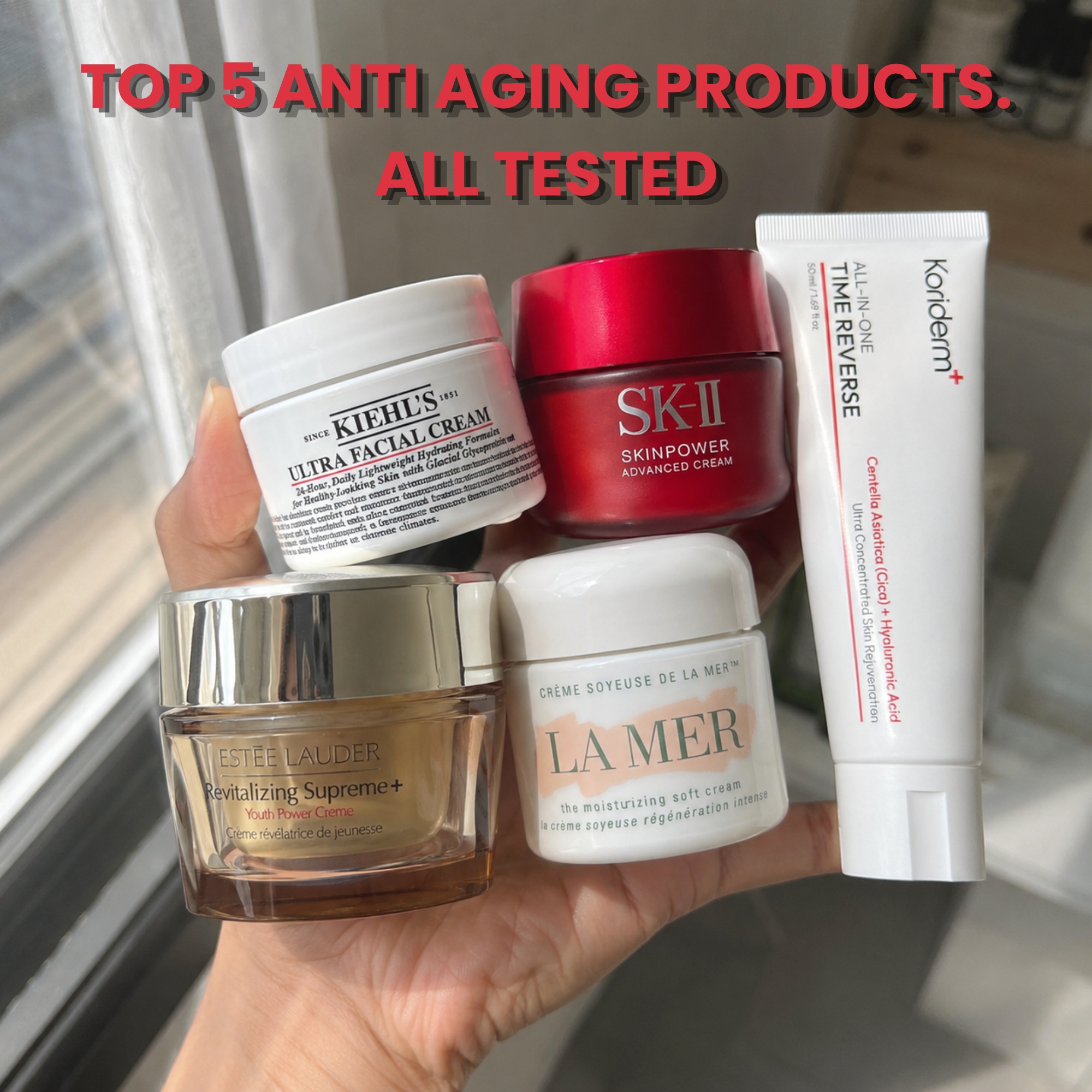
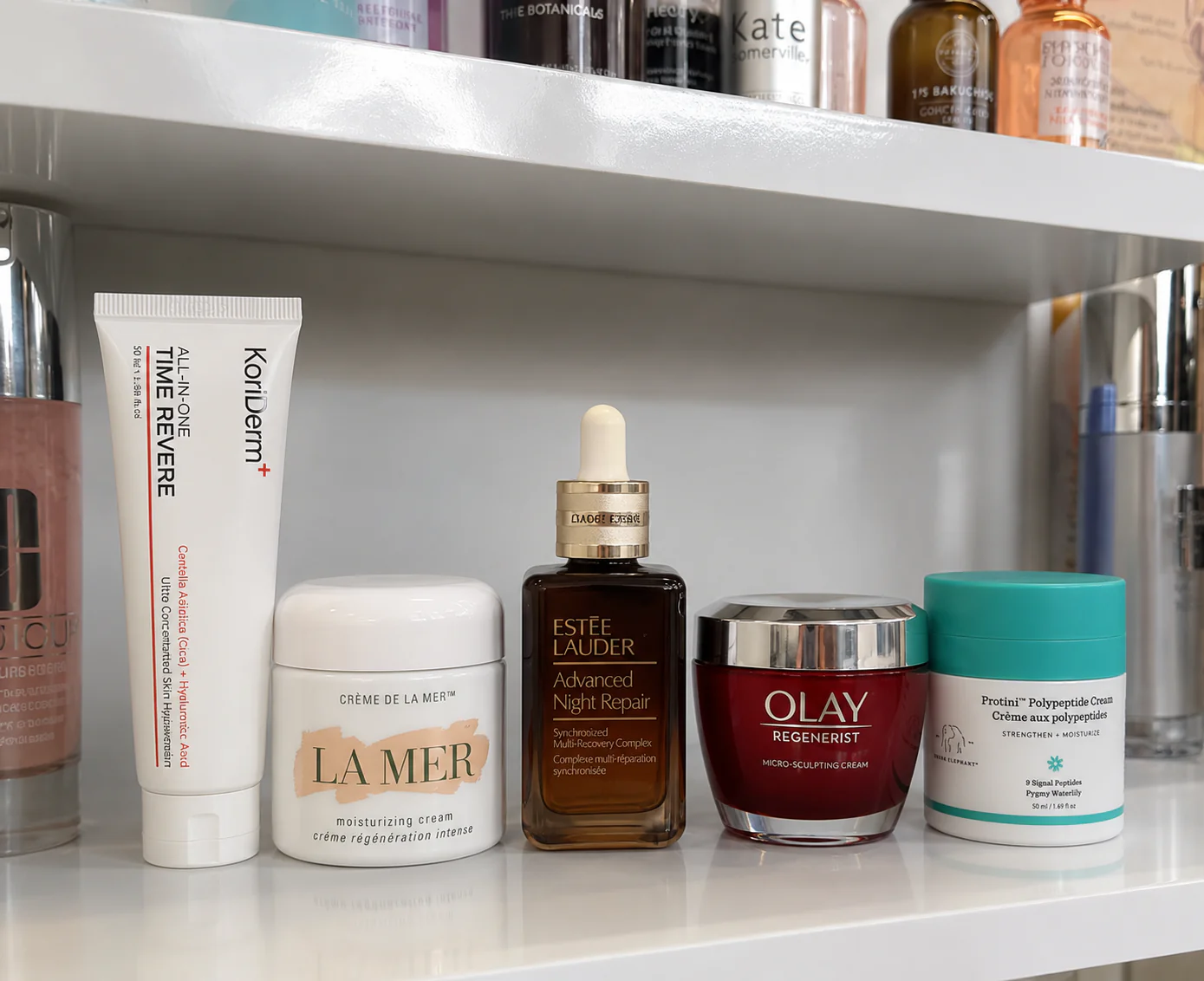
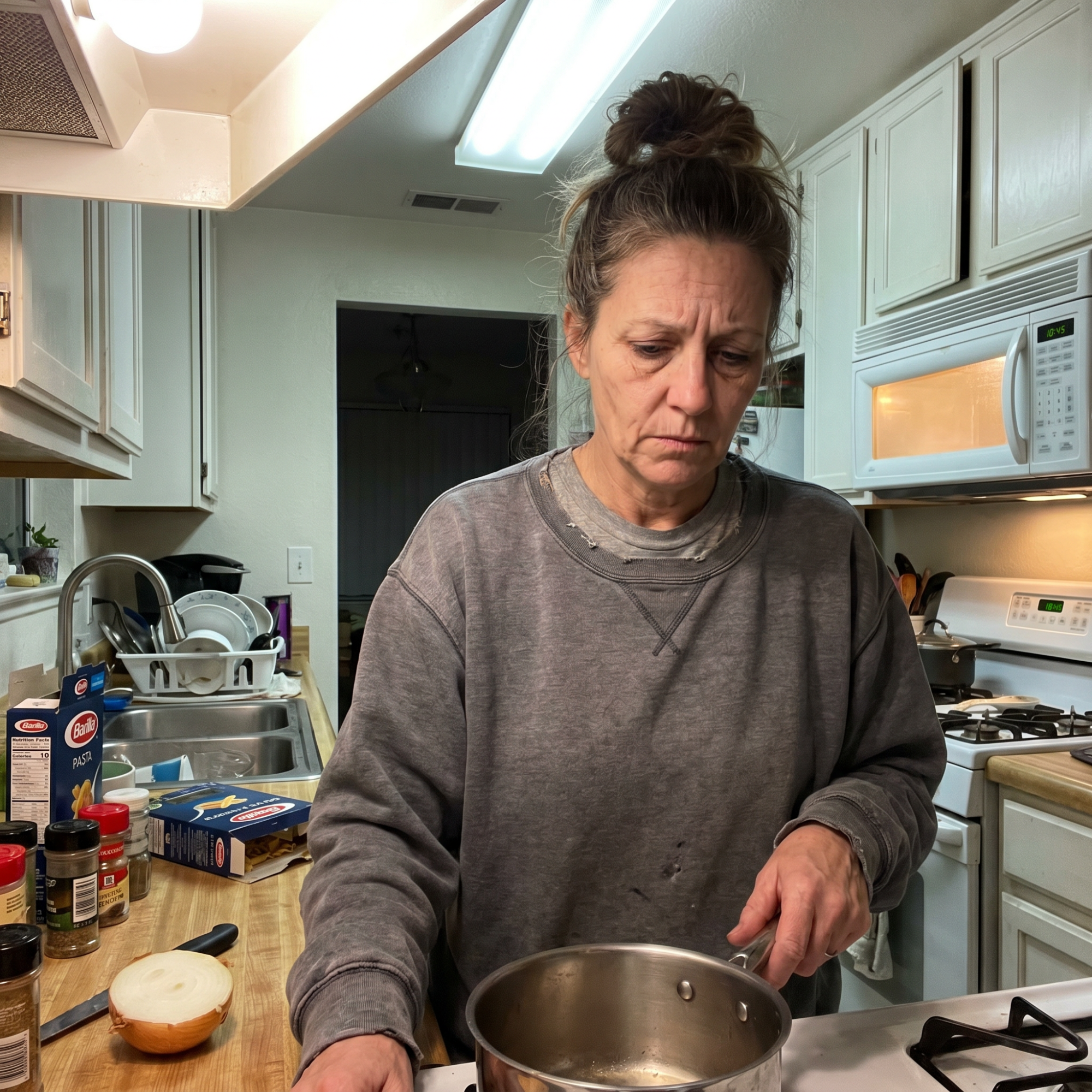
If you’ve ever stared at your wrinkles at two in the morning wondering when your face suddenly started looking older than you actually feel inside, I need you to read this carefully because what I’m about to explain completely changed the way I understand aging skin. Most women have never been told the real reason this keeps happening. The beauty industry wants women believing wrinkles are simply something you slowly surrender to over time, that forehead lines deepen, skin starts looking tired permanently, makeup settles into every crease by dinner, and the only solution is continuing to buy increasingly expensive products hoping one of them finally works. After what happened to my older sister, I genuinely stopped believing most women are “aging badly” the way they’ve been told. I think most women are trapped inside skincare routines that were never truly fixing the deeper problem underneath the surface in the first place. For almost five years my sister became completely consumed with trying to fix her skin. Not because she expected to look twenty forever. She simply wanted to stop looking exhausted all the time. At forty eight her forehead wrinkles suddenly started looking dramatically deeper within what felt like only a couple years, the skin around her mouth constantly looked flat and dehydrated by evening, and every photograph somehow made her face appear older than she actually looked in real life. That part affected her confidence far more deeply than she admitted openly. I watched her become hyper aware of mirrors, restaurant lighting, selfies, and FaceTime calls because she became convinced everyone noticed how tired her skin looked. Once that insecurity starts living in someone’s head long enough, it quietly changes the way they move through life. Pictures became uncomfortable. Getting dressed up stopped feeling exciting. Makeup started feeling pointless because she said it only made the wrinkles look worse a few hours later anyway. One night she called me crying after spending almost ninety minutes getting ready for a birthday dinner before suddenly looking in the mirror and feeling like her face looked older than our mother’s. That was the moment I realized this was emotionally much bigger than “just skincare.” Like most women panicking about aging skin, she became convinced the answer must simply be finding better products. So the cycle started. La Mer because influencers called it the holy grail for mature skin. SkinCeuticals because dermatologists constantly recommended it online. Tatcha because supposedly Japanese skincare was gentler and more hydrating. Soon the bathroom counter filled with peptide creams, retinol systems, overnight recovery masks, collagen serums, and expensive “barrier repair” products marketed specifically toward women over forty whose skin suddenly looked thinner and more wrinkled. At one point her bathroom genuinely looked like a luxury Sephora display. Meanwhile her wrinkles still looked deeper every evening anyway. That was the part she could never understand emotionally. The products initially appeared promising because her skin temporarily looked smoother and softer right after application, but several hours later everything collapsed again and her forehead lines somehow looked even harsher underneath lighting. Certain creams sat heavily on the surface without actually improving the skin underneath, others irritated her badly enough that her face somehow looked even more stressed afterward, and the more complicated her routine became, the more exhausted her skin started looking overall. One night she looked at me and quietly said, “I feel like I spend my entire life trying to look less tired.” That sentence sent me into a complete research spiral because watching someone you love slowly lose confidence changes the way you see the skincare industry entirely. Eventually I came across a Korean dermatologist explaining something that suddenly made my sister’s entire experience finally make sense. She explained that most traditional anti-aging creams mainly sit on top of the skin instead of properly absorbing into the deeper layers where dehydration, collagen loss, and wrinkle formation are actually happening underneath the surface. Women experience temporary softness immediately after applying products, naturally assume the skincare is working, and later feel frustrated when the skin starts looking tired again because the deeper layers underneath never actually retained what they needed. The second I heard that explanation, I immediately thought about my sister because that was exactly what kept happening to her repeatedly. Her skin would briefly look smoother after application, but several hours later the dehydration underneath started showing through again and every wrinkle suddenly looked more obvious under lighting. That was also when I first learned about this Korean cream called Koriderm. What immediately caught my attention was the absorption technology because Koriderm absorbs two hundred and fifty one percent faster than traditional creams instead of mostly sitting on top of the skin like so many luxury anti-aging products do. That distinction matters much more than most women realize because hydration only benefits aging skin if ingredients are actually reaching the deeper layers where collagen loss and dehydration are happening instead of temporarily coating the surface for a few hours. Koriderm also uses Centella Asiatica, which Korean dermatologists have relied on for decades because it helps support collagen repair while calming stressed aging skin underneath the surface instead of simply masking wrinkles temporarily. Unlike the exhausting ten step routines my sister had been overwhelming her skin with for years, this simplified everything dramatically because she finally stopped chasing endless luxury creams and complicated nighttime routines that kept promising transformation without ever truly changing how her skin looked by the end of the day. Within the first couple weeks her skin finally started holding moisture throughout the day instead of immediately looking dry again by afternoon. Around week three she called me sounding genuinely emotional because for the first time in years her makeup still looked smooth at the end of the night. That had become impossible for her before. By week six I saw her in natural restaurant lighting and immediately noticed the difference myself. Her forehead looked softer. The deep exhausted look around her mouth had calmed down. Her skin finally looked healthy underneath makeup instead of stressed and dehydrated underneath it. The biggest difference had nothing to do with wrinkles though. Her entire personality started feeling lighter again. Phone calls stopped sounding emotionally draining. She stopped obsessing over bathroom lighting before leaving the house. I noticed she started making longer eye contact during conversations instead of constantly checking her reflection in mirrors or dark phone screens. Even my brother-in-law mentioned one night that she seemed more relaxed lately, which honestly said everything without needing to say much at all. That’s the part skincare companies rarely talk about. Women are not simply buying anti-aging creams hoping for fewer wrinkles. They want to stop feeling exhausted every time they look at themselves. They want to feel healthy again, confident again, and recognizable to themselves again. Watching my sister slowly become herself again after years of feeling defeated by her skin completely changed the way I think about aging forever. That’s also why more than two million tubes of Koriderm have already sold in Korea because women eventually realized expensive skincare means very little if it mostly sits on top of the skin instead of actually going where hydration and repair are needed most. Koriderm also has a ninety day money back guarantee if you want to try the Korean formula women have been quietly switching to before it sells out again.
Most women have never been told the real reason this keeps happening.
At Koriderm our mission is simple: to bridge the gap between advanced Korean skincare innovation and your daily routine.
SEE DETAILSLike this ad? Make it yours.
Crush rebuilds this exact creative around your product — your brand, your colors, your offer — in about a minute.