
Inactive· since Oct 25, 2025
- 125
- days it ran
- 1
- relaunches
- 402
- EU reach
Ad copy
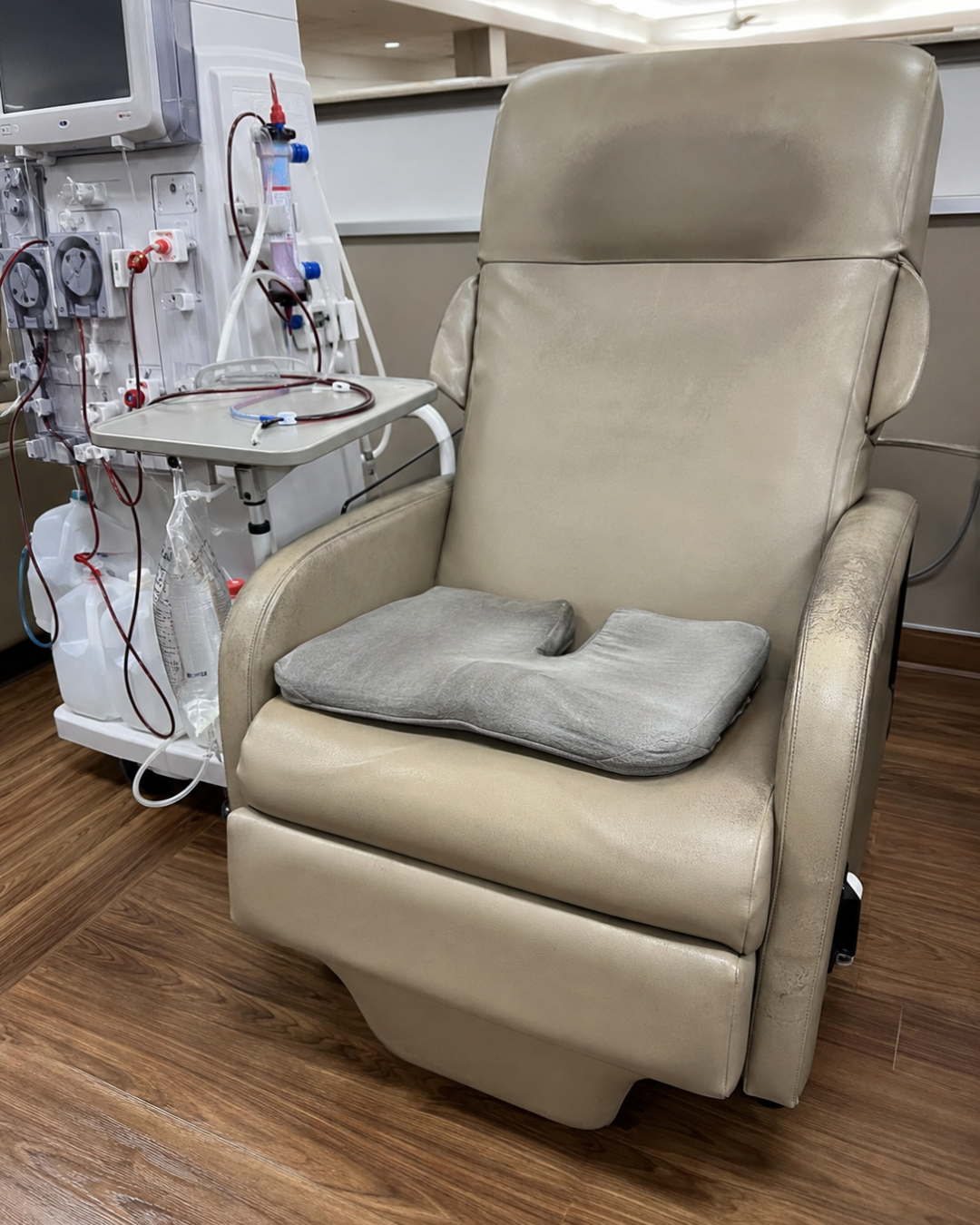
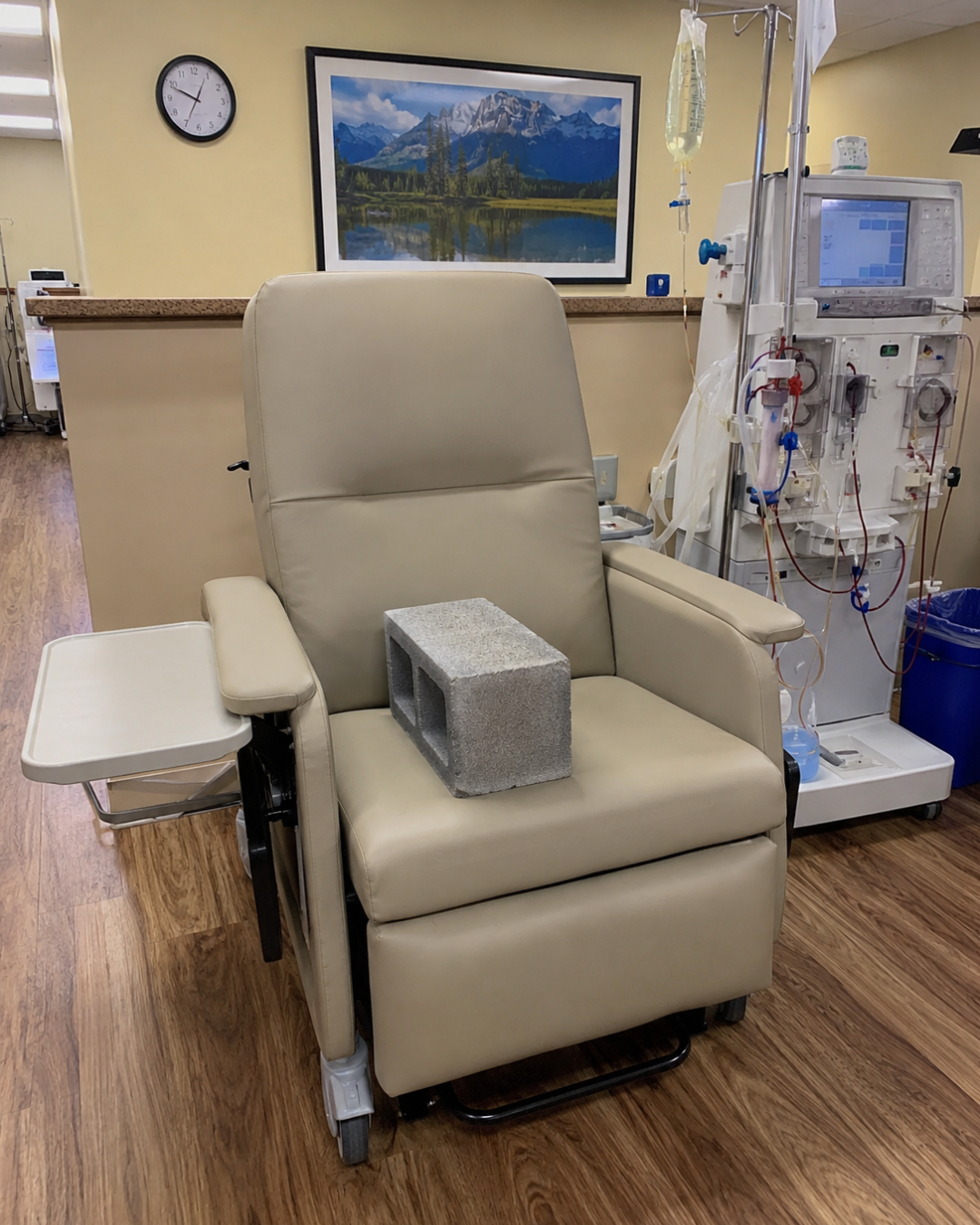
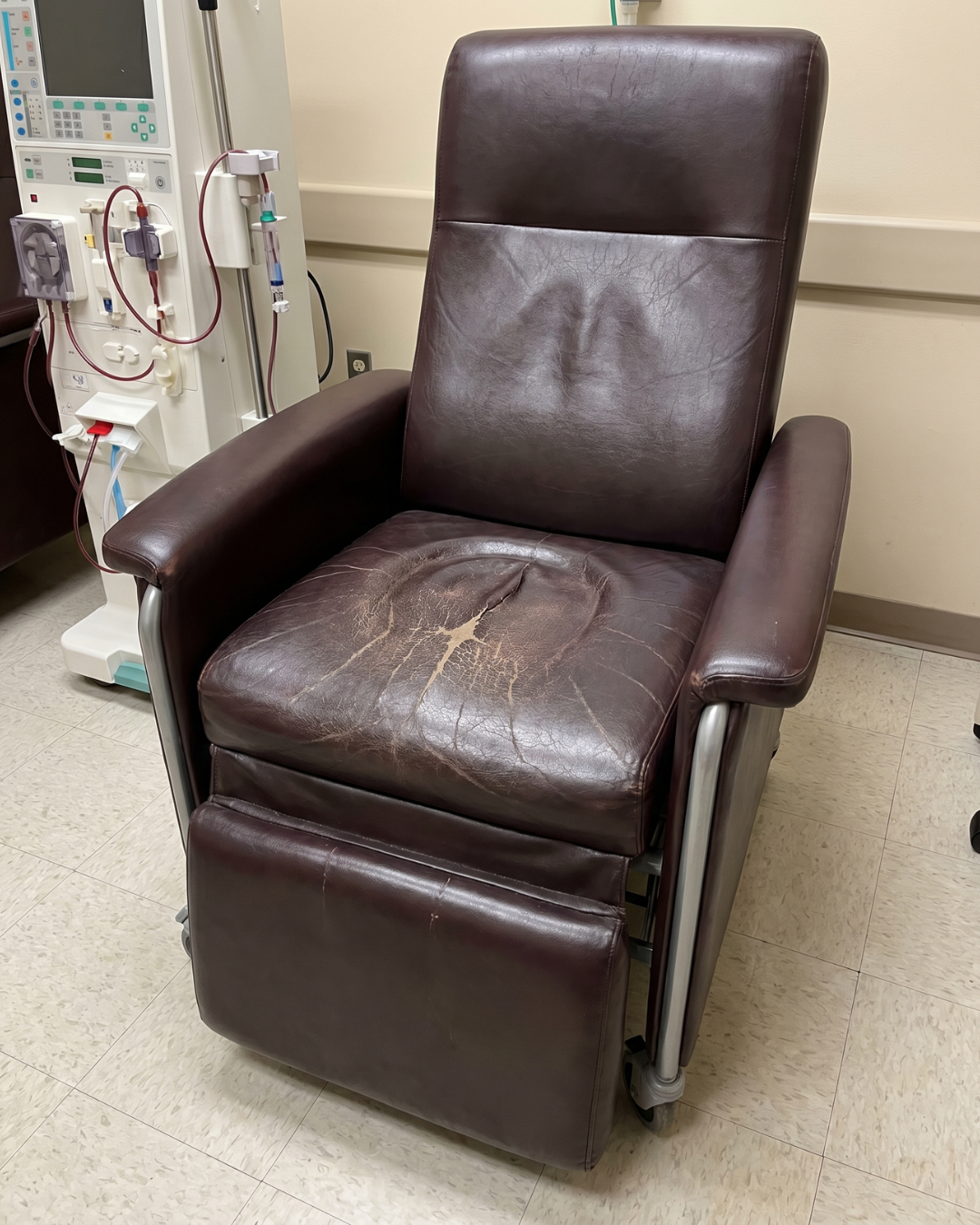
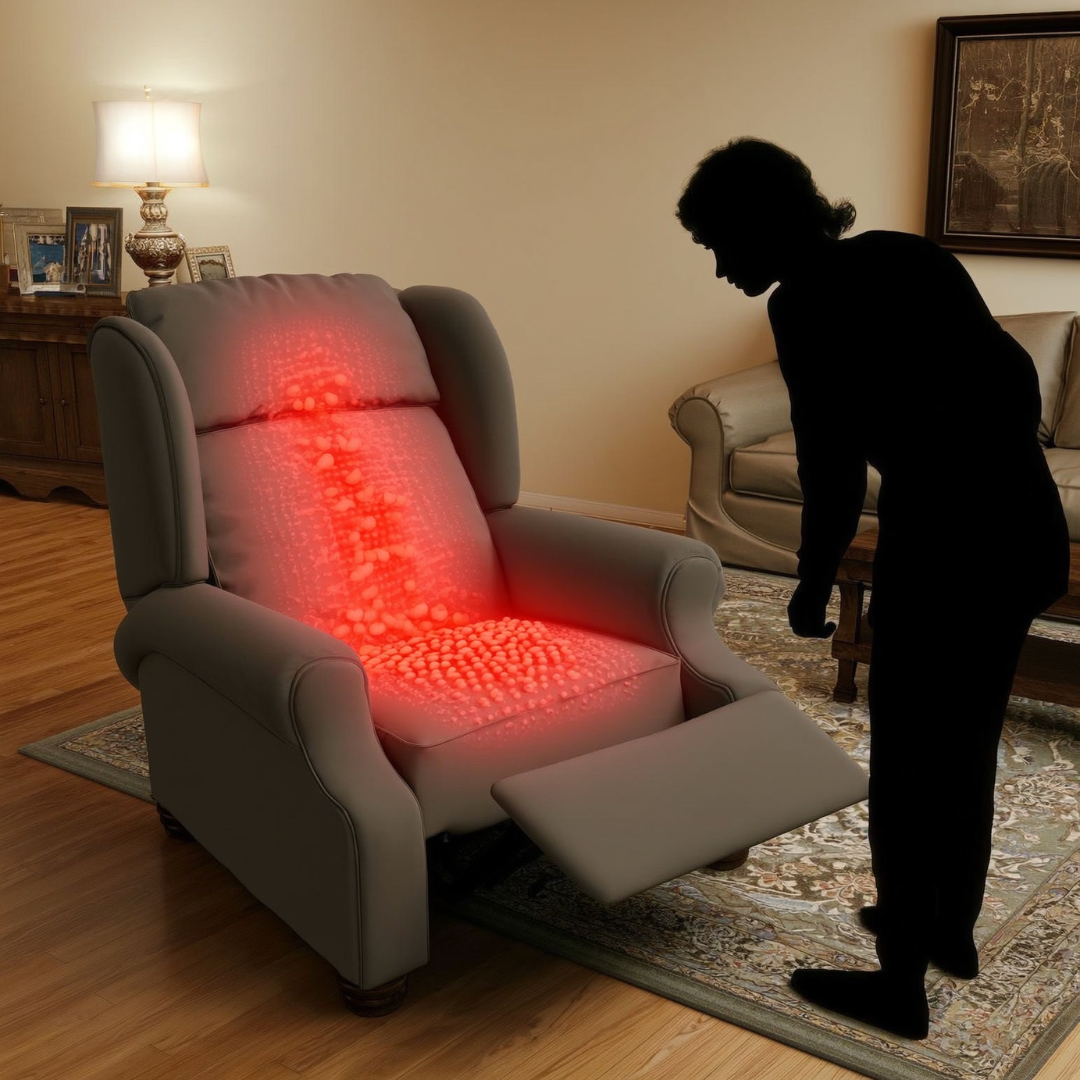
The terrible truth I learned in a hospital ER is that for an elderly person, sitting in a favorite recliner is like sitting on a concrete block. As we age, our skin thins and we lose the natural padding that protects us, focusing our entire body weight onto a single point. My failure to understand this simple principle of physics is why the cushions I bought my dad didn't work, and why I ended up answering an ER nurse's simple question with a confident lie that almost killed him My dad, Arthur, is 82. He’s a former mechanic, a man who built our backyard deck with his own two hands and still insists on mowing his own lawn, even though it takes him all afternoon. And for the last two years, since Mom passed, our weekly phone calls have followed a script. “How are you, Dad?” “I’m fine, sweetheart. Stop fussing.” But I knew he wasn’t fine. I could hear it in his voice. He spent his days in that big, worn-out leather recliner, the one he calls his throne. He’d had it for 30 years. The leather was cracked and the stuffing was compressed into a permanent dad-shaped groove. A part of me, the part that lives in a constant state of low-grade anxiety, knew that chair was a problem. I tried to help. God, I tried. I bought him one of those fluffy "egg crate" foam cushions from the pharmacy. I found it in the garage a month later, covered in sawdust. "Didn't need it," he grunted. I bought him a beautiful, soft sheepskin pad, telling him it was for comfort. He used it as a mat for his dog. Every gentle attempt I made to help was seen as an attack on his independence. And so I backed off, swallowing my fear. I told myself he was a grown man. I told myself he would tell me if something was really wrong. He wouldn't. And he didn't. Then, on a Tuesday morning at 10:15 AM, I got The Call. It was a number I didn’t recognize, from his town. My heart fell through the floor. It was a paramedic. Dad had fallen trying to get out of his chair. He was conscious, but he had a raging fever and they were taking him to St. Mary's. The 45-minute drive to the hospital was a blur of panic, guilt, and whispered prayers. All I could see in my mind was that chair. I found him in a room in the ER. He looked so small in that bed, so pale and tired. All the bluster was gone. He just looked like an old man who was scared. A doctor told me he had a severe infection, which was causing the fever and weakness that led to the fall. They were starting him on powerful antibiotics. And that’s when the nurse, a kind woman with tired eyes, pulled me aside. “We need to check him for skin breakdown. Does he have any sores?” “No,” I said, with complete confidence. “He’d have told me.” She just nodded, and together we helped my father roll gently onto his side. I wasn't prepared. On his tailbone was an open sore, angry and red and bigger than a silver dollar. It was the source of the infection. It was the reason he fell. It was the thing that could have taken him from me. And it had been happening right there, in that chair, while he was telling me, week after week, that he was "fine." I had to leave the room. I stood in the hallway, my hand over my mouth, trying not to sob. I had failed him. My attempts to help were feeble. My fear of upsetting him was greater than my fear of this exact scenario. I was flailing in the dark, and my dad was the one paying the price. I spent that night in a hard plastic chair next to his bed, watching him sleep. I couldn’t close my eyes. My phone became a torture device, as I typed in searches that made my blood run cold. “stage 3 pressure sore elderly survival rate” “what happens when a pressure ulcer gets infected” “how to care for stubborn elderly parent” The internet was a horror show of worst-case scenarios and useless advice columns telling me to "communicate better." The next morning, a new nurse came in. She was a wound care specialist named Maria. She looked at my dad’s chart, then at his sore, and then at my exhausted, guilt-ridden face. “You look like you’ve been through it,” she said softly. “I should have known,” I whispered. “I bought him cushions, but he wouldn’t use them. I should have made him.” Maria pulled up a stool and sat down. “Let me tell you something,” she said, her voice firm but kind. “Even if he had used the cushions you bought, we would likely still be right here, in this room. You cannot solve this problem with softness.” I didn’t understand. “We think that soft means safe,” she explained. “But for an older person, that’s not true. As we age, our skin gets thin. Paper-thin. We lose all the natural fat and muscle that used to protect us. For your dad, sitting in that recliner, even with a foam pillow, is like a person with normal skin sitting on a concrete block. All of his body weight gets focused on one tiny point, on his tailbone. The flimsy foam just flattens out completely and doesn't stop it. The skin isn't getting oxygen. It’s suffocating. And it breaks down. Fast.” It was like a lightbulb went on in a dark room. It wasn't just that he was sitting too much. It was that his body, his very skin, could no longer handle the simple physics of sitting. My pillows and sheepskins were like trying to stop a flood with a paper towel. It was a catastrophic failure on my part because I didn't understand the real enemy. “So what do we do?” I asked, my voice cracking. She pointed to the cushion he was lying on in the hospital bed. It looked different. It was a grid of blue squares. “In here,” she said, “we don't use foam for anyone high-risk. We use this. It’s an open grid cushion. It’s engineered to solve the pressure problem. See?” She pressed her hand down on a spare cushion she had. The columns didn't just flatten; they buckled and shifted to the side, distributing the weight across the entire grid. “It’s not about padding the pressure point,” she said. “It’s about making the pressure point disappear. It’s called pressure distribution. We’re letting the bone float, so blood can get to the skin and heal it.” Pressure distribution. Not just padding. That simple phrase was a lifeline. For the first time, I felt like I had a piece of real, practical knowledge. I wasn’t a failing daughter anymore. I was a caregiver who was finally being armed with the right tool. When they discharged my dad a week later, the first thing I did was order the consumer version of the cushion Maria had shown me. I didn’t ask him. I just took the sad, flattened cushion out of his recliner and put the new blue grid in its place. He came home, exhausted and frail, and lowered himself into his chair. I held my breath, waiting for the complaint. He was quiet for a long moment. Then he let out a long sigh. “Oh,” he said, shifting slightly. “That’s... different. I don’t feel that spot anymore.” It was the first hopeful moment I’d had in a month. The visiting nurse came twice a week. At the first check-in, she noted the angry red around the sore was a little lighter. A week after that, she said it was healing nicely. A month later, she looked up at me and smiled. “The skin is closed, Sarah. Whatever you're doing, it's working. You’re doing a great job.” I burst into tears. Not tears of fear, but tears of pure, unadulterated relief. The constant, humming anxiety in the back of my mind finally grew quiet. The recliner was no longer a danger zone. It was a place of healing. My dad still says “I’m fine” on the phone, but now, I can believe him a little more. That cushion didn’t just heal a wound. It preserved my dad’s dignity. It’s the reason he is still in his own home, watching his game shows, living on his own terms. It’s the reason I can sleep at night. If you have a parent who insists they’re fine, who you worry about constantly, please hear me. The problem isn't just their stubbornness. It's that their body has changed in ways that make their favorite chair a threat. You can't fight it with softness. You have to fight it with science. You can see the cushion that gave me my peace of mind back, the one based on the technology the hospitals use, at the link below. This is the information I wish I’d had a year ago. It might be the thing that lets you stop being a worried child, and start being the capable caregiver you want to be.
Like this ad? Make it yours.
Crush rebuilds this exact creative around your product — your brand, your colors, your offer — in about a minute.