
Inactive· since Apr 5, 2026
- 56
- days it ran
- 1
- relaunches
Ad copy
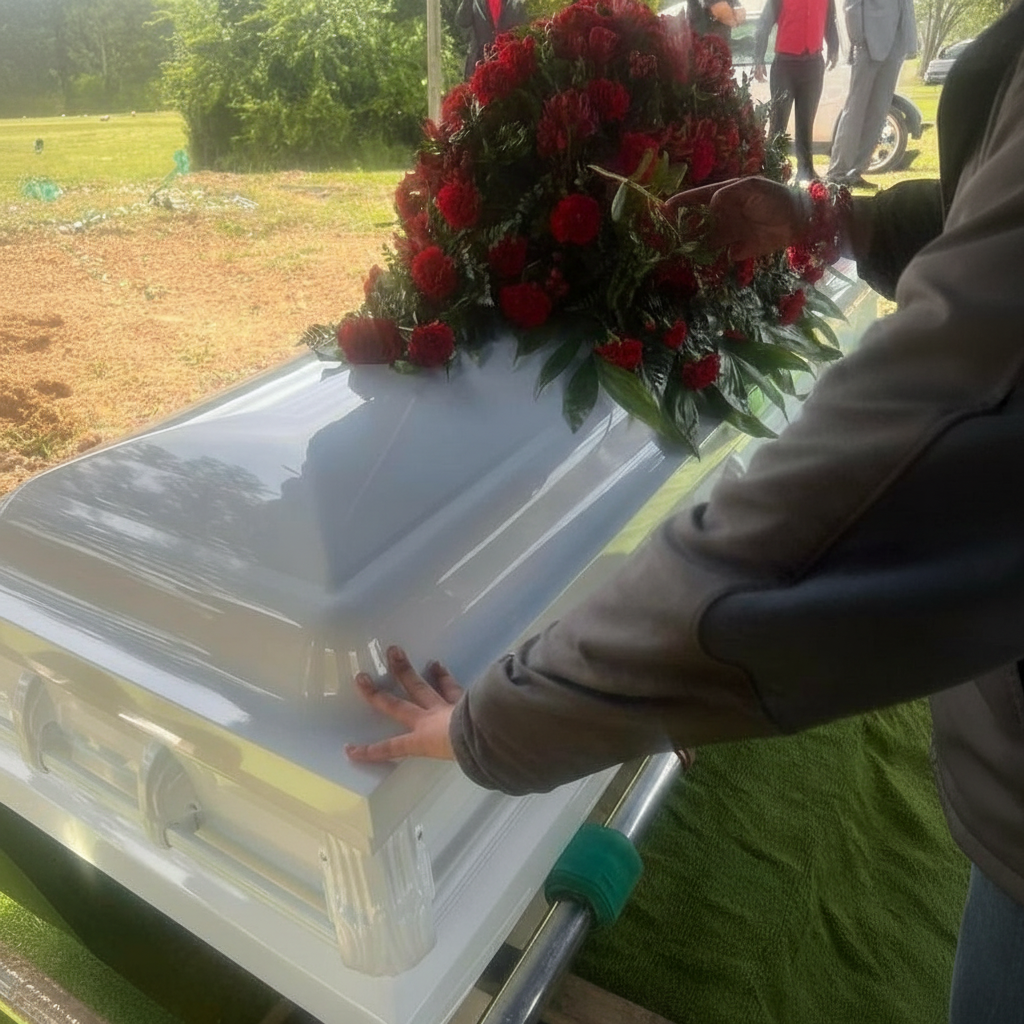
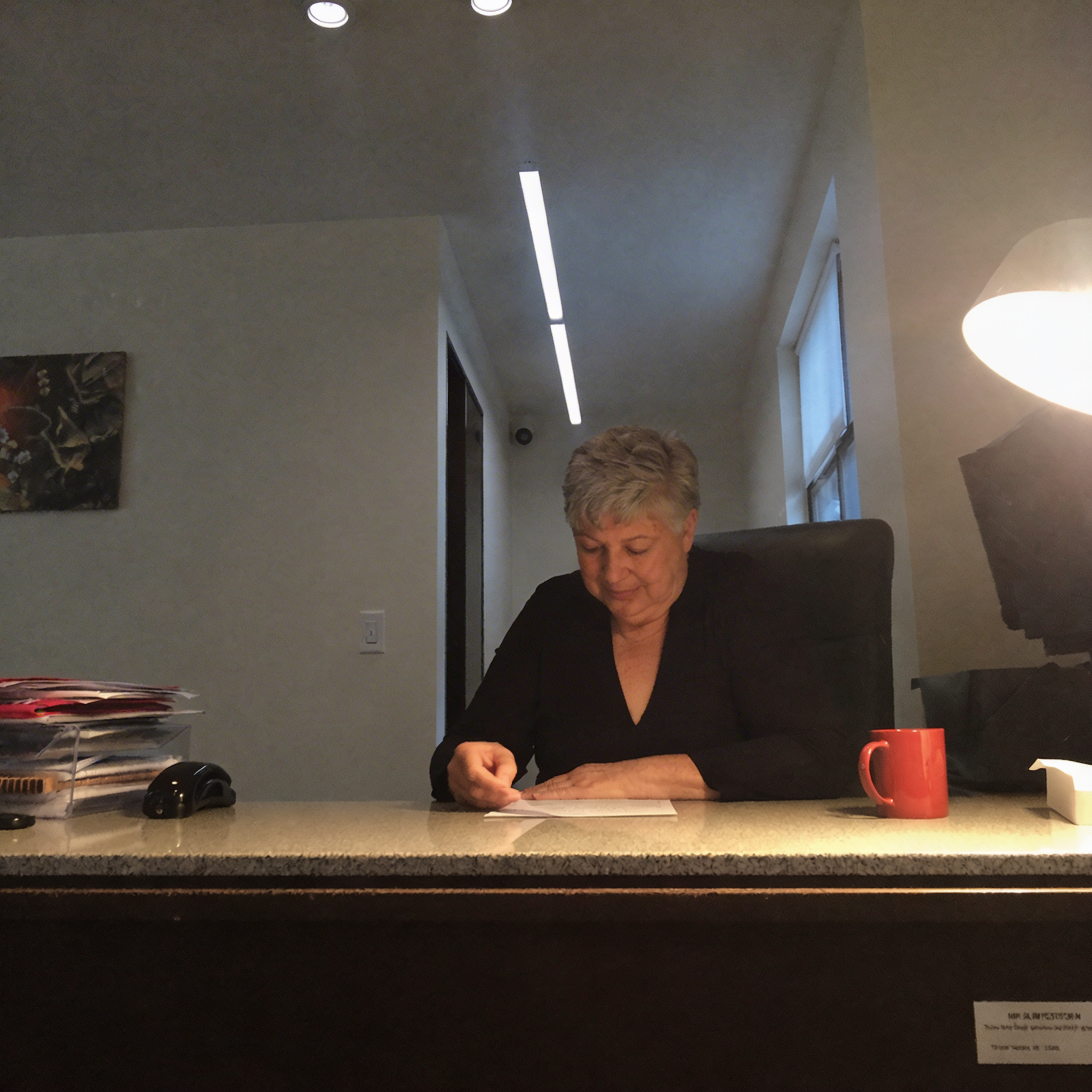
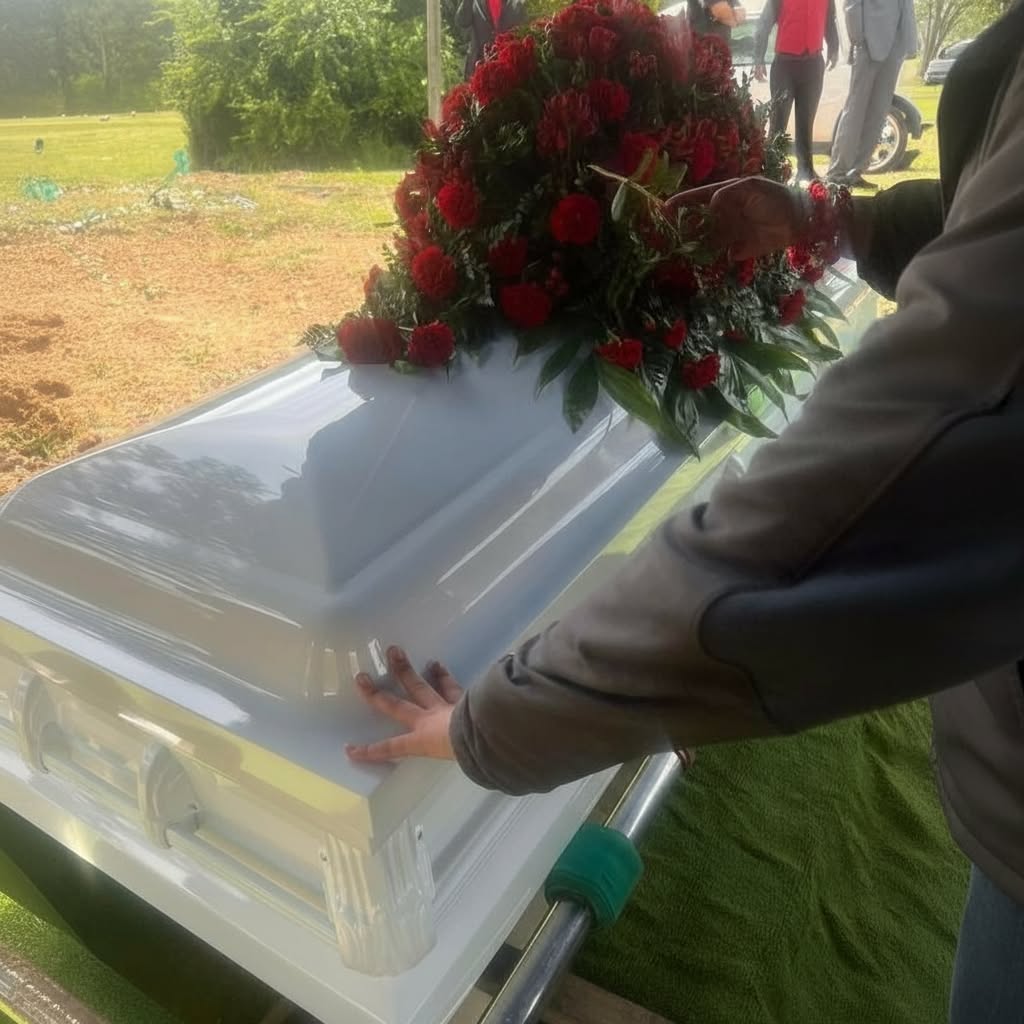
I watched a widow sign a Social Security form in my office last Thursday without reading a word of it. What she did not know, and what nobody in her life had ever told her, was that a clock had been running against her for four days already, and it was not the one on my wall. It was on a phone sitting on her nightstand at home. I have run my father's funeral home since 2011. I have slid that same form across that same desk more times than I can count. And every time I do it, there is a clock running on the family in front of me that they cannot see, cannot feel, and nobody tells them about until it is too late. The clock is not the Social Security feed. That part takes weeks. People assume a death certificate gets filed and every account in the country freezes overnight. It does not work like that. Banks do not find out for days. Credit bureaus take weeks. The slow machinery of the institutions gives the family time to breathe. What they do not get time to do is the one thing nobody tells them they urgently have to do. Which is get into his phone. His phone is where the real clock is running. Face ID stops working forty-eight hours after the last time he used it. By the time the widow walks into my office, the phone has usually been sitting on a nightstand untouched for three or four days. Face ID died quietly on the Sunday while the family was still too numb to think about a phone. The only way into the phone now is the six-digit passcode he set up the day he got it. If nobody in the house knows that passcode, the phone will still let her try. Ten times. After ten wrong guesses, some phones wipe themselves to factory. Others lock for an hour, then a day, then a week. Either way, the phone becomes a brick with every account she needs inside it. Apple will not open a phone for a surviving family member. Death certificate, marriage certificate, court order, none of it matters. I have watched a daughter spend six months trying to get Apple to release her father's data and eventually give up. Behind the phone is every code her bank is about to ask her for. Every authenticator. Every recovery text message she needs to get into the accounts. Even if she has the passcode and somehow gets into the phone on Friday morning, the chain just keeps going. She opens the authenticator app. There are nine accounts inside. Does she know which one the bank uses? Because that is one account out of fifty her husband had open, and she has forty-nine more behind it. Does she know which email is the recovery address for the mortgage? Because her husband set it to an old Yahoo account he stopped logging into in 2018, and nobody in the house has ever seen that inbox. Does she know the answer to the security question on his pension? Because he set it to the name of a dog he had as a kid, and she has never heard it in thirty-one years of marriage. Does she know where the backup codes are that the authenticator generated in 2019? Because he printed them on a single sheet of paper and put it somewhere safe, and somewhere safe is not a place she has ever been. Does she even know which of his accounts are gated behind which of those locks? Because he never wrote any of it down, and the only person who could answer any of those questions stopped being able to answer them on Sunday. The phone is not one lock. It is the first lock on every other lock in the house, and every lock behind it has its own key she also does not have. That is the half of her life that is about to lock down. Now here is the half nobody, nobody, nobody warns you about. His Netflix was going to charge her on Saturday. His Peloton would renew Monday. His phone plan Tuesday. His gym membership Wednesday. His Audible, his iCloud, his Spotify, the meal kit he used every Thursday — none of those were on any death notification feed. None of them got any memo. None of them had any idea he was gone. Netflix does not talk to the Social Security Administration. Neither does Peloton. Neither does Audible. Neither does the gym. They just keep charging. And they will keep charging her joint card, which is still live, which is still active, which is still the one she is going to be swiping at the grocery store in two weeks, until she personally hunts down the login for every one of them and cancels them one at a time. Cancelling any of them is not a one-step problem. First she has to know the subscriptions exist. Most of them were set up by him, in his name, on a card she has never seen a statement for. Netflix was signed up to his personal Gmail. Peloton was through his Apple ID. The gym was on autopay out of a chequing account he opened before they were married. She has never logged into any of these services in her life. She does not even know the full list. Then she has to know which card each of them is billing. The Peloton is on the joint card. The phone plan is on his personal card. Spotify is on a debit card from a bank she did not know he still used. Audible is on an expired card Apple quietly updated to a new one last year without telling either of them. Then she has to find the login for each one. Every service has its own username. Every service has its own password. Most of those passwords live inside a password manager on his phone that she cannot open. Then she has to prove she is allowed to cancel. Some of them accept an email. Some want a verification code. Some send a link to an old address he has not used in years. One of them, I have seen this personally, wanted her to call a number and answer a security question he set up in 2019 and nobody in the house has ever seen. And while she is working her way through all of that, the charges keep coming. Saturday. Monday. Wednesday. Thursday. Every week. One of my families last year found a meal kit auto-resuming on their late father's card nine months after he passed because nobody had ever logged into his personal email to find the welcome note. Half of her life was going to go dark because the bank was eventually going to freeze the accounts she needed. Half of her life was going to keep charging for seven months because every subscription he had was a four-step problem and she did not have any of the four steps. And by the time she walked into my office on Thursday, the only person in the world who could have told her any of this in under an hour had stopped being able to speak on Sunday. I have never found a way to tell her this in the hour she sits in front of me. I have tried. She was not the first. She was the twenty-first widow who had sat in that chair this year. The woman I sat with in July called me three weeks later because her husband's Spotify, Hulu and Audible had renewed twice already on her joint card, and she could not cancel any of them because they all sent verification codes to an email she could not open. A family I worked with last September called me six weeks after their mother's service because a subscription box she had forgotten existed had renewed three times on her credit card. Her daughter tried to cancel it and found out her mother's recovery email was a Yahoo account nobody in the family had a password for. I have watched this happen for fifteen years. Every family thought it was only them. Every family was wrong. And the cruellest part is she would not have called herself unprepared. Walking out of my office that afternoon she still thought she had a plan. She did not know she did not. I recognised the look on her face, because one Thursday last October I had been in the exact same place she was standing right now. I drove home from this same office in the same kind of rain that had been falling since lunch, and something had changed. I walked into my own kitchen. My husband was at the table doing the crossword he does every night. I sat down across from him and stared at him for a long time without saying anything. Because I had just realised something. My authenticator app has fourteen accounts in it. My husband has never opened my phone in his life. Every subscription in our house is on a card in my name alone. I had been watching families discover the same gap in their lives for fifteen years, and I had been running my own household exactly like every one of them. I had not learned a thing. I tried to fix it that weekend. I really did. I started a Google doc. Got twenty accounts in, realised I was writing down the passwords and nothing else, and closed the tab. I printed a list. Stopped halfway through because I could not figure out how to write down a six-digit authenticator code that changes every thirty seconds. I even tried a password manager. Fifteen minutes into setting up LastPass I Googled it and found out it had been breached in a data leak that had exposed customer vaults to hackers. That was the last thing I wanted. Every password I owned, every login to every account I had, sitting in a digital vault that had already been broken into once. Whatever I was looking for, it was not on the internet. I met another funeral director over coffee at a state association meeting in the neighbouring county last October. Her business is about the same size as ours. She mentioned in passing that she had started handing something out to every family who came in for a pre-need consultation. Not a form. Not a binder. Not an attorney brochure. A planner. She said her clients kept coming back six months later to tell her it had been the most useful thing they walked out of her office with. She called it the End of Life Planner by Lamorial. I asked her what made it different, and she said something I had never heard from a single one of my own industry resources in fifteen years. It does not start with the passwords, she said. It starts with the phone. And then it walks every lock in the chain in order for every account. Every security question. Where to find the authenticators. Where to find the recovery codes. What to do when you are locked out. Every lock in the chain, in order. I ordered one for myself on my phone before I finished my coffee. I ordered ten more for the office the next morning. My husband and I sat down at our own kitchen table the following Sunday with the planner open between us. He had been assuming, for fifteen years, that I of all people must already have this figured out. It was not tedious. He started asking me questions I had been answering for other people for a decade and a half and had never once been asked in my own house. What is the backup for my authenticator app. Which of my own accounts are linked to the old email I stopped using in 2018. What is the answer to the security question on our mortgage. Where does any of this live if I am not the one sitting in front of it. I did not have clean answers to a single one of them. We found fourteen accounts in my authenticator he had never seen. We found three subscriptions billed to the business card every month for services I could not remember signing up for. We found a security question on our joint mortgage I had answered in 2015 and could not recall under any pressure. Halfway through he closed the book on his finger and looked up at me. Fifteen years, he said. Fifteen years you have been helping other families with this. Do you really not know the details of any of your own accounts? He was right. I did not. We ordered him his own copy that night. Six months after I started handing the planner to every pre-need family who walked into my office, I got a phone call from a woman who had been in to see me in February. Her husband had passed the week before. She was not calling me to arrange the service. My son was handling her arrangements that morning. She had called me specifically. She said she wanted me to know that she had opened the planner on Wednesday morning, the day after he died, and she had it with her at the kitchen table before the family started arriving. She said she had every code she needed within twenty minutes. She had called the bank before lunch. She had the authenticator walked through before dinner. She had the Netflix cancelled the next day. She said she wanted me to know because nobody in my industry had ever given her anything that made the first seventy-two hours feel survivable. I sat in my office for a long time after I hung up that call. Fifteen years of watching families hit the wall. Six months of watching families walk around it. That was the moment I understood the difference. It is Thursday afternoon again. Another widow is sitting in the chair where everybody sits. The box of tissues is between us. The paperwork stack is finished. I slide the Social Security form across the desk. And this time, after she signs it, I tell her something I have started telling every family I see. That the form she just signed is going to start something. That she will not be able to feel it happening. That by Tuesday half of her life will be locked and the other half will still be charging, and there is nothing I can do from this office to stop any of it. But I tell her to remember the feeling. Because right now, in her own home, there are people who rely on her the exact same way she has been relying on her husband for the last thirty-one years. Children. A sister. A parent. Whoever it is, there is at least one person in her life who is going to walk into this office one day and sit in this same chair trying to sort out her accounts. And the only way to make sure they do not walk out of here the same way she is about to is to write it down for them now. While she still can. While she still remembers every answer. I now recommend Lamorial's journal to every client I see. If there is someone in your family who quietly handles everything, there is one question worth asking before anything else. What happens when somebody else has to file the paperwork on their behalf. If the answer is not written down somewhere step by step, it is not a plan. It is a countdown that has already started.
Like this ad? Make it yours.
Crush rebuilds this exact creative around your product — your brand, your colors, your offer — in about a minute.