
Active· since Feb 6, 2026
- 219
- days running
- 0
- relaunches
Ad copy
To mothers whose doctors suggested birth control for their daughter's period pain—but putting a 13-year-old on synthetic hormones feels wrong when her body just started developing. This is why you're trapped between two bad options. I sat in the pediatrician's office staring at the prescription pad. My daughter was in the waiting room. The doctor had just said the words I'd been dreading. "If over-the-counter pain medication isn't managing her cramps, we should consider birth control." I felt my chest tighten. "Birth control? She's thirteen." "Low-dose hormonal contraceptives are very effective for menstrual pain management. Many girls her age use them." I looked at the prescription she was writing. My daughter had gotten her first period two years ago. Her body was still figuring out what a normal cycle even was. And this doctor wanted to regulate it with synthetic hormones. "Isn't there something else?" I asked. "You could continue with ibuprofen. Or we could try prescription-strength pain medication." I drove home feeling sick. Those were my options. Keep giving her ibuprofen that worried me because of the chronic use. Or put her on hormones. Or move to prescription painkillers. All of them involved putting systemic medication into a body that was still developing. None of them felt right. I knew we were in real trouble when I couldn't make myself fill the prescription. It sat on my kitchen counter for three days. I'd pick it up. Read it. Put it back down. My daughter asked about it on the third day. "Is that for my cramps?" "The doctor thinks birth control might help." She looked at me with this expression I'll never forget. "I don't want to be on birth control, Mom. That's for older girls." "I know, baby." "But the Advil isn't really working anymore." That was the problem. The ibuprofen was requiring higher and higher doses. She was taking maximum strength three to four days every month. Sometimes more. I'd been giving it to her for two years and I was terrified about what that was doing to her developing body. But the alternative the doctor offered was hormones. Synthetic hormones in a thirteen-year-old who'd only been menstruating for two years. That night, I googled "birth control for period pain in young teenagers." What I found made everything worse. Some research said it was safe. Some raised concerns about hormonal intervention during critical development periods. Some mentioned potential effects on bone density, mood, future fertility. Nobody could tell me definitively that it was completely safe for a body that had just started puberty. The next morning, I called the doctor's office back. "I'm not comfortable with birth control. What else can we try?" The nurse put me through to the doctor. "If you're not comfortable with contraceptives, we could try naproxen or prescription NSAIDs. But those have their own concerns with chronic use in adolescents." "So my options are hormones or more medication." "For pain management, yes. Those are the standard approaches." I hung up feeling more trapped than before. Because I didn't want her on hormones. But I also didn't want her taking even more NSAIDs than she already was. And nobody was offering me a third option. A few weeks later, my daughter's period started during a sleepover. She called me at midnight crying. "Mom, I need you to pick me up. The pain is really bad and I don't have my Advil." I drove to get her. On the drive home, she said: "Maybe I should just try the birth control." My heart sank. "You don't have to do that." "But Mom, I can't keep doing this. Missing things. Being in pain. If birth control stops it, maybe that's better." She was thirteen years old and already willing to go on hormones because we didn't have any other solution that actually worked. That broke me. I didn't want her to spend her teenage years on synthetic hormones because we couldn't find a better way to manage her period. But I also couldn't keep watching her suffer. I was trapped. That was six weeks before I saw a post in a Facebook mom group. Someone asked: "Has anyone found alternatives to birth control for teen period pain? Doctor is pushing it but she's only 14." The responses were full of mothers in the exact same situation. Then one mother commented: "My daughter uses a magnesium cream. She hasn't needed hormones or daily medication. Works really well for her." I messaged her directly. "Can you tell me more about the magnesium cream? I'm in the same situation. Doctor wants birth control but my daughter is only thirteen." She responded within an hour. "I was exactly where you are. Doctor gave me the prescription. I couldn't bring myself to fill it. My daughter's body had just started developing and I didn't want to mess with her hormones." "That's exactly how I feel." "The cream is called LeStrova. It's topical magnesium. My daughter applies it when cramping starts. She's been using it for four months. No birth control. No daily medication. Just the cream when she needs it." She sent me screenshots of her daughter's period tracker app. "Look at this. Before: missing 2-3 days of activities every cycle. After: full participation every month. No hormones involved." "Does it work as well as birth control would?" "My daughter's pediatrician said at her last checkup: 'Whatever you're doing is working better than what I usually see with contraceptives.' Because it's actually addressing the cramping instead of just suppressing her entire cycle." "Can you send me the name again?" That night, I started researching why topical magnesium would work without requiring hormonal intervention. What I found changed everything. Period cramps happen when the uterus contracts to shed its lining. Those contractions are triggered by prostaglandins and regulated by magnesium. When magnesium is deficient, the uterine muscles can't relax—they stay locked in painful spasms. That's why birth control "worked"—it suppressed the entire menstrual cycle with synthetic hormones, preventing the prostaglandin surge. But it affected her whole hormonal system to address localized muscle cramping. That's why ibuprofen required such high doses. It blocked prostaglandins systemically but didn't address the magnesium deficiency. The cramping always returned because the root cause wasn't fixed. I'd been offered solutions that treated her entire body to fix a problem in one specific area. When I researched LeStrova, the approach made complete sense. It's a topical magnesium chloride cream applied directly to the lower abdomen where cramping occurs. The magnesium absorbs through the skin to the uterine muscles underneath. But here's what convinced me: this addressed the actual muscle spasms without hormones or systemic medication. Unlike birth control—which suppresses the entire menstrual cycle with synthetic hormones—LeStrova gives muscles the magnesium they need to function normally during natural cycles. Unlike ibuprofen—which blocks pain systemically—topical magnesium addresses the localized deficiency causing the spasms. When uterine muscles have adequate magnesium locally, they contract and release properly during menstruation without pharmaceutical intervention. The formula includes arnica and turmeric for inflammation, all applied topically. It's designed for developing bodies. No synthetic hormones affecting her entire endocrine system. No systemic medication requiring organ processing. Just topical relief at the source. It wasn't birth control. It wasn't another drug. It was addressing the cramping without suppressing her body's natural development. I ordered it that night. When it arrived, I sat down with my daughter. "I found something I want you to try before we consider birth control." She looked nervous. "What is it?" "It's a magnesium cream. You apply it when cramping starts. Other girls are using it instead of going on hormones." "Will it work?" "That mom's daughter hasn't needed birth control. She's been managing with just this for four months." "Okay. I'll try it." Her period started five days later. She applied the cream when she felt the first cramp. Twenty minutes later, she found me. "Mom. It worked. I'm not in pain." "Do you need Advil?" "No. Just the cream." I hugged her and tried not to cry. Because she wasn't going on birth control. She wasn't taking pills. She was just using a cream. Day two: She used the cream twice. No medication at all. Day three: She went to her friend's house. Used the cream once. Had a normal day. That night she told me: "I'm so glad I don't have to go on birth control." Week two: Her period came again. She managed it with only the cream. No hormones. No pills. Just topical application when needed. Month two: Two complete cycles without birth control or daily medication. I threw away the prescription that had been sitting on my counter for two months. Month three: Her follow-up pediatrician appointment. The doctor asked: "Did you decide to try the contraceptives?" "No. She's using a topical magnesium cream. She's managing really well without hormones." The doctor looked surprised. "How are her cramps?" My daughter answered: "Way better. I'm not missing stuff anymore." The doctor nodded. "If it's working, that's great. Avoiding hormonal intervention at her age is preferable when possible." We left that appointment and my daughter said: "I'm so glad you didn't make me do the birth control thing." "Me too, baby." If this is your life right now—holding a birth control prescription for your thirteen-year-old, feeling trapped between hormones and chronic medication, wondering why these are the only options doctors offer for a body that just started developing—you need to understand something. This isn't about managing period pain. It's about whether systemic hormonal intervention is necessary for localized muscle cramping in a developing body. Uterine muscles need magnesium to contract and release properly. When deficient, they spasm during menstruation. Birth control suppresses the entire cycle with synthetic hormones. NSAIDs require chronic systemic use. Neither addresses the localized deficiency causing the problem. Every month you delay filling that prescription is another month of guilt. Every time she suffers, you wonder if you're making the wrong choice by avoiding hormones. Every doctor visit reinforces that hormones or medication are your only paths. I'm telling you: there's a third option. LeStrova offers a 90-day guarantee. That's long enough to see if she can avoid birth control entirely. Long enough to watch her manage her cycle naturally. Long enough to know you don't have to put hormones into a body still developing. Most mothers see successful hormone-free management within the first cycle—daughters managing cramps without birth control, natural cycles without pharmaceutical suppression, relief without affecting their entire endocrine system. Track it yourself—notice when she doesn't need the prescription filled, watch her manage her period naturally, see her body develop without synthetic hormonal intervention. You deserve a third option. Your daughter deserves to go through puberty without pharmaceutical intervention unless absolutely necessary. Every month on birth control is another month of synthetic hormones during critical development. Every prescription refill is another decision to suppress her natural cycle. Every year on contraceptives is another year wondering if this was necessary. You don't have to make that choice. Because LeStrova delivers magnesium topically to uterine muscles—so teenage girls can manage period pain without birth control, without hormones, without suppressing the natural development their bodies are going through. The mission you started when that doctor wrote the prescription? When you couldn't bring yourself to fill it because she's only thirteen? This is how you complete it. [LEARN MORE ABOUT LESTROVA →] https://lestrova.com/pages/new-broad-advertorial
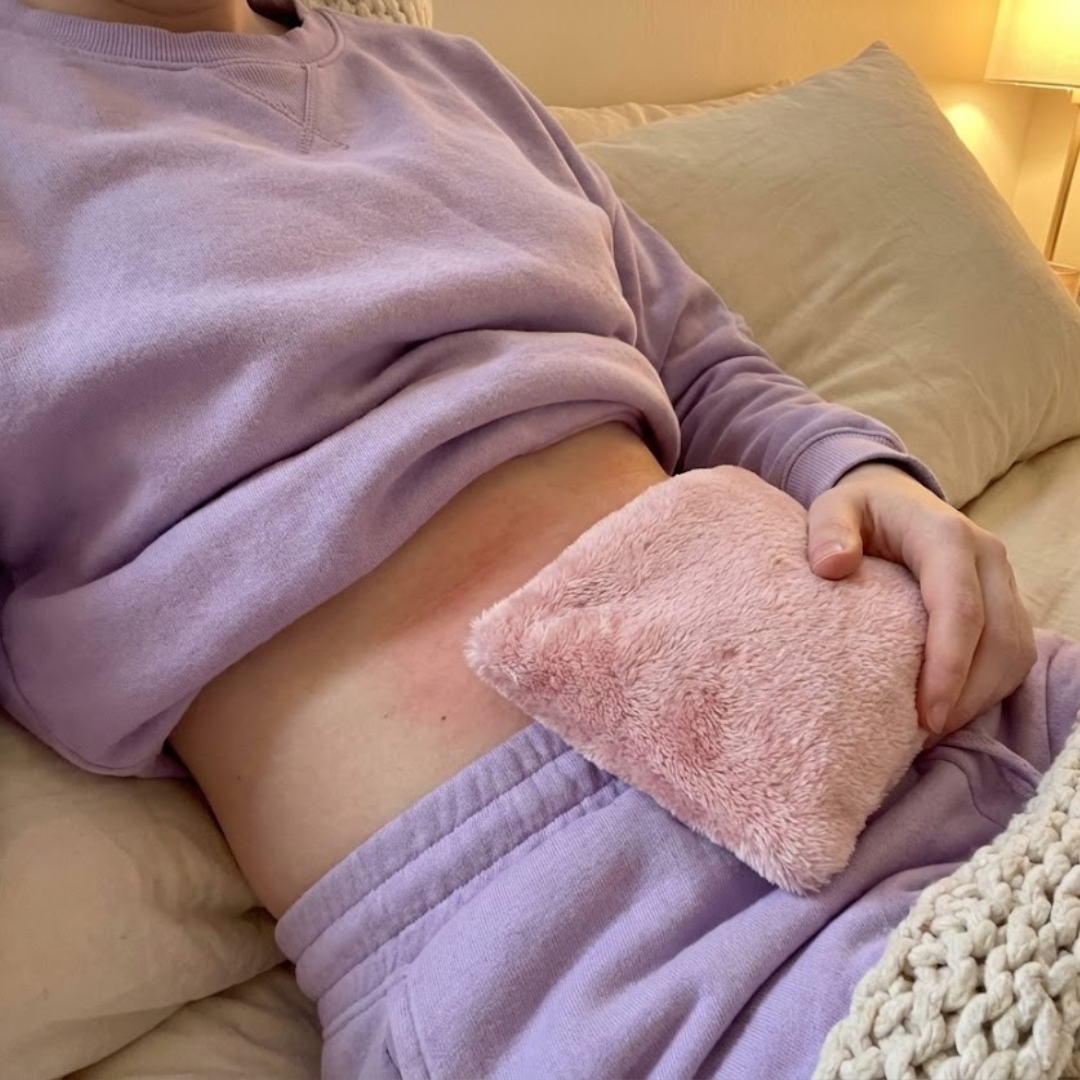
Read This If Your Daughter Has Period Pains☝️
Enhance your hair and scalp care routine with The LeStrova Red Light Therapy Electric Massage Comb. This innovative device combines red light therapy, gentle massage, and a built-in spray function to promote scalp circulation, reduce hair loss, and nourish hair follicles. The ergonomic design ensure...
LEARN MORELike this ad? Make it yours.
Crush rebuilds this exact creative around your product — your brand, your colors, your offer — in about a minute.