
Inactive· since Jun 13, 2026
- 5
- days it ran
- 3
- relaunches
Ad copy
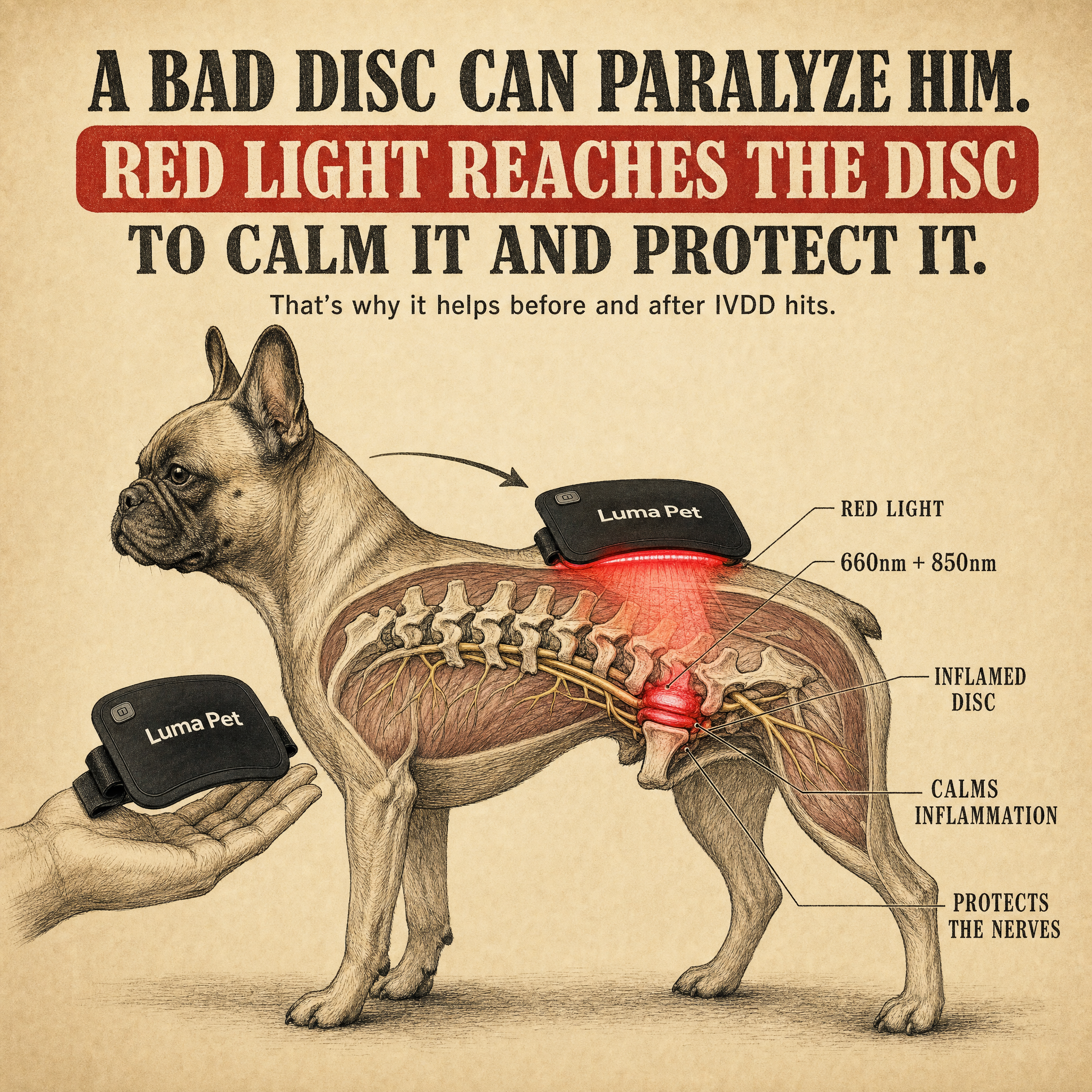
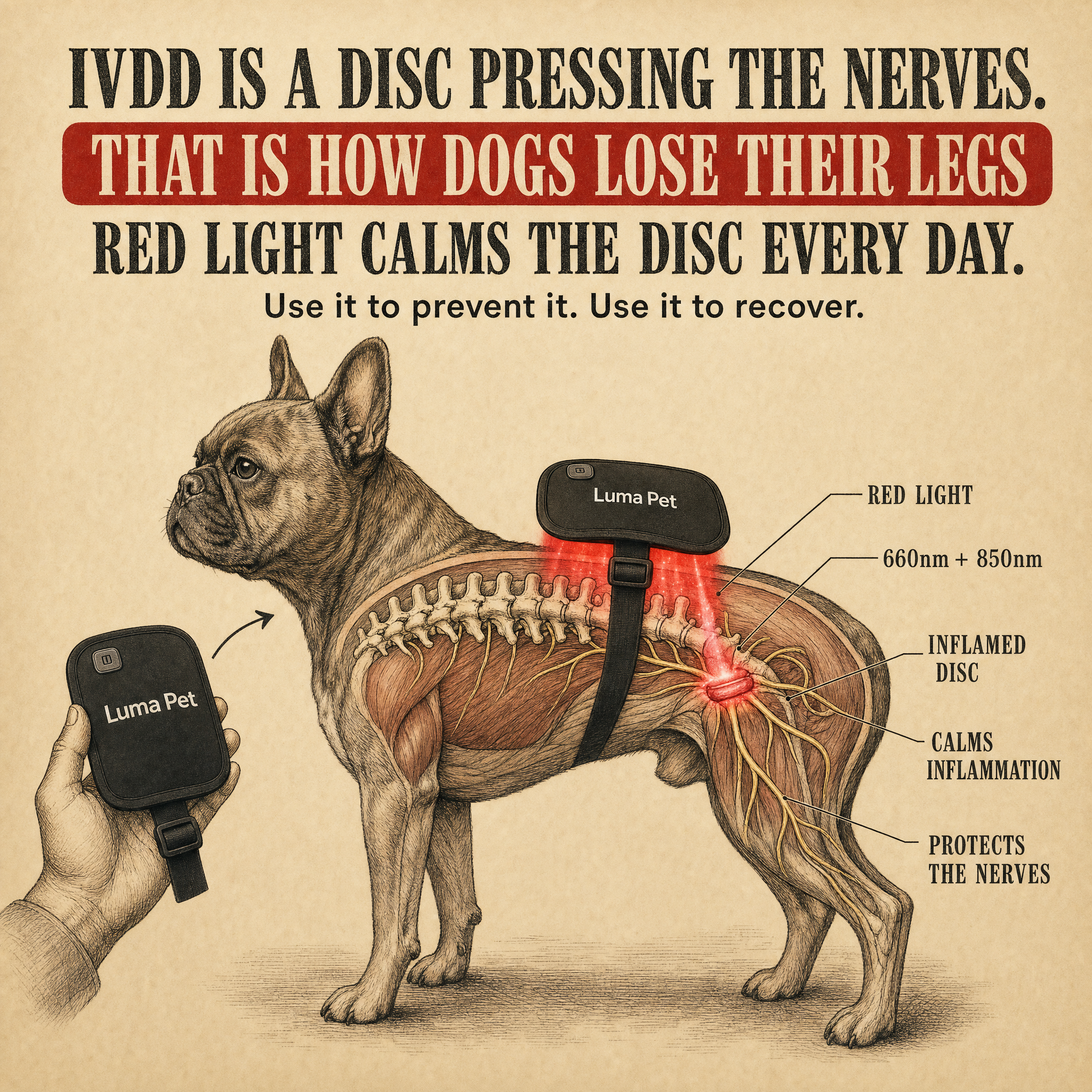
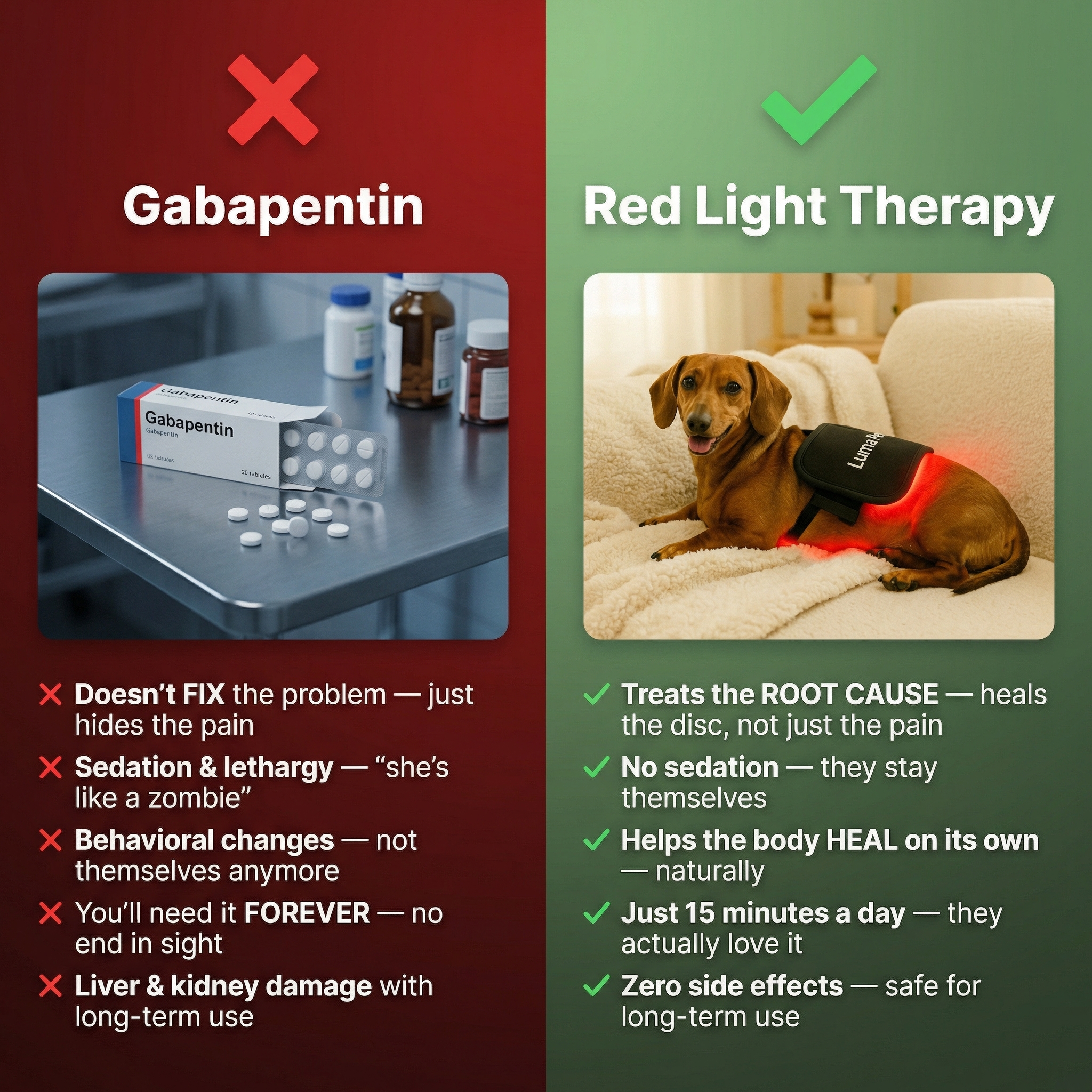
If you have a Corgi, read this. One day my dog stopped walking to me. He could see me. He just couldn't get up. His name is Biscuit. He's seven. Long body, short legs, big ears. A normal happy Corgi. Let me tell you about the night that scared me. I came home like always. I dropped my keys and called his name. Normally he runs to me and does a little spin. He loves that spin. This time he didn't come. I found him in the kitchen. He was just sitting there. He looked right at me. His tail gave one small wag. But he did not get up. I knelt down and patted my leg. "Come here, buddy." He looked at me. He looked at the floor. And he stayed. It was only three steps. He could see me. He just could not do it. It was like there was a glass wall between us that only he could feel. That wall is real. It's a disc in his spine pressing on a nerve. It blocks the message from his brain to his back legs. The brain says "walk." The message hits the wall and stops. Here is the part that still scares me. That morning he was fine. He jumped off the bed. He did his spin. By that night he could not walk across the room. That's how fast it can go. One day your dog is normal. The next day he's stuck on the floor looking at you. Then the vet told me something that made me feel sick. The wall did not go up that night. It had been building for months. And Biscuit had been trying to tell me the whole time. He started pausing before he jumped on the couch. He stopped doing his spin when I grabbed the leash. He would shiver a little when I touched near his hips. He started standing at the bottom of the stairs and looking up instead of going. I saw all of it. And I had an excuse for all of it. He's getting older. He ate too fast. It's cold out. He's just being lazy. The vet said she hears those same excuses every week. From people sitting right where I was. With a dog that can't walk anymore. Corgis are built for this problem. Long back, short legs, weak discs. She said the real question is not "will the disc act up." It's "will you catch it early, or find out the day it gives out." Biscuit got lucky. That night was a flare, not a full tear. We caught it in time. Crate rest. No more stairs or couch jumping. A harness instead of a collar. Keeping him slim. And one thing I had never heard of. Keeping the swelling around his spine down, every day, at home. The vet told me rehab clinics use red and infrared light on these dogs. Two wavelengths, 660 and 850 nanometers. They go through fur and skin and calm the swelling right at the disc. No drugs. Think of it like this. The swelling is a tap left running. The light helps open the drain so the area is not always puffy and sore. The problem is the clinic charges every visit, twice a week, forever. So most people quit. So I use a mat made for dogs instead. It's called LumaPet. Same two wavelengths, the same strength used in the studies, shaped to lay right over his back. Fifteen minutes a night while he chews a treat. He thinks it's a warm blanket. It has a money-back guarantee, so the worst case was mailing it back. I want to be honest about what it does and does not do. It will not fix a torn disc. Nothing at home will. If your dog suddenly can't move his back legs, drags a paw, or screams when you touch his back, do not wait. That's the wall, all the way up. Go to the vet today. But for a breed that lives one bad jump away from that wall, keeping the spine calm and the swelling low is the whole game. That, and respecting the stairs. Biscuit walks across the kitchen now. He did his spin again last week. I stood in the doorway and watched him do a silly little circle by the leash hook. I almost cried over something he's done a thousand times. If you have a Corgi, please don't wait for the quiet version of him. Don't wait for the night he looks at you from across the room and can't come. Watch for the pauses. The skipped spin. The shiver. The bottom of the stairs. That's the wall going up, one brick at a time. And there's still time to stop it. The article below is what finally made this make sense to me. It explains why "slowing down" in a Corgi is almost never just age. And it shows the simple at-home routine that's helping at-risk dogs stay off the surgery table. Read it before your dog goes quiet on you. 👇 ivddadv.ivddprevention.com P.S. The vet said the cruel part of IVDD is that it's loud for months, then silent the day it matters. The silence is not the start. It's the end. Listen earlier.
Like this ad? Make it yours.
Crush rebuilds this exact creative around your product — your brand, your colors, your offer — in about a minute.