Bonnie May
Bonnie May Facebook ad: “The Truth About Receding Gums”
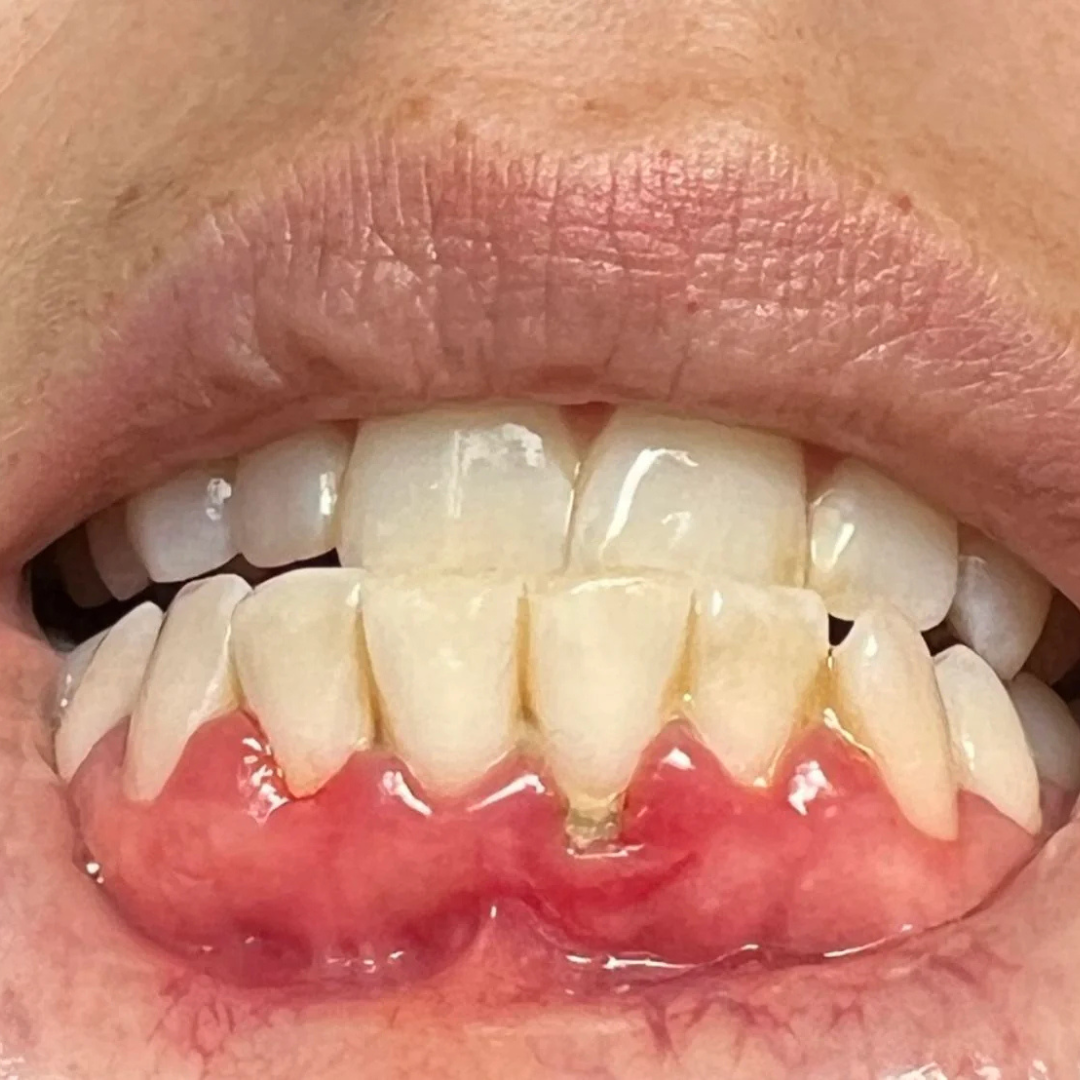
Ran for 70 days, from April 22 to July 1, 2026, the last day Crush saw it.
Run by Bonnie May on Facebook. Crush is not the advertiser and does not verify its claims. See this ad in Meta's Ad Library(opens in a new tab)
Want an ad like this for your product?
Crush makes new ad images for your product from this ad: your logo, your product photo, your offer.
Trials from $19.95 USD, then $79.95 USD a month. Cancel anytime.
About this ad
- Meta Ad Library ID
- 843172668115165
- Platforms
- Facebook, Instagram, Audience Network, Messenger and Threads
- Relaunches
- 0
Ad text
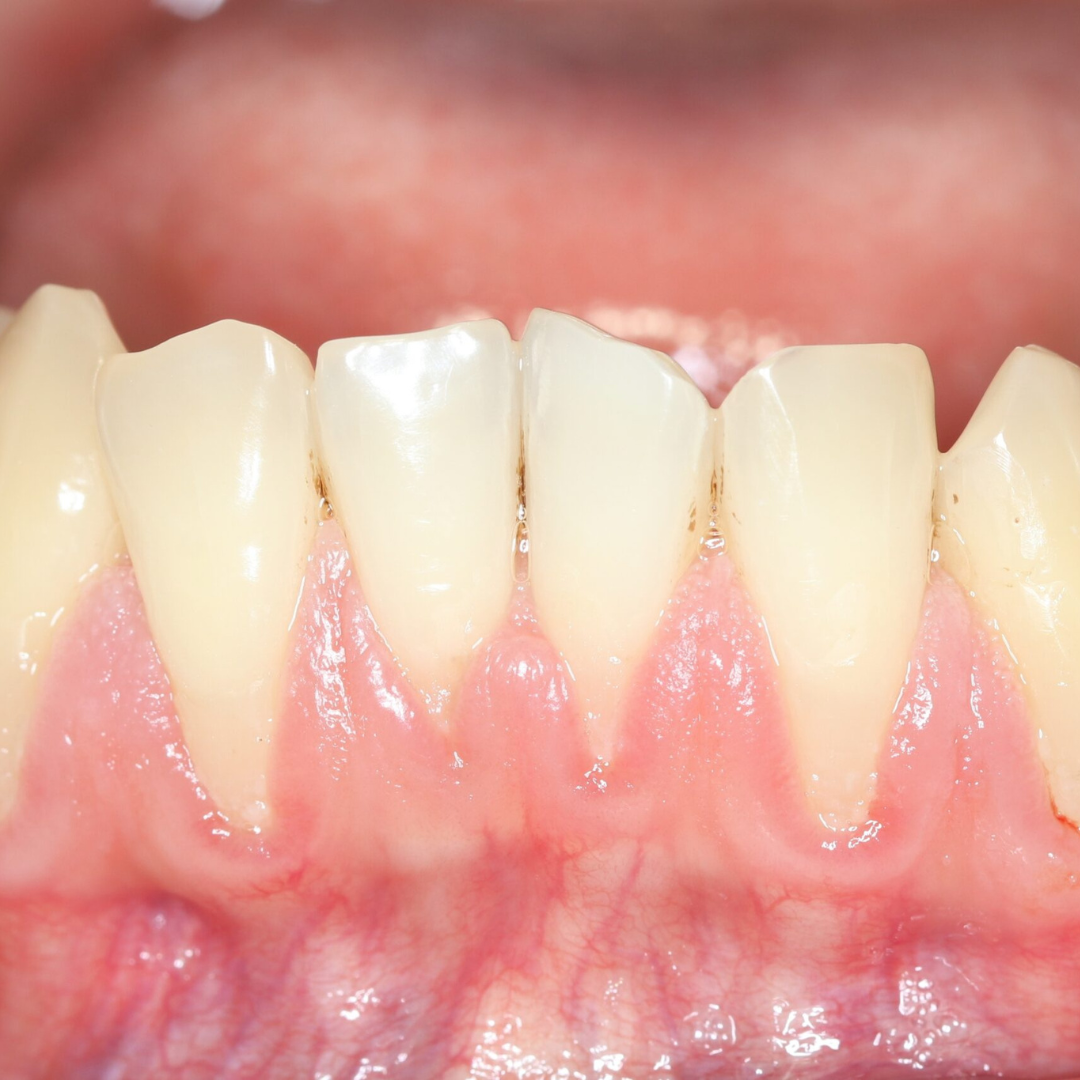
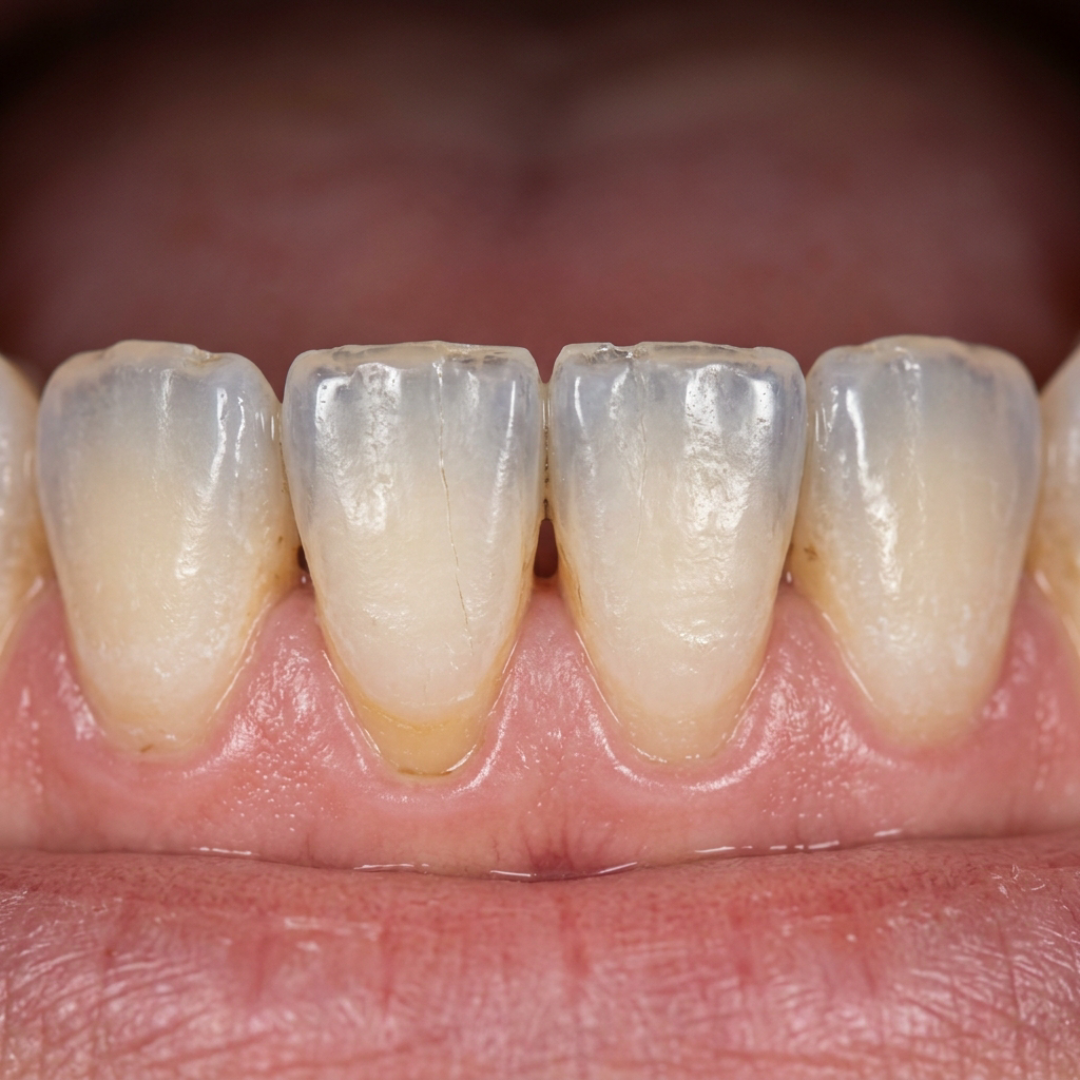
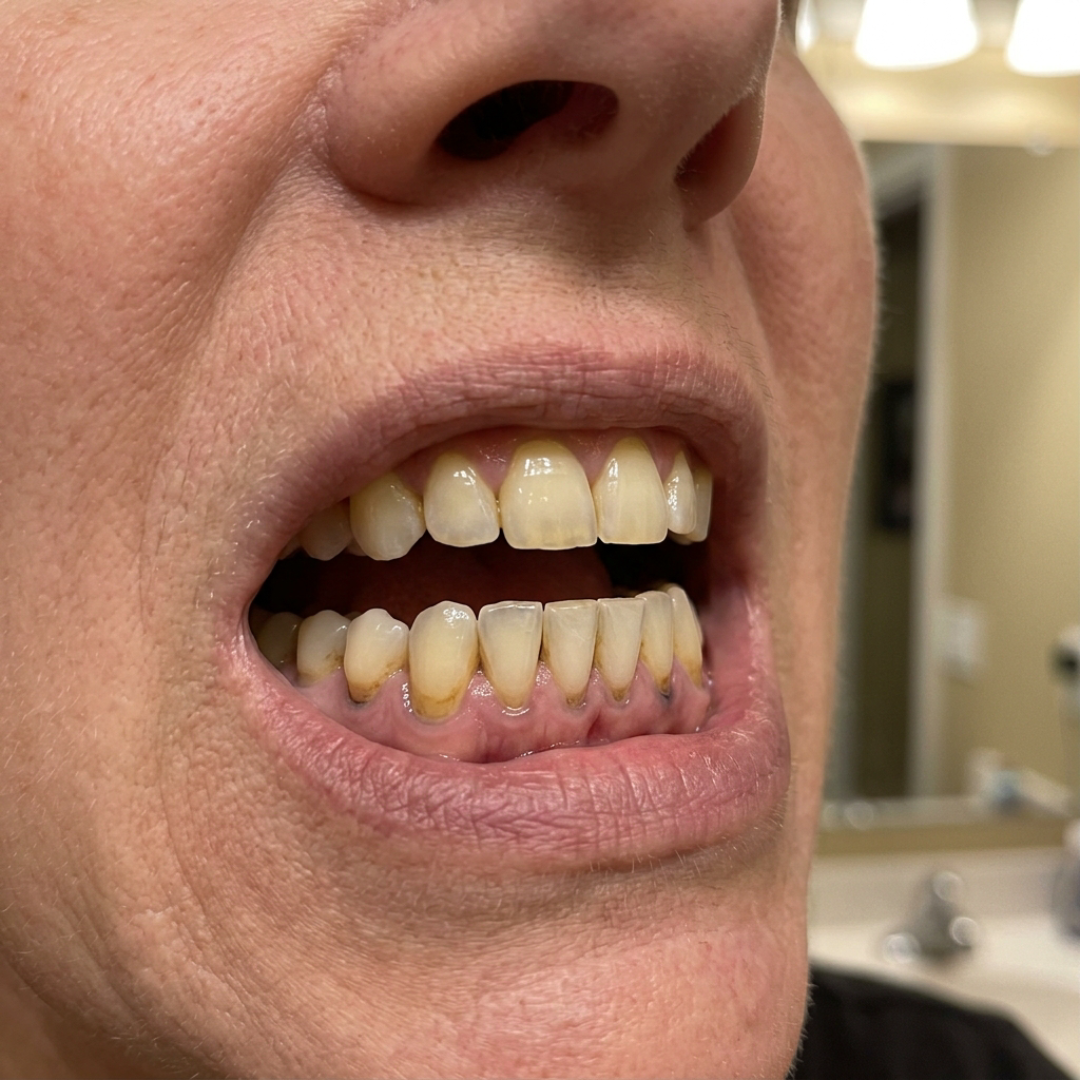
Please STOP trying to save your gums with collagen powders and deep cleanings. I know that sounds crazy. But every time you buy another "gum health" powder or hand your dentist $400 for a deep cleaning — you're treating a problem that doesn't exist while the real one quietly dissolves the barrier protecting your gums. I used to be just like you. Standing in the oral care aisle at CVS at 9 PM on a Tuesday, reading every "gum defense" toothpaste like it was a prescription. Comparing ingredients I couldn't pronounce. Hoping this $14 tube would do what the last six couldn't. Ordering a $89 jar of collagen brushing powder off an ad because a woman who looked like me said it "saved her gums." I mixed that chalky paste into my routine twice a day for nine weeks. My gums kept receding. The jar sat on my bathroom counter like a monument to wasted hope. Spending $180 on a prescription chlorhexidine rinse that stained my teeth brown and tasted like I was gargling pennies. A dentist had to prescribe it. Surely that meant it would work. It didn't. Scheduling deep cleanings every four months — $400 a visit — sitting through the scraping and the bleeding and the numb jaw for two days afterward, because my hygienist kept telling me aggressive cleaning was "the best defense." Four hundred dollars to remove bacteria that would be back in three weeks. Nobody mentioned that. Watching my bank account drain while my gumline crept further back every single month. I tried everything. Every product the dental forums recommended. Every "gum regrowth" solution someone on the internet swore by. Every protocol my hygienist suggested. And my recession got worse. Not better. Worse. The gumline kept pulling away from my teeth like it was running a marathon. My teeth looked longer every time I checked. Food started packing into gaps that didn't exist a year ago. Every morning, spots of blood on the floss. Pink swirling in the sink. A metallic taste I couldn't brush away. I'm 57. I've brushed twice a day since I was twelve. I floss every single night. I have never missed a cleaning in my adult life. My hygienist has called me her "model patient" for over a decade. None of that mattered. Every time I pulled my lip back in the mirror, I could see more of the dark yellowish root surface creeping down from the base of my front teeth. Like the gum was melting away. Slowly. Steadily. And nothing I did slowed it down. I stopped smiling with my teeth in photos. Started angling my face down so lighting wouldn't cast shadows along the recession line. Avoided restaurants with bright bathroom mirrors because I'd catch a glimpse and feel sick. The worst part? I felt stupid for caring. I was healthy. Still working full-time. Still taking my grandkids to the park every Saturday. And here I was, obsessing over millimeters of gum tissue like it was the only thing that mattered. But it wasn't vanity. It was grief. I was watching my smile disappear — one millimeter at a time — and nobody could tell me why. Nobody could tell me how to stop it. Eighteen months in, I booked a consult with a periodontist. Full exam. Measurements on every tooth. Digital X-rays. He slid a piece of paper across the desk. "$6,400 for gum grafts on four teeth. I'd recommend we move forward before we're talking about extractions." $6,400. They would cut a strip of tissue from the roof of my mouth and stitch it onto four spots along my gumline. Two weeks of liquid food. Two weeks of pain medication. A 30% chance the graft tissue wouldn't take. I drove home with that quote sitting on the passenger seat. Put it in the junk drawer in the kitchen. Closed the drawer. $6,400 for surgery that fails almost a third of the time. Or do nothing and watch my teeth get longer until they start falling out. Those were my options. That's what the entire dental system had to offer me after eighteen months, thousands of dollars, and perfect compliance. I made one more appointment. My regular dentist. I told him everything. He checked the pockets. Looked at my bite. "Your hygiene is excellent," he said. He was smiling. "We'll keep monitoring it." Monitoring it. Three years of monitoring and the only thing that changed was the numbers getting worse. If my hygiene was so "excellent," why was I holding a $6,400 surgery quote? That night I posted in a dental health forum. I described everything — the recession, the timeline, the failed products, the graft quote. I was desperate. The responses came in within hours: "It's just aging. Gums don't grow back." "You're probably brushing too hard." "It's genetic. Nothing helps." "Just get the graft before it gets worse." I'd heard every single one before. But here's what none of them could answer: if it was my brushing, why didn't it slow down when I switched to the softest bristles and barely touched my gumline? If it was genetic, why did my mother keep every tooth until she was eighty-four? If it was "just aging," why were my measurements getting measurably worse every six months? Then one night — 2:17 AM, I remember because I checked the clock — I was lying in bed unable to sleep. Thinking about that graft quote in the junk drawer. I opened Google and typed something I'd never searched before: "why does gum graft surgery fail" That search changed everything. Because the first result that actually explained it wasn't about gum tissue at all. It was about enamel. Here's what I read — and I want you to understand this, because your dentist has probably never explained it: Your enamel — the hard white shell that protects every tooth — is 97% one mineral. It's called hydroxyapatite. It's what makes your teeth hard. What makes them white. What seals bacteria out of the roots AND gums underneath. That mineral doesn't just protect the visible part of your tooth. It protects the surface your gum tissue is physically attached to. And here's the part that made my stomach drop. After 50, you lose this mineral faster than your body can replace it. Acids from coffee, wine, and fruit dissolving it daily for decades. Menopause accelerating the loss two to three times faster — the same way it strips calcium from your bones, except nobody screens your teeth. Over 500 common medications causing dry mouth — shutting down saliva, the only system your body has for delivering minerals back to your enamel. Nighttime grinding wearing it away while you sleep. Five forces. All stripping the same mineral. All at once. For years. When that mineral depletes at the gumline — when the enamel becomes porous and weak — bacteria don't just sit on the surface anymore. They penetrate into the porous enamel. They reach the root surface underneath. They colonize below the gumline where no toothbrush, no floss, no mouthwash can reach them. Once bacteria are entrenched below the gumline, they produce acids and toxins directly against your gum tissue. The tissue becomes inflamed. It bleeds. And then it does the only thing it can do — it pulls away from the source of the attack. That's recession. That is what recession actually is. Not aging. Not genetics. Not brushing too hard. It's bacteria infiltrating through a mineral barrier that's been silently dissolving for decades. And suddenly, everything made sense. That's why collagen powder didn't work — it feeds tissue but does nothing to the barrier bacteria are pouring through. Like putting fresh sod over a yard full of termites. That's why deep cleanings didn't work — they scraped bacteria off the surface, but within weeks, bacteria flooded back through the same porous enamel. Four hundred dollars to mop a floor with a hole in it. That's why "gum health" toothpaste didn't work — it touched my teeth for a few seconds and went down the drain. The mineral needs sustained contact to absorb. That's why my dentist kept saying "monitor it" — because pocket charts measure damage after it's happened. They don't show mineral loss. They show the aftermath. I wasn't crazy. I wasn't brushing wrong. My enamel had been losing the mineral that seals bacteria out of my gums — and nothing I'd been using replaced a single molecule of it. I spent the rest of that night reading. I found that NASA had developed hydroxyapatite replacement technology in the 1970s — originally for astronauts losing tooth and bone mineral in zero gravity. A Japanese company found that patent, brought dentists from Nippon Dental University to meet the NASA scientist, and developed the first hydroxyapatite toothpaste. They launched it in 1980. That was forty-six years ago. In Japan, hydroxyapatite has been standard dental care ever since. Pediatric dentists apply it to children's teeth as routine preventive treatment. The Japanese government recognized it as an anti-cavity agent in 1993. American dentists are still prescribing Sensodyne and scheduling grafts. I found three specific ingredients that work together to address the full mechanism: Nano-hydroxyapatite — the exact mineral enamel is made of, in particles small enough to penetrate microscopic pores and physically seal them shut. Patented by NASA. Forty years of clinical research. Xylitol — a compound that starves the bacteria producing acids that destroy your gumline. Harmful oral bacteria populations reduced by up to 75%. A three-strain oral probiotic blend — beneficial bacteria that restore healthy saliva production and defend the rebuilt enamel barrier around the clock. But the critical insight was this: you have to fix the barrier FIRST. If bacteria are infiltrating through porous enamel, no amount of collagen will make your gums safe against a compromised barrier. Fix the barrier — remineralize the surface — and the tissue has adequate protection again. What I found is called Mineral Replacement Therapy (MRT). It's a protocol that Japanese dentists have used for over forty years to seal the enamel barrier and stop bacteria from reaching the gumline. NASA developed the mineral technology. Japan commercialized it. American dentists never adopted it — because there's no billing code for prevention, and a graft generates $6,400 while MRT costs $25 a month. The article I'm linking below explains the full mechanism. It's published in The Dental Truth Journal. It's what changed everything for me. The protocol is a chewable. You chew it for thirty seconds after brushing. The mineral coats every tooth surface — including the gumline. The residual film stays in contact with your enamel for 12-24 hours. Not a few seconds before it goes down the drain. Hours. I decided to try mineral replacement. Told myself to expect nothing. The first two weeks, nothing happened. Same bleeding. Same thin, angry gumline. I started composing the return request in my head. Week three changed everything. One morning I looked at the sink after flossing and there was less pink than usual. Not dramatically less. But less. I told myself I was imagining it. The next morning — same thing. Less blood. The morning after that — even less. By week four, the bleeding had dropped by what felt like half. The constant low-grade ache along my lower gumline was fading. My gums weren't bright red anymore. For the first time in two years, they looked like they were calming down. Week six is when my husband said something. We were at dinner. He looked at me and said, "Your gums look... pinker. Is that a weird thing to notice?" He was right. The tissue that had been inflamed for years looked healthier. The color was different — not angry dark red, but actual healthy pink. The root exposure lines were still there. But they weren't advancing. For the first time in eighteen months, the damage looked like it had stopped. Month three, I went in for my regular cleaning. I didn't tell anyone what I'd been doing. My hygienist started her measurements — the same ones that had gotten worse every visit for three years. She stopped at tooth number eight. Went back. Measured again. Looked at her chart. "Your recession hasn't progressed," she said. "Actually — a few areas have improved. That's unusual. What changed?" I told her everything. She wrote it all down. Then she said the sentence I'd been waiting three years to hear: "Whatever you're doing — keep doing it." I sat in my car in the parking lot and cried. Not because I was sad. Because for three years, every dental appointment had been bad news. Worse numbers. More recession. More fear. And for the first time — for the first time — someone in a dental chair told me things were getting better. It's been eleven months now. My gums are not perfect — the recession that already happened is still visible. But it stopped progressing. My last three checkups, the measurements held steady and then improved. My hygienist uses the word "stable" now. She never used that word before. The $6,400 graft quote is still in the junk drawer. My periodontist told me surgery isn't necessary right now. I smile in photos without thinking about my gumline. I eat without planning around sensitivity. I go to the dentist without that sick feeling in my stomach, the one I used to get in the parking lot before walking in. I can smile at my grandkids — really smile, teeth and all — without covering my mouth with my hand. If you see yourself in this story — if your dentist is "monitoring" your recession while it gets worse, if everyone tells you it's aging or genetics but nothing stops it — I need you to hear something. It might not be your gums. It might be your enamel. And if the mineral barrier has been silently dissolving for decades — if bacteria have been infiltrating through porous enamel to attack your tissue from underneath — then every collagen powder, every deep cleaning, every prescription rinse won't stop the recession. Because none of them seal the barrier. None of them replace the mineral. None of them address why the bacteria are getting through in the first place. I wasted eighteen months trying to fix a tissue problem I didn't have. Eighteen months of collagen powder I hated. Cleanings I couldn't afford. Products that treated symptoms of a cause nobody ever identified. The moment I addressed the barrier — the actual barrier — everything changed. The question was never about your gums. The question is "what's getting through my enamel, and how do I stop it?" The article that explained everything — the mineral, the mechanism, why your enamel barrier matters more than your gum tissue for stopping recession, what periodontists are now recommending to their own families — is what led me to the product I use. I'll leave the link below. 👉 dentaltruthjournal.com/pages/gums You don't have to choose between $6,400 surgery that fails a third of the time and watching your smile disappear. You just have to address what's actually causing the recession. For me, that changed everything. — Bonnie May, Long Island, NY P.S. My husband started MRT too. He's 59. Last year he cracked a molar on a piece of bread — not a steak, not candy, bread — and his dentist told him the enamel had "worn thin." The crown cost $1,950. The dentist said there would probably be more. He didn't talk about his teeth after that. Not once. But he watched what happened with my gums over those first three months, and one morning I noticed a chew missing from the jar. He'd been taking one after breakfast without saying a word. At his last cleaning, his dentist said his enamel "looked stronger than expected" and asked what changed. He told me in the car on the way home. That's the most he's talked about his teeth in thirty years of marriage. $1,950 for a crown that fixed one tooth. $25 a month for mineral replacement that protects every tooth in his mouth. I know which number makes more sense. P.P.S. I don't work for any company. I'm not paid to write this. I'm a 57-year-old woman from Long Island who had to stay up until 2 AM to find research that NASA developed in the 1970s, Japan adopted in 1980, and my American dentist never mentioned once in three years of appointments. If that bothers you, it should bother you. Please share this with someone whose dentist is "monitoring" their recession. You already know exactly who.
Where the ad sends people
smileguard.store
👆 The Truth About Receding Gums
The Truth About Receding Gums
Learn more: smileguard.store(opens in a new tab)