
Inactive· since Jun 23, 2026
- 43
- days it ran
- 0
- relaunches
Ad copy
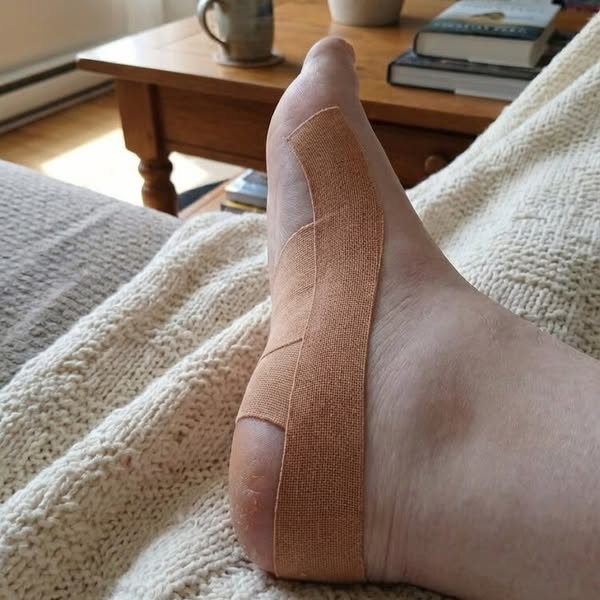
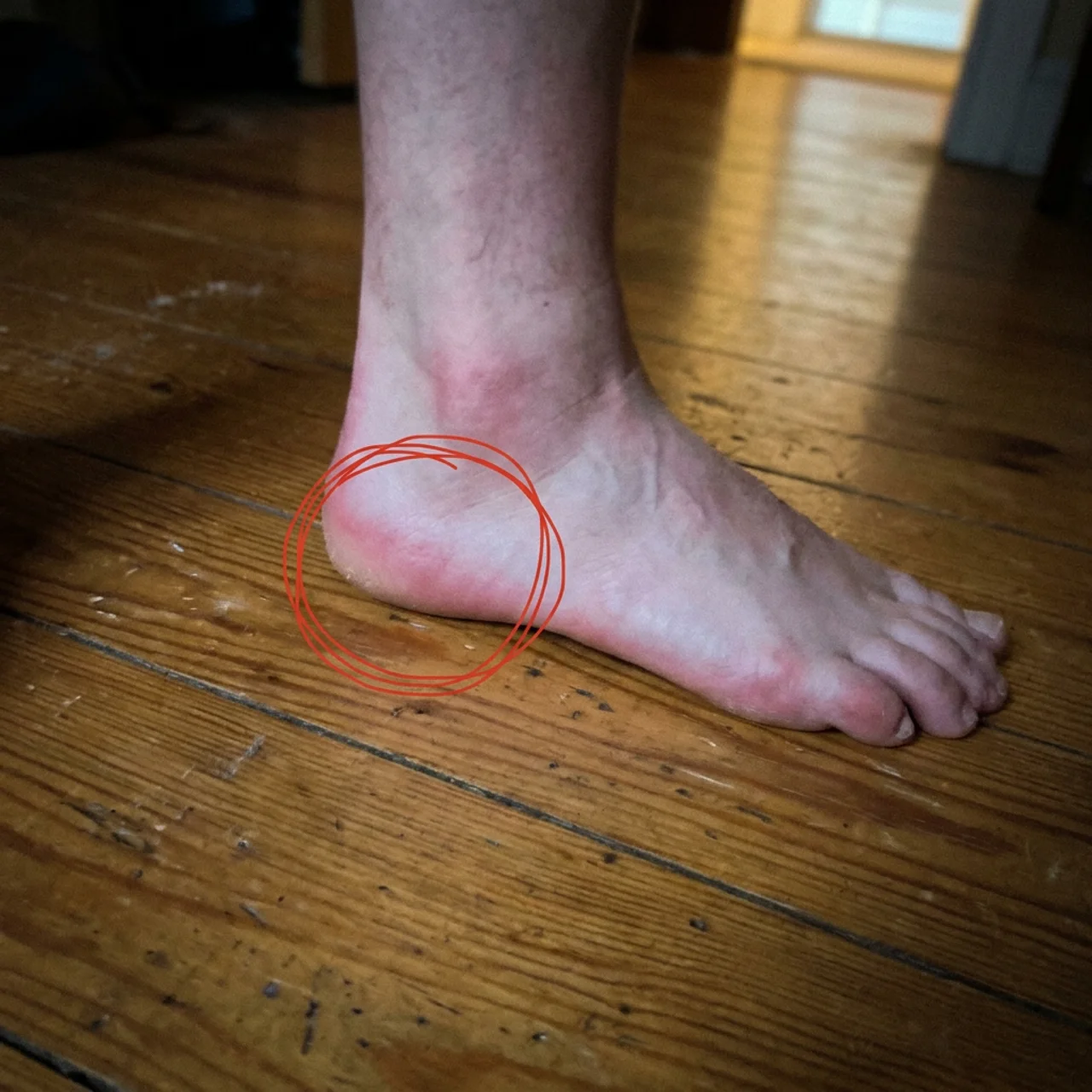
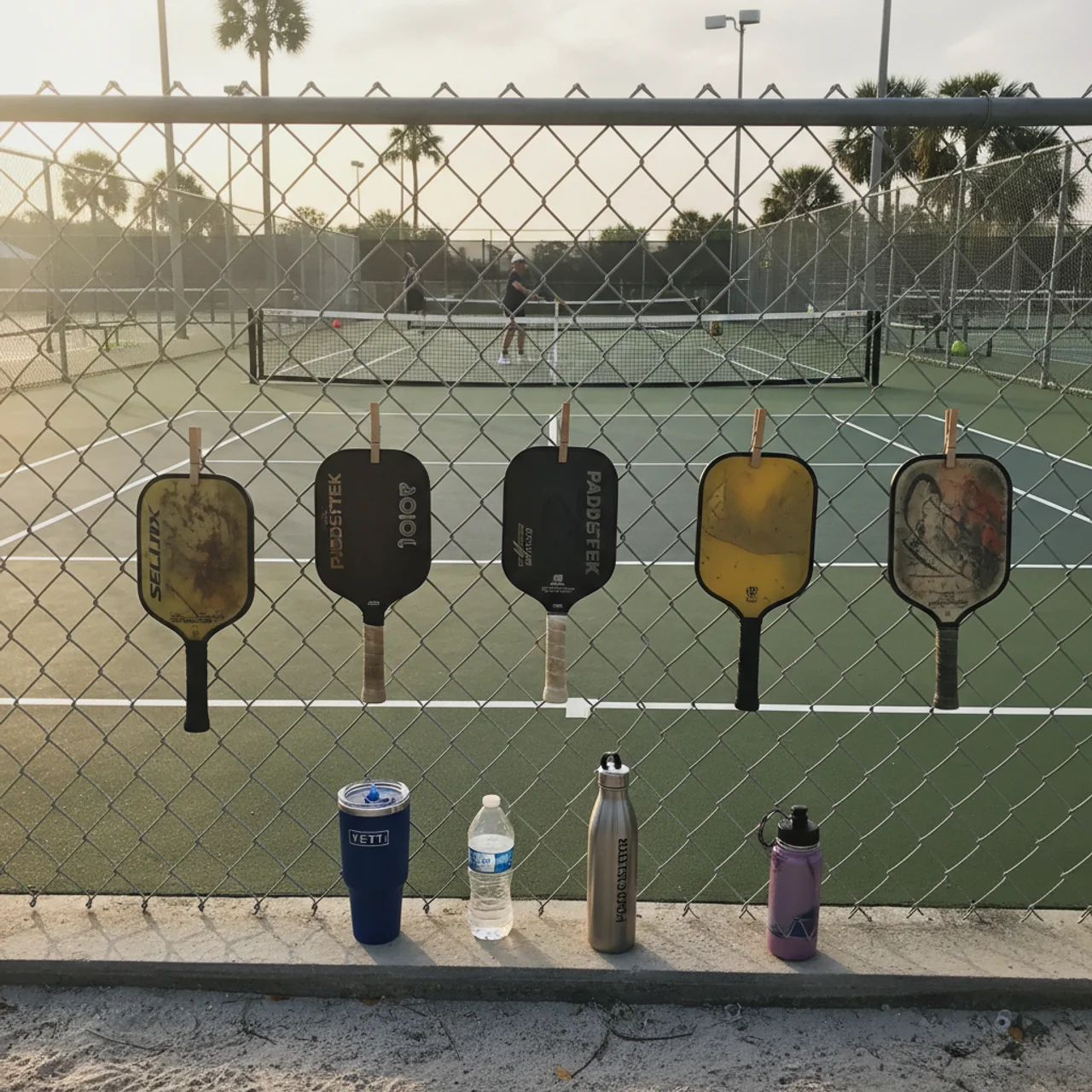
After every time I play, my heel flares up, and I can barely put weight on it the rest of the day. And everyone keeps telling me it's just part of the game. I've been battling this thing for almost two years. No pain at all while I play. Then it's excruciating the rest of the day. The first few steps after getting out of bed are the worst. There was a stretch where I'd limp the first few hours of every morning, because my heel hurt that much. Going down the stairs the next day after a session — that's its own special kind of fun. And I've tried everything. I mean everything. I'll spare you the full list for a minute, but there is almost nothing left I haven't thrown at this foot. None of it worked. I have not found one single thing that actually helps. I'll be honest with you — I was getting a little desperate. And I'd started to believe the guys at the courts were right. That a heel like this is just a rite of passage after a certain age, and I'd better learn to live with it. -------- Let me back up. I'm 54. I found pickleball about three years ago, and like everybody, I got completely hooked. Five, six mornings a week. It's the best part of my day, and most of the people I'd now call real friends, I met on a court. So I am not someone who's going to quietly hand this back without a fight. I'm also the kind of guy who does his homework. Something's wrong, I research it, I make a plan, I fix it. That's just how I'm wired. So when my heel started barking about eight months in, I didn't sit on it. I went after it like a project. By the book. Everything they tell you to do. First I figured it had to be my shoes. New court shoes — stiff as boards, but everyone swears by them. Heel still hurt. So I went through another pair. Then I read every thread I could find. I put the sport insoles in. When those didn't do it, I bought the pricier ones. I started stretching my calves every single morning. My hamstrings too. My Achilles, hanging my heel off the back of a stair like the videos showed. I rolled my foot on a frozen water bottle after every session. I iced it at night. Two ibuprofen before I played, and I quit telling my wife how many. I bought a night splint and actually slept in the thing for weeks. About as comfortable as it sounds. I started wearing the ugly rubber slides around the house and never going barefoot, not even in the shower. Then I went to my regular doctor. He pressed on my heel for about four minutes, then told me to stretch and go get custom orthotics. So I did that too. Drove to the podiatrist, stood on the scanner, paid real money for the molded ones, and wore them in every shoe. And you know what all of that bought me? A good week here. Two decent weeks there. Then the heel was right back where it started. After two years, there wasn't much left to try. And for a guy like me, that is a strange, sinking place to land. When I finally brought it up at the courts, half the group just nodded along. "That's a rite of passage, man. Comes with the territory after fifty." One of the old heads called the bump on my heel a classic pickleball condition, like that was supposed to make me feel better. And my own doctor's big idea? Rest. "Stop playing for a few weeks. Maybe a month. See if it calms down." Stop playing. For a month. From the one thing that gets me out of bed in the morning. So I did the quiet thing instead. I started sitting out a game here and there to save the foot. And you can feel it when the rotation starts to skip you. When they stop counting on you for the next one. For a guy whose whole social life had moved onto that court, that was a cold feeling. But honestly, that wasn't even the worst part. The worst part was lying awake at night having genuinely run out of ideas. I'm a fixer. And for the first time, I had nothing left to fix it with. -------- Then one morning, Tom — one of my regulars — caught me wince on that first step out of the car, and pulled me aside. "You've tried everything except the one guy who actually knows what he's doing. Go see Dr. Chen, over on Maple." I told him I'd already seen a doctor. I'd already done the orthotics. I'd already done all of it. "I know. So did I — three years of it." He shrugged. "Chen's the only one who actually watched how my feet move, instead of just handing me a stretch sheet. He plays five days a week and treats half the local tour." Then he said the part that got me. "You haven't tried what he does. Nobody around here has. And bring your pickleball shoes." I almost didn't go. I was tired of paying people to not fix this. But "you haven't tried what he does" rattled around in my head all afternoon. I made the appointment. The waiting room made me laugh out loud. Pickleball posters on every wall. A signed paddle behind the front desk. A framed tournament bracket from last year. PPA Tour highlights on mute in the corner. The magazine rack had Pickleball Magazine and nothing else. Chen walked in. Maybe 60. Lean. A coffee mug that said Just Here for the Dinks. "Dave. Tell me everything you've already tried." That was the first thing out of his mouth. Not one other doctor had ever led with that. So I gave him the whole list. The two pairs of shoes. The store inserts, cheap and expensive. The custom orthotics. The night splint. The calf stretches. The frozen bottle. The ice. The rest. He didn't look surprised. He looked like he'd heard the exact same list a hundred times. When I finished, he said something I wasn't ready for. "Here's what I already know about you. You did everything right. You're not lazy, you're not soft, and you tried harder than most people who walk through that door." I just sat there. "And none of it worked. Did you bring the shoes?" "Yeah." I handed them over. He didn't look at the outside. He pulled the insole out with two fingers like it was a used napkin. "Look at this." He bent it in half like a piece of paper. Pressed his thumb into the middle. It squished down. And stayed there. Flat. "Press your thumb in." I did. Same thing. Dead foam. Stayed compressed right where my thumb had been. "This has been inside your shoe every hour you've played." "Hold on, doc. I didn't just play on the stock insole. I tried the good inserts. I got the custom orthotics." He nodded like he'd been waiting for it. "I know. And here's the part nobody told you. Pickleball isn't walking." "Okay…" "Walking puts one time your body weight on your foot. Running, two to three. A hard lateral stop on a pickleball court puts four to five times your body weight on one foot. Sideways. Not straight down. Sideways." "Four to five times." "Every time you stop for a ball at the kitchen. Every time you push off to cover a wide one. Sideways, into a piece of foam." Then he laid out the thing that actually rearranged how I'd seen the last two years. "Every insole you bought — the store ones, even the custom ones — was built for one job. Holding your foot up while you walk and stand." "Even the custom orthotics?" "Molded to your foot standing still. Tuned for walking. Great at the grocery store. They give nothing back when you stop sideways at the line. That's not what they were ever built for." "And the stretching, the rolling, the ice, the rest?" "That was you fighting the symptom. The fire kept coming back because nothing under your foot ever actually changed." He set the dead insole on the desk between us. "You don't have a 'didn't try hard enough' problem, Dave. You've got an 'everything you tried was built for the wrong movement' problem. Those are not the same thing." That landed somewhere I'd been guarding for a long time. "So what — there's some magic insole I somehow missed?" "Not magic. Just the only one I've found that's actually built for this sport. Not running. Not even tennis. Pickleball. Here." He opened a drawer and pulled one out. "Press your thumb into this one." I took it. I don't really know how to describe it. It compressed under my thumb. Firm, but not hard. Then it pushed back. Right away. Like there was something alive inside it. Not dead and flat like the foam still sitting on his desk. Not a rigid slab either. Something in between. It gave exactly as much as I pushed, then handed the energy right back. I pressed it again. Same thing. "What is that." "A responsive layer in the middle. Same material the labs put in the four- and five-hundred-dollar custom insoles they build for touring pros." "Then how is this fifty bucks?" "Because theirs are tuned for a tennis baseline. This one's tuned for the kitchen. The shuffle, the lateral stop, the part where your foot lands sideways and something has to give the energy back instead of just swallowing it." I picked up my dead shoe insole again. Pressed it. Flat. Stayed down. I held them both, one in each hand. They weren't in the same universe. "It's called OnAce. About fifty dollars. Most of my patients grab two pairs, so they've got one in their everyday shoes too." "Why have I never heard of this? I've read everything online." "Because the shoe companies make their money on the shell. Babolat, K-Swiss, Skechers, Nike, Adidas — different shell, same dead foam inside. Nobody advertises the thing inside the shoe. That's not where the margin is. So a guy like you, doing all his homework, never finds the one piece that actually matters." -------- I drove home with that rattling around. And I'll be honest — I didn't order them that night. I'd already spent a small fortune on this foot. I'd already been promised a fix five different times. Part of me just couldn't believe a fifty-dollar insole was the answer to something a podiatrist and a pile of custom orthotics couldn't touch. Then the next morning came. I swung my legs over the side of the bed and took that first step. It was as bad as it had ever been. The first few steps, the limp, the heel screaming. And I thought about the other thing Chen said on my way out the door. About the window. How this stuff turns chronic if you sit on it too long. A year of treatment to claw your way back. Sometimes surgery. I caught it late, he'd said. I'd been lucky so far. I went to the website on my phone. First thing I saw was a 60-day money-back guarantee. So I did the math the way I do every other decision. If it's like everything else, I send them back and I'm out nothing. If Chen's right, I get my mornings back. For fifty bucks. I ordered two pairs. They showed up Wednesday. Thursday I dropped them into my court shoes in the parking lot and walked out to play. First thing I noticed — my foot felt held. Not squeezed. Not propped up on a hard shelf. Held. Like something was finally catching my arch. I played two hours. Friday morning. First step out of bed. I stood there in the dark for a second, waiting for it. It didn't come. By week two the next-day soreness was fading. By week three I'd forgotten to take the ibuprofen. By week five I was back to five, six mornings a week, chasing down balls I'd quietly been letting go for a year. And the morning after a long session — instead of hobbling those first few hours — I just got up and walked to the kitchen. For the first time in two years, I'd actually fixed it. Turns out I'd been trying to fix the right problem with the wrong tools the entire time. -------- Now listen. If you've read this far, I already know exactly who you are. You've tried everything too. The shoes, then a second pair. The sport inserts, cheap and the expensive ones. Maybe the custom orthotics. The calf stretches every morning. The frozen bottle. The night splint. The ice. And the "just rest a few weeks" from a doctor who's never held a paddle. You've probably had someone tell you it's a rite of passage. That it just comes with the territory after fifty. And every morning, that first step out of bed still gets you. No pain while you play — then you can barely put weight on it the rest of the day. So let me tell you the thing I wish someone had told me two years and a small fortune ago. You didn't fail. You're not soft. It is not your age, and it is not a rite of passage you just have to accept. Everything you tried was built for walking — or it was only ever numbing the symptom for an afternoon. None of it was ever built for what pickleball actually does to your foot. So this isn't one more insole to throw in the drawer with the rest. It's the one category nobody ever sold you. The only thing actually built for the lateral stop that's been wrecking your mornings. Do me one favor right now. Go grab your pickleball shoes. Pull the insole out — it slides right out. Bend it in half. It folds like paper. Press your thumb into the middle, hard. Does it stay flat? Or push back? That's what's been under your foot for every one of those four-to-five-times-your-bodyweight stops. Sideways. On a piece of foam built for walking. Now you know why none of it worked. It was never you. And here's the part that actually matters, the reason I'm bothering to write all this. Chen told me about the window. Wait another couple of months and this turns chronic. Then you're looking at a year of treatment to get back on the court, and some folks end up in surgery. I caught mine late and got lucky. You might not have to. I've linked it below. 60-day guarantee — so you run that same thumb test on these for two months. If they don't do what everything else in your closet couldn't, you send them back and you're out nothing. Because these don't just settle the heel. They protect your mornings, your game, and the group that turned into the best part of your week. Dave P.S. Tom — the one who finally pointed me to Chen — had been battling his own foot for three years. Custom orthotics, the whole works. He'd quietly started skipping the Saturday sessions and blaming his schedule. One morning he watched me run down a ball I'd have waved off six months ago, and asked what I'd changed. I showed him the thumb test right there between games. He ordered from his phone before we finished the next one. If you've tried everything, and you're this close to telling yourself it's just your age — don't. Run the test. The link's below.
Read this before pickleball breaks you down ☝️
OnAce Pickleball Insoles — Engineered for pickleball players who demand lateral stability and all-day comfort. Features PORON® medical-grade material that absorbs up to 1,000 kg of impact, protecting your feet from repeated trauma during quick direction changes. The Dynamic Support Zone relieves ...
SEE DETAILSLike this ad? Make it yours.
Crush rebuilds this exact creative around your product — your brand, your colors, your offer — in about a minute.