Strong Steps Insider
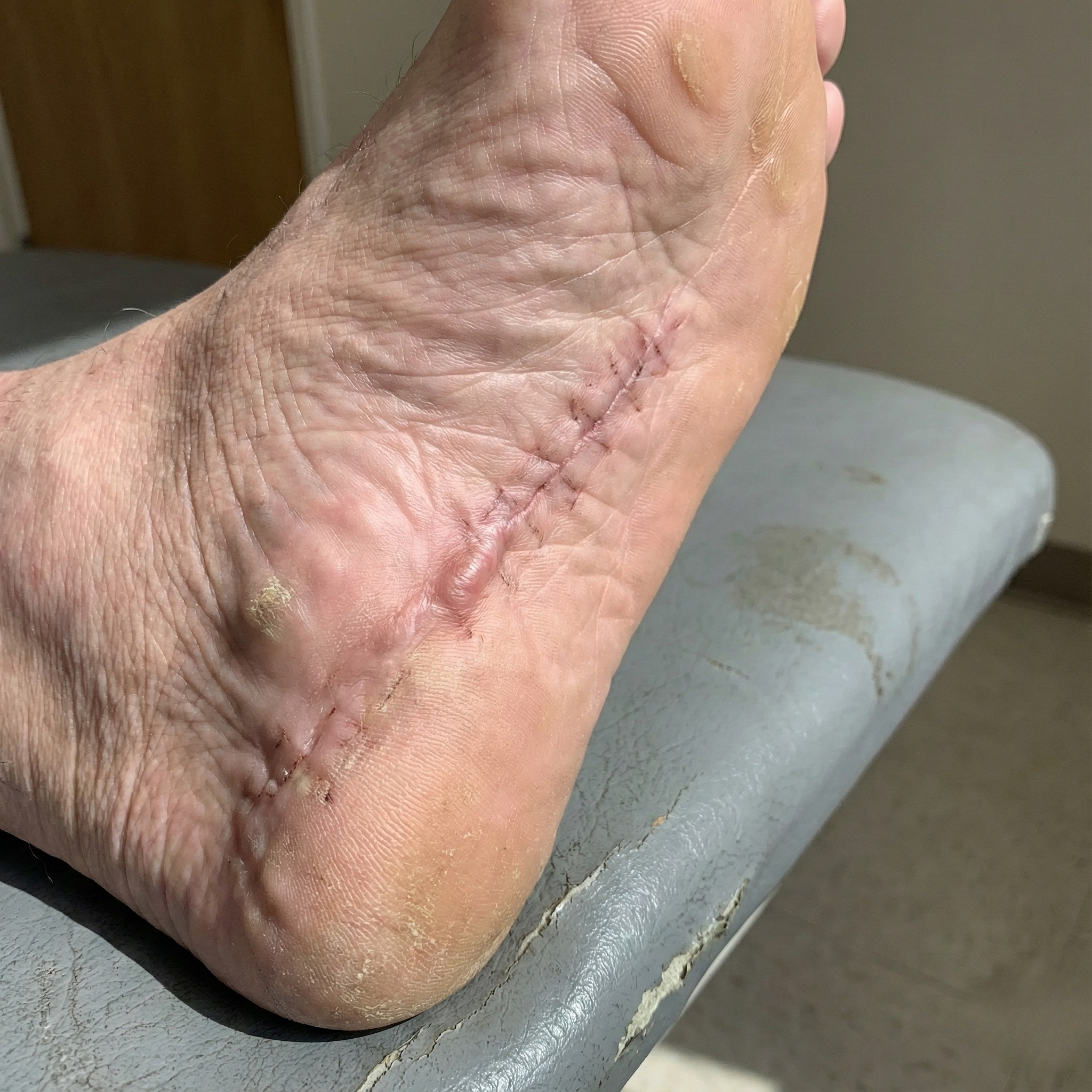
Strong Steps Insider Facebook ad: “Read if your doctor says you need foot surgery”
Ran for 108 days, from April 23 to August 9, 2026, the last day Crush saw it.
Run by Strong Steps Insider on Facebook. Crush is not the advertiser and does not verify its claims. See this ad in Meta's Ad Library(opens in a new tab)
Want an ad like this for your product?
Crush makes new ad images for your product from this ad: your logo, your product photo, your offer.
Trials from $19.95 USD, then $79.95 USD a month. Cancel anytime.
About this ad
- Meta Ad Library ID
- 846709467722500
- Platforms
- Facebook, Audience Network and Messenger
- Relaunches
- 0
Ad text
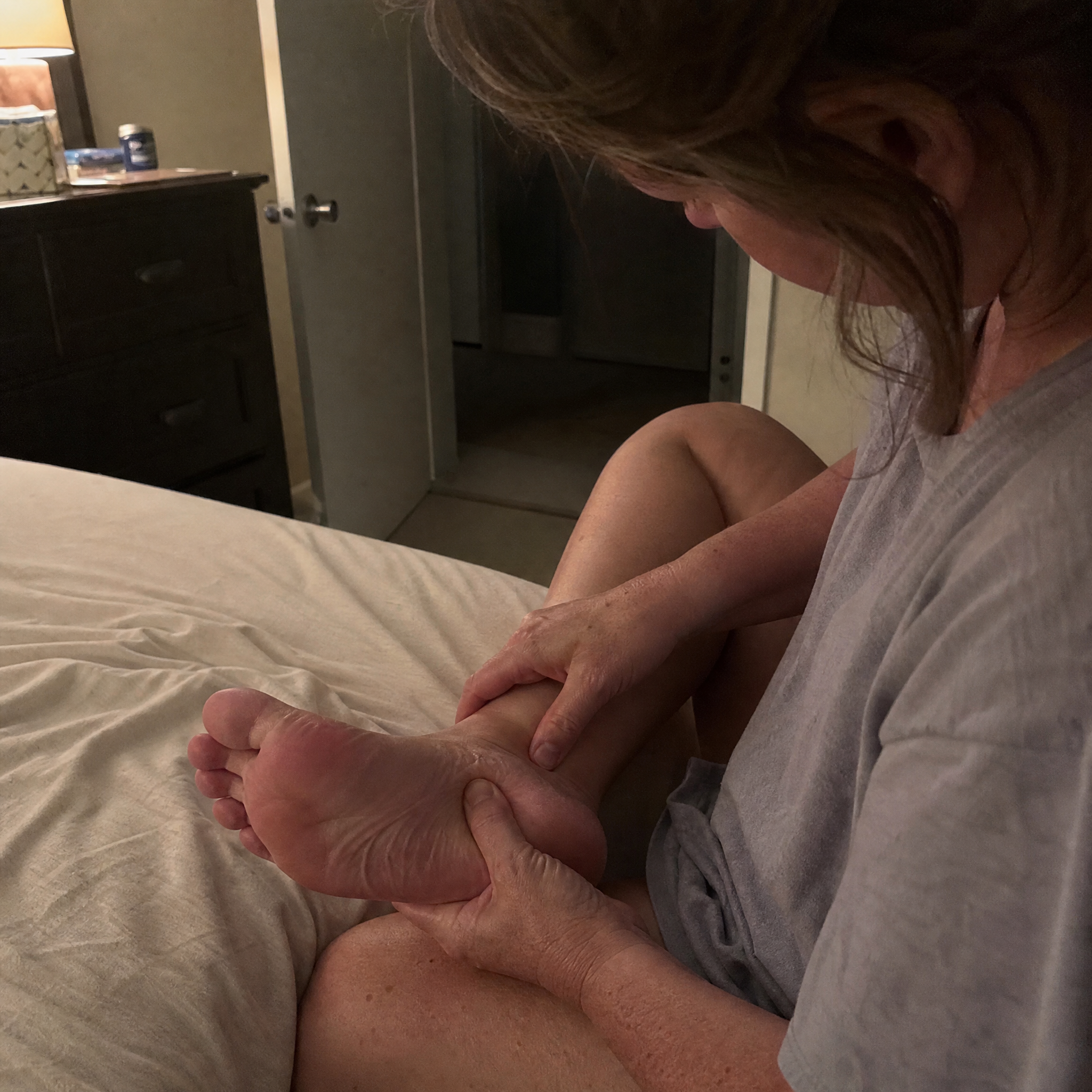
My physical therapist never told me this. The exercises work. But hard floors undo them 10,000 times a day. I was healing backwards. I'm doing everything they told me. Everything. Stretching twice daily. Wearing the boot at night. Icing. Rolling. Strengthening. I follow the protocol exactly. I'm militantly compliant. I don't skip a single day. But I'm still in pain. The tearing sensation every morning. The burning. The throbbing that makes me want to cut my feet off. Six months of perfect execution. Six months of believing my body would heal itself if I just gave it the right support. My physical therapist keeps saying "trust the process." Keep stretching. Stay consistent. But my podiatrist just scheduled my surgery consult. I'm terrified. I did everything right. I believed in natural healing. So why am I still facing the knife? What am I missing? I knew something was wrong when the stretches felt good but the pain kept coming back worse. I'd do my morning routine. Stretch my calves. Roll my foot. Work through the exercises my PT gave me. I'd feel looser. More mobile. Like I was making progress. Then I'd stand up and walk to the kitchen. Within 20 minutes, the tightness was back. The ache under my heel. By the end of the day, it felt like I hadn't stretched at all. I thought maybe I wasn't doing them right. I watched more YouTube videos. I followed PT influencers. Bob and Brad. Doc On The Run. I studied the biomechanics. I added more exercises. Toe curls. Arch doming. Intrinsic foot strengthening. I bought every tool. The foot rocker. The massage ball. The night splint. I wore the boot for eight weeks straight. Slept in it every night even though it was uncomfortable and I couldn't get to the bathroom easily. Nothing changed the pattern. Temporary relief. Then right back to pain. The cortisone shot gave me three weeks of hope. Then the inflammation came roaring back, angrier than before. My PT said I needed to be more patient. Keep doing the work. Trust the process. But after six months of perfect compliance, my podiatrist said we've exhausted conservative treatment. Surgery is the next step. I'm terrified. I've read the stories. Nerve damage. Scar tissue. People worse off after. But I've done everything. Every exercise. Every protocol. Every natural method. If my body can heal itself, why isn't it healing? What am I missing? That was two weeks before I saw Marcus at the PT clinic. I was checking in for my appointment. He was checking out at the front desk, getting his discharge paperwork. We'd been in the same therapy session for months. Both doing the exact same protocol. Calf stretches. Towel scrunches. Plantar fascia mobilization. We'd commiserated about how religiously we were following the exercises. But he looked different. Standing relaxed. No shifting weight. Wearing regular running shoes instead of the rigid orthotics or walking boot. "Did you graduate?" I asked. "Two weeks early," he said. "The exercises finally started working." I stared at him. We'd been doing the same exercises. I was still in pain. He was discharged. "What changed?" He pulled me aside. Showed me his pain journal on his phone. The graph showing the decline over the past six weeks. Dramatic improvement after months of flat, stubborn inflammation. "I finally figured out why the exercises weren't working for so long," he said. "We were both doing them perfectly. But then we'd stand up and walk on tile, hardwood, concrete all day. The fascia we just stretched and loosened would get loaded against hard surfaces. It would overstretch. Re-tear at the heel insertion point." He demonstrated, pointing to his heel. "The exercises create flexibility. But hard floors create damaging overstretching during loading. We were healing for 20 minutes and re-injuring for 10,000 steps." I'd never thought about it that way. The loading phase. The unprotected weight-bearing between therapy sessions. "What did you do?" "I started protecting the stretched tissue during the day," he said. "Softr Steps. It's not another rigid insert. It redistributes pressure so the fascia doesn't collapse and overstretch when you're walking. The exercises finally had a chance to work because I stopped undoing them every step." I pulled out my phone. Searched for it right there in the waiting room. I was skeptical. I'd done the exercises perfectly. How could the problem be what happened between sessions? I started researching tissue loading mechanics. Impact forces during gait. What I found made everything click. Stretching and exercises loosen the plantar fascia. They improve flexibility and reduce tightness. This is therapeutic and necessary. But the second you stand up and put weight on your foot on a hard surface, you're loading that loosened tissue against an unforgiving floor. The fascia stretches beyond the therapeutic range you just created. It overstretches at the heel insertion point, creating micro-tears. Every step on tile, hardwood, or concrete re-injures the tissue. You're in a constant injury-rehab-reinjury loop. The exercises work for 20 minutes. Then they get canceled out 10,000 times per day during normal walking. That's why my stretches felt good but the pain kept coming back. That's why six months of perfect compliance didn't heal me. That's why the temporary relief never became permanent. I was healing the fascia in the morning and then immediately re-tearing it with every unprotected step during the day. My physical therapist had never explained this. The exercises were right. The protocol was right. But I was missing the mechanical protection during weight-bearing phases. No wonder my body wasn't healing itself. I wasn't giving it the chance. When I researched Softr Steps, the engineering solved the exact problem I'd just learned about. Medical-grade foam. Three-zone pressure redistribution design. Lab tested. Foot doctor approved. But here's what made sense. Instead of just cushioning, it redistributes your body weight across your heel, midfoot, and forefoot equally. This prevents the downward arch collapse that overstretches the fascia during the loading phase. The cloud cushioning absorbs impact force before it reaches the heel insertion point. The pressure redistribution keeps the fascia in the therapeutic range your exercises created, instead of letting it overstretch into the damaging range. Your stretching improves flexibility. The insoles protect that flexibility from becoming damaging overstretching during weight-bearing. It wasn't competing with my PT protocol. It was completing it. Giving the exercises the mechanical protection they needed to actually work. And it cost $24. Not another $800 PRP session. Not a surgery with six to twelve weeks of non-weight bearing. If this didn't work, I could return it. But if it did work, I could finally let my body heal itself the way I'd always believed it could. I ordered them that night. They arrived two days later. I put them in my everyday shoes. First day: the pattern was different. I stretched in the morning. The relief lasted past breakfast. Past my morning walk. Into the afternoon. By day four, the tightness wasn't snapping back within an hour. Week two: the morning tearing sensation was duller. The exercises felt like they were building on each other instead of resetting to zero every day. Within three weeks, I wasn't in the injury-rehab-reinjury loop anymore. I was just in the rehab phase. Actually healing. Actually making progress. The fascia had a chance to repair. The exercises could do their job. My body could heal itself. It's been eight weeks. The morning pain is almost gone. I graduated from physical therapy last week. I canceled my surgery consult. My PT asked what changed. I told him about protecting the tissue during loading phases. He hadn't thought about it that way. The body can heal itself. It just needs you to stop re-injuring it between therapy sessions. The exercises work. You just have to protect what they repair. If this is your life right now, you know exactly what I'm talking about. Six months of perfect compliance. Doing every stretch. Following every protocol. Still facing surgery because nothing is working. This isn't about doing the exercises wrong. This is about understanding that therapeutic stretching only works if you protect the tissue during the other 23 hours of the day. Every step you take on hard floors without protection, you're re-tearing what you just healed. The inflammation builds. The scar tissue accumulates. Surgery gets closer. And I'm telling you: this is fixable. Softr Steps offers a 30-day money-back guarantee. That's because you need time to break the injury-rehab-reinjury cycle and let the exercises actually work. Track it yourself. Your morning pain. How long the post-stretch relief lasts. Your PT progress. You'll see the difference within two to three weeks. Right now, they're $24. Under $30 compared to surgery or more failed protocols. shopsoftr.com You deserve to let your body heal itself. Your exercises deserve a chance to actually work. Your fascia deserves protection during the 10,000 steps between stretching sessions. The exercises are right. You're doing them right. You just need to protect what you're repairing.
Where the ad sends people
shopsoftr.com
👆 Read if your doctor says you need foot surgery
Softr
Learn more: shopsoftr.com(opens in a new tab)