
Inactive· since Apr 16, 2026
- 43
- days it ran
- 0
- relaunches
Ad copy
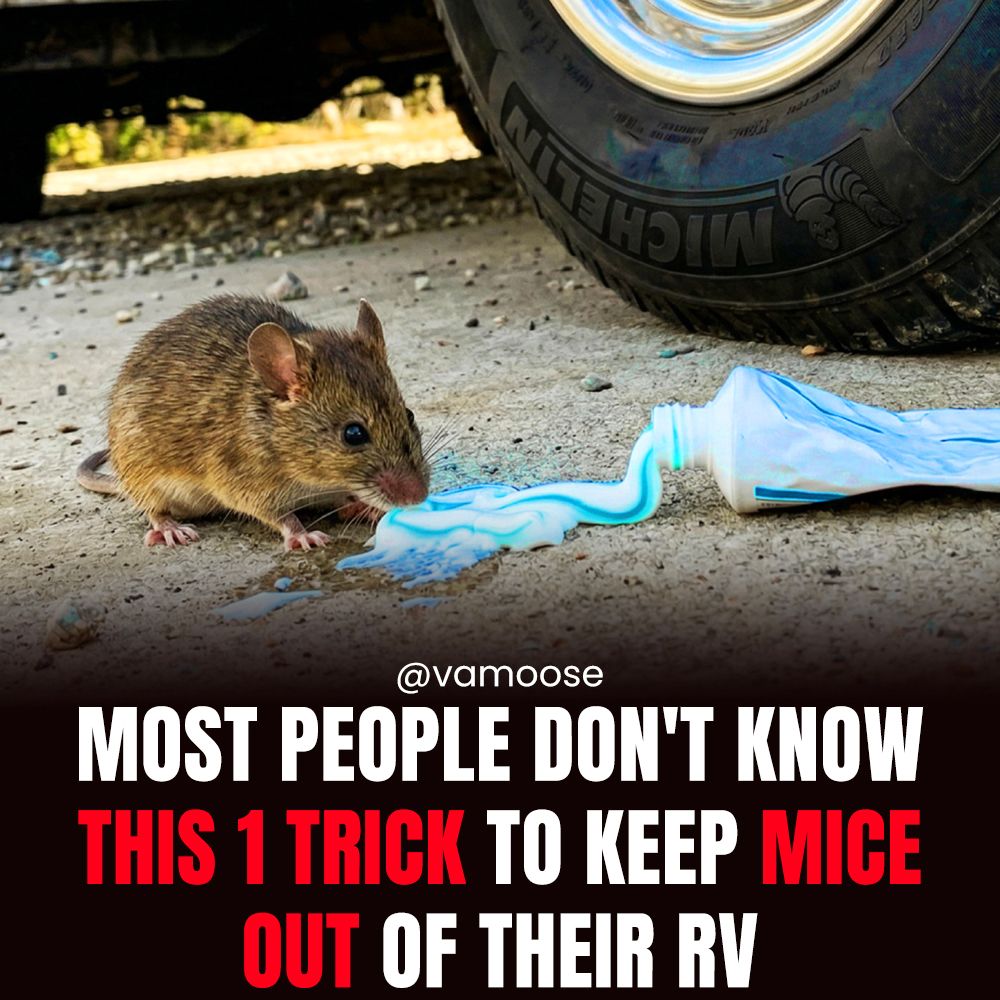
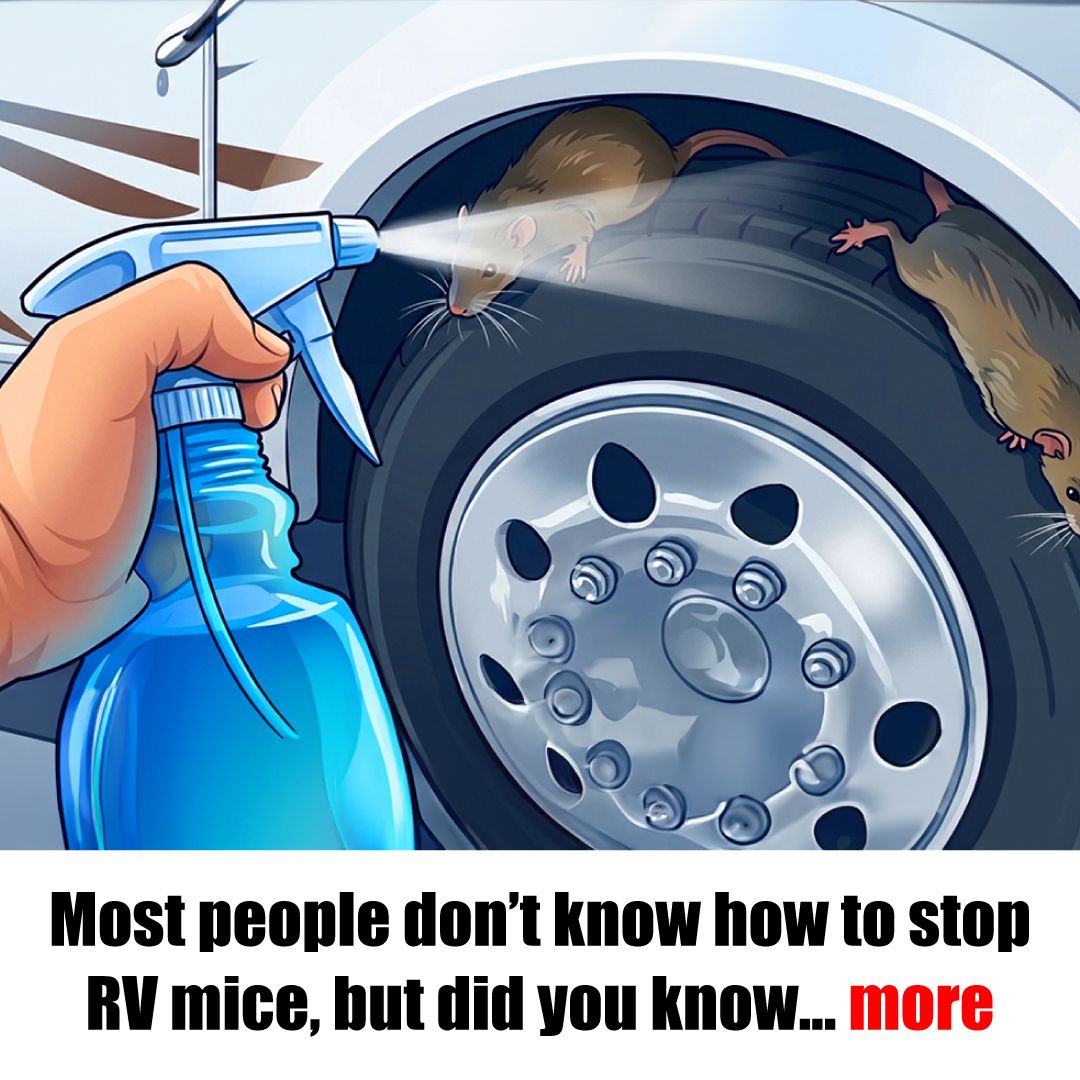
"Mom, are we still going camping?" Five words from my eight-year-old that I couldn't answer. Because I was standing inside our travel trailer staring at $4,800 worth of mouse damage. We'd been counting down the days. Two weeks at a gorgeous campground in Utah. Red rocks. Hiking. Stargazing with the kids. My husband Tom had been saying "three more weeks!" every morning over coffee like a kid on Christmas Eve. The Saturday before spring break, we drove out to the storage lot to start prepping the trailer. The kids were singing in the backseat. Emma had her stuffed bunny. Jake had his binoculars for "wildlife spotting." I grabbed the handle. Swung the door open. And the smell hit me like a wall. That sharp, acrid, ammonia stench of concentrated mouse urine that had been baking in a sealed space for four months. My eyes started watering before I even stepped inside. Mouse droppings. Hundreds of them. Scattered across the kitchen counter, the dinette table, the floor, the bed. I opened a cabinet and droppings poured out like someone had emptied a pepper shaker. The upholstery on the dinette seats? Shredded. They'd burrowed inside and built nests in the foam cushioning. I pulled back the mattress and found a massive nest — shredded insulation, torn fabric, and tiny pink baby mice squirming inside. I screamed. Actually screamed. Tom crawled under the dashboard and found the real nightmare. The wiring harness — chewed through in dozens of places. Brake controller wiring, chewed. Backup camera, dead. Refrigerator power line, severed. "Linda... we can't drive this. It's not safe." Emma started crying in the backseat. Jake pressed his face against the car window asking if we were still going camping. I couldn't answer him. The repair estimate came back three days later. $4,800. Complete rewiring. Replacement of all contaminated upholstery. Professional decontamination. Insurance denied the claim. "Rodent damage is classified as preventable maintenance." Tom and I sat at the kitchen table that night staring at a pile of bills. "We can fix the trailer or we can go on the trip. We can't do both." Spring break came and went. The kids went to a neighbor's house. We told them the trailer "needed repairs." Jake didn't talk to me for two days. Emma cried every night asking when we were going camping. After that, I became obsessed with finding a solution so this would never happen again. I tried everything. Snap traps — caught two mice the first week. But for every one you catch, there are ten more breeding behind the walls. And finding a dead mouse in a snap trap in 90-degree heat inside a sealed RV? I nearly threw up. Ultrasonic devices — $140 for three "professional grade" repellers. Two weeks later, fresh droppings right next to the devices. The mice were practically nesting on them. Dryer sheets and mothballs — the mice used the dryer sheets as bedding material. And mothballs are toxic to kids and pets. I'd traded a mouse problem for a chemical hazard. Steel wool in every gap I could find — spent an entire Saturday stuffing it into every opening. Mice can squeeze through holes the size of a dime. I sealed twenty gaps. They found the twenty-first. Professional exterminator — $350 for "preventive treatment." Poison bait stations around the exterior. The mice ate the poison, crawled back inside the walls to die, and the rotting smell lasted weeks. Over $600 on failed solutions. And the mice kept winning. Then I met a guy named Jim at the RV repair shop. He managed a commercial fleet of 200+ vehicles stored outdoors year-round. "Five years ago we were losing $80,000 a year in rodent damage," he said. "Then we figured out the mistake every RV owner makes." "You're trying to kill the mice. You need to make your RV somewhere they refuse to enter." He explained that mice navigate entirely by scent. Their noses are roughly 1,000 times more powerful than ours. They build invisible "scent highways" with their urine — chemical GPS trails that tell every mouse in the area: safe zone, food here, shelter here. Even if you clean your RV spotless and kill every mouse inside, those scent highways persist. New mice follow the old trails right back in. That's why the problem comes back every single year. "You don't need to kill the mice," Jim said. "You need to destroy the scent highways and make the air inside your RV so hostile to their noses that they physically cannot stay." He told me about four specific essential oils that, combined in the right concentrations, create what professionals call a "hostile scent barrier": Peppermint oil — triggers a hardwired predator-panic response. Like smelling a hawk or a snake. They can't adapt to it. Lemongrass oil — scrambles their olfactory navigation. Their internal GPS goes haywire. Clove oil — creates a burning sensation in their nasal passages. The air itself becomes hostile. Rosemary oil — extends the effectiveness of the other three oils for a full 30 days. He told me his entire fleet used Vamoose Plus from BugMD. Went from $80,000 a year in rodent damage to virtually zero. I was skeptical. After $600 in failed solutions, I wasn't getting my hopes up. But that night I looked it up. Over 4,000 five-star reviews. And the reviews from RV owners specifically were what got me — people describing the exact same nightmare I'd been through, chewed wiring, destroyed upholstery, insurance denials — and saying this was the only thing that finally worked. I ordered the 32-pouch bundle that night. When it arrived, I placed pouches throughout the trailer. Dashboard, kitchen cabinets, under the dinette seats, bedroom, bathrooms, exterior storage compartments. Took about two minutes. No tools. No complicated setup. Then I waited. And checked. Obsessively. Day 2: No droppings. Zero. Day 4: Nothing. Entry points completely untouched. Day 7: Not a single dropping. Not a scratch mark. Nothing. Week 3: Another RV owner at our storage lot, Diane, walked over. She'd just found $2,100 in damage in her rig. I showed her the pouches. A week later she texted me: "Linda, I don't know what's in those things but we haven't seen a dropping since we put them in." Month 2: Zero droppings anywhere. Zero chewing damage. Zero nesting attempts. Just a clean, protected, ready-to-go travel trailer. I sat down in our dinette — the same dinette where I'd found 200 droppings two months earlier — and cried. Happy tears. That June, we hit the road. Yellowstone. Six days. The trip we'd been dreaming about since the kids were babies. At every campground, other RV owners were battling mice getting inside their rigs. Ours stayed clean. By the end of the trip, I'd recommended Vamoose Plus to six different families. Every single one followed up with a thank-you text. It's been almost a year now. I replace the pouches once a month — takes two minutes, costs less than a single tank of RV gas for the whole season. Zero mice. Zero damage. Zero cancelled trips. If you're an RV owner heading into spring or summer travel season — please don't learn this lesson the way I did. Every day your RV sits in storage unprotected is another day mice are chewing through your wiring and contaminating every surface your family will eat on, sleep on, and play on. Vamoose Plus comes with a 30-day satisfaction guarantee. If it doesn't work, send it back. But after nearly $6,000 in damage and a spring break my kids still talk about losing — I wish someone had told me about this a year earlier. Click the link below. Protect your RV before you open that door and find out the hard way.
This Is What Families Are Finding When They Open Their RVs This Spring — It's Horrifying
Why So Many Families Are Canceling Their Spring RV Trips (And The Hidden Mice Danger Nobody Warned Them About)
LEARN MORELike this ad? Make it yours.
Crush rebuilds this exact creative around your product — your brand, your colors, your offer — in about a minute.