
Active· since Jun 28, 2026
- 75
- days running
- 0
- relaunches
Ad copy
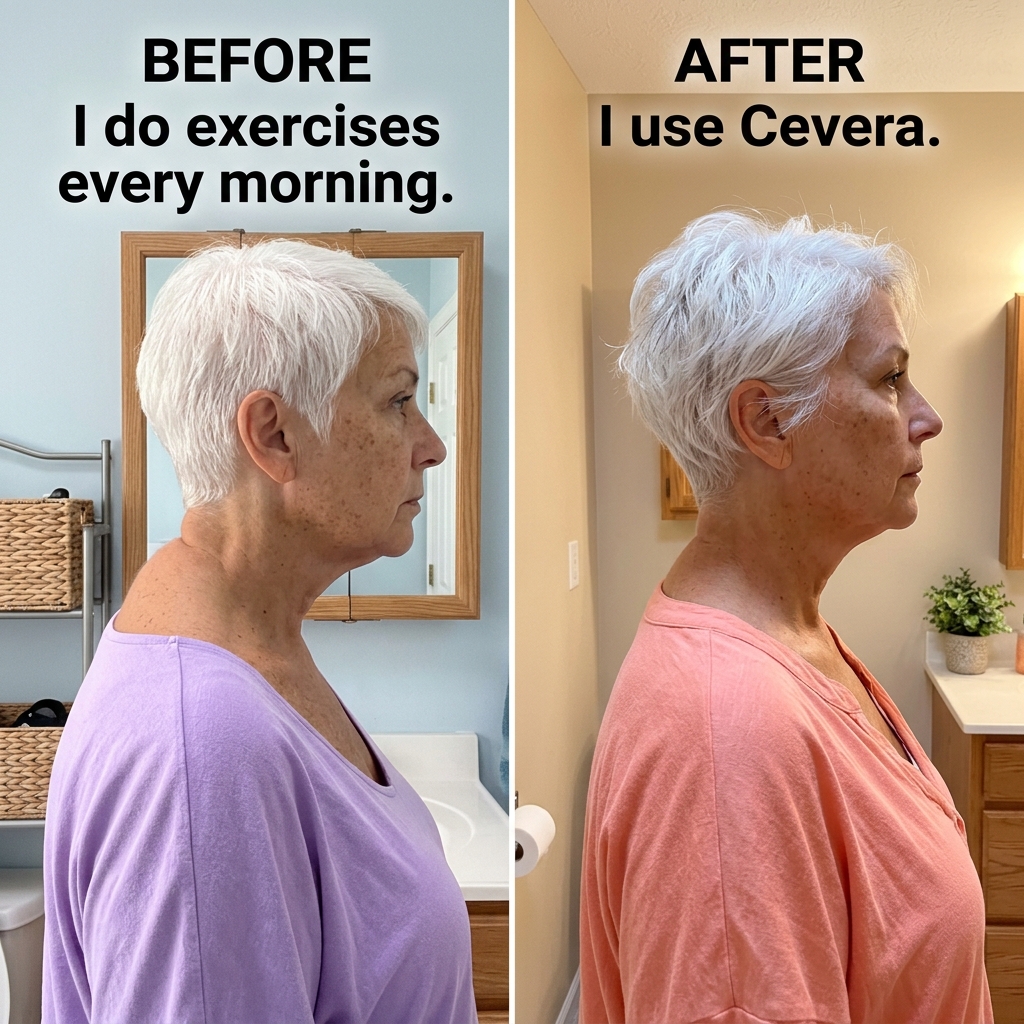
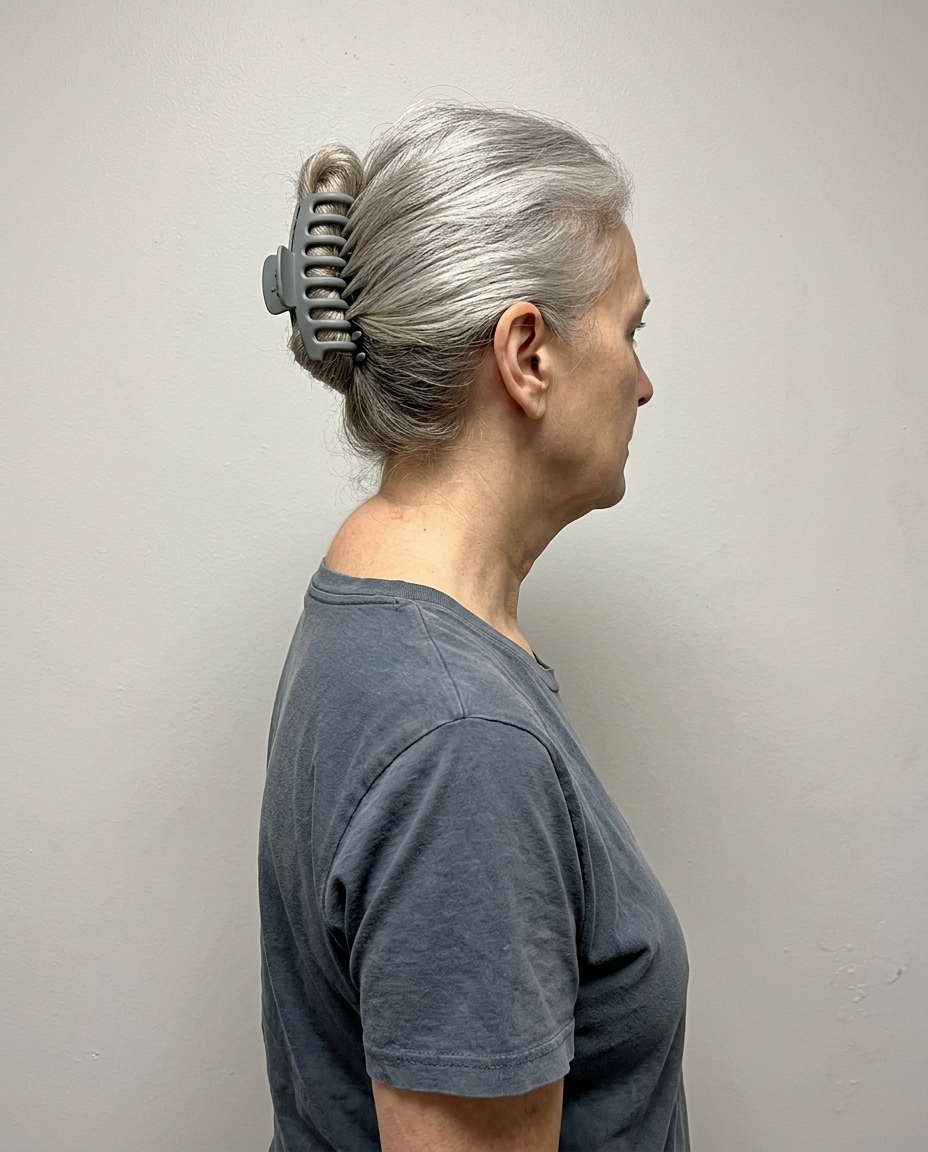
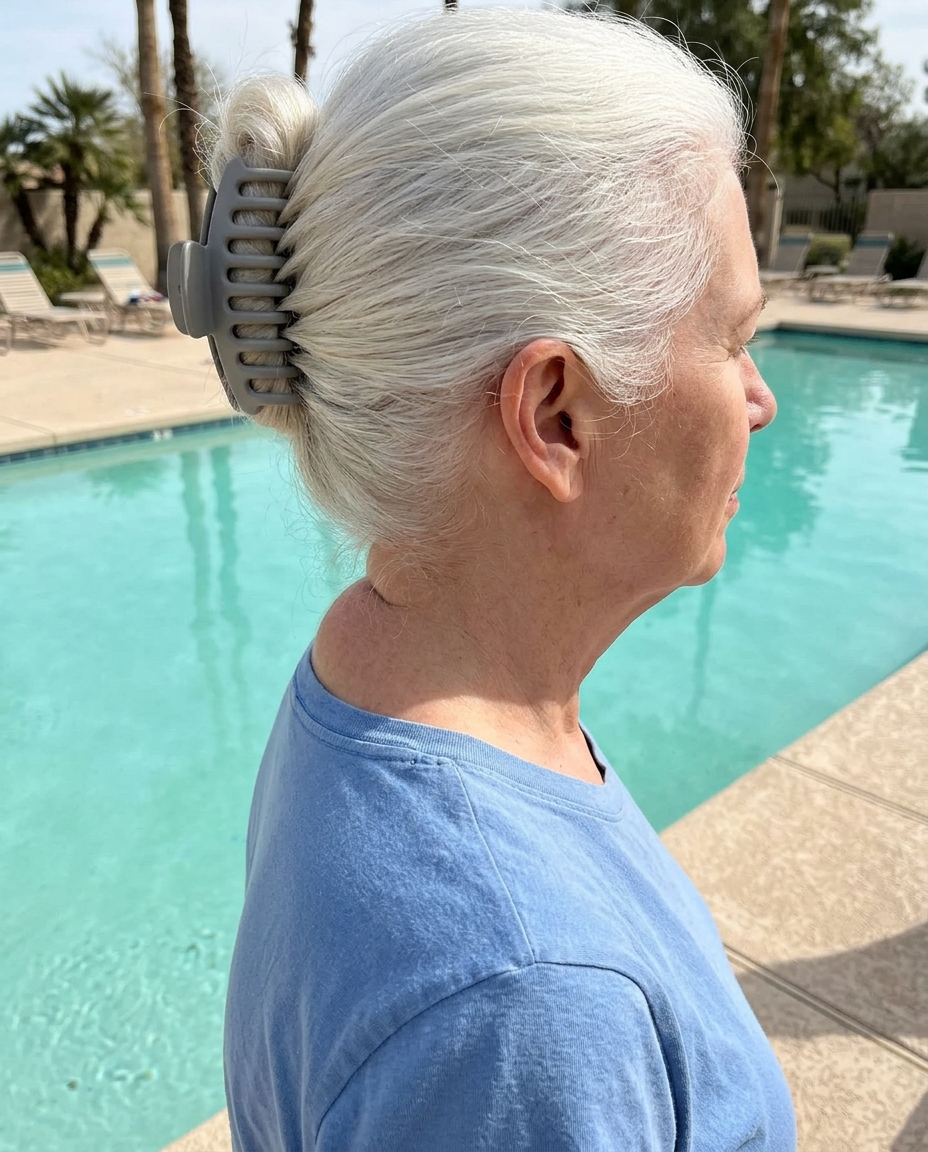
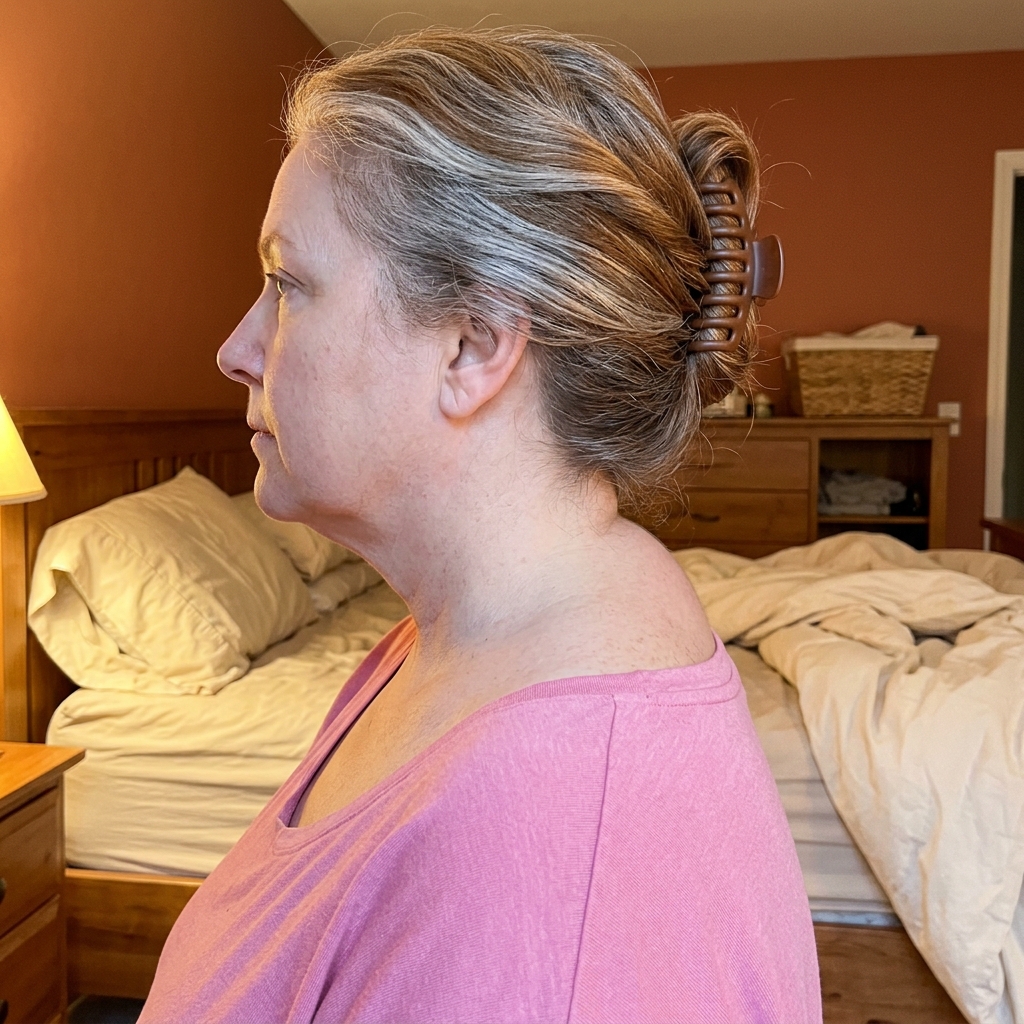
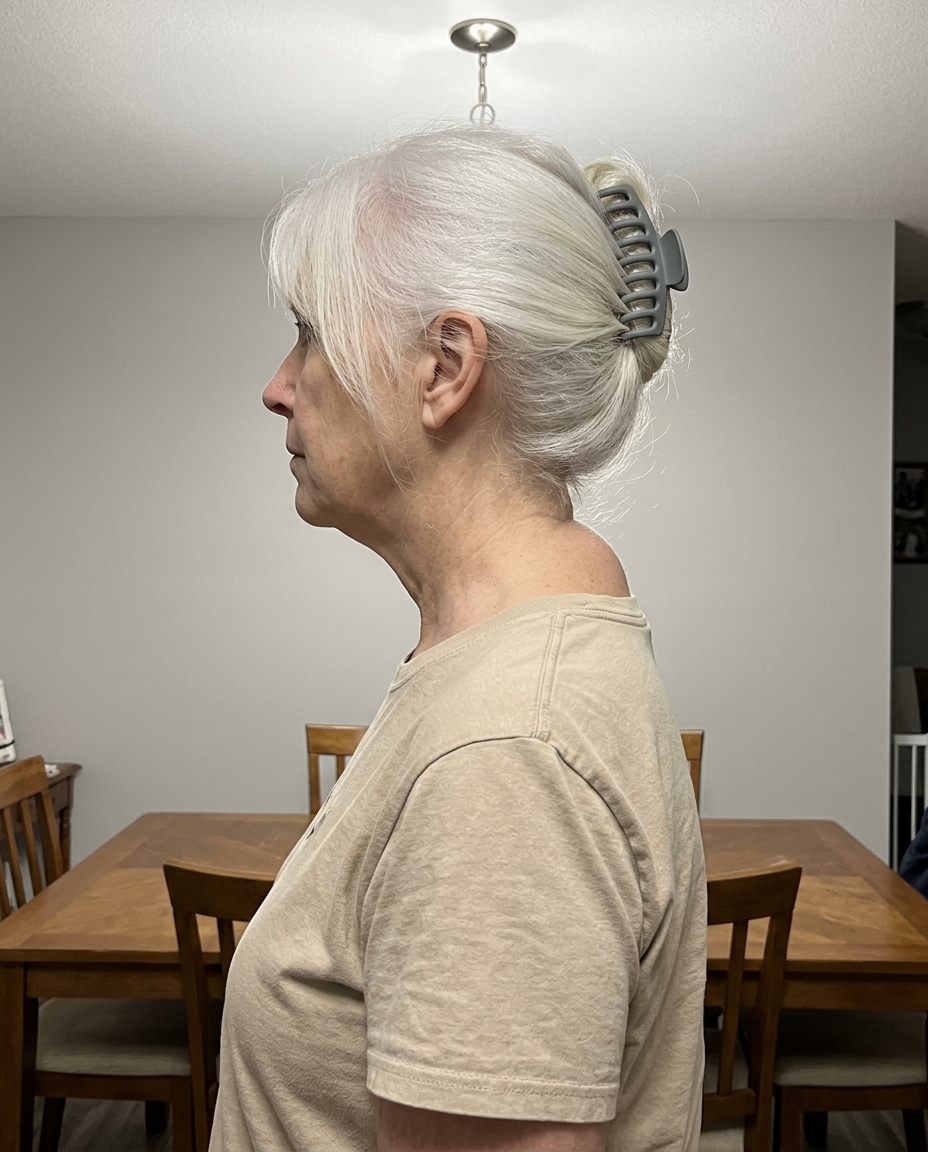
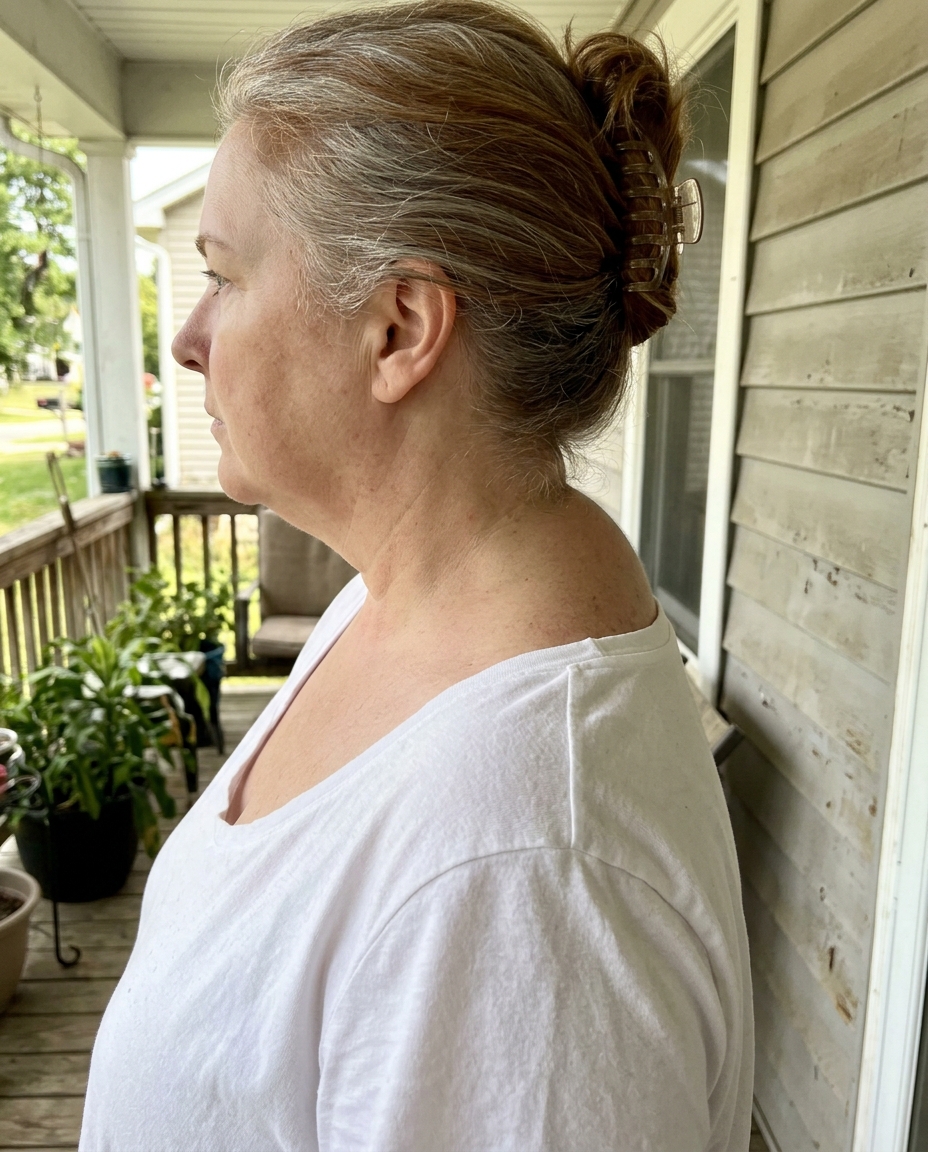
Hello. My wife is 66 years old and has had a neck hump for most of her adult life. It has changed over time, and now she has a habit she is too embarrassed to tell a single soul about. Several times a week, before any gathering or outing, she spends time calculating — the angles, the seating, the lighting, who will be standing behind her. And more often than not, she finds a reason not to go at all. It's been getting worse for years. She's at her wits' end. And by the end of this, you're gonna be pissed. Because there are three things happening right now: One — Someone you love is hiding something from you because they love you too much to burden you with it Two — The medical system has convinced them this is just "what happens as you get older" And three — There's a posture management industry that profits every single day they stay quiet about what's actually causing it So let me tell you what's been happening with my wife. Because this is probably happening to someone you love over 55 right now. And if YOU are that person — and you've been hiding it — this is for you too. For years she managed her neck hump. She knew her angles — or thought she did — and she got by. Then a few years ago, something changed. The hump became more visible. More constant. Completely unmanageable. One minute she's fine, the next she's recalculating everything — and more often than not, she finds a reason to stay home. But it was never the hump that broke her. It was what came after. I'd see her adjusting her collar before we left for dinner. Again. I'd find her standing in front of the mirror in the hallway, turning sideways, pressing her chin back, letting her shoulders drop — checking, always checking — before we walked out the door. She'd go quiet at family gatherings, find a chair at the edge of the room, and sit with her back to the wall while everyone else stood in the center. Then she'd come home and say she'd had a lovely time. She told me once, with tears in her eyes: "It's not even the hump anymore. It's the calculating. The angles, the seating, the photos. It adds insult to injury. It's so unfair." That's the part nobody talks about. The hump is the injury. The calculation is the insult. And my wife had been paying both, in private, for years. And for the longest time, I didn't know how bad it had gotten. She hid it. From me, mostly. From everyone else, completely. She stopped meeting her girlfriends for lunch. She turned down our daughter's invitations. She stopped going anywhere she couldn't control her position in the room. She always had a reason — "I'm tired," "maybe next time" — and she stayed home. I thought she was pulling away from me. She was just trying to get through the day without anyone noticing. The reason she withdrew from everyone — the reason she kept saying no — is because she said she "didn't want to be a burden." She would rather give up her friends, her daughter's dinners, and leaving the house at all than let anyone see what she was managing behind a straight face. That broke me. So of course, she'd done everything right. She went to practitioners. Her GP. A posture specialist. Assessments. Exercise programs. A physiotherapy plan. And every single time, the same answer: "Your assessment looks stable." "It's just age-related postural change." "Keep doing your exercises." "Have you tried a posture brace?" "Have you tried a cervical pillow?" A neck hump. A grown woman calculating every room she walks into and dropping out of her own life — and the practitioner shrugs and tells her to keep monitoring it. She tried everything. The posture brace — months of wearing it every morning and watching her head drift forward the moment she took it off. The foam roller her physiotherapist swore by — it helped for a while, then just stopped working. A cervical pillow. Three different exercise protocols. And a posture corrector she wore every single day, just to feel safe enough to walk into a room. The only thing that ever made a dent was the brace. Which she hated. Because deep down she knew it was a prop, not a fix. So at this point, I'm furious. Because I'm watching my wife — who did everything the practitioners told her — disappear from her own life. And not one of them cared enough to ask why. So I started asking the questions nobody wanted to answer: Why are they so quick to hand out braces and so slow to look for the actual cause? Why does every assessment come back "stable" when there is so obviously something still wrong? And why does no one ever talk about what's actually happening to her cervical system in the first place? So I went down a rabbit hole. A deep one. And then I found an article by a rehabilitation specialist — someone who studies root causes instead of just silencing symptoms. And she explained something that changed everything. As we age, the brain-muscle signal that keeps the deep cervical muscles holding declines. By your 60s and 70s, that decline accelerates. When the signal isn't strong enough, the deep muscles stop holding the head back. The head drifts forward. Tissue builds at the base of the neck. And the forward position gets more fixed with every year that passes. That's why the hump keeps getting worse no matter what she does. And here's the part that finally explained the last twenty years: the signal is the variable, not the habits. On a day her brain-muscle connection was stronger, she carried herself differently. On a day it wasn't, even perfect posture collapsed by afternoon. That's why she could never pin down what was making it worse. There wasn't one thing. The signal had been failing the whole time. And here's the kicker — posture braces and exercise protocols don't restore the signal her cervical system is missing. They just hold the position temporarily or strengthen the surface muscles. So the drift always came back. And here's what made my blood boil: The posture industry knows this. They know brain-muscle signal decline drives progressive neck hump. They just don't fix it. Why? Because there's no money in actually solving it. There's no fortune to be made teaching a 66-year-old woman to restore her own cervical signal. There IS money in selling her a new brace every few months. There IS money in another assessment, another exercise protocol, another "let's just keep monitoring it" — while she quietly calculates every room she walks into behind a straight face. See how that works? So I kept digging. And I found that fixing this actually takes three things working together: Direct signal bypass — not exercises that work around the broken pathway, but calibrated EMS that reaches the deep cervical muscles directly and forces them to fire. Bilateral delivery — both sides of the cervical holding system stimulated simultaneously, the way the holding actually works. Consistent daily repetition — fifteen minutes every day, sustained long enough for the brain-muscle connection to begin rebuilding between sessions. But you'll never hear a posture specialist say it. Here's the problem, though. My wife was done. After years of being dismissed, she wasn't about to spend her nights reading device specifications. So I did it for her. Because that's what you do for someone you love. Most devices I found were junk — single programs, generic pulses, fixed output, "posture support" slapped on the label with no understanding of cervical neuromuscular inhibition. Then I found the Cevera Pulse. I went to their site ready to be let down again. And I almost fell out of my chair. Eight programs calibrated for different stages of cervical neuromuscular inhibition. Bilateral cervical delivery. Nineteen adjustable intensity levels. Clinical-grade parameters. Third-party tested. No dependency, no rebound, no passive support that disappears the moment you stop wearing it. Built for exactly this. I ordered one. I set it on her bathroom counter. I showed her how to use it — fifteen minutes before bed, bilateral placement at the base of her neck. And I told her: "You owe it to yourself to try one more thing. And you owe it to me to come back." It's been a few months now. The calculation stopped. But here's what I actually want you to hear. I haven't seen her adjust her collar before we leave in months. She isn't standing in front of the hallway mirror checking her angle anymore. She doesn't find a chair at the edge of the room while her dinner goes cold. Last week she met her girlfriends for lunch. She said yes to our daughter without asking where she'd be sitting first. She laughed — really laughed — for the first time in longer than I can remember. The calculating. The insult on top of the injury. The thing she thought she'd be doing alone, behind a straight face, for the rest of her life. Done. So here's why I'm telling you all of this. If someone you love has gone quiet, stopped going out, and keeps finding reasons to stay at the edge of every room... they are not being dramatic, and they are not difficult. They are exhausted, and they are ashamed of something that was never their fault. The people who love them would so much rather know. And if YOU are that person — the one who adjusts her collar before every door and smiles and tells everyone she's fine — please hear me: you are not vain. You are not a burden. And the calculating is not a price you have to keep paying. I put the link below. If this is for someone you love — order it, set it on their bathroom counter, and tell them they owe it to themselves and to you to try one more thing. If this is for you — order it for yourself. You've been calculating alone long enough, and you don't need anyone's permission to try something different. Don't let one more dinner end at the edge of the room. Don't let one more gathering pass with her back to the wall. 👉 https://trycevera.com/pages/adv2-womens-wellness-report
Like this ad? Make it yours.
Crush rebuilds this exact creative around your product — your brand, your colors, your offer — in about a minute.