
Inactive· since Jul 11, 2026
- 49
- days it ran
- 0
- relaunches
Ad copy
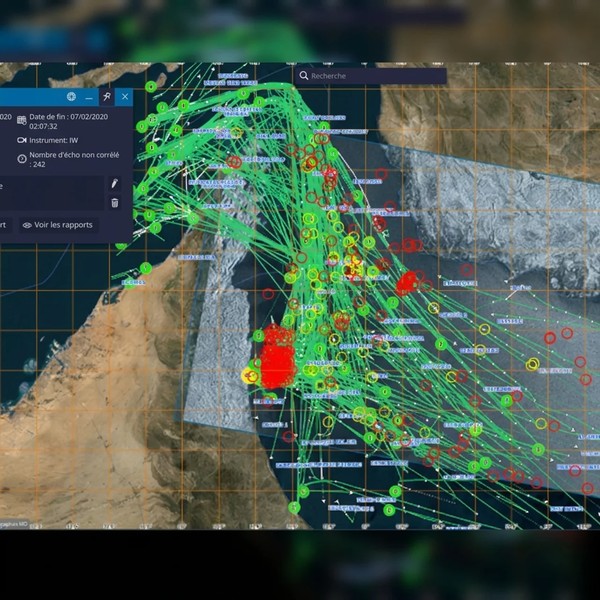
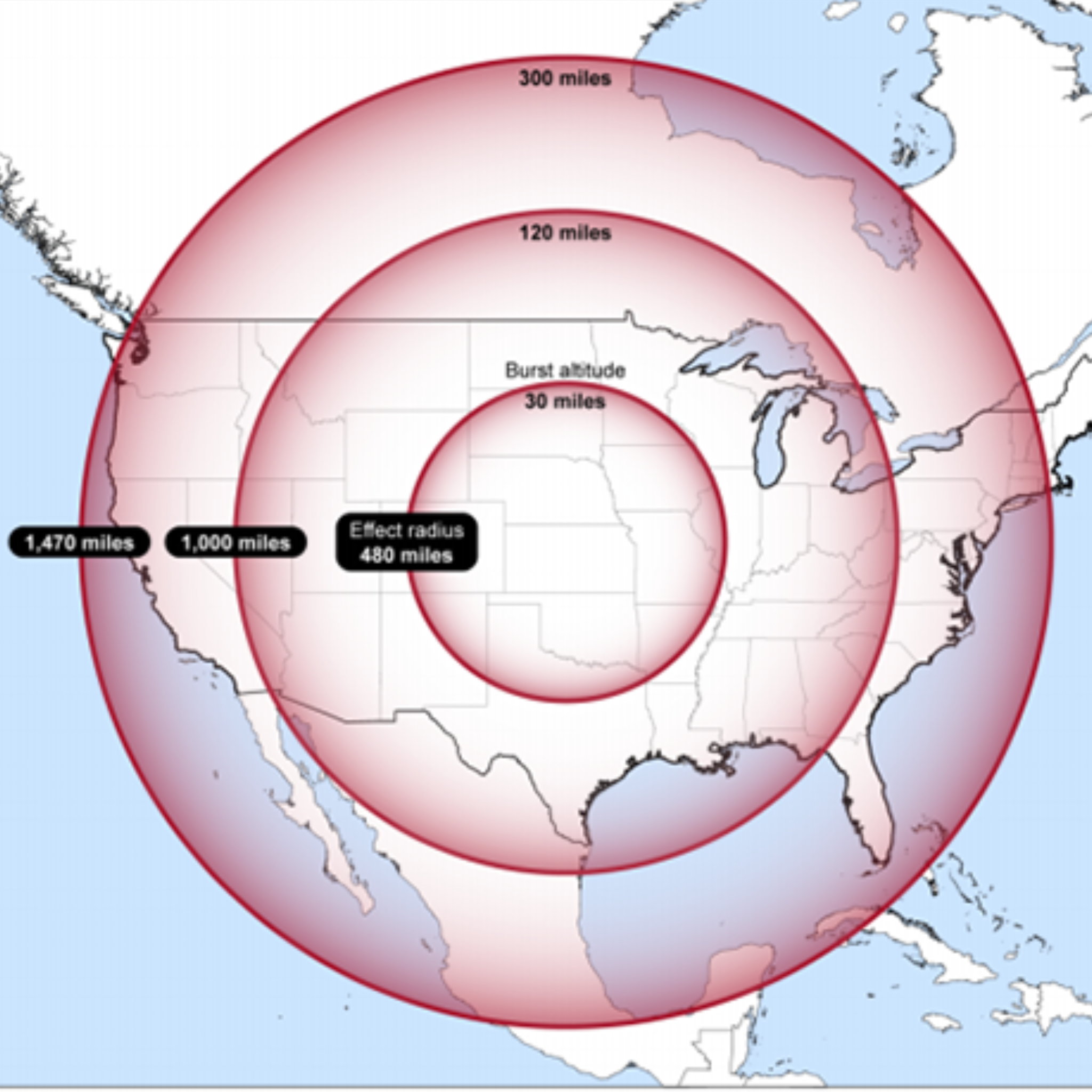
"You're preparing for the wrong scenario." That’s what my buddy Jake told me last month while he was standing in my garage, looking at six years of food storage, solar panels, ammo cans, backup batteries, water jugs, and every EMP checklist I’d ever printed off the internet. And honestly, it pissed me off. I thought I was ready. I had done more than most people. I had shelves full of food. I had batteries in metal cans. I had paper maps. I had radios. I had fuel. I had flashlights. I had more bottled water than my wife wanted sitting in the garage. So when Jake looked around and said I was still missing the part that actually breaks families, I almost told him to leave. Then he said one sentence that made me shut up. “The Pentagon doesn’t plan around the blackout. They plan around the cascade.” I need to back up. I’m 46. Wife, two kids, normal house outside Knoxville. I’m not some bunker guy. I’m not living in a shipping container in the woods. I have a mortgage, a truck payment, a bad knee, and a wife who rolls her eyes every time another brown box shows up labeled “emergency supply.” But I started taking preparedness seriously around 2019. Then 2020 happened, and I stopped apologizing for it. For six years, I built the kind of setup most guys would be proud of. Food for months. Water cases. A few barrels. Solar panels. Battery backups. Faraday bags. Radios. Ammo. Medical kits. Manual tools. Seed packets. Canned meat. Rice. Beans. The boring stuff nobody cares about until the shelf is empty. I thought I had checked every box. Then Jake came over. Jake is former Air Force. Survival instructor. Not the loud kind. Not the “I would’ve been special forces but my knee” guy. He doesn’t brag. He doesn’t post. He doesn’t tell stories unless there’s a reason. We met at a gun show three years ago. Stayed in touch. He’s one of maybe three people I know who can look at a room full of gear and immediately see what’s missing. That day, he was helping me move a freezer in the garage. Afterward, I showed him the setup because I was proud of it. He walked the shelves slowly. Looked at the food. Looked at the batteries. Looked at the water. Looked at the radios. Looked at the metal cans where I keep electronics. Didn’t say much. Then he said, “You’ve got a lot of the right gear.” I smiled. Then he said, “But you’re preparing for the wrong part.” That’s when I got annoyed. I said, “What part?” He looked at the stack of bottled water by the wall. “The part after everybody realizes the tap is gone.” I said, “I have water.” He said, “You have stored water.” I said, “Same thing.” He shook his head. “No. Stored water is a countdown. Access is different.” I didn’t like that. Mostly because I didn’t know what he meant, and I hate when someone makes me feel like I missed something obvious. He asked me what I thought happened after an EMP or major grid-down event. I gave him the standard answer. Lights out. Phones dead. Cars maybe down depending on the event. No internet. No banking. No refrigeration. People panic. You hunker down. He nodded like he had heard it a hundred times. “That’s Day 1 thinking.” I said, “Okay.” He said, “Day 1 is not what kills most families.” That got my attention. He pulled a folding chair over and sat down next to the garage freezer like he was about to ruin my whole afternoon. Then he said, “Most civilian prep guides focus on the moment the lights go out. The military doesn’t. They focus on the failure sequence after.” He called it the cascade. The part where everything that depends on the grid starts failing in order. First the power. Then communications. Then refrigeration. Then fuel pumps. Then payment systems. Then traffic control. Then water pressure. Then sanitation. Then people. He said most preppers build for the first domino and feel prepared because they have gear. But the real danger is not the first domino. It’s the second, third, fourth, and fifth. That’s where families get blindsided. He pointed at my food shelves. “Food is good.” Pointed at the batteries. “Power backup is good.” Pointed at the radios. “Information is good.” Then he pointed at the water cases. “That is not a water plan.” I said, “There’s a few weeks there.” “For drinking only?” I didn’t answer. He said, “What about cooking? Pets? brushing teeth? washing hands? cleaning a wound? your wife making coffee because it’s the one thing keeping her calm? your kid spilling half a bottle because he’s scared and not thinking?” That pissed me off because he was right. A case of water looks like a lot when you’re carrying it. It doesn’t look like a lot when you start doing the math. Jake said, “That’s the civilian mistake. They count bottles. The people who understand systems count sources.” Sources. That word stuck. He said the Pentagon-level planning around grid-down events isn’t built around whether you can keep one room lit for a few days. It’s built around what happens when infrastructure starts failing and normal people do not understand the order. Then he said something I haven’t stopped thinking about. “Everybody thinks the first real crisis is darkness. It isn’t. It’s thirst.” I looked over at the water cases again. He said, “You can sit in the dark. You can eat cold food. You can miss the internet. You can even be hungry for a while. But once a parent can’t give their kid clean water, that parent will stand in any line, sign any form, show any card, and follow any instruction.” He let that sit. “Water is the compliance lever.” That sounded dramatic. Then he walked me through it. Your tap works because of power. Treatment plants need power. Pumps need power. Pressure stations need power. Sensors, chemical systems, controls, backup equipment — all of it depends on electricity and fuel. When the grid goes down, the water system doesn’t magically keep acting like nothing happened. Pumps slow. Pressure drops. Treatment gets interrupted. Boil advisories go out. Sometimes the tap goes dry. Sometimes worse, it still runs and nobody knows if it’s safe. And when that happens, the bottled water aisle gets stripped in hours. Not days. Hours. He asked me if I remembered Texas in 2021. Of course I did. Everyone remembers the power. He said, “Exactly. Everyone remembers the power. Not enough people remember the water.” Millions of people had unsafe or unavailable water. People boiling. melting snow. filling tubs. standing in lines. Trying to figure out what could be trusted. That was weather. That was an accident. That was temporary. Then he pointed at the picture I had printed on my garage wall — one of those EMP maps showing red dots all over the country. He said, “If something like that ever happens, your problem is not just that the lights go out. Your problem is that every system that made your life feel normal starts failing in sequence, and the public catches up too late.” I said, “So what am I missing?” He said, “A way to make water after storage runs out.” I told him I had filter straws in a drawer. He said, “Good. Keep them. One person taking sips from a creek is better than nothing.” Then he looked at me. “But you have a family. Families need gallons.” That was the line that finally got through. Families need gallons. Not sips. Not one person crouched over a puddle. Gallons. Water to pour into cups. Water for cooking. Water for brushing teeth. Water for bottles. Water for the dog. Water for washing hands. Water your wife can make if you’re not home. I asked him what he uses. He pulled out his phone and showed me a picture. Blue bag hanging from a tree branch. Hose running down. Small filter. Clear pouch underneath. The top bag had dirty water in it. The bottom pouch was clear. I said, “What is that?” He said, “Gravity system.” I said, “Like camping?” He shook his head. “Like not depending on the tap.” That’s when he told me about the Aqua-GS1 from Guard Survival. Dirty water goes in the top bag. Creek, pond, lake, river, rainwater — any freshwater source you can safely get to. You hang it. Gravity pulls the water through the 0.1-micron filter. Clean water comes out below. No power. No batteries. No pumping. No chemicals. One gallon at a time. Up to 1,500 gallons depending on source water and maintenance. I kept staring at the picture because it looked too simple. Jake said, “That’s why it works.” He said the guys he knows don’t just stack bottles. They keep ways to use natural freshwater. Because stored water runs out, but a creek keeps moving. He told me to stop thinking about how much water I had in the garage and start thinking about where the closest usable source was. I didn’t answer because I already knew. There’s a creek behind the subdivision. I’ve walked past it for years. Brownish water. Leaves. mud. algae near the edges. The kind of water I tell my kids not to touch. I never once looked at it and thought: That could be my family’s water. Because without filtration, it couldn’t. Jake said, “That’s the point. Most people are surrounded by water they can’t use.” That night, after he left, I stood in the garage staring at my shelves. All the food. All the gear. All the money. And then the water. The part I thought I had handled. I realized I had built a plan for Day 1. Not Day 3. Not Day 7. Not the morning my daughter asks for water and the tap does nothing. I ordered one Aqua-GS1 that night. Just one. I still wanted to see it work before I became the guy ordering water systems because another guy made me feel stupid in my own garage. When it showed up, the whole thing was smaller than I expected. Blue dirty-water bag. Hose. filter. clean-water pouch. hang loop. Simple instructions. That Saturday, I took it to the creek behind the subdivision. The water looked exactly how I remembered. Brownish. Leaves floating. Mud around the edge. Stuff moving in the shallow parts I didn’t want to think about. I filled the top bag. Hung it from a branch. Connected the hose. Set the clean pouch underneath. Opened the valve. For a few seconds, nothing happened. Then water started moving. Slow at first. Then steady. No pump. No battery. No noise. Just gravity. The dirty water stayed in the top bag. Clear water came through the hose into the clean pouch. I picked up the pouch and smelled it. Nothing. No creek smell. No algae. No mud. I poured some into a bottle. Clear. Then I drank it. It tasted like water. Regular water. Cold because the creek was cold. No grit. No weird taste. Nothing. I stood there for a while holding that bottle. That creek had been there the whole time. I had walked past it for years. I had built shelves in my garage and stacked food and water and gear and still managed to ignore the one thing that could keep giving my family water after everything stored ran out. The source was there. I just didn’t have access. That is the difference. Storage is what you have until it’s gone. Access is how you make more. I went home and showed my wife. She didn’t laugh. She didn’t call me paranoid. She watched the clean water come through and said, “Order more before everyone else figures this out.” So I did. One for the house. One for my truck. One for her car. One for my parents. Then I sent the link to my brother. He called me twenty minutes later and said, “You finally lost it?” I asked him one question. “What’s your plan when the water cases run out?” He didn’t answer. Then I asked, “What’s the closest freshwater source to your house?” He said, “There’s a pond behind the church.” I said, “Can your kids drink from it?” He ordered that night. I don’t know who is reading this. Maybe you already prep. Maybe you don’t. Maybe you think EMP talk is dramatic. Maybe you think the grid will always come back fast. Maybe you think bottled water is enough because it feels like enough when you see it stacked. I hope you’re right. But Jake was right about one thing. Most people are preparing for the wrong part. The blackout is not the whole crisis. The cascade is. And when the cascade reaches water, you do not want to be standing in your kitchen learning the difference between storage and access for the first time. Here’s the same system I bought: https://guardsurvival.com/products/aqua-gs1 It’s called the Aqua-GS1. It’s a one-gallon gravity-fed water filtration system. You fill the top bag from a freshwater source like a creek, pond, lake, river, or rainwater, hang it, and gravity pulls the water through the 0.1-micron filter into the clean pouch below. No power. No batteries. No pumping. No chemicals. It’s rated for up to 1,500 gallons depending on source water and maintenance. Not saltwater. Not chemical runoff. Be smart about your source. But for freshwater, this gives your family a way to make clean water by the gallon. And that matters because a family does not need a theory. A family needs water. https://guardsurvival.com/products/aqua-gs1 P.S. — The line that stuck with me was “You’re preparing for the wrong part.” I had food. power. radios. batteries. bottled water. I thought I had water solved. I didn’t. I had stored water. Stored water is a countdown. Access is different. P.P.S. — Texas showed the sequence. Grid fails, pumps fail, pressure drops, water becomes unsafe or unavailable. Everybody talks about the lights. Not enough people talk about the faucet. The faucet is what breaks families. P.P.P.S. — We also ordered Guard Survival’s emergency radio, thermal bivvy, GHOST-GS Faraday bag, and a few GUARD-S1 filter straws after this. Not because the Aqua-GS1 replaces those things, but because once you understand how fragile normal systems are — water, power, heat, information, movement — you stop preparing one item at a time and start covering the basics. But if you only solve one thing first, solve water. P.P.P.P.S. — If you’re thinking you’ll just store more cases, store some. Seriously. But do the math. A case goes fast with a family. Then you need another. And another. Bottled water is a countdown clock. A gravity system is access. As long as there is a creek, pond, lake, river, rain barrel, or bathtub you filled in advance, you have a way to make clean water by the gallon. P.P.P.P.P.S. — My wife tested it herself the next day. I found the clean pouch drying by the sink. She had taken it to the creek, filled the bag, hung it from the fence, and watched it run herself. When I asked what she was doing, she said, “I needed to know I could do it if you weren’t home.” That was enough for me. https://guardsurvival.com/products/aqua-gs1
If you’re a parent or grandparent, please read this👆
Shocking Congressional Report Warns: 9 in 10 Americans Won't Survive One Year Of Grid Collapse — And The Overlooked Reason Why Shocking Congressional Report Warns: 9 in 10 Americans Won't Survive One Year Of Grid Collapse — And The Overlooked Reason Why Published — A congressional EMP Commissi...
SHOP NOWLike this ad? Make it yours.
Crush rebuilds this exact creative around your product — your brand, your colors, your offer — in about a minute.