Jessica Rossi
Jessica Rossi Facebook ad: “Read this if your baby has eczema”
Ran for 1 day, from January 11 to January 12, 2026, the last day Crush saw it.
Run by Jessica Rossi on Facebook. Crush is not the advertiser and does not verify its claims. See this ad in Meta's Ad Library(opens in a new tab)
Want an ad like this for your product?
Crush makes new ad images for your product from this ad: your logo, your product photo, your offer.
Trials from $19.95 USD, then $79.95 USD a month. Cancel anytime.
About this ad
- Meta Ad Library ID
- 857566783649841
- Platforms
- Facebook, Instagram, Audience Network, Messenger and Threads
- Relaunches
- 8
Ad text
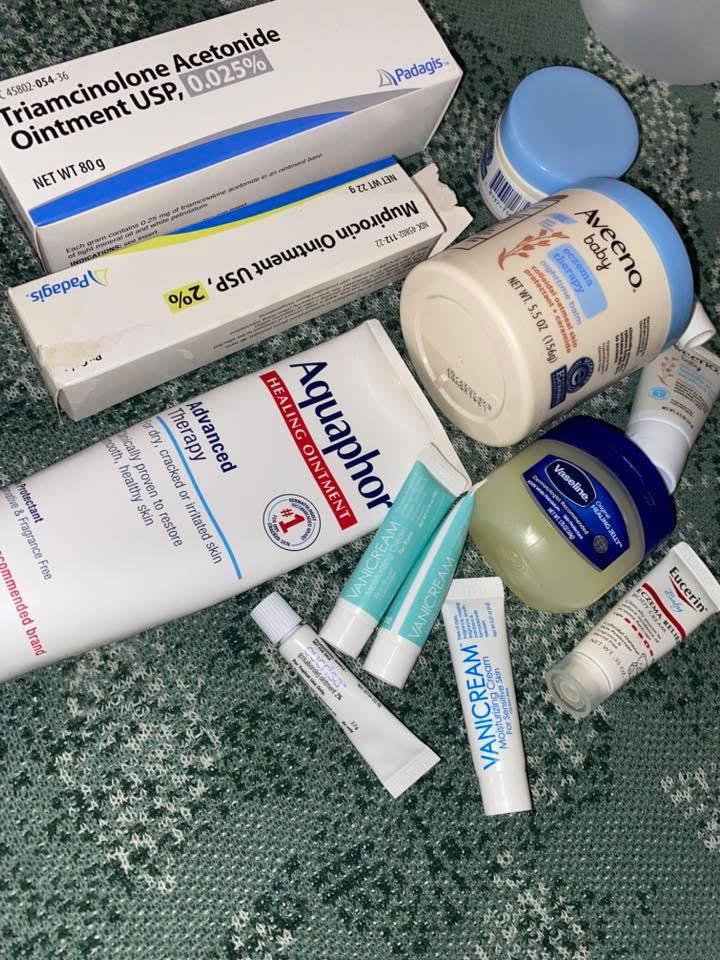
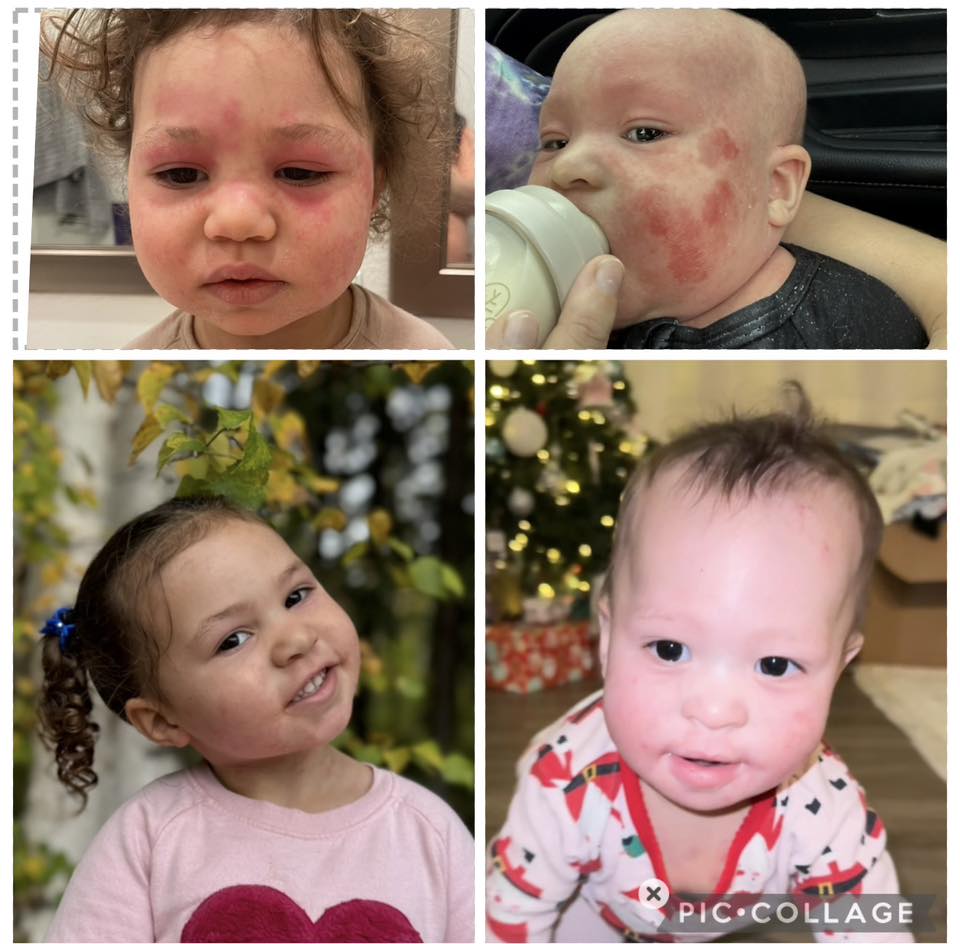
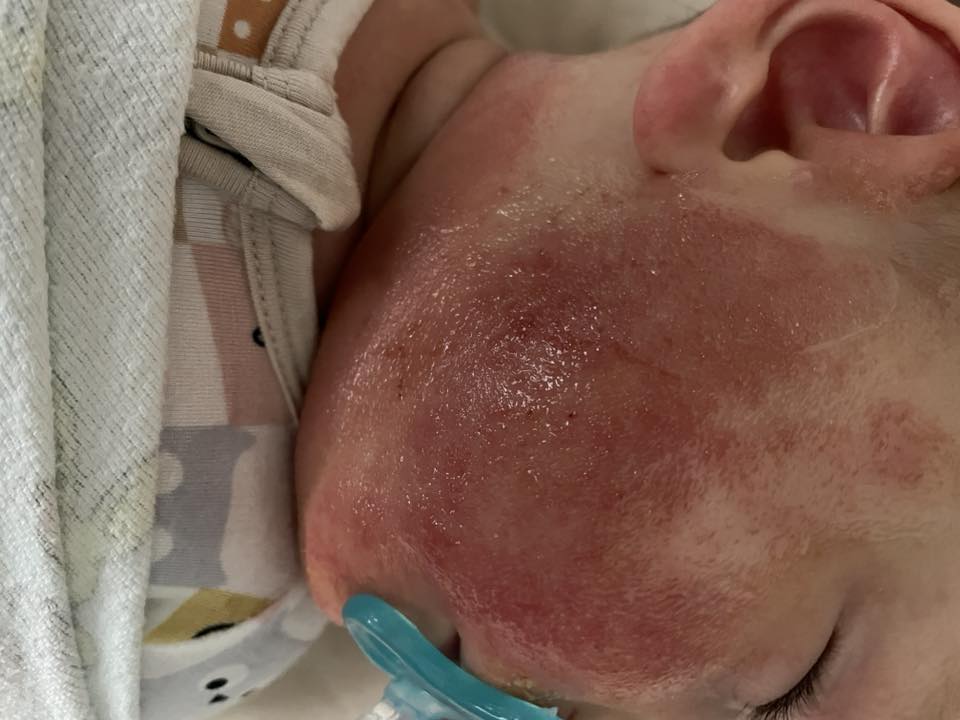
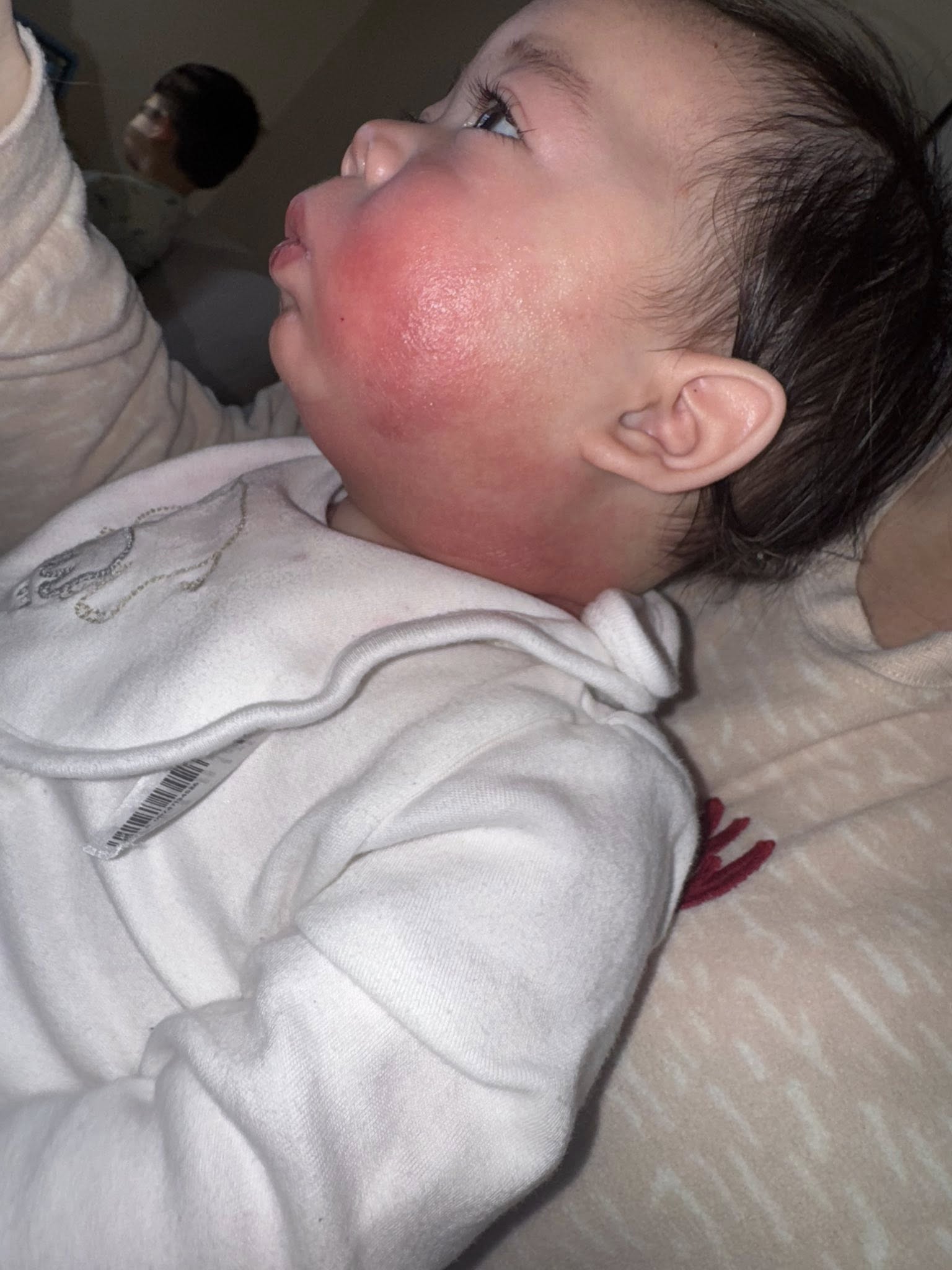
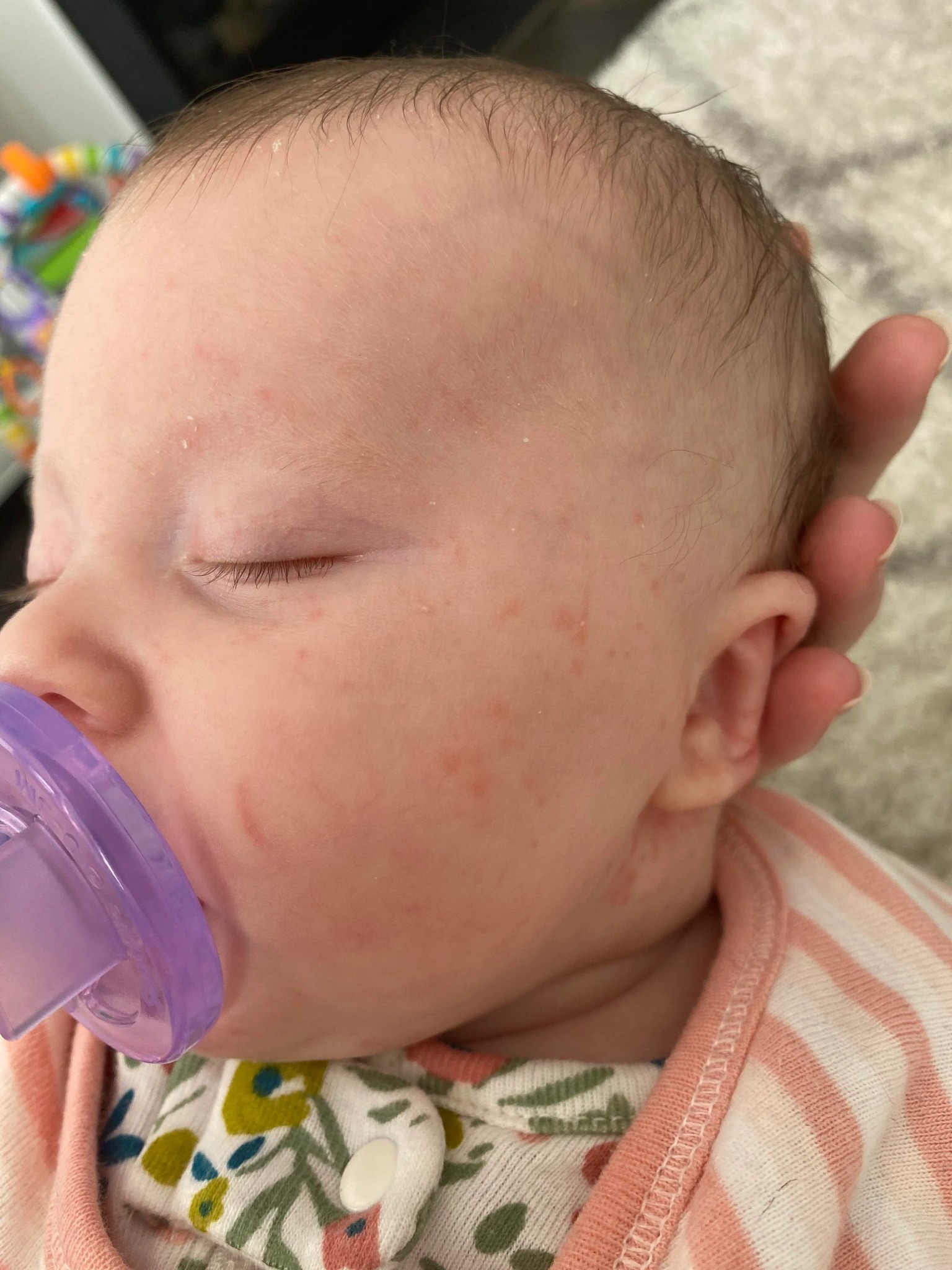
Your baby will NEVER have a normal bedtime routine again as long as they keep scratching their eczema. I had to learn this the hard way. For months, I followed every bit of advice that was available for my baby's eczema. Whatever you could think of, I tried. "Keep moisturizing her skin," they said. I joined every group, forum, chat available. I even had to go through the questions just to get accepted into them. "Why do you want to join the group?" Maybe because I can see my 18 month old cry from exhaustion at night and wanting to sleep but can't because she's too itchy to sleep. Or maybe because I can visibly witness her get rashes from her own saliva whenever she uses her pacifier. I wasn't mad at getting asked these questions. I actually appreciated getting asked. I was mad at the fact that my baby had to go through that. The skin going from baby soft to angry red and constant weeping patches. The crusty skin first developing around her ears, then spreading to the face, then chest and rest of the body. The inability to learn how to sit because the flaming urge to scratch off her own face. I couldn't bare to see the joy get taken out of her life. It was pure torture. It changed every aspect of our lives. Every night I'd wake up to her screaming and crying. I'd walk over and I'd see small blood spots all over her sheets. There'd be scratch marks all over her body making you think she had claws, but we'd trim down her nails to nothing yet every night would be worse than the one before. I'd tried everything. And I mean everything. They told me CeraVe. Fluocinolone prescription and seal it with Vaseline and Aquaphor. Zyrtec for the itching. I'd use all of these exactly like they said. And credit to them, it would work and clear up the skin... for like two days. Then the roaring skin would come back worse than before. During the summer I would make Sarah wear long sleeves. Not because I was ashamed of my baby, but because of the judgment and concern on people's faces when they'd look at her arms. However, I did also read that covering up the skin in cotton helps prevent dirty air from getting to it, so that's what I ran with every time someone would side comment me for making my baby go through that. After a while I would tell them that she's suffering from eczema, and from that point on every conversation turned into a questionnaire I didn't ask for. "Have you tried joining Erasing Eczema? I heard their methods really work." Yes, I joined it and done all the dietary changes. I removed dairy, no gluten, no soy. But the plans are designed for adults and only 9% of kids get eczema relief from it. Plus, removing these foods early on creates allergies that didn't exist before. "What about probiotics or collagen? I know a really good pig feet soup recipe if you want it." Probiotics. Organic cod liver oil applied daily. Collagen from pig feet soup for gut health. We tried them all. "My sister's neighbor's cousin had eczema and she started doing red light therapy on all the weeping spots and it disappeared." Red light therapy while Sarah was sleeping. Zinc oxide for weepy areas. Chamomile tea bag compress for the itchiness. Nothing worked for more than 48 hours. My husband found me crying in the bathroom one night at 2 AM, scrolling through my phone looking at before and after photos of other people's babies. "We'll figure it out," he said. But I could hear it in his voice. He was running out of hope too. The worst part wasn't even what you could see. It was watching her flinch when I tried to put cream on because it stung, and cry because she couldn't stop scratching. She was too young to understand. All she knew was that her skin hurt and I couldn't fix it. What kind of mother can't fix something like this? I started thinking maybe the problem wasn't the creams. Maybe it was our house. I got the entire place checked. Had someone inspect for mold. Put a UV light on the HVAC system. Got the ducts professionally cleaned. Got rid of everything scented. Hand wash, body wash, shampoo, makeup, cleaning supplies, candles, even the trash bags. Bought HEPA filter purifiers for every room of the house. Dusted, vacuumed, cleaned daily. I tried quick cool baths every night just to wash off the debris from the day and cool the skin for temporary relief. Cool baths only, never warm. I'd lather the skin rather than just moisturize it. Kept the room at 60 degrees thinking maybe she was overheating. Would breastfeed whenever she got fussy, hoping it would calm the inflammation. I even started following Dr. Aron's Eczema Treatment Discussion Group on Facebook. Highly recommended because of his methods using small amounts of steroids and antibiotics. It treats staph bacteria really well, people said. But nothing stuck. Nothing lasted. I'd spent over $600 in four months on creams, supplements, house inspections, and air purifiers. Our bathroom cabinet looked like a graveyard. Half used jars of things that didn't work. Each one a little monument to my failure. I was running out of hope. I remember thinking maybe this was just how it was going to be. That my little girl would have to live in pain like this forever. I even considered getting her on Dupixent, a biologic injection. But she was too young. And the thought of putting her through that terrified me. And then something happened that I didn't expect. I was scrolling through one of the Facebook groups at 2 AM, like I always did when Sarah woke up screaming. Just looking for something, anything, that might help. That's when I saw a comment from a woman named Rachel. She wasn't responding to my post. She was responding to someone else whose baby had the same crusty patches around the ears that Sarah had. The same weeping under the chin. The same inability to sleep through the night. Rachel wrote: "My daughter had the exact same thing. Looked identical to your photos. It's been seven months and her skin is completely clear now. Not managing it. Actually clear. If you want to know what worked, message me." Something about the way she said it. "Not managing it. Actually clear." I'd seen a thousand comments promising miracle cures. But this felt different. I clicked on her profile. Looked at her photos. There was one from eight months ago of her daughter Maya with angry red patches covering her face. Then one from last month. Clear, soft skin. I stared at those photos for twenty minutes. Then I sent her a message. "I saw your comment. My daughter's skin looks exactly like your before photo. What did you do?" She responded within an hour. "I'm so sorry you're going through this. I know exactly how exhausting it is. Can I call you? It's easier to explain." That's weird, I thought. But also... I was desperate enough to say yes. We talked for over an hour. She told me about her daughter Maya. 20 months old. Eczema since she was three months old. The same cycle I was in. Steroid cream works for two days, the flare comes back, and you start all over again. "I thought I was losing my mind," she said. "I was doing everything right. Every cream. Every bath. Following all the rules. And nothing worked for more than like 48 hours." "That's exactly what's happening to us," I said. "Right. And everyone acts like you're not trying hard enough. Like if you just found the right cream or cut out the right food, it would magically get better." She gets it. She really gets it. Then she said something that stopped me cold. "Did you know there's bacteria living in the eczema patches?" I didn't know that. She explained it like this: When your baby has eczema, the skin is broken. Like, actually broken. Not just dry or irritated. There are literal cracks in it. Tiny gaps where the skin should be sealed but isn't. And there's this bacteria called Staphylococcus aureus. Staph for short. It's a germ that lives on everyone's skin normally. It's completely harmless when your skin is healthy and intact. But when there are cracks in the skin, when it's broken, raw, and inflamed, the bacteria gets in through the cracks, settles deep into those gaps, and starts multiplying. "Wait," I said. "So the eczema patches are... infected?" "Not exactly infected," Rachel said. "More like... colonized. The bacteria is living there. And here's the thing. It makes everything worse." She explained it like she was learning it again herself and couldn't believe no one had told her sooner. "The bacteria produces toxins that irritate the skin even more. Which makes the skin more inflamed, more itchy, and more damaged. That damage creates more cracks and gaps in the skin, which lets even more bacteria get inside." It's a loop. A horrible, endless loop. And that's why nothing was working. "All those creams we're using," Rachel said, "they're just moisturizers. Even the fancy expensive ones. Even the prescription steroids. They sit on top of the skin. They might calm things down temporarily, but they don't actually reach the bacteria underneath." "Without touching that bacteria, it just stays there, multiplying, digging deeper, and making the skin even weaker. So when you use moisturizers or steroids, you're only masking it. They sit on the surface, hiding the symptoms instead of clearing the real problem." I felt like someone had turned on a light in a dark room. That's why the Fluocinolone only worked for two days. It reduced the inflammation, but the bacteria was still there. The minute the steroids wore off, the bacteria was still doing its thing. Making the eczema come right back. "How did you figure this out?" I asked. "I didn't," she said. "I was googling at like 2 AM and I fell down a rabbit hole reading about eczema and skin bacteria. There are all these studies about it. Apparently like 90% of eczema patches have this Staphylococcus aureus bacteria in them. It's super common, but no one talks about it." We were both quiet for a second. "So what did you do?" I asked. She told me she'd tried almost everything to deal with the bacteria after realizing it was what kept making Maya's eczema flare. She said some moms talked about doing bleach baths, literally putting diluted bleach in the bathwater to kill bacteria on the skin. But they're risky and not recommended for babies under two. People said they barely help anyway. She tried antibacterial soap. Same thing. It helped for a few days, made the dryness worse, and the bacteria came right back. She asked her pediatrician about oral antibiotics. He said they usually don't recommend that for eczema because the bacteria comes right back once you stop the antibiotics. Plus, you can't just keep a baby on antibiotics forever. She even tried getting Maya swabbed when the skin was weeping to test for staph infection. The test came back positive. But the doctor still didn't have a long term solution beyond more antibiotics. "I felt so stuck," she said. "Like I finally understood what the real problem was, but I couldn't figure out how to get rid of it without making something else worse." "So what changed?" I asked. "I found this cream," she said. "I almost didn't try it because I was so tired of wasting money. But I read the ingredients and I realized it was actually designed to deal with bacteria." "The main ingredient was cold extracted raw honey. Not the factory made, store bought kind. Medical grade raw honey." She explained that raw honey contains an enzyme called glucose oxidase that creates hydrogen peroxide when it touches your baby's skin. "The hydrogen peroxide kills the Staphylococcus aureus bacteria. But it's released slowly, in tiny amounts, so it's gentle enough for babies. It doesn't damage the skin like harsh antibacterials or bleach baths." "Honey?" I was skeptical. "I know how it sounds. But there's actual science behind it. The enzyme also produces an acid that lowers the skin's pH back to a healthy level. High pH is what allows the bacteria to thrive in the first place." She paused. "Here's the thing though. Most honey creams you can buy? They heat the honey during manufacturing to make it smooth, to prevent crystallization. But heating it destroys the enzyme. So it's basically just... sticky sugar and moisturizer. It can't kill bacteria." "The cream I found is cold extracted. Never heated above 95 degrees. So the enzyme stays active. That's why it actually works." "But honey is so sticky," I said. "I tried a honey cream before and Sarah screamed when I tried to put her clothes on." "That's what I thought too," Rachel said. "But this one isn't. I don't know how they do it, but it absorbs into the skin in like thirty seconds. I can put Maya's clothes on right after and it doesn't stick to anything." "It also has colloidal oatmeal in it, which is the only ingredient the FDA actually recognizes for eczema relief. It calms down the inflammation and itching. And beeswax, which creates a protective seal over the skin so bacteria can't get back in while it's healing." "So it's like... killing the bacteria and protecting the skin at the same time?" I asked. "Exactly," she said. "That's why it actually works. It's not just moisturizing the surface. It's dealing with what's happening underneath." Then she sent me the link. The cream was called EczeCura. She said it was made by a mom whose little boy had severe eczema. She created it after learning about the Staphylococcus aureus bacteria that keeps making flare ups worse. I didn't know if I believed her. I wanted to. God, I wanted to. But I'd been disappointed so many times. I'd spent so much money on creams that didn't work. I wasn't sure I could handle another failure. "I know," Rachel said. "I was the same way. I'd tried so many things that didn't work. But this one isn't like the others. It actually uses cold extracted honey to target what's really causing the flare ups. You should give it a shot." "And did it work for you?" I asked. "Yeah," she said. "It worked." The way she said it. So quiet. So sure. "Maya's skin is clear now. Like, actually clear. It took about two weeks to really see it, but by week one I could already tell something was different. She stopped scratching at night. The redness calmed down. The weeping patches started closing up instead of oozing." She sent me photos. Before and after. I stared at them for a long time. The before photo looked exactly like Sarah. Angry red patches around the ears. Raw, crusty skin on the cheeks. You could see where she'd scratched herself bloody. The after photo... Her skin was soft. Clear. Normal. "That's really her?" I asked. "That's really her." I was still skeptical. Part of me didn't want to get my hopes up again. But seeing that photo of her little girl's skin actually healing made something click. I ordered it that night. I didn't tell my husband because I didn't want him to know I was spending more money on another cream that probably wouldn't work. I figured I'd tell him only if it actually did. It arrived two days later. The first thing that surprised me was the texture. It wasn't thick or goopy like all the other creams. It was light, smooth, and absorbed into Sarah's skin almost instantly. I could put her pajamas on right away without her sticking to them. What really shocked me, though, was her reaction. She didn't fight me. Usually, cream time was a battle. Crying, squirming, trying to get away. But this time she just sat there, calm and still. It didn't sting. I could tell because she wasn't pulling away or crying. She just looked up at me like she couldn't believe it didn't hurt. That night, I waited in bed, prepared with tweezers and wet wipes like I always did. Ready to remove the fluff out of the weeping patches at 2 AM without causing her more pain, like some kind of surgeon operating in the dark. The 2 AM call never came. She slept for six hours straight. I woke up in a panic because I hadn't heard her. Rushed to her room, terrified something was wrong. She was sleeping. Peaceful. Still. No scratching. No crying. Just sleep. I stood there in the doorway, not ready to believe it yet, but feeling a tiny bit of hope for the first time in months. The next morning, her face looked different. Not perfect. Not cleared up. But... calmer. The redness had backed down. The crusty patches around her ears weren't as angry. By day three, she slept through the entire night. By day five, the weeping stopped. The patches that had been raw and oozing started to dry out. Not in a crusty, cracked way, but in a healing way. Like they were actually closing. By week two, I could see the baby soft skin coming back. Not everywhere yet. But in places where there had been nothing but raw red for months, her real skin was returning. Week three, her face was clear. Completely clear. The crusty patches around her ears? Gone. The redness on her cheeks? Gone. The weeping under her chin? Gone. I took a photo and compared it to one from a month earlier and I couldn't believe it was the same child. Sarah stopped scratching. She stopped crying when I touched her skin. She let me hug her without flinching. And for the first time in over a year, she was learning to sit up properly. The constant urge to scratch wasn't stealing her focus anymore. The joy was coming back into her life. I could finally look at my baby and see comfort instead of pain. I called Rachel crying. "It worked," I said. "It actually worked." "I know," she said. And I could hear her smiling. Here's what I understand now that I didn't before. The eczema wasn't getting better because there was bacteria living in it. Staphylococcus aureus. Making everything worse. Creating that cycle where nothing worked for more than a day or two. All those creams I tried, even the prescription ones, they're not designed to kill bacteria. They can't. They're just moisturizers and anti inflammatories. So the bacteria stays. The inflammation comes back. The itching comes back. The broken skin stays broken. You need something that actually kills the bacteria. Not just covers it up. Cold extracted raw honey does that. The enzyme in it, glucose oxidase, creates hydrogen peroxide that kills Staphylococcus aureus on contact. The bacteria can't survive in it. And when you combine that with something that calms the inflammation like colloidal oatmeal, and something that seals the skin so bacteria can't get back in while it heals, like beeswax, you're finally addressing all of it at once. Not just the surface of the skin like all the other creams, but the actual problem underneath. That's why it works when other things don't. I think about the six months we lost. The nights Sarah cried herself to exhaustion, wanting to sleep but too itchy to rest. The mornings I found blood on her sheets. The constant guilt and worry. I think about all the money I spent on creams, supplements, house inspections, air purifiers, things that couldn't possibly work because they weren't designed to deal with bacteria. I think about how simple it was once Rachel explained it to me. And I get angry that this isn't just common knowledge. That someone doesn't sit you down the minute your kid is diagnosed and say, "Hey, there's probably bacteria in those patches making everything worse. Here's what actually works." Sarah is 20 months old now. Her skin is soft. Clear. She sleeps through the night. She doesn't scratch. She doesn't cry when I put cream on her because we barely need cream anymore. I keep a jar of EczeCura in the bathroom cabinet, but it lasts forever now because we're not fighting a bacterial infection anymore. We're just living. Last week Sarah learned to clap her hands. She was so proud of herself, smiling and clapping, and I realized... she's finally hitting her milestones. The eczema had been stealing so much from her. Her sleep. Her comfort. Her development. But not anymore. I cried. Again. Because for the first time since she was three months old, my baby gets to just be a baby. If you're reading this at 2 AM, desperately googling why your baby's eczema won't go away, I need you to understand something: You're not failing. Your baby probably has Staphylococcus aureus bacteria living in those eczema patches. About 90% of eczema kids do. And that bacteria makes everything worse. Creates that awful cycle where nothing works for more than a day or two. Regular creams, even the expensive prescription ones, they're just moisturizers and steroids. They sit on top. They might help temporarily. But they don't kill bacteria. You need something that does. Cold extracted raw honey kills Staphylococcus aureus. Colloidal oatmeal calms the inflammation. Beeswax protects the skin while it heals. That's what EczeCura is made with. I wish I'd known about this six months earlier. I wish someone had explained the bacteria thing to me on day one. But at least I can tell you now. At least you don't have to waste months like I did. Your baby's eczema probably isn't getting better because there's bacteria living in it that regular creams can't touch. Now you know. Now you can do something about it. Now your baby can finally sleep through the night. Like mine finally does.
Where the ad sends people
eczecura.com
Read this if your baby has eczema 👆
EczeCura
Learn more: eczecura.com(opens in a new tab)