
Inactive· since Jul 23, 2026
- 19
- days it ran
- 0
- relaunches
Ad copy
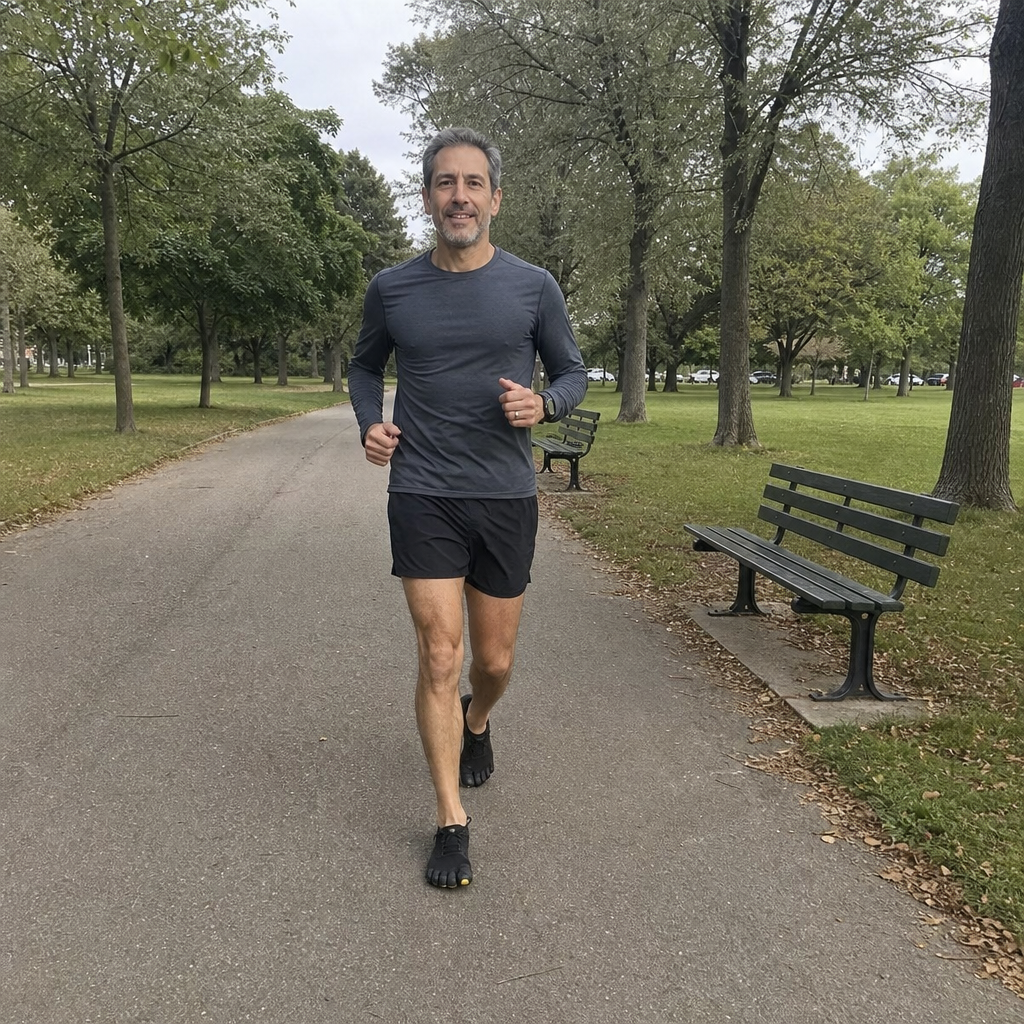
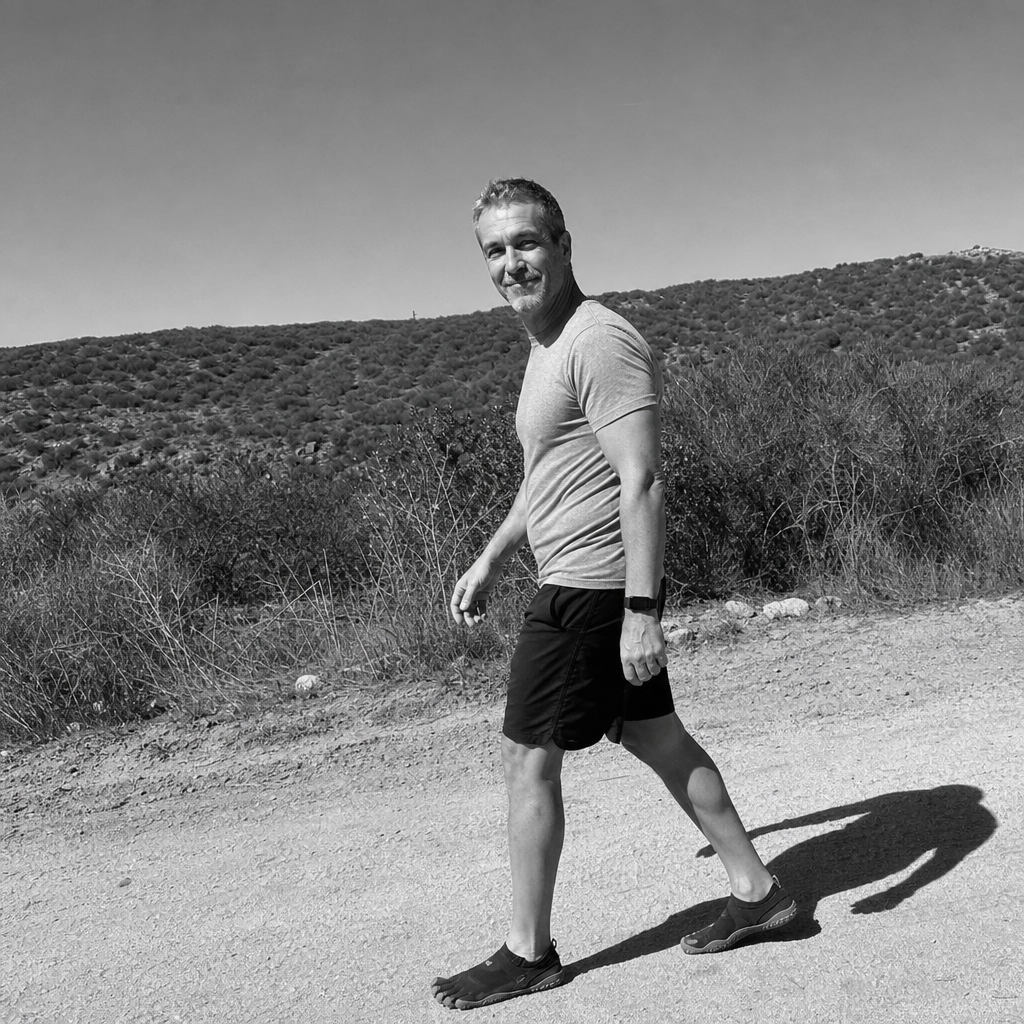
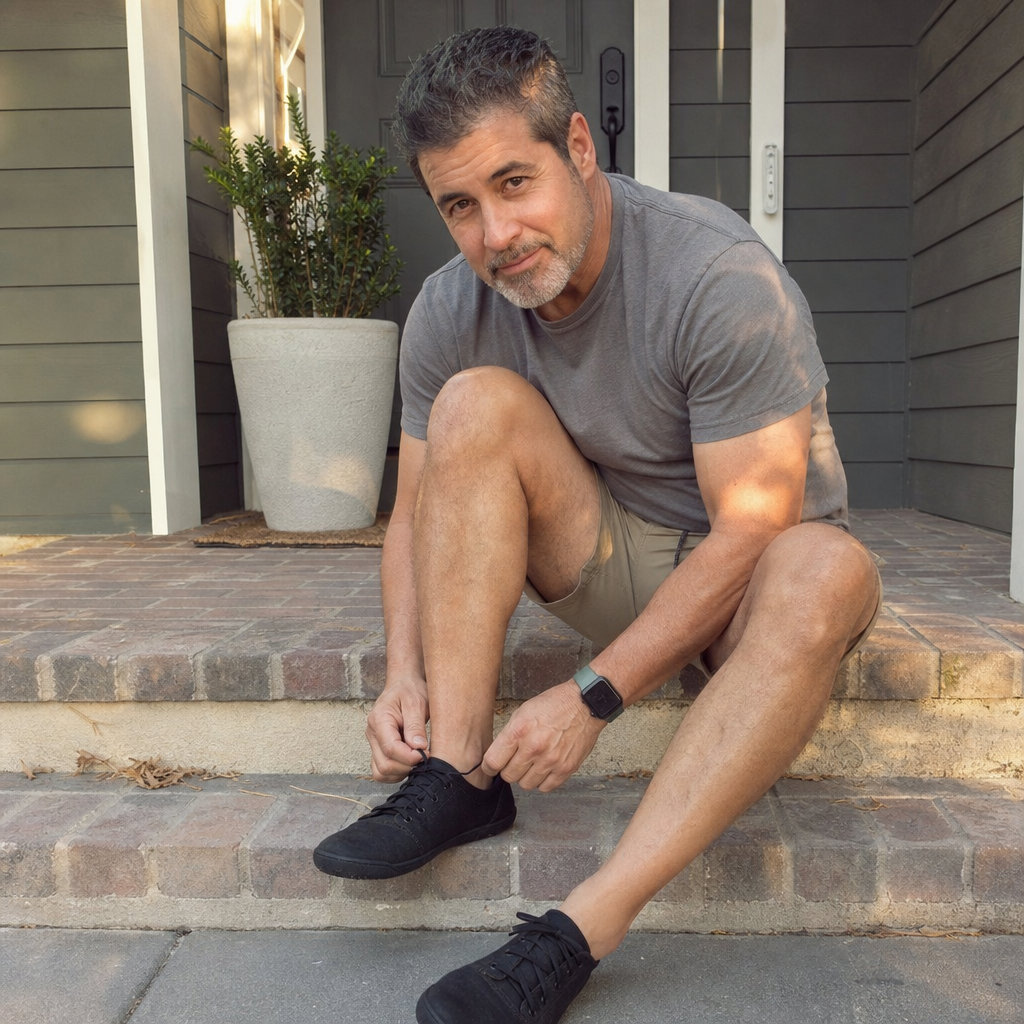
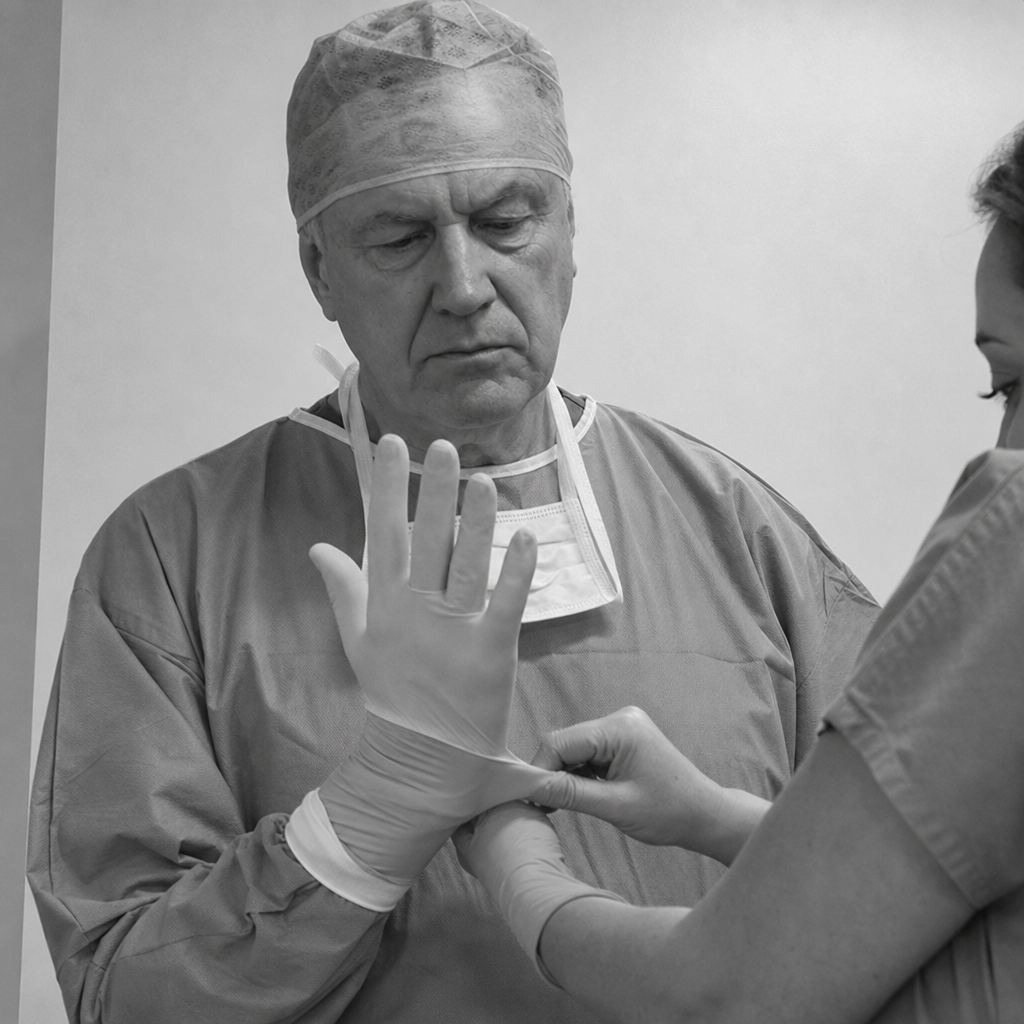
Three scientists discovered what causes chronic foot and knee pain and won the Nobel Prize. The footwear industry buried it and sold you orthotics and cushioned shoes instead. That same year, Nike made $44.5 billion. Coincidence? What the Nobel Prize Winners Actually Discovered Dr. David Julius, Dr. Ardem Patpatian, and their research teams spent decades studying a single system: mechanoreceptors. They discovered these are the master signals that tell your muscles, tendons, and joints how to stabilize and absorb impact. Without them, your body is flying blind. Your arches collapse. Your ankles roll. Your knees grind. And yes, your joints deteriorate. Their research proved that when mechanoreceptor signaling is blocked, the entire kinetic chain fails. Not because of aging. Not because you're "overweight." Because of a specific sensory deprivation. The Nobel committee called it "one of the most important discoveries in physiology." Major medical journals published the research. Universities updated their neuroscience textbooks. Every podiatrist and orthopedic surgeon in America learned about mechanoreceptors' role in joint stability. Then something strange happened. The discovery was buried… The $400-Per-Pair Solution Months after the Nobel Prize announcement, the footwear industry doubled down with the biggest marketing blitz in history. Nike alone spent $3.1 billion on advertising that year. LeBron James endorsements. "Air Max" technology. "Ultra Boost cushioning" promises. Prime-time TV commercials during every major sporting event. Overnight, the idea that you need MORE cushioning became gospel. But here's what they never told you in those commercials: Cushioned shoes don't restore mechanoreceptor function. They don't fix the sensory deprivation the Nobel Prize winners discovered. They do the exact opposite -- they bury your foot's nerve endings under inches of dead foam. For 6-12 months. Then the cushion compresses and stops absorbing impact entirely. And you need another $180 pair. Why They Chose the Band-Aid Over the Cure The footwear industry's internal research teams knew exactly what caused chronic joint pain. They read the same Nobel Prize-winning research everyone else did. They knew that blocked mechanoreceptor signaling was the root cause. They knew that barefoot ground contact -- specifically through zero-drop, wide-toe-box shoes -- could restore proprioceptive function naturally. Clinical trials had already proven it. Stanford researchers demonstrated that 90 days of barefoot shoe use reduced rotational knee stress by 43%. Alignment improved. Inflammation dropped. Pain normalized. No side effects. No prescriptions. No recurring costs. But here's the problem: You can't patent "letting your foot touch the ground properly." You can't charge $180 every six months for a shoe that doesn't destroy your joints. You can't build a $150 billion annual revenue stream from something people could fix once and never need a replacement for. So the shoe industry made a business decision: Ignore the Nobel Prize-winning science about mechanoreceptor restoration. Create shoes that mask the symptom temporarily with foam. Price them at $150-400 per pair. Market them aggressively. Make billions. The Study They Never Publicized In 2022, researchers at a university biomechanics lab conducted a trial. They gave men and women with chronic knee and foot pain zero-drop barefoot shoes to wear daily. No medications. No orthotics. No other interventions. Just natural foot mechanics restored. After two weeks, ankle stability improved measurably in every participant. After four weeks, rotational knee stress decreased by an average of 43%. After eight weeks, 78% of participants reported significantly reduced joint pain. The study was published in a peer-reviewed biomechanics journal. Zero mainstream media picked it up. No footwear company funded follow-up research. No doctor education initiatives. Because if people knew they could solve the problem by restoring natural ground signaling, the orthopedic industry's cash cow disappears. What Your Doctor Knows (But Won't Say) Your orthopedic specialist understands mechanoreceptors. They learned about them in medical school. They know the Nobel Prize research. They know barefoot ground contact restores proprioceptive stability. But when you sit in their office and say "my knees are killing me," here's what happens: They look at your X-rays (show expected age-related wear). They ask about your weight and activity level (standard protocol). They pull out the referral pad. Custom orthotics. Cortisone injections. "Stability" shoes. $400 per orthotic. $200 per shot. Monthly appointments for the rest of your life. They never mention mechanoreceptors. They never suggest barefoot intervention. They never tell you about the Nobel Prize-winning discovery that could actually fix the problem. Why? Because insurance reimburses for orthotics and injections, not footwear changes. Because shoe company reps provide free samples and "continuing education" lunches. Because the system is designed to manage symptoms, not solve problems. The Stability Your Body Stopped Getting After decades in elevated, narrow shoes, your foot's proprioceptive ability drops approximately 10% per year. By 50, you've lost nearly 50% of the ground-sensing ability you had at 30. By 60, you've lost 70%. This isn't speculation. This is documented biomechanical science. Arches collapse. Toes constrict and weaken. Everything that requires stable alignment starts failing. Your ankles -- chronic rolling and instability. Your knees -- grinding, inflammation, arthritis. Your hips -- compensation patterns and deep aching. Your lower back -- unexplained chronic pain. It's all the same mechanism. And there's a natural solution that's been proven for decades. Why Cheap "Barefoot" Shoes Don't Work (And Why That's Intentional) After the research started circulating, dozens of "minimalist" shoes flooded the market. You can find them everywhere now. Amazon. Walmart. TJ Maxx. $25 shoes calling themselves "barefoot." People buy them, hoping for results. Nothing happens. They conclude "barefoot shoes don't work." They go back to their cushioned Nikes. Exactly as designed. Because those cheap knockoffs are deliberately formulated to fail: Narrow toe boxes that still crush your toes together. "Zero-drop" claims with hidden heel elevation. Rigid soles that block every signal from reaching your nervous system. Cheap materials that collapse and fall apart in weeks. It's like comparing fresh-squeezed juice to sugar water with a fruit picture on the label. Technically the same category. Completely different effect. The cheap versions exist to discredit the research and drive people back to $400 orthotics. What the Nobel Prize Winners Actually Demonstrated Dr. Ardem Patpatian, one of the Nobel Prize winners, specifically discovered the Piezo2 receptor -- the exact mechanoreceptor most concentrated in the soles of your feet. His research proves that Piezo2 requires direct mechanical pressure -- ground contact -- to signal your stabilizing muscles. The mechanism is simple: pressure activates Piezo2, which fires signals to your muscles and tendons, which stabilize your joints in real-time. Block the pressure with foam, and the signal never fires. Your joints lose their stabilizer system. Decades of subsequent research confirmed: the foot requires three things to protect your joints. Wide toe splay for tripod balance. Zero heel elevation for neutral alignment. Thin, flexible soles for ground feedback. No footwear company promoted this research. No insurance company recommended it. No major media outlet covered it. Because it threatened a $150 billion industry built on selling thicker and thicker foam every six months. The Stanford Researcher Who Tested the Theory A sports medicine physician got tired of watching his patients cycle through orthotics, shots, and surgeries that never stuck. He started recommending clinical-grade barefoot shoes before reaching for the cortisone needle. Proper toe box width. True zero-drop sole. Flexible enough for mechanoreceptor activation. His patients reported back within weeks: Morning stiffness disappearing. Knee grinding reduced during walks. Energy increasing throughout the day. Joint swelling visibly decreasing. After six months, 84% of his patients reduced or eliminated their dependence on orthotics and injections. They'd restored their body's natural proprioceptive stability system. The mechanism the Nobel Prize winners discovered in 2021. The mechanism the shoe industry chose to ignore. Two Paths Path One: Keep wearing cushioned shoes. $150-400 every six months as the foam compresses. Weakening arches. Collapsing stability. Progressive joint deterioration. Never address the actual sensory deprivation. Hope the orthotics keep masking the pain as your joints continue grinding. Stay dependent forever. Path Two: Restore what your feet stopped getting. Give your mechanoreceptors the ground contact they need to fire properly. Let your kinetic chain function the way it did before modern footwear. Fix the root cause the Nobel Prize winners identified in 2021. What Actually Works After studying the Nobel Prize research and the buried clinical trials, a small footwear company decided to create what Nike refused to make: HF Stride Barefoot Shoes by Hike Footwear. True wide toe box -- allowing complete natural toe splay for tripod stability. Zero-drop sole -- matching the flat, neutral alignment proven in clinical research. Flexible ground-contact sole -- lets mechanoreceptor signals reach your nervous system unblocked. Premium materials -- won't collapse like cheap Amazon knockoffs. Precision-engineered last -- designed around actual foot biomechanics, not fashion trends. This isn't another "comfort shoe" making vague cushioning promises. This is the Nobel Prize-winning science that the footwear industry buried because they couldn't profit from it. What to Expect Week 1-2: Your mechanoreceptors begin reactivating. Dormant foot muscles fire for the first time in years. You may feel mild fatigue as your feet rebuild. Morning stiffness starts easing. Week 3-4: Stability improves noticeably. Knee grinding decreases. Ankle rolling stops. You feel grounded and balanced in a way you haven't in decades. Week 6-8: Joint pain drops to levels you haven't experienced in years. Inflammation visibly decreases. You stop bracing yourself before standing up. Month 3+: Your body maintains natural alignment automatically. Your kinetic chain functions the way it was designed to. Everything just works. The way it's supposed to. Hike Footwear is currently running a limited promotion: 49% off plus free shipping. 30-day wear-them-or-return-them guarantee. Wear them for 30 full days. If your joints don't feel better -- if the grinding doesn't stop -- if you don't feel measurable reduction in your knee and foot pain... Send them back for a full refund. You risk nothing except continuing down the path the shoe industry designed for you. But be aware: Hike Footwear is a small company that refuses to cut corners on materials and construction. When they sell out, there's a 4-6 week wait for the next batch. Last restock sold out in under 72 hours. The Discovery That Changed Physiology (But Not Your Doctor's Recommendation) Three scientists won the Nobel Prize for discovering the sensory receptors that control how your body stabilizes every joint from the ground up. The shoe industry turned that discovery into a $150 billion empire selling foam that blocks those same receptors. Your doctor never mentions the actual solution because the system isn't designed to fix you. It's designed to keep you coming back. Now you know what they don't want you to know. Click below to restore what your feet have been missing.
The 2021 Nobel Prize Discovery That The Shoe Industry Tried to Bury
SHOP NOWLike this ad? Make it yours.
Crush rebuilds this exact creative around your product — your brand, your colors, your offer — in about a minute.