
Inactive· since Dec 24, 2025
- 159
- days it ran
- 1
- relaunches
Ad copy
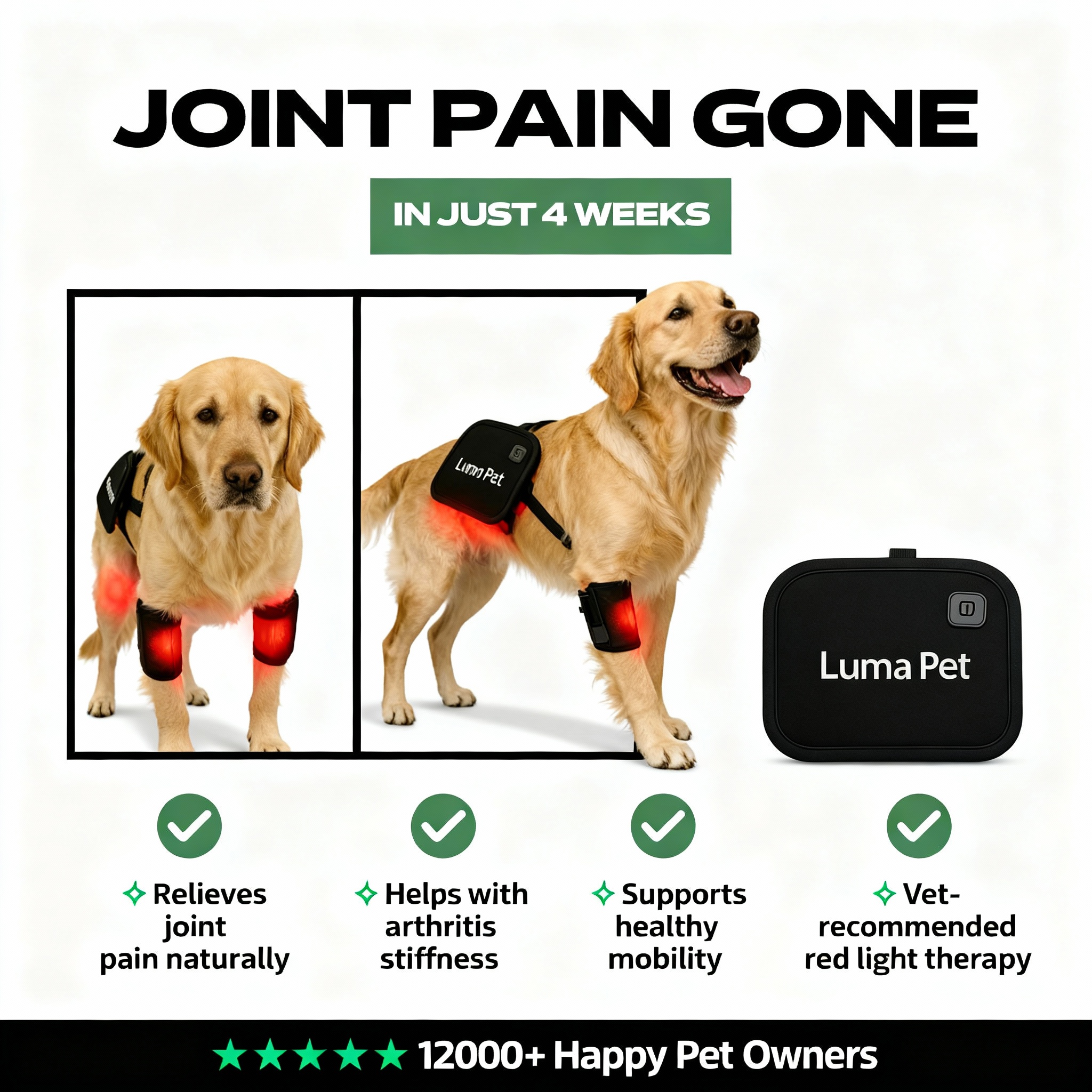
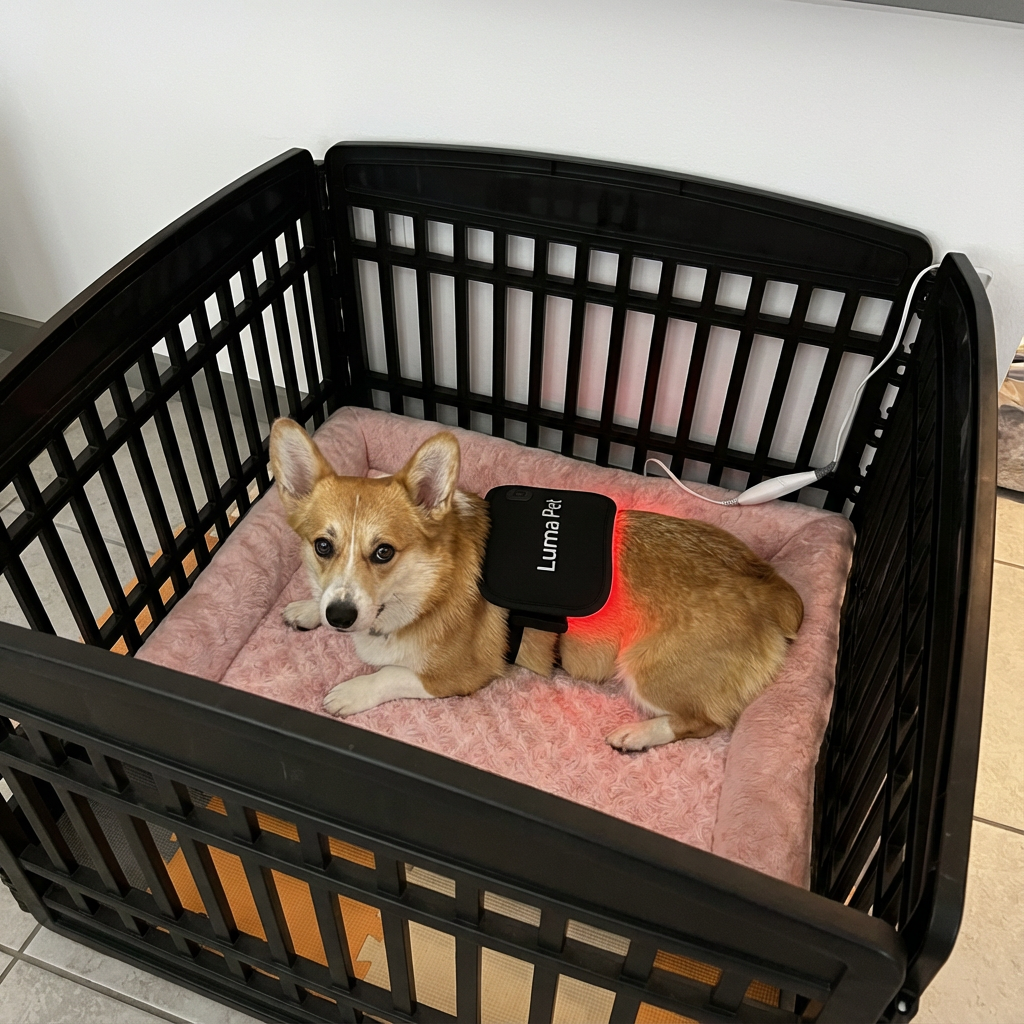
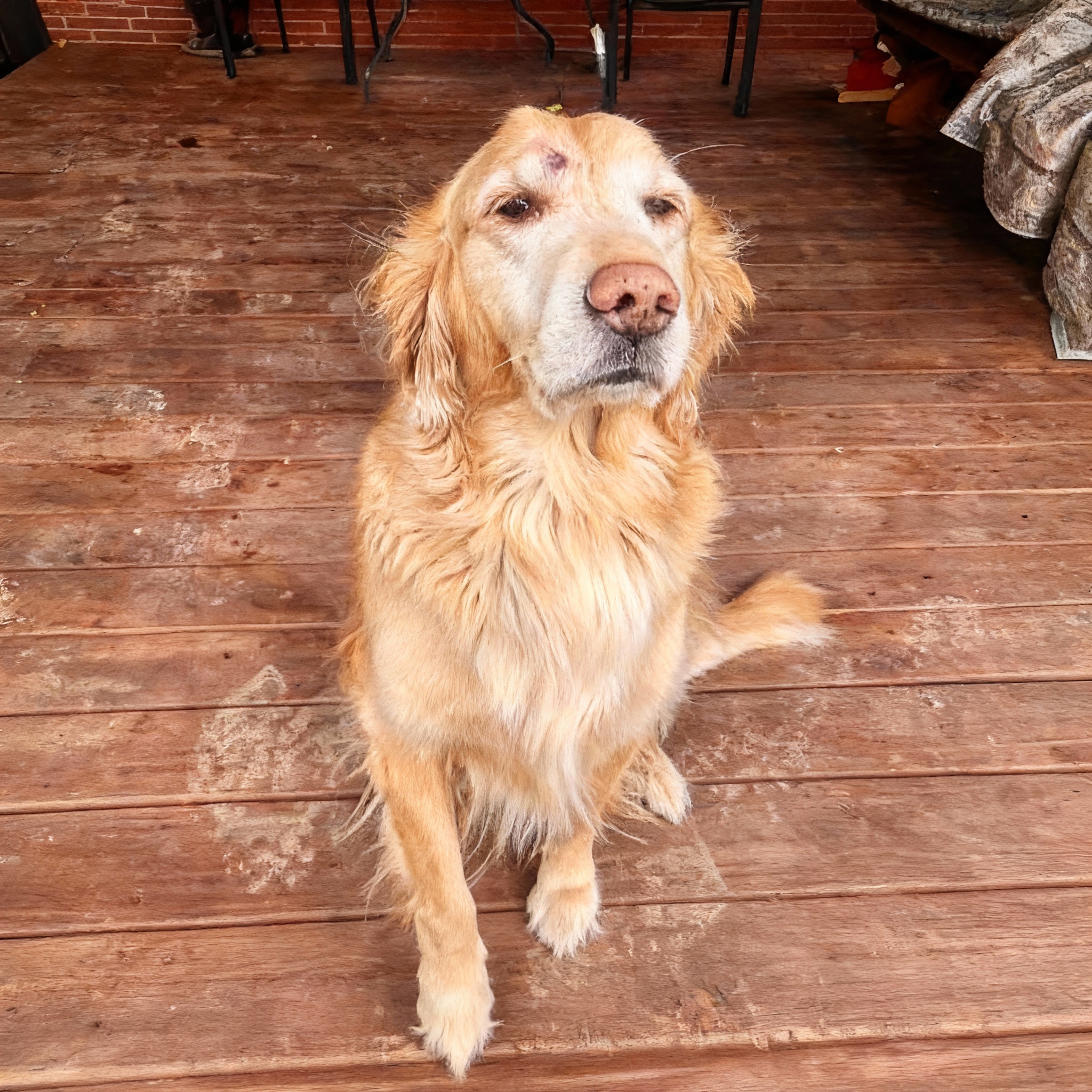
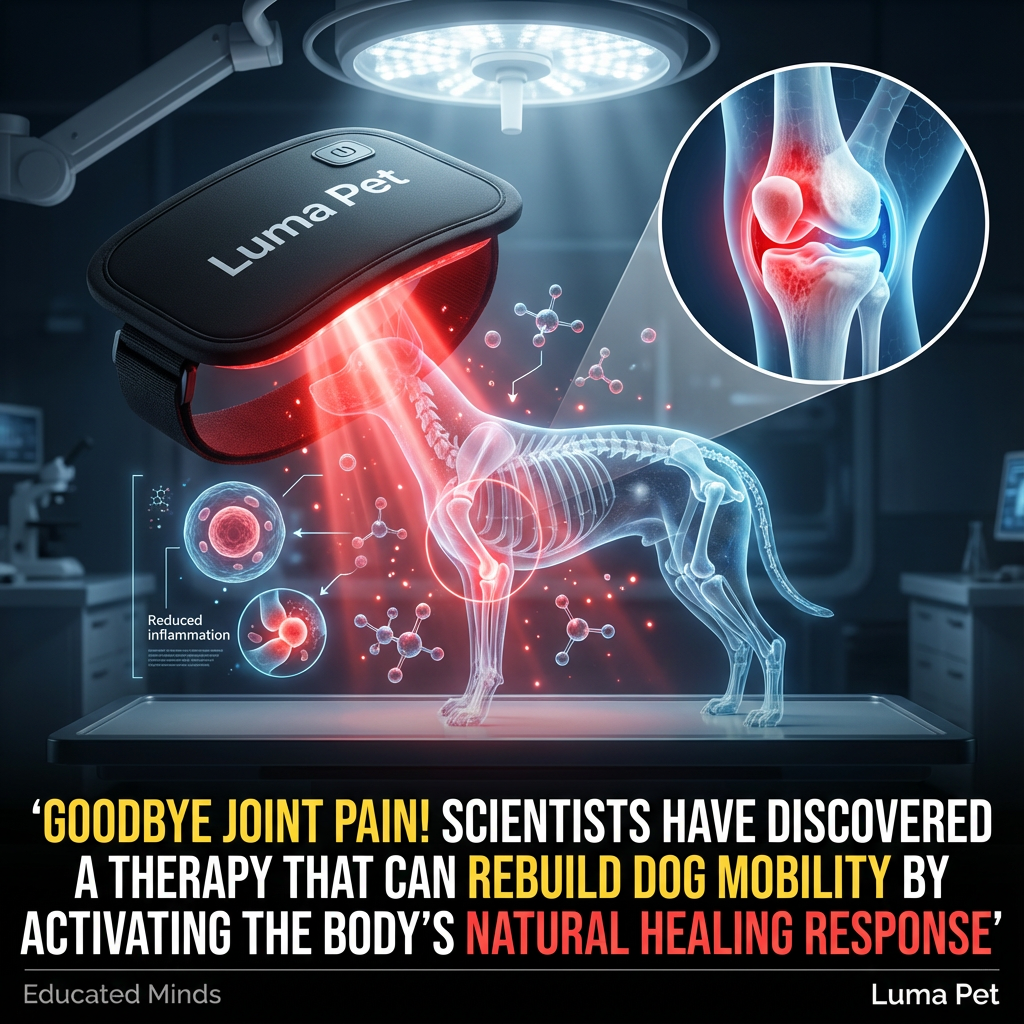
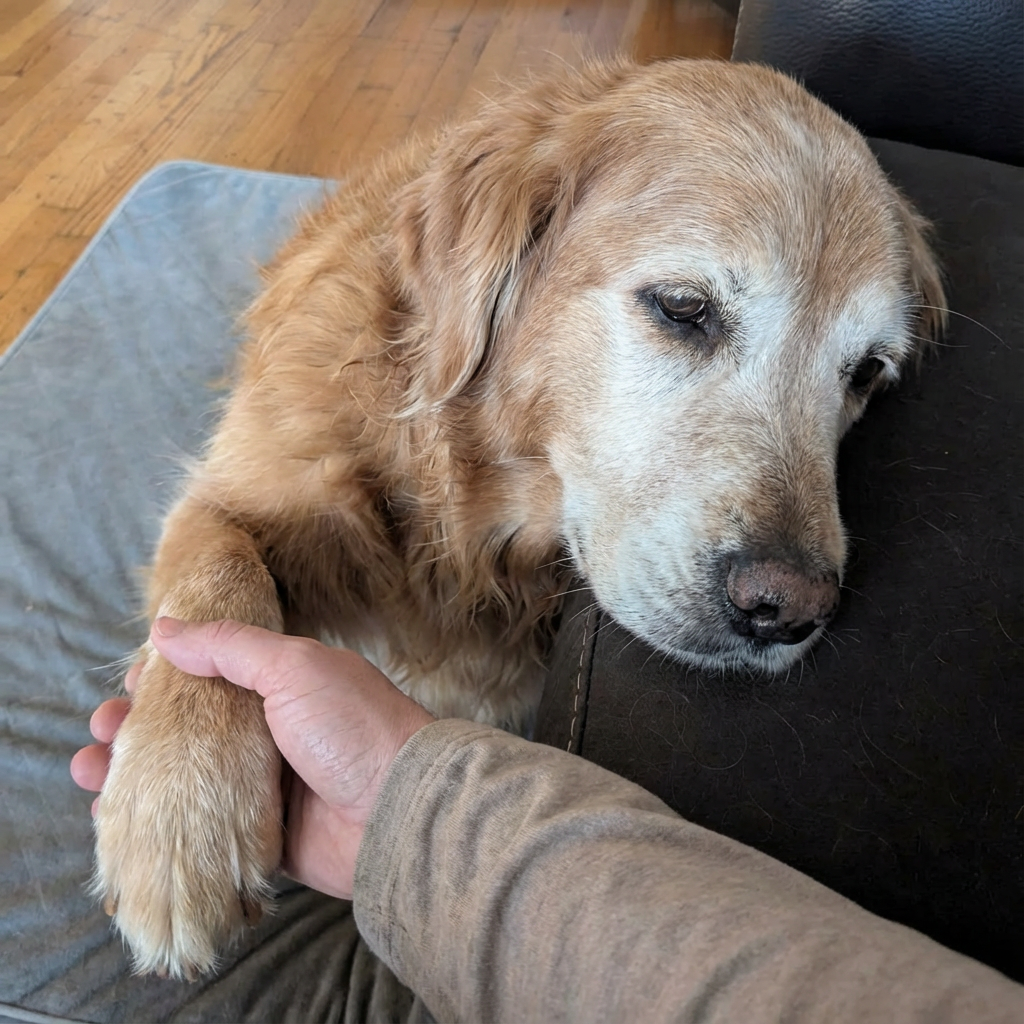
I watched my Golden Retriever drag herself across the kitchen floor that morning, back legs barely working, and I just broke. She's only 8. Three months ago, she was running circles around the yard. Now she can't even get up without me lifting her hind end off the ground. The vet said arthritis. Prescribed Rimadyl. $120 a month. Fine, whatever it takes. Except it didn't take. Week after week, I watched her decline. The pills helped a little at first, maybe. But then I started noticing things. The trembling. The vomiting. The way she'd look at me when I held out her "medicine" like I was betraying her. I called the vet back. "These are side effects we monitor," they said. "We can try Gabapentin instead." Another prescription. Another $90. Same hollow hope. And still, every morning, watching her struggle. I stopped sleeping through the night. I'd lie there at 2 AM, listening for her pacing, her whimpering. Wondering how much time we had left. Wondering if this was just... it. The beginning of the end. My husband found me crying in the laundry room one Tuesday afternoon. "She's eight years old," I said. "She should have years left. Why is this happening so fast?" He didn't have an answer. Neither did I. So I did what you do at 2 AM when you can't sleep and you can't give up: I searched. Not the polite Google searches I'd done before. Desperate searches. "Why is my dog deteriorating so fast" and "arthritis worse with medication" and "alternatives when pain meds don't work." That's when I found something I'd never seen in any vet's office. Never heard mentioned in any appointment. A veterinary research study from 2023. The title stopped me cold: "Inflammatory Cascade Acceleration: Why NSAIDs May Worsen Long-Term Joint Deterioration in Canine Arthritis." I read it three times. Here's what nobody tells you: Arthritis isn't just about worn-down cartilage. It's about inflammation that triggers more inflammation. A cascade. And NSAIDs like Rimadyl? They reduce surface pain. They mask symptoms. But they do absolutely nothing to stop the cellular damage happening deep in the joint tissue. In fact - and this part made my hands shake - suppressing surface inflammation with drugs can actually accelerate the underlying deterioration. Because the inflammation is your dog's body desperately trying to heal. And when you chemically shut that down without addressing the root cellular damage, the body just... keeps breaking down faster. The study showed something else. Joint cells need specific wavelengths of light to produce ATP - cellular energy that powers healing. In inflamed joints, this process breaks down. The cells literally can't generate enough energy to repair themselves. That's why the decline happens so fast. That's why medications stop working. That's why every dog owner I knew told the same story: "It helped at first, then everything got worse." We weren't healing the problem. We were sedating it while it spiraled. I sat there at my kitchen table at 3:47 AM, laptop light washing over me, feeling something I hadn't felt in months. Not hope exactly. But... a direction. A reason this was happening. An explanation that actually made sense. The study mentioned photobiomodulation therapy. Light at specific wavelengths that penetrates deep into joint tissue and literally restores cellular energy production. Allows the healing cascade to work properly instead of failing. I'd never heard of it. Turns out, veterinary clinics have been using it for years. Laser therapy, they call it. $75-150 per session. Multiple sessions per week. Thousands of dollars over time. The vet had never mentioned it once. I found myself getting angry. Then I found myself doing math. If this actually worked - if I could bring this cellular healing home instead of sedating her pain while she deteriorated - what would that mean? I ordered an at-home device that night. Not because I believed it would work. Because I was out of options and I needed to feel like I was doing something. It arrived on a Thursday. Small red LED pad. Instructions said fifteen minutes per day on affected joints. I almost laughed. This little thing? Against months of decline? But I had nothing to lose except another $79 I'd already spent on hope before. First session: nothing. She tolerated it. Seemed to relax under the warmth. Second session: nothing. Third session, Saturday morning: she got up on her own after treatment. First time in two weeks. I told myself it was coincidence. Fluke. Good day. Sunday: she walked to her food bowl without dragging her back legs. Monday: she climbed onto the couch. BY HERSELF. Something she hadn't done since July. I started filming her sessions. Not for social media. For me. Because I needed proof this was real. Day 8: She ran. Not far. Maybe fifteen feet across the yard after a squirrel. But she RAN. I sat down in the grass and sobbed. My husband found the videos on my phone later. "How long has this been happening?" he asked. "A week and a half." "A week and a--" He stopped. Looked at me. "Why didn't the vet tell us about this?" I'd been asking myself the same thing. We're on week seven now. I haven't given her Rimadyl in five weeks. Her bloodwork came back perfect - liver enzymes normal for the first time since starting medication. She plays with the neighbor's puppy. She jumps in the car. She sleeps through the night. So do I. Yesterday morning, I watched her run full speed across the park, tongue out, ears flying, looking exactly like the dog I thought I'd lost. And I thought about all those 2 AM panic spirals. All those mornings watching her suffer. All that guilt and helplessness and grief for a goodbye that felt inevitable. I think about what I would have missed if I'd just accepted "this is arthritis, here's Rimadyl, manage the decline." I would have missed this morning. Her stealing my sock and making me chase her around the house. Her annoying me by blocking the bathroom door. Her dropping a tennis ball in my lap during dinner. All the ordinary, beautiful, annoying moments I thought were gone forever. I don't know why more vets don't talk about cellular energy and healing cascades and photobiomodulation. Maybe it's not dramatic enough. Maybe it's too new. Maybe there's no pharmaceutical rep bringing lunch to explain it. What I know is this: my dog was declining fast on medication that was supposed to help her. And the moment I stopped suppressing her body's healing process and started supporting it at the cellular level, everything changed. She's eight years old. The vet said we were managing decline. We're not managing anything anymore. We're living. If your dog is struggling. If the medications aren't working or stopped working or come with side effects that scare you. If you're watching them deteriorate and feeling helpless and wondering if this is just how it ends. It's 2 AM somewhere. Start searching. Look up photobiomodulation for dogs. Look up red light therapy. Look up what's actually happening in those inflamed joints while the NSAIDs mask the pain. Your dog's cells are literally starving for energy to heal. The solution isn't sedating the symptoms. It's restoring what broke down. I got my dog back. Not managed. Not maintained. Back. You can too.
Like this ad? Make it yours.
Crush rebuilds this exact creative around your product — your brand, your colors, your offer — in about a minute.