
Inactive· since Mar 18, 2026
- 7
- days it ran
- 0
- relaunches
Ad copy
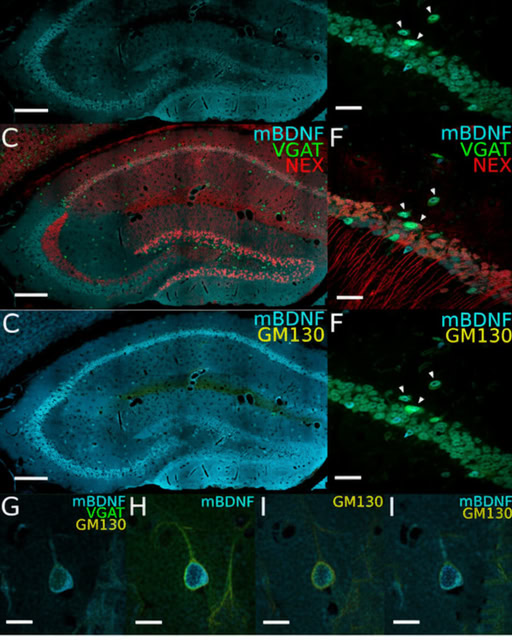
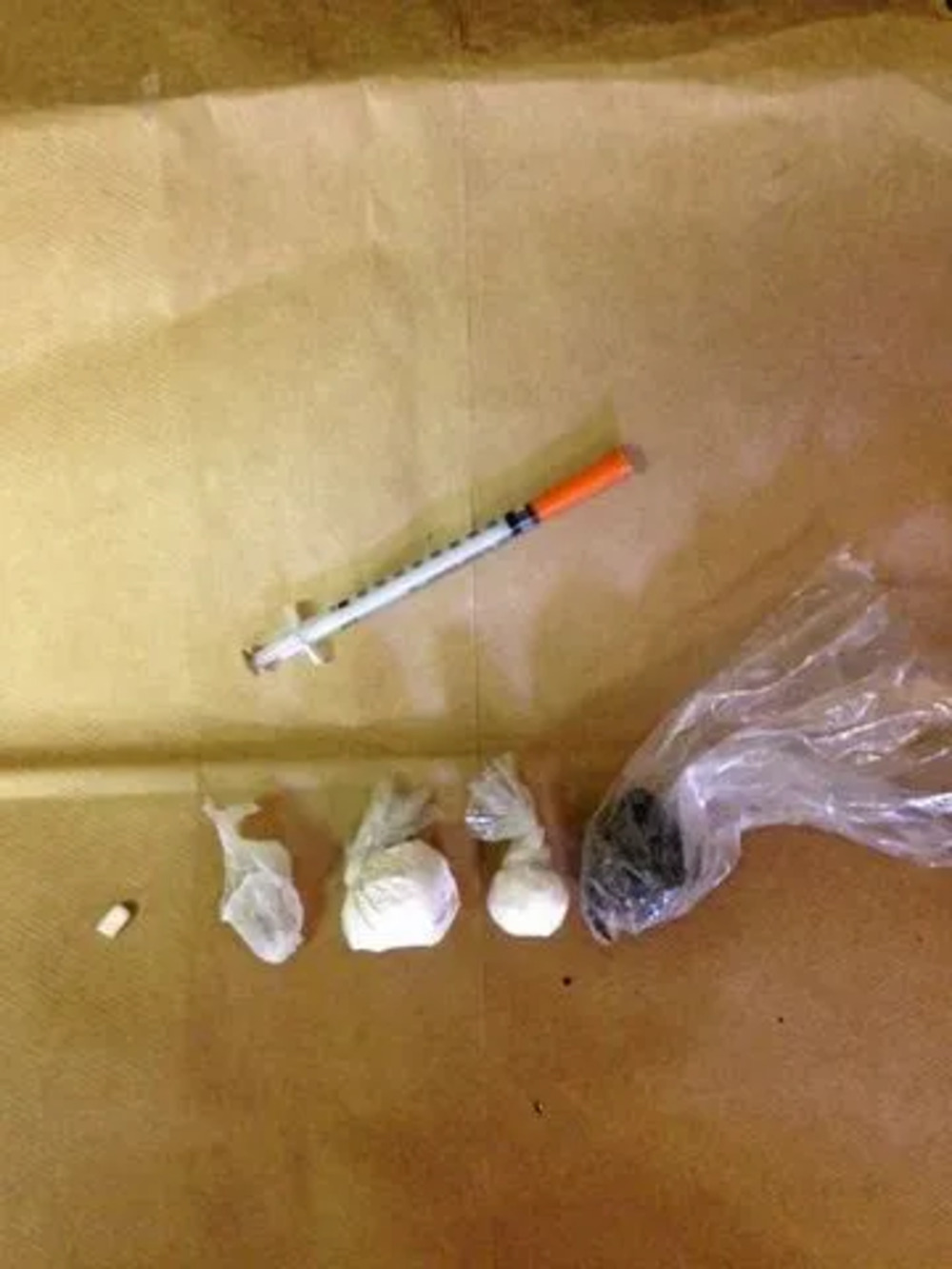
If your husband is using heroin every day and can't stop no matter how hard he tries, hiding needles around the house, white-knuckling sobriety until the sickness pulls him back, waking up already craving before his feet even hit the floor, going through every treatment program the system throws at him and getting worse... I'm about to tell you exactly what they're hiding from you and why they'll NEVER tell you the truth. And by the end of this, you're gonna be pissed. Because there are three things happening right now: One - His brain is screaming at him that something is neurologically broken Two - The addiction treatment system is gaslighting him into thinking it's a willpower problem And three - There's a billion-dollar rehab industry that profits every single day he stays dependent So let me tell you what happened with my husband, because his story is gonna open your eyes to how fucked up this really is. For YEARS, and I mean like four straight years, my husband was drowning in heroin dependency. His baseline was completely gone. Not like "oh he gets high at parties" using. I'm talking he needed heroin by mid-morning just to feel like a functioning human being. He was sick by dawn. Breaking promises to himself by noon that he'd made at 6am. Hiding needles in places I still haven't found. The track marks on his arms that he covered with long sleeves in July. And the attempts to get sober? Every time he stopped, he couldn't sustain it. Not because he didn't want to. Because the moment heroin left his system, this crushing, physical hell came in that made every sober hour feel unbearable. The muscle aches. The vomiting. The feeling like every cell in his body was screaming for the one thing that would make it stop. And even after the physical withdrawal passed, weeks later, there was still this grey, motivationless flatness that made normal life feel impossible. No joy. No drive. No sense that anything was worth doing without using. Just existing. Just waiting to feel something. He'd sit across from me at dinner and I could see it. Present on the outside. Completely hollow inside. He couldn't connect. Couldn't feel anything worth staying sober for. And I watched him hate himself for it every single day. So obviously, we go get help, right? Multiple specialists. Addiction counselors. Psychiatrists. Inpatient programs. We're talking thousands of dollars in appointments, 30-day rehab stays, 90-day residential programs, psychiatric evaluations... the whole nine yards. And you know what every single one of them told him? "It's opioid use disorder." "You need to commit to the program." "Take the Suboxone. It blocks the craving." "Get on methadone. Come to the clinic every morning. One day at a time." "This is a chronic relapsing disease. You'll need to manage it for life." MANAGE IT FOR LIFE. This man's brain is shutting down and they're telling him to manage it ONE DAY AT A TIME. But here's where it gets worse, and this is the part that made me start digging into what the hell is actually going on. They put him on three different protocols over two years. Suboxone first. Then methadone maintenance. Then naltrexone combined with intensive outpatient. And their logic was "oh, we just need to find the right combination to suppress the behavior." Those protocols DESTROYED him. I'm talking thirty days on Suboxone still feeling the pull every waking hour, the craving just quieter but always there. Completing a 90-day inpatient program and relapsing within two weeks of discharge. Sitting through group therapy meetings where the need to use felt like a physical emergency, not a character defect. And his dependency? Still there. Just now he was dependent AND ashamed AND more hopeless than when we started. So at this point, I'm fucking furious. Because I'm watching my husband do everything the system tells him to do, spend everything, try every protocol, and get WORSE. Not better. Worse. And that's when I started asking questions that nobody wants you to ask: Why are addiction specialists so quick to prescribe things that manage the craving but never fix what's causing it? Why do they treat heroin dependency like a behavioral problem when sober life feels neurologically unbearable no matter how much he wants to stay sober? And why the fuck does nobody ever talk about what's actually happening to his brain underneath, or how to heal it? So I went down a rabbit hole. And I mean a DEEP rabbit hole. I started researching why someone would have all these symptoms. The uncontrollable cravings. The grey flatness the moment heroin left his system. The relapsing over and over despite genuinely wanting to stop. And every mainstream addiction site gave me the same bullshit answers. "Rehab. Suboxone. Methadone. Willpower. Disease management." But then I found this article from a functional addiction specialist, someone who actually studies ROOT CAUSES instead of just symptoms. And he mentioned something I had literally never heard of in my entire life. Dopamine receptor degeneration. Now pause for a second. You know what's insane? We learned about serotonin in health class. Dopamine. Endorphins. But nobody, and I mean NOBODY, ever taught us that years of heavy opioid use physically destroy the dopamine receptor density in your brain's reward circuitry, and that those neurons need BDNF, Brain-Derived Neurotrophic Factor, just to survive and rebuild. And that's not an accident. Because once you understand what dopamine receptor degeneration actually does to a brain, you realize that 90% of the "treatment-resistant heroin dependency" the system can't figure out? It's ALL connected to neuronal breakdown in the reward circuitry that makes sober life feel literally unbearable, no matter how much willpower a person has. Here's what your dopamine receptors actually do: They're your brain's reward architecture. The neurons in your reward circuitry that generate pleasure, motivation, and baseline okayness when you're not using a substance. They're what allow a sober brain to feel like sober life is worth having. Think of it like this: if your brain is a power grid, dopamine receptors are the infrastructure that delivers the electricity. Heroin is a generator plugged in from the outside, so powerful it floods the whole system. Plug in that generator long enough, and the grid stops maintaining itself. In fact, it starts shutting down because it doesn't need to work anymore. When your dopamine receptor density is healthy? Your brain generates motivation naturally. You feel pleasure from ordinary things. You feel genuine connection with people you love. You have a baseline sense of okayness that doesn't need a chemical to drive it. Sobriety feels livable. But when your dopamine receptors are damaged? That's when shit hits the fan. Your brain loses the ability to generate reward signals without a chemical trigger. Sobriety feels grey and flat and neurologically unbearable, not because he's weak, but because his brain physically cannot produce the signals that make sober life feel worth living. The craving isn't a character defect. It's degenerated reward circuitry screaming for the only signal it can still receive. And here's what nobody tells you: with every year of heavy heroin use, dopamine receptor density declines. The neurons that were supposed to rebuild can't get adequate BDNF support to survive. They degenerate. The reward circuitry that would allow him to feel okay without heroin just shuts down. So you get: Waking up already sick and craving before his eyes are even open Completing a 90-day program and relapsing within weeks because nothing actually changed in his brain Grey emotional flatness that makes every sober hour feel like punishment Going to meetings and still feeling the pull so strong he can't hear a word being said Sitting across from you at dinner, present on the outside and completely hollow inside The physical withdrawal symptoms that come back earlier and worse every time he tries to stop Breaking a promise made at 6am before noon Sobriety that feels like something is being taken away instead of something being restored Complete loss of motivation, joy, and connection when he's not using Feeling functional for a few hours after using and completely unable to cope by afternoon Relapse that doesn't feel like failure, it feels like neurological inevitability And here's the CASCADE EFFECT that makes it worse: Damaged dopamine receptors mean his brain's stress response gets locked in the ON position. So anxiety builds the moment heroin leaves his system and never shuts off. This is what the doctors call post-acute withdrawal syndrome. The anxiety, insomnia, depression, and cravings that linger for months after detox. They tell you it just takes time. They don't tell you WHY it's still there. Damaged dopamine receptors mean he can't generate the reward signals that make social connection, work, and basic daily life feel meaningful. So isolation deepens and every sober day feels greyer than the last. Damaged dopamine receptors mean he can't sleep through the night without waking up reaching for something. Because the circuitry responsible for nocturnal restoration is the same circuitry heroin destroyed. His brain is literally stuck. And it cannot unstick itself without dopamine receptor restoration. And here's the part that made my blood boil: The addiction treatment system KNOWS about this. They know dopamine receptor degeneration is what makes sobriety feel neurologically unbearable for treatment-resistant patients. But unless he's in a university research program, they don't give a single fuck about what's happening to his brain's reward architecture. Why? Because there's no program they can bill your insurance for that specifically restores dopamine receptor density. You can't run a $30,000 inpatient stay on a mineral that rebuilds neurons. There's no money in telling you that the reason sobriety feels impossible is degenerative, not behavioral, and that the degeneration can be reversed. There IS money in keeping him cycling through inpatient rehab, methadone clinics, Suboxone protocols, and relapse management for the REST OF HIS LIFE, while his dopamine receptors keep declining and the system keeps telling you he just needs more commitment. See how that works? So I kept researching. I'm reading studies now. Medical journals. Talking to functional medicine doctors... And I found out there's actual RESEARCH on a specific mineral that directly restores dopamine receptor density and stimulates BDNF production in the neurons that reward circuitry depends on to survive and rebuild. The mineral is called Lithium. Now, before you freak out, this is NOT the high-dose prescription lithium they give people with bipolar disorder. When you're choosing a lithium supplement for dopamine receptor restoration, you need to make sure it's in the right form to actually cross the blood-brain barrier and stimulate the BDNF production that damaged reward neurons need to rebuild. And here's what blew my mind when I learned how it actually works. It involves understanding four specific mechanisms, and dopamine receptor restoration is the one nobody in the addiction space ever talks about: Dopamine receptor upregulation: lithium orotate activates the cellular pathways that trigger BDNF release in reward circuitry neurons, giving his brain back the ability to generate pleasure, motivation, and baseline okayness without a chemical trigger Neurotransmitter production support: lithium literally helps his brain produce dopamine and serotonin naturally at the receptor level, not just block the signals the way Suboxone and naltrexone do Neuroprotection: protects the reward neurons from the further oxidative damage that continued withdrawal and chronic stress cause Neuroinflammation reduction: calms the chronic brain inflammation that keeps the reward circuitry locked in a depleted, degenerated state Now here's what's crazy: I found studies, actual peer-reviewed studies, showing that lithium orotate at micro-doses directly increases BDNF levels in the neurons of the reward circuitry, the exact brain region that degenerates under years of heavy opioid use, and that this BDNF restoration is what allows people to finally break out of the white-knuckling cycle and sustain sobriety without it feeling neurologically unbearable. But you'll never hear an addiction specialist mention it. So my husband finally finds a functional medicine doctor who actually knows about this stuff. And this man literally gives him the same protocol I'd been researching. He's like: "Your dopamine receptors are in severe degeneration. The reward circuitry that's supposed to make sober life feel worth having has been progressively shutting down for years. We need to restore BDNF production in those neurons and allow the receptors to rebuild." He writes down lithium orotate and tells my husband to start taking it daily. And for the first time in four years, someone gave him a neurological explanation instead of a moral one. But here's the problem... The functional doctor recommended lithium orotate, but didn't tell us which brand to trust. Because most lithium supplements are either too weak, wrong form, or don't actually stimulate BDNF production in the reward circuitry the way the clinically-studied versions do. My husband had to research brands himself. Different companies. Different doses. Some online, some in stores where the quality was questionable. He's trying to figure out which one actually works because, surprise, there's no standardized information about this. And the good brands were expensive. Over $50 a month for something that might not even be the right formulation. But you know what? He did it. He bought a random bottle of lithium orotate 20mg on Amazon because he was desperate. And after about two weeks? The morning sickness, that clawing, sick craving that hit before his eyes were even open, was quieter. First time in years. After a month? He threw away the kit he'd been hiding under the floorboard in the closet. Didn't feel like a heroic act. Just felt unnecessary. After two months? He drove past his old neighborhood on the way home and realized at the next traffic light he hadn't even thought about stopping. So we were relieved, right? It worked! But here's what bothered me... When I dug deeper into the research, I found that most lithium orotate supplements have a major problem: they don't optimize for dopamine receptor restoration specifically. The research that showed the most dramatic BDNF restoration in reward circuitry neurons used 10mg of a highly bioavailable form that gets into brain cells efficiently and triggers maximum receptor upregulation. Plus, my husband was taking 20mg, but the research showing the best results for dopamine receptor restoration used 10mg of a specific form that crosses the blood-brain barrier more effectively. He was getting results, but I kept thinking: what if there's a form specifically optimized for dopamine receptor restoration that works even better? What if he's not getting all the benefits because the supplement wasn't designed for maximum brain absorption at the receptor level? That's when I started researching companies that actually understood the neuroscience... I needed to find one that: Used lithium OROTATE 10mg specifically, the clinically studied dose for dopamine receptor restoration and BDNF activation Used pharmaceutical-grade ingredients that actually cross the blood-brain barrier and trigger receptor upregulation at the neuronal level Had actual researchers behind the formulation who understood the reward circuitry mechanisms involved in addiction recovery Was third-party tested for purity Wasn't charging an insane markup And I'm scrolling through a Facebook group about natural addiction recovery one day, literally just looking for answers, and I see someone mention this company called Oratonics. So I go to their website, ready to be disappointed like I had been with the 20 other companies I'd looked at. And I almost fell out of my chair. They had lithium orotate 10mg. The actual pharmaceutical-grade form that crosses the blood-brain barrier and activates BDNF production in the reward circuitry neurons that heroin dependency destroys. In the exact clinically-studied dose aligned with the research on dopamine receptor restoration. But that's not even the crazy part. When I dug into WHO was behind the company? They had actual researchers on their team who specialized in neuroplasticity and the BDNF mechanisms that reward circuitry neurons depend on to survive and rebuild. People who understood the science behind lithium's ability to restore dopamine receptor density and allow the brain to generate sober reward signals again. They weren't just throwing lithium in a bottle. They'd done the work on receptor restoration. They understood the mechanism. They created the exact formulation designed to maximize BDNF production in damaged reward neurons. And here's where my jaw hit the floor: When my husband was trying other brands? $50 to $80 a month for questionable quality. This bottle from Oratonics? $29. Already a fucking steal, right? But THEN, and I swear I'm not making this up, they have bundle deals that make it even cheaper. Go look at the price right now. I'm dead serious. It's insane. And my husband has been taking it for six months now. The daily using? Gone. The grey flatness that made sobriety feel neurologically unbearable? Hasn't felt it in four months. The morning craving that hit before his eyes even opened? Gone. His brain's reward circuitry is rebuilding the receptor density that four years of heavy heroin use destroyed. This is the protocol they don't want you to know about. Because the second you restore dopamine receptor density and give the reward circuitry what it needs to rebuild, he doesn't need their revolving door of inpatient programs anymore. He doesn't need their symptom-masking Suboxone. His brain starts RESTORING ITS OWN REWARD ARCHITECTURE and generating sober pleasure signals the way it's supposed to. Now here's the thing I need you to understand: The longer you wait, the more his dopamine receptor density declines and the harder it becomes to restore BDNF levels in those neurons. Degeneration that's been progressing for years becomes harder to reverse the longer it continues and the more the reward circuitry atrophies. Right now, if your husband is dealing with treatment-resistant heroin dependency, uncontrollable cravings, that grey sober flatness that makes staying clean feel neurologically impossible, he can reverse this by restoring dopamine receptor density. But if you wait six months? A year? The receptor degeneration continues. BDNF production in reward neurons drops even lower. His brain loses more of its ability to generate sober reward signals. And then it takes longer to recover. Every month that goes by, his reward circuitry's ability to heal itself decreases. He's been on protocols that don't work, and the answer has been sitting in the research this entire time while the system kept sending him back to inpatient. So if your husband is dealing with ANY of this, uncontrollable cravings, the grey emptiness that makes sobriety unbearable, relapsing despite genuinely wanting to stop, that hollow disconnection at the dinner table, the track marks, the hiding, the promises broken before noon, the dependency your addiction specialist keeps managing but never fixing, this is literally the time. Not next month when his dopamine receptor density has dropped even lower and sobriety feels even more impossible. Right now. I put the link below. And honestly? Even if you're skeptical, grab one bottle. Try it for a month. See if his dopamine receptor restoration responds the way my husband's did. Because the addiction treatment industry isn't coming to save him. They profit too much from the revolving door while his reward circuitry continues to degenerate underneath. You have to save him yourself. Go get it. And use the reward circuitry he gets back, the restored receptor density, the sober motivation, the genuine connection that comes from a brain that can finally generate pleasure without heroin, to finally let him show up for his life again. https://oratonics.com/products/oratonics-add-cc
Reclaim Your Emotional Stability
Advanced neuro-support formula for cravings, mood and motivation. Helps quiet cravings at the neurological root, not just the surface urge Supports the brain through withdrawal without the grey, flat emptiness Supports dopamine receptor restoration within the first 7-10 days Promotes the ability to....
LEARN MORELike this ad? Make it yours.
Crush rebuilds this exact creative around your product — your brand, your colors, your offer — in about a minute.