Dr. Barbara Miller
Dr. Barbara Miller Facebook ad: “Pulmonologist Exposes the Hidden Mucus Layer That’s…”
Ran for 34 days, from January 20 to February 23, 2026, the last day Crush saw it.
Run by Dr. Barbara Miller on Facebook. Crush is not the advertiser and does not verify its claims. See this ad in Meta's Ad Library(opens in a new tab)
Want an ad like this for your product?
Crush makes new ad images for your product from this ad: your logo, your product photo, your offer.
Trials from $19.95 USD, then $79.95 USD a month. Cancel anytime.
About this ad
- Meta Ad Library ID
- 866799116320031
- Platforms
- Facebook, Instagram, Audience Network, Messenger and Threads
- Relaunches
- 0
Ad text
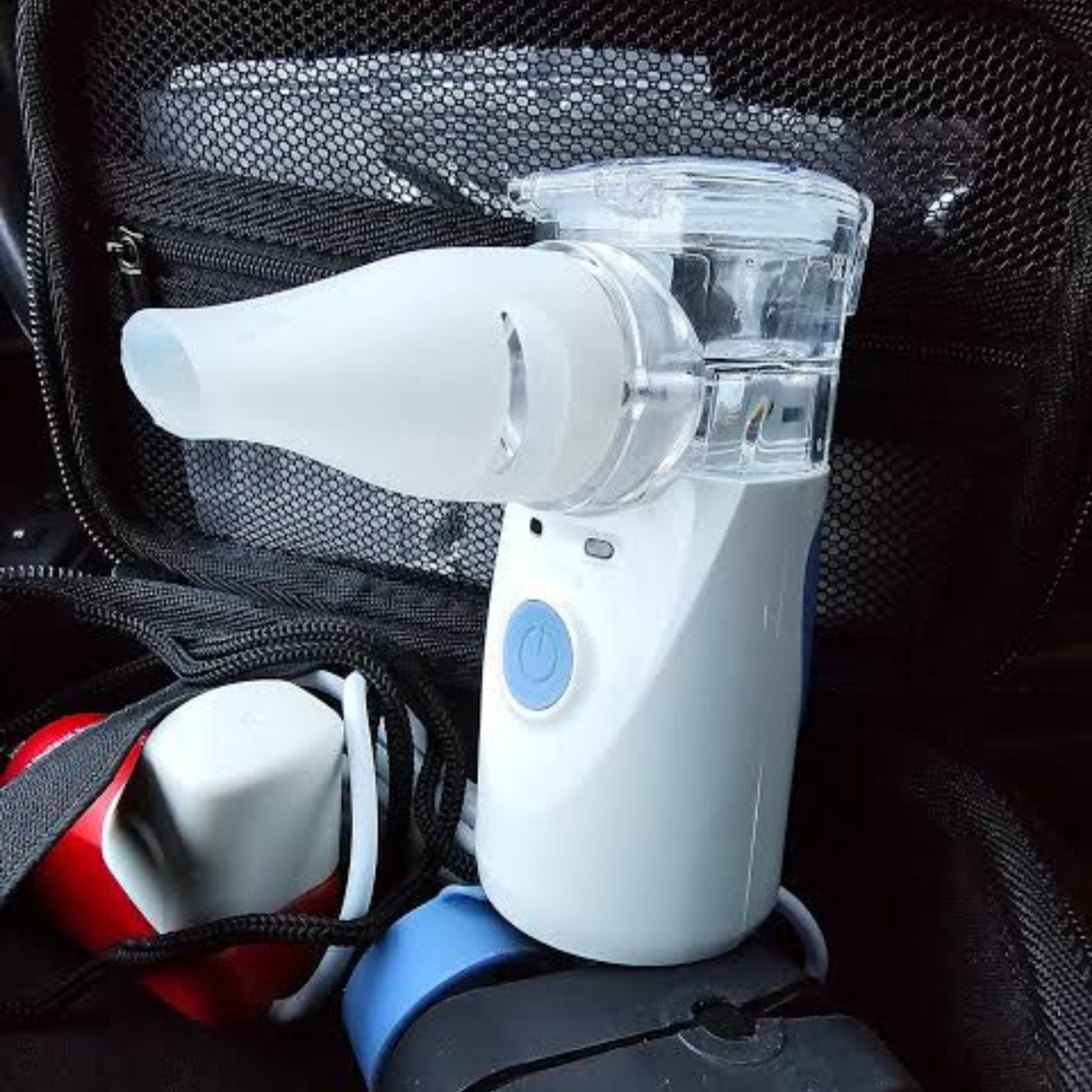
If you're using a nebulizer with saline for the mucus trapped in your lungs, I need you to read this before your next treatment. I've been a respiratory therapist for 22 years. In the past six months, I've had seven patients hospitalized with lung infections. All seven were doing daily nebulizer treatments at home. What I'm about to tell you goes against everything your pulmonologist probably recommended. But after watching what happened to Patricia, I can't stay quiet anymore. Patricia is 70. Stage 2 COPD. Former smoker who quit thirteen years ago. She'd been coming to pulmonary rehab for almost six years. Her complaint never changed. That thick, sticky mucus she couldn't clear. Mornings spent hunched over the bathroom sink. Gagging. Retching. Trying to bring up what felt like cement lodged deep in her chest. Sometimes a little came up. Brown. Thick as glue. But she could feel there was more. So much more. Just sitting there. Suffocating her. Her pulmonologist had prescribed nebulizer treatments. Sterile saline. Fifteen minutes, twice daily. She did them religiously. Never missed a session in four years. The treatments felt productive. The mist felt like it was doing something. She'd cough during and after. Bring up a little mucus. But the cement at the bottom never moved. So she increased to three sessions daily. Then four. Her doctor said more couldn't hurt. For four years, Patricia breathed nebulized saline into her lungs every single day. The deep mucus stayed exactly where it was. But something else started happening. Every three or four months, she'd get a chest infection. Antibiotics. Rest. Recovery. Then a few months later, another infection. Her pulmonologist called it "the COPD cycle." Said it was normal. Said her lungs were just vulnerable. Then last winter, she ended up in the ICU. Pneumonia. Both lungs. Oxygen dropped to 84. They put her on IV antibiotics for nine days. When she finally stabilized, the infectious disease doctor came to her room. "Mrs. Patterson, I need to ask you something. Are you using a nebulizer at home?" "Every day. Four times a day. For four years." He nodded slowly. "I need to see that machine." Here's what your pulmonologist probably never explained. A nebulizer turns liquid into mist. That mist sits in a reservoir. The tubing carries it to your mouth. You breathe it in. Every surface of that machine—the reservoir, the tubing, the mouthpiece—is warm, moist, and dark between uses. That's the perfect environment for bacteria to grow. Even if you clean it. Even if you use sterile saline. Even if you follow every instruction. Within 24 hours of your last cleaning, bacterial colonies start forming inside the tubing. Within 48 hours, they create biofilm—a slimy coating that protects them from disinfectants. Every time you turn on that nebulizer, you're not just breathing saline. You're breathing microscopic bacteria directly into already-damaged airways. Patricia's nebulizer was sent to the lab. They found three different bacterial strains living in the tubing. One of them matched the pneumonia that nearly killed her. She'd been seeding her own lungs with infection for four years. She lay in that hospital bed and cried. "I was trying to help myself. I did every treatment. I never missed a day. And I was making myself sick the whole time?" That night I couldn't sleep. I started researching why nebulized saline—even without the contamination problem—wasn't clearing Patricia's deep mucus. I found a 2018 respiratory physics study that explained everything. The researchers measured exactly where nebulizer mist actually goes when you breathe it in. Here's what they discovered: Standard nebulizers produce droplets between 3-5 microns in size. Sounds small. But your lower airways—where the deep mucus lives—require particles smaller than 2 microns to penetrate. Anything larger than 2 microns deposits in your throat and upper bronchi. It never reaches the lower airways. Which means four years of Patricia's nebulizer treatments were hydrating her throat while her lower lungs stayed bone dry. But it gets worse. Even if smaller particles could reach the deep mucus, saline is just salt water. It can temporarily hydrate fresh, surface mucus. Make it slightly easier to cough up. But that hardened bottom layer? The cement that's been building for months or years? Water can't dissolve calcium-like protein bonds. You wouldn't try to dissolve cement with a spray bottle. Your lungs are no different. The researchers examined lung tissue from COPD patients. In every single case, there were two distinct layers. Top layer: Fresh mucus. Responsive to hydration. Bottom layer: Old mucus. Hardite.Ite. Protein bonds fused together. Completely unaffected by saline. Patricia had been breathing bacteria into lungs that the saline wasn't even reaching—to treat mucus that salt water could never dissolve. I called Patricia after she was discharged. Drew her a diagram. Two layers. Surface and deep. "This top layer is fresh mucus," I explained. "Saline can hydrate this. That's the loosening you feel during treatments." I pointed lower. "But this bottom layer is old mucus. Hardened. Cemented. Saline particles are too large to reach it. And even if they could, salt water can't break protein bonds. Meanwhile, your nebulizer has been delivering bacteria directly into your airways for four years." Patricia stared at the drawing. "So all those treatments..." "Were contaminating your lungs while completely missing the layer that's actually suffocating you. The nebulizer was reaching your throat. The bacteria were reaching your lungs. The saline was reaching neither." "But I need something. I can't just do nothing." "You don't need a machine that breeds bacteria. You need something that actually reaches the deep layer and can break those bonds." I'd been researching topical delivery methods. Sprays that could contact the airways without requiring contamination-prone equipment. I found one that respiratory therapists had been quietly recommending to patients with recurring infections. Naturva. Herbal formulation. Eucalyptus, peppermint, licorice root, calendula. The mechanism made sense. Eucalyptus contains cineole—a compound that breaks down the protein bonds holding old mucus together. Not just hydrating it. Actually dissolving the hardened layer. Peppermint relaxes bronchial muscles so loosened material can move upward. Licorice root and calendula protect airways damaged by years of violent coughing and repeated infections. But the critical difference: it's a spray bottle. No reservoir. No tubing. No warm, moist environment for bacteria to colonize. You spray, it contacts your airways, you're done. Nothing sitting around growing biofilm between uses. Direct delivery. No contamination risk. No particle size problem. I told Patricia to stop the nebulizer. Throw it away. Try the spray instead. Document everything. I warned her what would happen. "You're going to cough up dark material. Brown, sometimes almost black. That's the old layer finally breaking apart. The darker it is, the longer it's been trapped. Don't panic. That's proof it's working." Day three, she called. "I'm coughing up stuff that looks like rust. Thick. Chunks. More than four years of nebulizer treatments ever loosened. Is this actually the deep layer?" I told her that was the cement finally coming loose. For almost two weeks, she expelled dark, thick material. Then it changed. Lighter. Clearer. Easier. Day 14: Morning clearance took ten minutes instead of an hour. Day 21: A few productive coughs and done. Day 30: She woke up and didn't cough at all until mid-morning. When Patricia came for her follow-up, I barely recognized her. "I haven't had an infection in three months," she said. "First time in four years I've gone this long. And the mucus that was always there, that heavy feeling in my chest—it's gone." She told me she'd babysat her twin granddaughters last weekend. Chased them around the backyard. Got down on the floor to play with them. Things she hadn't done since the infections started. Her pulmonologist was stunned by her lung function tests. Best numbers she'd had in years. Six months now. No infections. No antibiotics. No ICU visits. The cycle that nearly killed her finally broke. I've since recommended this spray to nineteen other patients with trapped mucus who were doing daily nebulizer treatments. Fourteen reported significant improvement. Five reported modest improvement. Twelve of them had been getting recurring infections. Eleven reported the infections stopped once they quit the nebulizer. I'm sharing this because I'm watching patients breed bacteria in their bedrooms while treating mucus that saline can't reach and salt water can't dissolve. Your nebulizer feels medical. It looks clinical. Your doctor prescribed it. But it's a contamination device that delivers the wrong particle size of a compound that can't break protein bonds to an area of your lungs it can't even reach. If you're currently doing nebulizer treatments and the deep mucus still won't budge—and especially if you keep getting chest infections—please reconsider what that machine is actually doing. Patricia did those treatments for four years. Nearly died from pneumonia. The cement never moved. Three weeks with something that actually reaches the hardened layer—without breeding bacteria between uses—and the mucus that had been suffocating her for years finally came out. Link below. P.S. When the dark stuff starts coming up, don't be alarmed. That's the trapped layer finally breaking loose. Patricia said the strangest part was realizing the nebulizer had been a ritual, not a treatment. Fifteen minutes of breathing bacteria-laden mist that stopped in her throat while the real problem sat untouched below. Now it's actually leaving. That's the whole point.
Where the ad sends people
naturvahealth.com
Pulmonologist Exposes the Hidden Mucus Layer That’s Suffocating 87% of COPD Patients (And Why Most Treatments Can’t Reach It)
Naturva
Learn more: naturvahealth.com(opens in a new tab)