Emily Caldwell - Health After 50
Emily Caldwell - Health After 50 Facebook ad: “I spent 34 years handing surgeons their tools. Then I…”
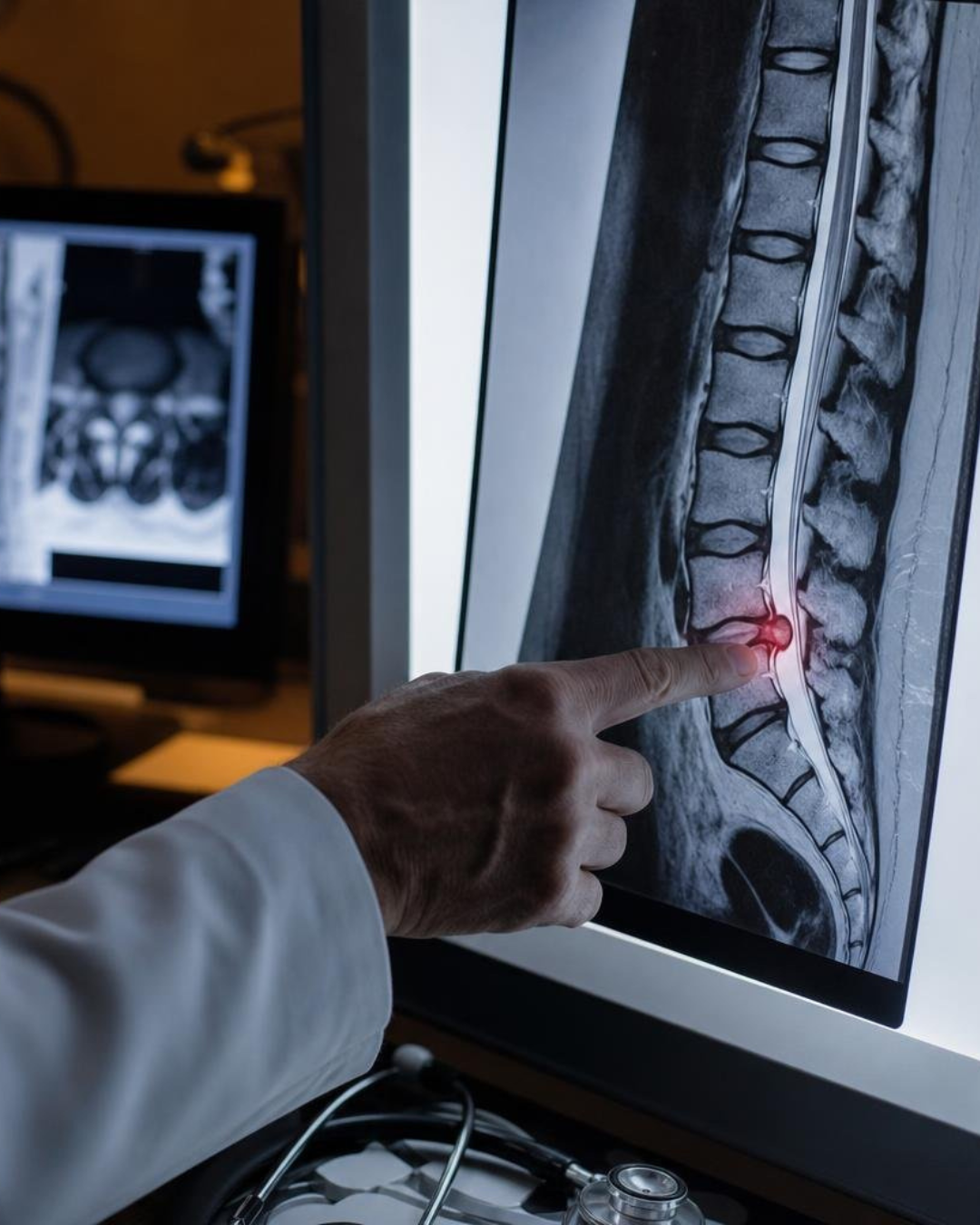
Ran for 2 days, from August 7 to August 9, 2026, the last day Crush saw it.
Run by Emily Caldwell - Health After 50 on Facebook. Crush is not the advertiser and does not verify its claims. See this ad in Meta's Ad Library(opens in a new tab)
Want an ad like this for your product?
Crush makes new ad images for your product from this ad: your logo, your product photo, your offer.
Trials from $19.95 USD, then $79.95 USD a month. Cancel anytime.
About this ad
- Meta Ad Library ID
- 872966958970088
- Platforms
- Facebook, Instagram and Messenger
- Relaunches
- 0
Ad text
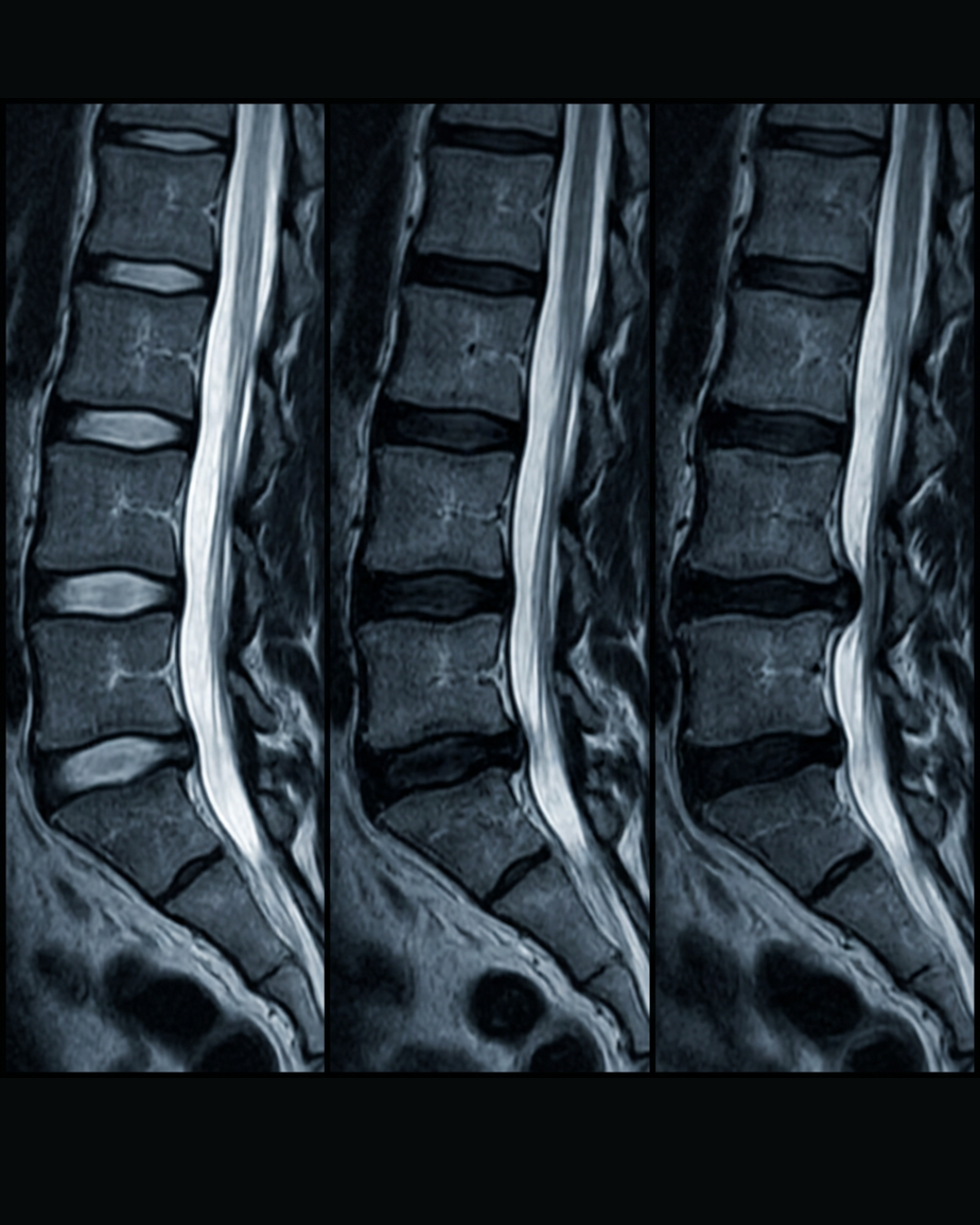
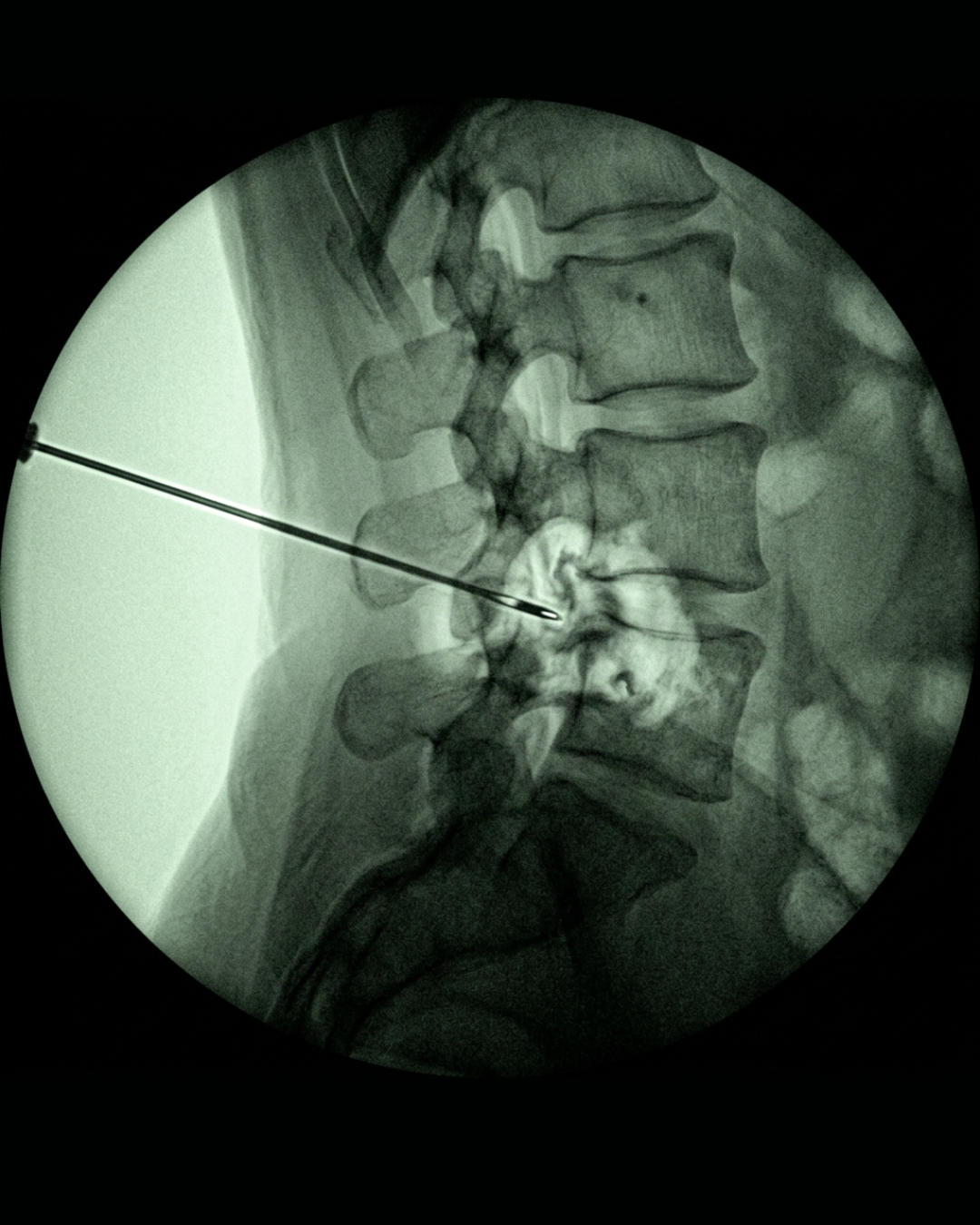
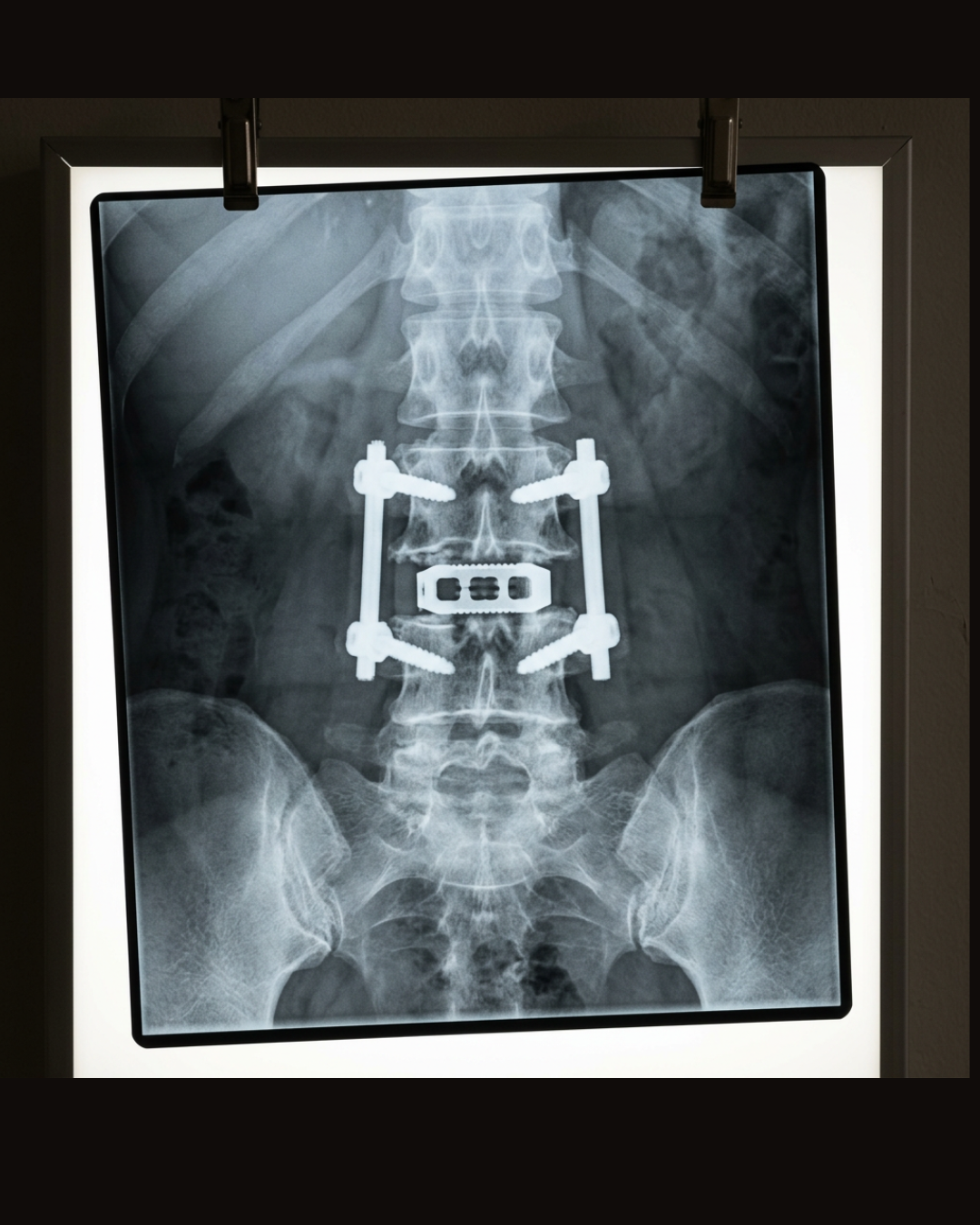
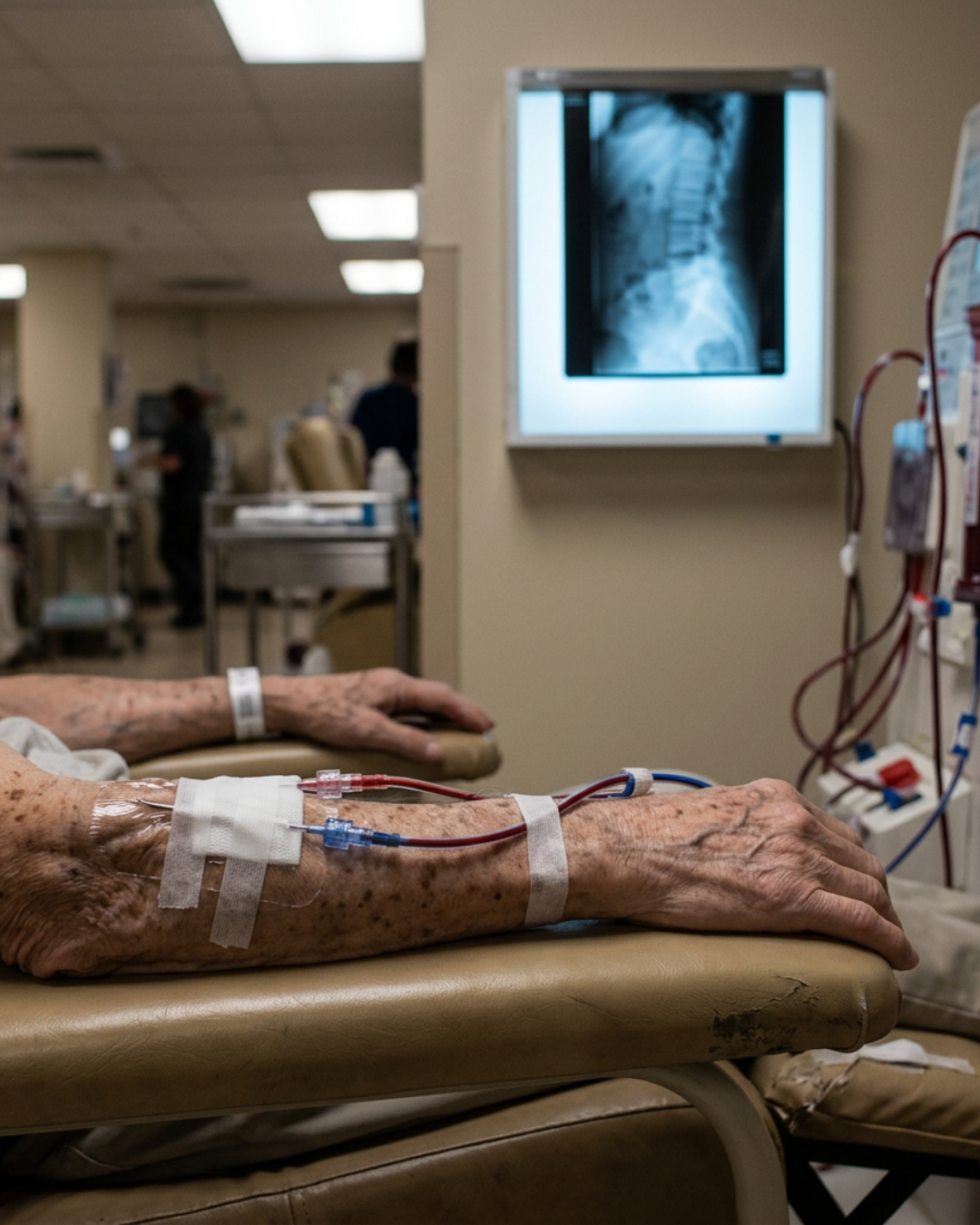
If sciatica has your doctor talking surgery, hear this from a surgical nurse who spent 34 years in the operating room. I used to think surgery was the answer. Then my own name went on the schedule. What changed my mind was one patient. Her name was Adele. A retired seamstress, seventy-one, who came through our surgical unit years ago. Her sciatica started the way they all start, a catch in the hip, then a line of fire down one leg. Her doctors did what they always do. Shots, then stronger shots, then the operation. Routine, they told her. In and out. It wasn't. The pain came back inside the year, worse and wrapped in scar tissue, so they opened her a second time. By the third year she was in a wheelchair nobody had warned her about, in a care home, holding my hand and saying the thing I've since heard from too many patients to count. "I should never have let them near my back." I thought she was the unlucky one. It took my own leg to teach me she was the pattern. Because two years ago it came for me. A tightness in the left hip after long cases. Then the wire of heat down the leg. Then the mornings, lying dead still under the covers, counting to three before I'd trust that first foot on the floor. Some days I couldn't pull my own compression socks on. I was a surgical nurse. I'd stood at the head of that table more times than I could count, close enough to hear the saw, and I knew exactly which door this road ended at. My surgeon looked at my scan, called it standard for the mileage on my spine, and penciled me in. Six weeks out. The consent packet sat on my kitchen table for a week, my own name at the top of the form I'd handed a thousand frightened strangers. I never filled it. I'd wheeled too many people back to recovery, and wheeled a fair few of them in for a second go. So I did everything I tell my own patients to do, and then some. Ibuprofen by the handful. A muscle relaxer that fogged me on shift. Cortisone that was golden for three weeks and then went silent. An epidural a doctor swore would last. It lasted a month. Gabapentin that dulled the fire and dulled me with it. Physical therapy that sent me home stiffer. A chiropractor at sixty dollars a visit. A decompression clinic at a hundred seventy-five a session, where a machine pulled my spine long and I'd feel human, right until I stood off the table and a full day of gravity pressed it all back down. Each one bought a sliver of relief, then took it back with interest. Then a patient handed me the answer a whole chain of specialists never had. Her name is Lois, a retired court stenographer, the most careful person I've ever met. I'd seen her the year before, gray and hunched with the same fire down her leg. This time she walked in sitting up straight, easy in her own skin. No surgery. No new pills. Fifteen minutes a night on a device at home, she said, and her surgeon had taken her off his schedule. Lois reads the fine print on a parking sign. So that night, when my leg wouldn't let me sleep anyway, I stopped being the patient and went back to being a nurse. I went looking for the mechanism. It turns out the sciatic nerve isn't really the problem. The nerve is the victim. A young disc sits tall and full of fluid and holds open the little gate where the nerve root leaves your spine. After forty, discs dry out and flatten, and that gate closes down onto the nerve every time you stand. Think of a garden hose with a truck parked on top of it. You can fuss over the hose all you like. It won't run right until the truck moves off it. That's why every shot ran out on me. They quieted a nerve that was being crushed from above and never lifted the weight doing the crushing. And I didn't take it on faith. I found an older Swedish study that looked at people with sciatica like mine. More than nine out of ten had the same thing underneath it: a dried-out disc pressing down on the nerve. A pinched nerve isn't a ruined nerve. Take the weight off, keep it off, and it can calm down and wake back up. So of course I tried the cheap way first. A forty-dollar plastic back-stretcher, then a vibrating pad off the internet. All warmth and buzz, no real pull to open that gate, nothing for the muscles clamped around it. Three weeks, nothing. Then I read more carefully, and the real pattern surfaced. It was never one thing. It was three at once, every day. Ease the spine apart with gentle traction to open the gate. Warm it deep so the dried disc can draw moisture back. Loosen the muscles so the space you made actually holds. Do only one of the three, and it can't hold on its own. That was every shot, every pill, that clinic table. Each doing a third of the job and calling it the whole thing. The device Lois used does all three at once. It's the SmoothSpine Triple Fusion Back Massager, a curved mat you lie back on right there on the living room floor. It arches up under the small of your back and draws the spine long in a slow, steady pull, with a deep warmth building underneath, and you lie there and breathe for the fifteen minutes it takes. The same principle as the traction tables I'd spent a career rolling patients onto, shrunk down to something you own and use every day. I found real people on the r/Sciatica board describing the exact thing Lois had. Against a surgery date already on the calendar, and a ninety-day money-back guarantee, what did I really have to lose? The first nights, nothing worth reporting. By the fourth morning I was dressed before I noticed the leg hadn't spoken up. By the second week I stood a full day and cried in the car afterward, the good kind. By the third week I reached down and lifted my grandson clean off the carpet, and he laughed like it was the most ordinary thing in the world. At six weeks I had my surgeon take my date off his schedule. He watched me cross his office with no hand on the wall and no hitch in my step, went quiet, and said, "I don't know exactly what you're doing, but keep doing it." It's been a few months. Last week I worked a full day on my feet and walked three blocks to the corner and back without stopping once. There was a summer not long ago when I couldn't reach my own mailbox. Adele's daughter called me a couple of weeks back, her own back starting the same slow slide, her doctor already saying the word "injections." I'd mailed her one the month before. Six weeks in, she was sleeping through the night for the first time in two years. "You found another way," she told me. "Mom would have wanted somebody to." For two years I believed I had two choices. Live on the shots and pills that buy a few good weeks and then go quiet, or let them cut and pray I came out a lucky one and not another Adele. I was wrong about both. There's a third road, fifteen minutes a day on your own floor, giving the squeezed nerve the one thing nobody in that whole referral chain ever gave it. Room to settle down and come back. If you're skeptical like I was, I found an article from another nurse who laid the whole thing out in plain language, the dried disc, why the shots and the pills never hold, why it takes all three at once. Reading it was the moment my own two years finally made sense. Here's where I found it: https://try.smoothspine.com/coc-tfbm-adv-nu2 It's 60% off at the moment, with that ninety-day guarantee, which is the only reason I talked myself into trying it. ~ Judith B., surgical nurse, thirty-four years
Where the ad sends people
try.smoothspine.com
I spent 34 years handing surgeons their tools. Then I refused my own back surgery.
A white-hot bolt of electricity that shot from my L4 vertebra, ripped through my hip, and exploded into my foot like someone had shoved a cattle prod into my spine.
Learn more: try.smoothspine.com(opens in a new tab)