
Active· since Jul 8, 2026
- 22
- days running
- 0
- relaunches
Ad copy
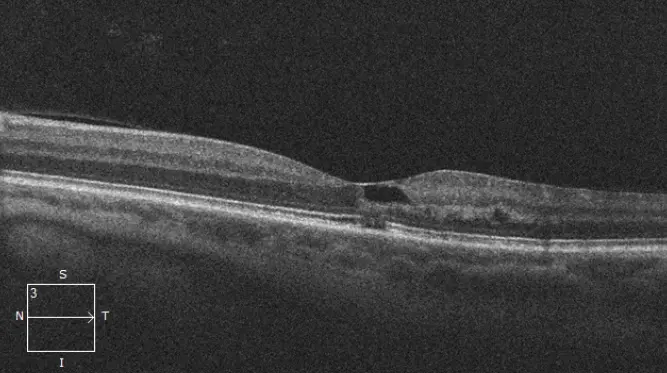
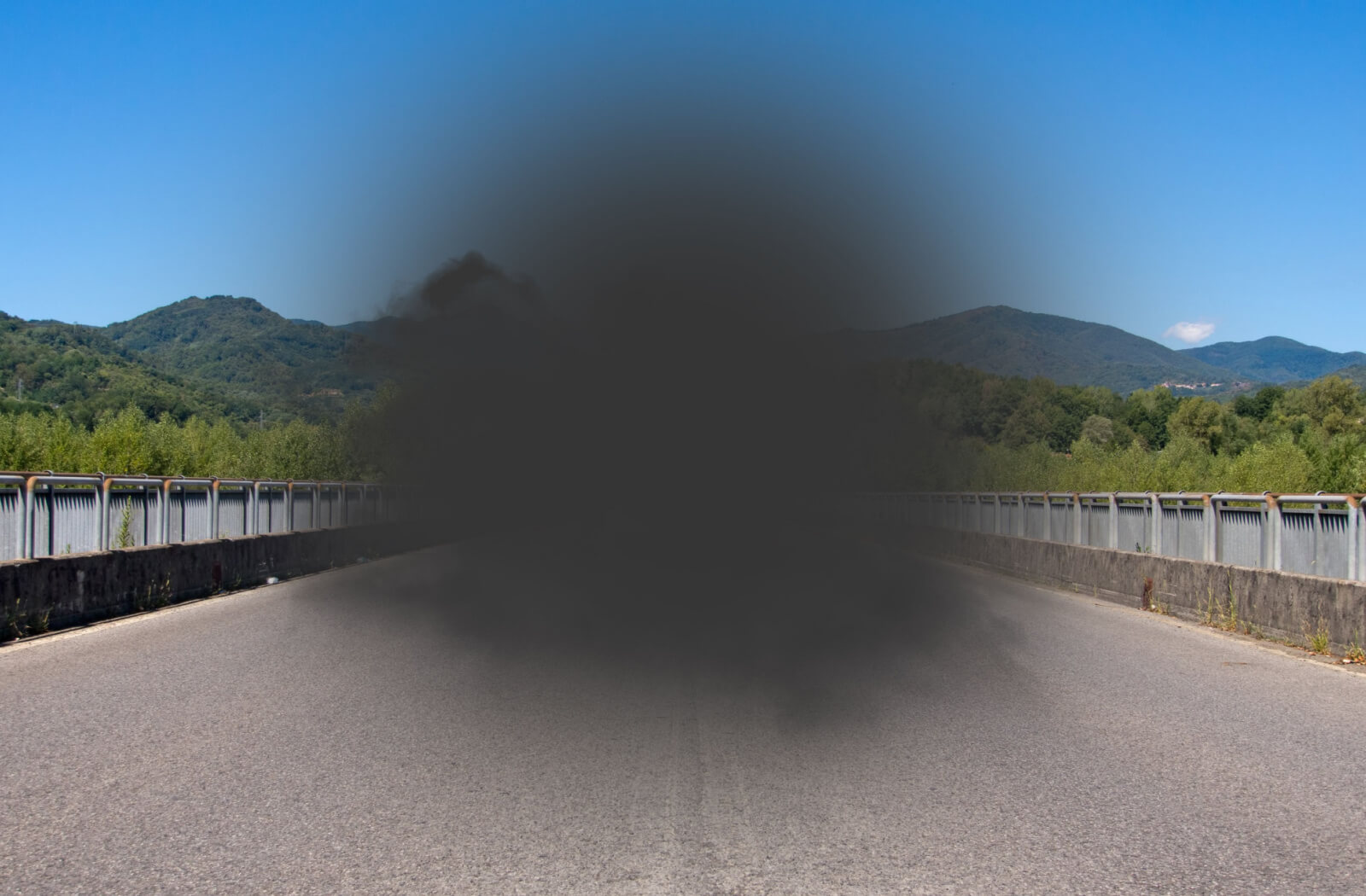
I was diagnosed with macular degeneration at 57. I'm 67 now. Turns out my eyes weren't failing the way they told me. For ten years, I "managed" a condition without understanding what was actually driving it. I was lucky. The progression was slower than some. But every year… I felt myself slipping a little more. Ten years of anti-VEGF injections… a needle directly into my eyeball every six weeks, that cost $2,000 each and left me terrified every single time. Ten years of prescription glasses that got thicker and stronger every year, making me squint even with them on and feel older every time I looked in the mirror. Ten years of expensive eye supplements, first PreserVision, then Ocuvite, that promised to "support macular health" but never made a noticeable difference. Ten years of being handed pamphlets and told "it's age-related, there's nothing more we can do but slow it down." I did everything they asked. I followed the eye-health diet for two straight years. Salmon three times a week. Kale smoothies every morning. Carrots until I turned slightly orange. I ate so much spinach I could've qualified as a vegetable myself while my husband enjoyed normal meals. I spent over $200 a month on lutein, bilberry, and fish oil capsules that promised to "protect my macula and support healthy vision." When that didn't work, they sent me for retinal imaging. My drusen deposits had grown. My macular pigment density was dangerously low. The damage to my photoreceptor cells was progressing. An OCT scan showed thinning in both eyes. "Classic age-related macular degeneration," they said. My ophthalmologist looked at the results and said, "Your macula is deteriorating. Very common in women your age." My doctor scheduled me for monthly injections and told me to come back in three months to see if we needed to increase the frequency. I felt broken. Like my body had turned against me. The scans proved it. My eyes were dying from the inside. But nothing I tried made any lasting difference. Every morning, both eyes were so blurry I couldn't read the label on my prescription bottle. Not just one eye. Both. I had to sit under a bright lamp for twenty minutes, blinking and squinting, just to get my vision clear enough to function. By mid afternoon, my eyes would start to strain and burn. Both of them. By evening, I couldn't watch television because everything was a smeared, dark blur. Some nights, I'd wake up at 2 a.m. in a cold sweat and test my eyes before I even opened them fully. Could I still see the ceiling fan? Could I still make out the alarm clock? Every single morning felt like a death sentence waiting to be read. I started labeling everything in my kitchen with raised stickers because I couldn't read the cans anymore. I memorized the layout of my house. I bought a magnifying glass that I carried everywhere like a security blanket. I stopped going to dinner with friends because I couldn't read the menu and was too embarrassed to admit I was pretending. I stopped driving at night. Stopped reading to my granddaughter. Stopped going to book club because I couldn't see the pages anymore. And I was terrified. Not just worried about the future. Bone deep terror that made every day feel like I was watching the lights slowly dim on my entire life. Some days I'd see new floaters drifting across my vision for no reason. My eyes constantly felt like they were being destroyed from the inside out. And every doctor just nodded sympathetically. "That's macular degeneration. It's progressive. We'll manage the deterioration as best we can." I tried blue-light blocking glasses. Two different brands. They reduced the strain for an hour, then wore off. I tried vision therapy exercises. Eye yoga. Red light masks. Warm compresses. Special eye drops that cost $60 a bottle and stung every time I used them. I even got the injections in both eyes. They seemed to help for a few weeks. Then the blurriness came creeping back, worse than before. Nothing worked long term. I started to believe this was just my life now. That I'd spend the rest of my days squinting at everything, asking people to read labels for me, and watching my independence slip away year by year while my eyes slowly went dark. Then my nutritionist asked me a question no doctor ever had. She was different from the others I'd seen. Early 60s. I'd only been working with her for a few weeks, but there was something about the way she looked at things. Sharp. Clear-eyed. Like someone who'd been through something and come out the other side. We were going over another round of dietary adjustments that weren't really helping. She watched me struggle to read the supplement label. Saw me squint at her chart on the wall. Noticed how I held my phone six inches from my face just to read a text. Then she stopped mid session. "Can I tell you something?" she said. "I see myself in you. Every single thing you're describing — the blurriness in both eyes, the morning fog that won't clear, the terror — I had it. Same diagnosis. I was 56 when they told me I had macular degeneration." I stared at her. She didn't look like someone with macular degeneration. "What happened?" She sat down across from me. "I had to stop working. My vision got so bad I couldn't read my own patient charts anymore. Both eyes were deteriorating so fast I could barely drive. I was getting the injections, dealing with the fear and the cost. My ophthalmologist was talking about experimental treatments." "What did you do?" "I went down every rabbit hole you've probably already been down. Every supplement. Every diet. Every protocol. Nothing worked long term. Then I found out what was actually causing my retinal cells to die. And once I fixed that, everything changed. I went back to work eight months later. Vision sharp. No more injections." "What was it?" She leaned forward. "Has anyone ever talked to you about why your retinal cells are dying in the first place?" I looked at her blankly. "Because it's age-related?" She leaned back. "That's just a label. It doesn't explain why. Your eyes aren't broken. They're starving." She paused. "Your retinal cells need a protective shield of pigment to survive. To filter out blue light and neutralize the free radicals that destroy them every single day. That shield is made of three specific carotenoids — lutein, zeaxanthin, and meso-zeaxanthin — that your body can't produce on its own." "After 50, your body's ability to absorb and deliver those pigments to your macula declines dramatically. When your retinal cells don't have enough protection, they get destroyed by oxidative damage. Your photoreceptors die. Your macula thins. That's the degeneration." I was listening now. "And the blurriness?" I asked. "Every photoreceptor under attack. When that protective pigment is depleted, everything suffers. Your central vision fades. Your night vision collapses. Colors wash out. The blurriness is just one symptom. Your retinal cells are starving." Everything she was describing matched. "So my eyes aren't just... dying?" "They're starving. And until you fix that, nothing else works long term. Not the glasses. Not the injections. Those just manage the symptoms. They don't fix why it's happening." I left that session and couldn't stop thinking about it. That night, I couldn't sleep. I kept replaying everything she'd said. If she was right — if this was really about depleted macular pigment and not inevitable aging — then everything I'd been doing for ten years was wrong. I found forum posts from people who sounded exactly like me. Tried everything. Nothing worked. Then they fixed the pigment depletion at the cellular level. And everything changed. I texted my nutritionist the next morning: "Okay. What do I actually do?" She called during her lunch break. "Every treatment they give you just slows the damage. The injections block blood vessel growth. The glasses bend light around the problem. But none of them fix why your cells are dying." "So what does?" "There's a combination of three specific carotenoids that clinical researchers call the 'macular pigment complex.' Lutein, zeaxanthin, and meso-zeaxanthin. The AREDS2 study — one of the largest eye health studies ever conducted — showed that when you deliver all three at clinical doses, your macula rebuilds its protective shield. Your photoreceptors get the protection they need to survive." I looked it up immediately. Clinical studies showed these three carotenoids didn't just slow macular degeneration. They actually rebuilt the protective pigment layer by flooding retinal cells with exactly what they needed. People's scans improved. The drusen deposits shrank. The macula started functioning again. They rebuild macular pigment optical density — the measurement that tells your doctor how much protection your retina has against oxidative damage. And they do something else critical. Combined with astaxanthin, saffron, and bilberry at the right doses, they don't just shield — they actively neutralize the free radicals destroying your photoreceptors. You're not just managing symptoms. You're rebuilding the defense system so your retinal cells can survive and regenerate. The brand my nutritionist used is called Visiovance. Clinical strength, 15-ingredient formula. Third party tested. Made in the USA in an FDA-registered facility. She said most eye supplements contain maybe one-tenth of the doses that actually work. Visiovance uses AREDS2+ clinical dosing for all three macular carotenoids. Ninety day money back guarantee. After ten years of treatments that didn't work long term, what was one more try? I started taking two capsules every morning. On day four, I woke up and my eyes were clearer. Not perfect. But the morning fog that usually lasted over an hour was gone in twenty minutes. I read the clock on the nightstand. Without squinting. Without reaching for my glasses first. Without holding it six inches from my face. I stood there in the bedroom, staring at those clear red numbers on the clock, realizing what had just happened. For the first time in years, my eyes didn't feel like they were covered in fog every morning. By the end of week one, I realized I'd read the newspaper that morning. The actual print. Not the large-headline version on my tablet. Both eyes focused normally. No squinting. No strain. No headache after two paragraphs. That hadn't happened since I was 57. Then came day twelve. My granddaughter asked me to read her a bedtime story. I picked up the book. Opened it. And read every word on the page. She pointed at the illustrations and I could see every detail. Three stories later, I closed the book. Without my eyes burning. Without that familiar strain behind both eyes. Without needing to stop because everything had gone blurry. I read like a normal person. My husband was watching from the doorway. His eyes were wet. "When's the last time you did that?" he asked. I couldn't remember. Years. Maybe four years. Over the next two weeks, more things changed. The constant terror started lifting. I'd wake up and actually feel hopeful instead of like I was counting down to blindness. The new floaters stopped appearing. That constant feeling of my eyes being destroyed from the inside, it just faded. By week three, I woke up and both eyes were clear. Just clear. No twenty-minute adjustment period. No squinting and blinking to bring things into focus. They just opened and saw, the way they were supposed to. No strain by afternoon. No burning behind both eyes by evening. No headaches from trying to focus. For the first time in ten years, I skipped my injection appointment. Then the next one. Then the one after that. I didn't need them anymore. I started reading again. Real books. Sitting in my armchair with the lamp on, turning pages for an hour without strain. Both eyes focused. Both eyes held steady. I drove at night for the first time in three years. Both eyes handled the headlights. They tracked the road signs clearly. It felt strange at first — my confidence was still rebuilding — but my vision didn't stop me. I drove for an hour. Then two. My ophthalmologist ran my retinal scans at my next appointment. My macular pigment density that had been dangerously low for ten years had improved. Significantly improved. The drusen deposits had decreased. The photoreceptor layer was showing signs of recovery. He stared at the results. "What are you doing differently?" I told him about Visiovance. About macular pigment restoration. About giving my retinal cells the protective nutrients they needed to survive instead of just managing the damage with injections. He was quiet for a moment. "I've never seen macular pigment density improve like this without injections or surgery. Whatever you're doing, don't stop. I'm not going to mess with success." He didn't schedule my next injection that day. For the first time in ten years, I left his office without one. I had macular degeneration. The diagnosis was correct. But for ten years, no one told me why my retinal cells were dying. My eyes weren't broken. They were starving. I still see my nutritionist. But now we're working on long-term protection, not just managing decline. I take two capsules of Visiovance every day. That's my insurance. My macular pigment is restored. My retinal cells have the protection they need. My eyes can defend themselves the way they're supposed to. If you've been diagnosed with macular degeneration... If you've tried the injections and dealt with the needles and the cost... If you're taking drugstore eye vitamins or your doctor says there's nothing more they can do... If your scans show drusen deposits and thinning macula but nobody has explained why your retinal cells are dying... If you're terrified every morning and can't shake that sinking fear that today might be the day your vision goes... If you've been told "it's age-related, you'll need injections for life" and no one has asked why your eyes are so depleted... I'm not saying you definitely have macular pigment depletion. But I spent ten years managing symptoms without understanding that the real problem — starving, unprotected retinal cells that couldn't survive the daily oxidative assault — went completely ignored. Visiovance uses AREDS2+ clinical dosing with all three macular carotenoids plus twelve additional protective ingredients. Third party tested. Made in the USA. FDA-registered, GMP-certified facility. That's the difference between a supplement that sits in your system doing nothing and one that actually rebuilds your macula's ability to protect itself from the inside out. Right now, they're running a promotion with significant savings. But Visiovance is a small company. They make everything in small batches to preserve potency. When they sell out, it's usually weeks before the next batch is ready. Ninety days to try it. If nothing changes, full refund. No questions asked. But if it works? If you wake up on day four and your morning fog is gone in twenty minutes instead of over an hour? If by week two both eyes are focusing clearly and you're reading the newspaper again? If a month from now your retinal scans are improving and your ophthalmologist is asking what you're doing differently? If you're reading bedtime stories to your grandkids and seeing every illustration without squinting? If you're driving at night and reading books and living without planning your entire day around failing vision and crushing fear? You'll wish you started ten years ago. I know I do. https://visiovance.com/products/visiovance-15-in-1-advanced-eye-formula
Like this ad? Make it yours.
Crush rebuilds this exact creative around your product — your brand, your colors, your offer — in about a minute.