
Inactive· since Jun 1, 2026
- 3
- days it ran
- 2
- relaunches
Ad copy
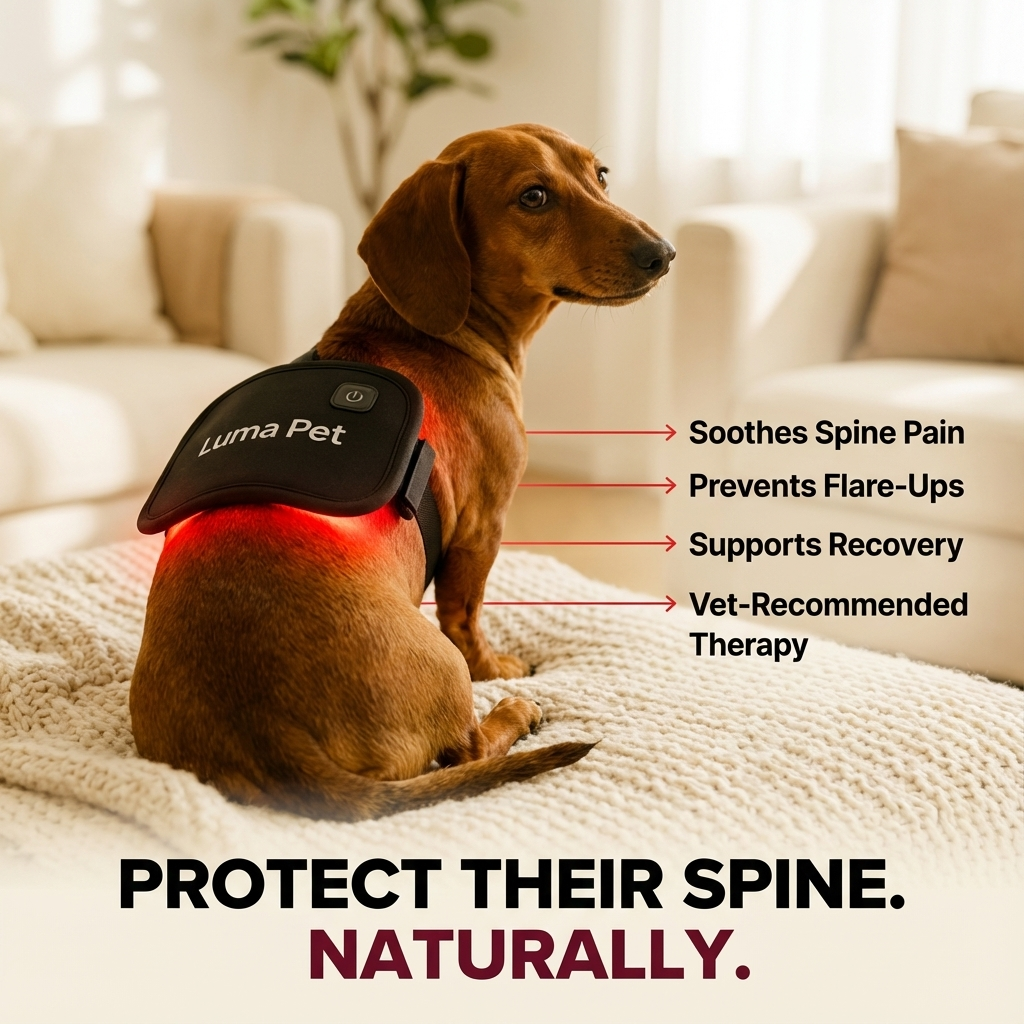
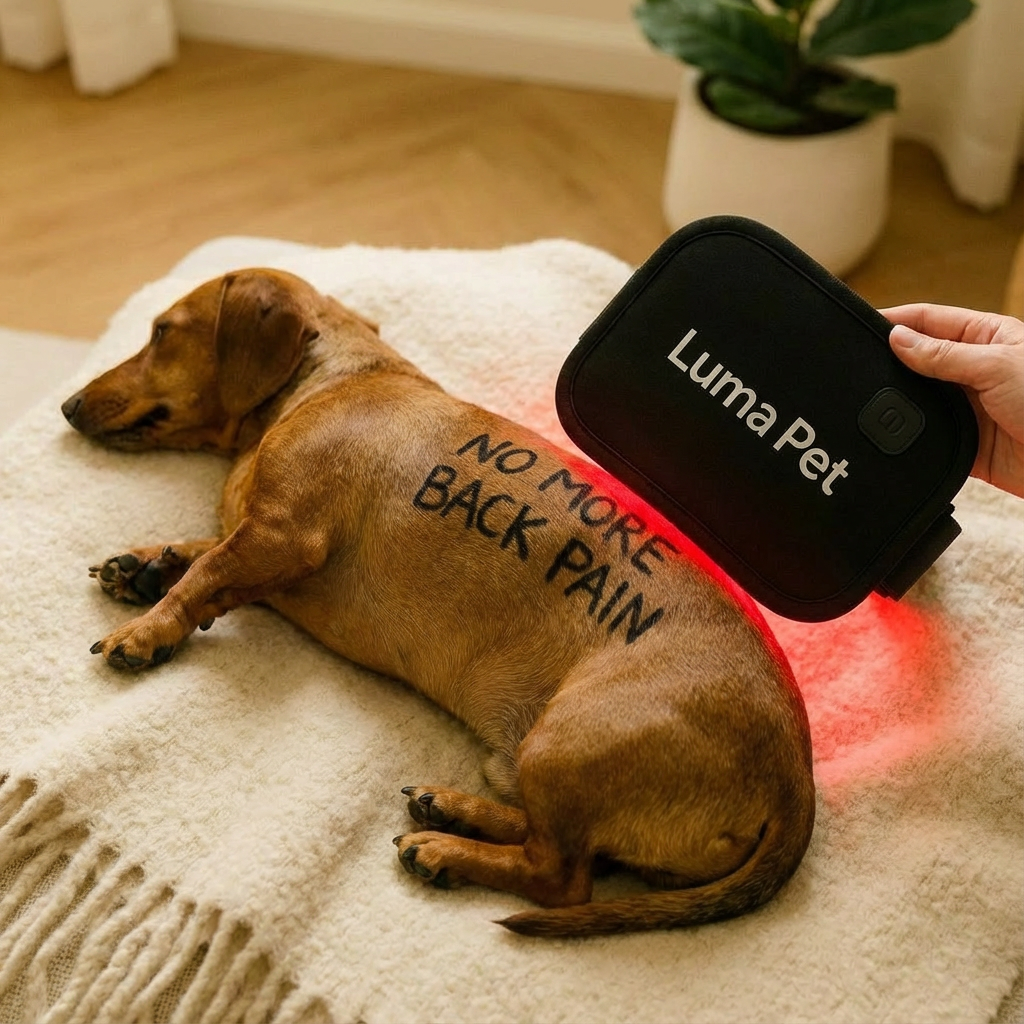
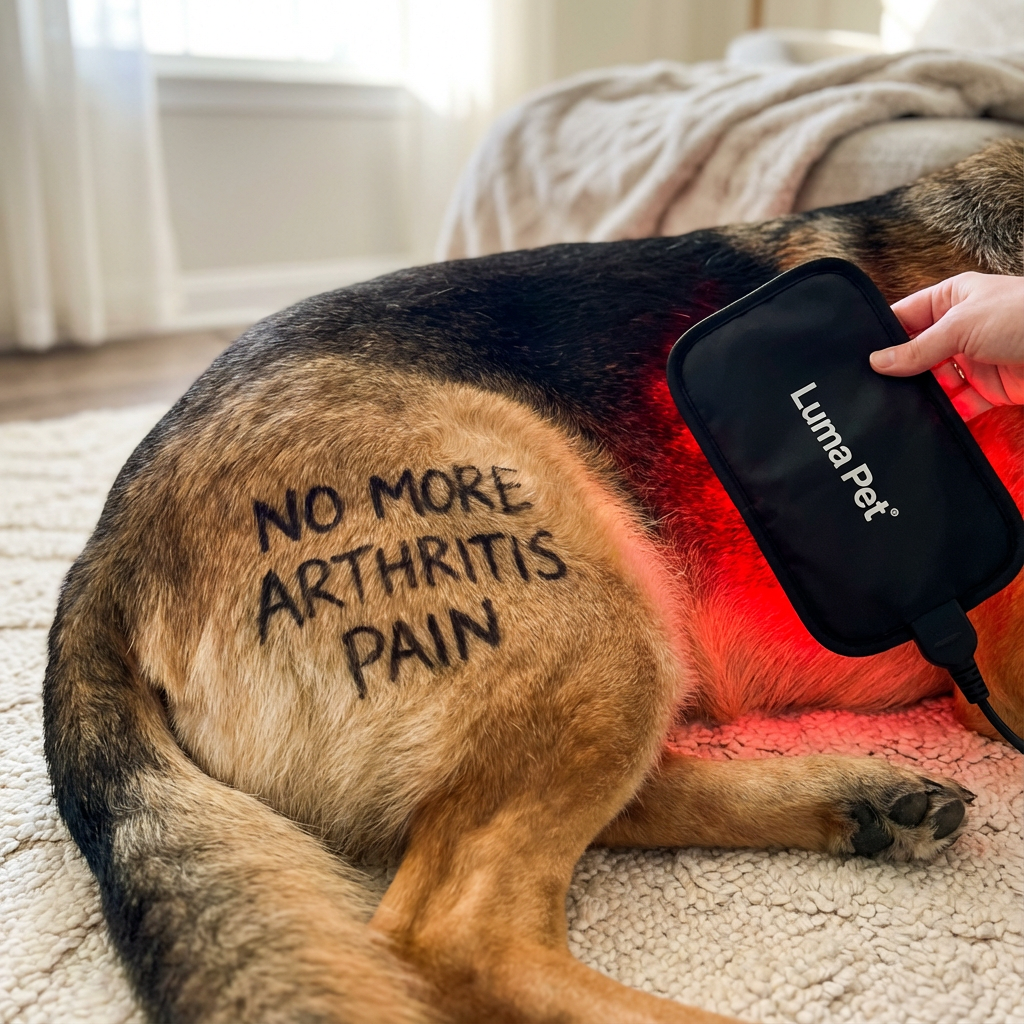
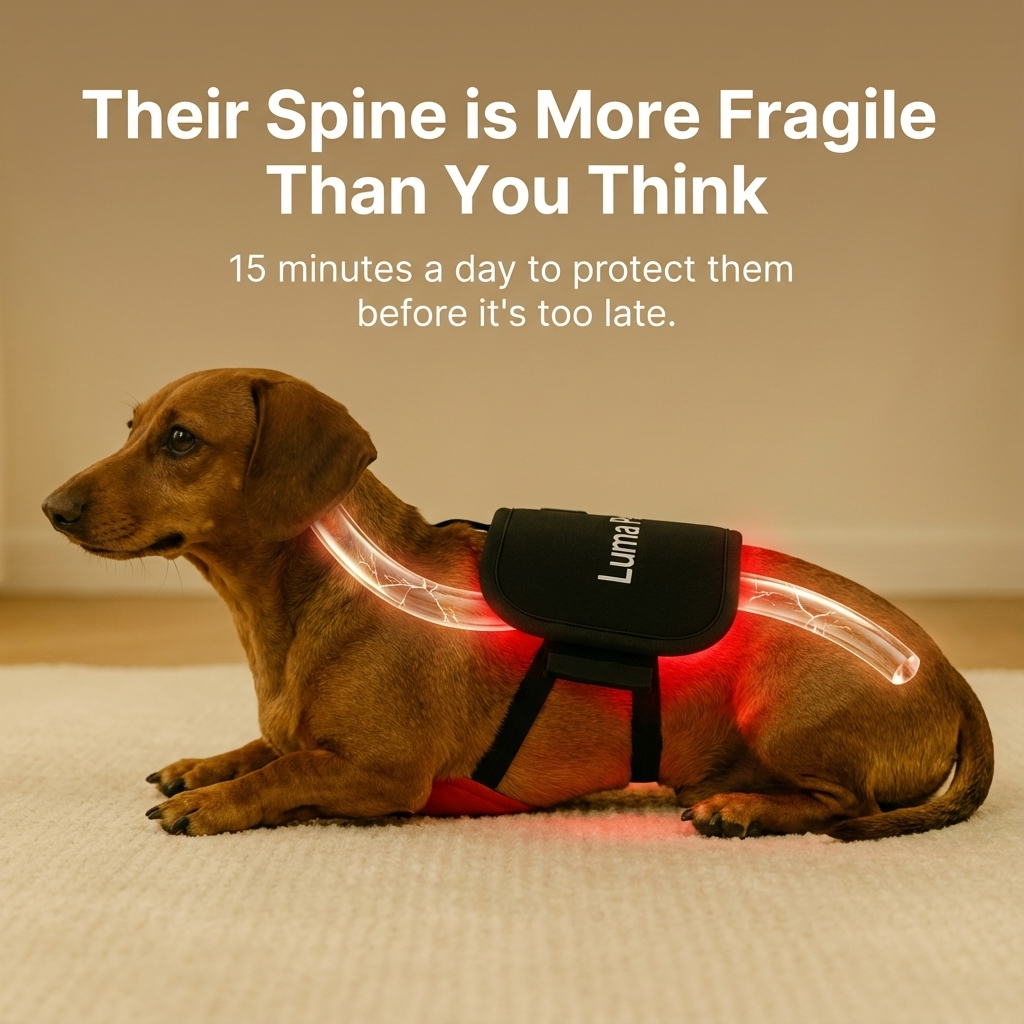
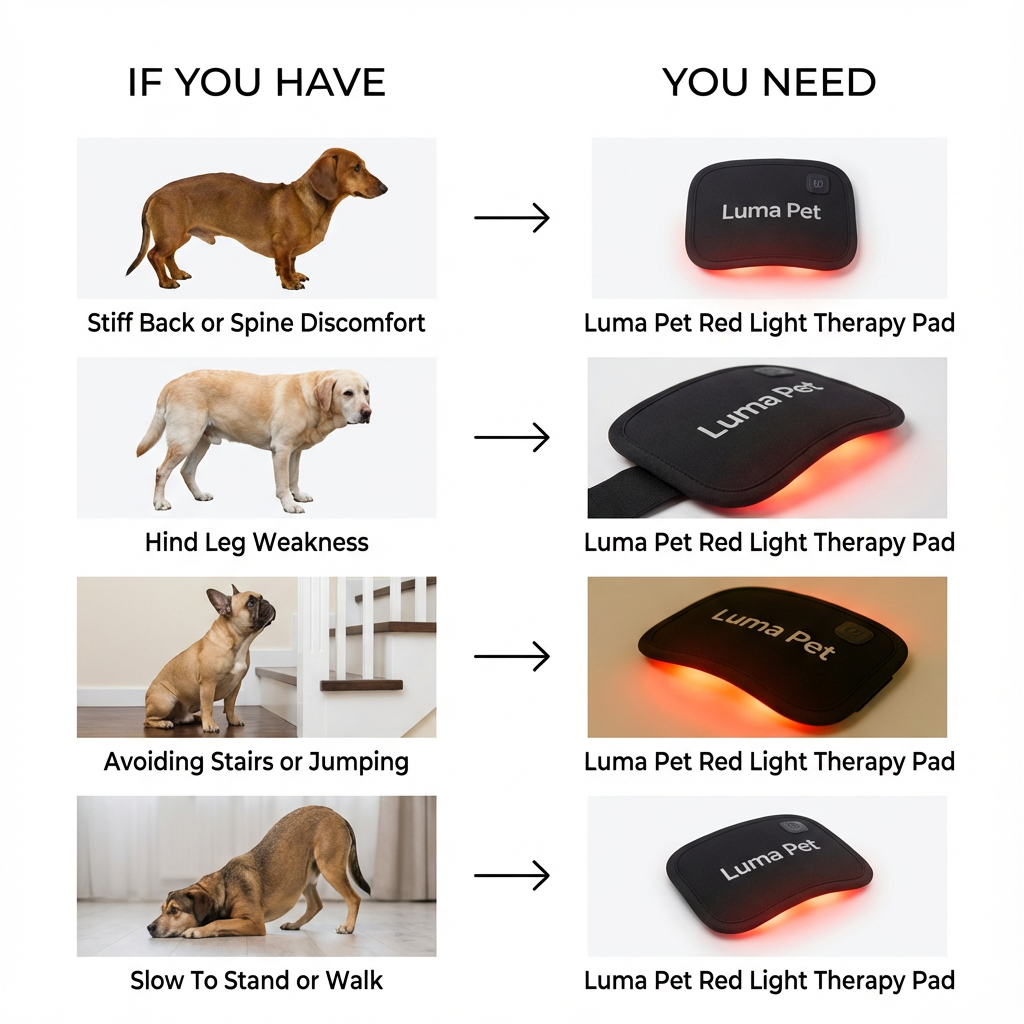
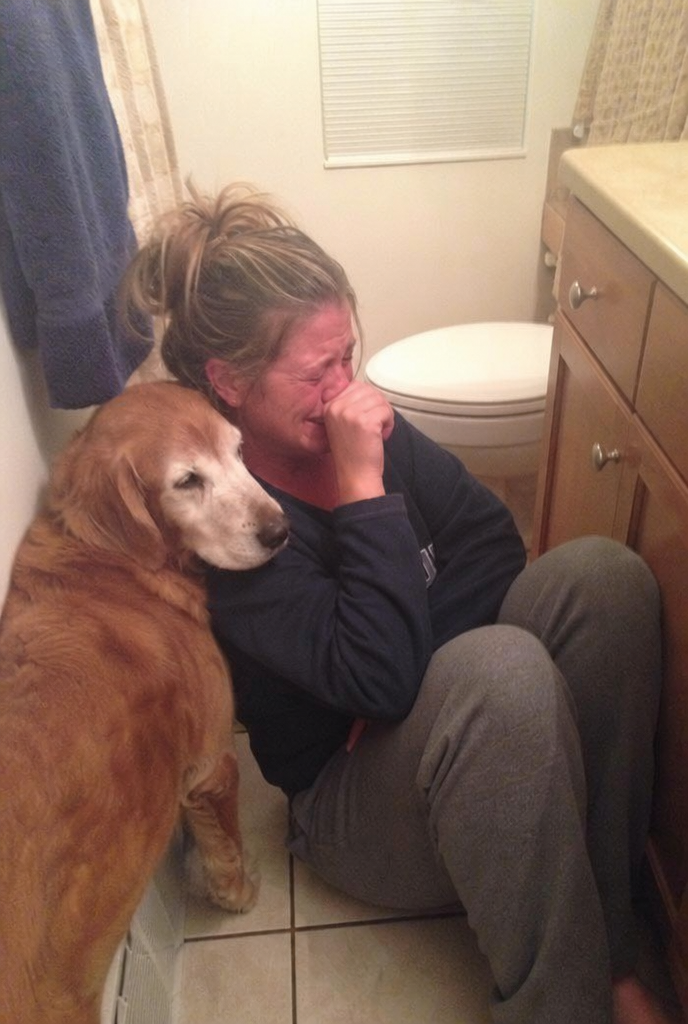
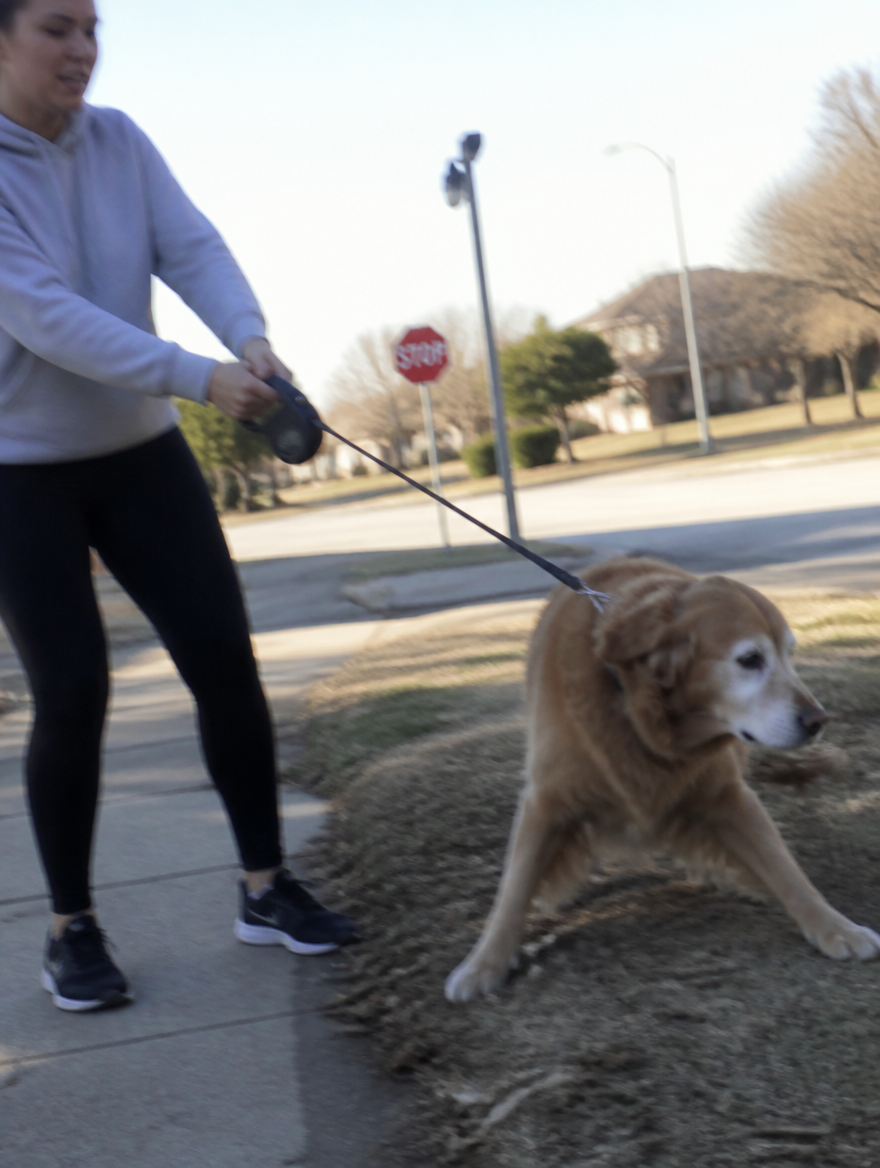
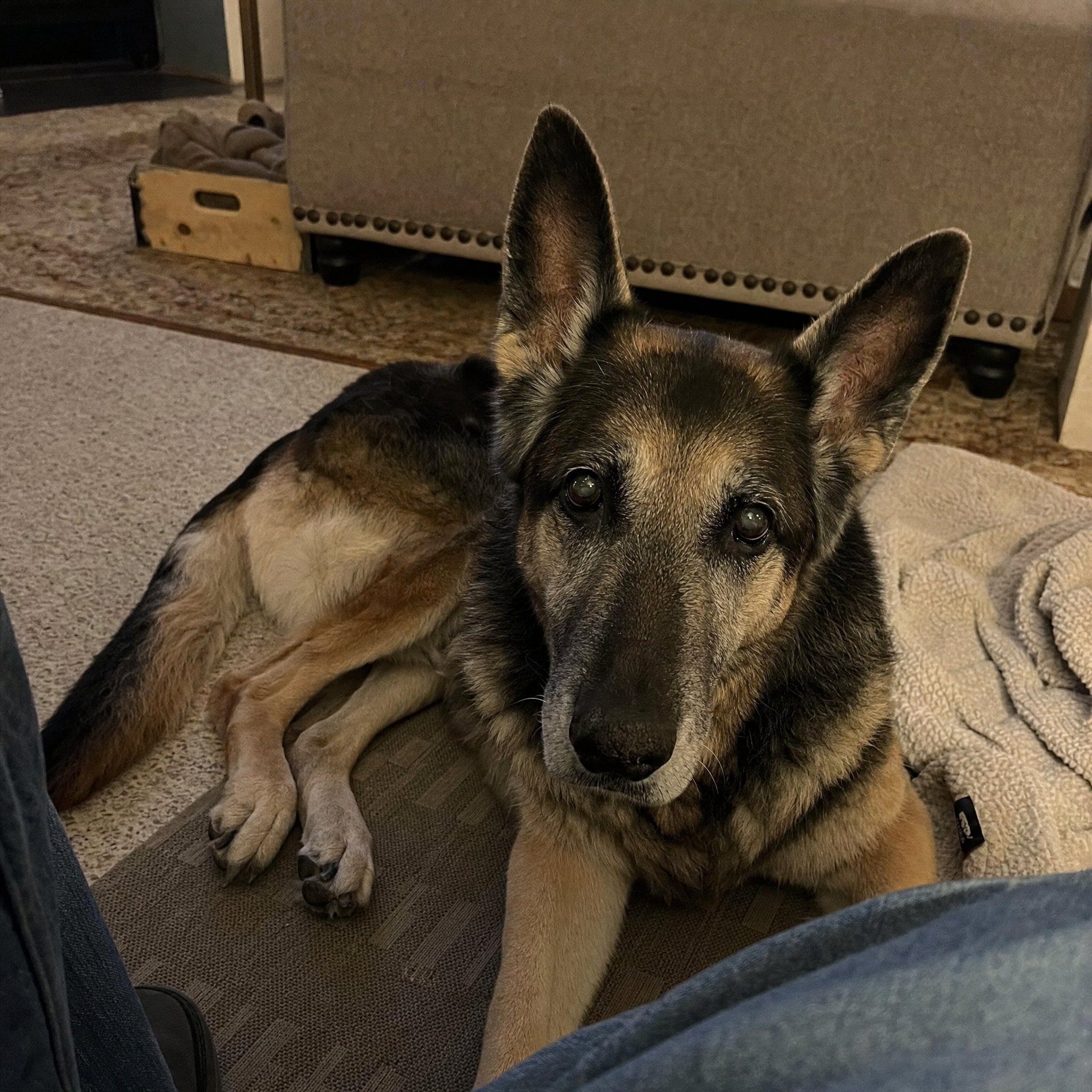
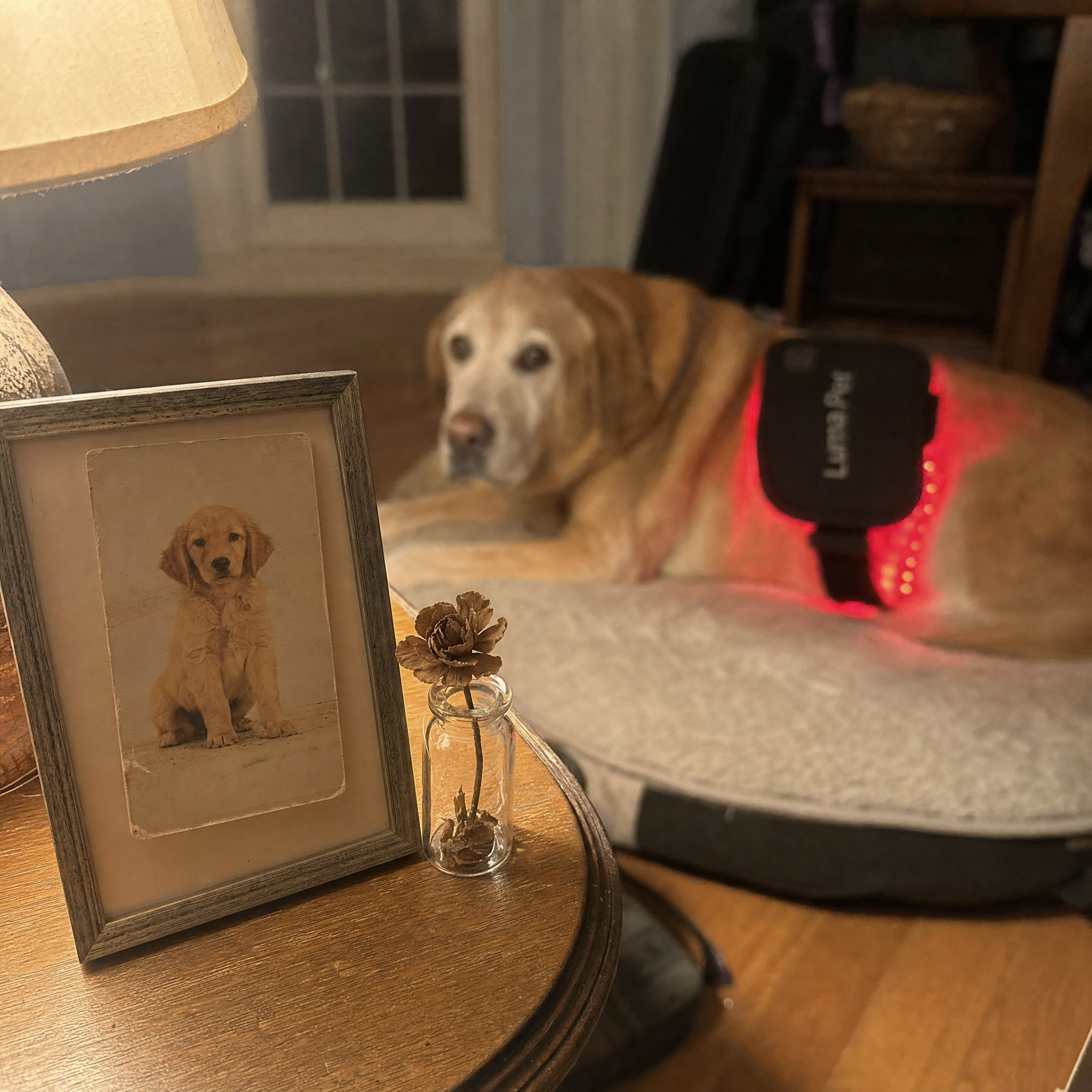
When I married Tom, his dog was already 14. I thought I'd have a year with him. Maybe two. Murphy is 17 now. 🐾 I've lost 4 dogs in my life. None made it past 11. Tom's never lost one before 15. When I finally asked what he was doing, he got quiet. Then he told me about Karen. My name is Sharon Mitchell. I'm 61. I live in Charlotte, North Carolina. I married Tom three years ago. Second marriage for both of us. When I moved into his house, Murphy was already there. Yellow Labrador. Gray on the muzzle. And ancient by Lab standards. "He's 14," Tom said. "Had him since he was a pup." I smiled and nodded. But inside I was already preparing myself. 14 is old for a Lab. Really old. I figured I'd have a year with him. Maybe two. Then Tom would grieve, and eventually we'd get another dog together. That was three years ago. Murphy is 17 now. Still here. Still climbing onto the couch. Still doing the back patio steps. Still trotting to the front door when he hears Tom's truck. 🚙 I don't understand it. I've never understood it. Because my dogs never made it that long. Not even close. My first dog as an adult was Cooper. I got him the year I got divorced from my first husband. Mixed Lab. Big-hearted. Loved everyone. His hips started going at 8. By 10 he couldn't get up off the floor. I put him down at 10. The vet said it was time. Then Daisy. My Boxer. Arthritis took her at 8. Then Bandit. A mid-size mix. Just declined fast at 9. Vet ran tests, found nothing. He was gone in a month. Then Honey. My golden retriever. Sweetest dog I ever had. She made it to 11. I thought that was a victory. I really did. Then her hips gave out on a Sunday morning and we made the appointment that afternoon. Four dogs. Four heartbreaks. None of them made it past 11. 💔 I thought that was just how it worked. Big dogs live 8 to 12 years if you're lucky. Then you start over. Then I moved in with Tom. Murphy was 14 when I met him. He's 17 now. Tom had another dog before Murphy. Her name was Sadie. Golden. She lived to 16. Before Sadie there was Duke. German Shepherd. He made it to 15. Three dogs in Tom's adult life. All past 15. I've had four. None made it past 11. Same house now. Same vet. Same food. Same yard. Same walks. But for three years, completely different outcomes. I noticed it early. How could I not? Murphy was 14 when I moved in. Then 15. Then 16. Then 17. He just kept going. Meanwhile I'd scroll through old photos of Cooper, Daisy, Bandit, and Honey. All gone before they hit their teenage years. I thought maybe Tom was just lucky. Some people get lucky. Good genetics. Healthy line. But three dogs in a row? All past 15? That's not luck. Every night, Tom takes Murphy out for his last bathroom break. Then they come back into the den. Murphy lies down on his bed in the corner. And Tom takes out something I'd seen a hundred times and never asked about. It's a flexible mat. Black on the back. Red lights on the front when he turns it on. 🔴 He drapes it over Murphy's hips. Sets a timer for fifteen minutes. And reads on his phone while it runs. I watched him do that almost every night for three years. I figured it was a heating pad. Or one of those vibrating massage things. Old-man dog stuff. I never thought about it. Until last winter. I was looking at old photos of Honey. Crying a little. Missing her. And I looked over at Murphy. 17 years old. Trotting in from the kitchen. Tail up. Not stiff. Not slow. Not labored. Something broke in me. I walked into the den that night and watched Tom set up the mat. Watched him drape it across Murphy's hips. "Tom," I said. "What is that thing?" He stopped. Looked at me. "You've never asked me that before." "I'm asking now." He sat down next to me. Got quiet for a moment. "It's something Karen taught me," he said. "Before she passed." Karen was his first wife. She died 12 years ago. Pancreatic cancer. I knew Tom loved her. I knew she was a huge part of his life. But he rarely talked about her. "Karen?" I said. He nodded. "She was a canine rehab therapist. Ran her own clinic for fifteen years. Worked with arthritic dogs every single day." "This is what she used at her clinic. The dogs that came in walked out better. She brought one home for our dogs the year before she got sick. Showed me how to use it. Made me promise to keep using it after she was gone." He handed me the mat. I looked at the label. Red light therapy. I'd heard of it for humans. I'd never connected it to dogs. That night, I couldn't sleep. I kept thinking about Karen. About her clinic. About this thing that had been keeping Murphy moving for three years longer than I would have thought possible. So I started reading. And suddenly, every dog I'd ever lost made sense. Red light therapy works on inflamed joints. Two specific wavelengths. 660 nanometers and 850 nanometers. They penetrate skin and fur, reach the joint capsule directly, and do two things. They calm the inflammation at the joint, the way an anti-inflammatory medication does, but locally, without the medication ever entering the bloodstream. And they soothe the pain signals at the tissue itself, the way a pain medication does, but without sedation, without the wobble, without the GI issues. Twenty years of peer-reviewed veterinary studies have shown what it does for arthritic dogs. A 2018 study showed that 9 out of 11 arthritic dogs reduced or eliminated their pain medications within 6 weeks of starting it (https://pmc.ncbi.nlm.nih.gov/articles/PMC6091142/). A 2022 study compared it directly to one of the most prescribed NSAIDs and found the same level of relief (https://pubmed.ncbi.nlm.nih.gov/35895799/). The science isn't ambiguous. It's not new. Karen had been using it on her patients since the early 2000s. So why hadn't any of my vets ever mentioned it? I asked one. Politely. After Karen's mat had given Murphy three years he statistically shouldn't have had. She told me the truth, to her credit. "It's used by rehab clinics. The equipment costs thousands. The sessions are expensive, twice a week, indefinitely. Most of my clients say no when I tell them the cost. So I stopped bringing it up." And there it was. It wasn't that nobody knew. It was that the entire profession had decided most owners couldn't afford it. So they handed me a script for Cooper's pain at the end. And then for Daisy. And then for Bandit. And then for Honey. And all four of them ran out before they ever had a chance to be 16. I sat at the kitchen table and cried. Cooper. Daisy. Bandit. Honey. Four dogs I loved with everything I had. Four dogs who declined and died because nobody told me there was a way that didn't cost a fortune in clinic sessions. Tom held me while I sobbed. He didn't say anything. There was nothing to say. Three years he'd watched me grieve old photos. Three years he'd draped that mat over Murphy. He thought I knew. I didn't know. After Tom told me about Karen, I wanted to start using it on more than just Murphy. I went online and tried to find another mat. The pet store had nothing useful. Amazon was full of cheap mats with five-star reviews and almost no actual output. I bought two. Returned both. Tom checked the wavelengths on his old infrared meter from Karen's clinic. They didn't even hit the numbers the studies measure. "Karen never bought consumer-grade," Tom said. "She always said you'd be wasting your money. Either it has the wavelengths and the output the studies use, or it's a flashlight." "Where do you buy the ones you use now?" I asked. He showed me. A brand called LumaPet. "My daughter found them a few years ago when Karen's clinic mat finally wore out. Same specs Karen always insisted on. Both wavelengths, 660 and 850. The output the studies use. The mat format Karen always recommended, not the panels people put on top of dog beds." I ordered one that night. A few months after I started using it, I did something I never expected. I adopted a senior golden retriever. Her name was Lily. She was 11. The shelter said she'd been surrendered because her owners couldn't keep up with her medications. She was on three different things for her hips and her stomach was a mess from the NSAIDs. They told me she probably had six months left. Maybe a year. I took her home anyway. Fifteen minutes a night. Same routine. Same mat. We weaned her off two of her three medications inside three months, with the original prescribing vet's approval. Her stomach settled. Her bloodwork came back clean for the first time in years. She walks the property with me every morning. Slow but steady. Wags her tail when she sees Murphy. ✨ The same shelter vet who said she had six months calls her a miracle dog now. She's not a miracle. She was just on the wrong protocol. And now she's on the right one. Tom and I adopted a Labrador puppy last spring. His name is Jasper. He's 14 months old. 🐶 He goes on the mat once a week as prevention. Karen always said the dogs that started young never developed the joint disease their parents had. Our vet says he's the healthiest Lab she's seen at his age. Murphy is 17 now. Still here. Still trotting to the door. Still climbing onto the couch. I look at him and I think about Karen. A woman I never met. A woman who built a fifteen-year clinic around helping dogs stay mobile, and whose practice is still keeping our 17-year-old Lab walking 12 years after she's gone. I think about her promise to Tom. I think about Cooper, Daisy, Bandit, and Honey. All the years I lost with them because nobody told me there was a way that didn't cost a fortune in clinic sessions. If your dog is slowing down right now, this is the part for you. If she's stiff getting up in the morning. If she lifts a hind leg when she walks. If she hesitates at the bottom of the stairs. If she's stopped jumping on the couch. If she licks the same joint at night. If your vet has mentioned starting her on Librela or gabapentin in the next few months. She's not just getting older. She's running out of joint, and nobody's giving the joint what it needs. By 8 the damage is starting. You just can't see it. By 10 it's visible. By 12 you're preparing for the end. But 12 isn't the end. Murphy is 17. Sadie made it to 16. Duke made it to 15. 12 is what happens when nobody gives the joint what it needs to keep working. The mat costs less than one rehab clinic session. Used at home, on her bed, fifteen minutes a night. That's what Karen did with the dogs in her clinic for fifteen years. That's what Tom has done with our three dogs for over a decade. That's what I do now with Murphy, with Lily, and with Jasper. My daughter just adopted her first dog. A six-year-old shepherd mix the rescue called starting to slow down. I told her about Karen. Showed her the mat. Made her promise. Some things are worth passing down. Even from people you never met. ❤️ The mat we use every night is below. It's the LumaPet one my daughter found when Karen's clinic mat finally wore out. Both wavelengths, 660 and 850. The output the studies use. The mat format Karen always insisted on. Fifteen-minute auto-shutoff. Money-back guarantee that makes the downside a return label. I put together everything I learned about why some dogs make it to 17 and others don't see 12. Why Murphy kept going. What Karen knew that most vets stopped telling owners when they realized clinic sessions were out of reach for most families. Read it here: 👇 dogspinehealth.com/longevity P.S. We keep a photo of Karen on the bookshelf now. I never met her. But her clinic's protocol gave us seven more years with Murphy, and is now giving Lily her life back. That's the kind of legacy that matters.
His dogs live twice as long as mine.
How Luma Pet Red Light Stops arthritis Before It Ever Starts
LEARN MORELike this ad? Make it yours.
Crush rebuilds this exact creative around your product — your brand, your colors, your offer — in about a minute.