
Inactive· since Jan 28, 2026
- 5
- days it ran
- 1
- relaunches
- 9,449
- EU reach
Ad copy
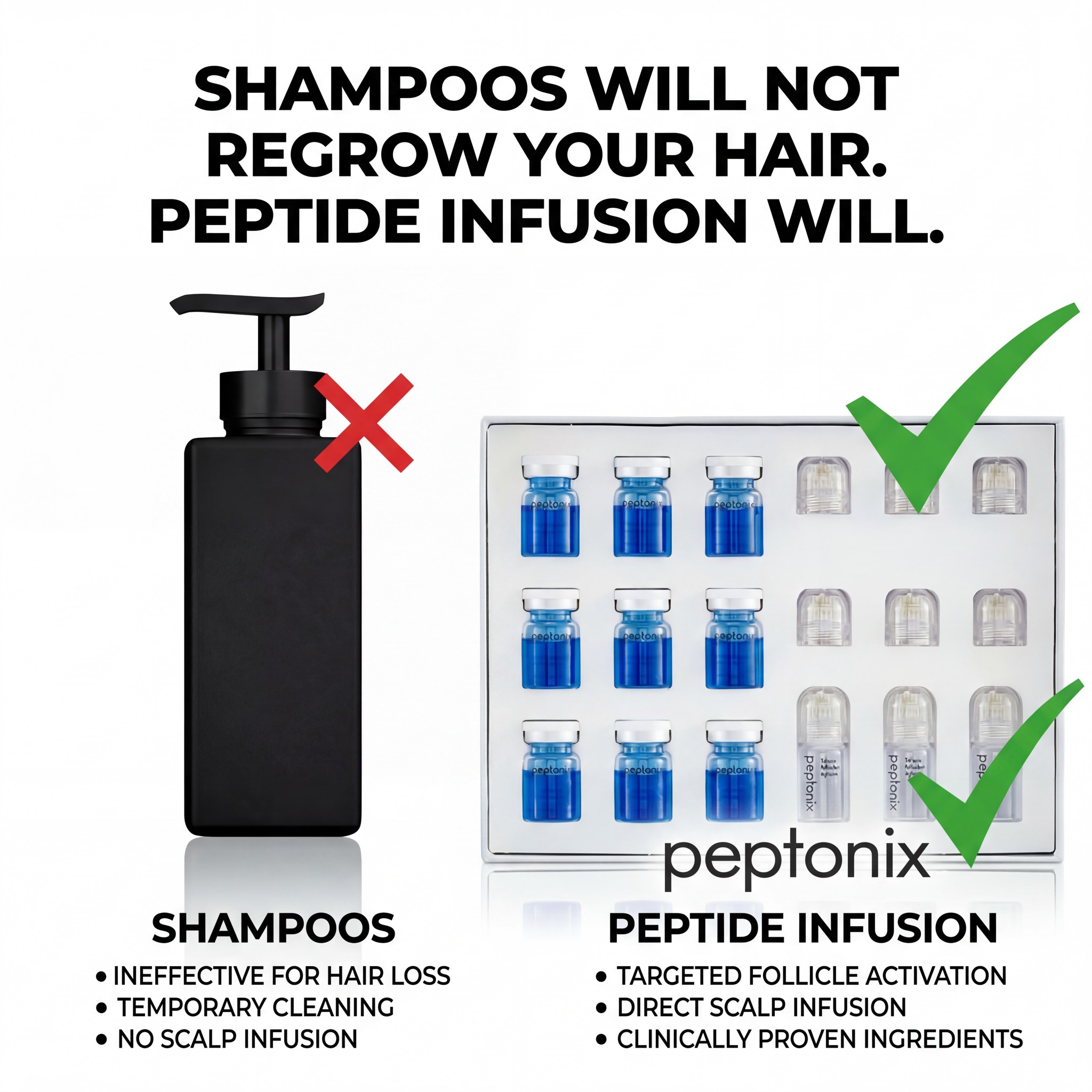
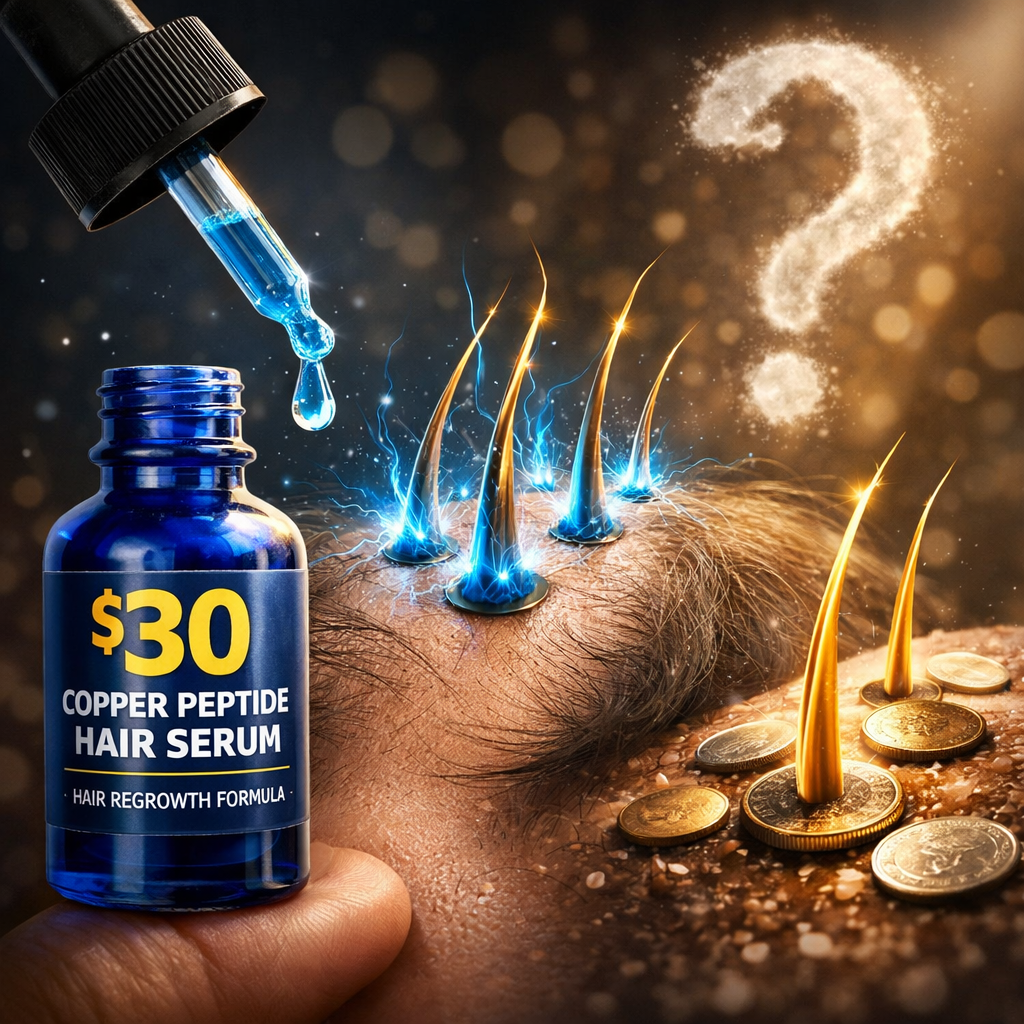
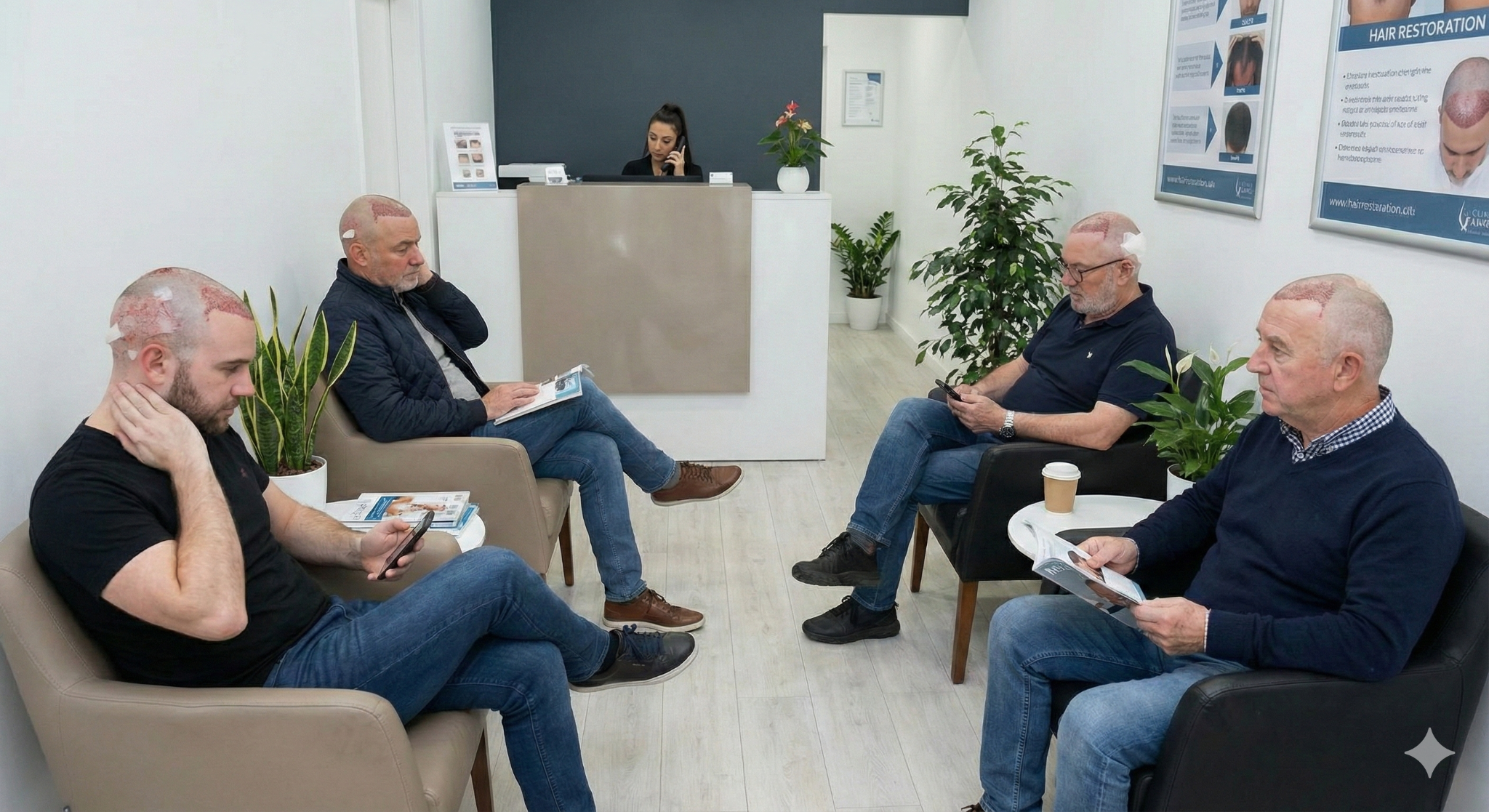
I’ve performed over four hundred hair transplant surgeries in my career. And for years, I believed it was the right thing to do. Remove follicles from the back of the scalp, implant them into thinning areas, and the hair gradually comes back. That’s what every textbook teaches. But after enough years in practice, something started to bother me. Patients I operated on would come back 10 to 12 months later still unhappy. Still thinning. Still watching their hairline slowly retreat around the transplanted area. The grafts survived. But the surrounding hair kept disappearing. And no one could give me a satisfying explanation. I remember one patient clearly. A middle-aged accountant named Mark. He came to me with aggressive thinning at the crown and temples. Classic androgenic alopecia. We did the transplant. Technically, it went perfectly. About ten months later, he came back and said, “The transplanted hair looks fine… but everything around it still looks thinner. I thought this would fix it.” I told him to give it time. That transplanted hair takes a while to blend in. Three months later, he returned again and said, “It feels like the hair I still have is getting weaker. Like it’s giving up. What’s going on?” That was the day I started questioning everything I thought I knew. If follicle relocation were the real solution, surgery should work for everyone. But it didn’t. And as a surgeon, that’s a deeply uncomfortable thing to admit. So why did so many patients continue losing hair even after we “fixed” the bald areas? That question stayed with me. I started reading every study I could find. Late nights in my office. Cold coffee beside my notes. The same thought repeating over and over… What are we missing? Then I found it. It was a research paper from a dermatological institute in Europe. It said: “Follicle miniaturization and reduced scalp signaling play a greater role in hair loss progression than follicle absence alone.” I read it three times. The real issue wasn’t just missing hair. It was the follicles that were still there — but slowly shutting down. Years of DHT exposure, inflammation, and reduced blood flow don’t make hair disappear overnight. They starve the follicle. The follicle doesn’t die instantly. It shrinks. Produces thinner hair. Shortens growth cycles. Until eventually… it stops responding at all. So even if you surgically add hair, the surrounding follicles are still weakened. Still inflamed. Still under the same biological pressure — which is why medication is so often prescribed indefinitely after surgery. That’s when it finally made sense. We were planting new grass without fixing the soil. Once I understood that, I started searching for ways to restore follicle health safely. Something non-invasive. Something that worked with the scalp instead of cutting around it. That’s when a colleague — a dermatologist who worked extensively with post-transplant patients — told me about something he’d been using. He said, “It’s not a pill. And it’s not surgery. It’s a delivery problem.” At first, I dismissed it. I’d heard plenty of theories over the years. But then he showed me the research. Microneedle-based delivery — shown to bypass the scalp barrier. Copper peptides — shown to support follicle signaling and repair. Localized DHT-reducing compounds — shown to reduce follicle stress without systemic hormone suppression. He said, “The problem is, you need all of them working together. Peptides alone don’t penetrate. Topicals rinse off. Pills go everywhere. Delivery is what’s missing.” That got my attention. I started reviewing every clinical paper I could find on follicle signaling and transdermal delivery. The results were consistent. Improved follicle thickness. Reduced shedding. Reactivation of dormant follicles. It was the opposite of surgery. Instead of moving hair, it helped existing follicles recover. But there was a problem. Clinical microneedling systems cost thousands. They’re locked inside clinics. And patients need constant appointments to maintain results. Until a few months later, when that same colleague sent me a link and said, “You’ll want to see this.” That’s how I found Peptonix. A group of researchers and engineers built a system designed to apply these same principles safely at home. Not a gadget. Not a shampoo. A micro-infusion system. Gold-plated microneedles. Copper peptide serum. Natural DHT-targeting compounds. Designed specifically to address what I’d been wrestling with for years — how to restore follicle health without surgery. So I tried it myself. As a surgeon, I work long hours under constant stress. Years of subtle thinning I’d ignored. I used the system once a week. No pain. No irritation. Just controlled delivery. Within weeks, my shedding slowed. After a couple of months, my hair felt stronger at the root. By month three, I noticed fine regrowth in areas that hadn’t changed in years. I couldn’t ignore that. So I began recommending it to patients who wanted to delay — or avoid — surgery. One came back after eight weeks and said, “Doc, my barber asked what I changed.” Another told me, “For the first time, my hair loss feels stable.” That’s when I knew this wasn’t a coincidence. When you give follicles what they need — targeted delivery, reduced DHT pressure, and proper signaling — they remember how to function. We just have to stop fighting the biology. I still perform hair transplants when they’re truly necessary. But I don’t rush into them anymore. You can’t transplant your way out of follicle dysfunction. You have to restore it. That’s why I recommend Peptonix. Not because it’s trendy — but because it addresses what’s actually happening at the scalp level. It helps protect existing follicles, restore weakened ones, and slow progression naturally. I’m not sharing this as a sales pitch. I’ve just seen too many men jump into surgery without ever hearing this explanation. If you’ve been told a transplant is your only option, take a step back. Learn what’s really happening inside your scalp before making that decision. For me, this discovery changed how I approach hair loss. For my patients, it changed outcomes. And for you, it might be the thing that keeps you out of the operating room. Sometimes regrowth doesn’t come from surgery. Sometimes, it comes from giving follicles what they’ve been missing all along. Click here to learn more: https://quiz.peptonix.com/microinfusion
Like this ad? Make it yours.
Crush rebuilds this exact creative around your product — your brand, your colors, your offer — in about a minute.