
Inactive· since May 27, 2026
- 34
- days it ran
- 0
- relaunches
Ad copy
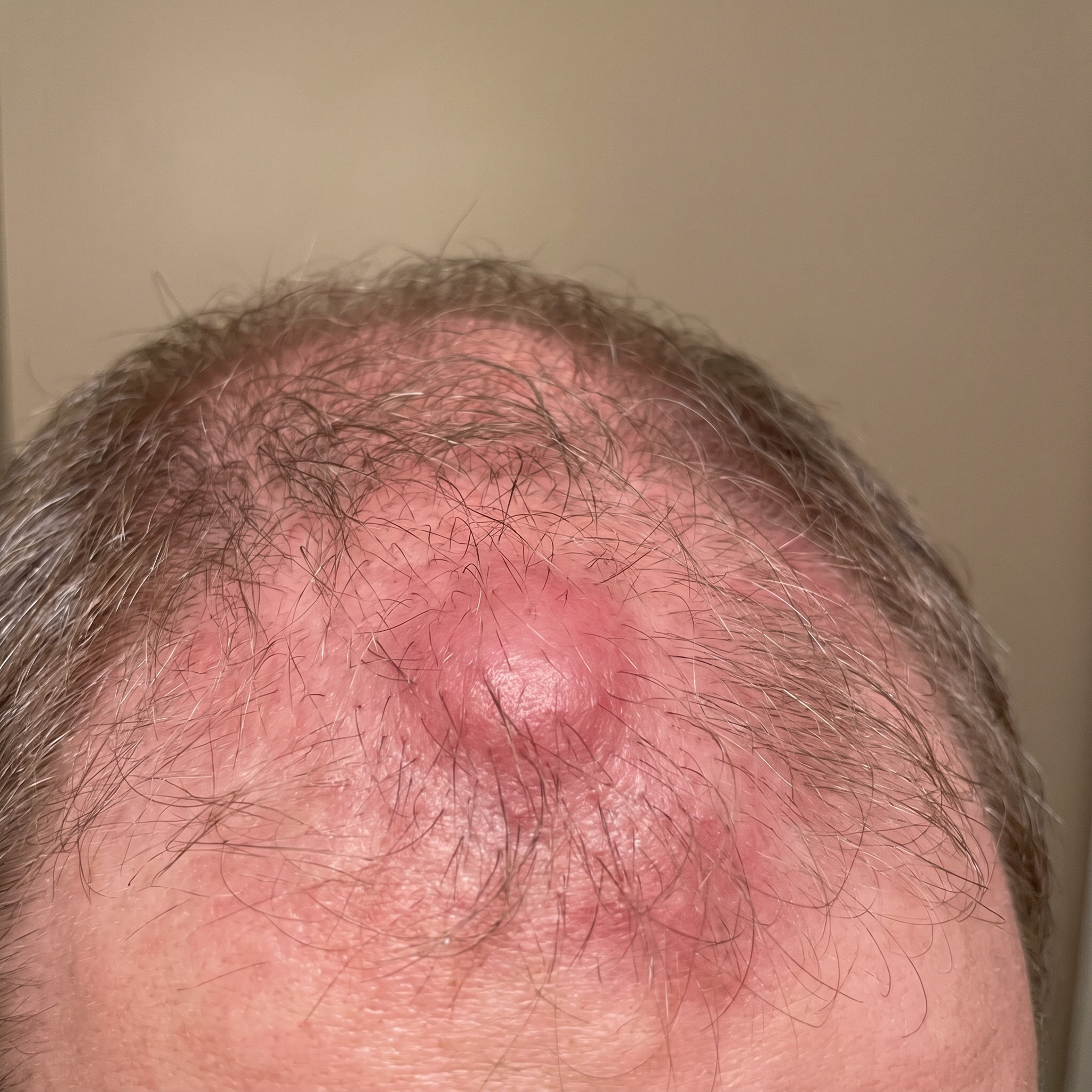
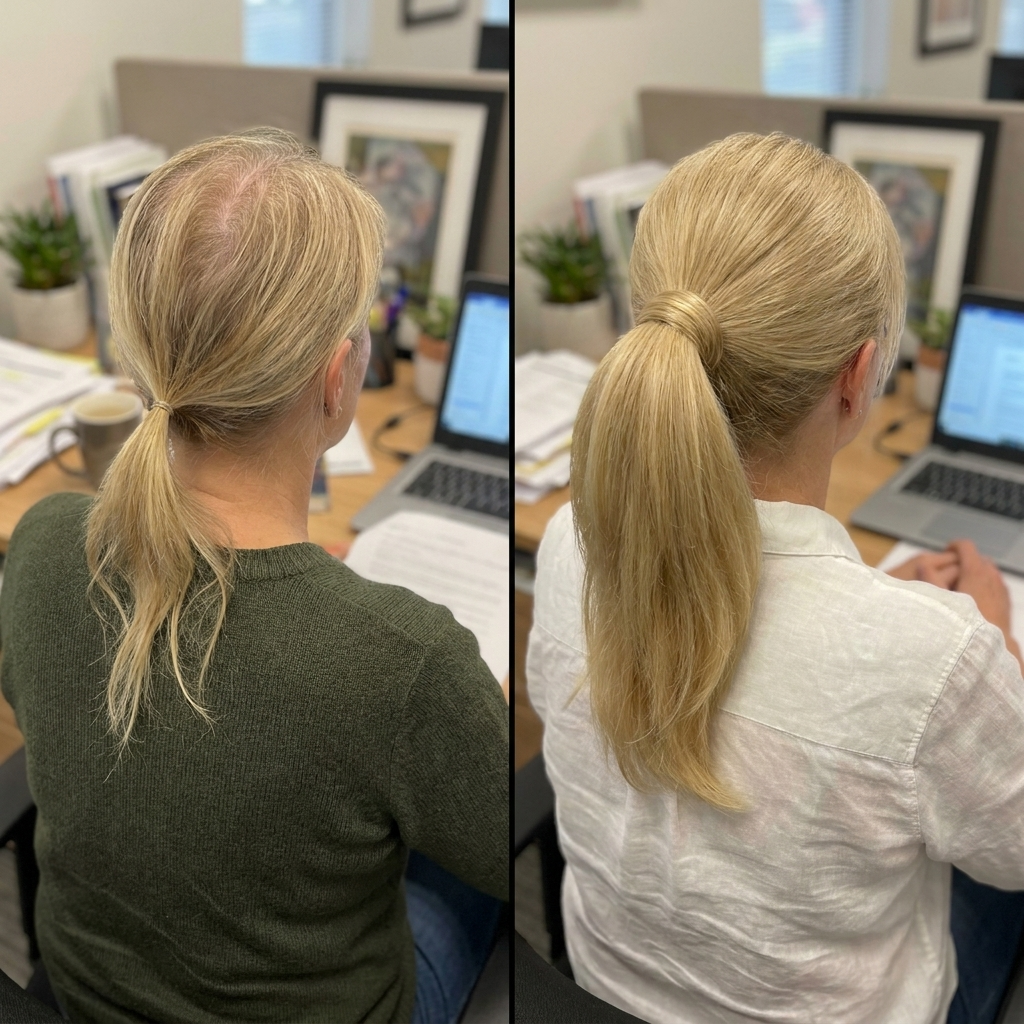
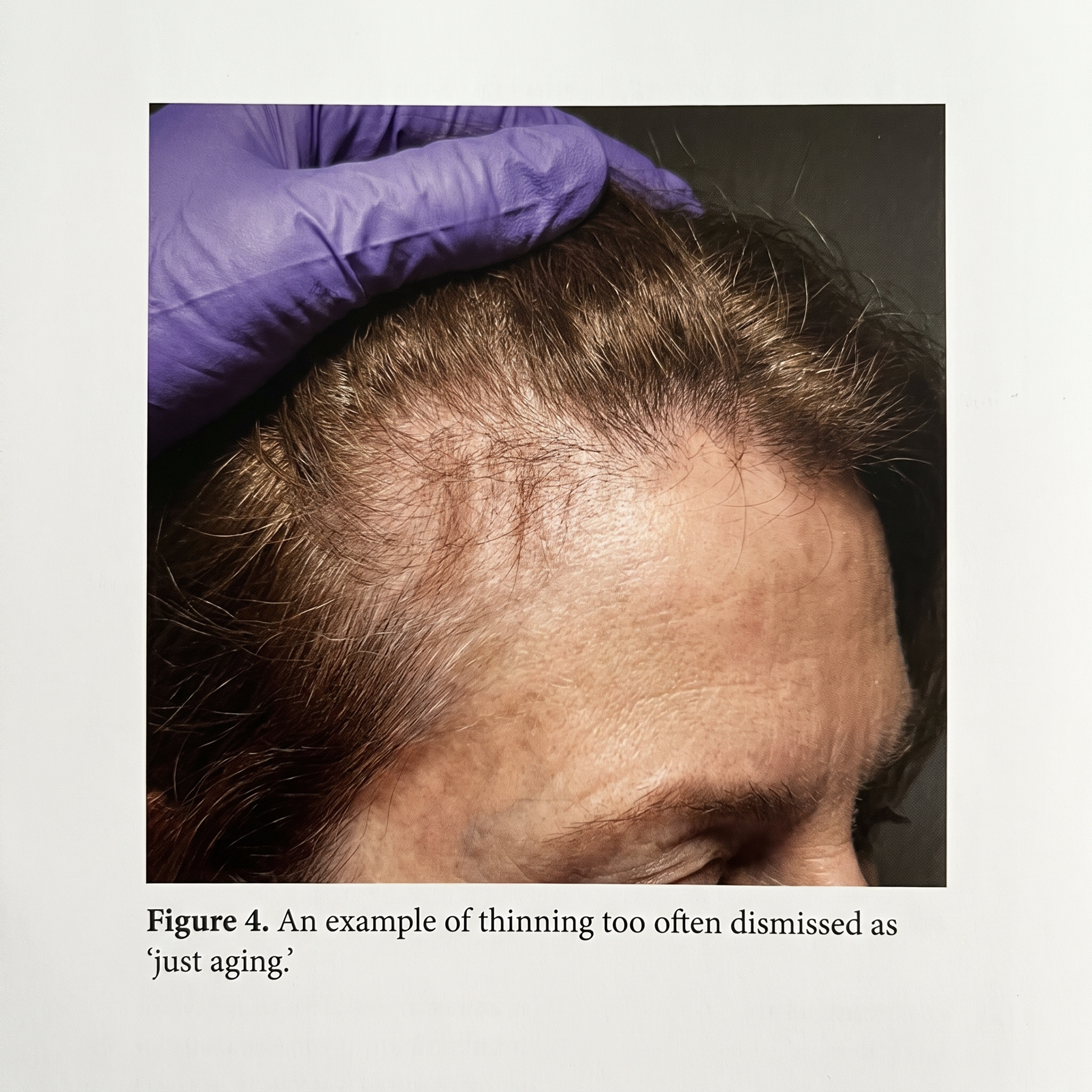
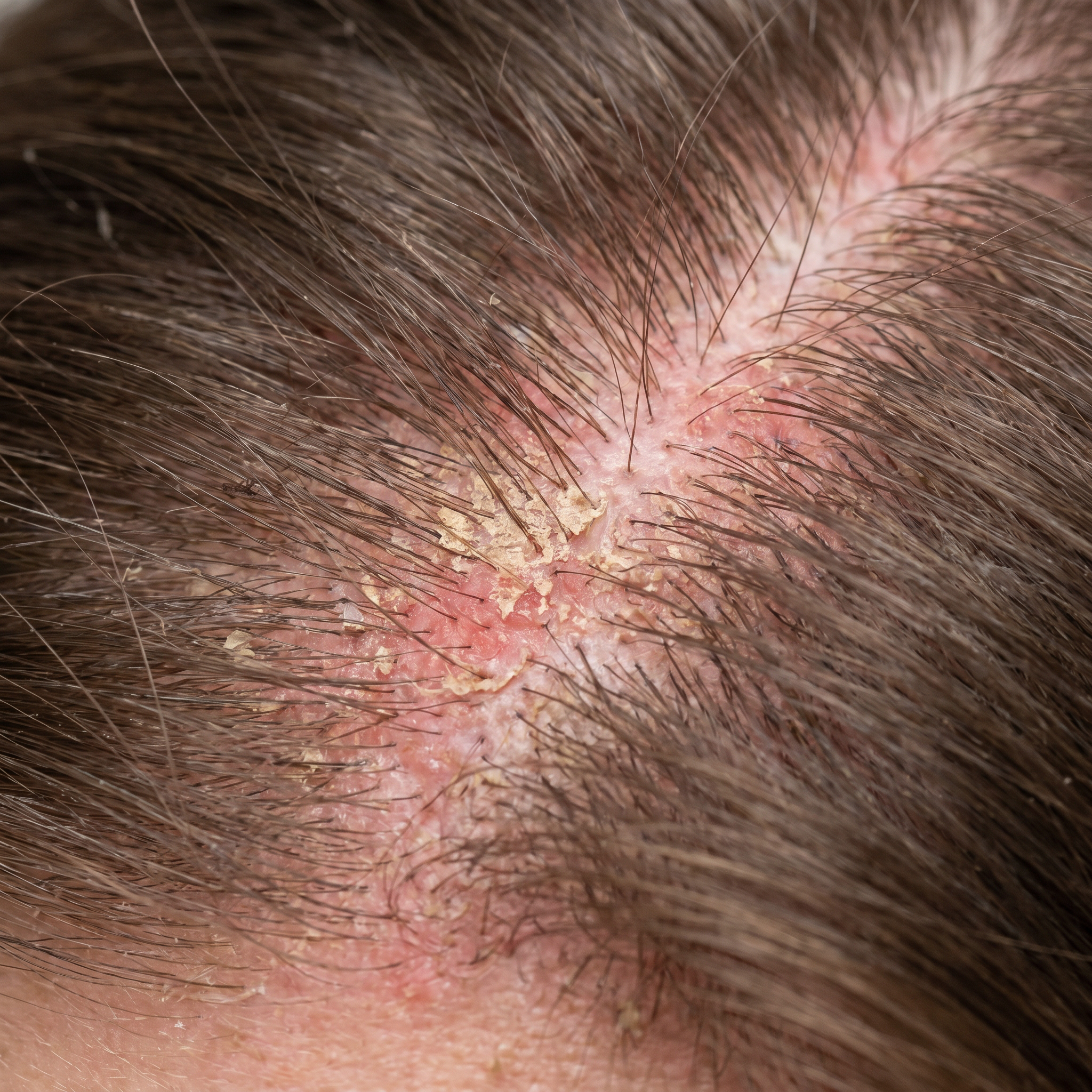
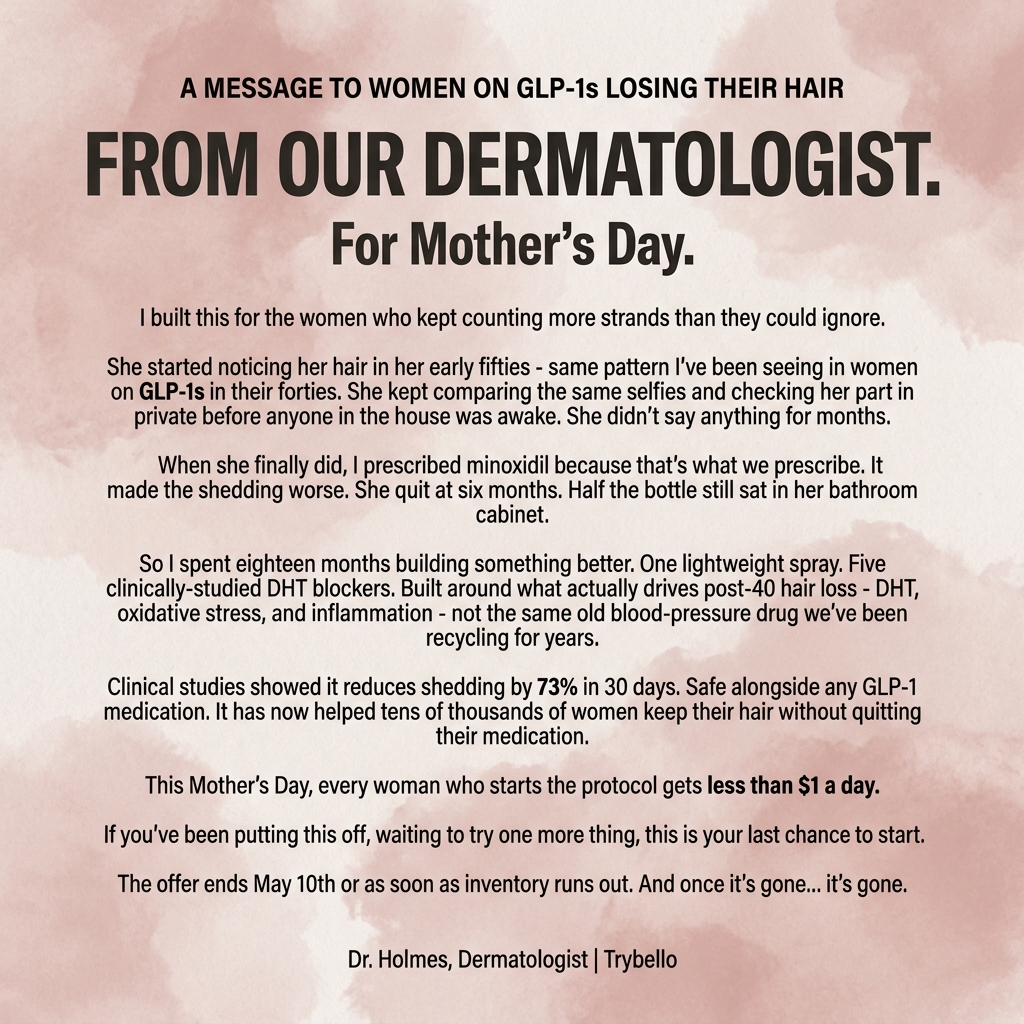
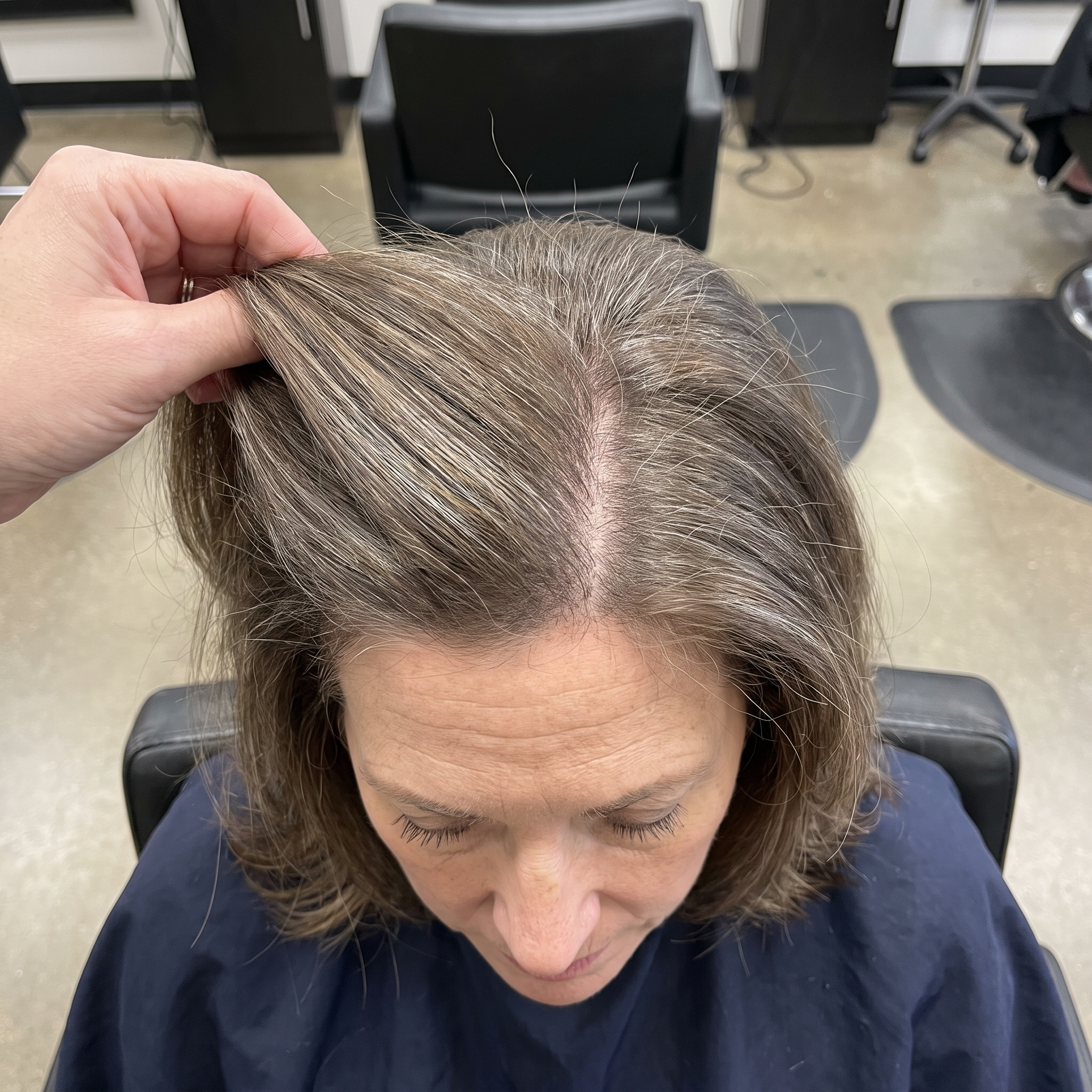
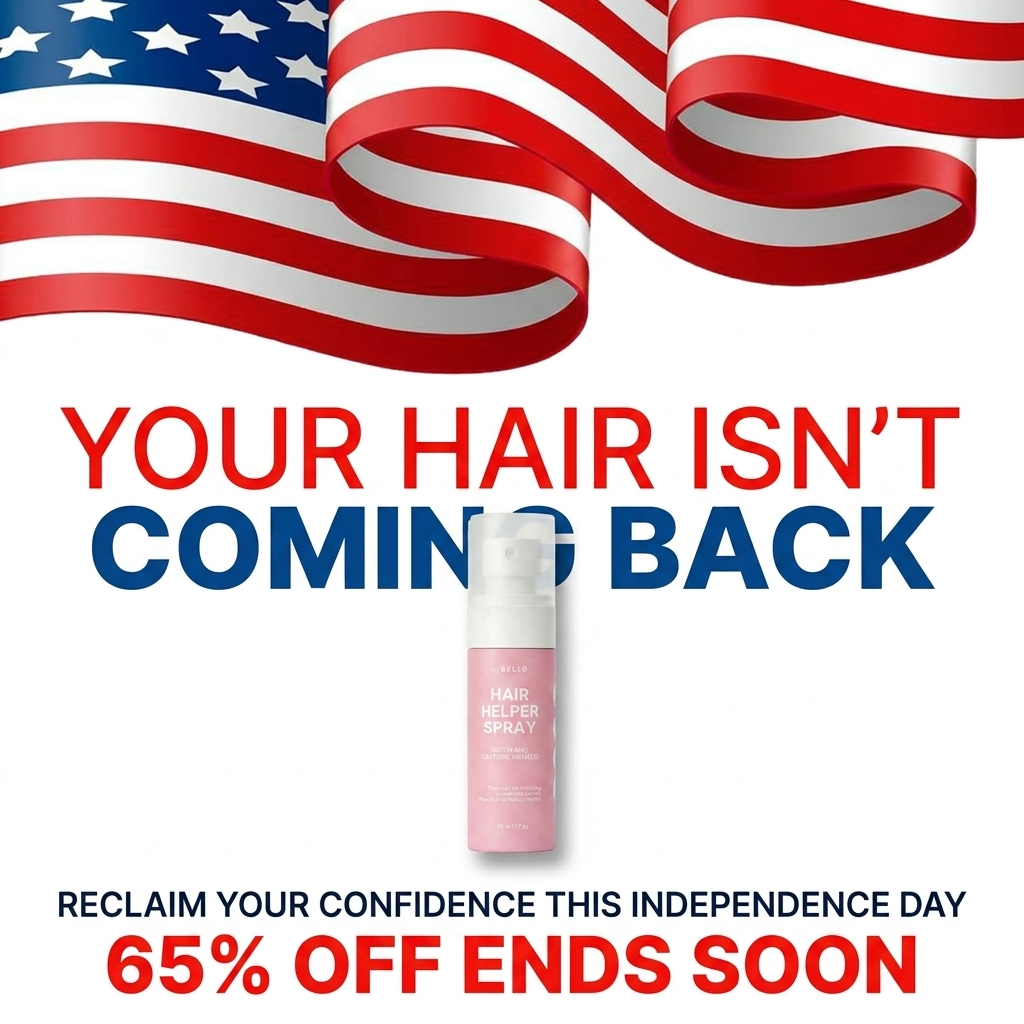
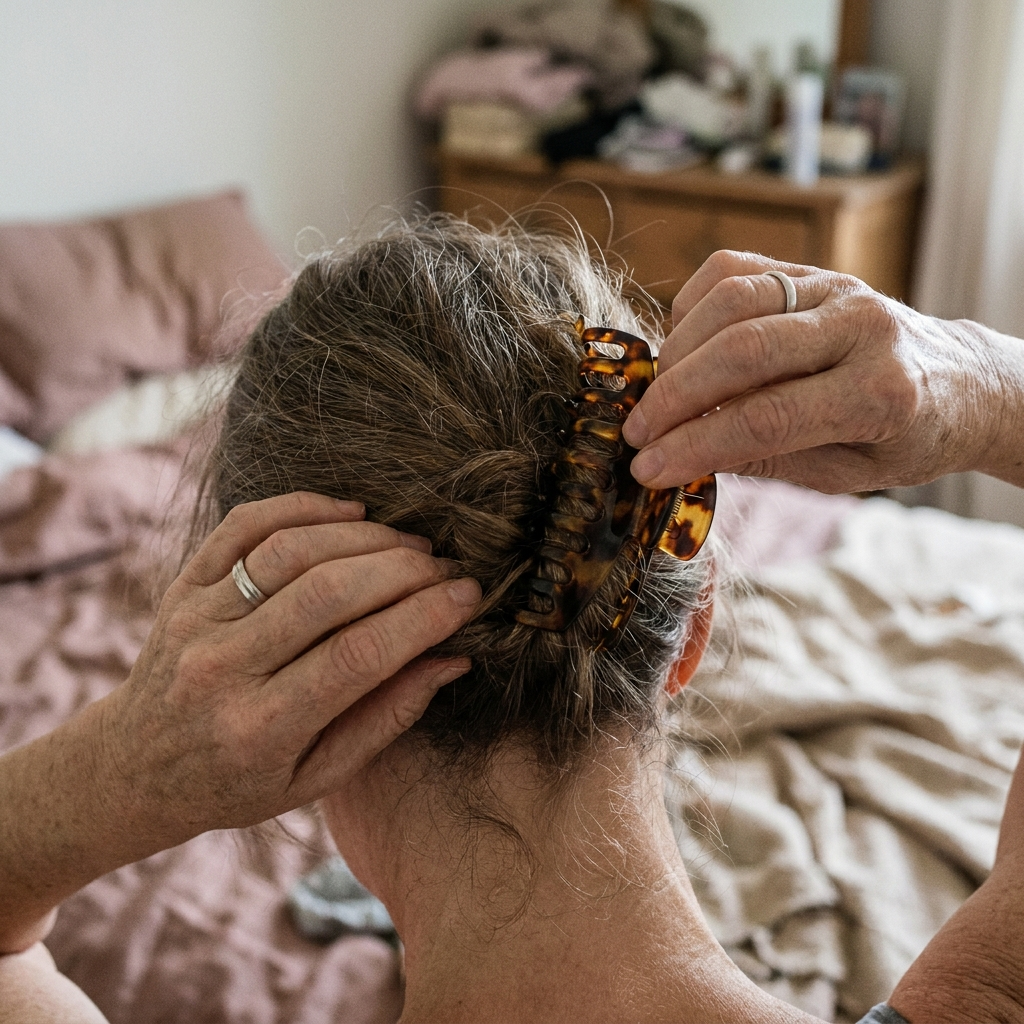
Please stop blaming "just getting older" for your hair loss. When estrogen drops, three internal attacks miniaturize follicles — and the first place it shows isn't the drain, it's how your face looks without hair framing it. The beauty industry made a fortune teaching women to hide thinning hair instead of treating the cause. That is why a claw clip, volume spray, and expensive shampoo can feel like progress when nothing is actually changing. You get a neat-looking style. You still get the widening part. You still get the panic when your hair no longer behaves like yours. For women in their 40s, 50s, and 60s, hair loss is rarely random. It is usually hormonal, usually frustrating, and usually dismissed with lazy advice. Try biotin. Use a different shampoo. Maybe it is just stress. Those answers are convenient because they are cheap, vague, and almost never effective. They let everyone avoid the real conversation. The real conversation is DHT, oxidative stress, and inflammation hitting follicles that are already more vulnerable after menopause. The real conversation is that most products were built to decorate the problem, not interrupt it. If the routine now involves styling around thinning instead of growing stronger hair, you are not being sold care. You are being sold camouflage with a cleaner label. And camouflage is a profitable business. It keeps you buying powders, serums, supplements, salon tricks, and hope. It keeps the category looking busy while your hair keeps getting smaller. Some women turn to minoxidil because it sounds like the one serious answer. But minoxidil has its own trap. It can trigger dread shed. It can create dependency. And for a lot of women, it simply does not activate the way the bottle assumes it will. The result is the same familiar humiliation. More spending. More waiting. More disappointment. The Trybello article pulls that whole scam apart. It explains why a topical spray built for menopausal hair loss is a different mechanism altogether. Not a pill. Not a daily gamble with your hormones. Not another maybe this will work if you stay patient for six more months promise. Hair Helper is built around five clinically studied DHT-blocking ingredients at therapeutic concentrations. Caffeine. Sophora flavescens. Angelica polymorpha sinensis root extract. Rice extract. Biotin. Ingredients with actual research behind them. Ingredients chosen to support the follicle directly at the scalp. Ingredients that are meant to fight the problem where the problem lives. The article also explains why that matters for women who have already tried Nutrafol, Vegamour, Rogaine, collagen, or every natural miracle that promised a reset. If the biology was wrong, the marketing never had a chance. If the mechanism was wrong, the pretty packaging was just expensive reassurance. That is the part most women are angry about. Not that hair loss happened. That the industry kept offering them prettier versions of the same dead-end answer. Hair loss after 40 does not need another disguise. It needs a product designed for the hormonal terrain women are actually living in. That is why the article frames the problem around the triple threat: DHT, oxidative stress, and inflammation. That is why it talks about a 10-second daily ritual instead of a complicated routine. That is why it focuses on no dread shed, no dependency, and no fear of stopping. Not because the issue is simple. Because the solution should not punish you for trying. The women this is for are not naive. They read ingredient lists. They remember what they spent. They know exactly how many times they were told to be patient. They know how it feels to be dismissed by people who should have taken the problem seriously. The point of the article is not to sell fantasy. It is to show the difference between concealment and correction. Between a style that buys you time and a formula that aims at the biology underneath. Between another beauty trick and an actual scalp strategy. If your hair has become something you arrange around, hide under, or pin back just to get through the day, the article is worth your attention. It lays out the mechanism in plain English. It explains why some women respond to Rogaine and others do not. It shows why a spray can be more relevant than a supplement when the follicles need support at the scalp. And it makes one thing very clear. You were not the problem. The wrong tools were. This is not about prettier haircare. It is about finally using something that respects the biology behind the shedding. It is about stopping the cycle where the industry sells you another elegant distraction and calls it a solution. It is about giving your follicles a real chance instead of another cosmetic cover-up. That is the difference this article is trying to expose. Not more promise. Better mechanism. Less theater. More truth. The women who keep buying the next bottle are not confused. They are exhausted from being told that exhaustion is the same thing as treatment. They are tired of beauty advice that sounds polished and lands nowhere. They are tired of being asked to believe in volume when what they need is biology. And they are tired of paying for products that make the shelf look better while the hairline keeps changing. Read the article if you want the version that says the quiet part out loud. Read it if you want the mechanism, not the marketing. Read it if you are done being sold camouflage with a fancier label. Tap below Read the article See the mechanism behind the shed And why Trybello is different https://start.trybello.com/tb-a260-adv
Doc said “it’s just menopause.” She was WRONG.
Reduce Shedding With All Natural Ingredients!
LEARN MORELike this ad? Make it yours.
Crush rebuilds this exact creative around your product — your brand, your colors, your offer — in about a minute.