
Active· since May 31, 2026
- 103
- days running
- 0
- relaunches
Ad copy
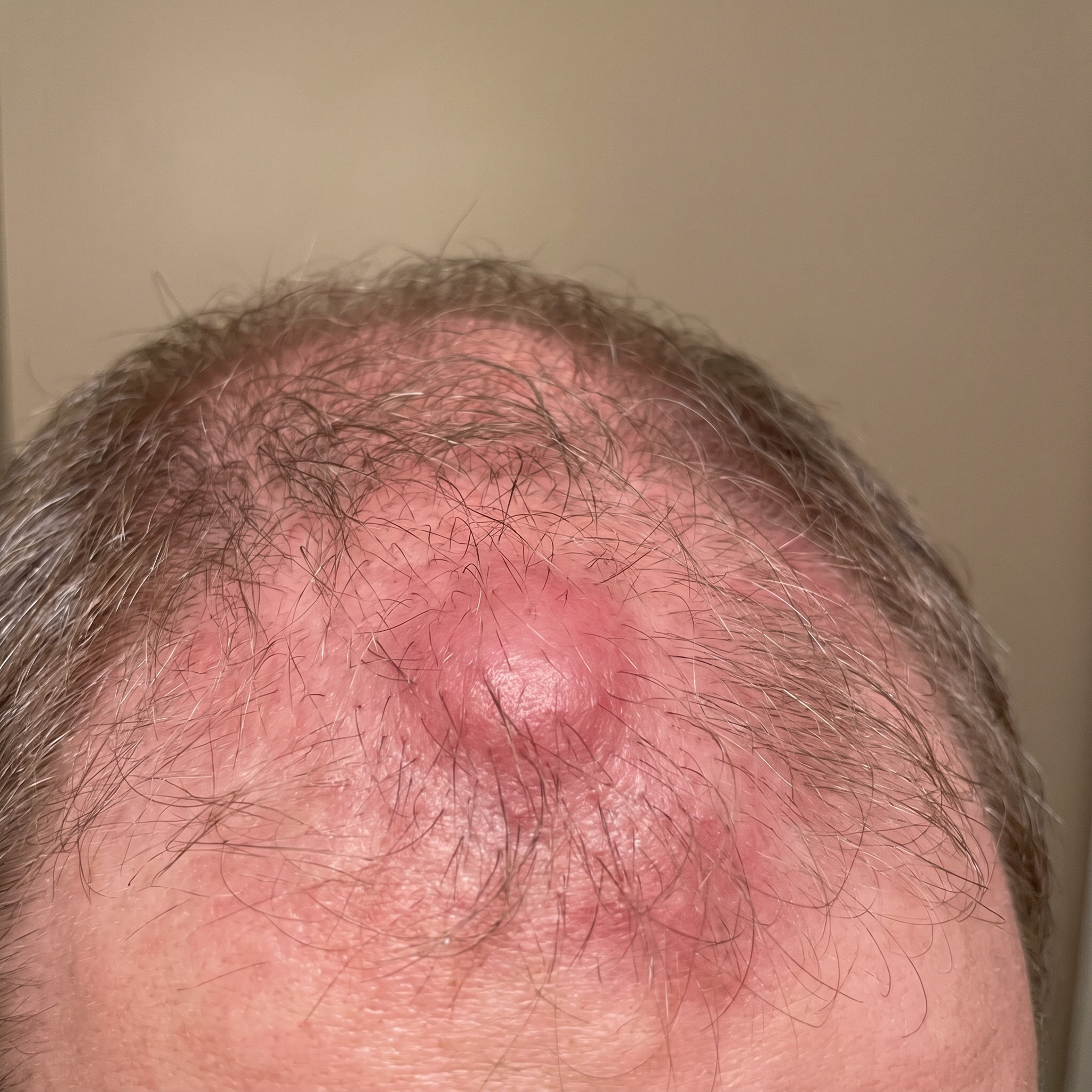
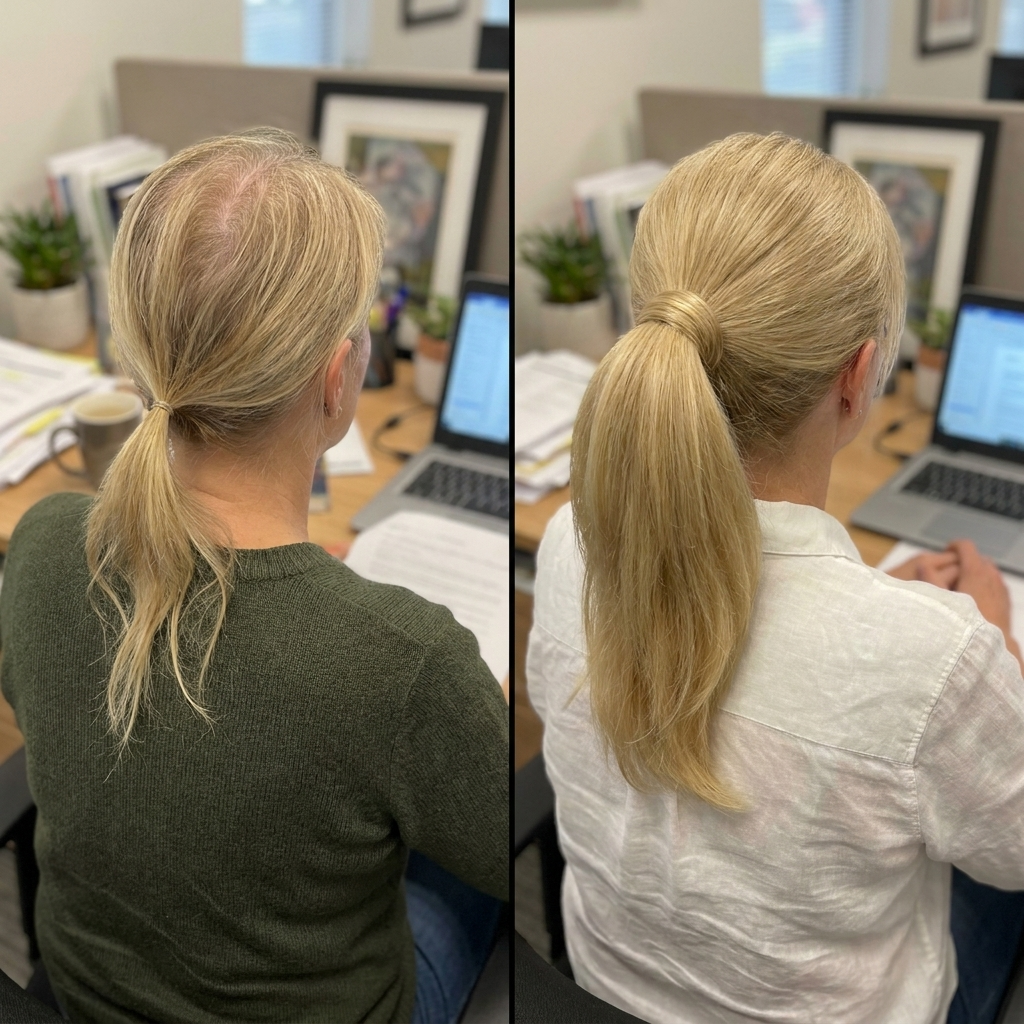
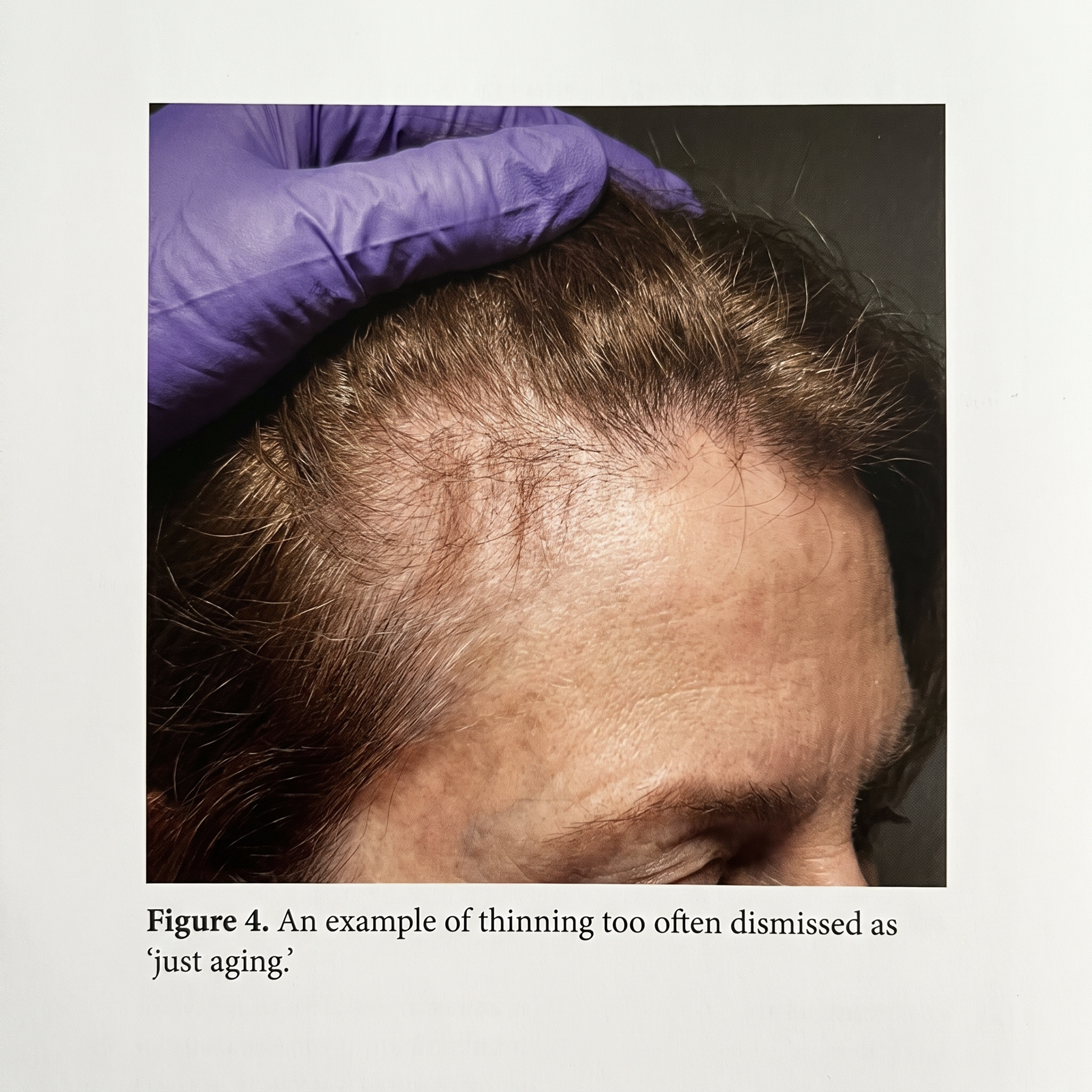
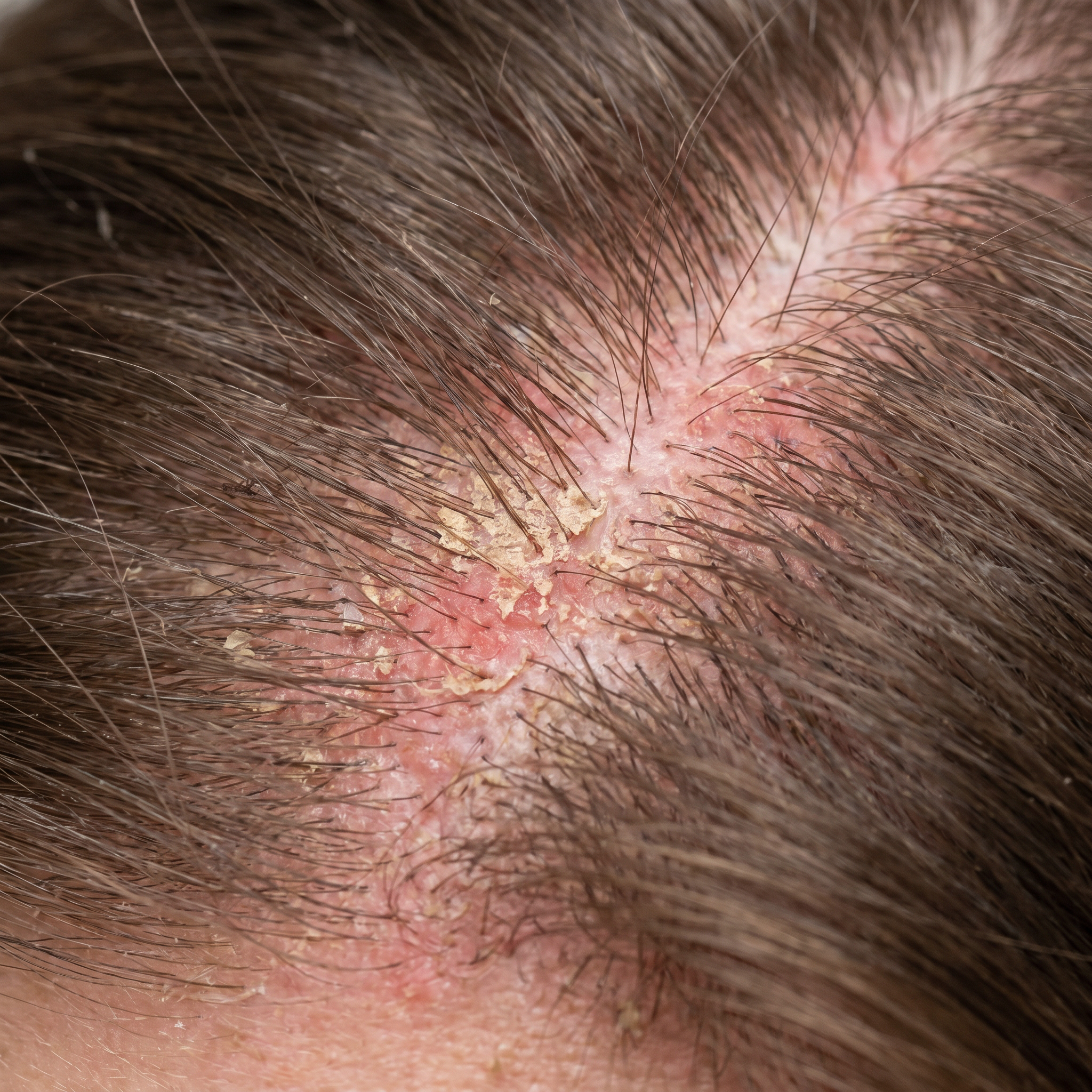
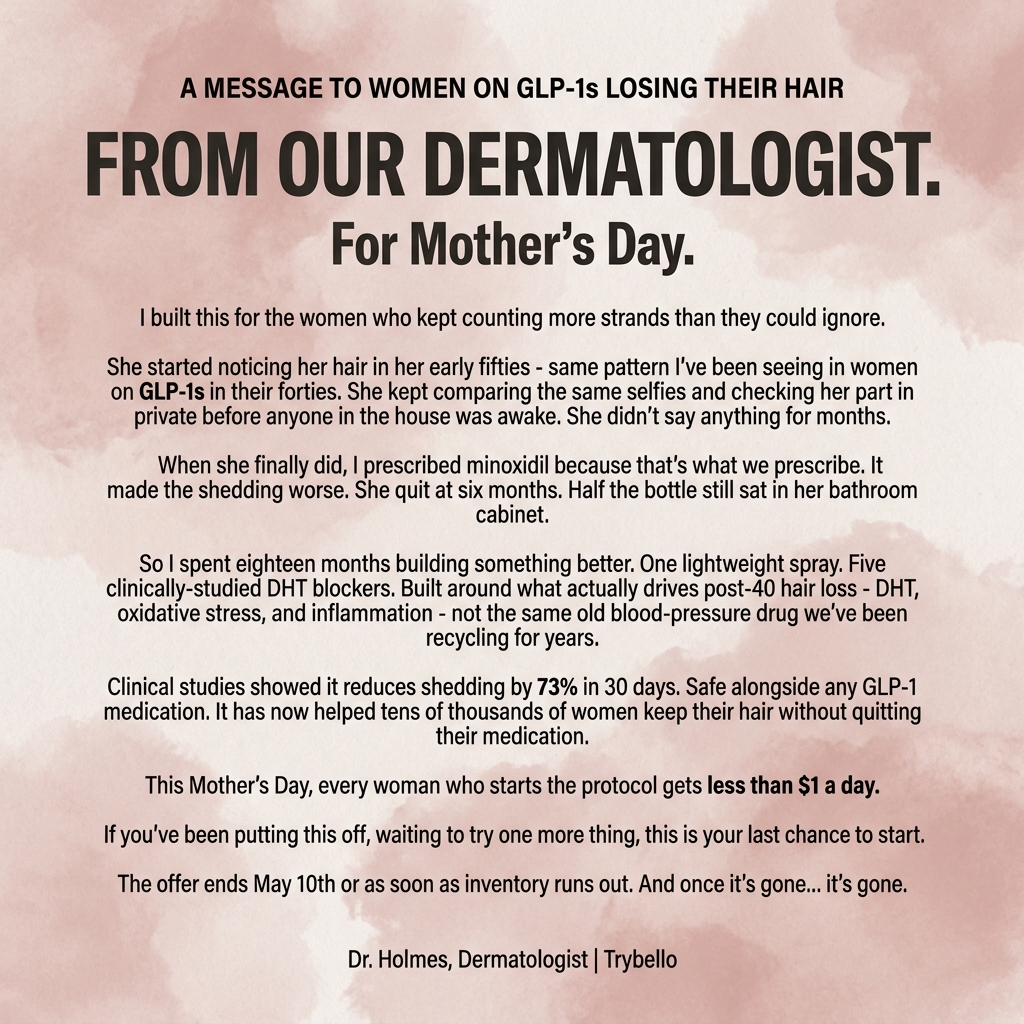
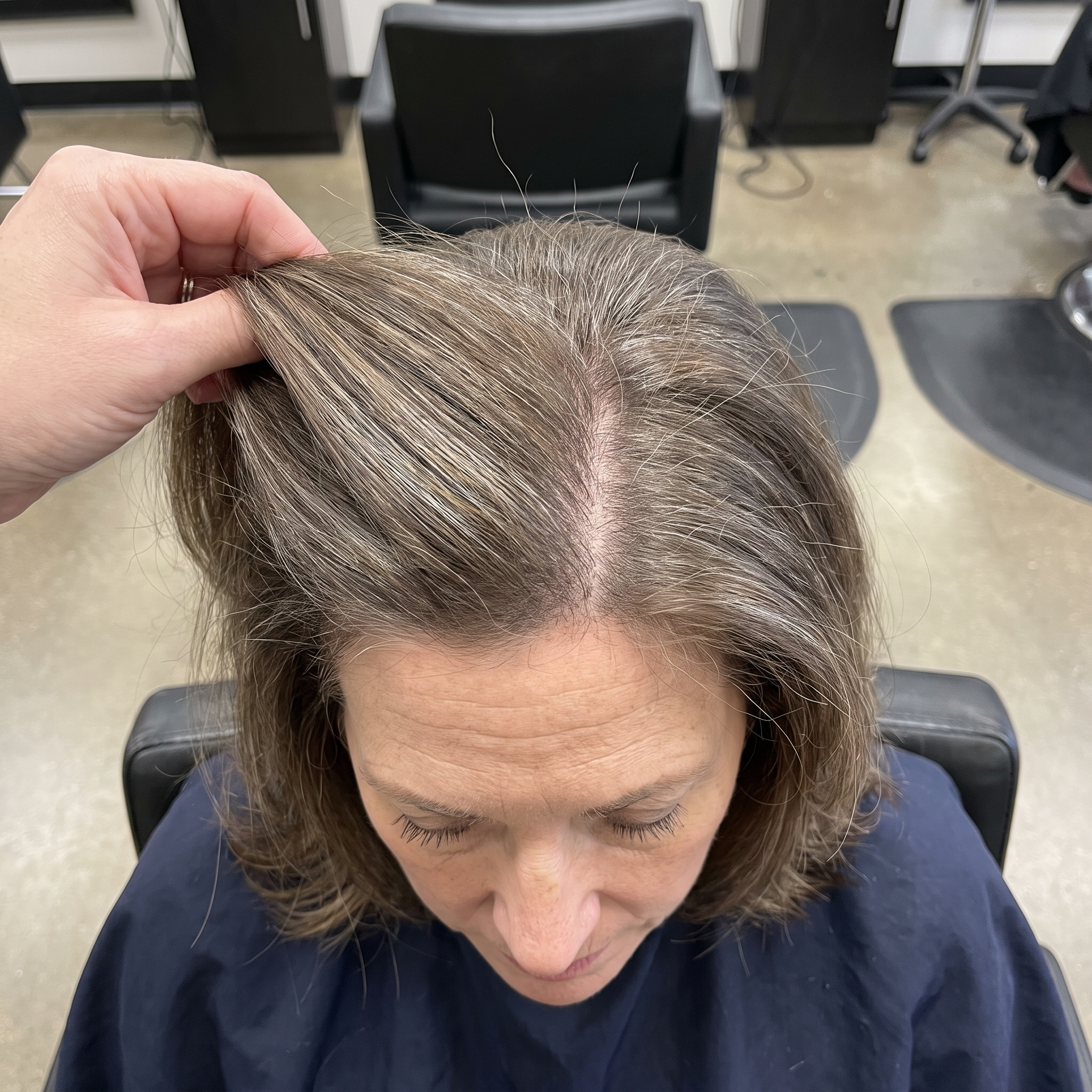
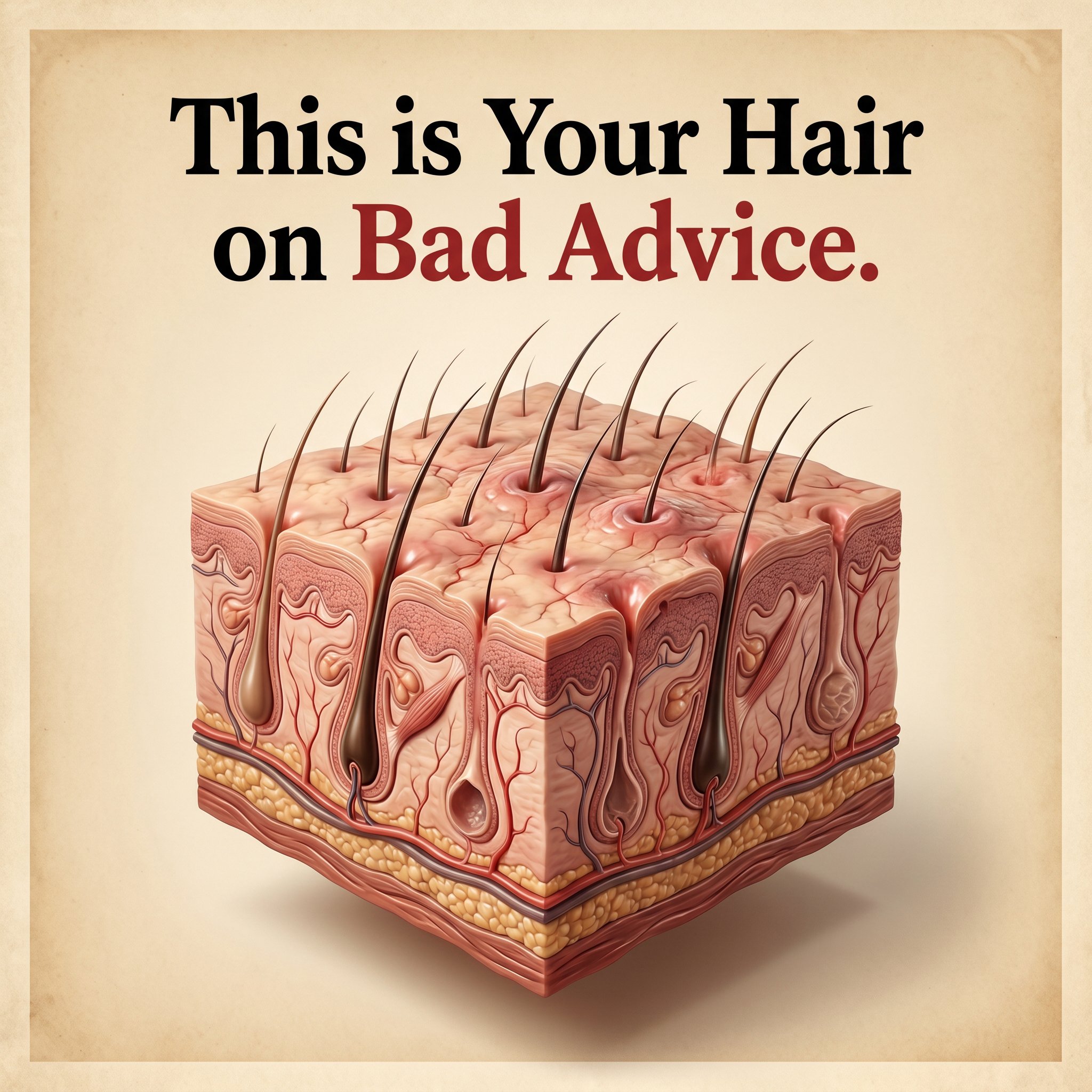
If you white-knuckled through the Rogaine "dread shed" even once, you already understand why so many women can't bring themselves to start again—and why the ones who finally quit watched their hair fall out worse than before they began. So when a dermatologist built something around 5 clinically studied DHT blockers with no shed and no dependency, the first question every skeptical woman asked was— Bad advice does not always sound like a mistake. It usually sounds calm. It sounds polished. It sounds like a doctor, a dermatologist, a brand rep, or a beauty counter voice telling you to keep going and give it more time. And while you are waiting, your hair keeps changing. That is the part nobody wants to say out loud. Women are not losing hair because they are lazy. They are losing hair because they were sold routines that were never designed to solve the real problem. The beauty industry loves camouflage. It loves products that make the sink look cleaner. It loves sprays, supplements, masks, serums, and shiny promises that feel active without actually touching the biology underneath. If a product keeps you hopeful but does not change the shedding, the part, or the density, it is not a solution. It is a delay. And delay is expensive. Delay is what happens when a woman spends months trying biotin, then moves to Nutrafol, then tries Vegamour, then maybe Rogaine, then maybe another serum, then another shampoo, all while the same voice keeps echoing in her head: maybe this is just aging. That sentence is powerful. It is also often wrong. Because after 40, especially through peri-menopause and menopause, hair loss is rarely random. There is a specific biology behind it. DHT starts shrinking follicles. Oxidative stress wears them down. Inflammation keeps the scalp environment hostile. That is not a vanity problem. That is a system problem. Most women never get that explanation in plain English. They get vague advice. They get a handoff. They get a routine that sounds reasonable but was built to sell, not to solve. And once you have been told enough times to just be patient, you start doubting your own eyes. You see more hair in the brush. You see less fullness at the crown. You notice the ponytail feels smaller. You start choosing hairstyles based on what hides the most. Then you blame yourself for noticing. That is how bad guidance wins. It turns a biological issue into a personal failure. It makes a woman feel like she is doing hair loss wrong. She is not. She is trying the wrong tools. There is also a reason so many women get burned by the same old solutions. Minoxidil has a built-in limitation many people never hear about. It depends on scalp enzyme activation. If your body does not convert it well, you can use it faithfully and still see little or nothing. And even when it does work, the dread shed can be brutal. The dependency is brutal too. The idea that you may have to keep using it forever just to hold onto what you gained is enough to make a lot of women stop before they start. That is why the next question matters so much. Not "what is trendy?" Not "what is everyone else buying?" The real question is, what actually addresses the problem at the follicle level without punishing you for trying? That is where the mechanism matters. Not vague wellness language. Not label dust. Mechanism. Trybello Hair Helper Spray is built around five clinically studied DHT-blocking ingredients at therapeutic concentrations. Not one token ingredient. Not a decorative formula. A targeted approach designed for the kind of thinning women actually see after menopause. Caffeine is in the mix because it helps counter DHT effects and supports the growth phase. Sophora flavescens brings real anti-DHT support. Angelica polymorpha sinensis helps with follicle support and circulation. Rice extract adds another layer of 5-alpha reductase support. Biotin helps strengthen keratin support where it is needed. And the formula also includes scalp-supporting ingredients that help create a better environment for regrowth. That combination matters because most products only fight one part of the problem. But post-40 hair loss is usually a three-front attack. DHT. Oxidative stress. Inflammation. If you only address one, the other two keep working. That is why women can do everything right and still feel like nothing changes. The bigger betrayal is that a lot of the industry knows this woman is vulnerable. It knows she is scared. It knows she is willing to spend money if she believes something is credible. So it floods her with vague language. Natural. Clean. Thickening. Volumizing. Revitalizing. All the pretty words. Very little proof. That is not what this market needs. This market needs specificity. It needs a product that speaks to the exact problem: hormonal thinning, widening part, extra shedding, frustration with the same stale advice, and the fear that nothing will ever really change. It needs to feel like the formula was built for her biology, not borrowed from a men's product and repackaged with softer branding. And it needs relief from the two things women fear most. The dread shed. And the trap of dependence. If a solution makes you feel like you are entering another cycle of panic, it is not a calm path forward. If a solution leaves you afraid to stop using it, it is not freedom. That matters. A lot. This is why the image hits so hard. It is not just about hair. It is about what bad advice does to tissue over time. It is about the slow damage of being told to tolerate symptoms instead of addressing the cause. It is about how many women have been quietly trained to lower their expectations. Do not lower them. Read the article. Learn why the old advice fails. See what actually targets the problem before it steals more density. Because once you understand the mechanism, the whole category looks different. And so does your next move. Tap the button below to read the full article. See why the old advice failed. See what actually targets the cause. Then decide whether you are ready to stop guessing.
Doc said "it's just menopause." She was WRONG.
Reduce Shedding With All Natural Ingredients!
LEARN MORELike this ad? Make it yours.
Crush rebuilds this exact creative around your product — your brand, your colors, your offer — in about a minute.