
Active· since Feb 14, 2026
- 216
- days running
- 0
- relaunches
Ad copy
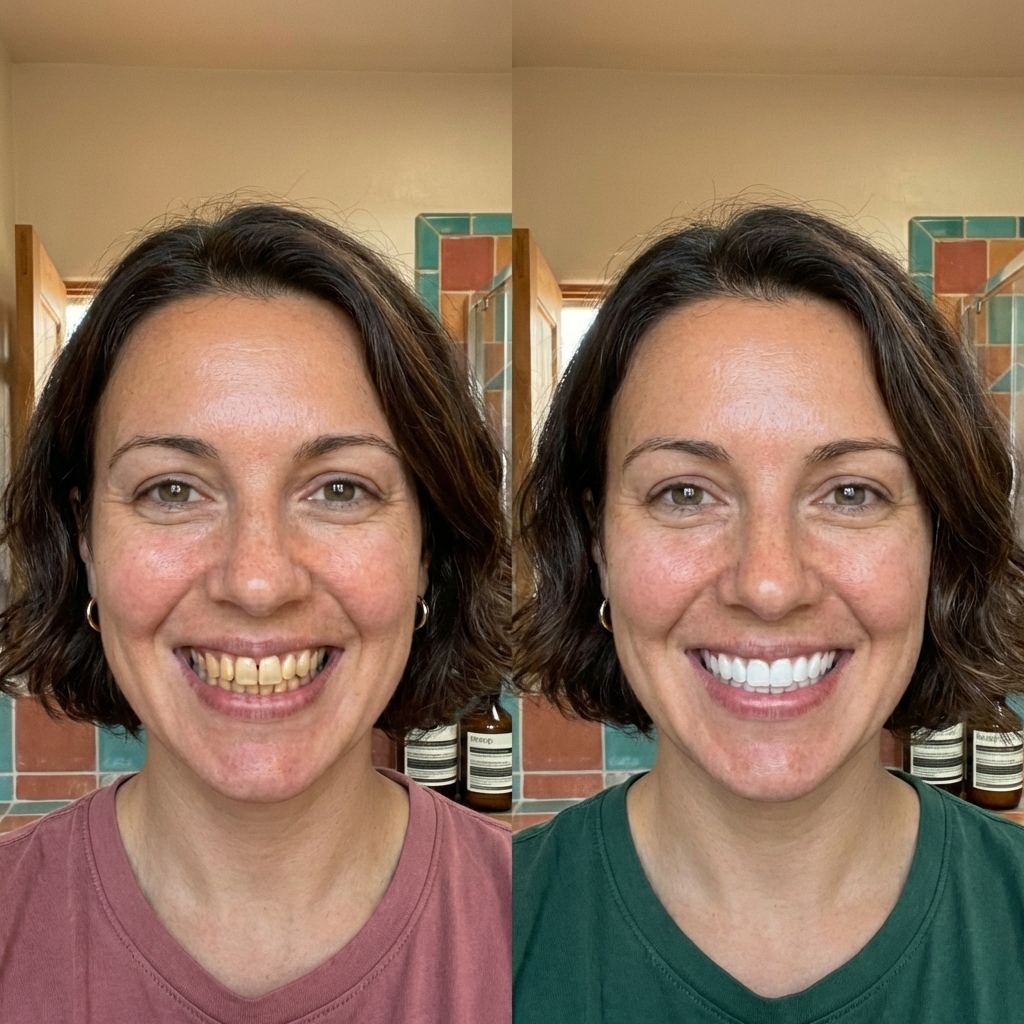
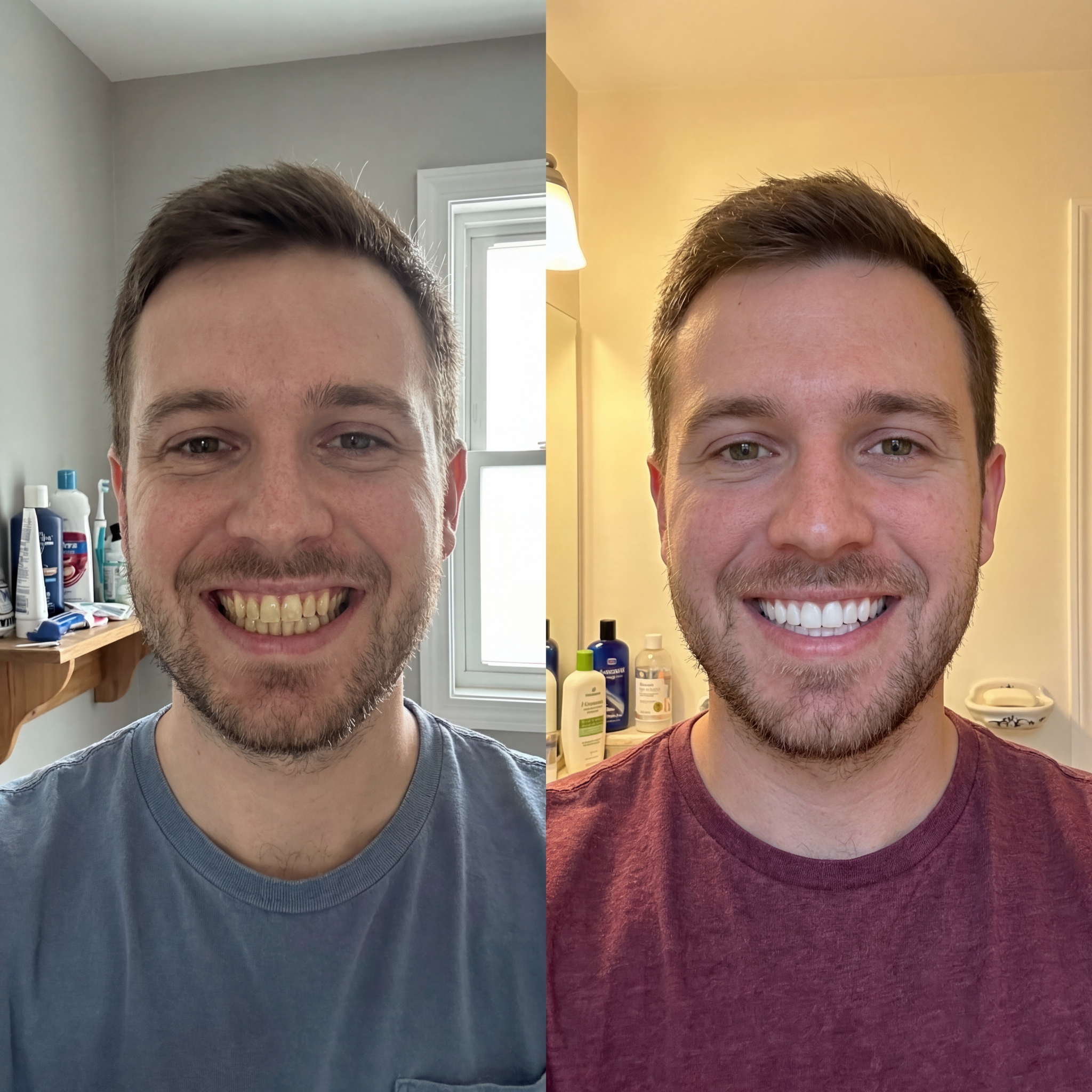
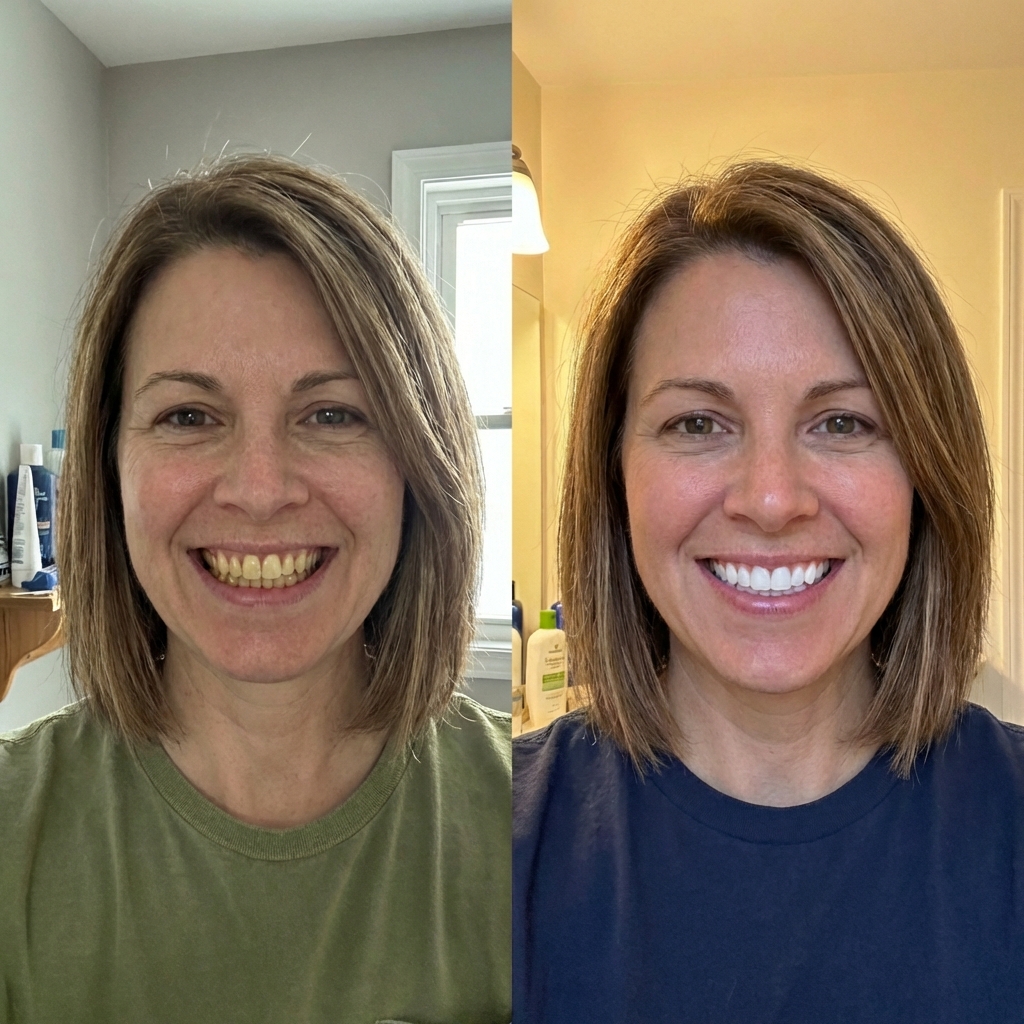
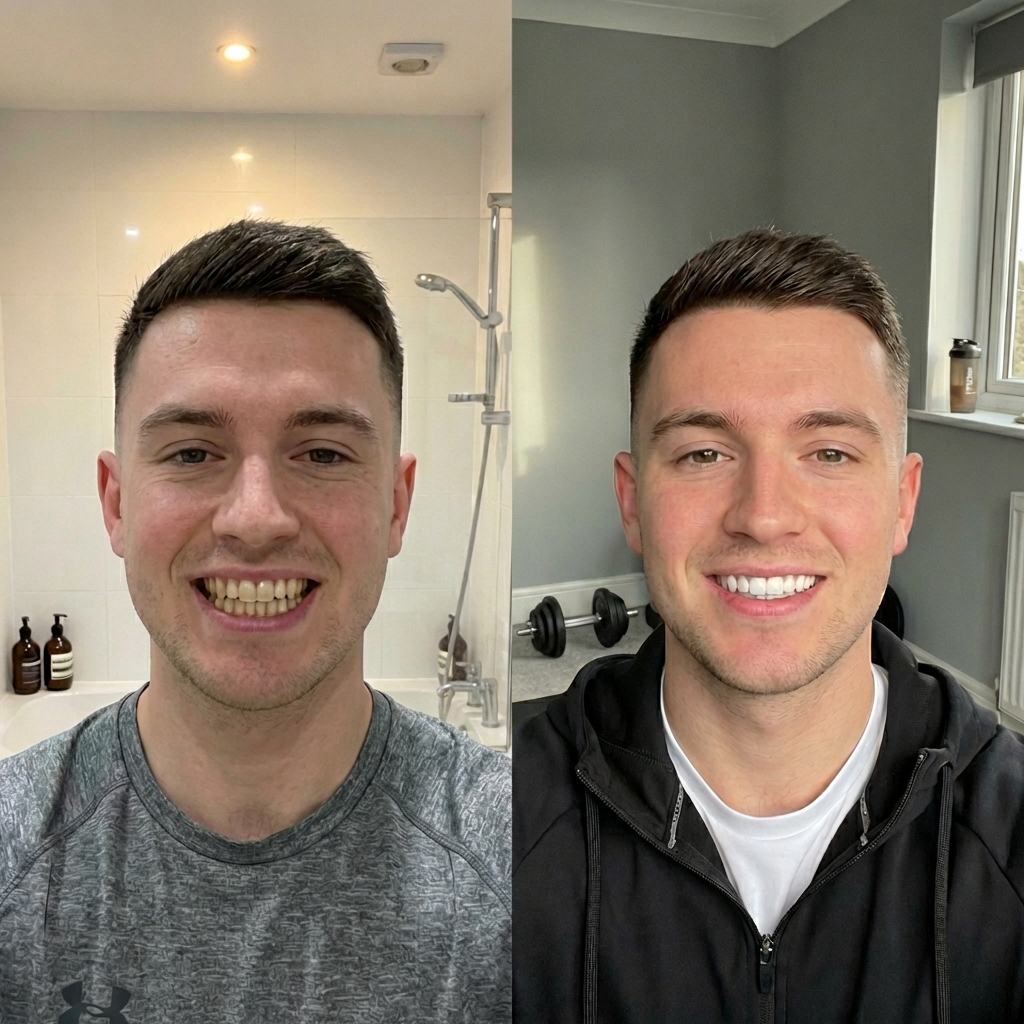
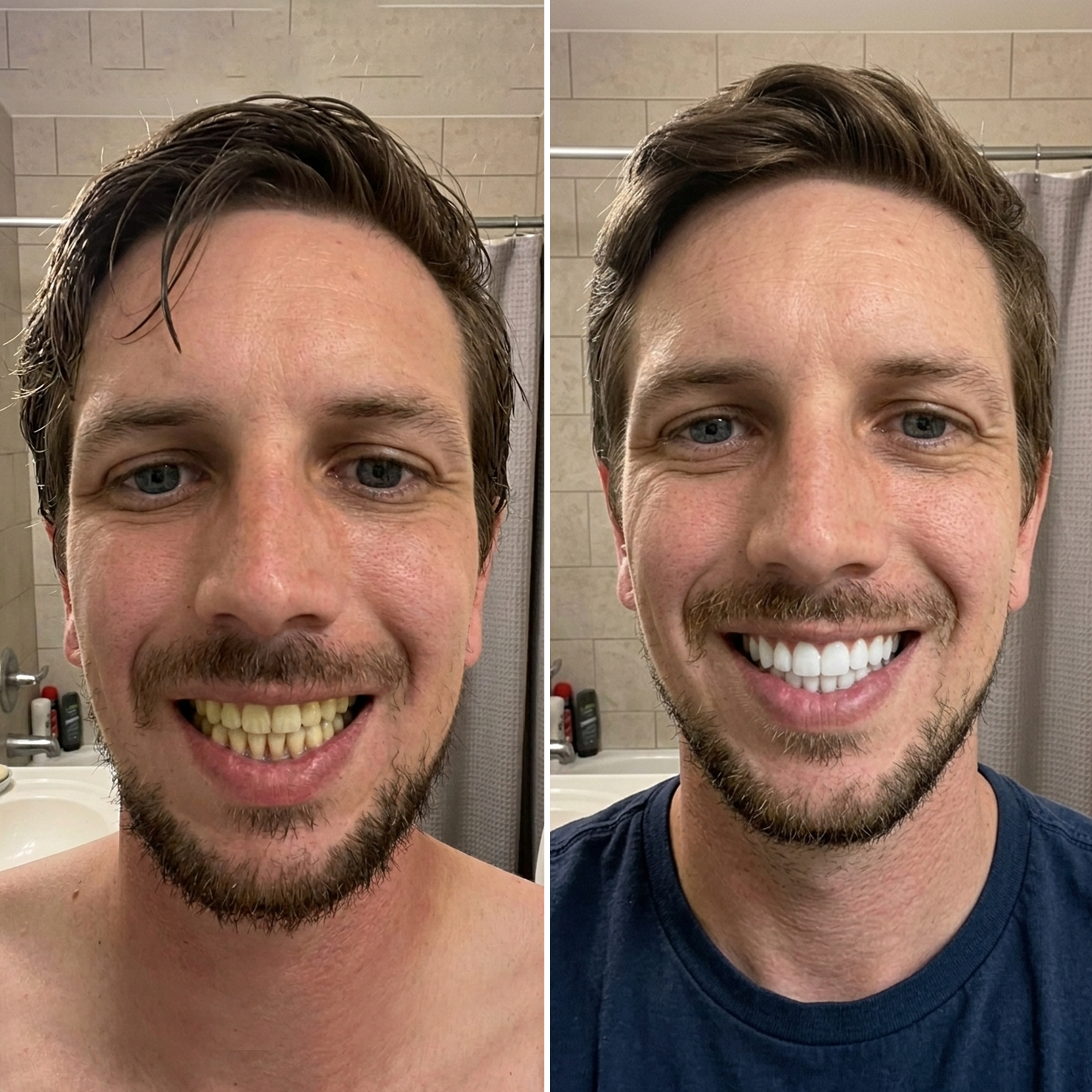
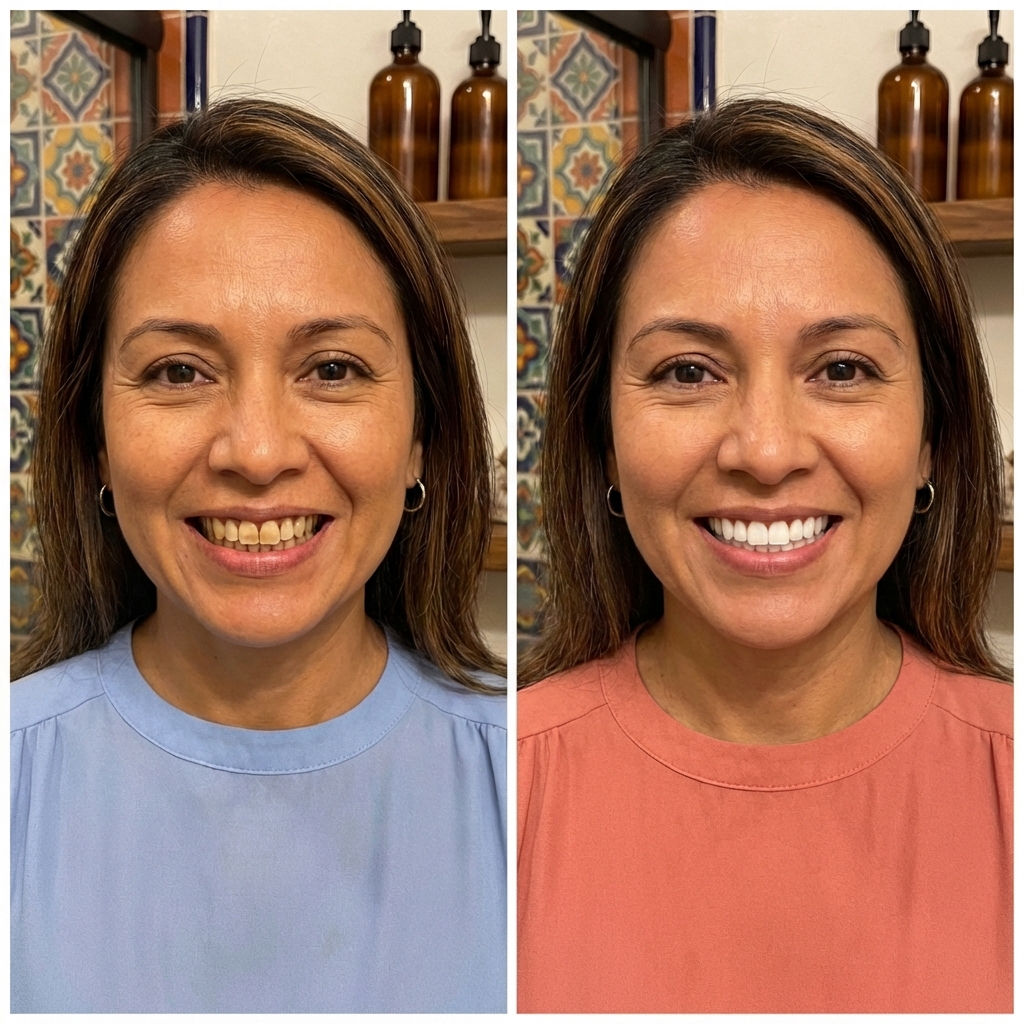
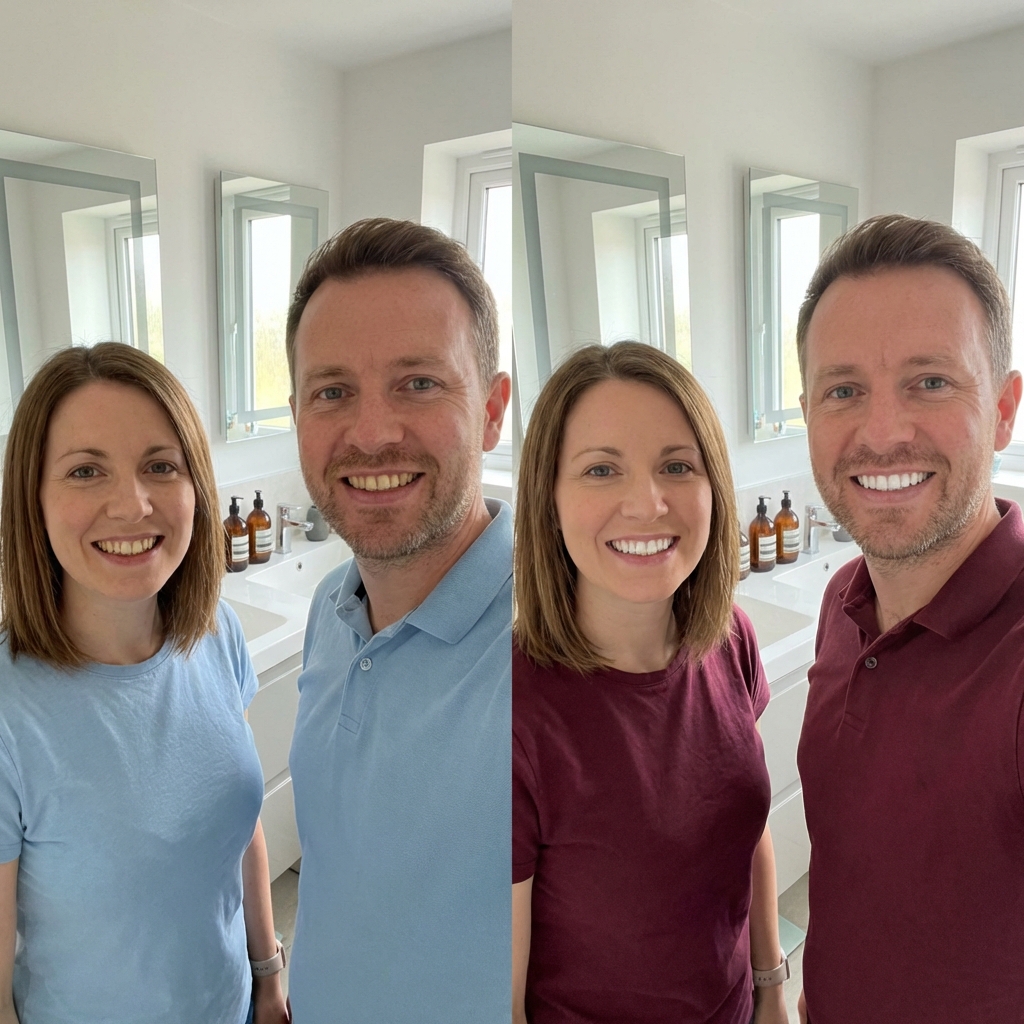
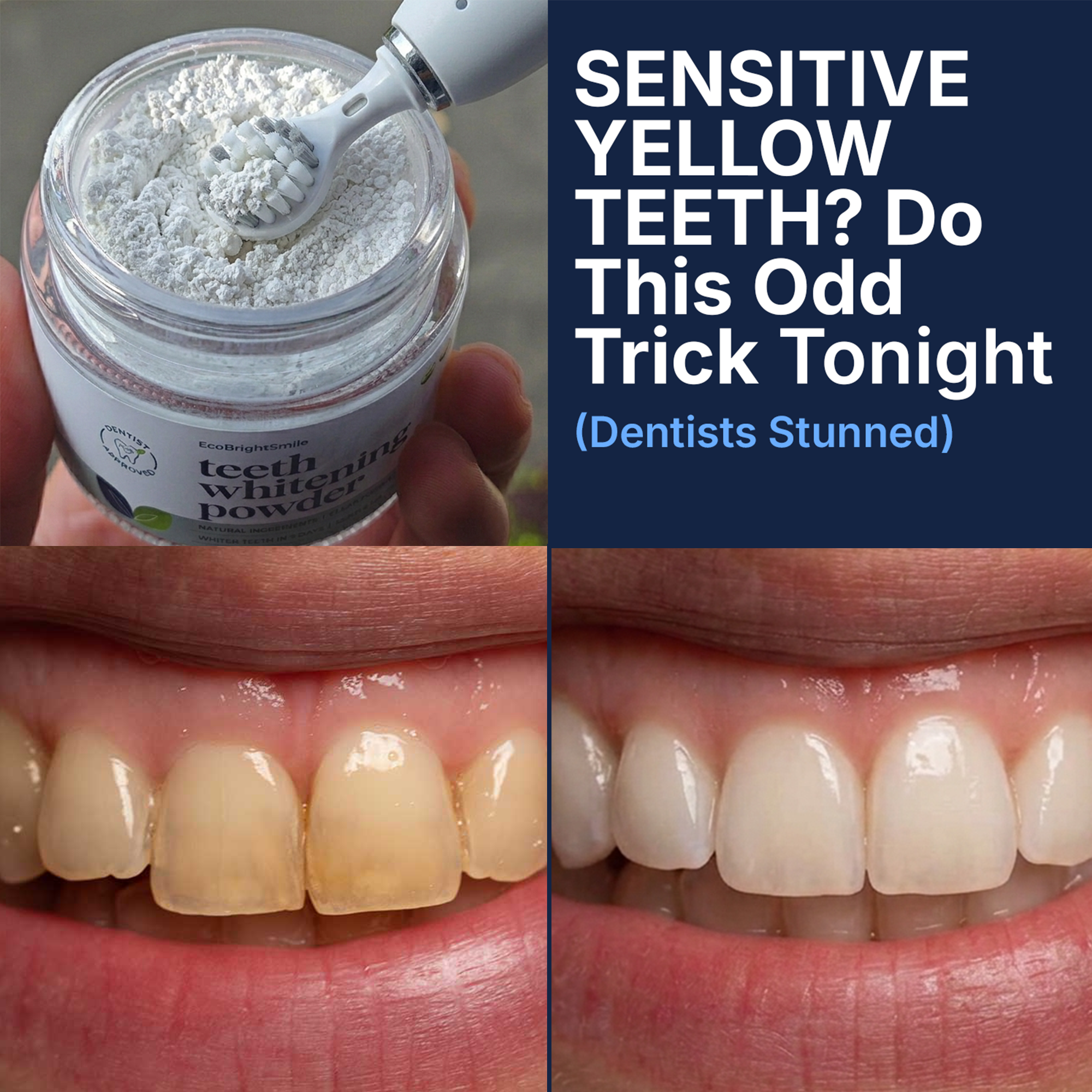
The Morning I Threw My Toothpaste In The Bin I was 52 years old when I read something that made me walk straight to my bathroom, pick up my Colgate Total, and drop it in the bin. Not because someone told me to. Not because I saw an ad. Because I had spent three hours reading a study published in Science Advances and I could not unsee what it said. My mother was diagnosed with Alzheimer's at 68. I watched her disappear over seven years. The woman who taught me to brush my teeth every morning and every night. The woman who bought me my first Colgate. Gone. Piece by piece. After she passed I became obsessed with understanding why. I changed my diet. I started exercising. I cut alcohol. I took supplements. I read everything I could find about neurological health and inflammation and the things we can control versus the things we cannot. I thought I was doing everything right. I had never once thought about my toothpaste. --- What The Research Actually Says In 2019 a team of researchers published a landmark study in Science Advances. They had been examining brain tissue samples from Alzheimer's patients and they found something that stopped the dental world in its tracks. They found Porphyromonas gingivalis. P. gingivalis for short. An oral bacterium. One that lives in the mouths of most adults on the planet. One that, under normal circumstances, is kept contained by the protective bacterial ecosystem of a healthy oral microbiome. They found it in 96% of the Alzheimer's brain samples they examined. Not just traces. Active infection. The toxic enzymes produced by P. gingivalis, called gingipains, were present in the brain tissue. The researchers found a direct correlation between the levels of gingipain activity and the severity of the tau tangles and neurodegeneration associated with Alzheimer's disease. This was not a small study. This was not fringe science. This was published in one of the most respected peer-reviewed journals in the world and it sent shockwaves through the neurological research community. The question that followed was obvious. If P. gingivalis is an oral bacterium, how is it getting into the brain? --- The Barrier Nobody Told You About Your mouth is not a simple cavity. It is a complex ecosystem containing over 700 species of bacteria, fungi and viruses existing in a delicate balance that took millions of years of human evolution to develop. At the heart of that ecosystem is a physical barrier. The oral mucosa. The soft tissue lining of your mouth. When that barrier is healthy and intact, it acts as a gatekeeper. Bacteria that belong in your mouth stay in your mouth. The balance between beneficial and harmful species is maintained. P. gingivalis exists in your oral ecosystem but it is kept in check by the surrounding community of protective bacteria. When that barrier is compromised, everything changes. Harmful bacteria breach the mucosal lining. They enter the bloodstream. From the bloodstream they can travel anywhere in the body. To the heart. To the gut. To the brain. Researchers have found oral pathogens in arterial plaques. They have found them in the brains of Alzheimer's patients. They have found links between oral microbiome disruption and type 2 diabetes, cardiovascular disease, rheumatoid arthritis and pregnancy complications including preterm birth. The mouth is the gateway to the body. When the gate breaks down, what lives in your mouth does not stay there. So the question becomes: what is breaking down the gate? --- The Ingredient You Use Twice A Day Sodium Lauryl Sulfate. You will find it on the label of most conventional toothpastes as SLS. It is the ingredient that makes your toothpaste foam. SLS is a surfactant. Its job is to create lather. But surfactants are not selective in what they disrupt. Clinical studies have demonstrated that SLS causes a measurable increase in the permeability of the oral epithelium. In plain language: it strips the protective lining of your mouth. Every time you brush with an SLS toothpaste you are weakening the very barrier that keeps oral bacteria where they belong. There is a well documented clinical link between SLS toothpaste use and recurrent aphthous ulcers, more commonly known as mouth ulcers. The ulcers are not caused by SLS directly. They are caused by the breakdown of the mucosal barrier that SLS accelerates. The same barrier breakdown that researchers believe allows P. gingivalis to enter the bloodstream. You brush twice a day. Every day. Over 21,000 times in your lifetime. Every single brush with an SLS toothpaste is a twice-daily dose of the ingredient that strips your oral defences. But SLS is not the only problem. --- What Else Is In Your Tube Fluoride has been added to toothpaste since the 1960s. The intention was sound: fluoride converts hydroxyapatite in enamel to fluorapatite, a harder mineral compound, reducing susceptibility to decay. For decades it was considered not just safe but essential. The picture has become more complicated. A meta-analysis published in JAMA Pediatrics in 2023 examined 74 studies across multiple countries and found a statistically significant inverse relationship between fluoride exposure and IQ scores in children. For every 1 milligram per litre increase in water fluoride concentration, children's IQ scores dropped by an average of 1.63 points. Fluoride crosses the placental barrier. It has been found in the breast milk of nursing mothers. It accumulates in bone and tissue with decades of daily exposure. The half life of fluoride in bone is measured not in days or weeks but in years. Triclosan, another common toothpaste ingredient, was banned from consumer hand soaps by the FDA in 2016 after safety reviews concluded the risks outweighed the benefits. The concerns centred on thyroid hormone disruption, antibiotic resistance and gut microbiome damage. Triclosan has been detected in the urine of approximately 75% of people tested in biomonitoring studies. Parabens used as preservatives in many formulas are known endocrine disruptors. They have been found in breast tissue, amniotic fluid and cord blood. They mimic oestrogen and have been linked to thyroid disruption and altered reproductive hormones. Titanium dioxide, used to whiten toothpaste, was banned as a food additive by the European Food Safety Authority in 2021 after they concluded they could not rule out genotoxic effects. It remains in toothpaste with no warning label. These are not fringe concerns. These are documented findings from regulatory bodies and peer-reviewed research. And they are all in the tube you used this morning. --- What Your Enamel Is Actually Made From Ninety six percent of your tooth enamel is composed of a mineral called hydroxyapatite. This is not a pharmaceutical compound. It is not a synthetic chemical. It is the same calcium phosphate mineral found in your bones and teeth since the day you were born. At a conventional particle size hydroxyapatite sits on the surface of the enamel. At nano particle size, small enough to measure in billionths of a metre, it can enter the microscopic pores and cracks in the enamel structure and physically integrate with it. Rebuilding from within rather than coating from without. Research published in the journal Biomedical Materials by Huang, Gao and Yu tested nano-hydroxyapatite at four concentrations and found the remineralisation effect peaked at 10%. Below 10% the effect was measurably weaker. Above 10% there was no additional benefit. Most brands that have adopted nano-hydroxyapatite use concentrations of 2-5%. The research suggests this is insufficient for maximum remineralisation. Japan has used nano-hydroxyapatite in dental care since the 1980s. It has been studied extensively. It is biocompatible, non-toxic and unlike fluoride it does not accumulate in tissue. Your body processes it as a naturally occurring mineral. --- The Switch After reading the Science Advances study I spent two weeks researching what was available. I needed something that protected the oral microbiome rather than disrupting it. Something without SLS. Without fluoride. Without parabens or triclosan or titanium dioxide. Something that actually worked. I found EcoBrightSmile Mineral Tooth Powder. Eleven ingredients. Every one with a specific function. No water, which means no need for preservatives or binders. No SLS, which means no twice-daily stripping of the mucosal barrier. No fluoride, replaced by 10% nano-hydroxyapatite. No parabens. No artificial dyes. Xylitol to selectively starve cavity-causing bacteria while leaving protective species untouched. Papain and bromelain, natural enzymes from papaya and pineapple, to break down the protein structures that anchor plaque to the tooth surface. Coco-glucoside, a plant-derived foaming agent, to produce the familiar clean foam of normal brushing without a drop of SLS. Peppermint and spearmint oil for genuine freshness without artificial aftertaste. I have been using it for six months. My last dental checkup was the first in eight years where my dentist did not mention gum inflammation. She asked what I had changed. I told her. She wrote it down. --- What This Means For You I am not a doctor. I am not making medical claims. I cannot tell you that switching your toothpaste will prevent Alzheimer's. Nobody can tell you that. What the research tells us is that oral microbiome health is connected to systemic health in ways that scientists are only beginning to fully understand. That the bacteria living in your mouth do not always stay in your mouth. That the ingredients in most conventional toothpastes actively disrupt the balance that keeps those bacteria contained. What you do with that information is your choice. But if you have a family history of Alzheimer's. If you have watched someone you love disappear to this disease. If you are the kind of person who has already changed your diet, your sleep, your supplements and your lifestyle in the name of protecting your brain health and your longevity. Then the question is worth asking. When did you last read the back of your toothpaste tube? --- CLAIM YOUR 59% DISCOUNT EcoBrightSmile Mineral Tooth Powder is currently available with 59% off for new customers. One jar is a two month supply. They offer a 60-Day Empty Jar Guarantee. Use the entire jar. If you are not convinced it is the best thing you have put in your mouth, full refund. No questions. No forms. No return required. 47,000 families have already made the switch. Click 'Learn More' to claim your 59% off and make the switch today.
Read this before you brush again.
New research reveals the shocking link between your daily brushing habit and long term brain health. Click Learn More to read the full report.
LEARN MORELike this ad? Make it yours.
Crush rebuilds this exact creative around your product — your brand, your colors, your offer — in about a minute.