
Inactive· since Jun 10, 2026
- 9
- days it ran
- 0
- relaunches
Ad copy
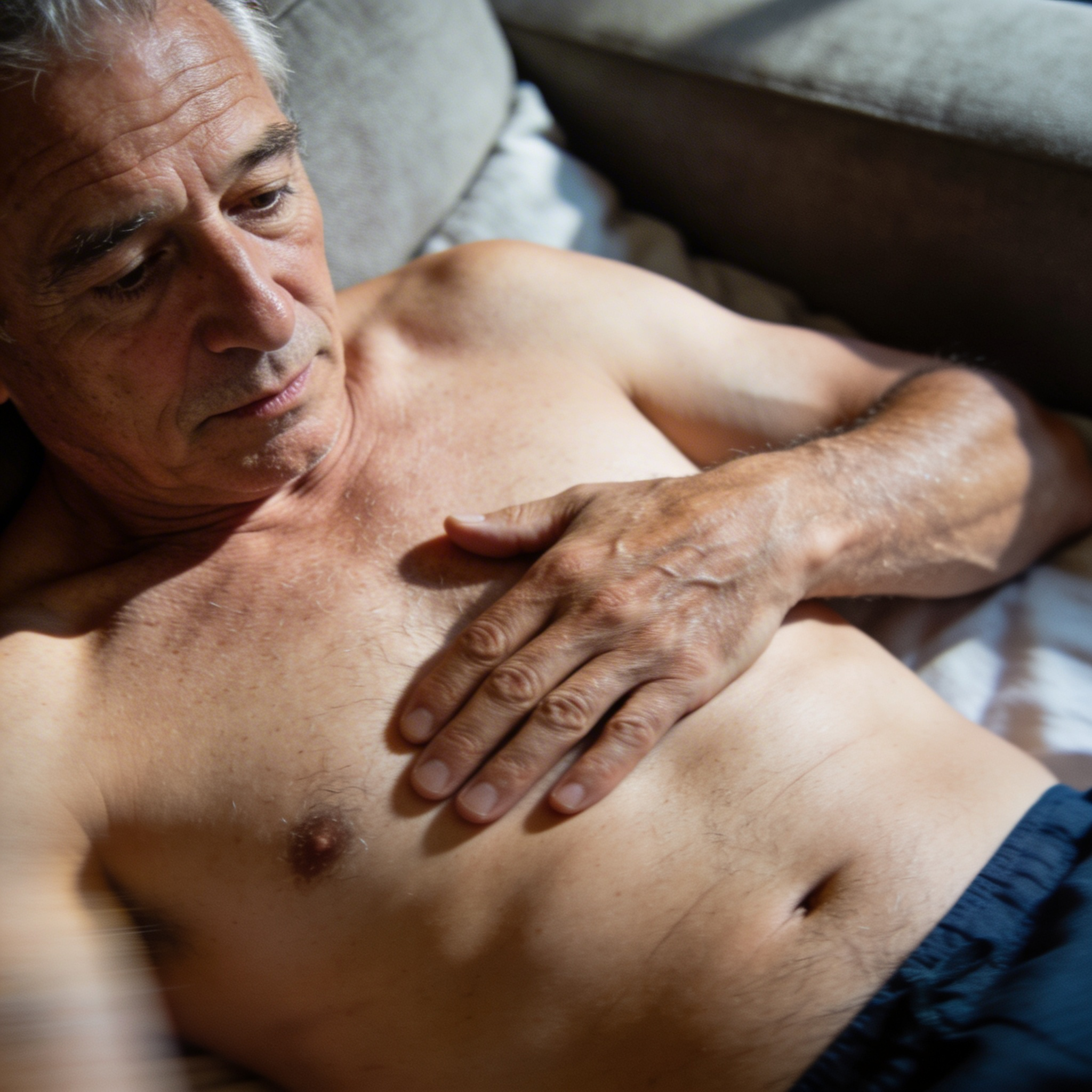
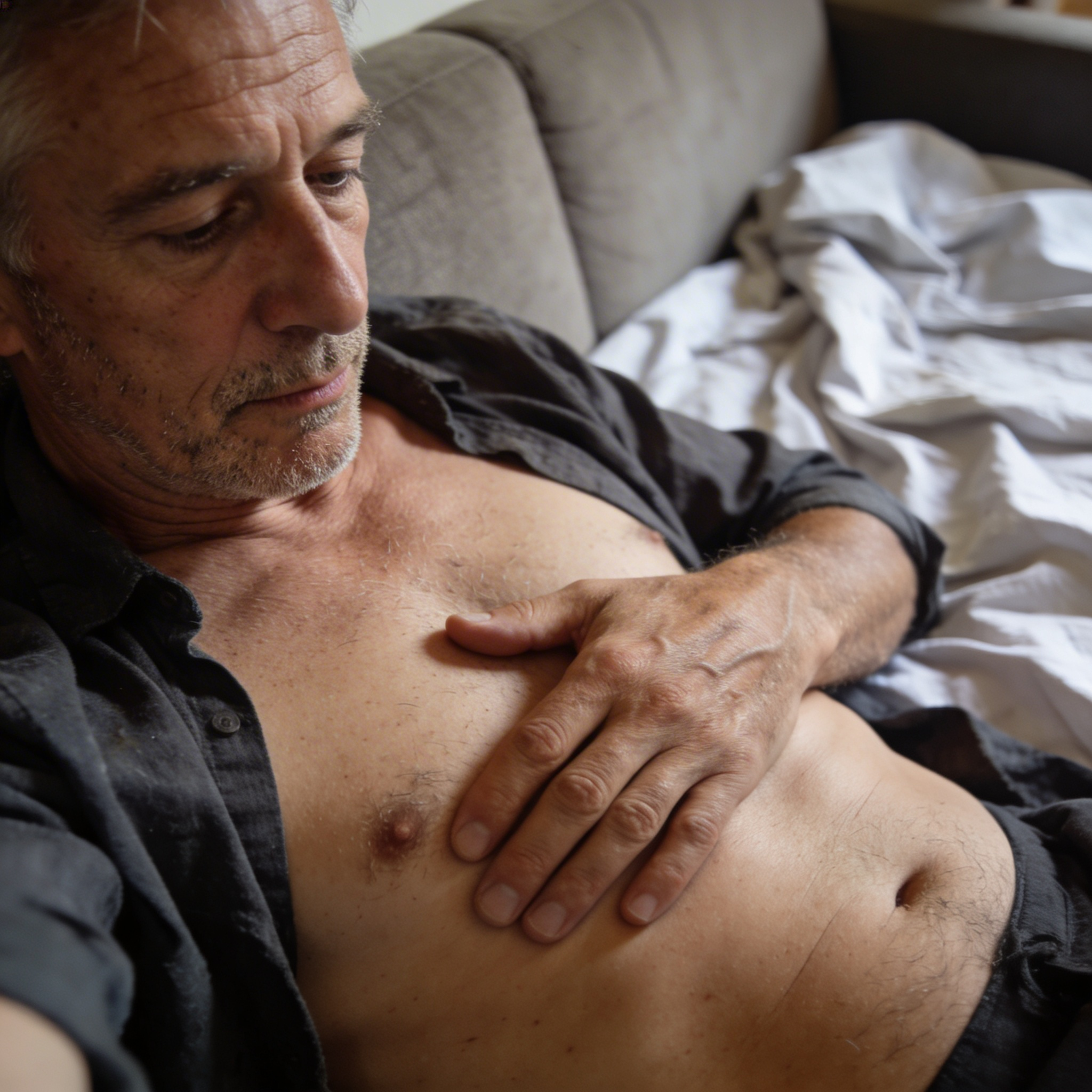
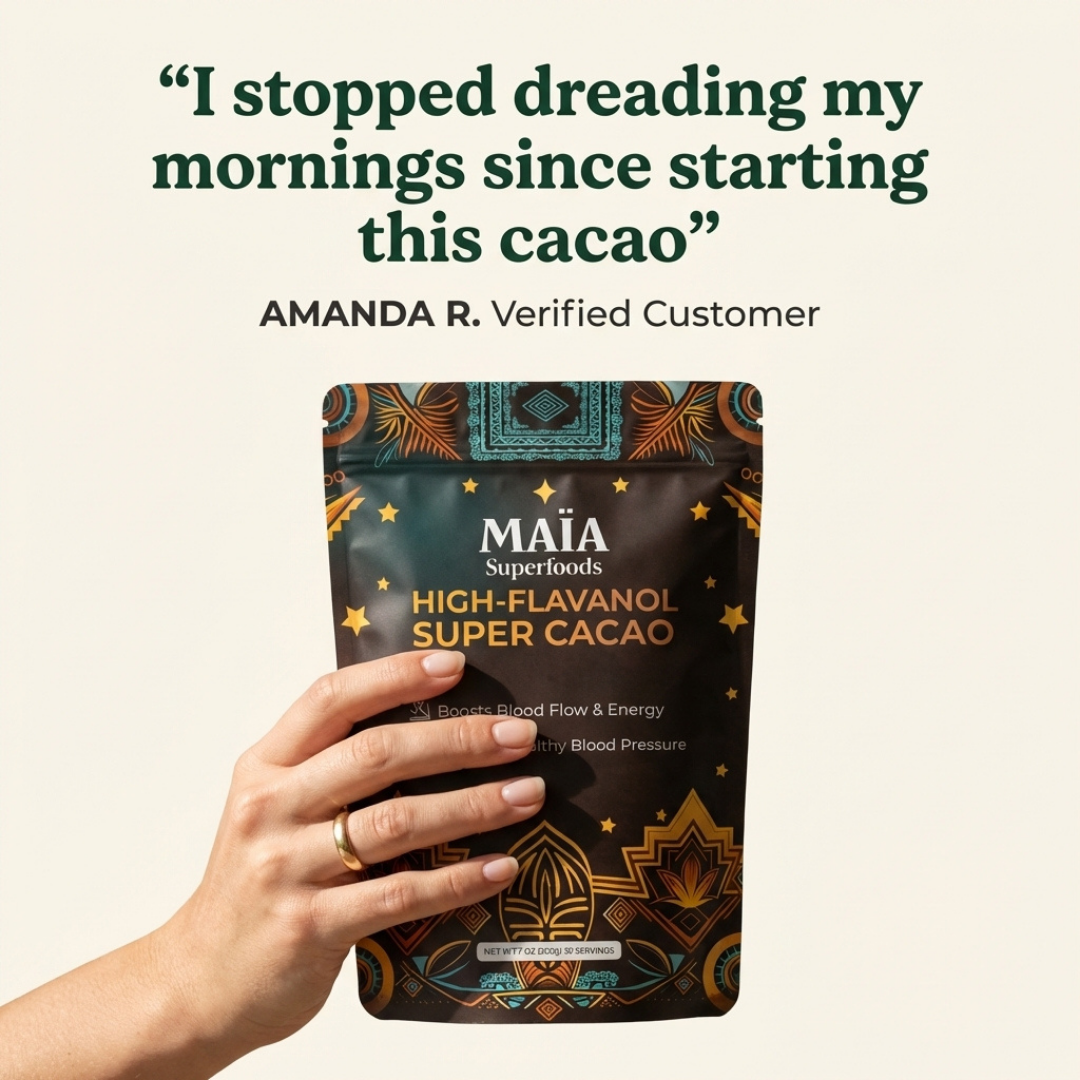
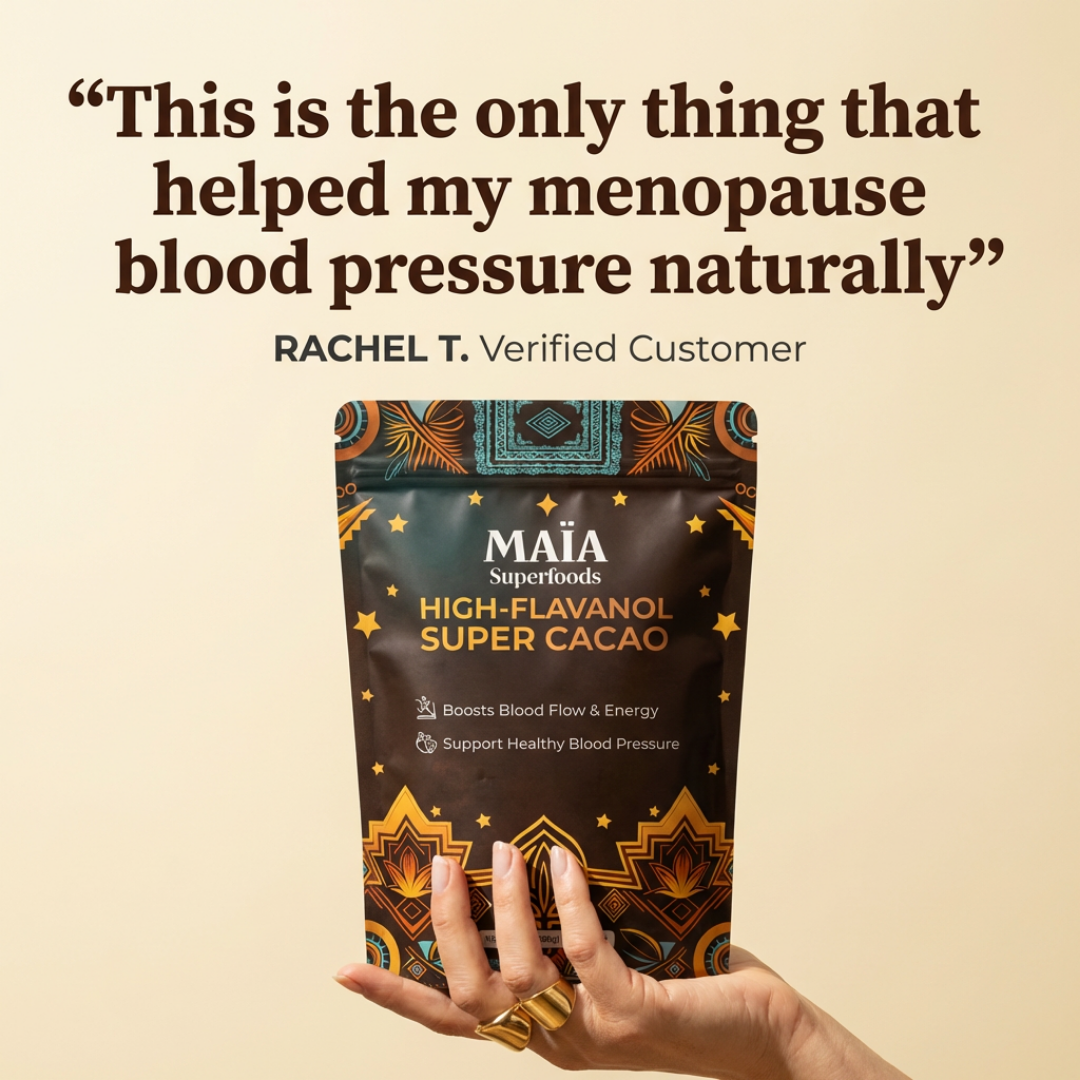
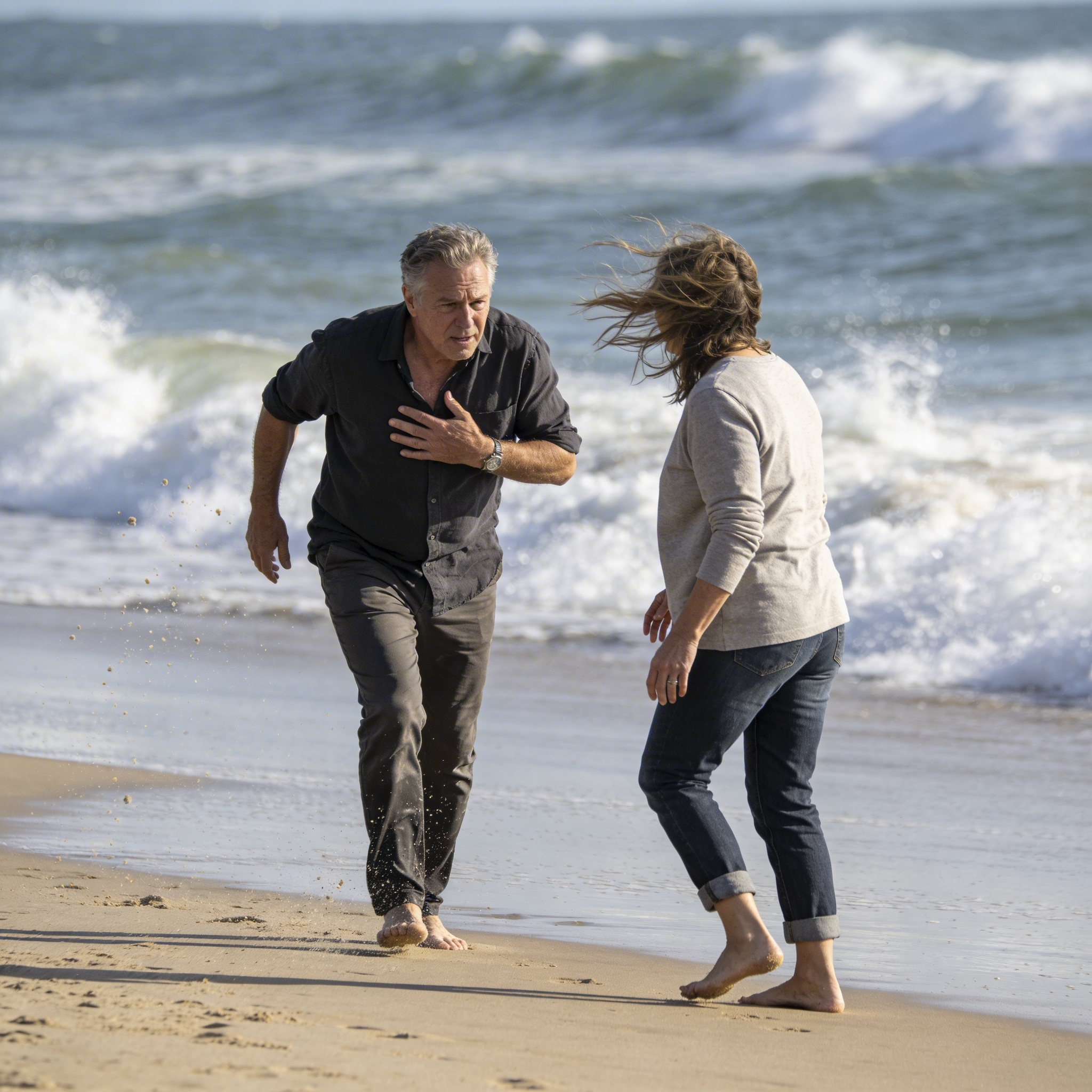
My wife had to hold me up on the sidewalk. Both hands. Gripping my arm. Me leaning into her like a man twice my age while a couple walking their dog passed us and looked away quickly the way people do when they see something they don't want to see. I'm 6'1. I spent 30 years working with my hands. I have never in my adult life needed someone to hold me up. And my wife, who is four inches shorter than me and who I have always been the one to steady, was planted on that sidewalk with both hands wrapped around my arm trying to keep me on my feet while I stood very still and waited for the world to stop tilting. I have high blood pressure. I've had it for three years. And on a Wednesday evening in October, on a street I've walked probably three hundred times, it finally showed itself in a way I couldn't keep private anymore. Let me back up. We'd started doing evening walks about a year earlier. My wife's idea, initially. Forty minutes after dinner, same route most nights, down through the neighborhood and back up the long way. I'd resisted at first the way I resist most things that are obviously good for me and then I got used to it and then it became something I actually looked forward to. Just the two of us. No phones after the first block. Talking about nothing in particular the way you talk after 34 years of marriage when you've already covered everything that matters and what's left is just the comfortable texture of each other's company. I loved those walks. What I didn't tell my wife, what I hadn't told anyone, was that for the past several months something had been happening during them that I'd been managing silently. Around the 20 minute mark, the pressure would start. Not pain exactly. A heaviness. Across the back of my skull, behind my eyes, with a quality that felt less like a headache and more like something internal tightening. And with it, some nights, a slight unsteadiness. Not enough to stumble. Just enough that I'd find myself being careful about where I placed my feet. Just enough that I was quietly grateful for the even sidewalk, for the familiar route, for knowing exactly how far we were from home at every point. I told myself it was the pace. Or the time of day. Or what I'd eaten for dinner. Or a hundred other explanations that were all slightly more comfortable than the actual explanation. I had been watching my blood pressure numbers for three years and I knew, somewhere underneath all those comfortable explanations, that what was happening on those walks was connected to those numbers. I just wasn't ready to stop walking. Because the walks were the one thing. The one hour of the day that felt completely normal. That felt like us, my wife and I, doing something ordinary together without my blood pressure being in the room with us. The moment I told her what was happening on those walks, it would be in the room with us. Permanently. Every step of every walk from then on. So I didn't tell her. For months I didn't tell her. That Wednesday in October we were about 25 minutes in. We'd turned onto the long stretch that runs past the park, which is flat and wide and well-lit and which I'd always liked for exactly those reasons. The pressure had been building since about the 15 minute mark. Heavier than usual. More insistent. I'd been breathing through it, matching my breath to my steps the way I'd developed a habit of doing, trying to talk normally, trying to be present in the conversation we were having about our daughter's new apartment. And then the edges of what I was seeing went strange. Not dark. Not like fainting in the dramatic way. More like the visual equivalent of static. Like the world briefly lost resolution. I stopped walking. I didn't decide to stop. My body stopped and I was inside that decision after it had already been made. My wife turned back to look at me. And whatever she saw on my face made her close the three steps between us very quickly. I told her I just needed a second. She put her hands on my arm anyway. We stood there on that sidewalk, her holding me up, me trying to look like a man who did not need to be held up, for about four minutes. Then we walked home slowly. Her pace, not mine. Her hand through my arm the whole way. She didn't say much. My wife is a woman who knows when to be quiet. But when we got through the door and I sat down at the kitchen table she stood across from me and waited until I looked at her and then she said, simply and directly, that we needed to talk about what was actually going on. I checked my monitor. 171 over 106. I showed her the screen. She sat down. I want to tell you what I've learned since that October evening. Not because the story ends dramatically or because I have something miraculous to report. But because I wasted three years not understanding the actual mechanism of what was happening in my body. And that ignorance cost me something. It cost me honesty with my wife. It cost me those walks. And it almost cost me more than that on a Wednesday evening in October. Here is what was actually happening. Blood pressure that stays persistently elevated is not just a number that needs to come down. It is a symptom of a vascular system that has lost its ability to respond. Healthy blood vessels are elastic. They flex under pressure and they recover. They widen when the body needs more blood flow and narrow when it needs less. They respond in real time to physical demand, to temperature, to exertion, to the accumulated effort of a 25 minute walk after dinner. That responsiveness is governed by a compound produced inside the cells that line your blood vessels called nitric oxide. It functions as a signal. Relax. Open. Adapt. Stay flexible under load. Nitric oxide production declines with age. Gradually. Without announcement. And as it declines, the vessels progressively lose the ability to do what they were designed to do. They stiffen. They stop adapting. They stop responding smoothly to the normal demands of a normal evening. The result is a system under pressure that cannot regulate itself. Blood pressure that climbs during mild exertion because the vessels can't open to accommodate the increased demand. Blood flow to the brain that becomes inconsistent when the body is trying to do several things at once. A vascular system working at capacity during activities that should be effortless. That's what a 25 minute walk had become for me. That's what the pressure behind my eyes and the strange edges of my vision and the four minutes on the sidewalk with my wife's hands on my arm were trying to tell me. The three years I spent adjusting sodium and losing weight and walking every evening were all addressing the outputs of that mechanism without touching the mechanism itself. Worthwhile things. Necessary things. But not sufficient on their own because the root of the problem, the progressive loss of vascular responsiveness, was continuing underneath all of them. What changed my understanding was reading about flavanols and their specific, documented effect on nitric oxide production in vascular tissue. Flavanols activate pathways inside the endothelial cells, the cells that line the blood vessels, that produce nitric oxide. The research on this is decades deep and institutionally serious. The mechanism is not in dispute. What most people don't know is that one of the most concentrated natural sources of flavanols in existence is ceremonial grade cacao. Not chocolate. Not the cocoa powder in grocery stores. Those have been through an industrial process called alkalization that destroys the majority of flavanols before the product reaches you. What remains tastes like cacao and behaves nothing like it. Ceremonial grade cacao is processed without alkalization. The flavanols survive intact. Which is why the traditional cultures that used real cacao as a daily ritual for thousands of years were giving their bodies something that the modern food supply has made nearly impossible to access. MAÏA is ceremonial grade. https://shop.trymaia.co/shocking-discovery-bp I started it the week after October. One scoop in hot water every morning before food. Before anything else. I told my wife what I was doing and why. That conversation, the one I'd been avoiding for months, turned out to be much simpler than I'd built it up to be. She listened. She nodded. She asked a few questions. And then she said she'd like to try it too. We both started the same morning. What I noticed first was not the numbers. It was the mornings. That low familiar pressure across my forehead, the one that had been arriving reliably around 9 or 10am for most of the past year, started showing up later. Then intermittently. Then most mornings not at all. End of week two my resting readings had dropped to a range I hadn't seen consistently since the problem began. End of week three I suggested we try the walk again. My wife looked at me for a moment. Then she got her jacket. We did the full route. All 40 minutes. The long way, past the park, up the hill at the end that I'd started avoiding because of how it felt on the way back. Around the 25 minute mark, the point where things had always started going wrong, I checked in with myself the way I'd developed a habit of doing. Nothing out of the ordinary. Normal exertion. Legs working the way legs are supposed to work. Head clear. Vision clear. No pressure building toward something unmanageable. We walked up the hill. We came home. My wife made tea and we sat at the kitchen table, the same table where she'd sat across from me in October and waited for me to be honest with her, and she didn't say anything for a moment. Then she said: that felt different. It did. Six months later those walks are ours again. Same route. Same 40 minutes. No phones after the first block. Talking about our daughter's apartment and whatever else comes up on a given evening. I am not managing a crisis on those walks anymore. I am just walking with my wife. My numbers this week, averaged across five mornings: 123 over 76. I wasted three years treating the surface of something whose roots I didn't understand. I don't know what that October evening would eventually have become if I'd kept doing what I was doing. I know the direction things were moving. I know my wife's hands on my arm on that sidewalk were not the beginning of the story. They were what happens when you ignore the beginning long enough. Don't ignore the beginning. MAÏA is linked below. One scoop in hot water every morning. Thirty-day money-back guarantee. Nothing lost in finding out whether your body responds the way mine did. https://shop.trymaia.co/shocking-discovery-bp If it does, the walks become walks again. And that's everything. EDIT: My wife's numbers. She started the same day I did. Six months in, her readings are the most stable they've been in years. She asked me to mention that because she said this wasn't written for women and she wanted women reading it to know it worked for her too. EDIT 2: We haven't missed a walk since November. Not one. https://shop.trymaia.co/shocking-discovery-bp
The #1 Cacao for Heart Health
LEARN MORELike this ad? Make it yours.
Crush rebuilds this exact creative around your product — your brand, your colors, your offer — in about a minute.