Pet Health Insider
Pet Health Insider Facebook ad: “Read this if your dog has Arthritis”
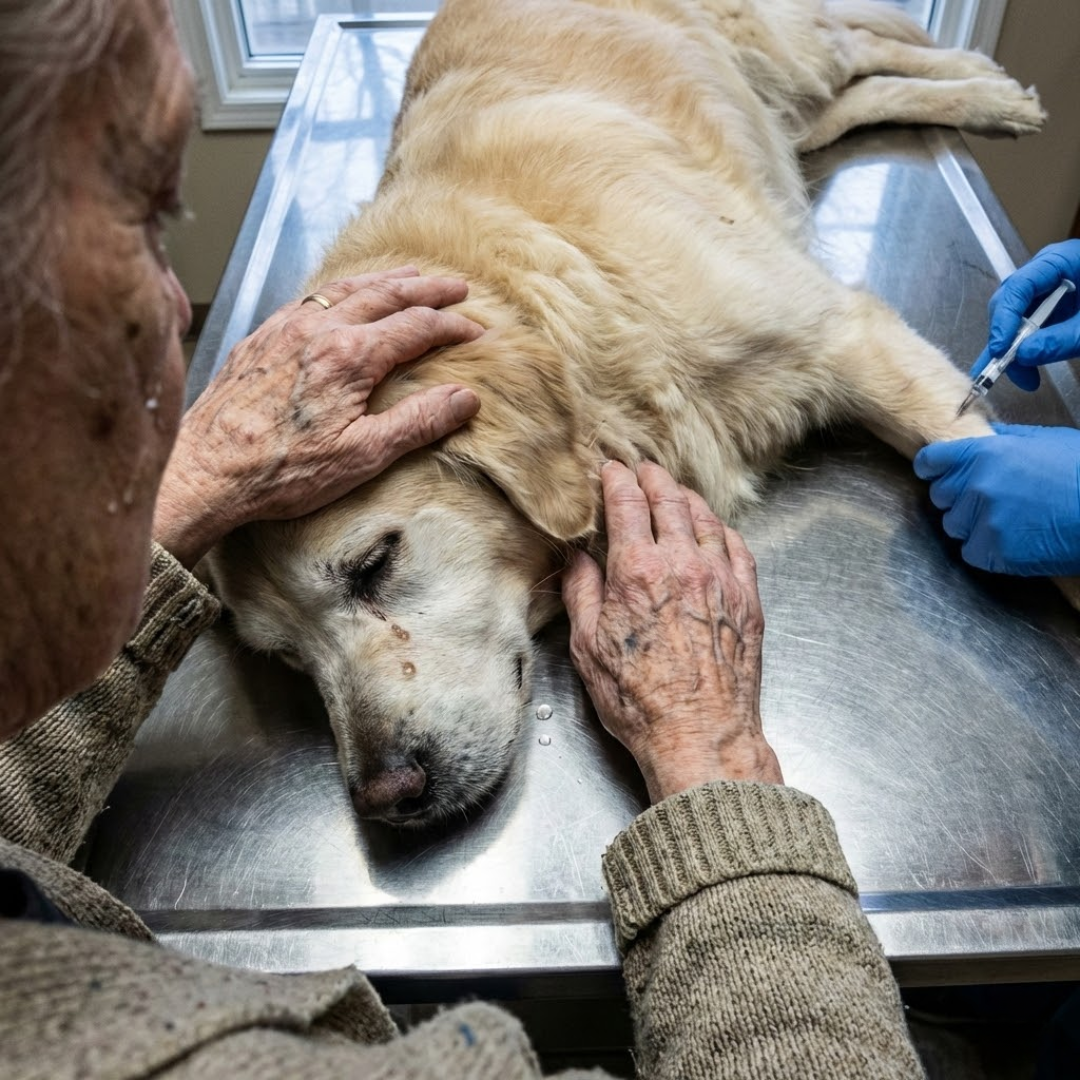
Ran for 1 day, from January 20 to January 21, 2026, the last day Crush saw it.
Run by Pet Health Insider on Facebook. Crush is not the advertiser and does not verify its claims. See this ad in Meta's Ad Library(opens in a new tab)
Want an ad like this for your product?
Crush makes new ad images for your product from this ad: your logo, your product photo, your offer.
Trials from $19.95 USD, then $79.95 USD a month. Cancel anytime.
About this ad
- Meta Ad Library ID
- 888516396911862
- Platforms
- Facebook, Instagram, Audience Network, Messenger and Threads
- Relaunches
- 0
Ad text
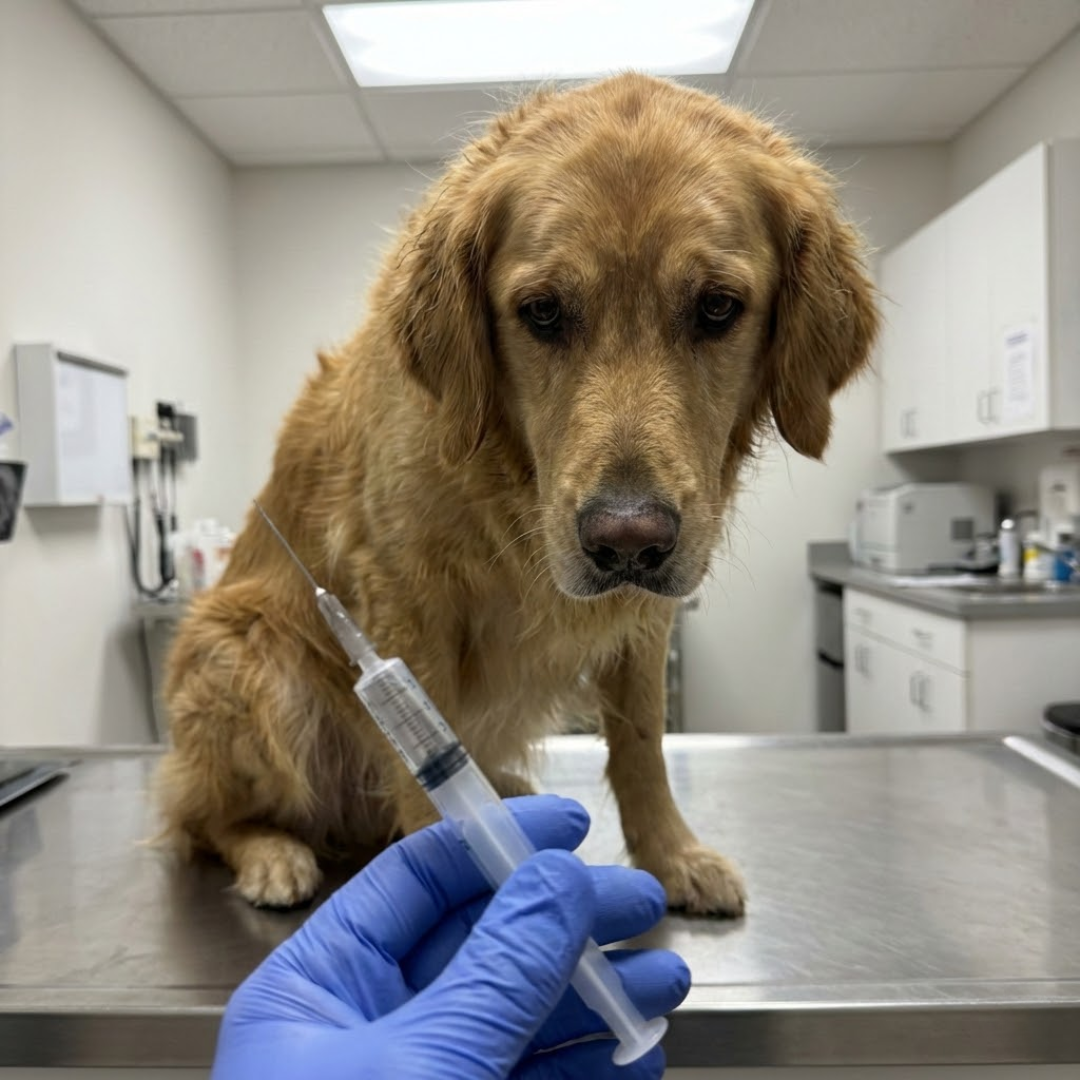
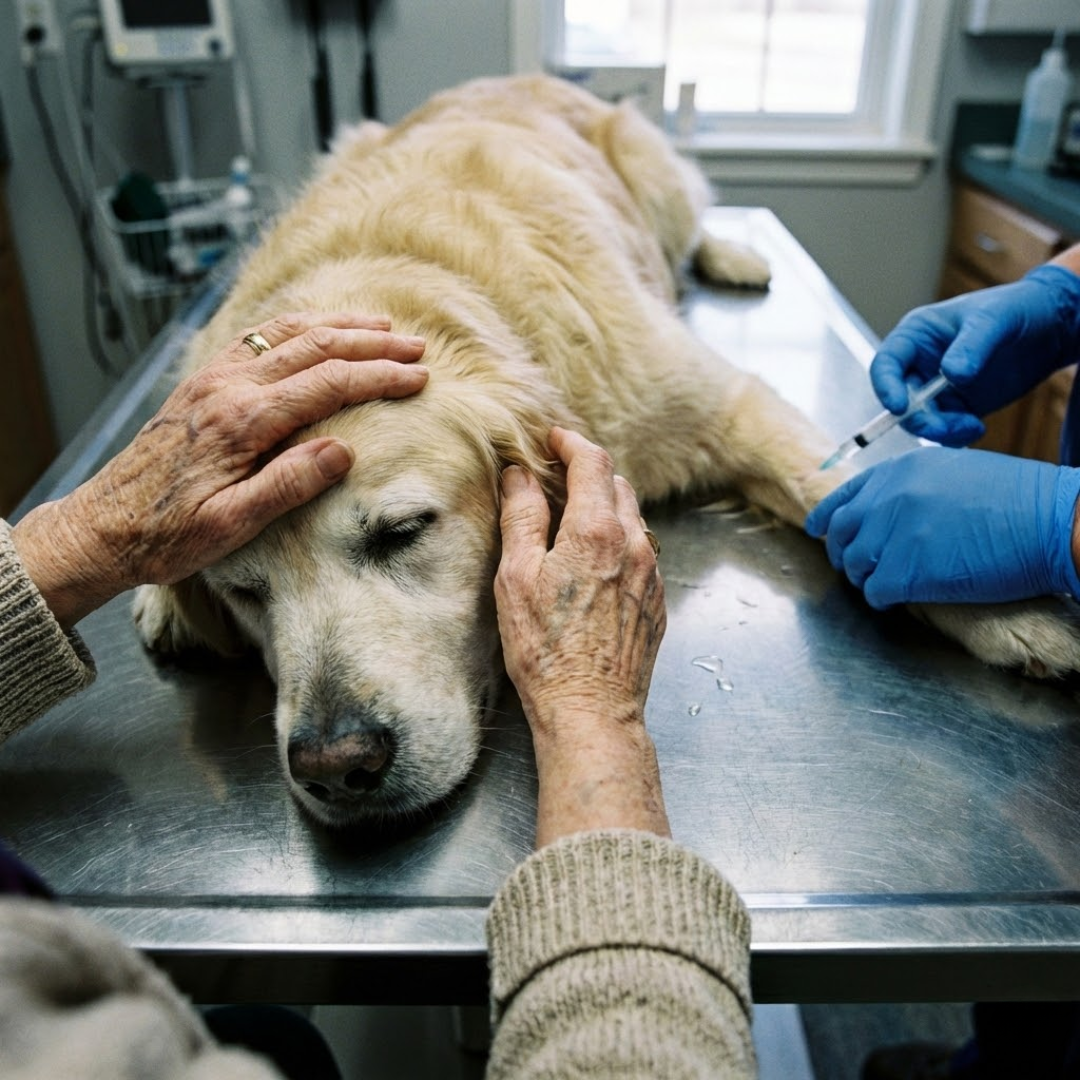
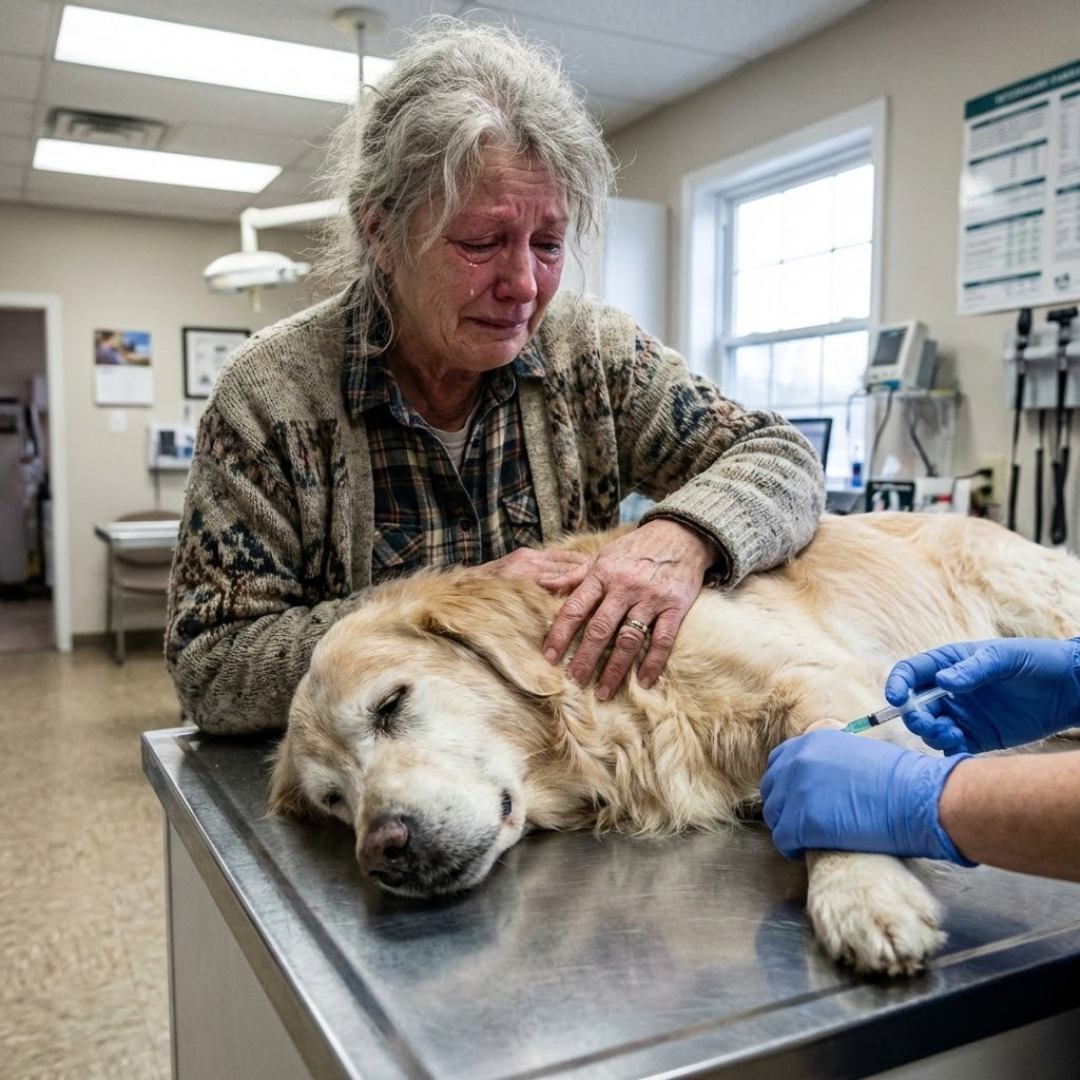
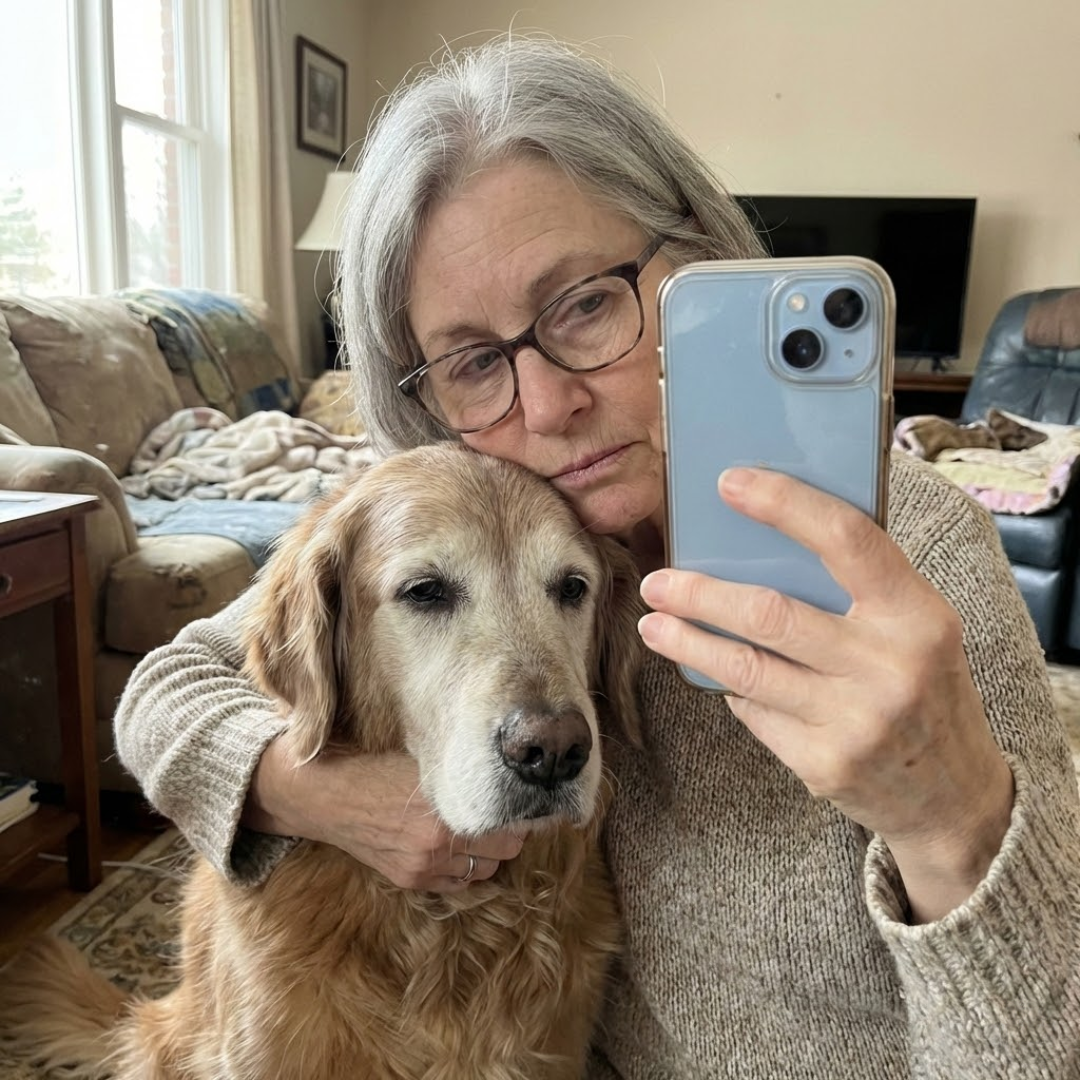
TO ALL DOG OWNERS WHO GIVE LIBRELA FOR ARTHRITIS... Don't make my mistake. After 6 months, my dog developed severe neurological issues. Her name is Sophie. 9-year-old Cocker Spaniel. My constant companion for the last decade. People don't understand when I say Sophie isn't "just a dog." She's the one who greets me every morning. The one who sits with me during breakfast. The one who keeps me company during Jeopardy every night. My daughter lives in Portland. My son's in Chicago with his family. They visit twice a year if I'm lucky. Sophie? She's here. Every single day. For three years, we managed her arthritis with Rimadyl and our daily routine. Our slow morning walks around the block. Her favorite spot on the couch next to me in the evenings. It wasn't perfect. I could see her slowing down. The way she'd hesitate before the three porch steps. How she'd groan getting up from her bed. But we had our rhythm. Our life together. Then last March, during Sophie's checkup, Dr. Morrison told me about Librela. "It's the newest treatment," she said. "One shot a month. Most dogs show remarkable improvement." I've been going to Dr. Morrison for 6 years. She took care of Sophie through everything. I trusted her completely. Sophie got her first shot that afternoon. Week 2: I thought I'd given her a second chance at life Sophie was moving like she hadn't in years. She'd hop up the porch steps. Actually hop. No more careful, painful climbing. Our morning walks got longer. She'd pull on the leash a little, wanting to go just a bit further. One evening, she jumped up on the couch next to me without that little whimper she'd been making for months. I cried. Happy tears. I called my daughter. "Sarah, you should see her. It's like having my young Sophie back." "That's wonderful, Mom. I'm so happy for you." For the first time in years, I didn't feel so alone in this house. Month 4: Something wasn't right It started so small I almost missed it. Sophie would stand at the bottom of the porch steps, just staring up at them. Like she'd forgotten how to climb. Then one morning, I watched her back legs shake when she tried to get up from her water bowl. She caught herself. But those legs were trembling. I told myself she was just tired. Maybe we'd walked too far the day before. But that voice in the back of my mind... the one that knows Sophie better than anyone... that voice said something was wrong. Month 5: The accidents broke my heart Sophie has been house-trained since she was 4 months old. Nine years. Never an accident. Now I was waking up to puddles in the kitchen three times a week. The first time it happened, Sophie looked at me with the most heartbroken eyes. She knew. She knew she'd done something wrong. And she couldn't understand why. I cleaned it up, hugged her, told her it was okay. But inside, I was terrified. I took a urine sample to Dr. Morrison. The test came back clean. No infection. "It's probably just her age," Dr. Morrison said gently. "Sometimes senior dogs lose some control." But Sophie wasn't just any senior dog. She was MY dog. And I knew this wasn't normal aging. Something in my gut told me this was connected to those shots. Then came month 6. It was a Wednesday morning. I remember because that's the day my neighbor Helen usually stops by for coffee. I was in the kitchen putting the kettle on. Sophie tried to walk from the living room to her water bowl. Her back legs gave out. Completely. She collapsed on the hardwood floor. Couldn't get back up. I dropped everything and got down on the floor with her. My knees hurt, but I didn't care. I sat there for twenty minutes, helping her stand. Her legs kept sliding out from under her. Like they didn't work anymore. Then I saw it in her eyes. Confusion. Fear. My Sophie, who's been by my side through everything... she was scared. And she was looking at me to fix it. And I didn't know how. I called Dr. Morrison's office, crying so hard the receptionist could barely understand me. "Please, something's wrong with Sophie. I need to bring her in right now." While I waited for my neighbor to come help me get Sophie into the car, I did what I always do when I'm scared. I googled. "Librela side effects." The official websites all said the same thing. "Well tolerated. Minimal side effects." But my Sophie was lying on the floor with legs that didn't work. That didn't feel minimal to me. Then I tried something different. I searched "Librela problems." What I found made my blood run cold Post after post. Story after story. So many of them from women just like me. "My 12-year-old started having accidents after the fourth shot." "Her back legs shake when she tries to stand." "He's been my companion since my husband passed. Now I'm watching him suffer." "The neurological issues started at month 5." I found a Facebook group. Over 2,000 members. All dogs on Librela. All having the same problems Sophie was having. Legs giving out. Loss of bladder control. Trembling. Confusion. One woman wrote: "She's all I have since my kids moved away. I trusted my vet. Now I don't know what to do." I started sobbing right there at my kitchen table. Because that was exactly me. Sophie is all I have. Every single day. And I'd let someone give her something that was hurting her. Dr. Morrison ran every test imaginable Bloodwork. X-rays. Neurological examination. Everything came back "normal." But Sophie still couldn't stand without shaking. Still having accidents. Still looking at me with those scared, confused eyes. "Let's stop the Librela," Dr. Morrison said. "See if things improve." "How long until it's out of her system?" "The antibody can take 4-6 weeks to clear." Six weeks. Six weeks of watching my best friend struggle while we waited for this medication to leave her body. Six weeks of cleaning up accidents and watching her look at me like she'd disappointed me. Six weeks of feeling like the worst dog mother in the world. I couldn't just wait and do nothing Late nights. Just me, Sophie sleeping on her bed next to my desk, and my laptop. I read everything I could find. Google. Reddit. Veterinary journals. Facebook groups for senior dog owners. I needed to understand what was happening inside Sophie's body. Why did Librela work at first, then cause all these problems? I tried everything people recommended: CBD oil. The expensive kind. $95 for a tiny bottle. Gave it to Sophie twice a day for three weeks. She was still struggling to stand. Still having accidents. Glucosamine and chondroitin supplements. Added them to her food every meal for a month. Her legs still shook. Still gave out. Dr. Morrison suggested laser therapy at her clinic. $75 per session. Twice a week. I'm on a fixed income. My social security and small pension. I did the math. $600 a month. I couldn't afford that. Not indefinitely. Each failed solution made me feel more helpless. I was supposed to take care of her. She'd been there for me through everything. And I couldn't fix this. Then at 3 AM on a Saturday, I found something I couldn't sleep. Hadn't been sleeping well for weeks. Sophie was restless too. I could hear her shifting on her bed, trying to get comfortable. I was scrolling through research papers on arthritis in dogs. Desperate for anything. That's when I found a study from a veterinary university. The title caught my attention: "Why Dog Arthritis Cells Can't Repair Themselves" I started reading. And for the first time in weeks, something made sense. I'm not a scientist. But I understood this. You probably know arthritis is about inflammation. Pain. Cartilage wearing down. Dr. Morrison explained all that to me years ago. Here's what happens with arthritis: Your vet told you about inflammation. About joints breaking down. About pain signals. About bones rubbing together. And they're right. All of that is happening. But there's one thing Dr. Morrison never told me. One piece that explains why everything we tried eventually stopped working. Deep inside every joint, there are special cells that fix damage. Think of them like little repair workers. These cells run on power. Just like my phone needs a battery to work. When Sophie developed arthritis, something blocked that power. The battery went dead. Now those repair cells couldn't fix anything. So her joints kept wearing down. The cartilage kept declining. The inflammation kept building up. The damage kept piling on top of damage. And it got worse and worse because there was no power left to stop it. That's what everyone misses. Without power, nothing else matters. Here's why everything we tried failed: The Rimadyl reduced inflammation and turned down pain signals. It worked. But the battery was still dead. So Sophie's joints kept breaking down in the background while she felt better. The joint supplements I bought gave her body the raw materials needed for repairs. But those repair cells had no power to use them. The materials just sat there. Nothing got fixed. Librela worked at first. Sophie felt better. Started moving more. But underneath? Those batteries were still dead. The repair workers were still exhausted. Her joints were still breaking down. Librela didn't fix anything. It just turned off the pain alarm. So Sophie started moving more on joints that couldn't repair themselves anymore. Without pain to tell her to slow down, she was wearing her joints down even faster. And Librela does something else. It's an antibody. It stays in the body for weeks. It affects the nervous system in ways veterinarians are still trying to understand. That's why so many dogs develop neurological issues. Legs giving out. Loss of bladder control. Trembling. The medication isn't just masking pain. It's interfering with the body's ability to work normally. I sat there at 3 AM, staring at my computer screen. Sophie sleeping restlessly in her bed beside me. Everything was treating symptoms. Nothing was turning the power back on. Without power, those cells can't heal the joint. The joint can't repair itself. Then I read something that changed everything. The article said there was one type of treatment that could turn the power back on. That could let those dead batteries charge again. Give those repair cells the energy to actually fix the damage. Red light therapy. Your dog's body knows how to heal. It just needs power. Red light is power for cells. Two types of light reach deep into the joints: Red light goes through the skin to the surface tissues. Infrared light goes deeper—through fur, skin, and fat—all the way down to the joint itself. When these lights shine on Sophie's sore joints, they turn the power back on. The dead battery comes back to life. Once the power is back, those cells wake up and do their job: fix damage, reduce pain, make joints smoother, stop things from getting worse. It's not masking pain like the Librela did. It's turning the power back on so Sophie's body can heal itself. The light also calms the pain nerves naturally—the way her body would if it could. That's why dogs who couldn't walk start running again. The power came back on. And the best part? No side effects. No liver damage. No kidney damage. Just giving Sophie's body the power it needs to heal. I went straight to Amazon My hands were shaking as I typed "red light therapy for dogs." I was so hopeful. Finally, something that made scientific sense. I found one with good reviews. Handheld device. "Veterinary approved." I almost ordered it right then. My finger was hovering over the "Buy Now" button. But something made me stop. I've learned to be careful. To read the fine print. You have to, when you're on a fixed income and can't afford to waste money. I looked at the specifications. The wavelengths were wrong. It only had red light, no infrared. The power output was too weak to penetrate deep enough into the joint. I checked another one. "Professional grade." Same problem. Wrong wavelengths. Too weak. Every single device I looked at was either too weak, had the wrong wavelengths, or both. That sinking feeling came back. I'd finally found something that might help Sophie. And I couldn't find a device that actually worked the way it was supposed to. I felt so defeated. Then the next day, something unexpected happened I was at the grocery store. My usual Tuesday morning trip. Helen, my neighbor, saw me in the produce section. "How's Sophie doing?" she asked. I must have looked terrible because before I could answer, she said, "Oh honey, come have coffee at my place. Right now." We sat at her kitchen table. I told her everything. The Librela. The accidents. Sophie's legs giving out. The failed treatments. The red light therapy I couldn't find. "My sister went through something similar," Helen said. "Her Lab had terrible arthritis. She found a small company that makes red light therapy belts specifically for dogs." She pulled out her phone. Sent me a link. "Here. This is what her dog uses. It's been life-changing." The company was called Lucavel. I'd never heard of them. Not a big corporate brand like I was used to seeing at Petco. A small startup. Made by someone whose own dog had arthritis. I went home and read everything on their website The founder's dog started showing arthritis symptoms young. And he knew if he didn't find a solution fast, his dog would only get worse. So he spent three years developing a device that could deliver real medical-grade red and infrared light to dogs' joints. The right wavelengths. The right power. Safe to use at home. The first at home medical-grade red light therapy belt. A belt with true 660nm red light and 850nm infrared. Medical-grade LEDs. High enough power to actually penetrate deep into the joints. Designed to wrap around hips, shoulders, knees... wherever dogs need it. Not some cheap Amazon knockoff claiming to work. A real solution. Built by someone who understood this problem because he'd lived it. I sat at my kitchen table for a long time, looking at Sophie sleeping in her bed. We'd tried everything else. Spent money we didn't have. Nothing worked. But she was still struggling. Still having accidents. Still looking at me with confused eyes. I couldn't just give up on her. I ordered it that night. The first session, I wrapped it around Sophie's hips Turned it on. The gentle warmth. 15 minutes. Sophie just laid there next to me on the couch. The warmth seemed to relax her. I didn't expect miracles. I'm 68 years old. I know better. But I was praying anyway. Week 2: I noticed something Sophie got up from her bed one morning without that groan. She just... stood up. Like it was normal. Her legs didn't shake. Didn't buckle. It was such a small thing. But it was something. Week 3: The accidents stopped No more waking up to puddles on the kitchen floor. No more seeing that heartbroken look in Sophie's eyes. Her legs were steadier when she walked. More confident. She went up the porch steps on her own. No hesitation. I sat on the top step and cried. Week 5: I got my Sophie back She came to the door to greet me when I got home from the store. Something she hadn't done in months. That evening, she brought me her tennis ball. Dropped it at my feet. Looked up at me with bright eyes. We played. Just for a few minutes. But we played. She's 13. She has arthritis. She's not going to move like a puppy. But she's moving like herself again. No trembling. No collapsing. No fear in her eyes. Those little batteries were charging. Her body was repairing itself again. And it wasn't just physical. Sophie seemed happier. More like her old self. The fog had lifted. She was greeting me in the morning again. Excited for our walks. Sleeping peacefully through the night. And I was sleeping peacefully too. I had my best friend back. My companion. The one who's here with me every single day. I use the belt every other day now 15 minutes on her hips. Sometimes her shoulders if she seems stiff. It's part of our routine. Like our morning walk or evening time on the couch together. She's been stable for five months now. No medications. No side effects. No neurological issues. Just steady improvement and a dog who can move comfortably again. I think about those six months on Librela often. The $480 we spent on shots. The emergency vet visit. The weeks of watching her suffer while it left her system. The guilt. The helplessness. The fear that I'd failed the one being who's always there for me. If I'd found this sooner, we could have avoided all of it. If you're reading this, you might be where I was Maybe your vet recommended Librela. Maybe you're desperate for something to help your dog move without pain. Maybe you're alone with your dog, and you love them more than most people in your life. I understand. I was exactly there. But I also know what I know now. I'm not saying Librela doesn't work initially. It did for Sophie. But I paid a price I wish I'd never had to pay. You don't have to make the same mistake I did. Lucavel is small. They don't mass produce. They refuse to cut corners or lower quality to save costs. Sometimes they run out of stock because they can only get so many medical-grade LEDs. But they offer a 60-day money-back guarantee. That's what made me comfortable ordering. I'm on a fixed income. I couldn't afford to waste money on another thing that didn't work. But this did work. I can't tell you what will work for your dog. I can only tell you what saved Sophie. What gave me back my constant companion. What let me stop feeling guilty and helpless and scared. I won't ever give Sophie another medication that just masks pain while her body breaks down underneath. I finally found something that helps her body heal itself. For us, that changed everything. Sophie's curled up next to me on the couch right now as I type this. Warm. Comfortable. Peaceful. She's here with me. And I'm here with her. That's all I ever wanted.
Where the ad sends people
lucavel.com
Read this if your dog has Arthritis ☝️
.
Learn more: lucavel.com(opens in a new tab)