
Active· since Jun 7, 2026
- 101
- days running
- 0
- relaunches
Ad copy
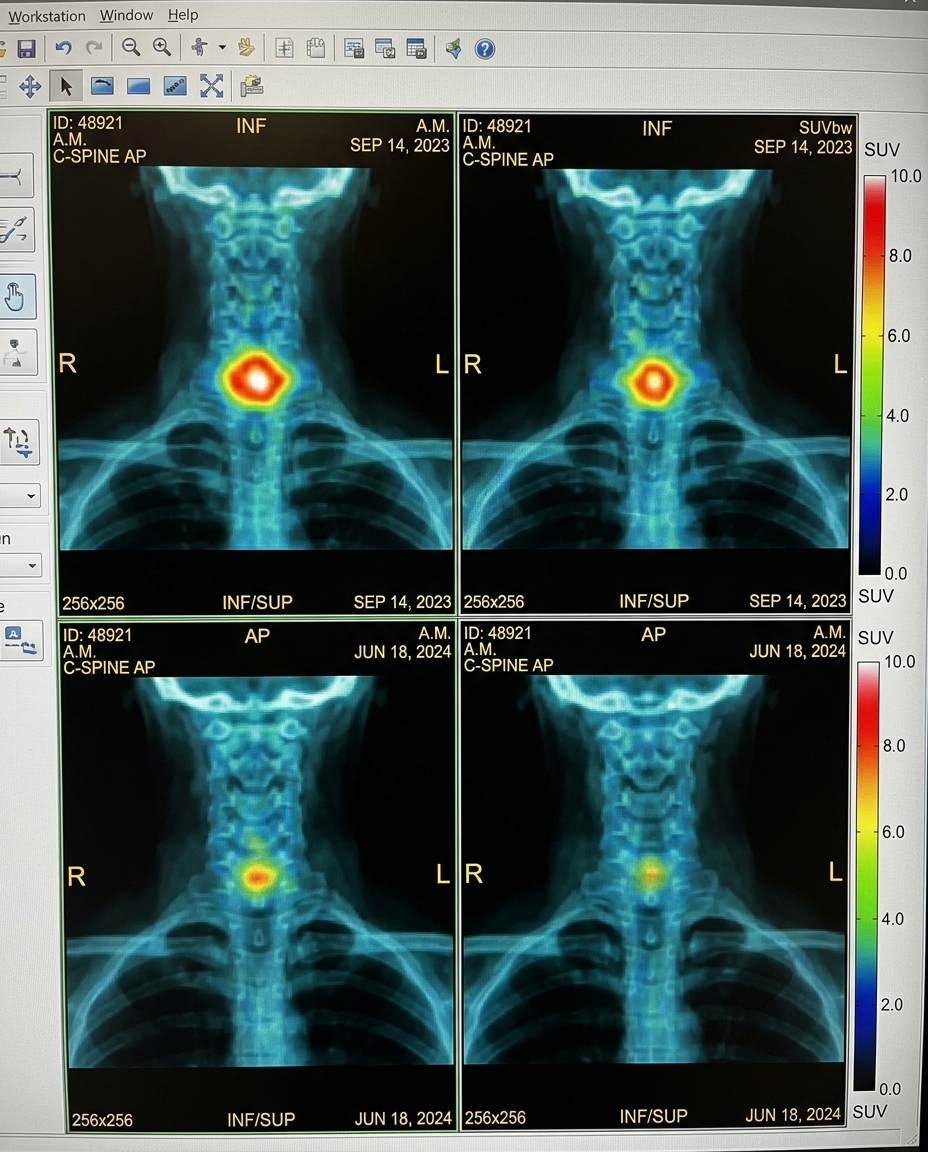
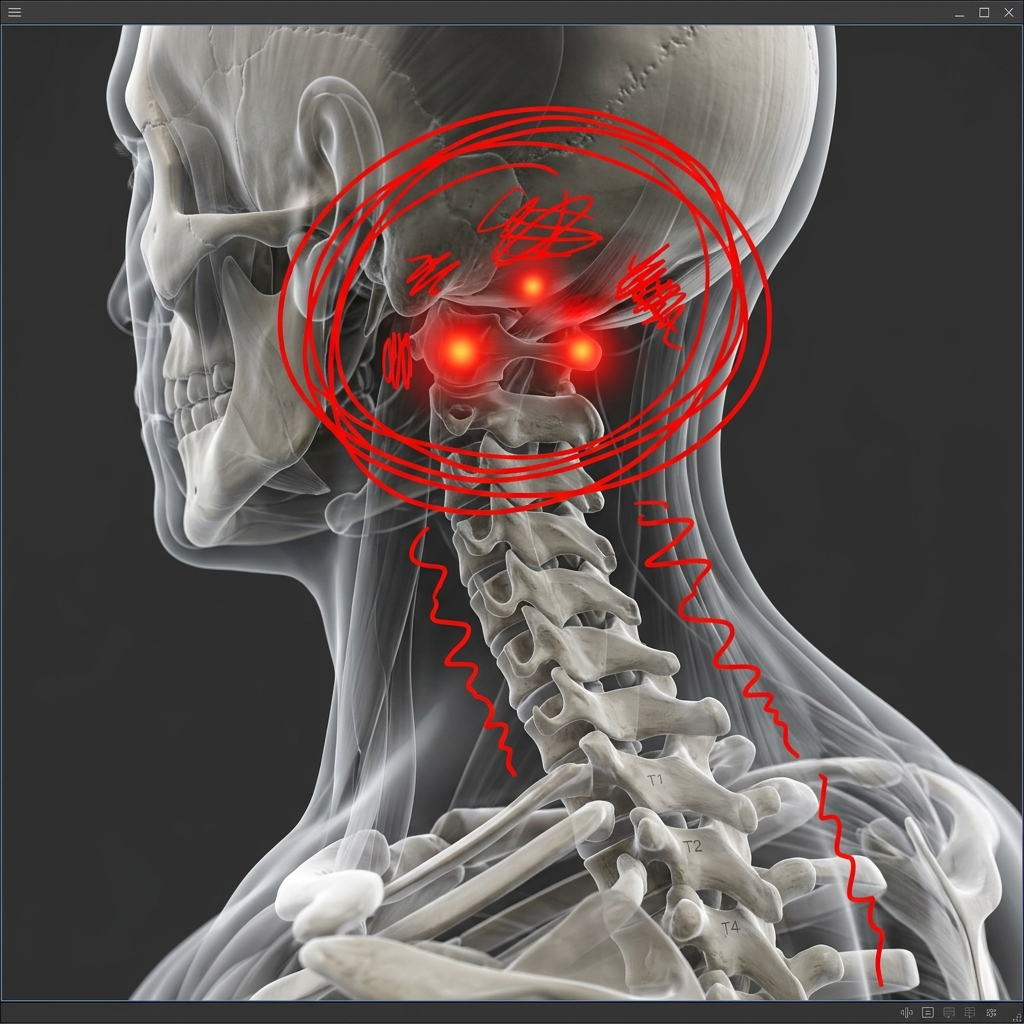
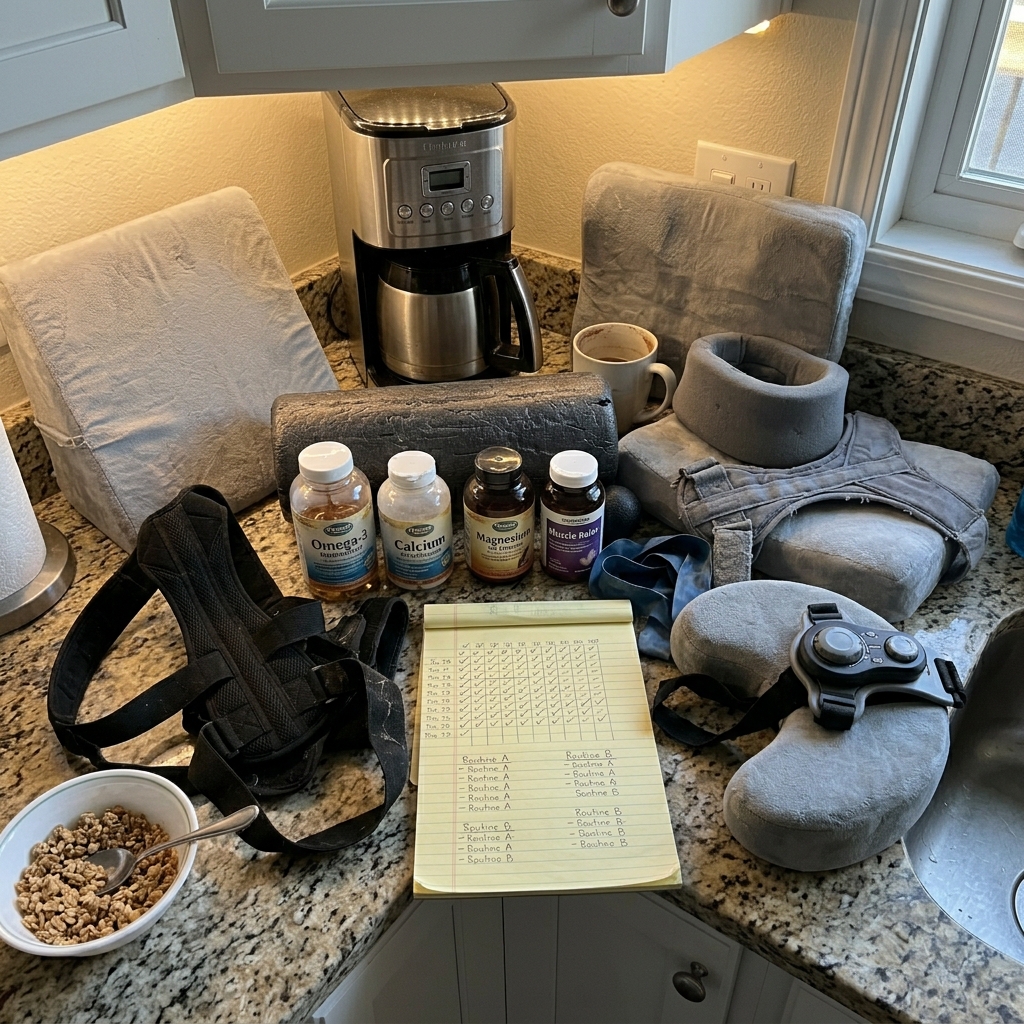
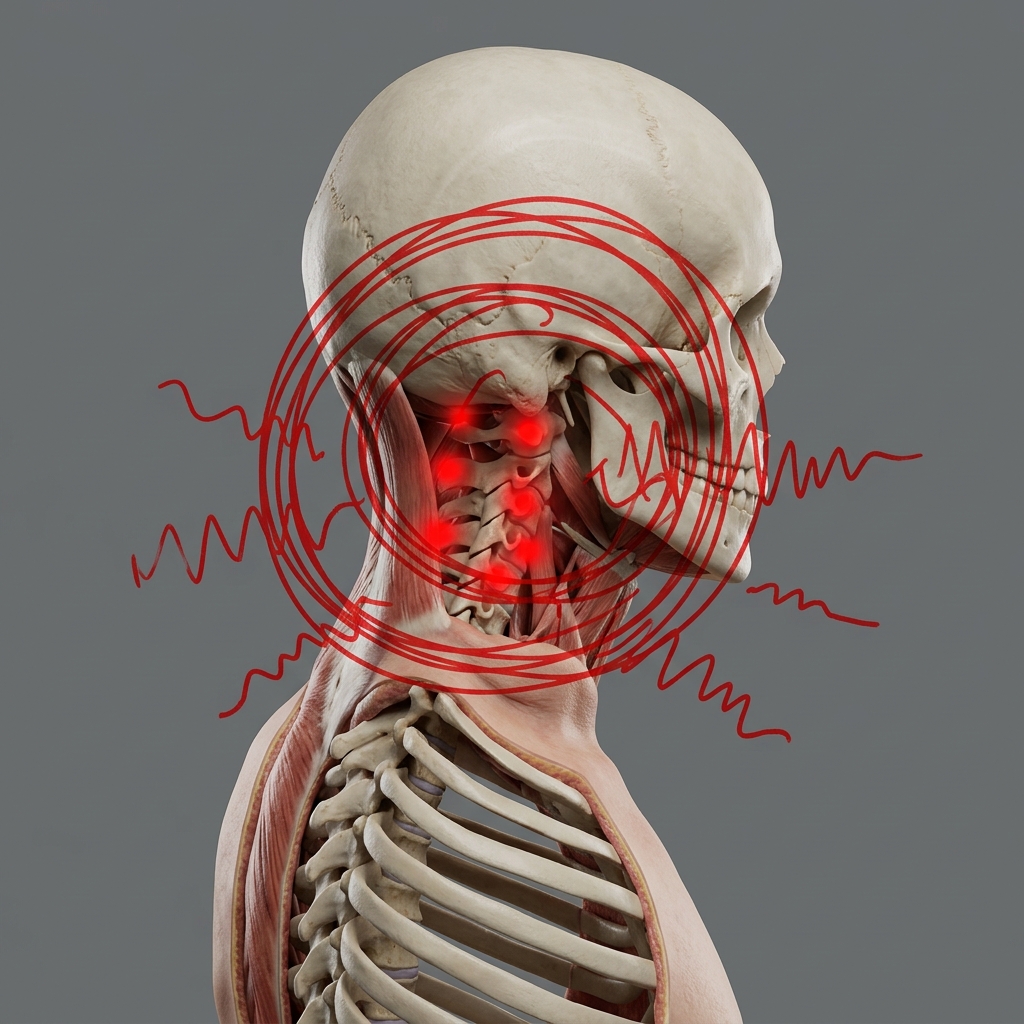
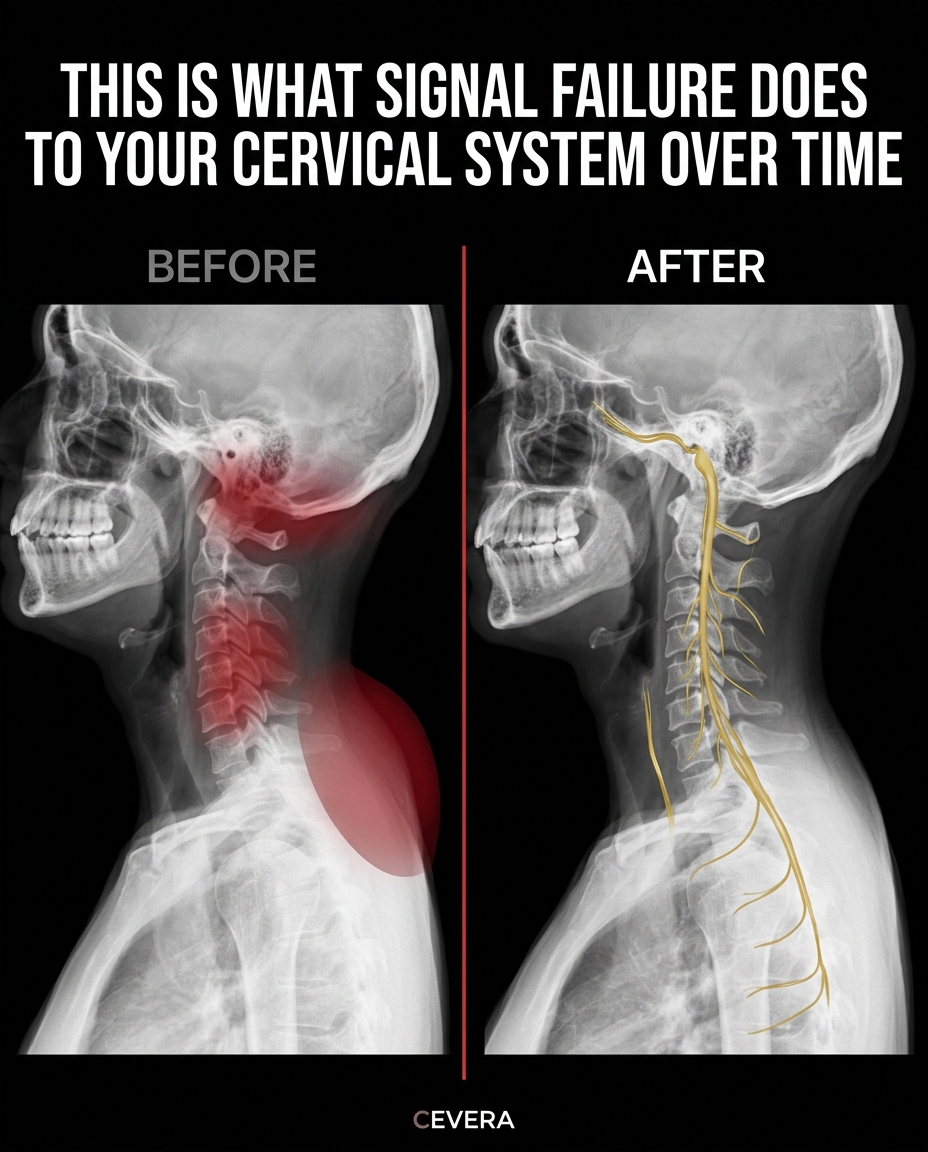
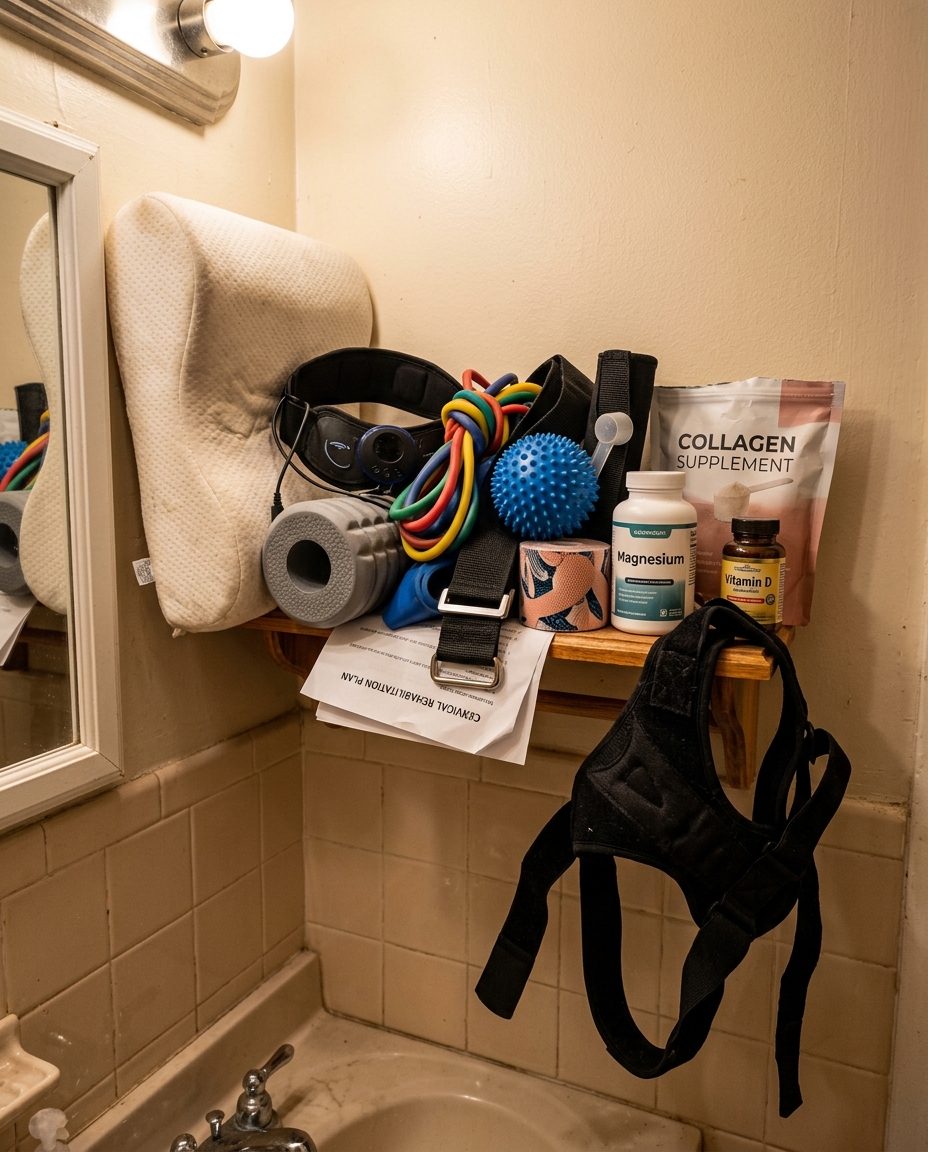
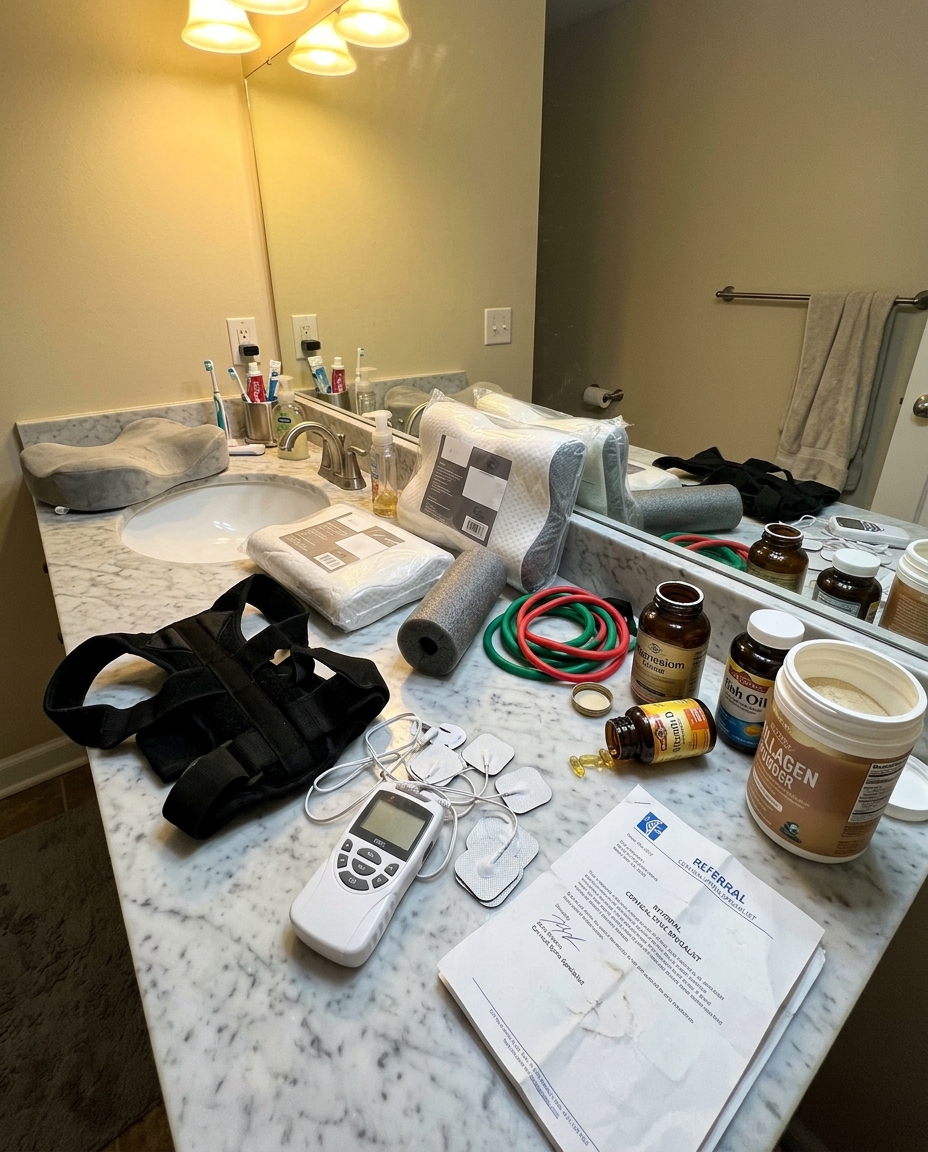
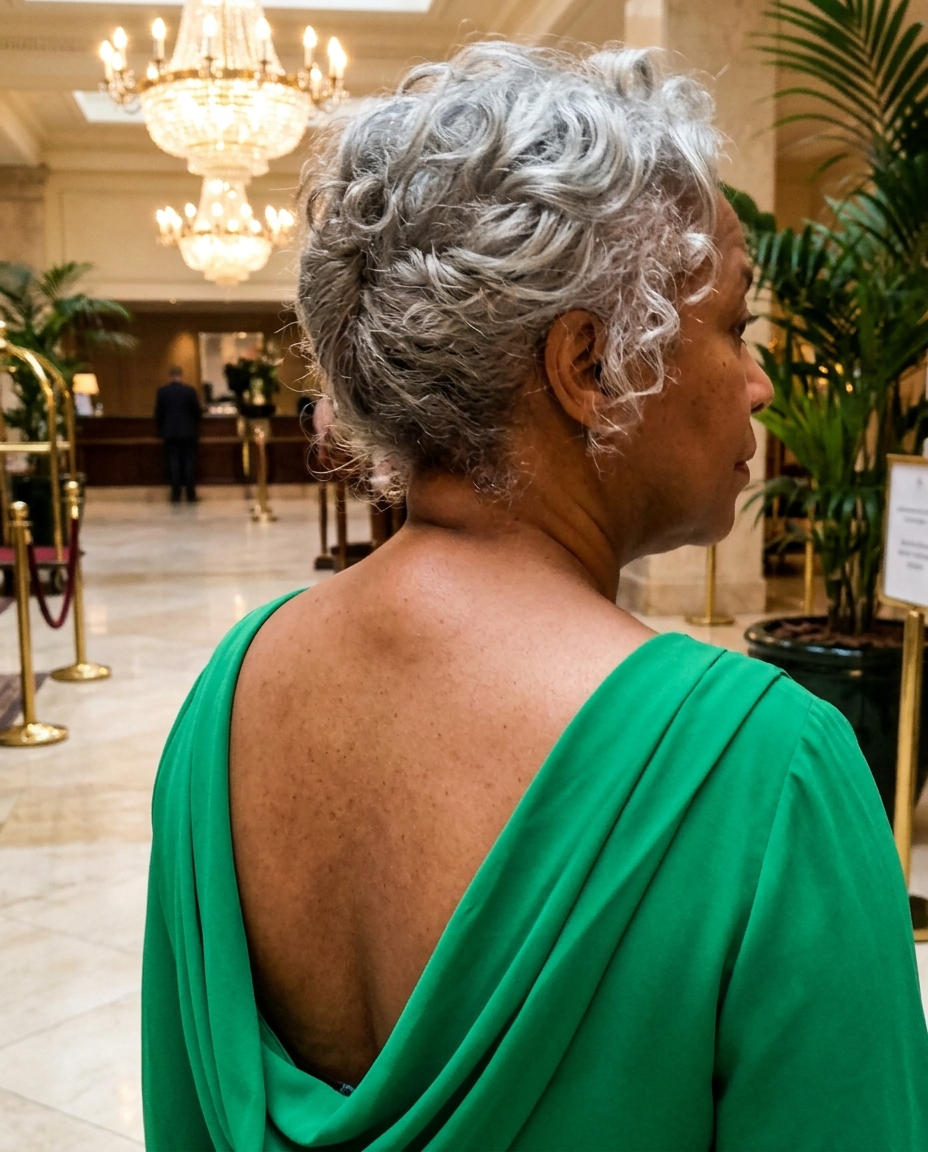
This was the last time I wear an open neckline. Not because it didn't fit. Not because it wasn't beautiful. Because every time I put on something with an open neck and walked out the door, I knew exactly what was visible from behind. And I couldn't stop thinking about it. My name is Barbara Linfield. I'm 61. I'm a sales director in Chicago. I have been in client-facing roles for the last twenty years — meetings, presentations, dinners, conferences, the kind of career where how you show up physically is part of how seriously you're taken. I have a neck hump. I have had it since I was fifty-four. Not mild rounding. Not the kind you manage with a chin tuck and a posture reminder. The kind that sits visibly at the base of your neck when you've been at your desk too long. The kind that shows in open-backed tops. The kind that, in the necklines every other woman in my office wears without thinking, is visible to every single person standing behind you. I know because I saw it in a photo. It was from a company event. March 2021. I'm standing at the front of the room presenting quarterly numbers to the executive team. The photographer was behind me. In the photo — which ended up in the company newsletter, which I found out about three days later — you can see the base of my neck in my open-backed top. The tissue. The rounding. Visible. Clear. I looked at that photo for a long time. I didn't say anything to anyone. I just went home that night and stood in my bathroom staring at the back of my neck trying to understand how I had let this happen. I am meticulous about my appearance. My clothes are pressed. My nails are done. I spend forty-five minutes getting ready every morning. And my neck — the thing most visible in the tops I wear every single day — looked like someone who had never thought about posture once. I started buying things that weekend. A posture brace first. Everyone recommends it. I did the daily routine for six weeks without missing a single day. Brace on, wear it for two hours, take it off, check. My forward pull felt slightly better while I wore it. By the time I got to the office it was back. The problem wasn't external positioning. I didn't know that yet. Then a cervical pillow. The product claimed overnight improvement. I used it for a month. Same cycle — slightly different in the morning, completely back by afternoon, tissue unchanged. Then a structured home exercise program from my practitioner. Clinical grade. Three sets a day, every day. I followed it diligently for eight weeks. The surface tension improved slightly. The deep inhibition — the broken brain-muscle signal that had been building for years — didn't move. The foam roller came next. I had resisted it because it felt low-tech and slow. I tried it anyway. Standing in the bedroom every morning, working through the cervical protocol I'd been given. I could feel it working on the surface. I got up, got dressed, got to the office, and by midday the forward pull was back. The roller was releasing the surface tension. The signal failure underneath was untouched. I moved to a structured traction device. Three tools in before I understood none of them were reaching the actual problem. The traction decompressed the joint above. It wore off in two hours. I adjusted my protocol. Same result. Wore off in two hours, adjusted, same result. I went through four different approaches in eight months. I tried a generic EMS device. The battery-powered one that creates a buzzing sensation and makes you feel like something is happening because you can feel it working. I used it for three weeks. Satisfying. Pointless. The deep signal failure remained completely intact beneath whatever surface the device could reach. I tried a structured clinical program. Went to sessions twice a week for ten weeks. My practitioner worked on the tissue for forty minutes per session. My neck looked different walking out. The forward pull was quieter. Four days later, the drift was back. I did the math: to maintain that result consistently, I needed to go every two weeks indefinitely. That's over $2,000 a year, minimum, for a result that lasted four days per visit. And every visit was another forty minutes of my practitioner looking at my neck and saying nothing but clearly noticing everything. I went six more times and stopped. Not because of the money. Because it wasn't fixing anything. I started choosing clothes differently. High collars instead of open necklines. Structured jackets instead of lightweight tops. Anything that put fabric between my neck and open air. My clothing budget had been spent on tops I wore twice before understanding they'd show the problem — and on replacements that hid it instead. That's where the years went. Not on beautiful clothes. On clothes that covered what I was ashamed of. My colleague Jamie noticed. We'd worked together for four years. She's a similar age. She wears open necklines every day. I had never noticed her neck — which, I realized, was the point. I noticed mine because mine was a problem. Hers wasn't. We were at a client dinner in November. She was wearing an open-backed blouse. Her neck looked normal. No visible tissue. No rounding. No buildup at the base. I waited until the client left. "Jamie. Your neck. What do you do?" She laughed. "My neck used to be horrible. Worse than yours. I promise." She told me she'd found something online. A small EMS device. She'd been skeptical — she'd tried everything too — but her sister had ordered one and the results were good enough that Jamie ordered her own. "It reaches the signal properly. Not the surface. The actual inhibition. Like, years of it. In fifteen minutes." "I've tried EMS devices," I said. "They didn't do anything." "This one's different. The programs are specific — eight of them, each one calibrated for a different stage of inhibition. And there's nineteen intensity levels so you can build gradually as the signal restores. You can't overwhelm the nerves because you start low and progress. I do it in the morning before work. Literally fifteen minutes. I haven't been back to a clinical session in seven months." I wrote down the name on my phone under the table. Cevera. I did not order it that night. I am not an impulsive buyer. I went home, looked it up, and spent forty minutes reading reviews before I touched the checkout button. What stopped me from dismissing it — what made me keep reading — was that the reviews didn't sound like marketing. They sounded like me. "I have tried many tools to get rid of the progression and absolutely nothing has worked until now." "My neck was in such a state that no brace or exercise program could sort out. One week of this and the forward pull started releasing." "I've tried every device out there. This one actually reaches the right layer. Miracles do happen." "My neck hasn't sat this far back since I was in my forties." "I was skeptical but this thing really works. So much more confident. Don't hesitate, just buy it." Nearly 3,000 reviews. 4.9 stars. The same arc every time: tried everything, didn't expect this to be different, shocked that it worked. I ordered it. Free shipping. 90-day money-back guarantee. If it was another thing that didn't work, I'd return it and move on. It arrived in four days. Eight programs in the device — clearly labeled by stage. USB rechargeable. Already charged when I opened it. I sat in my bathroom on a Tuesday morning. I attached the device. I selected program one — the starting program for established inhibition. I turned it on. The sensation was different from anything I'd used before. Not the hollow buzzing of a cheap battery device. Targeted. Reaching. Penetrating the layer that nothing else had touched. I pressed it to my cervical zone — gently, the way you'd test something you didn't entirely trust yet. Something activated at a depth I'd never felt before. Not surface tension. Not the kind of sensation that sits on the skin. Something deeper. Something that felt like a muscle being reminded it existed. Five minutes in, I noticed the forward pull was quieter. Not gone. Quieter. Like something had shifted at a depth that no brace or exercise or clinical session had ever touched. I understood immediately why Jamie had mentioned the program specificity. It's the thing that makes you trust it. Eight programs means eight different targeting approaches. Nineteen intensity levels means the activation builds as the signal restores — you're not overwhelming inhibited nerves, you're gradually waking them up. Fifteen minutes on the device. Fifteen minutes total. I put it down and ran my hand along the back of my neck. I sat there for a moment not saying anything. The forward pull was measurably different. Not salon-smooth-for-four-days. Not slightly-improved-for-a-morning. Actually different. The tissue at the base — the one that had been visible in the company newsletter photo three years ago — felt different. Less prominent. Less insistent. I got dressed. It absorbed into my morning routine immediately. Completely. Not adding something, not requiring effort. Going in. For the first time in seven years, there was nothing blocking the signal from reaching the muscles that actually needed it. I understood then what none of the products had ever explained to me: the braces were never going to work. Not because they were bad products. Because they were sitting on top of a signal failure that couldn't be managed from the outside. You cannot reactivate an inhibited muscle with external positioning. You have to restore the signal first. Then the position holds. That's the order. Nobody told me that for seven years. The posture brace positions around the inhibition. It cannot restore the signal. The foam roller releases surface tension. It goes dull before the inhibition does. The clinical program resets the tissue — properly, the same way Cevera does — but charges $200 for a result that lasts four days and requires you to do it again in two weeks forever. Cevera restores the signal. Consistently. In fifteen minutes a week. And you have 90 days to decide. That was eight weeks ago. I use it every morning. Fifteen minutes before I get dressed. Done before my coffee gets cold. Three weeks in I wore an open-backed blouse to a client presentation. Open neck. Lightweight fabric. The kind I'd avoided since the newsletter photo. I did not think about my neck once during that meeting. I got a compliment afterward — one of those sideways compliments that women give each other that contain more information than they appear to. A colleague said, "I love that top on you." She was looking at my neck. I know exactly what she was actually saying. → Visible tissue at the base of the neck that you know is showing from behind → The morning calculation running before you've chosen what to wear → Necklines you stopped reaching for because you know they'll show the problem → Clinical sessions that reset for four days and bill you $200 each time → Clothes you bought to cover what you were ashamed of → The forward pull you've learned to manage because nothing was fixing it → Exercise programs that ask inhibited muscles to respond to a signal that isn't reaching them → Seven years of products that were addressing the symptom, not the cause This is not a posture habit problem. Posture habits are a symptom. The root is signal failure — a broken brain-muscle connection that has accumulated under years of forward load and lost the ability to restore naturally. Braces cannot penetrate that signal failure. They sit on top of it. You have been positioning around a signal that isn't there. The only fix is signal restoration. Direct, targeted activation of the inhibited motor nerves — all the way down to the level where the failure is occurring — so that the muscles you already have can finally do the job they were designed to do. That is what Cevera does. Eight unique programs targeting different stages of cervical motor nerve inhibition. 19 adjustable intensity levels. Not surface buzzing. Not external positioning. Direct motor nerve activation. The dead signal lifts. The live muscle underneath restores. The automatic pressure calibration means you build intensity gradually — you cannot overwhelm inhibited nerves, even by accident. Coarse program for deep established inhibition. Fine programs for maintenance. Rechargeable. No batteries. Fifteen minutes. Every morning. The posture brace cannot reach the depth of the problem. I used one for three years. The foam roller goes back to baseline before your inhibition does. I replaced my protocol four times in eight months. The clinical program fixes it for four days and charges $200. I spent seven months going regularly and nothing changed structurally. Cevera restores it. Consistently. In fifteen minutes a morning. And you have 90 days to decide. If it doesn't work, return it. Full refund. No questions. No forms. No process. But it will work. Because the problem — the actual problem, not the symptom — has finally met the right tool. 👉 https://trycevera.com/pages/adv2-womens-wellness-report Cevera. Free shipping. 90-day money-back guarantee. Less than one clinical session. Less than the brace and the foam roller and the exercise program and the traction device and the tops you stopped wearing combined. And unlike all of those — this one actually restores the thing that was blocking everything else. Barbara Linfield, 61, Chicago. Seven years of avoiding necklines that showed my neck. Eight weeks of wearing exactly what I want. P.S. — Jamie told me last week that three other women in our office have ordered one after seeing my neck at that presentation. I didn't tell them what happened. They asked me. That's the kind of proof that doesn't come from an ad. P.P.S. — I am not paid by Cevera to say this. I found out about it from a colleague at a client dinner and spent forty minutes reading reviews before I ordered. I paid for it myself. After years of products that didn't fix it, I would have paid five times what they charged. You have 90 days to try it at no risk. I wish I'd had that option seven years ago. 👉 https://trycevera.com/pages/adv2-womens-wellness-report
Like this ad? Make it yours.
Crush rebuilds this exact creative around your product — your brand, your colors, your offer — in about a minute.