Sarah Walker
Sarah Walker Facebook ad: “My doctor told me to give up my garden”
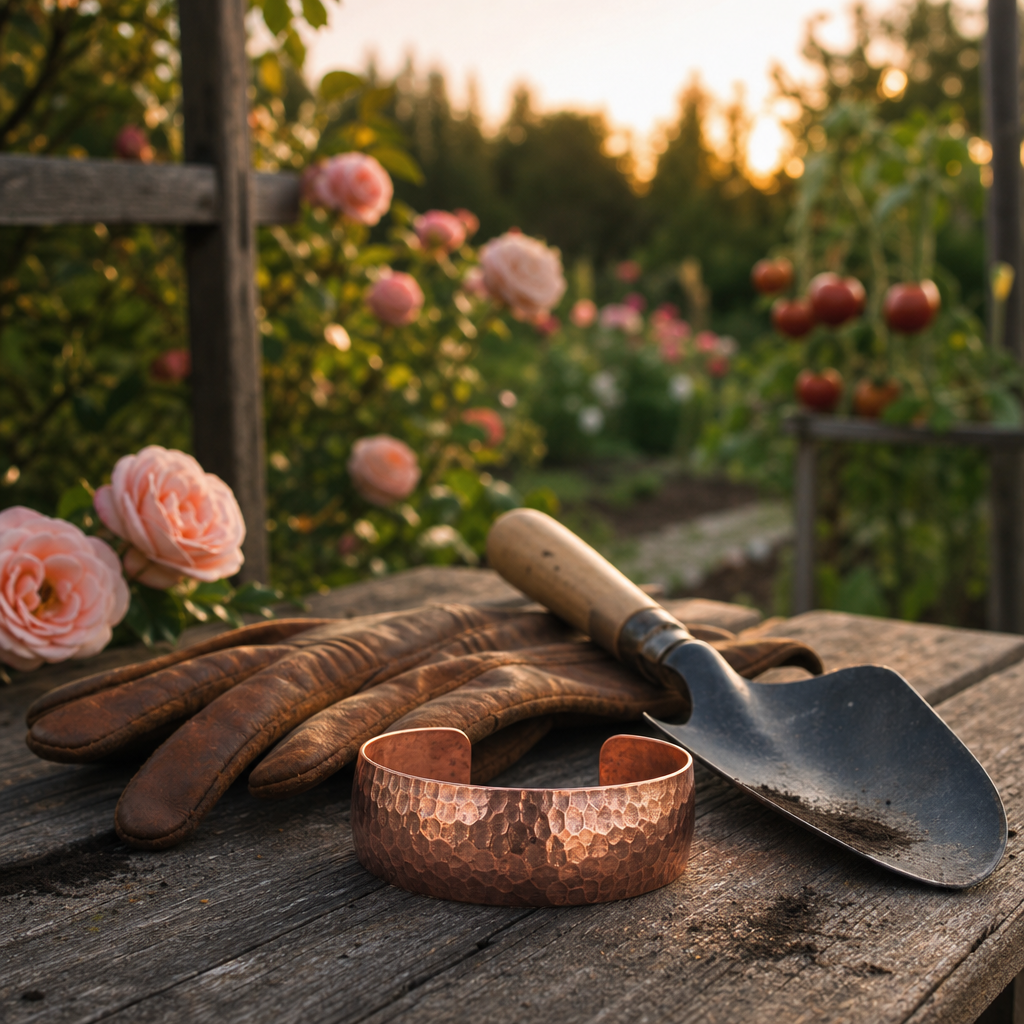
Ran for 6 days, from July 9 to July 15, 2026, the last day Crush saw it.
Run by Sarah Walker on Facebook. Crush is not the advertiser and does not verify its claims. See this ad in Meta's Ad Library(opens in a new tab)
Want an ad like this for your product?
Crush makes new ad images for your product from this ad: your logo, your product photo, your offer.
Trials from $19.95 USD, then $79.95 USD a month. Cancel anytime.
About this ad
- Meta Ad Library ID
- 891145404039267
- Platforms
- Facebook, Instagram, Audience Network, Messenger and Threads
- Relaunches
- 0
Ad text
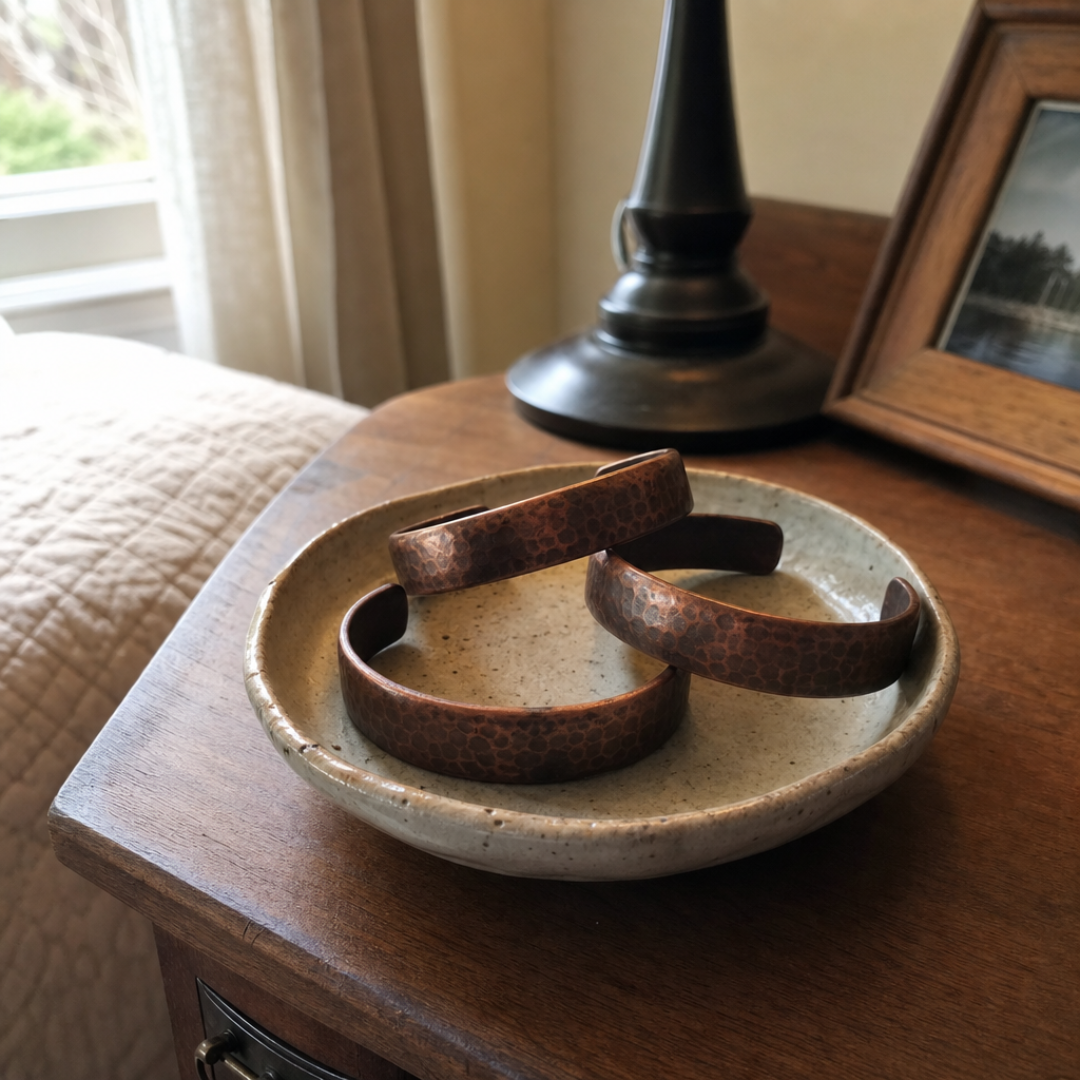
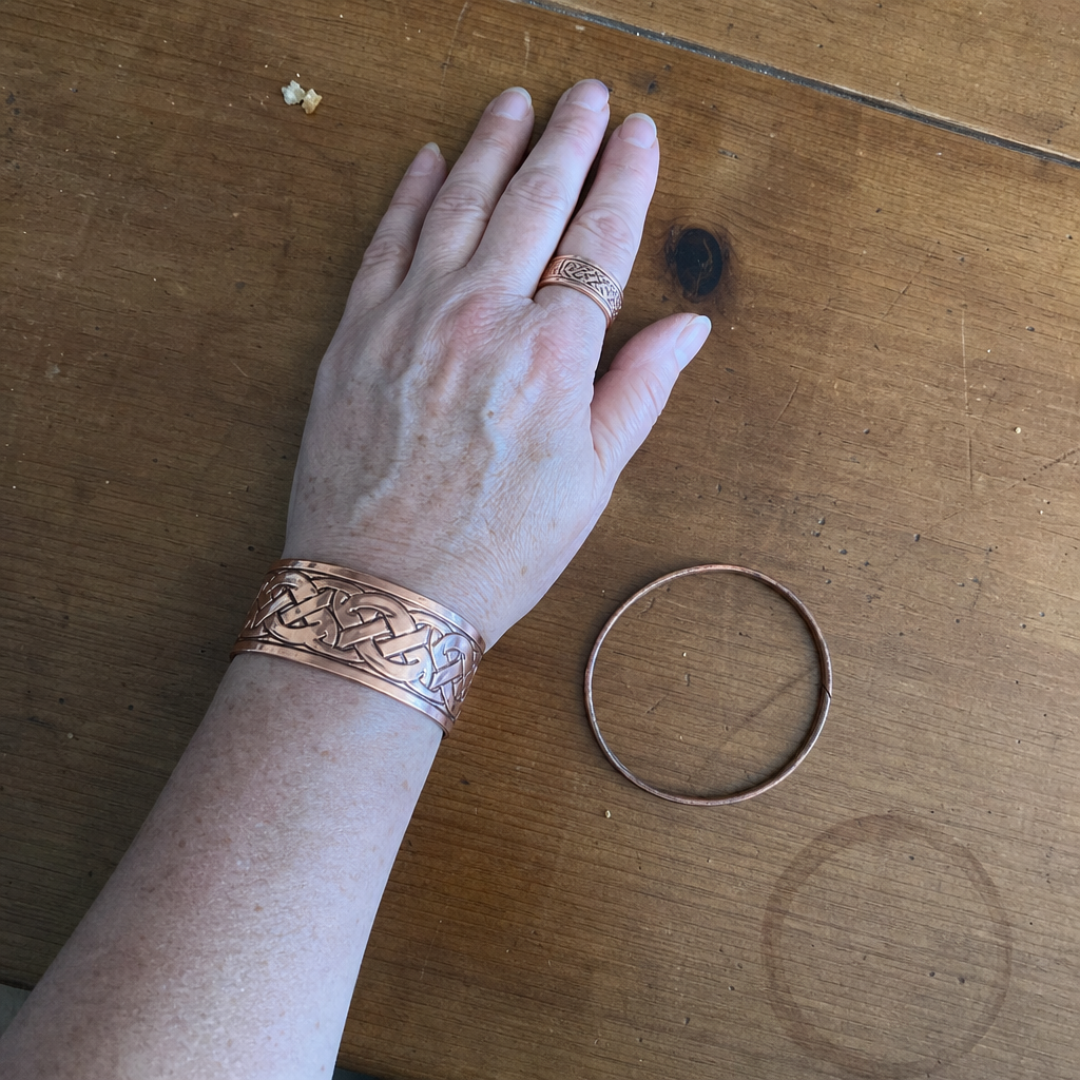
I have grown a garden every single summer for forty-one years. Two summers ago, my own doctor sat me down and told me to give it up. I didn't listen to him — and thank God I didn't. I'm sixty-nine years old. My garden is not a hobby to me. It is who I am. Half an acre out back — tomatoes staked in rows, beans climbing the fence, dahlias the size of dinner plates, and the roses my late husband planted the first year we were married. Then my hands and my knees started to quit on me, and they nearly took the whole thing away. The grip went first. I couldn't hold the pruners long enough to finish a single row. My fingers would cramp shut around the handles and I'd have to pry them open. Then the knees — kneeling to weed meant ten full minutes of agony just to get myself back up off the ground, one hand on the fence, the other on the wheelbarrow. By the July of that year, the weeds had simply won. I sat on my back porch and looked out at my garden going wild, and I felt something inside me give up right along with it. I told myself it was just what happens. You get old, the body wears out, you sit on the porch. That's the story everybody tells you. I tried the things you try. The glucosamine. The turmeric capsules my daughter swore by. The arthritis cream that smelled the whole house up and did nothing. A pair of compression gloves. Ice packs on my knees at night. Pills that upset my stomach so badly I stopped after a month. Then I went to my doctor, and he took an x-ray and said the words I'd been dreading: "Osteoarthritis. Both hands, both knees. Fairly advanced." He offered me two things. Stronger pills, or, eventually, surgery to replace the knees. And then he said, kindly, "Maybe it's time to think about raised beds. Or letting the garden go and finding something gentler." I drove home furious. Not at him — at my own body, for betraying me out of the one thing that had always been mine. And somewhere on that drive, I remembered my grandfather. He was a farmer his whole life. He worked with his hands in the dirt until he was ninety-one years old, and he wore a plain copper band on his wrist every single day of it. I asked him about it once, when I was a girl. He winked at me and said, "Keeps the rust out of the hinges, sweetheart." I thought he was teasing me. That night, for the first time, I looked it up. And I could not believe what had been hidden from us. Copper has been used for aching joints and stiff hands for five thousand years. The Egyptians pressed it to the body. The Roman soldiers wore it because they marched all day in armor and could not afford their hands and knees to fail. The healers of India prescribed it to people exactly my age, for exactly my troubles. Civilizations that never met, separated by whole oceans, all reaching for the same metal. All of them noticing the same thing. Then in the 1800s, doctors finally put it to the test. They ran real experiments and published in real medical journals that copper worn against the skin eased inflammation and loosened stiff joints. By 1900 it was ordinary — family doctors recommended it, and folks handed it down through the family. And then it got buried. Not because it stopped working, but because nobody can patent a metal, and there is no profit in something you buy once and wear for the rest of your life. Pills can be sold again every month, forever. So copper was quietly relabeled "folk medicine" and pushed out of the textbooks inside of a single generation. But the hospitals never stopped trusting it. To this day they line their door handles and bed rails with copper, because even the CDC confirmed it kills 99.9% of bacteria on contact. They just never bothered to tell the rest of us we could wear it on our own wrists. My grandfather wasn't teasing me after all. He was doing exactly what those Roman soldiers did. He just never had the fancy words for it. The more I read, the more the picture filled in. Those Roman soldiers didn't wear copper for luck — their commanders issued it, because a legionnaire marched twenty miles a day under a pack and armor, and a man whose hands and knees gave out was a man they lost. The healers of India had a name for exactly what was happening to me. They called it "the wasting," and they tied copper on the wrists of people my age to hold it off. And a British doctor wrote it plainly in 1918: copper had done more for the arthritis in his hospital than any medicine he possessed. What sold me on the how of it was the inner wrist. The skin there is thinner than almost anywhere on the body, so copper worn against it is taken in slow and steady, hour after hour, day and night — the way you water a garden deep and slow instead of a quick splash that runs right off the top. I thought about my grandfather's hands. Ninety-one years old, cracked and brown from the dirt, and still strong enough to snap a bean or heft a bushel basket. I'd always chalked it up to a hard life keeping a man hard. Now I wonder whether the answer had been sitting on his wrist the whole time, out in plain sight, while the rest of us went looking for it in a pharmacy. The science today explains it plain. Pure copper against your skin releases trace ions your body pulls in through the skin — the very mineral your joints run on, and the one your body absorbs less and less of after fifty. We stopped drinking from copper, cooking in copper, wearing copper. We cut ourselves off from it. And our joints have been paying the bill ever since. So I ordered one. I figured a farmer's granddaughter had no business being too proud to try what her own grandfather swore by until he was ninety-one. The first week, all I noticed was that I was sleeping better. That was all. By the second week, the morning stiffness in my hands eased up enough that I could hold my coffee cup in one hand again. By the third week, I went out and pruned an entire row of roses, and I only stopped because the daylight ran out — not because my hands did. By the end of that first month, I was back down on my knees in the dirt where I belong, and getting up afterward without having to narrate every single joint on the way. This past spring, my garden was the best it has been in five years. My neighbor leaned over the fence and asked me flat out what on earth I'd changed. Now — before you buy one — a warning I wish to God someone had given me. Almost every copper bracelet sold today is cheap brass under a thin coat of copper that rubs right off. It does nothing, and the woman who bought it decides the whole thing is nonsense. It isn't nonsense. She simply never had real copper against her skin. Here is the test. Hold a magnet to it. Real copper will not pull toward a magnet. Brass jumps straight to it. The real ones I found are made by a mother and daughter, Mae and Rose, who hammer each piece by hand from 99.9% pure copper — the same honest metal my grandfather wore into the ground. They're closing their workshop for good now, and releasing the last of their collection at up to eighty percent off. Once the last one is gone, there won't be more of them. If your hands or your knees are trying to take away the one thing that makes you feel like yourself, please don't hand it over without a fight. Not before you've tried this. Their site is below, with thirty days to try it and send it right back if nothing changes. Go and see. 👇 https://maeroseboutique.com/pages/10reasonswhycopper
Where the ad sends people
maeroseboutique.com
My doctor told me to give up my garden ☝️
Mae & Rose Jewels
Learn more: maeroseboutique.com(opens in a new tab)