
Inactive· since Apr 4, 2026
- 49
- days it ran
- 1
- relaunches
Ad copy
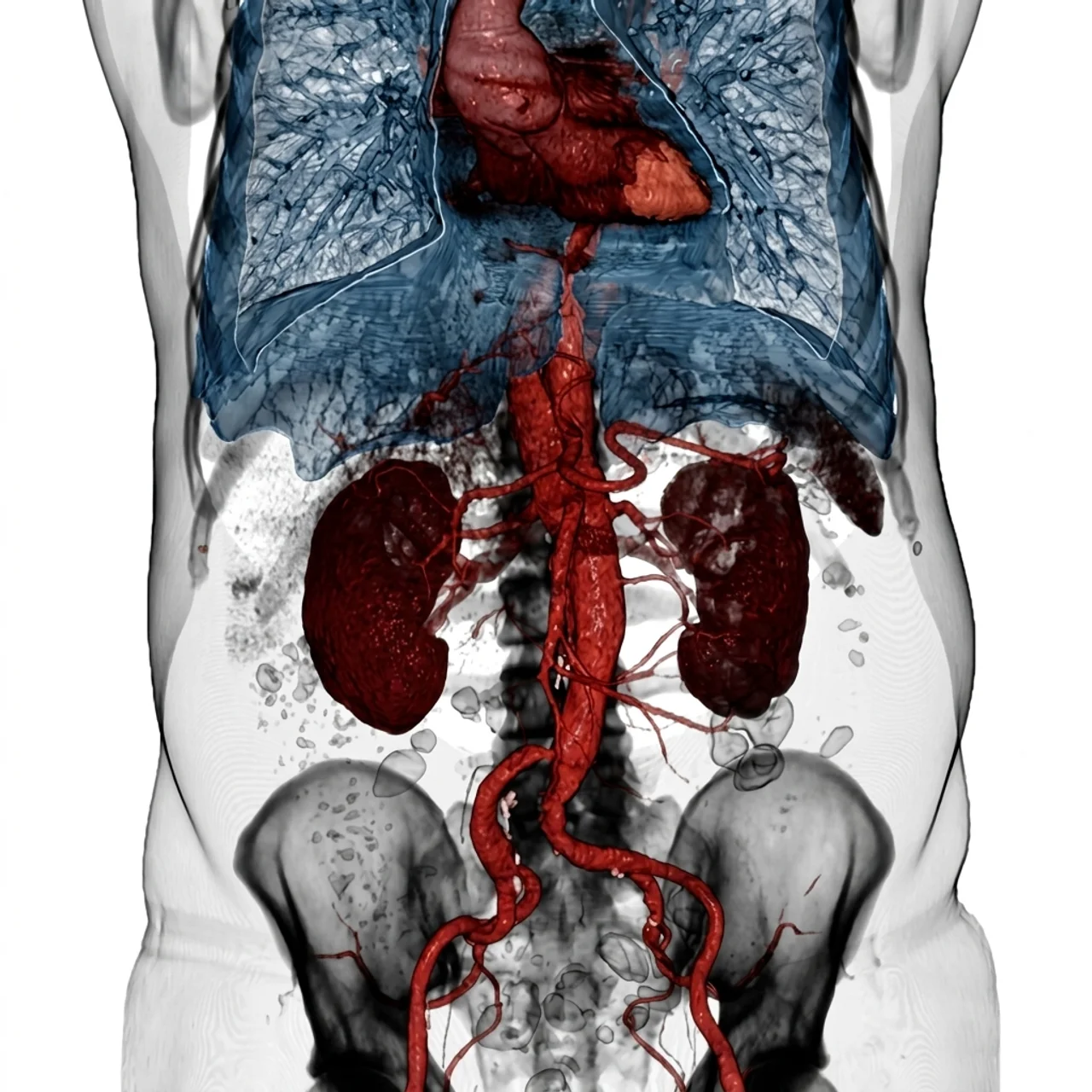
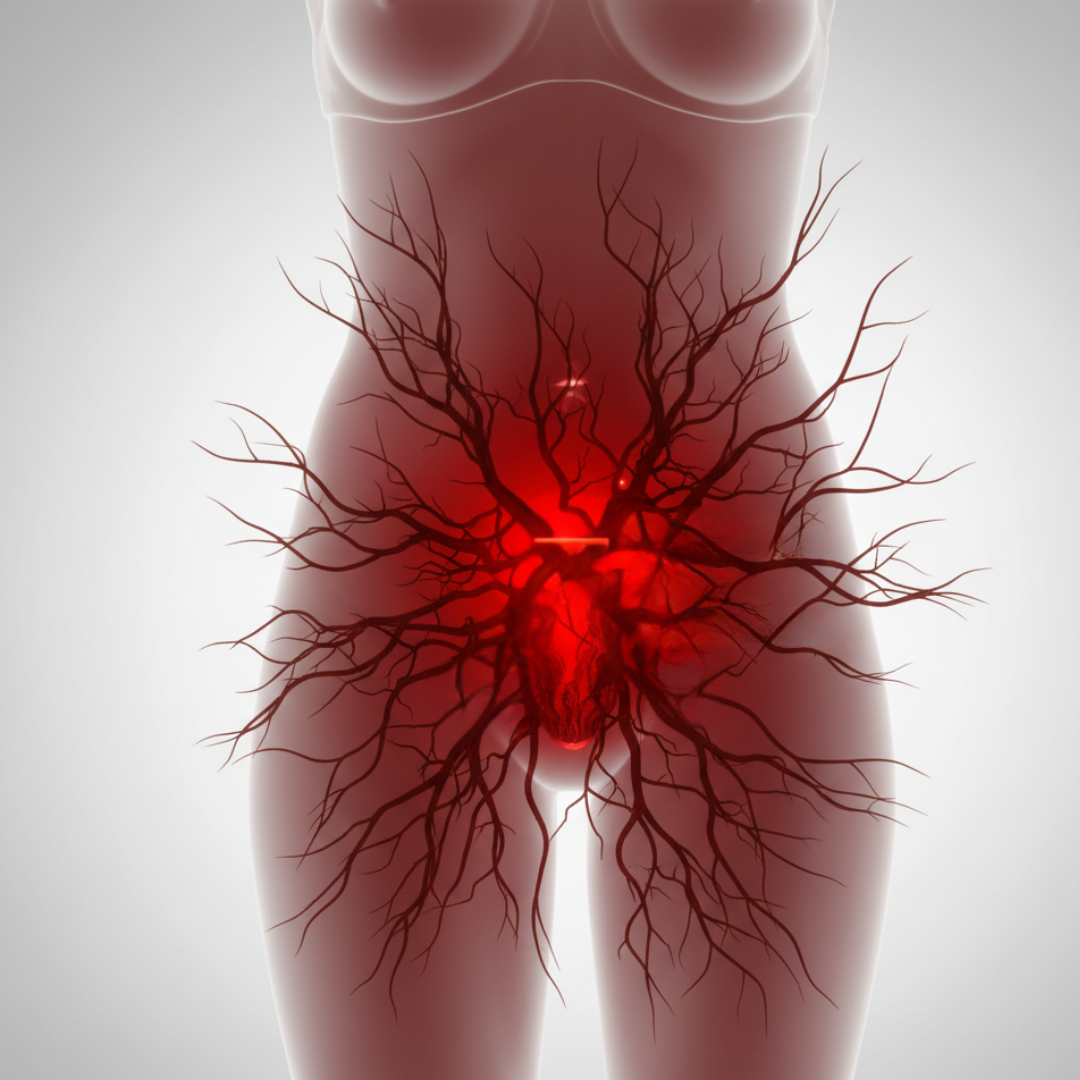
In a study of 6,814 adults with no prior cardiovascular disease, flow-mediated dilation — a direct measurement of how well the inner lining of arteries responds to increased blood flow — predicted future cardiac events independently of every traditional risk factor including cholesterol, blood pressure, smoking, and family history. (Yeboah J et al., JAMA, 2009) It is not routinely measured in clinical practice. It is not on any standard blood panel. Most men reading this have never had it tested. Let me explain what endothelial function actually means. Because this is the word your doctor has never said to you, and it is the most important word in this entire conversation. Your arteries are not simple tubes. They are lined by a single layer of cells called the endothelium. That layer is one cell thick. It is the most metabolically active tissue in the human body. And its primary job is to produce a compound called nitric oxide — the signal that tells your arterial walls to relax, open, and allow blood to flow freely to every organ in your body. When your endothelium is healthy, nitric oxide production is consistent. Blood pressure stays in range naturally. Blood flows freely to the heart, the brain, the legs, the penis. Energy is stable. Cognition is sharp. Er*ctions are reliable. When your endothelium is damaged — by years of high blood pressure, high blood sugar, high cholesterol, chronic inflammation, or simply age — nitric oxide production drops. Your arteries stiffen. Blood pressure rises. Blood flow to peripheral organs decreases. Your heart works harder. Your brain gets less oxygen. Your er*ctions weaken. Every medication you have been prescribed is managing the consequences of declining endothelial function. Not one of them restores it. That is the gap. And it took me 23 years of reading cardiac imaging to fully understand why it matters as much as it does. I'm Dr. Mike Harris, a cardiologist specialising in preventive cardiology and endothelial dysfunction. And I need to tell you about the canary. Coal miners used to carry canaries into the mine. Not as pets. As a warning system. When the canary died, there was toxic gas in the tunnel. The miners couldn't see it, couldn't smell it. But the canary felt it first — because it was the most sensitive creature in the room. Your er*ctions are the canary. Your penile arteries are 1 to 2 millimetres wide. Your coronary arteries are 3 to 4 millimetres. When endothelial function starts declining system-wide, it shows up in the smallest vessels first — years before your heart feels a thing. Researchers have called ED "the earliest clinical manifestation of systemic vascular disease" [Princeton Consensus Panel, 2003]. ED doesn't appear after heart disease. It appears before it. The canary dies in the bedroom before the gas ever reaches the heart. Most of the men I see are 58 to 68 years old. They've been on medication for 8, 10, sometimes 15 years. Blood pressure controlled. Cholesterol managed. Numbers within range. Some are also managing blood sugar — metformin, insulin, or sitting in that grey zone where the doctor says "watch it." They're compliant patients. And they're still getting worse. Still exhausted in a way that sleep doesn't fix. Still watching their er*ctions quietly fade a little more each year. Still noticing that words don't come as fast as they used to. That the mental sharpness that used to be automatic now requires effort. That their hands and feet are cold when they shouldn't be. They think these are separate problems. They aren't. They are the same failing endothelial function expressing itself at different points in the body. The er*ctions. The fatigue. The brain fog. The cold extremities. The breathlessness on the stairs. Every single one of them is downstream of the same damaged blood vessels — vessels that have slowly stopped producing the nitric oxide they need to function. Because managing a number on a chart is not the same as fixing the endothelial function that feeds every organ in your body. Controlling a reading is not the same as healing a vessel. And nobody in mainstream medicine has time to explain the difference. I know this because at 62, I was that man. My numbers were managed. I was doing everything right. But I was exhausted in a way that rest didn't touch. Morning er*ctions — gone for almost a year. Words occasionally escaping me mid-sentence in ways I covered for but noticed. Cold hands I blamed on the office temperature. And when my wife looked at me, I saw the shift I'd been dreading. Not desire. Pity. The move from wanting me to being patient with me. I saw it happen in real time and couldn't stop it. My colleague told me what he tells every patient. Standard protocol. Sildenafil 50mg. Take it an hour before. Should work fine. I know it would work. That wasn't the point. I ordered my own cardiac imaging immediately. Because I know what these symptoms actually mean. My calcium score came back at 340. That is not a borderline number. That is established arterial disease. Significant plaque burden across the coronary arteries. The kind of number I had read on other men's scans for two decades. Now it was mine. And if you're also managing blood sugar — whether that's metformin, a statin on top of a blood pressure pill, or a prediabetic number your doctor is watching — the damage compounds faster. Your smallest vessels are failing under two pressures at once. High blood sugar is one of the most aggressive destroyers of the endothelium there is. It doesn't just slow nitric oxide production down. It actively degrades the cells responsible for producing it year by year. Every medication I was on was managing the downstream symptoms of what I was seeing on that scan — not the cause. There's something I want to address directly, because most men in this situation eventually end up here. Sildenafil and Viag*a work. I am not disputing that. They are well-studied medications that do exactly what they are designed to do — temporarily increase blood flow to the penis by slowing the breakdown of nitric oxide. For many men they are an appropriate short term solution and there is no shame in using them. But here is what they cannot do. They cannot produce nitric oxide. They can only preserve what your body is still making. And as your endothelial function continues to decline — which it will, without addressing the underlying damage — there is progressively less nitric oxide left to preserve. That is why most men find sildenafil becomes less reliable over time. It is not the drug losing potency. It is the endothelial function it depends on continuing to deteriorate underneath it. Sildenafil is working with a declining resource. Capsaicin restores the production of that resource. That is not a small distinction. That is the difference between a drug that compensates for failing endothelial function and a compound that starts to repair it. Used together, or used as a transition, the logic is straightforward — the better your endothelial function becomes, the less you need to compensate for it. I wasn't looking to silence the warning. I was looking for the thing that addressed what was causing it. So I kept looking. October 8th. 11:47 PM. Reviewing cardiology journals after a late shift, I found a study on capsaicin and nitric oxide release in endothelial cells [Yang et al., European Journal of Pharmacology, 2010]. Capsaicin — the active compound in cayenne pepper — activates TRPV1 receptors, which trigger sustained nitric oxide production. Nitric oxide is the compound that signals your blood vessels to relax and widen so blood can flow freely. It's the same mechanism Viag*a relies on. But from the opposite direction. Sildenafil doesn't add nitric oxide to your system. It blocks the enzyme — PDE5 — that breaks it down, preserving the nitric oxide your body still makes. That's why it becomes less reliable over time. Your natural production keeps declining and there is progressively less left to preserve. Capsaicin activates the upstream receptor that tells your endothelial cells to manufacture more nitric oxide in the first place. Not preserve what's left. Produce more. And then I read this line: "Sustained capsaicin exposure reversed early atherosclerotic changes and improved endothelial function in 67% of subjects over 90 days" [Hao et al., Atherosclerosis, 2017]. Not masked. Reversed. I ordered pharmaceutical-grade capsaicin softgels at 12:03 AM. Three days in, I woke up with morning wood. First time in eleven months. Six days in, spontaneous response while kissing my wife. Full strength. She pulled back and looked at me. "Mike. What's different?" I hadn't told her I was taking anything. I wanted the physiology to prove itself first. "Whatever you're doing, keep doing it." That look. The real one. Not patience. Desire. I hadn't realised how much I'd missed it until it came back. Eight weeks in, I ran follow-up cardiac imaging. Coronary calcium score reduced from 340 to 224. A 34% reduction in eight weeks. My colleague Dr. Morrison stared at the comparison scans for a full minute. "Mike, what did you do? Plaque doesn't reverse this fast." I walked him through the TRPV1 mechanism. He studied the images again and said quietly: "I need to start asking my ED patients about their endothelial function." My ED wasn't resolving because a pill was covering the symptom. My endothelial function was actually recovering. The fatigue started lifting around week five. The brain fog — the one I'd been quietly covering for at work — started clearing by week seven. My hands stopped being cold. I was taking the stairs without thinking about it. These weren't separate problems getting better one by one. It was one system. Finally healing. I want to be clear about something before I go further. I am not suggesting you stop your medication. I am not positioning capsaicin as a replacement for prescribed treatment. What I am saying — as a cardiologist who has spent 23 years reading the imaging that tells the real story underneath the numbers — is that your medication is not doing the one thing that would actually turn this around. It is not restoring endothelial function. It is not rebuilding nitric oxide production. It is not reversing the arterial damage that is showing up in your er*ctions, your energy, your cognitive sharpness, and your heart. Capsaicin does. Research confirms that ED precedes coronary artery disease by an average of 3 to 5 years in most men [Montorsi et al., European Urology, 2006]. Your body has been warning you for years. Every prescription you've been handed has been treating the measurement, not the problem. Your exhaustion, your cold hands and feet, your breathlessness on the stairs, the mental sharpness that used to be automatic, your weakening er*ctions — these aren't separate problems. They're the same failing endothelial function at different points in your body. Men with ED have up to a 50-fold higher incidence of cardiovascular events than men without it. ED is a more potent predictor of a future cardiac event than smoking [Thompson et al., Journal of the American College of Cardiology, 2005]. You have two choices. Keep compensating for a system that is quietly deteriorating. Or start repairing it. The product I used is called Aurivita Capsaicin Power. 3mg capsaicin per serving, 60 servings per bag, formulated specifically to activate TRPV1 receptors for sustained nitric oxide production — combined with hawthorn, berberine, ginseng and beet root to support circulation system-wide. Third party lab tested in the US. Made in an FDA registered facility. If you're on blood pressure medication, statins, or managing your blood sugar, and your erectile function is declining — try this for 8 to 12 weeks. Aurivita offers a 120-day money-back guarantee. You can always go back to your current approach if nothing changes. But the canary has been trying to tell you something for years. It's time to listen. — Dr. Mike Harris, MD, FACC Cardiologist, 23 years board certified in Cardiovascular Disease
They Call It "The Canary In Your Bedroom"
Revive your circulation today with our powerful cayenne pepper and beetroot extract formula.
LEARN MORELike this ad? Make it yours.
Crush rebuilds this exact creative around your product — your brand, your colors, your offer — in about a minute.