
Active· since May 24, 2026
- 110
- days running
- 0
- relaunches
Ad copy
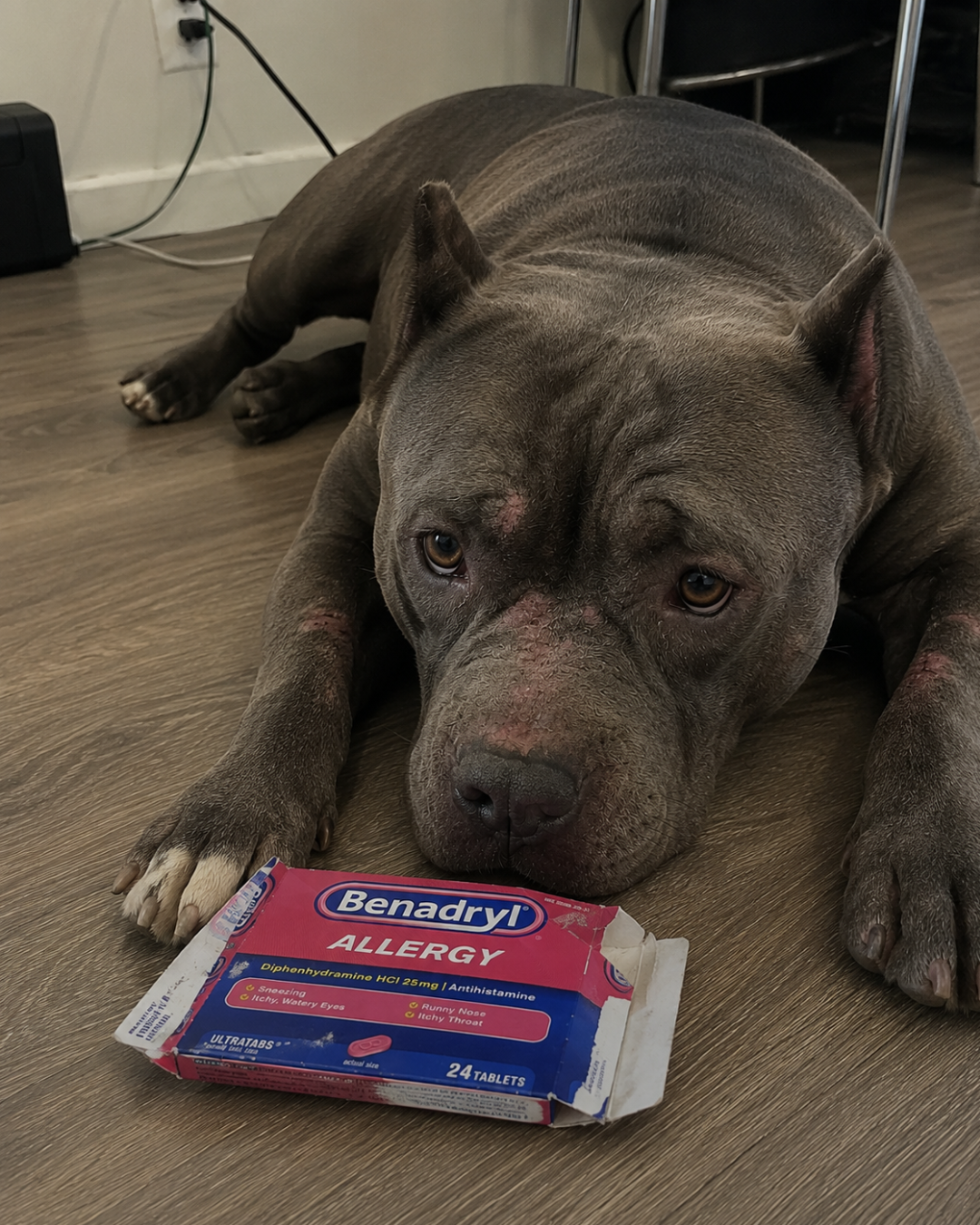
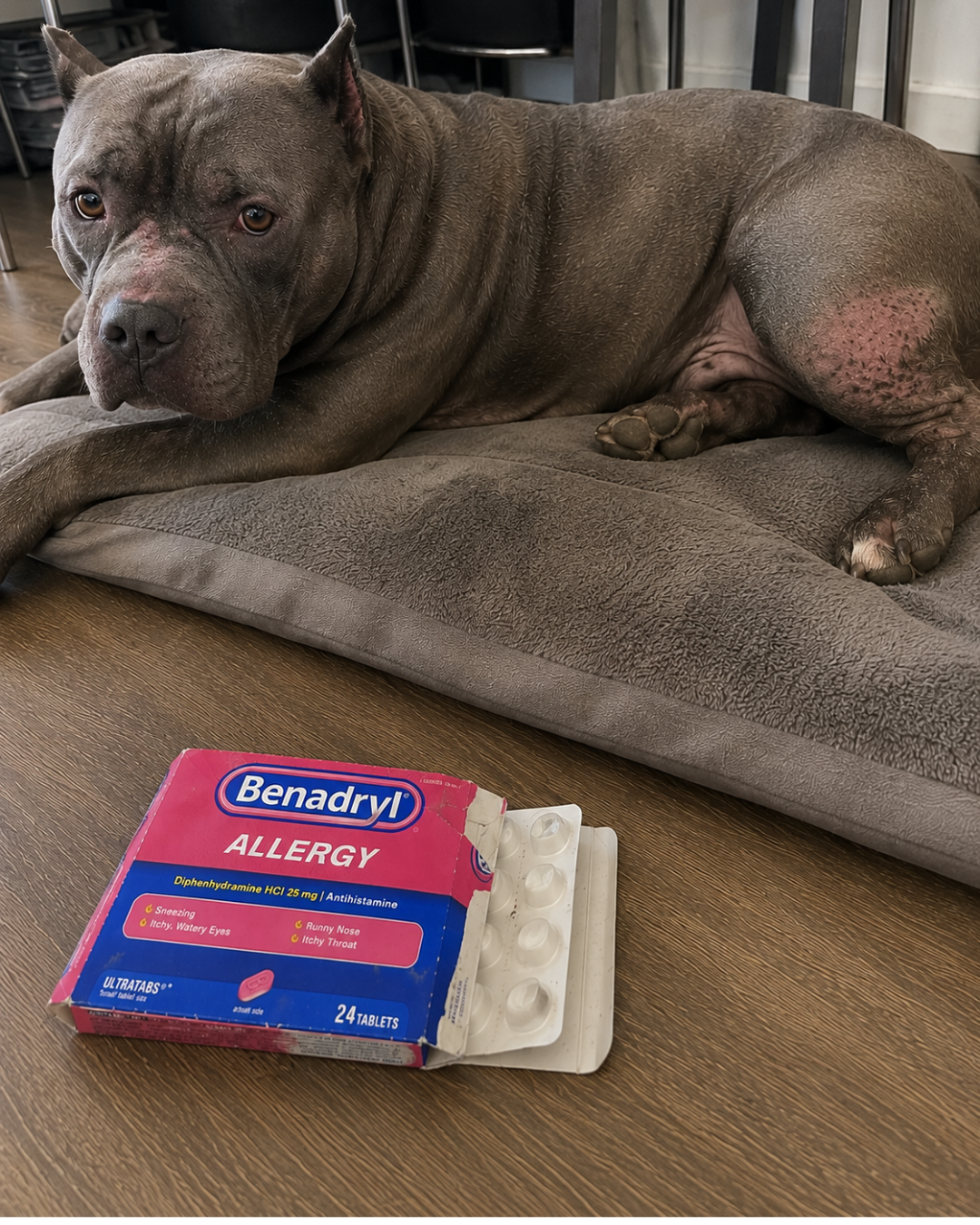
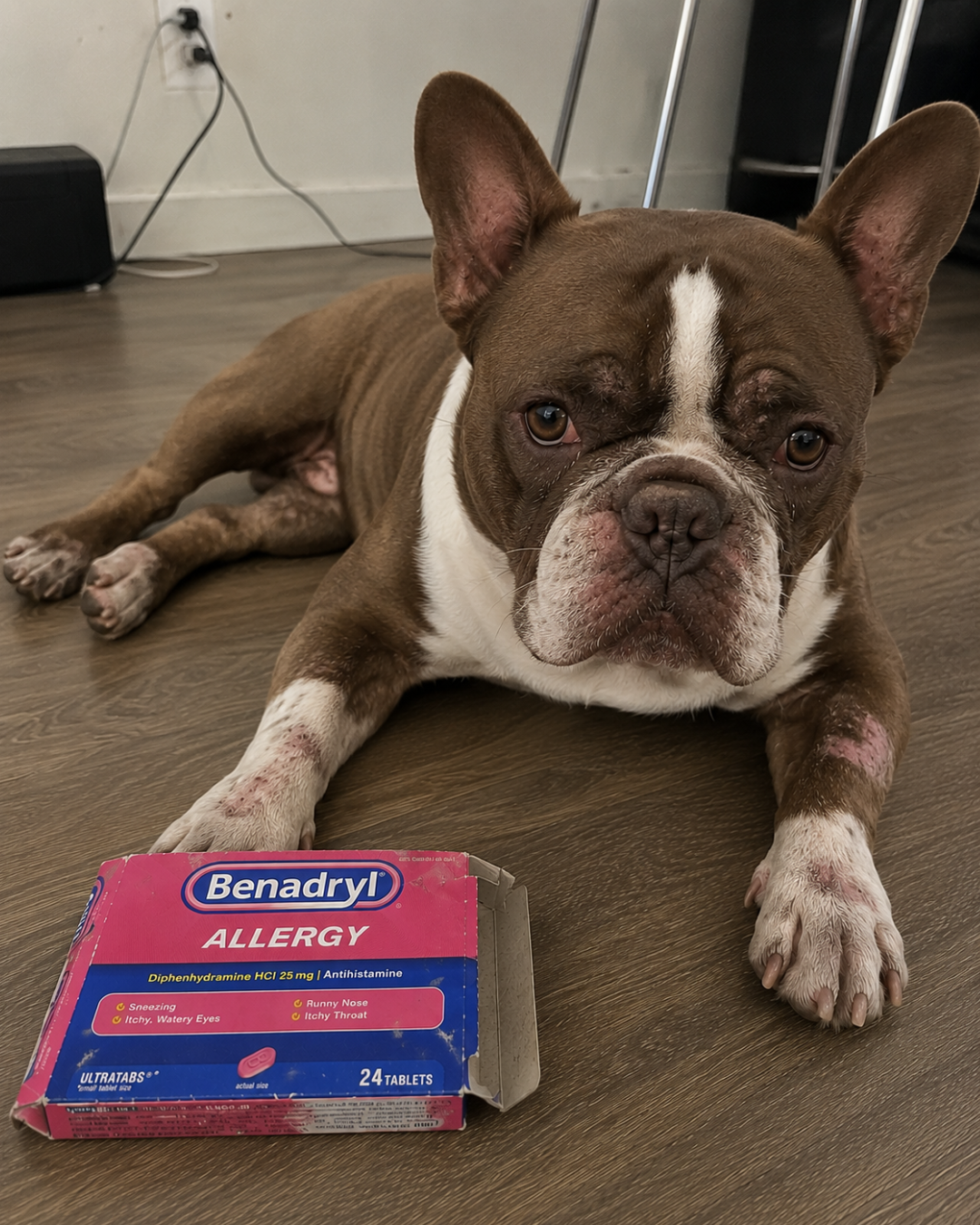
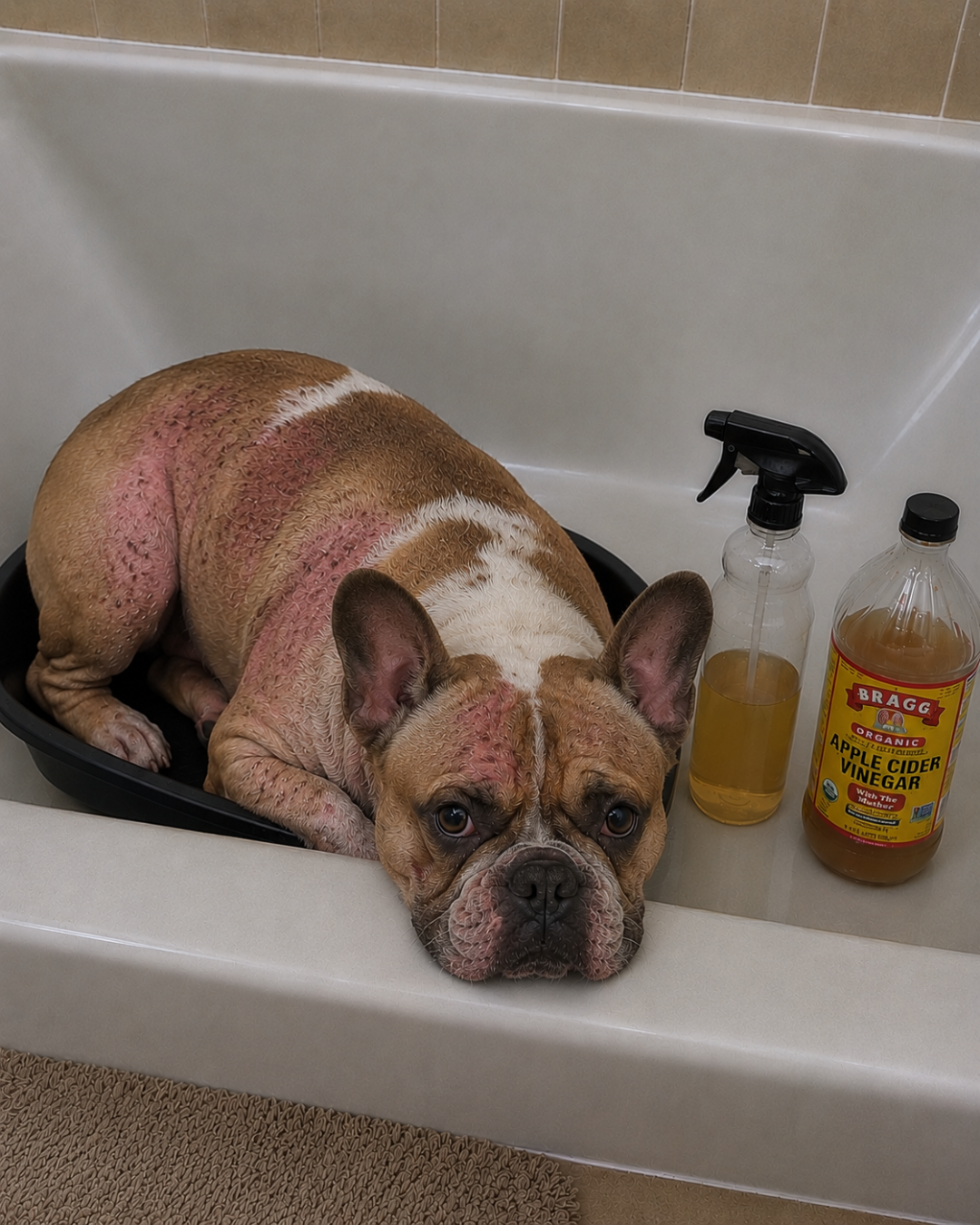
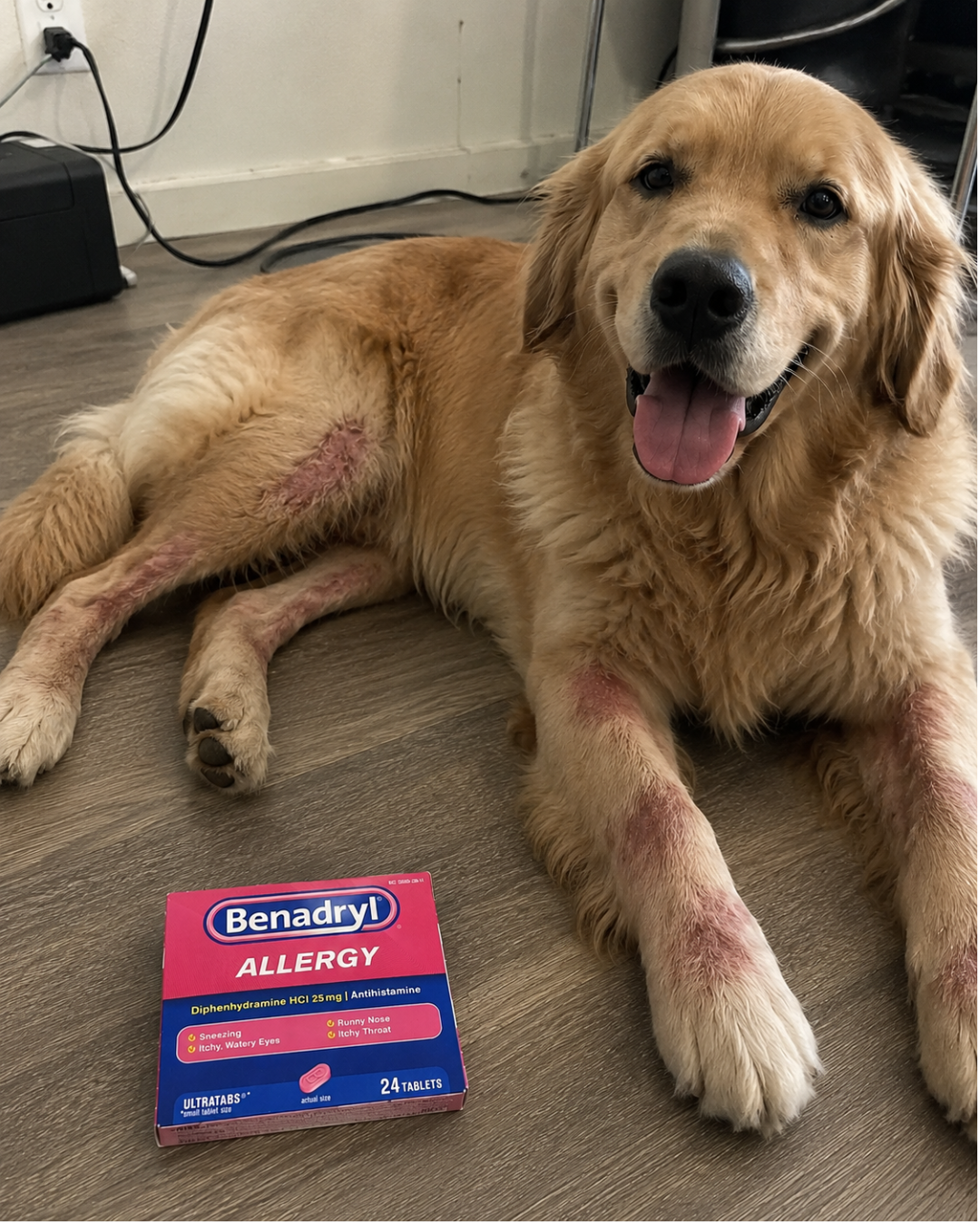
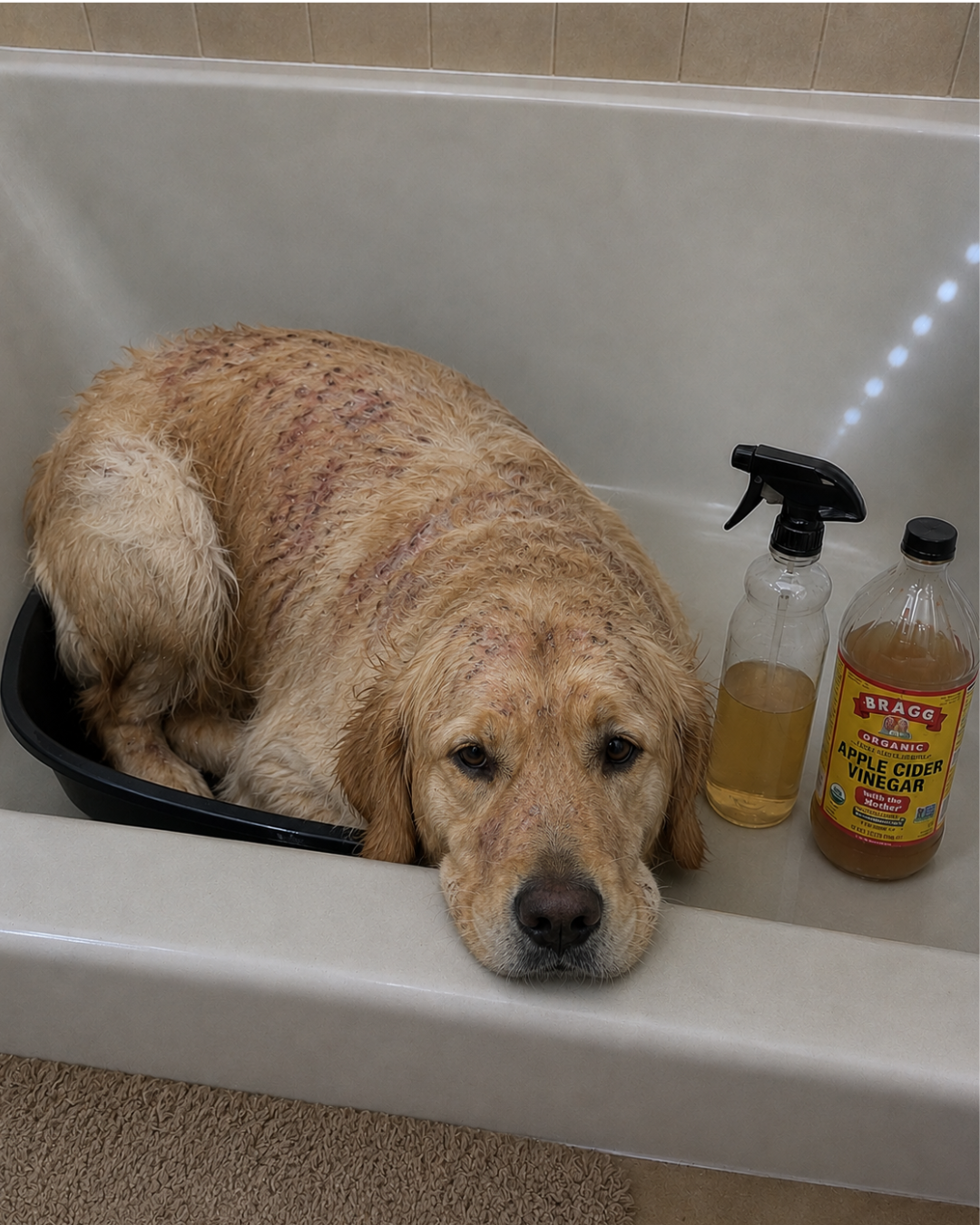
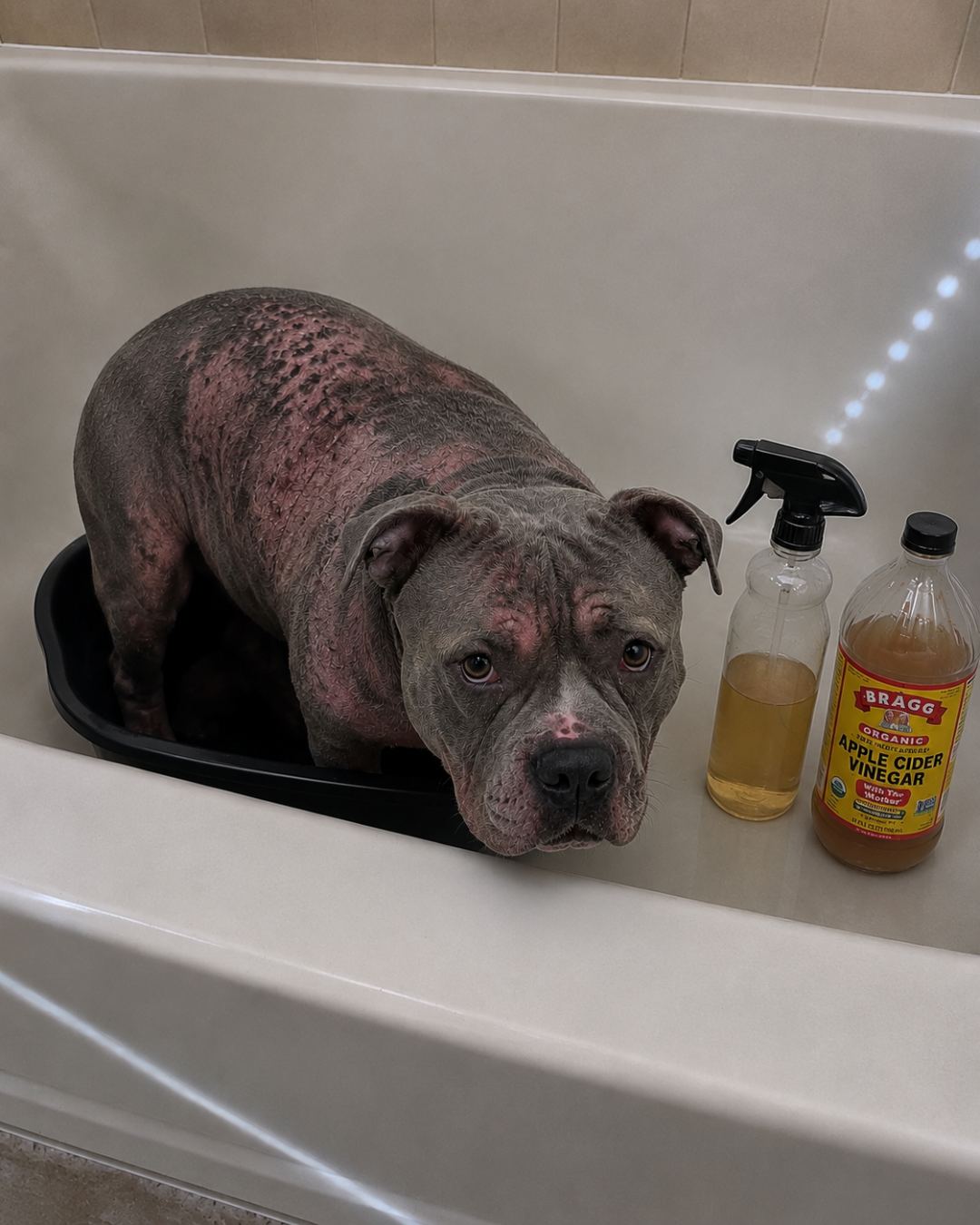
I am going to say something that nobody who has a dog with allergies wants to hear and I genuinely don't care if it upsets you. That scratching your dog does every single night is not just allergies. Not something you manage with medication forever. Not a refill situation. Not something that gets better the longer you stay on Apoquel. NONE OF THOSE ANSWERS ARE CORRECT. I know because I heard all three of them. Three vets. Three years. Medication after medication that worked for a few weeks and then stopped. And while I kept refilling those prescriptions — Daisy's skin barrier was quietly falling apart underneath every single one of them. I'm done being polite about this. If your dog has been scratching for more than a year and your vet keeps telling you it's manageable, you are watching something break down that you don't know is breaking down. Read this entire post. Every word. Because the answer is in here and it has been sitting in your dog's supplement cabinet the whole time. My name is Julie Lyons. I live in Charlotte with my husband Ryan and our dog Daisy. And until about seven months ago, I had no idea what was actually happening inside her skin. It started small. Just some ear scratching. A little redness on her belly after walks in the backyard. Nothing that felt urgent. She'd been doing it for maybe a week when I mentioned it at her annual checkup and the vet said let's keep an eye on it. So I kept an eye on it. For about three weeks. Then both ears. Then the belly every morning, not just after walks. Then the paws — that wet licking sound at 1 AM that you hear once and then start listening for every single night after that. I took her back. "Atopic dermatitis. Very common in Goldendoodles. Let's try Apoquel and see how she does." $120 a month. And for about four months, it was genuinely great. Daisy slept through the night. Her ears cleared up. The licking stopped. I remember texting Ryan at work "I think we finally figured it out." Then it came back. Not all at once. Just slowly. A little scratching after her evening walk. The ear smell starting again every few days. Then the collar jingling at 1 AM again. Faintly at first. Then every single night. I called the vet. "Let's bump the dose." We bumped it. Six weeks of relief. Then right back. "Let's add Cytopoint." $180 every four weeks on top of the Apoquel. Then prescription food, because maybe it was dietary too. Then a different prescription food when the first one didn't do enough. $390 a month. Daisy was still scratching. I tried everything people in my dog groups told me to try. Grain-free food. Then grain-in when someone said grain-free was actually worse. Then salmon, venison, duck — I cycled through four different proteins trying to find the trigger. Nothing changed. Fish oil every single day for nine months. Probiotic chews. Medicated shampoos twice a week. An oatmeal rinse after every walk for two months straight. I stopped adding up what I spent because the number made me feel sick. And Daisy kept getting worse. Her coat went thin and dull. The skin on her belly darkened — my vet called it hyperpigmentation, which is a medical word for "chronic inflammation has permanently changed her skin color." Her ears were infected more months than they were clear. Hot spots would open, I'd treat them, they'd come back a few weeks later somewhere slightly different. She stopped wanting to go on long walks. Stopped bringing me her rope toy. She'd just find the coolest spot on the kitchen tile and lie there and scratch. Like it was her full-time job now. Her eyes looked different. Not sick exactly. Just tired. Like she'd accepted that this was her life and she'd stopped expecting it to change. That look is what got me. I sat on the floor next to her one night and held her while she dug at her ear against my arm. And I thought: I am watching her disappear and I can't stop it. One night I couldn't sleep. Daisy was scratching in the other room. I could hear the collar jingling through the wall. One session. Then quiet. Then it started again. Over and over. All night. So I did what every dog mom does at 2 AM when she's scared and exhausted. I grabbed my phone and started searching. "Why does Apoquel stop working." Ended up in a dog health group on Reddit where people were posting the exact same thing. Same breeds. Same timeline. Same medications. Same useless pattern of temporary relief then back to square one. That's when I saw it. This one post stopped me cold. "If your dog's allergies keep getting worse on Apoquel and Cytopoint — the medications aren't failing. The barrier underneath is failing. The medications were never designed to fix it. They were only ever designed to quiet the alarm while the real problem got worse." I read it three times. What barrier? Daisy's blood panels were all normal. Her immune panel came back fine. There's no way there was something structural going wrong that three vets had completely missed. I almost closed my phone. But something kept me there. I scrolled to the comments. And what I saw made my stomach drop. First comment: "I wish I had known this two years ago. My golden was on Apoquel for three years. Every year the dose went up. Every year she needed the Cytopoint sooner. She developed a systemic infection at seven from a hot spot that wouldn't heal. We lost her in November. The vet said her immune system was too compromised from years of suppression to fight it." Next comment: "Same thing with my Lab. Scratching started at two and a half. We did everything right according to our vet. He's nine now and his belly skin is completely black. The vet says it's permanent. Nobody told me that was possible." Next one: "I had to rehome my dog because I couldn't afford the medication anymore and her quality of life was so bad. I still think about her every day. I didn't know there was something else to try." I scrolled and scrolled. Comment after comment. Dog after dog. All the same story. Scratching that the vet called manageable. Months or years of medication that kept needing to be increased. Then a systemic infection. Or skin that permanently darkened. Or an immune system so compromised by years of suppression that it couldn't fight off something it should have handled easily. I sat there in the dark with Daisy jingling in the other room and I started shaking. This wasn't just allergies that needed better management. Something underneath was breaking down. And every medication I'd given her for three years had been quieting the alarm while the real problem got worse underneath. I kept reading until 4 AM. Post after post. Story after story. And one phrase kept showing up over and over in the threads where dogs had actually turned around: "Skin barrier collagen." Dogs that improved? Their owners had figured out the barrier was the problem and given the skin what it needed to rebuild. Dogs that didn't? Their owners had stayed on the medication cycle and watched the barrier deteriorate until something gave out. I put my phone down and looked toward the door where I could still hear Daisy scratching. I wasn't going to stay in that cycle. So I kept digging. I needed to understand what was actually happening inside her skin. Here's what I learned. The root problem isn't the scratching. It's not even the immune response. It's the barrier. Dogs have a protective wall inside their skin built from collagen — specifically types I, II, and III working together. When that wall is intact, allergens stay on the surface. Pollen lands on the skin and bounces off. Dust mites sit in the coat and go nowhere. The immune system never encounters them. There's no reaction. No scratching. Nothing. But here's what nobody tells you. Starting at around two years old, a dog's body begins producing less collagen than it breaks down. Every single year after that, the barrier loses a little more of the structural protein holding it together. The wall develops gaps. Microscopic at first. Widening every year. And through those gaps, allergens that used to stay on the surface start penetrating into the deeper skin layers where the immune system operates. The immune system does exactly what it was designed to do. It finds foreign particles inside living tissue and it attacks. That attack is the scratching. The digging at the belly with both back legs at 1 AM. The chewing at the paws until the fur between the toes goes rust-colored and raw. The hot spots that open and crust and open again in almost exactly the same place. The ear infections that clear with drops and come back three weeks later. The skin that darkens from months of inflammation that never fully resolves because the trigger never stops arriving. Read this part again because it's the part nobody ever explained to me. Your dog is not scratching because she has allergies that need to be managed forever. Your dog is scratching because her skin barrier has gaps in it — because the collagen that seals the barrier has been declining since she turned two — and allergens are getting through those gaps directly into the immune system every single day. The scratching is not the problem. The scratching is the warning. And here's what made me the most angry when I finally understood this. Apoquel blocks the immune response to what's getting through. That's all it does. It doesn't touch the barrier. The wall keeps breaking down underneath the medication every single month. More gaps form. More allergens flood through. The medication has to suppress a bigger and bigger response to keep the scratching quiet. That's why it works for a few months and fades. That's why the dose that managed it last year manages it less well this year. That's why Cytopoint intervals get shorter every time. The alarm is getting louder because the fire is getting bigger. And every medication I gave Daisy for three years was aimed at the alarm. Not one dollar of it was aimed at the fire. Now here's the part that made me want to throw my phone across the room. This is a structural problem. Which means the fix is structural. Which means you have to give the body the material the barrier is actually made of. Collagen. Types I, II, and III. All three together. Easy, right? Except here is what I did next and almost completely got wrong. I walked over to Daisy's cabinet and grabbed the collagen chews I'd been giving her every morning for four months. Cute little soft bites. She loved them. I felt good about giving them to her. Want to verify something right now? Walk over to wherever you keep your dog's supplements. Look at the label on whatever collagen product you're giving them. If it says chews. If it says soft bites. If it says powder. You are looking at The Collagen Drain. Not on a screen. Not in a study. In your own cabinet. Right now. Here's what The Collagen Drain actually is and why it's been running silently in the background of every collagen chew your dog has ever eaten. Commercial collagen chews are manufactured at high heat — between 150 and 200 degrees Celsius to get the texture and shelf stability that makes them possible to produce and sell at scale. Collagen peptides are fragile. They break down under heat. The same process that makes the chew soft and chewy and palatable and shelf-stable destroys the active ingredient inside it before the bag is ever sealed. Independent lab testing on commercial collagen chews consistently shows bioavailability — the amount of collagen that actually reaches the bloodstream — at 20 to 30 percent of what the label claims. Your dog eats the chew every morning. She gets 20 to 30 percent of the collagen on the label in a form her body can actually use. That amount is not enough to outpace the ongoing depletion. It is not going to close the gaps. I sat there staring at that bag of chews and I thought about four months of giving them to Daisy every morning and feeling like I was doing something real. The chew had not failed her. The manufacturing process had destroyed the collagen before it ever reached her. But it gets worse. Because even that 20 to 30 percent that survives the heat — it still has to fight through the digestive process to get absorbed. The molecules in most commercial collagen chews are too large to cross the intestinal lining efficiently. A lot of what's left after the heat just passes through without absorbing. She eats the chew. She doesn't absorb the collagen. Day after day. Month after month. While the gaps in her barrier kept widening. While I kept refilling Apoquel because the scratching kept coming back. While I kept thinking the problem was the medication not being strong enough. The medication wasn't the problem. The chew was not delivering what her barrier needed to close. So what do you actually do about it? You don't switch collagen chew brands. Every commercial chew has the same manufacturing problem. You don't add more chews. Same heat process. Same 20 to 30 percent. You don't rely on the food. No commercial dog food delivers enough absorbable collagen to outpace the depletion happening every year after age two. There's exactly one form that actually works. Cold-pressed liquid collagen. This was the thing that changed everything. Cold-pressed means no heat in the manufacturing process. The collagen peptides survive intact because nothing destroys them before the bottle is sealed. Hydrolyzed means the peptides are pre-broken into molecules small enough to absorb directly into the bloodstream through the digestive lining — not pass through it mostly intact and mostly unused. Bioavailability at 95 to 98 percent. I want you to hold that number next to the chew number for a second. A collagen chew at 20 to 30 percent bioavailability and a cold-pressed liquid at 95 to 98 percent are not the same thing in different packaging. From the same stated dose, one delivers somewhere around 25 milligrams of functional collagen to the skin barrier. The other delivers somewhere around 490 milligrams. One of those amounts can rebuild something. One of them cannot. So I went looking for a cold-pressed liquid collagen that had all three types — I, II, and III together, not just type I alone, because the barrier requires all three working in combination to actually repair the structure. Most products I found were not cold-pressed. Most used low-grade collagen sources with no third-party testing. Several had all three types on the label but in proportions that made no sense for actual barrier repair. One passed everything. Healthy Petz liquid collagen. Cold-pressed. Types I, II, and III. Hydrolyzed. Third-party tested every single batch. MSM, hyaluronic acid, and vitamin C — the cofactors the body actually uses to convert the collagen peptides into new barrier tissue instead of just passing them through. I looked it up that night and ordered it. But here's where I almost ruined the whole thing. While I waited for it to arrive, I kept giving Daisy the chews. Figured they were doing something. Figured partial was better than nothing. The scratching didn't change. The ears were getting worse. I almost convinced myself the whole barrier explanation was just another thing that sounded right and wouldn't actually work. Then the Healthy Petz arrived and I put the chews away and did the math on what they'd actually been delivering. 34 milligrams of functional collagen per day. For four months. While the gaps in her barrier kept getting wider. No wonder nothing had changed. I started the liquid the next morning. One pump on her food. She didn't notice. Ate her bowl and walked away like nothing was different. The first few days, the scratching was still there. I kept reminding myself — this is structural repair. You're not suppressing the alarm. You're rebuilding the wall. Walls don't go up in four days. By the end of week one, I noticed something. The nighttime scratching sessions were shorter. Instead of going on for ten, fifteen minutes at a stretch, she'd scratch for a couple of minutes and stop. Ryan noticed before I said anything out loud. By week two, the nights were better. Not quiet, but different. The sessions were shorter and further apart. I was actually sleeping in between them. By week three, I checked her ears every morning expecting the yellow discharge that had been building for months. Nothing. Clean. Dry. I checked again the next day. Clean again. I kept checking because I didn't trust it yet. Week four — she slept through the night. Completely. I woke up at 5 AM and the room was quiet. I lay there for a minute thinking I'd just slept through the scratching. Then I went downstairs and she was asleep on her bed, belly up, paws in the air. I stood there in the dark for a minute. Week six — the belly redness was gone. Not fading. Gone. Ryan lifted her ear and said it smelled like nothing. That sounds small. After three years of ear infections every few months, it was not small. Month two — her coat changed. Thicker. That kind of shine that comes from the inside. My groomer called me after her appointment to ask what I'd switched her to. Month three — no ear infections. No hot spots. No collar jingling at 1 AM. No scratching at the fence in the backyard every morning. No rust staining between her toes. I posted about it in a couple of the dog allergy groups I'd been in for years. Women doing the exact same cycle I'd been in — Apoquel fading, Cytopoint intervals getting shorter, food trials going nowhere, spending more every month for less. One woman told me she'd been tapering her dog off Apoquel at month three and the scratching hadn't come back. She said she cried when she realized she hadn't heard the collar in five nights straight. Another one said her vet couldn't explain why the skin looked better than it had before the Apoquel ever started. Another one — and this one really got me — said she'd lost a dog two years ago to a systemic infection from chronic skin disease and had no idea any of this existed. She started her younger dog on it immediately. Look. I can't promise this is going to work exactly the way it worked for Daisy. Every dog's barrier is at a different stage of depletion. Some have been on immune-suppressing medication for years, which may have accelerated the breakdown. Some are in the early stages like Daisy was. The timeline is different. What I can tell you is that for three years I aimed everything at the alarm. Every dollar, every food, every supplement, every medication — at the alarm. And the alarm kept getting louder every year. Because the wall was never touched. And what I can tell you is that 51,000 dog parents have seen what happens when you stop quieting the alarm and start rebuilding the wall instead. 141 out of 147 dogs improved. Start it alongside whatever your dog is already on. One pump on food. Don't stop any medications without your vet. Just let the wall start rebuilding underneath. Four to eight weeks. That's what it took. You'll hear it before you see it. The quiet at 1 AM when the collar stops jingling. That's the wall working. → shophealthypetz.com/products/liquidcollagen EDIT: A few people messaged saying they ordered Healthy Petz from Amazon and didn't see results. They don't sell on Amazon. Anything you find there is counterfeit — a different formula in packaging that looks similar enough to fool you. Their product is only available directly through their website. That's the only link I share and the only place I order from. P.S. The collagen chews I gave Daisy every morning for four months were delivering approximately 20 to 30 milligrams of functional collagen to her barrier per day after heat manufacturing destroyed the rest. That dose was not enough to outpace the depletion happening every year inside her skin. It was not a sign that collagen doesn't work. It was a sign that the collagen she was given was destroyed before it reached her. Cold-pressed liquid at 95 to 98 percent bioavailability is not the same thing in different packaging. Don't waste the months. Go direct: shophealthypetz.com/products/liquidcollagen P.P.S. The scratching isn't the disease. It's the alarm. The barrier doesn't rebuild once the damage is severe enough — and the medication that quiets the alarm may be accelerating the structural damage underneath it. Every dog owner in those threads who lost their dog to complications said the same thing: "I thought the medication was handling it. I didn't know something else was falling apart."
My Dog Scratched Every Night. I Had No Idea Why.
LEARN MORELike this ad? Make it yours.
Crush rebuilds this exact creative around your product — your brand, your colors, your offer — in about a minute.