
Inactive· since Jun 2, 2026
- 44
- days it ran
- 0
- relaunches
Ad copy
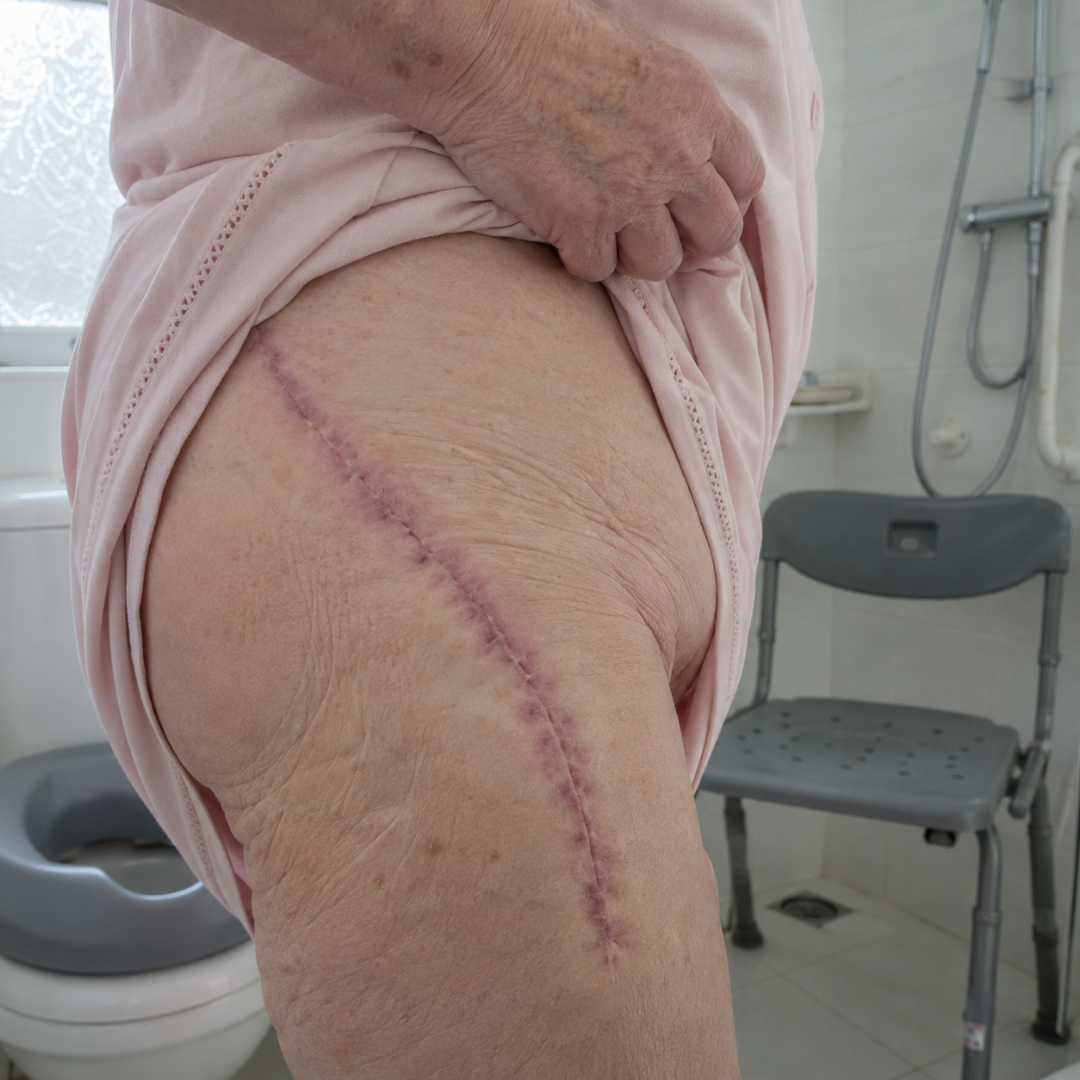
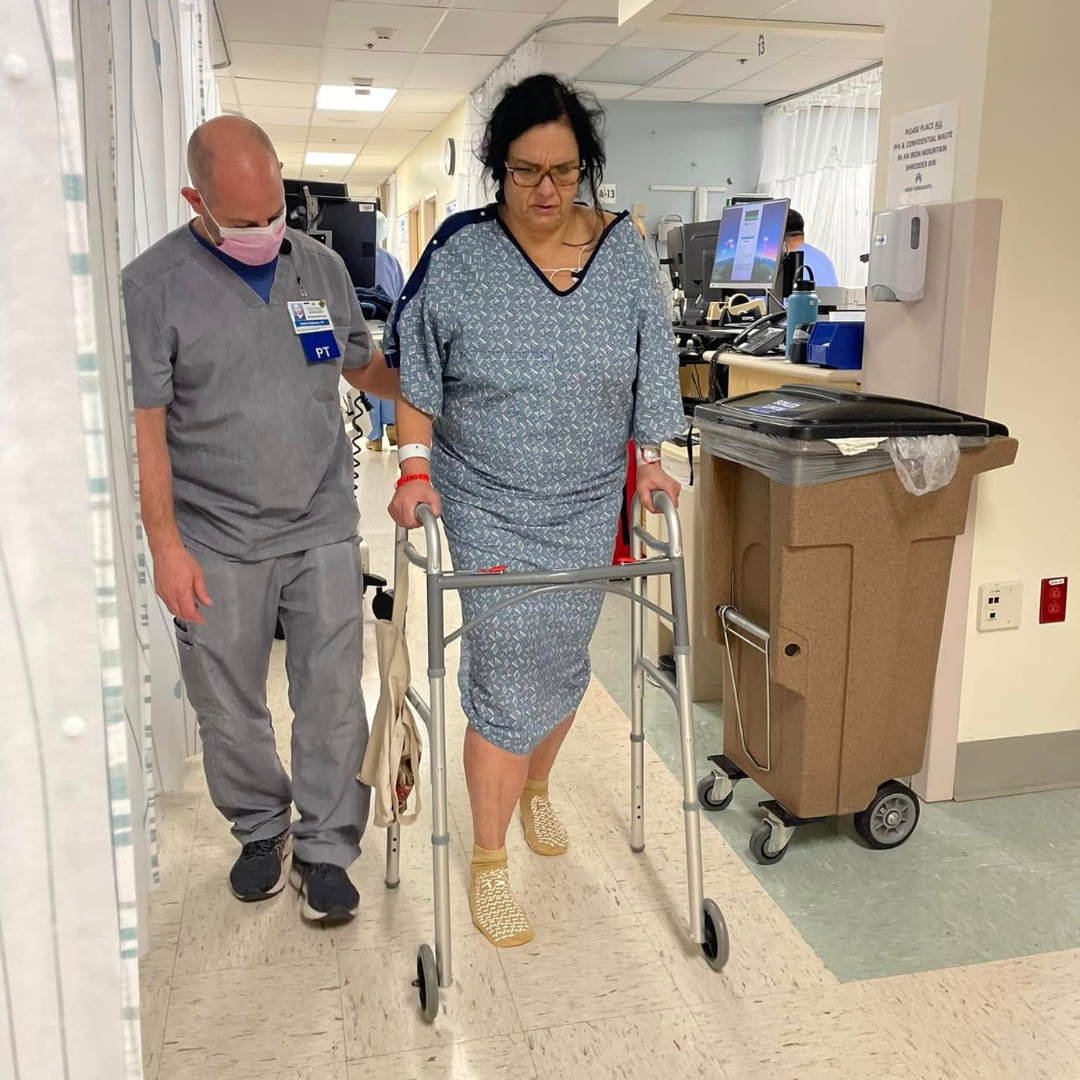
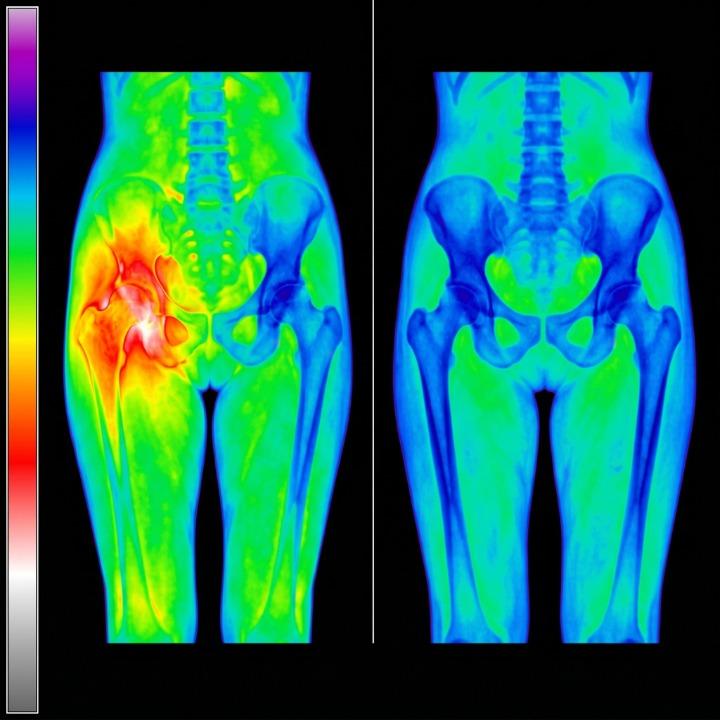
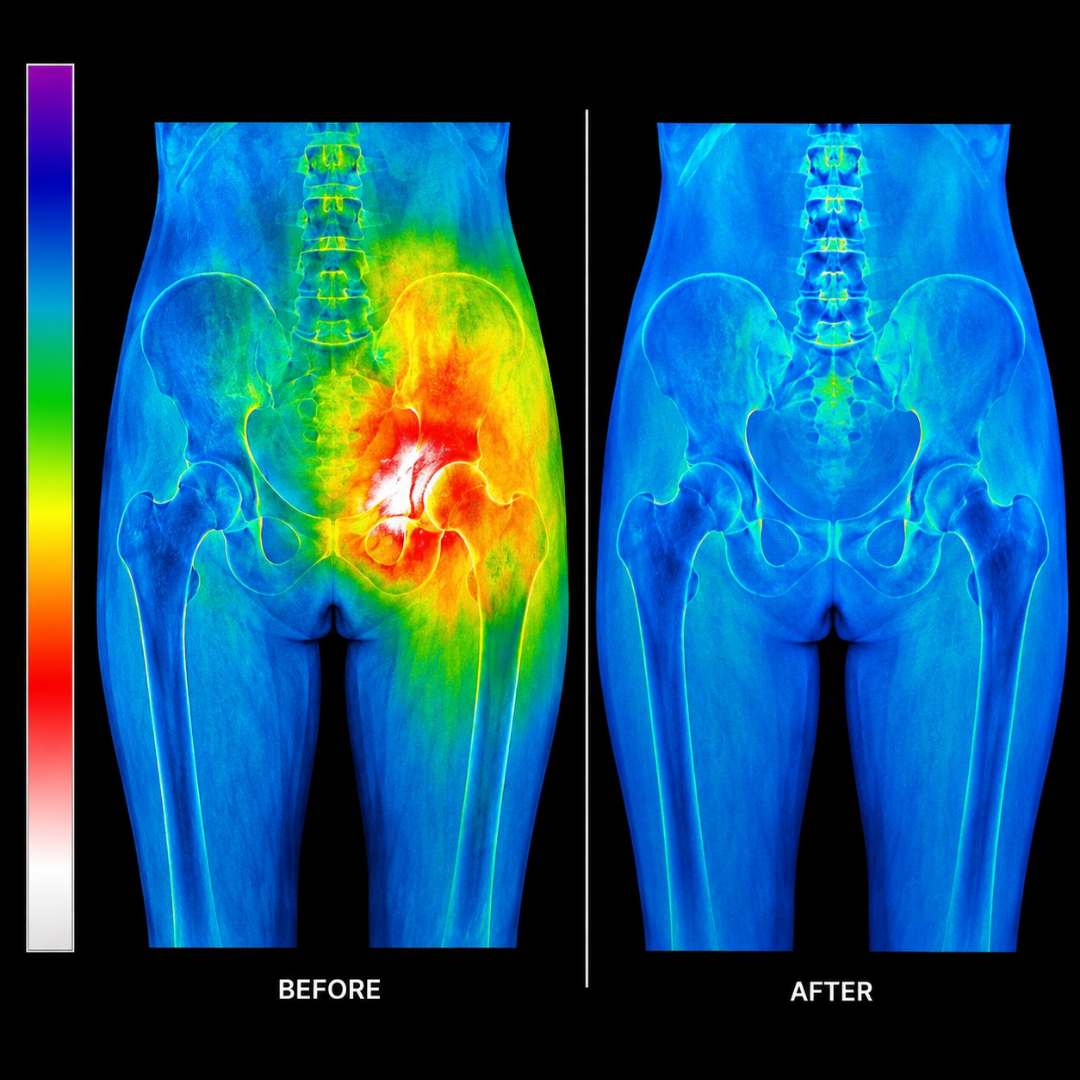
I'm 64. My NHS physiotherapist is 29. Last Tuesday during my 6th session she shut the door, looked at the corridor through the glass, and told me something she shouldn't have. She handed me a piece of paper with a website on it. My name is Sandra. I'm 64, I live in a small terraced house in North Yorkshire, eight miles outside Scarborough, and I retired three years ago after thirty years as a senior care assistant at a residential home up the coast. My husband Keith is 66, a retired fisherman who worked the Whitby boats for thirty-seven years before his shoulders gave out. We have two grown children and three grandchildren we'd promised ourselves we'd see more of in retirement. The hip pain started in 2021. A dull ache in the right groin walking down to the harbour. We thought it was wear and tear. It never settled. The X-ray came back two years later at Scarborough General Hospital. Bone-on-bone osteoarthritis, right hip, advanced. The GP wrote me the same prescription she'd been writing for everybody. Lose half a stone, take paracetamol, try ibuprofen if it gets worse. By month nine I was on co-codamol most evenings. By month twelve omeprazole because the daily Brufen had burned my stomach. By year two I was waking at three in the morning every single night with the deep burning in the groin radiating down the front of the thigh. I tried two steroid injections. Eighteen days of relief each time. Magnesium tablets from Holland and Barrett, forty-two pounds a month for over a year. Voltarol gel from Boots. None of it shifted the pain. By month fifteen I couldn't bend my hip enough to put my own socks on. My daughter ordered me a sock aid from Argos for twelve pounds. I cried when she opened the parcel. I'd moved into the spare bedroom by then. Keith has a bad back of his own and needed his sleep. The NHS letter came thirteen months in. Total hip replacement scheduled for August this year at York Hospital. Eight months away when the letter came. Six months away now. Before the surgery the GP referred me to NHS physiotherapy at the community hospital in Bridlington. Six sessions of pre-op strengthening. They give it to everyone now who's on the list. My physiotherapist is called Emma. She qualified two years ago. She is 29 years old and wears the same navy NHS scrubs every session. She is younger than my daughter. She is also the kindest woman I have ever had treat me on the NHS. The first five sessions were the standard pre-op protocol. Glute bridges. Hip flexor stretches. Clamshells. Sit-to-stand drills. She watched my form, corrected my breathing. She asked me about the pain at the end of every session. I always said the same thing. *Same as last time. Same as the time before. Same since 2021.* Last Tuesday was my sixth session. The final one before the operation in August. She finished the strengthening drills early. We sat down in the two chairs by the parallel bars. She had her chart in her lap and her pen in her hand. She wasn't writing anything. Then she did three things she had never done before. She got up and shut the door of the physiotherapy room. She walked back to her chair and looked at the corridor through the glass panel in the door. Then she lowered her voice and she said *Sandra. I'm going to tell you something I'm not supposed to tell you. Off the record. Don't repeat it to anyone here.* She kept her voice down. *I've taken thirty-eight women through pre-op physio for hip replacement. Most of them were your age. I've followed up on every single one of them at six and twelve months post-operation. About one in five of them are still in chronic pain at twelve months. Sometimes worse pain than before. Twenty per cent. And nobody on the surgical side ever tells the next patient in line.* She paused. She looked at the door again. *The strengthening we do here doesn't reach the deep tissue that's causing your three in the morning burning. It's not what your hip needs in the gap. I'm not allowed to tell you what your hip actually needs. But I can tell you what to read.* She reached into the pocket of her scrubs and pulled out a folded piece of A4 paper. There was one website address written on it in pen. She put it on my chart and pushed the chart across to me. *Read this tonight. Don't tell anyone here I gave it to you. And don't ring this office about it. If you decide to do something, do it on your own.* I put the paper in my handbag. I drove home in the rain. Keith was in the garage when I got in. I didn't show him the paper. I made a cup of tea and went into the front room and opened my laptop. Before I typed the website address I scrolled the patient forums I'd been reading at three in the morning for the previous fourteen months. Women on Mumsnet who'd had the hip replacement, still in pain at month fifteen. Women on the Versus Arthritis community boards saying their new hip clicked and gave way under them eighteen months on. Women on Patient.info saying they'd give anything to go back. NHS and private. Same failure rate. Then I typed the website address into the search bar. The article was written by a recently retired NHS consultant orthopaedic surgeon. He'd performed over three thousand hip replacements in his thirty-one year career. He'd written it after his own wife had been on the waiting list. He explained that hip pain has four mechanisms feeding into each other, twenty-four hours a day. The deep gluteal and hip flexor muscles surrounding the joint go into permanent over-firing, locked up trying to compensate for the worn cartilage. Blood circulation to the joint capsule collapses. The connective tissue and fascia stiffen, which is why I'd lost the ability to put my own socks on. And the deeper peri-articular nerve endings, sitting two inches below the skin around the joint capsule, become inflamed and start misfiring. That's the burning at three in the morning. The article explained why my six sessions of NHS physiotherapy had not moved the pain. The strengthening exercises work on the surface muscle. The deep gluteal and hip flexor muscles, the ones that have been locked up for years, can't be released by a clamshell. Emma had known. The system had her teaching me clamshells anyway. The article described a hip therapy belt designed for these four mechanisms. Medical-grade heat at three controlled levels, deep enough to release the locked muscle no over-the-counter heat patch ever reaches. Two independent massage motors at six thousand RPM driving circulation back into the starved peri-articular tissue, the same percussion frequency a private sports therapist charges fifty-five pounds a session for. An adjustable compression wrap holding the joint in continuous gentle pressure. And one hundred and five medical-grade red-light LEDs at six hundred and sixty nanometres, the wavelength documented to penetrate two to three inches into the soft tissue and signal those inflamed nerves to repair. The article explained why my magnesium tablets had never worked. Less than one per cent of an oral dose ever reaches a locked muscle around an osteoarthritic joint. The blood test reads normal because the blood is normal. The tissue around the hip is not. I ordered the belt that night at ten past nine. I didn't tell Keith. The first night I wrapped it round my right hip before bed. Twenty minutes on the highest heat setting, dual motor at medium, red light running. I slept four hours straight on my left side. The first time in over fourteen months. By week three I'd cut my evening co-codamol in half. The omeprazole went in the bin a fortnight later because I'd stopped the daily Brufen. By week six I was walking down to the harbour and back without sitting down on the bench halfway. The first time in eighteen months. By month three I bent down to plant the spring bulbs in the front garden. Keith watched me from the kitchen window. He came out and stood next to me without saying anything for a minute. I'd put my own socks on that morning. The Argos sock aid was in the bedside drawer for the first time in fifteen months. Last week I had my three-month post-physiotherapy follow-up. Same room. Same Emma. She closed the door behind me again. She looked at me for a long moment. Then she smiled. She said one word. *Good.* I asked her if she gives that paper to every patient. *Only the ones I can tell will read it.* Then she said *Sandra. I never gave you anything. Remember that.* I told her I understood. I'm 64. I have bone-on-bone in my right hip. I still have my surgery date at York Hospital in six months. I might keep it. I might not. I am not anti-surgery and when the day comes that the belt is not enough I will be glad of a surgeon. But for now I am holding the function I have today. If you've been doing pre-op NHS physiotherapy and your therapist has been kind to you, and your hip is no better after the sixth session, please read what I read. You can read the full article at the link below. Emma did not give me anything. I read this on my own. So can you.
Like this ad? Make it yours.
Crush rebuilds this exact creative around your product — your brand, your colors, your offer — in about a minute.