
Inactive· since Jan 26, 2026
- 29
- days it ran
- 13
- relaunches
Ad copy
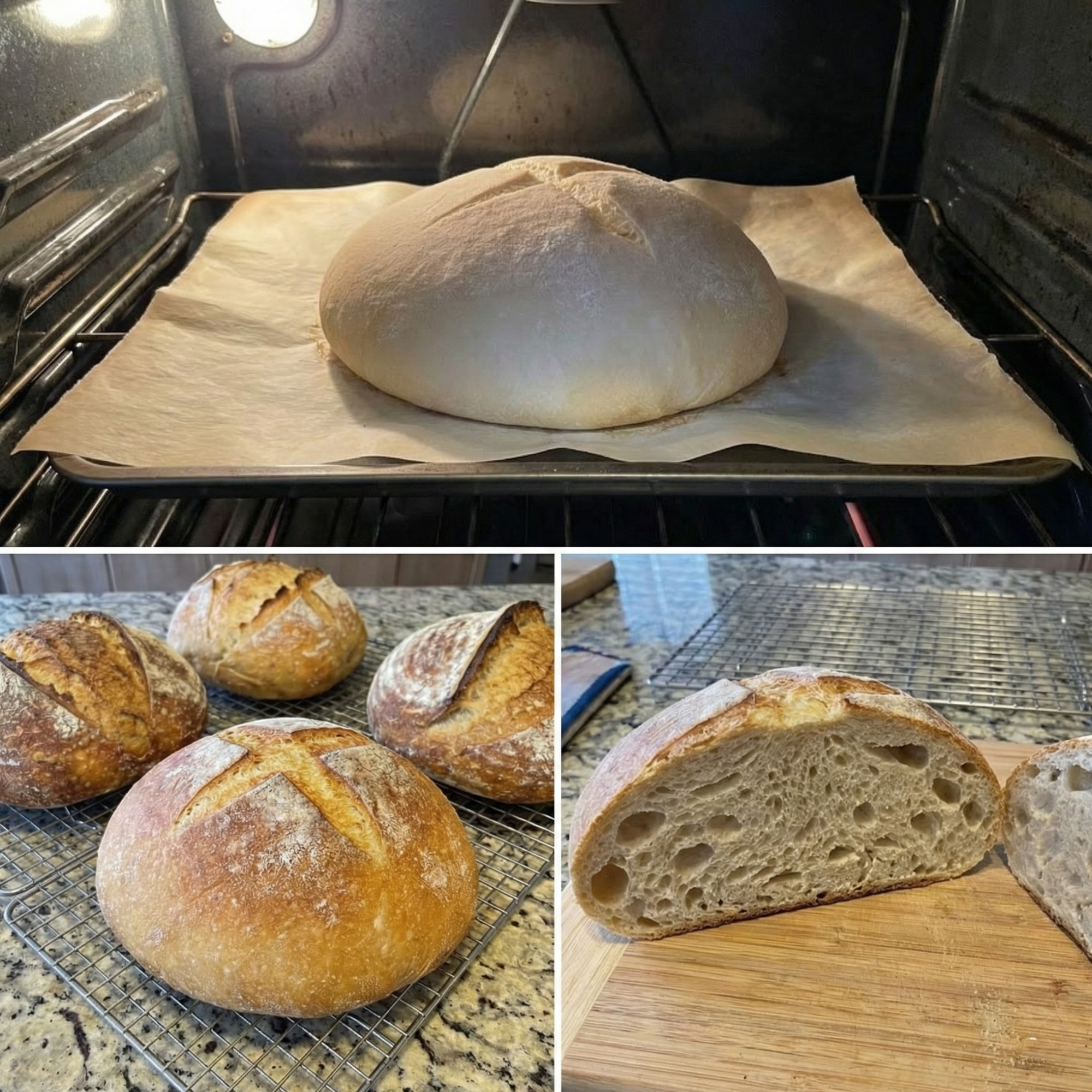
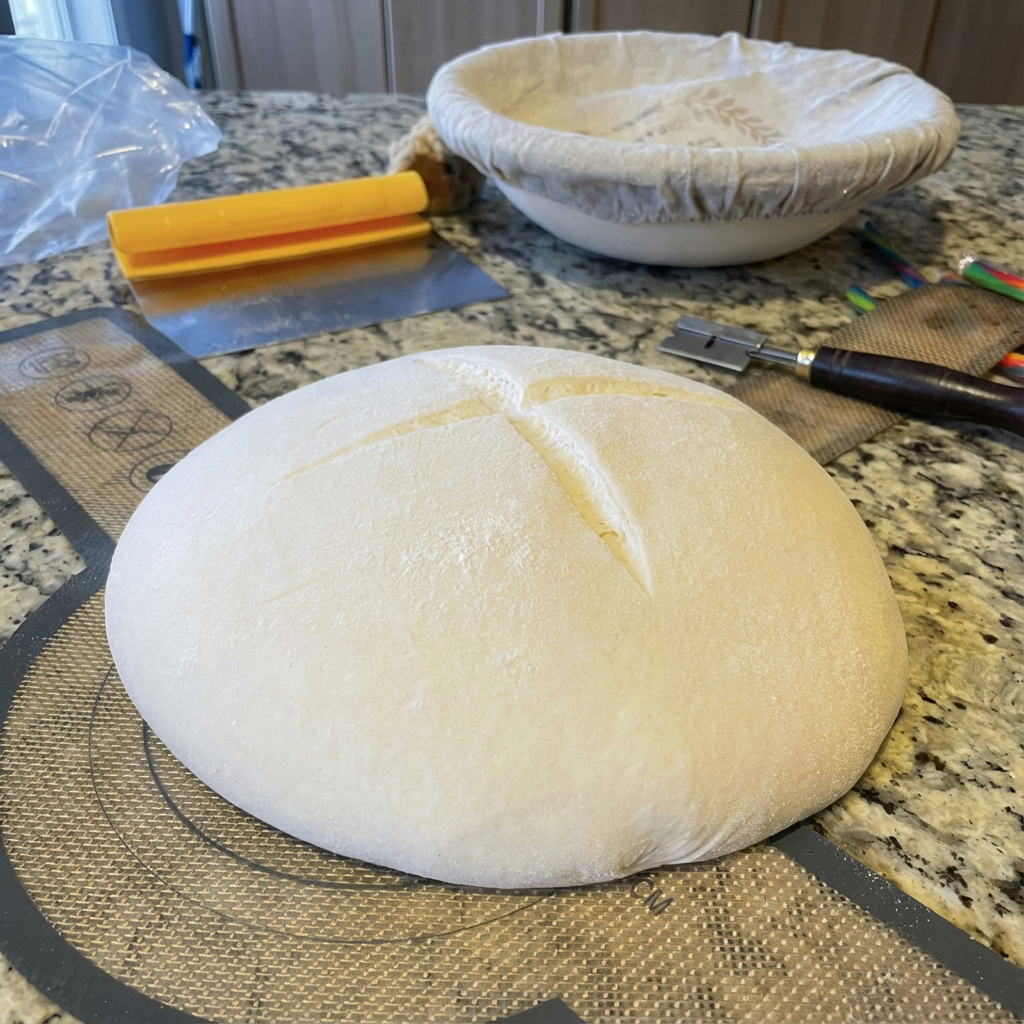
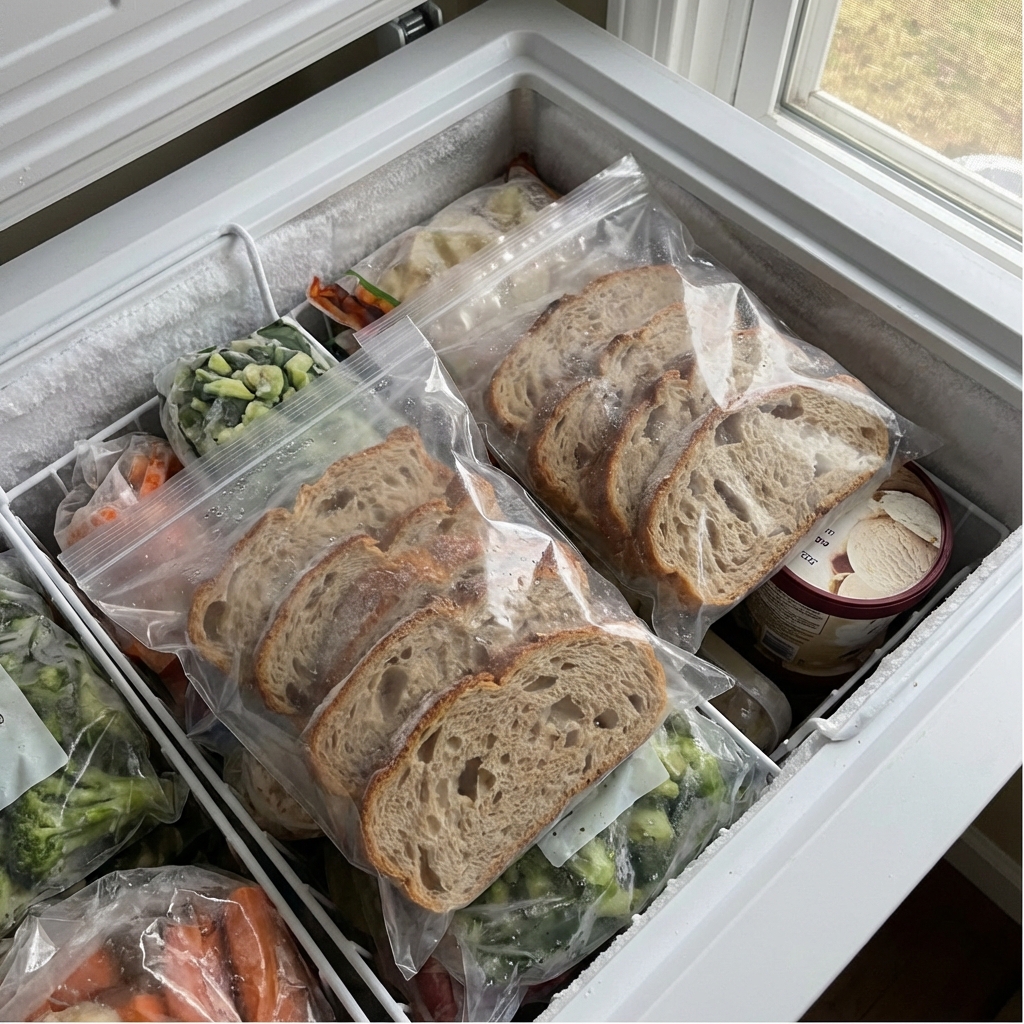
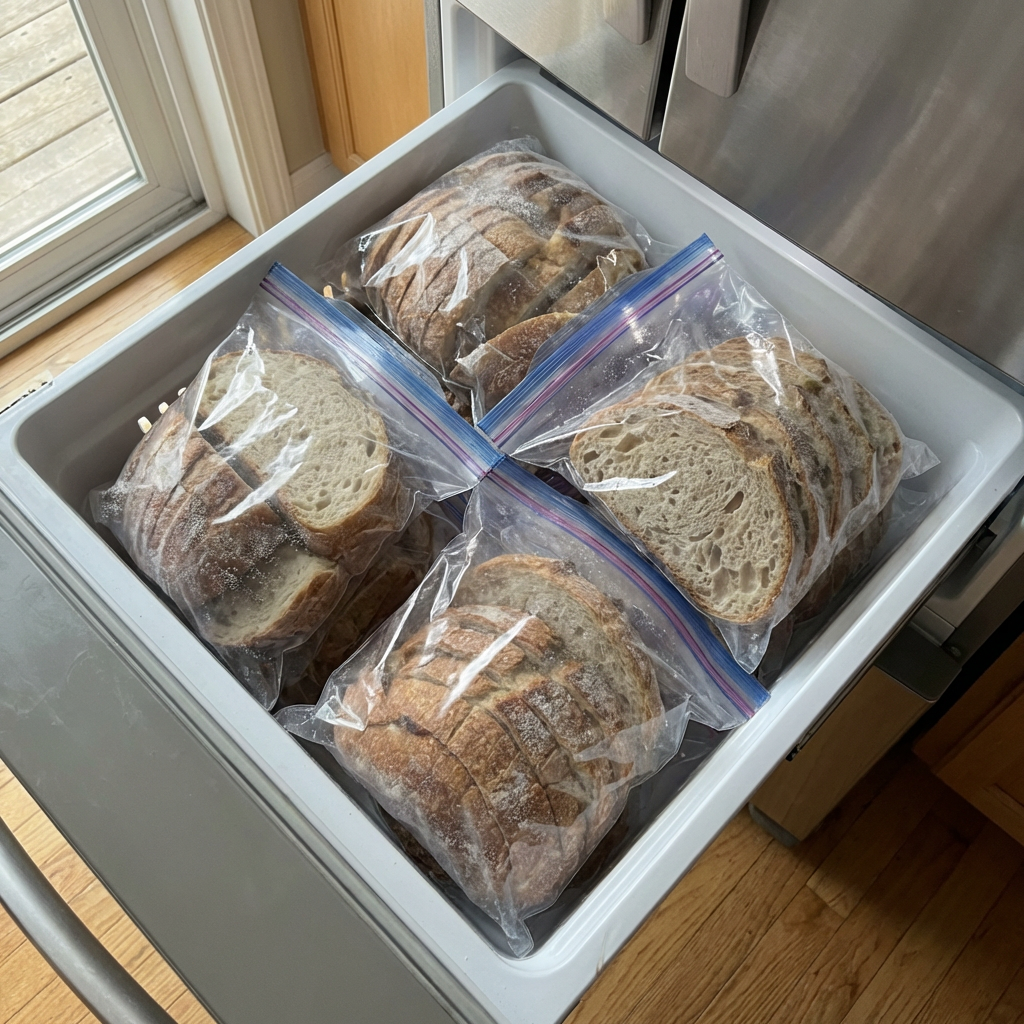
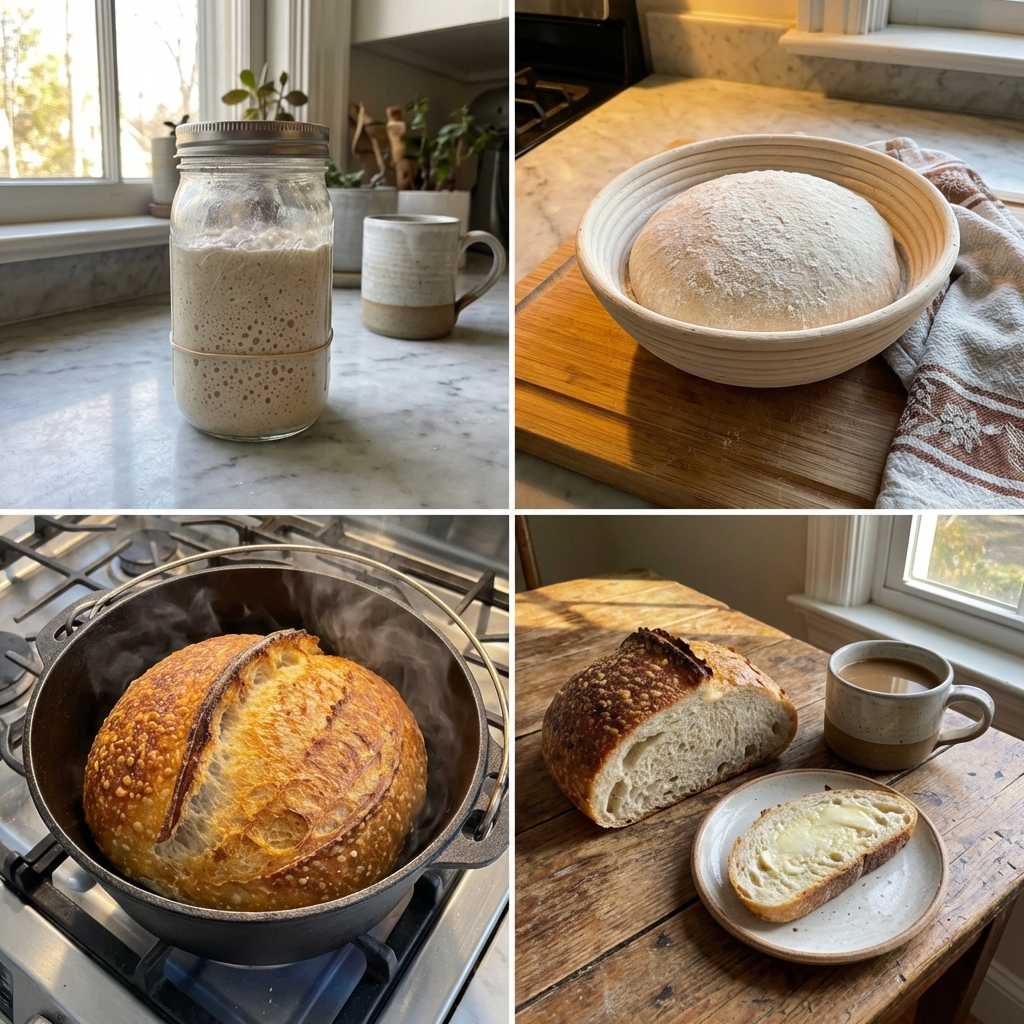
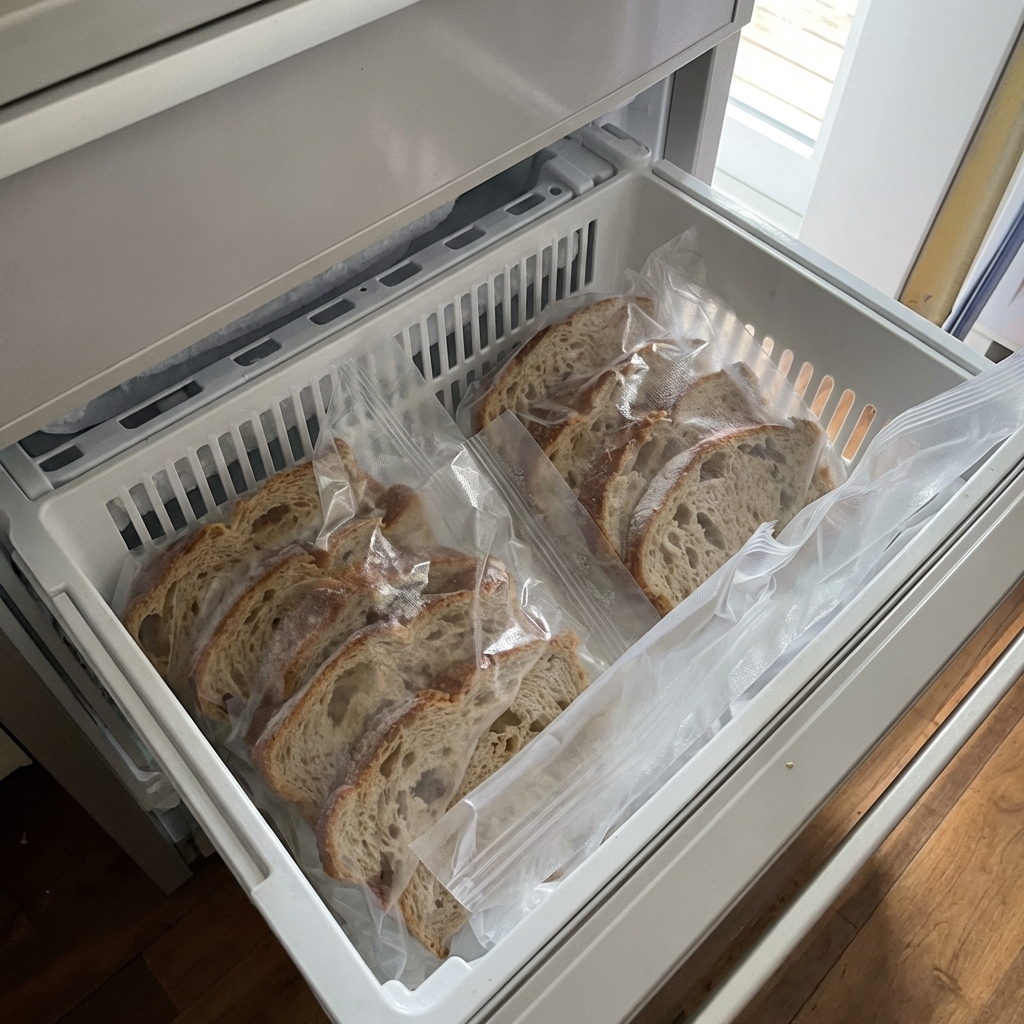
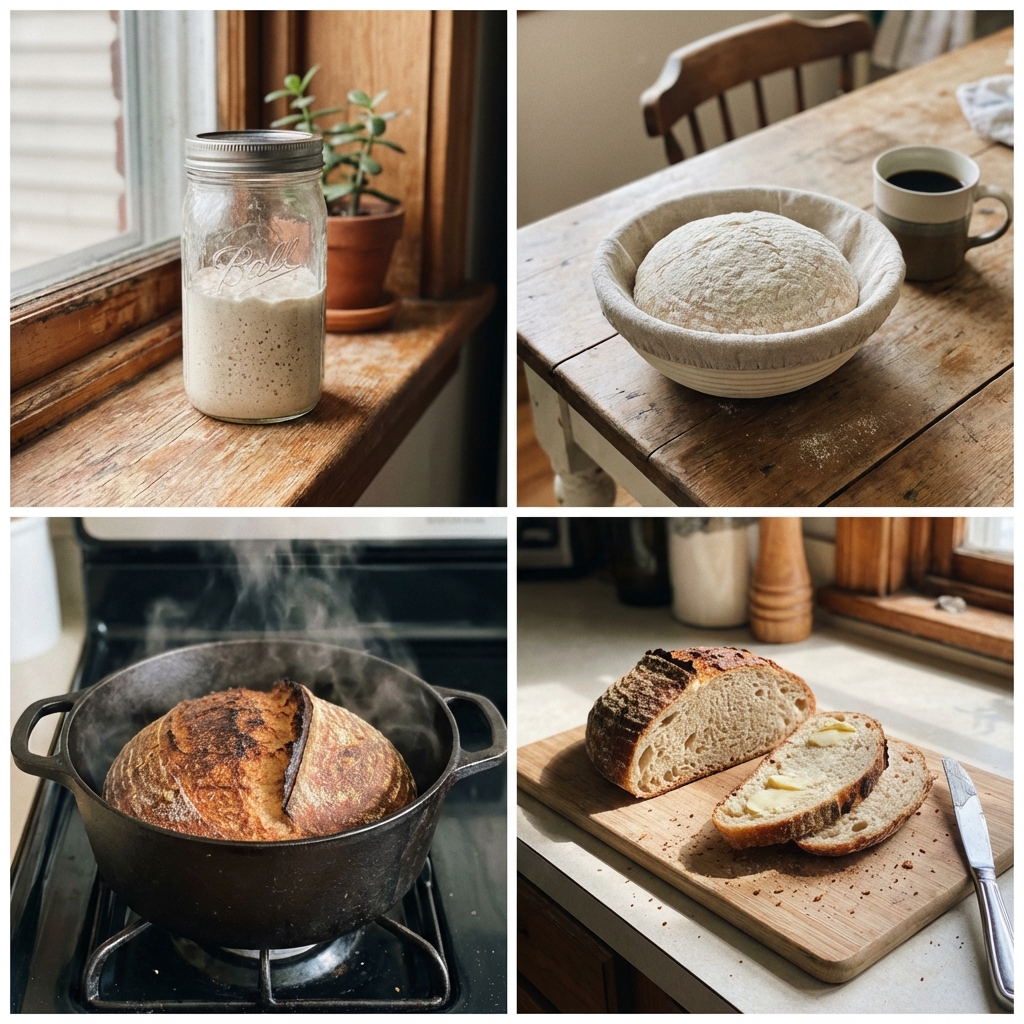
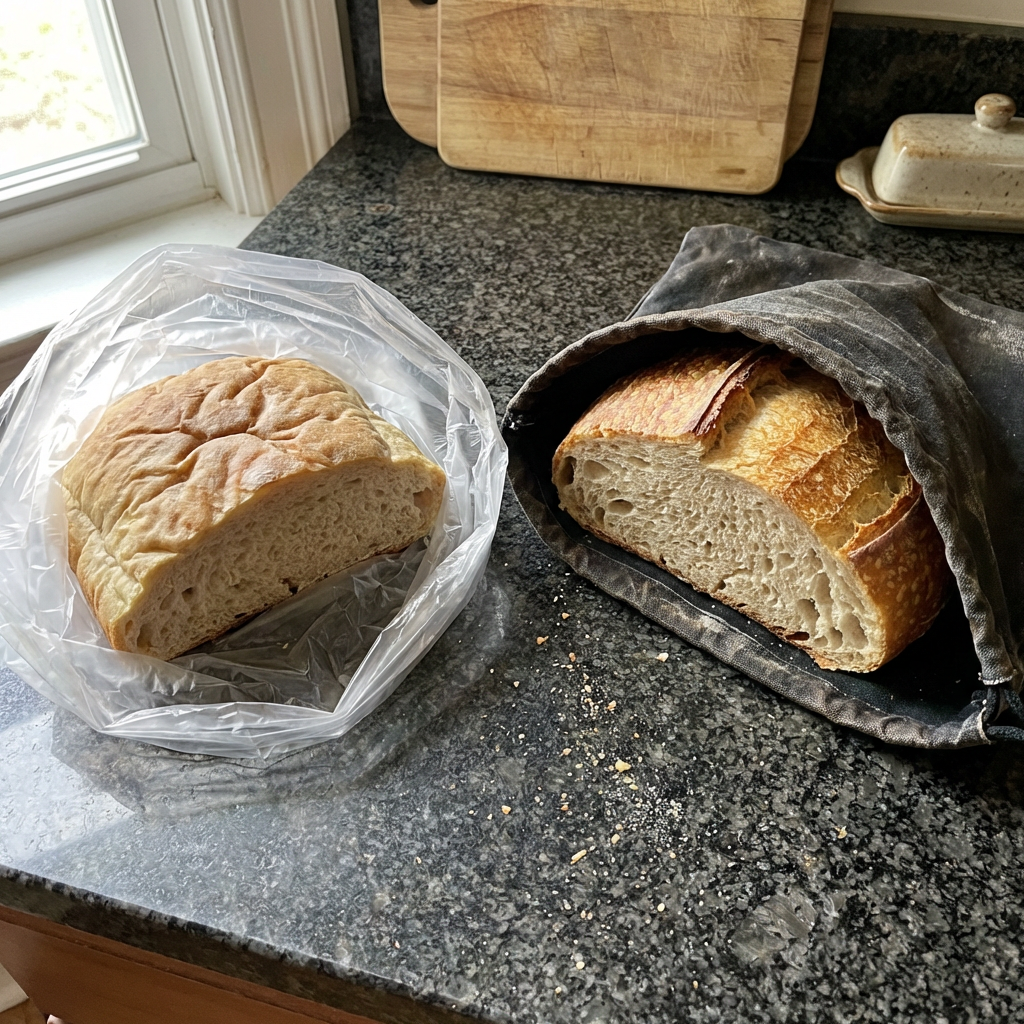
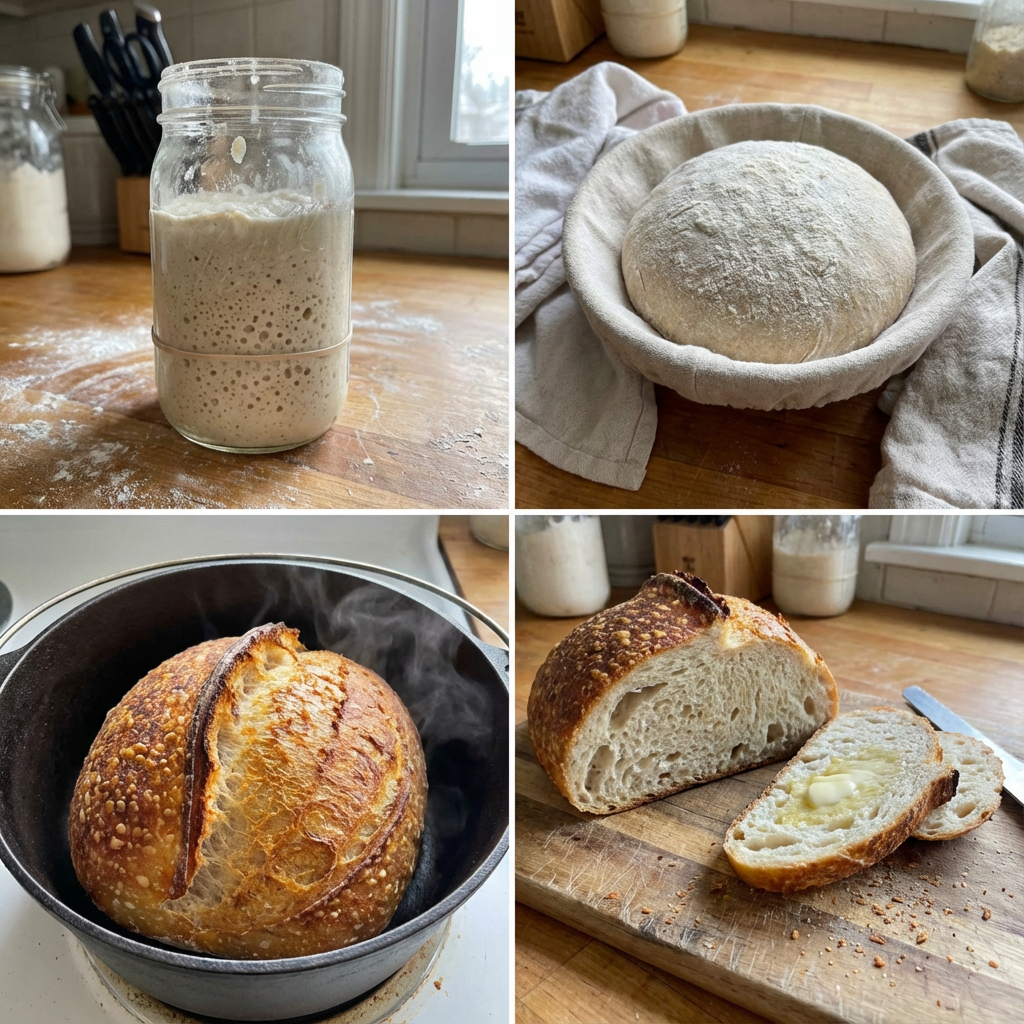
I asked my aunt once why Grandma's bread never went stale the way mine does. Her answer made me realize I'd been solving the wrong problem for fifteen years. We were sitting at her kitchen table last Thanksgiving. The one with the chip in the corner from when my cousin dropped a cast iron pan in 1987. I'd brought a loaf of my honey wheat, the same recipe my grandmother made every Saturday for forty years. By the time we sat down to eat, the crust had already started going soft in spots. My aunt picked up a slice, pressed her thumb into it, and got this look on her face. Not disappointed exactly. More like she was remembering something. That's when I asked her. How did Grandma's bread stay fresh so long? I have her recipe card. I follow every step. Same flour she used. Same rise time. Same oven temperature. But my bread barely makes it to Wednesday before it's either hard as a doorstop or growing green fuzz in the corners. My aunt set down her coffee and said something I've thought about almost every day since. She said the recipe was only half of what Grandma knew. I didn't understand at first. The recipe card is detailed. My grandmother had beautiful handwriting, and she wrote down everything. Every measurement. Every instruction. The little note about letting the dough rest near the window where the afternoon sun warms it. But my aunt shook her head. She said Grandma never wrote down how she stored the bread because she didn't think she needed to. It was just what everyone did back then. It was obvious. Like writing down that you need to breathe while you bake. She asked me how I store my bread. I told her. Plastic bags mostly. Sometimes I wrap it in a towel if I'm trying to keep the crust crispy, but then it dries out too fast. I've tried bread boxes, those ceramic containers with the lids, even putting it in the refrigerator like my neighbor suggested. Nothing works. Not really. The plastic keeps the inside soft but turns the crust into leather. The towel keeps the crust nice but dries out the crumb until it crumbles. I've never found anything that does both. My aunt got up and walked to her pantry. She came back holding this cloth bag I'd never noticed before. It was soft but had a slight stiffness to it, like fabric that had been treated with something. She said it was the same kind of thing her mother used. Not this exact bag, but the same idea. Cloth coated in beeswax. She'd gotten this one a few years ago after her old one finally wore out. I'd never seen anything like it. Or maybe I had, decades ago, and just never paid attention because I was a child and bread storage wasn't interesting to me then. She explained that Grandma kept her bread in waxed cloth from the moment it cooled until the last slice was eaten. The bread lasted a week. Sometimes longer. No mold. No rock-hard crust. The inside stayed soft and the outside stayed the way a good crust should. I remember sitting there feeling two things at once. Relief, because maybe I wasn't doing something wrong after all. And frustration, because I'd spent fifteen years blaming myself for a problem that had nothing to do with my baking. I went home that night and ordered three beeswax bread bags from Amazon. They were cheap, about twelve dollars each, and the reviews seemed decent enough. They arrived a week later. Thin fabric with a waxy coating that felt like it might flake off if I looked at it wrong. I tried them anyway. The first loaf I stored came out with the wax sticking to the crust. Little bits of it embedded in my bread like lint on a sweater. The second bag stopped working after I washed it twice. The wax just disappeared somehow. The third one never sealed properly no matter how many times I tried warming it with my hands. I threw all three away within a month. I felt foolish. Like I'd been taken in by something that sounded good but was really just another gimmick. Another thing designed to separate older women from their money by promising something it couldn't deliver. I told my aunt what happened. She wasn't surprised. She said most of what's sold now isn't made the way it used to be made. The wax isn't saturated into the fabric. It's just sprayed on top. Looks the same in pictures but doesn't work the same in practice. She told me the company where she got hers. A small outfit that makes them properly. Real beeswax worked into the cloth the way it should be. I was hesitant. I'd already wasted forty dollars on bags that didn't work. But my aunt has never steered me wrong about anything in the kitchen, so I looked them up. The bags cost more than the Amazon ones. Quite a bit more. But the reviews were different. Women my age talking about bread lasting a week. Talking about how the crust stayed crisp and the crumb stayed moist at the same time. One review mentioned something I hadn't thought about before. She said beeswax isn't just a barrier. It's antibacterial. Antifungal. Bees have been using it to protect their honey for millions of years. That's why honey found in ancient Egyptian tombs was still edible. The wax creates a seal that mold and bacteria can't penetrate. I'd never considered that. I just thought wax was wax. But it made sense when I thought about it. Bees figured out how to preserve things long before humans did. They've been perfecting their system for longer than we've been walking upright. I ordered one bag. Just one, to test. When it arrived, I could tell immediately this was different. The fabric was heavier. The wax coating was thick and even, not patchy like the cheap ones. It had that same faint honey smell my aunt's had. Earthy and clean. That Saturday, I baked my grandmother's bread. Same recipe. Same technique. Let it cool completely on the rack. Then instead of reaching for the plastic bag or the towel, I slid the loaf into this beeswax bag. Rolled the top down. Set it on the counter. Sunday morning I cut a slice for toast. The bread was perfect. Crumb still soft. Crust still had that slight resistance when the knife went through. Monday. Same. Tuesday. Still good. By Wednesday I started getting suspicious. This was usually when things went wrong. When I'd find the first signs of trouble, the soft spots or the hard edges or the little patches of mold starting to form in the corners. Nothing. Thursday I made sandwiches for my husband and me. The bread was still bread. The inside hadn't dried out. The outside hadn't gone soft and chewy. Both textures, preserved, the way bread is supposed to be. Friday I finished the loaf. Six days after I baked it. Every slice was good. I called my aunt that weekend. Told her what happened. She laughed a little and said she was glad I'd finally found the real thing. Then she said something that stuck with me even more than the bread itself. She said Grandma would have just handed me her old waxed cloth and never explained why it worked. That's how her generation was. They didn't teach by talking. They taught by doing. And if you weren't there to watch, you missed things. I missed this. For fifteen years. It makes me wonder what else got lost between her kitchen and mine. What other obvious things she knew that never made it into the recipe box because she assumed everyone already understood them. I've been using the bag for about four months now. I bake full-sized loaves again. I stopped making smaller batches just to avoid waste. I bring bread to family dinners without worrying whether it will still be good when we arrive. The crust stays crisp because the bag breathes just enough to let excess moisture escape. The crumb stays soft because the wax holds in just enough moisture to keep it from drying out. It's not magic. It's just what bees figured out millions of years ago and what my grandmother knew without being able to explain it. Last month I made her cinnamon raisin bread for the first time in years. I'd stopped making it because it went bad faster than the plain loaves and I couldn't stand watching something that took that much effort turn into trash. It lasted five days. My husband ate the last piece for breakfast on a Saturday morning, which felt right somehow. I don't know why this knowledge got lost. Maybe it was plastic. Maybe it was convenience. Maybe it was just the way information disappears when one generation doesn't think to tell the next. But I know now. And my bread lasts the way my grandmother's did. The recipe card sits in my kitchen drawer. Same handwriting. Same instructions. Same little note about the afternoon sun. But now I know the rest of it. The part she never wrote down. The part that makes everything else work. If you've been struggling with the same thing I was, bread that never lasts no matter what you try, it might not be your recipe. It might not be your skill. It might just be what happens after the bread comes out of the oven. I put everything I learned in a blog post—the science, why most beeswax bags don't work, what Dorothy taught me, all of it. Click the Learn More button below if you want to read it. My grandmother would probably wonder why I needed to write a whole blog post about storing bread. But she'd understand that some things need to be passed along however they can.
Like this ad? Make it yours.
Crush rebuilds this exact creative around your product — your brand, your colors, your offer — in about a minute.