Arrely
Arrely Facebook ad: “The Sensory Tool Parents Are Talking About”
Ran for 18 days, from July 28 to August 15, 2026, the last day Crush saw it.
Run by Arrely on Facebook. Crush is not the advertiser and does not verify its claims. See this ad in Meta's Ad Library(opens in a new tab)
Want an ad like this for your product?
Crush makes new ad images for your product from this ad: your logo, your product photo, your offer.
Trials from $19.95 USD, then $79.95 USD a month. Cancel anytime.
About this ad
- Meta Ad Library ID
- 898865279939825
- Platforms
- Facebook, Instagram, Audience Network, Messenger and Threads
- Relaunches
- 0
Ad text
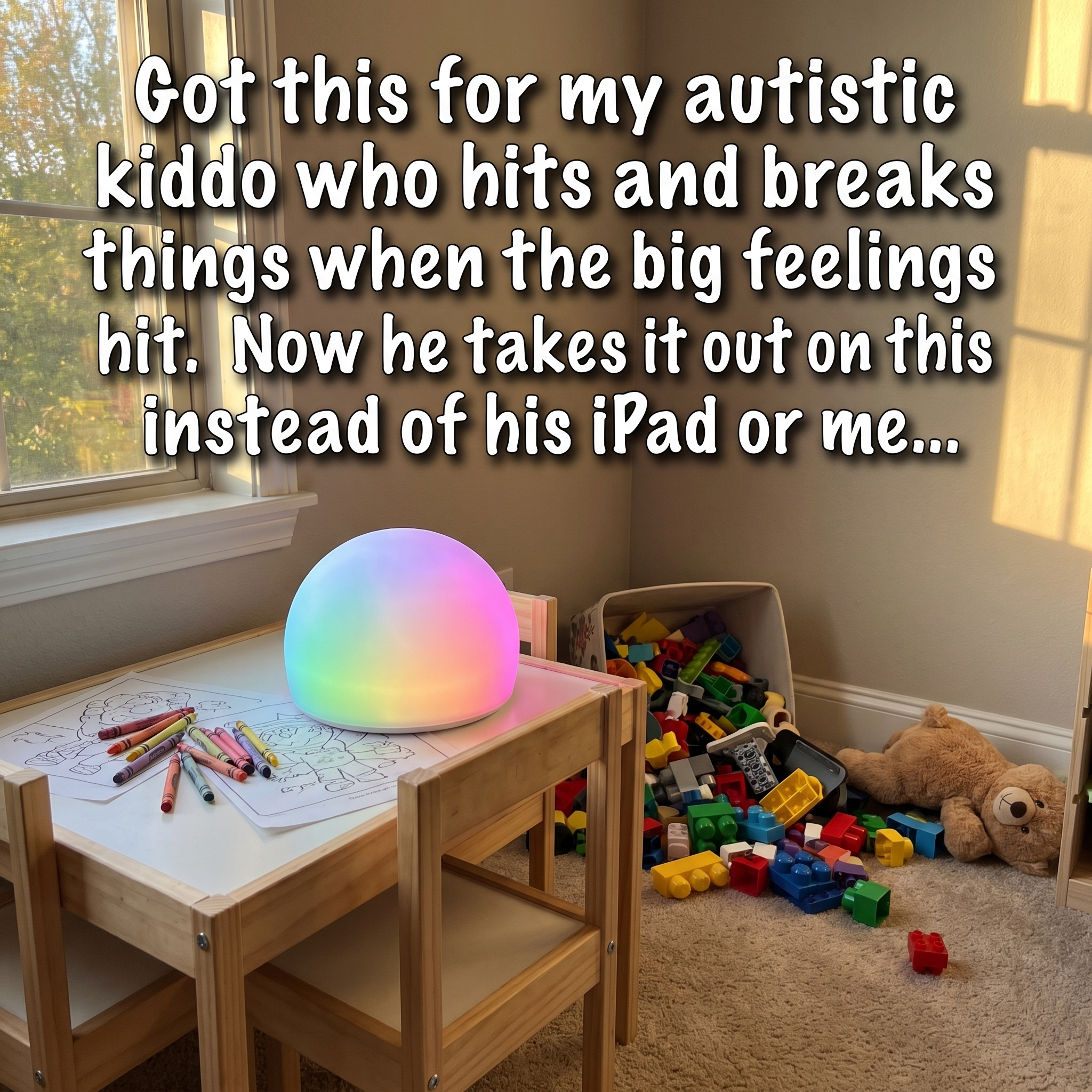
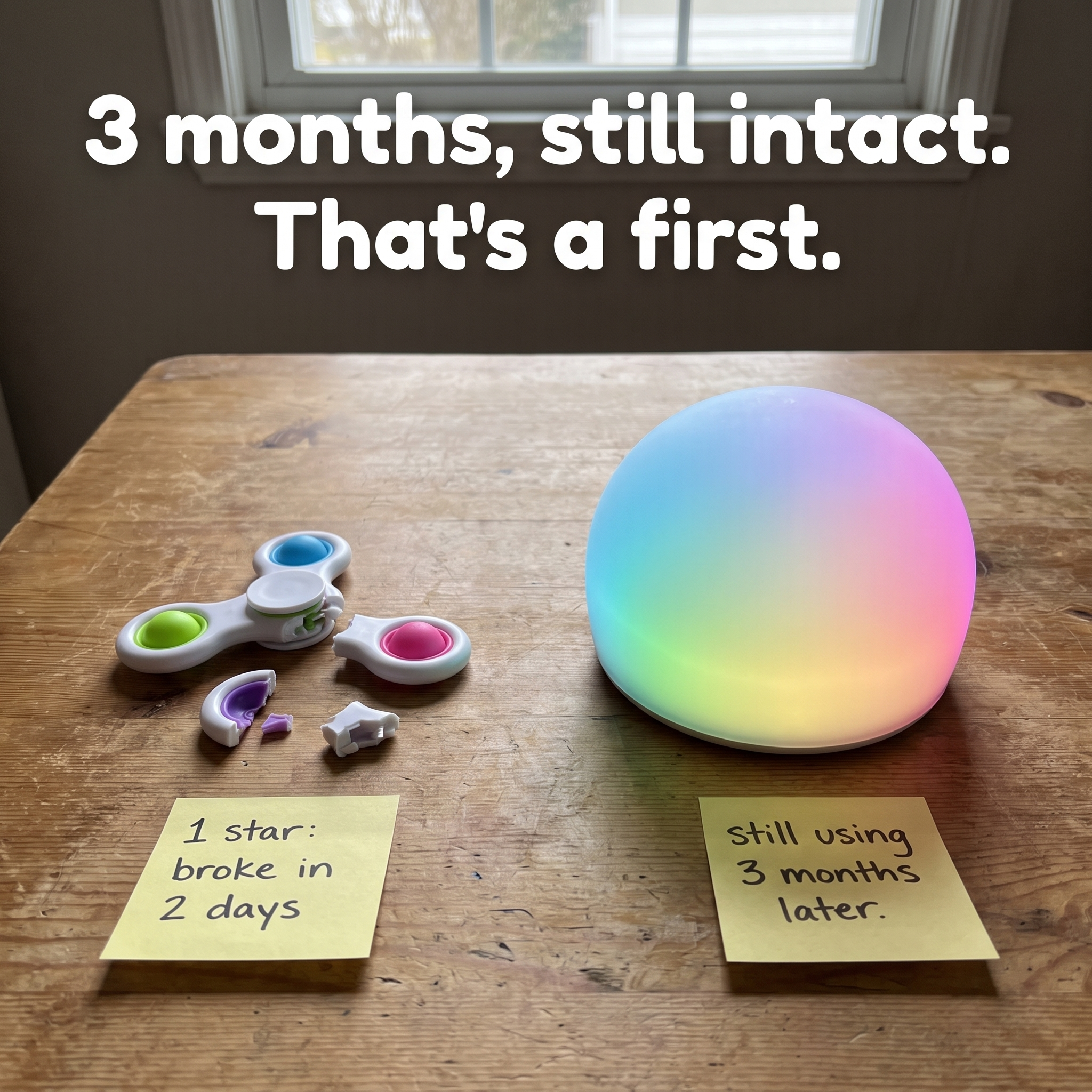
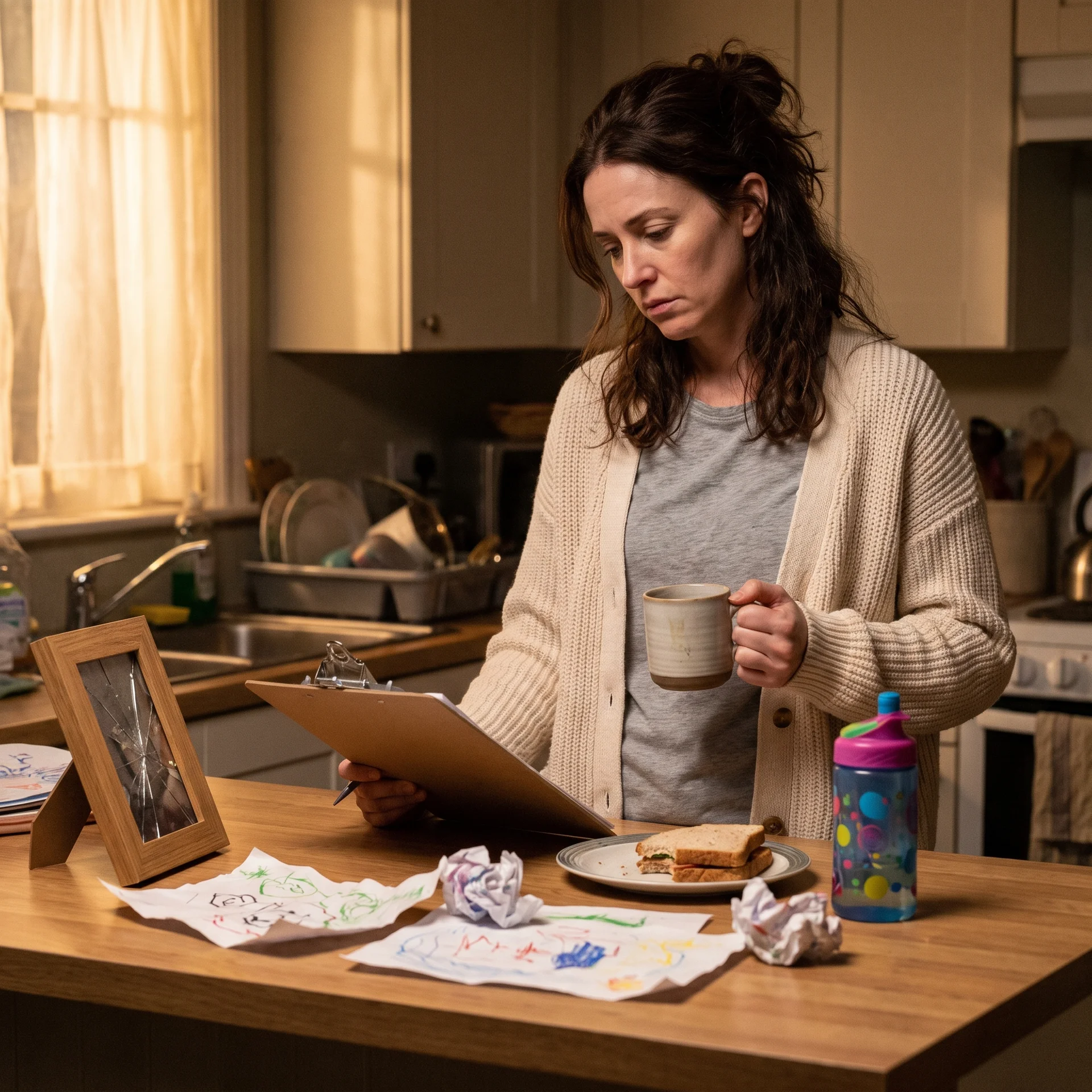
I'm a pediatric occupational therapist. I'm also the mom of an autistic 8-year-old. I've spent thousands of dollars on sensory toys as a parent — and recommended thousands more as a professional. Last year, I finally understood something that broke me: I'd been recommending tools to families that I would never buy for my own son. I've been an OT for 10 years. My son Jack was diagnosed at 4. For years, I lived in a strange, split reality. At work, I was the expert. Parents brought me their exhausted questions. I gave them the standard recommendations — the ones I learned in graduate school. Fidgets. Chewies. Weighted blankets. Pop-its. At home, I was just another autism mom. Trying every sensory tool on Amazon. Watching my son break them. Crying in my kitchen after another 90-minute meltdown. Bracing at 3pm like every other mom in my clinic waiting room. I never put those two things together. Not for years. Then one afternoon last spring, I was at home with Jack. He was mid-meltdown. He'd already thrown a pop-it across the room, chewed through his third chewy that month, and cracked another fidget spinner in half. I sat on the floor next to him and thought: I recommended every single one of these to a family this morning. And not one of them has ever worked for my own son. I couldn't breathe. For 10 years, I'd been sending exhausted moms home with the exact toolkit that was failing me in my own house. I called my mentor that night. Dr. Karen Choi, another pediatric OT who'd been my clinical supervisor when I was training. I said what I couldn't stop thinking: "Karen, I've been recommending things to families that don't work on my own son. What am I doing?" She was quiet for a long moment. Then she said something I've thought about every day since. "Sarah. The tools we recommend were designed for kids with mild sensory sensitivities. We generalized them to every neurodivergent kid. Including the ones like your son. Who need something completely different." "What's the something different?" "I don't know yet. But somebody's going to figure it out. And it won't come from a textbook. It'll come from a mom." She was right. Two weeks later, I was in an autism-parenting Facebook group at 11pm. I don't usually post in these groups — I stay quiet because I don't want to make it about my professional role. But that night, I asked a real mom's question: "Has anyone found something that actually works for a kid who hits and breaks everything?" Within an hour, I had 34 replies. Four different moms mentioned the same thing. A tool I'd never heard of. Made by a small company called Arrely. Not on Amazon. Not on Target. Made in small batches, direct to parents. One mom wrote: "It's the only thing my son hasn't broken. He hits it instead of me now." Another wrote: "My OT recommended it. She said it does something none of the other tools do." I sat there staring at my phone. My OT recommended it. I have a doctorate in occupational therapy. I've been reading the sensory processing literature for a decade. And I was learning about the tool that would change my son's life from a Facebook group at 11pm. I ordered a Calm Bubble the next morning. I had to wait — they produce in small batches, and I got put on a reservation list. Two weeks later it arrived. I put it on our coffee table and waited. That afternoon, Jack was starting to escalate — the same pattern I'd learned to dread for four years. For four years, my instinct had been to try to talk him down, hold him, redirect him. Nothing had ever worked. I'd tried every technique in my professional toolkit on my own son. Nothing. This time, I sat the bubble in front of him. He hit it. Three times, fast. Then he stopped. He watched the colors shift. Then he hit it once more, softer. In about 30 seconds, my son — who I'd been unable to reach for four years during meltdowns — was calm. Sitting on the floor. Breathing. Looking at me. I started crying. Not sad crying. The other kind. Because for the first time in my career, I understood what I'd been missing. Every sensory tool I'd recommended for a decade gave the child one thing. Physical input. Or visual input. Or oral input. Never both together. The Calm Bubble was the first tool I'd seen that closed the whole regulation loop. Physical release when he hits it. Visual redirection when the colors shift. Both mechanisms. At the same time. In under 30 seconds. For every "hitter and thrower" kid in my caseload — the ones our field's standard toolkit fails hardest — this is what their nervous system had been asking for. The next Monday, I brought a Calm Bubble to my clinic. I put it in front of the first family on my schedule — a 7-year-old boy whose mom I'd been recommending fidgets to for eight months. He hit it. Watched it. Calmed down. His mom looked at me and said: "What is that?" "It's what I should have given you eight months ago." I spent the next hour on the phone canceling every "sensory kit" recommendation I'd sent home with families in the past year. I emailed every current family in my practice. "I owe you an update on what we now know." That was six months ago. Since then, I've built my entire recommendation protocol around one truth I finally learned: Standard sensory tools were designed for kids who are already regulated. They don't work for kids whose nervous systems are overloaded — the hitters, the biters, the throwers, the breakers. Those kids need a tool that completes both sides of the regulation loop. The Calm Bubble is the first one I've found that actually does it. Jack is 8 now. We don't brace at 3pm anymore. He asks for the bubble before the meltdowns start now. He hits it. Watches it. Comes back. He hasn't broken it in six months. The last picture frame he threw is still on my kitchen counter — cracked glass and all. I keep it there on purpose. Not because I like looking at it. Because I don't want to forget the years we lost trying tools that were never designed for my son. I'm 36 years old. I've spent 10 years as an occupational therapist and 4 years as an autism mom. For most of those years, I was recommending things to families that I would never buy for my own son. I can't get those years back. But the families in my practice now? The families reading this? You don't have to spend what I spent. You don't have to try what I tried. If your kid hits, bites, throws, or breaks things when the big feelings hit — the standard toolkit isn't going to work. They need something built for their actual nervous system. Not something designed for a classroom. Make sure your kid is getting the right tool. Not just the popular one. Before you spend what my family spent finding it. — Sarah Patel, OTR/L Pediatric Occupational Therapist and Autism Mom
Where the ad sends people
arrely.com
The Sensory Tool Parents Are Talking About
Free Sensory Activity Guide included with every order.
Shop now: arrely.com(opens in a new tab)