
Inactive· since Jul 28, 2026
- 6
- days it ran
- 0
- relaunches
Ad copy
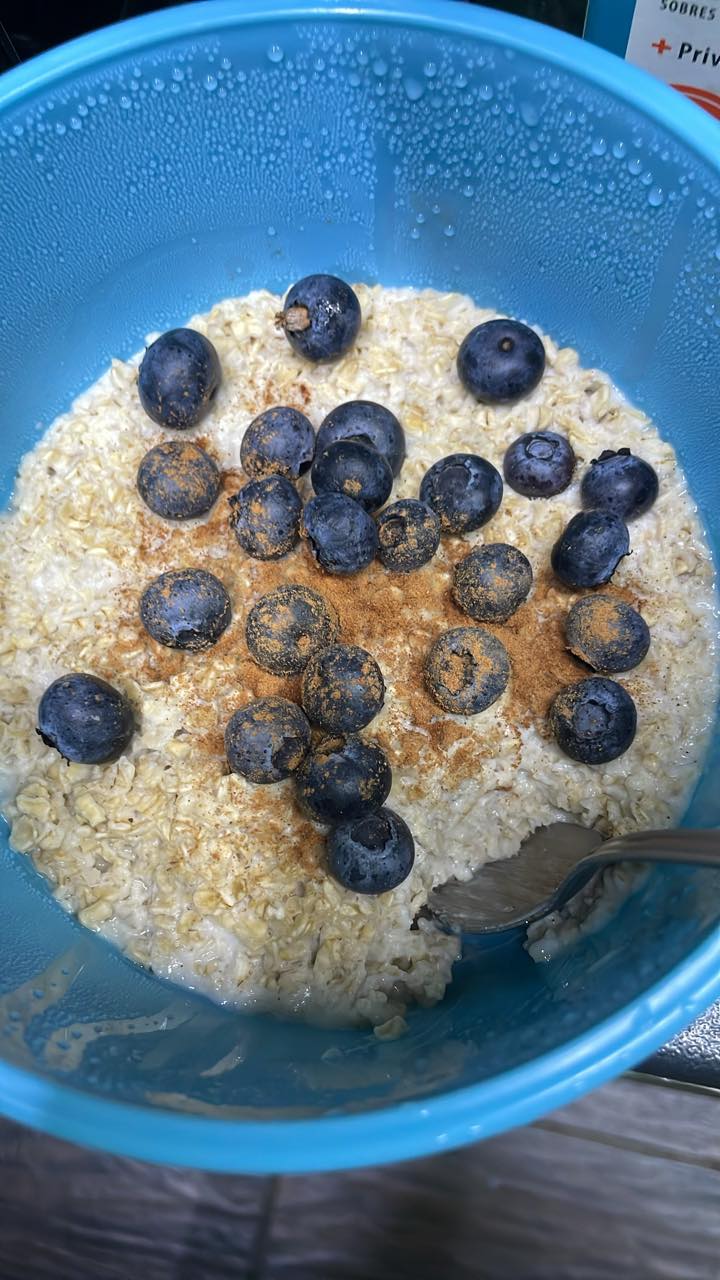
My husband took his milk thistle every morning at 6:30 with his coffee. Never missed a day in almost half a year. Took the fish oil capsules he ordered by the case. Walked his two miles down to the water tower and back before the heat came up. Cancelled our standing Friday catfish plate at the Sportsman's because of the fried anything. Cleaned out the pantry and the chest freezer in the garage in one afternoon, the biscuit mix, the bacon, the sausage gravy fixings, the case of Coke. Followed the diet sheet the doctor gave him to the letter. Started every morning with oatmeal, of all things. He did everything they told him to do. He died of a massive heart attack on January 22nd at 4:47 in the morning. He was 62 years old. Diagnosed in September of 2024. Changed his whole life the same week. Ate nothing that wasn't on the approved list for 118 days straight. Lost 22 pounds. Walked those two miles rain or shine. The hospital bill was $83,000. The funeral was $11,600. His cast iron skillet is still hanging above the stove. He made biscuits and gravy in it every Sunday of our married life. I can't take it down. If I take it down, he's really gone. His weekly pill organizer is still on the windowsill above the sink. The Wednesday slot is still full. He went down that morning before the sun and before the 7 o'clock pills that were supposed to be helping him. Thursday through Tuesday are empty. Six mornings of the pills that did not work. One morning of the pills he never reached. If I empty it, he's really gone. I need to tell you what happened to Frank. I have to tell you because I keep seeing the same posts in my feed that I was writing myself a year and a half ago, "my husband was told he has a fatty liver, has anyone brought their numbers down naturally?", and every time I see one my stomach turns over. If you're over 50 and you've been told you have a fatty liver, or your liver numbers ticked up, or somebody you love got that call, please read this entire thing. I know it's long. I know you have things to do. I know you're scrolling. A year and a half ago I would have given anything on this earth for someone to sit me down and lay out what I'm about to lay out for you. Frank went in for routine bloodwork in September of 2024. He felt fine. Better than fine. He'd just turned 62. He still had a '66 Ford pickup he'd rebuilt from a frame up in the barn, and he still drove three hours every spring to fish the opener with his brother. He thought he was made of iron, and honest to God, so did I. Two days later the doctor called. His liver enzymes were up, his ALT was 58, and the ultrasound showed fat built all through his liver. "Frank, you've got what we call a fatty liver. It's the weight and the diet, the fried food and the sugar and the processed junk packing fat into the liver. We're going to change how you eat, and I'm going to start you on a couple of things to help. We'll recheck the enzymes in three months." He told Frank to cut the sweets and the fried food and the white bread. He told him to start a high dose of vitamin E, "the one thing with any real evidence behind it," and milk thistle, both every morning. He told him not to worry. This was manageable. Frank hung up the phone and sat at the kitchen table for a long time without saying a word. Then he got up, went out to the garage, and hauled the freezer and half the pantry out to the truck. The sealed things he drove down to the food pantry at the church. The rest went in the trash. "That's it," he said. "I'm done." And he was. He picked up the vitamin E and the milk thistle from the pharmacy on Battlefield that same afternoon and lined the bottles on the windowsill where he'd see them every day. I bought him one of those weekly pill organizers, a little slot for every day, and I filled it for him every Sunday night. A neighbor mentioned his own doctor had him on fish oil, so Frank ordered a case of that too. For 118 days he didn't touch anything fried or sweet. Not one time. Not at our grandson's birthday. Not at the Chiefs game in November where the whole row had brats and beer and he sat with a bottle of water. Not at his own birthday supper, where the waitress brought out a slice of coconut cake with a candle and Frank smiled, thanked her, slid it across the table to me, and drank his black coffee. I boxed up a lifetime of recipes, the ones his mother handed me when we married, because I couldn't stand to see them sitting in the drawer, and we learned to eat baked chicken and greens and things neither of us had ever cooked. I ate every bite of it right alongside him. If he was going to give up his biscuits and gravy, I was not going to sit across the table from him eating mine. He lost his buddy Denny, who told him "you're no fun anymore" and quit coming around. He skipped the fishing opener with his brother that spring for the first time in 30 years, because he said he couldn't sit in a boat all weekend watching them fry eggs and bacon over the little stove while he chewed on carrot sticks. He lost a piece of himself he'd been carrying for 35 years. And he did it anyway. Because the doctor said to. Along the way he started saying he was tired in a way that sleep didn't fix. A dull, heavy fullness up under his right ribs that got worse after he ate. The weight around his middle would not come off no matter how strict he was, even as the rest of him thinned out. He'd fall asleep in his chair before the ten o'clock news. He started taking the porch steps one at a time, holding the rail. This was a man who used to throw a fifty pound bag of feed over each shoulder and not think about it. His grip started slipping too. Twice he dropped his keys in the driveway and stood there looking at them like he wasn't sure how they got there. I picked them up both times and pretended I hadn't noticed. The doctor said it was probably the diet catching up with him. Probably his age. Probably nothing. The follow up labs came back in December. His ALT was 52. I remember he showed me the number on his phone and we were both relieved. It had come down. The doctor was pleased. "See, Frank? Some livers are slow to respond. We'll add another medication and recheck in three months. You're on the right track." He'd given up everything he loved, and the one number everybody was watching had ticked the right direction, and everyone told him he was safe. He came home that night and sat at that same kitchen table. He said, "I gave up everything. I'm taking the pills. And the number barely moves." I told him to give it time. I told him the doctor said three more months. I told him to trust the process. He nodded. He kept walking. He kept eating the greens. He kept taking his vitamin E and his milk thistle and his fish oil, faithful as sunrise. Nine days later, before dawn, he sat up in bed with his hand pressed to his chest and told me something was wrong. I drove him to the hospital doing eighty with my hand on his chest the whole way. By the time they took him back his lips had gone gray. Not pale. Gray. Like the blood had stopped reaching them. I sat in that waiting room in the dark. I called our daughter and couldn't get the words out. I just kept saying something's wrong, something's wrong. A young cardiologist came out, couldn't have been forty, and sat down next to me instead of standing over me, which is how I knew. "Mrs. Webb, I'm going to be straight with you. It's his heart. A big part of the muscle is dying right now. I know he was told he had a fatty liver and that he was managing it. Here is the part almost no family ever hears. Most people with a fatty liver do not die of their liver. They die of their heart, first. The same slow burn that has been scarring his liver has been inflaming his arteries for years, off the same fire, at the same time, and that liver number everyone kept watching never once saw it coming. Tonight one of those arteries gave way." "But he did everything," I said. "His numbers came down." He just looked at me. "I know," he said. "I'm so sorry. Everyone was watching the one number that couldn't see the thing that was actually killing him." Frank spent six days in that unit. I learned things about the heart I never wanted to know. I learned that when a heart attack hits the way his did, the oxygen stops reaching the brain for whole minutes at a time, and your husband stops being your husband. By the fourth day he was asking me if he'd locked up the shop. He sold the welding shop back in 2019. On the fifth day he looked right at me, 40 years of marriage, and asked me who I was. They had to put soft mitts on his hands because he kept reaching for the tube in his sleep. Those were the hands that rebuilt a truck from a bare frame and could lay a weld bead you'd swear was machine cut. I sat there and watched his fingers work inside those mitts, reaching for something that wasn't there. He died the morning of January 22nd, before the sun came up. I drove home at seven. His oatmeal bowl was still in the drying rack. His walking shoes were by the door. The supplement bottles were still lined on the windowsill, the vitamin E, the milk thistle, the fish oil. His cast iron skillet was still hanging above the stove. His pill organizer was on the sill. Wednesday full. The rest empty. Where it sits today. I sat in his recliner and I didn't get up for most of the day. The house was so quiet I could hear the refrigerator hum. 40 years, and the only sound left in my house was the refrigerator. At the funeral our granddaughter, she's five, tugged my sleeve and asked me, "Nana, when is Grandpa coming home?" I told her Grandpa was in heaven now. She said, "Can we drive there and see him?" I had to walk out of the room. After that I tried to go back to normal and I couldn't. Because every time I opened my phone I saw people my age, men Frank's age, writing the exact things I used to write. "Doctor says fatty liver, anyone bring it down naturally?" "Enzymes a little high, told not to worry." And I knew, I knew, some of them were doing precisely what Frank did. Cleaning out the freezer. Choking down the oatmeal. Walking their miles. Watching the one number. And ending up exactly where he ended up. I couldn't just sit there and watch it happen again. So I started reading. Not because I wanted to. Because I couldn't stand the thought that he gave up everything for nothing, and that I might have to watch somebody else's family in that same dark hallway. I read for weeks. Medical papers I had to look words up to get through. Liver forums. Studies I could barely follow. And one thing kept coming up that not one of Frank's doctors ever told us. Everybody watches one number. The ALT. The liver enzyme. The doctor watches it, you watch it, and it is one of the most misleading numbers in all of medicine. A liver can be scarring, really, seriously scarring, while that number reads perfectly normal. It goes quiet at exactly the moment you need it to scream. Frank's came down the month before he died. And here's the part that took the wind out of me, sitting at that table at two in the morning. The reason the number lies is that the number isn't the disease. The disease is happening one level deeper, inside the liver cells themselves, in something I hadn't thought about since high school biology, the mitochondria. Your mitochondria are your liver's little fat burning engines. When you're young they run wide open, and everything you eat that turns to fat gets burned off and sent out as energy, and nothing sticks. But those engines slow down as you age, and years of processed food and sugar and stress run them into the ground faster than aging ever could. When the engines slow down, fat starts sitting in the liver cells. And that sitting fat doesn't just take up space. It goes rancid. It corrodes. It throws off unstable molecules, the same chemistry that rusts a clean tool left out in the rain or turns a cut apple brown on the counter, and that corrosion attacks the very engines that were supposed to be burning the fat. Slower engines, more fat. More fat, more rust. More rust, slower engines. A fire that feeds itself, running inside the liver for years, and the number on the blood test can't see one bit of it. And here's the part that actually killed Frank. That fire does not stay in the liver. The inflammation it throws off pours into the blood and goes looking for somewhere else to burn, and where it settles is the walls of your arteries. The same rust that was quietly hardening his liver was hardening the vessels around his heart, at the same time, off the same fire. And the heart runs on those same little engines, more of them packed into that one muscle than anywhere else in the body. A body pouring out that kind of inflammation for years wears the heart thin long before anything shows. That is why most people with a fatty liver never make it to liver failure. The heart goes first. The number stays fine, an artery gives way, and everyone stands around afterward saying they don't understand, his numbers were good. A little fat isn't what kills you. The rust is what kills you. And it does not only take the liver. It takes the heart on the way. I read that three times with the laptop open at the kitchen table. And here's what made me sit up straight. The vitamin E and the milk thistle his doctor gave him weren't crazy. They're antioxidants, and even the doctors know the rust is the enemy. But they're foot soldiers. Each one takes a hit or two and it's spent. They never came close to reaching the fire inside the cells, and they can't do the one thing that actually matters. They cannot rebuild the engines that broke down. So the rust kept cooking his liver and his arteries the whole time, right where nobody was looking. But I also found the thing that gave me hope, and I need you to hold onto it the way I did. The liver is the one organ built to heal itself. Quiet the fire and get the engines running again before the scarring hardens for good, and a liver can actually come back, in a way a heart or a kidney never will. That window is real. But it closes. Then I found what could reach the fire. There's a compound your liver responds to that does two things at once, and I could not find anything else that does both. It's called a catechin, and the strongest one is EGCG. First, the catechins go inside the liver cell, right where the fat is sitting and the rust is burning, and they neutralize it. Not floating in the gut, not riding around the bloodstream, inside the cell where the damage is. Second, and this is the part nothing else could do, they flip on a switch the researchers call AMPK that signals the body to build new engines. Fresh mitochondria. So the catechins put out the fire, and the AMPK rebuilds what the fire burned. And they don't stop at the liver. They go after that oxidation wherever it's burning, the arteries included, because it's the same fire in the same body. I could not find that combination in any bottle on any shelf. And then I read where it comes from, the richest source there is, and I nearly laughed out loud in my empty kitchen, because it was the last thing I expected. Matcha. The green tea powder. The whole young leaf, grown under shade, ground fine. I had seen it in coffee shops next to the oat milk and written it off as a fad the young folks chase. But I don't trust my own two in the morning reading, so I took it to an old friend of ours, Dr. Susan Rourke. She's a liver specialist, a hepatologist, and our kids went through school together. I trusted her. "Barbara, that part is real," she told me. "The catechins do work on the mitochondria and the oxidative stress inside the liver, and the AMPK piece is real science, not a slogan. It is one of the few natural things where the studies actually line up with the promise. But hear me. This goes alongside good care, never instead of it. I would never tell anyone to skip their appointments or their labs." Then she got quiet and said, "And Barbara, nobody in my profession is going to be the one to sit a family down and tell you this. We are trained to watch the number, not what is underneath it. I drink it myself, every morning." So I bought some. And here's the part I have to tell you, because if I skip it you'll make the same mistake and blame the wrong thing. The first matcha I bought did nothing. I grabbed a tin off the shelf at the grocery store, bright green, fourteen dollars, and felt very proud of myself. I whisked it up every morning for two weeks and felt exactly nothing. And I thought, well, there it is, another dead end. I nearly threw it out and gave up on the whole idea. Then I went back and read why, and it made me furious all over again. Because most of the matcha on a shelf is barely the same substance as what I'd been reading about. It's culinary grade, the cheap stuff, meant for baking and lattes where nobody can taste that it's low quality. Late harvest leaves, grown in full sun, fewer catechins to begin with. Dried fast in hot kilns that destroy a big share of what's left before the leaf even leaves the building. Ground hot and quick, which kills more. Then packed in tins that let air at it so the rest goes stale on the shelf. By the time you scoop it you are drinking the husk. The label even said it. Culinary grade. Culinary means baking. It does not mean the medicine the studies measured. So I did the thing Frank would have done with any part before he put it in an engine. I made a list of what a real one has to be, and I would not settle for most of it. All of it. One, it has to be ceremonial grade, not culinary. Ceremonial is the tier where the compounds actually live. Two, it has to be grown under shade for three weeks or more before harvest. That is what forces the catechins up. No shade, nothing worth drinking. Three, it has to be first harvest young leaves, stone ground slow and cool, not blasted through a hot machine that cooks off the very thing you paid for. Four, it has to be tested by an independent lab for heavy metals and purity, with the results published, because tea pulls whatever is in the soil straight up into the leaf. Five, it has to be 100 percent matcha. No fillers, no blend, no cheap culinary powder cut in to stretch the margin, which is exactly what a lot of "ceremonial" brands quietly do. Five things. All five. From one tin. I went through everything I could find. Almost nothing passed. The one that met all five was a small company called Pipi Tea. Pipi Tea Ceremonial Matcha. 100 percent ceremonial grade, grown under shade, stone ground from first harvest young leaves, no fillers, and tested by an independent lab with the results right there on the site. One scoop, hot water, every morning. And when it came, the color stopped me before I even tasted it, a bright living green, nothing like the dull gray tin I'd wasted two weeks on. It tasted clean and a little sweet. I stood at the counter and thought, of course. This is what the studies were measuring. The other thing was the husk. They stand behind it with a 90 day money back guarantee. If your numbers don't move in three months, you send it back and get every dollar returned, no questions asked. I almost didn't order it. After the cheap tin. After Frank. After everything. But I had Frank's brother Wayne out in Tulsa, 59, whose last bloodwork came back the same as Frank's, with a prescription his doctor wanted to start and Wayne too scared to fill it, because he'd watched his brother do everything right and end up in a casket. And I had our son in Kansas City, 41, whose last physical showed the very start of it. So I ordered it. I mailed Wayne a tin. I didn't ask. I just sent it with a note. Drink this every morning, keep your doctor in the loop, and figure out the medicine with him, but do not sit there doing nothing, Wayne. Frank would want you back in that boat next spring. He drank it. And he went back to his doctor. The bone tired feeling he'd been blaming on his age lifted. The heavy ache under his ribs eased off. His head cleared. His next labs came back lower than they'd been in years. Whatever he and his doctor decide about the rest, for the first time something was finally fighting the thing that actually took his brother. He called me one night, 59 years old, crying like a boy, and said, "Barbara, I think Frank died because nobody ever told him what was actually broken." I had to hang up. Our son started it too. Six weeks in he told me the afternoon wall was gone and the shortness of breath he'd been getting on the stairs at work, the one his doctor said was "just getting older," had eased right off. And my neighbor Gloria, two doors down, who lost her own husband to a stroke four months before I lost Frank, the same silent fire, a vessel in his brain instead of an artery at Frank's heart. She started a tin the week after I told her. She says it's the first time since he died that she doesn't feel like she's sitting up waiting for a phone call. I'm not a doctor. I'm not a scientist. I'm not selling anything and I do not make a dime from a single word of this. I'm a 60 year old widow sitting up at two in the morning in my dead husband's chair, because I can't sleep and I can't stop thinking about Wayne out in Tulsa, and about all those people in my feed writing the same posts I used to write, and whether they're going to end up where Frank ended up. Here's what I know because I lived it. The vitamin E and the milk thistle were foot soldiers that never reached the fire. The diet slowed the fat coming in but never rebuilt the broken engines and never touched the rust already burning. The fish oil sat on the surface and never got inside the cell. And the cheap tin on the store shelf is a husk that lost its catechins in a kiln before it ever reached the cup. And nobody, not once, told us the real danger was never his liver at all. It was his heart, on the same fire, while the number still read fine. Frank gave up everything he loved for 118 days and it did not save him, because nobody told him what was actually breaking, and nobody ever put the fire out or rebuilt the engines while the window was still open. I wish somebody had told us before September of 2024. Before the emptied freezer. Before the 118 days of oatmeal and black coffee. Before January 22nd at 4:47 in the morning. I can't go back. Frank can't come back. His skillet is staying above that stove. But you can still go forward. And with a liver, going forward is everything, because it can still heal, if you reach it before the window closes. Here's where I got it. Not the number. The fire underneath it. I want you to go order a tin. Not for me. For whoever you'd leave behind. 👉 https://shop.pipitea.com/mca/gr/sp Frank used to say it about every rusted out panel he ever cut off that truck: "Rust doesn't stop because you stop looking at it." You can still put the fire out. Go do it. Barbara Webb, age 60, Springfield, Missouri P.S. The skillet's still above the stove and the organizer's still on the sill, Wednesday full, the other six empty. Every morning I walk past them and for half a second I forget, and I think he's about to come in from the barn wiping his hands on a rag. He's not. $83,000 in hospital bills. $11,600 for the funeral. 118 days of him giving up everything he loved for a number that was never the disease. And a tin of tea that costs less than one of our old Friday catfish plates, the very thing his own doctor friend drinks every morning. Please. Don't end up here. Don't let someone you love end up here. P.P.S. I don't work for Pipi Tea. I don't get a penny. I'm writing this at two in the morning because Frank's side of the bed is cold and his brother is 59 and scared, and I flinch every time the phone rings. Share this with anyone you love who's been told they have a fatty liver. Even a mild one. Even if the doctor said "just a little fat, nothing to worry about." Even if their numbers look fine. Especially if their numbers look fine. P.P.P.S. If your husband or your wife already has a fatty liver and the numbers look "stable," please don't close this page. Frank's ALT was 52 and his doctor called him a model patient. And hear me on the part that took him. The thing that kills most people with a fatty liver is not the liver. It is the heart, a heart attack or a stroke, first, off the same fire, while the liver number still reads fine. The number is a snapshot of one day, not a picture of what that fire is doing to the vessels around your heart. This goes alongside whatever your doctor has you doing, never instead of it. Keep your appointments, keep your labs, do not stop a single thing you were prescribed, and keep them in the loop. P.P.P.P.S. If you're thinking "he'd never go for it," hear me. I did not argue Wayne into it. I mailed him a tin and a note and he drank it because he loved his brother, and he did not believe a word of it on day one. He believed it weeks later when the ache eased and his head cleared. You don't have to win the argument first. You just have to get the tin in the house. P.P.P.P.P.S. There's a 90 day money back guarantee. If nothing's moved in three months, not how you feel, not what your doctor sees on the labs, you send it back and they refund every dollar. No fight, no fine print. Three months is one round of bloodwork. You can know, in one round, whether it's real for you. That's all I'm asking. One round. Don't let three months slide by without it being on your counter. P.P.P.P.P.P.S. One last thing, because it cost me two weeks. Don't grab the cheap green tin on the supermarket shelf because the color caught your eye. That's culinary grade, the husk, and it lost its catechins in a kiln before it ever reached the shelf. It will do nothing and you'll blame yourself. The real thing, ceremonial, grown under shade, sealed against heat and air, ships from the one place, and they sell out between harvests. If you've got bloodwork in the next month or two, check availability now. Don't waste your window on the husk the way I did. 👉 https://shop.pipitea.com/mca/gr/sp
Natural Relief in Weeks
"I've been dealing with constant bloating and digestive issues for years. I tried probiotics, digestive enzymes, even cut out half the foods I love. Nothing worked long-term. Since starting Ceremonial Matcha, my gut feels so much better. I can actually eat a normal meal without looking six months pr...
LEARN MORELike this ad? Make it yours.
Crush rebuilds this exact creative around your product — your brand, your colors, your offer — in about a minute.