Ethan Brown
Ethan Brown Facebook ad: “Read this if NHS told you 'just accept it'”
Ran for 25 days, from January 12 to February 6, 2026, the last day Crush saw it.
Run by Ethan Brown on Facebook. Crush is not the advertiser and does not verify its claims. See this ad in Meta's Ad Library(opens in a new tab)
Want an ad like this for your product?
Crush makes new ad images for your product from this ad: your logo, your product photo, your offer.
Trials from $19.95 USD, then $79.95 USD a month. Cancel anytime.
About this ad
- Meta Ad Library ID
- 902511805629816
- Platforms
- Facebook, Instagram, Audience Network, Messenger and Threads
- Relaunches
- 0
- Niche
- Home & Garden
Ad text
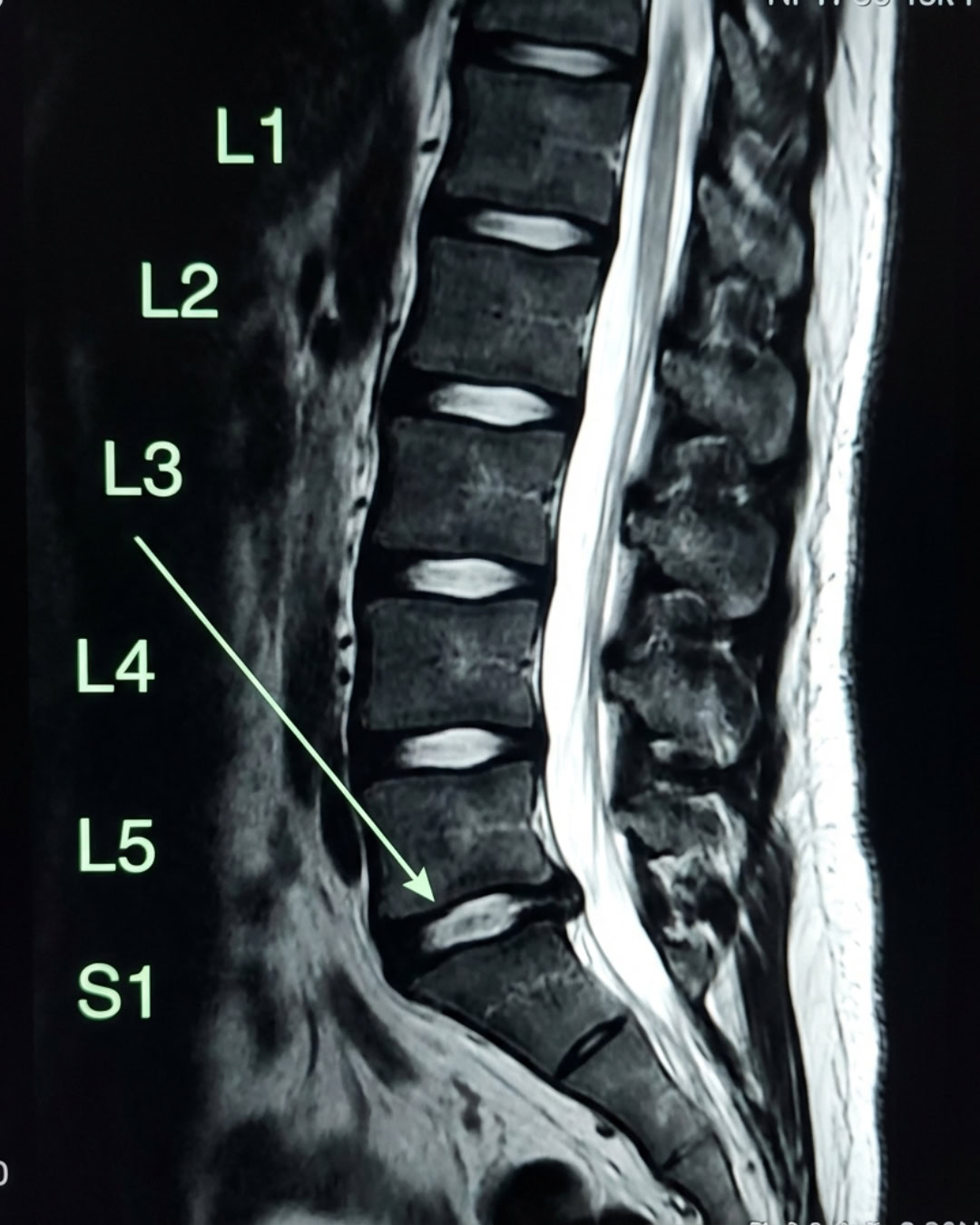
After 19 years of paying National Insurance, the NHS told me to 'come to terms with' never walking properly again. I'm 42. I've got a mortgage, two kids, and a job that requires me to sit at a desk for nine hours a day. And for the past eleven months, I've been trapped in what they're now calling the "Postcode Lottery." I first went to my GP in January with what I thought was a pulled muscle in my lower back. By March, I couldn't drive my daughter to netball practice without having to pull over twice because of shooting pain down my left leg. By June, I was doing what I now call the "Morning Shuffle"—that agonising 20-minute ritual where you wake up and your spine feels like it's been welded shut overnight. Here's what the NHS gave me over those eleven months: Appointment 1: Prescription for paracetamol. Told to "keep mobile" and it would sort itself out. Appointment 2: Same GP, now suggesting "gentle stretches" and a photocopied sheet of exercises that looked like it had been printed in 1987. Appointment 3 (via Zoom): Different doctor. Told me I had an L5-S1 herniation and I'd been referred to physiotherapy. Appointment 4: The physio referral? Rejected. Postcode "outside catchment area." Put on a waiting list for Cambridgeshire MSK services. Estimated wait time: 18 weeks minimum. Eighteen weeks. That's 126 days. Do you know what happens to a compressed disc in 126 days? It doesn't "sort itself out." The pain "snowballs." And you start Googling "cauda equina syndrome" at 3 AM because you're terrified you'll wake up one morning and not be able to feel your legs at all. Then came the Zoom call I'll never forget. It was appointment number 8—yes, eighth—with a consultant I'd finally managed to see after my wife threatened to file a formal complaint. He looked at my MRI, looked at me through the screen, and said: "I'm going to be honest with you. Your condition will never get better. You need to come to terms with this." I was 41 years old. I had a 9-year-old who wanted me to teach her to ride a bike, and a doctor was telling me via a computer screen that I needed to "come to terms with" spending the rest of my life unable to put my own socks on without wanting to scream. I felt like I'd been fobbed off. Like I was just a number on a spreadsheet—a "resource allocation problem" instead of a human being who'd paid into the system for nearly two decades and was now being told to accept a life sentence because I lived in the wrong postcode. I didn't know where else to turn. I'd tried the GP route. I'd been rejected by physio. I couldn't afford £150-per-session private decompression therapy in Harley Street. And surgery? The thought of ending up like those horror stories on the forums—worse pain, scar tissue, months of recovery—terrified me. Then, at 2 AM one night while I was Googling in desperation, I stumbled across an article on Spine-Magazine. It was titled: "The 15-Minute Device That's Ending the 'Morning Shuffle' for Thousands of Britons Stuck on NHS Waiting Lists." I nearly scrolled past it—I thought it was going to be another one of those "miracle cure" scams. But something made me click. The article explained exactly why everything the NHS had tried with me had failed. It wasn't about the exercises being wrong, or the paracetamol being useless (though it is, for nerve pain). It was about the fact that none of those treatments addressed the actual problem: spinal compression. It explained how sitting at a desk for nine hours a day increases the pressure on your lumbar discs by up to 90%. How that pressure squeezes the fluid out of the discs like wringing out a sponge. And how, once those discs are "dehydrated," they can't cushion your spine anymore—so the vertebrae compress together and pinch the sciatic nerve. That's the "battery acid" feeling. That's the electric shocks. That's why I couldn't sit through dinner or drive to Tesco without wanting to scream. But here's the part that changed everything: The article talked about a "triple fusion" technique that private clinics in London have been using for years—combining heat, vibration, and traction to create negative pressure in the discs and literally "vacuum" fluid back into them. It's the same principle surgeons use when they talk about "relieving pressure on the nerve," except you're doing it at home, in front of the telly, without a scalpel anywhere near you. I couldn't believe what I was reading. This was the first time in eleven months that someone had explained my condition in a way that actually made sense. Not "just keep mobile." Not "learn to live with it." But a mechanical explanation of what was wrong and how to fix it. The article included testimonials from people who'd been stuck on the same 18-week waiting lists I was on. Teachers. Lorry drivers. Retirees. People who'd been told by their GPs to "just take paracetamol" while their lives fell apart. And they were getting better. Not "managing" their pain. Not "learning to cope." Actually getting better. If you're stuck on a waiting list right now, or if you've been told your condition "won't get better," or if you've spent the last year feeling like the NHS has completely abandoned you— You need to read that article. It opened my eyes. And it might just save you from the same hell I've been through. https://www.restivahealth.com/pages/adv-2
Where the ad sends people
restivahealth.com
Read this if NHS told you 'just accept it'
Restiva™
Learn more: restivahealth.com(opens in a new tab)